

Why I’ll Always Hang a Wall Vase
On wall pockets, blank walls, and not waiting until you’re ready.

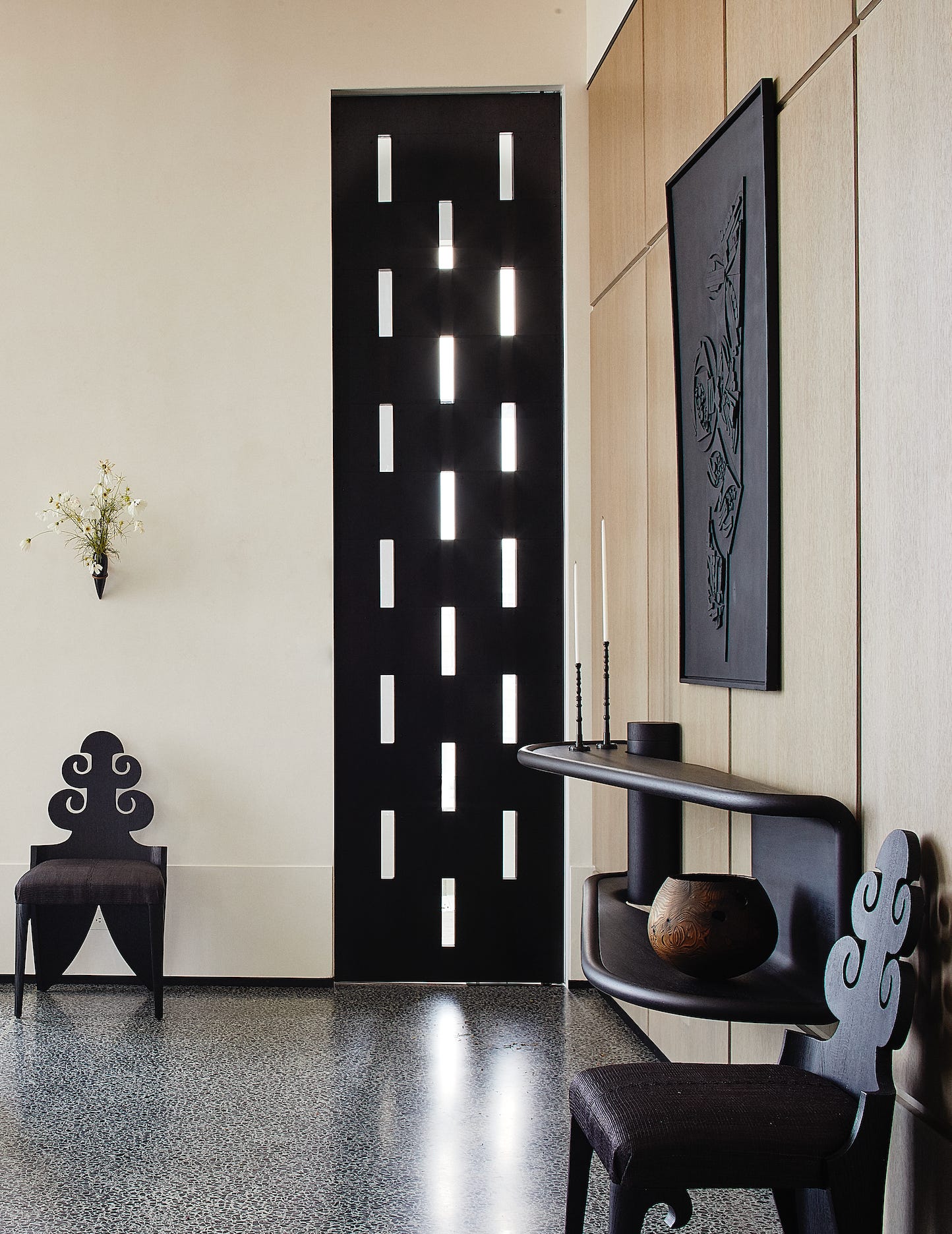
I’ve always had wall vases.
This makes it sound intentional, like I descend from a long line of people who thoughtfully suspend ceramics in well appointed foyers. I do not. For a long time, my apartment looked like I had just been released from somewhere and was trying to reintegrate into society.
The walls were large. The budget was not. Art felt like something responsible adults acquired slowly and discussed over dinner. I was eating pasta standing up over the sink.
So when I was sourcing for a shoot years ago and saw this beautiful Japanese wood fired ceramic, I picked it up mostly because it felt grounded. It looked like it had survived a fire and come out wiser, which felt aspirational.
Then I noticed a small ring mounted on the back.
It was meant to hang.
I cannot explain how destabilizing this realization was. Up until that moment, vases lived on tables. That was the rule. Suddenly here was a vessel calmly suggesting that walls were available.
I bought it. I hung it near my door with one nail and an optimism that bordered on delusion. I put a single stem in it and stepped back, fully prepared to hate it.
Instead, the room looked like someone with a future lived there.
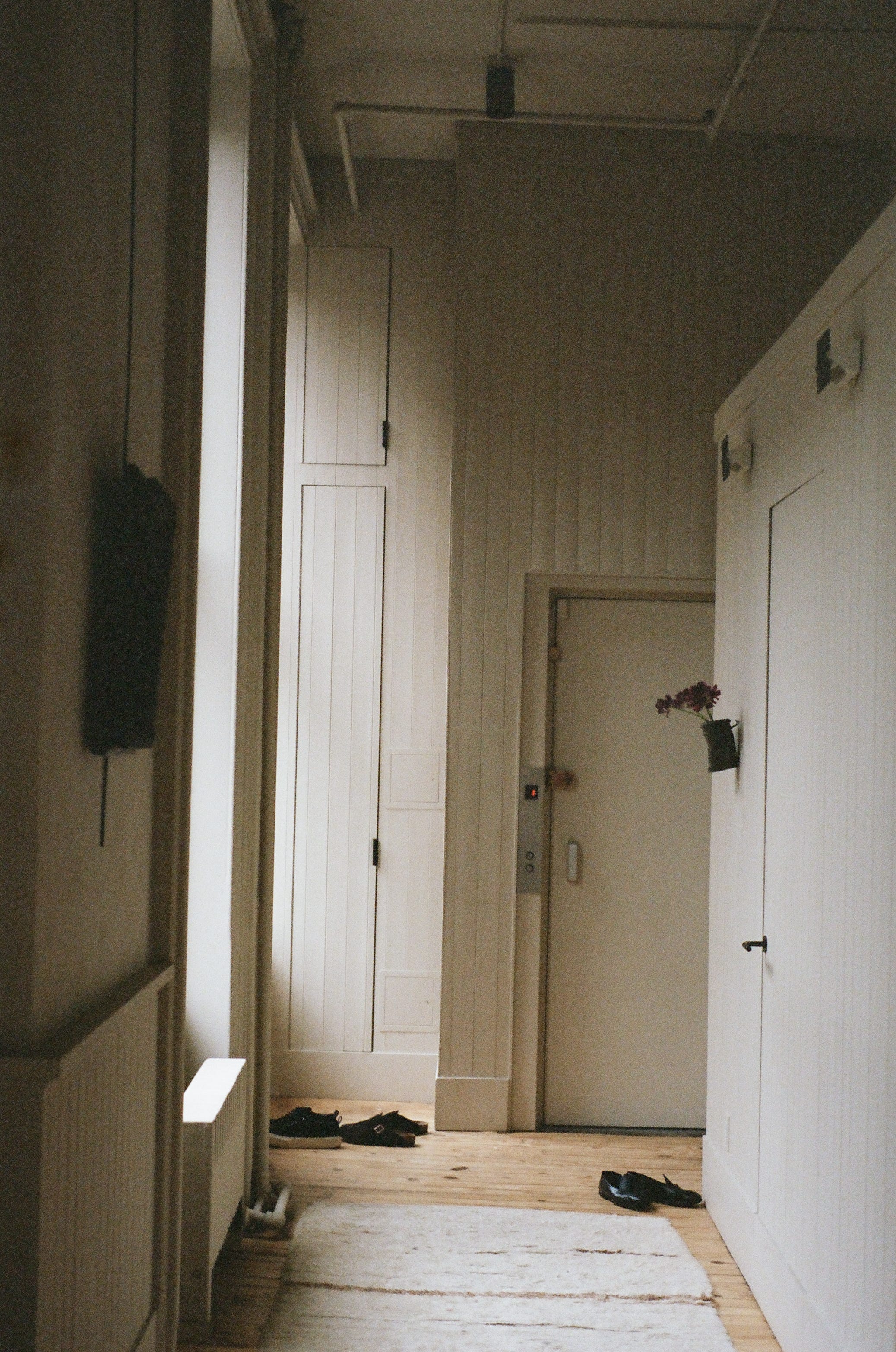
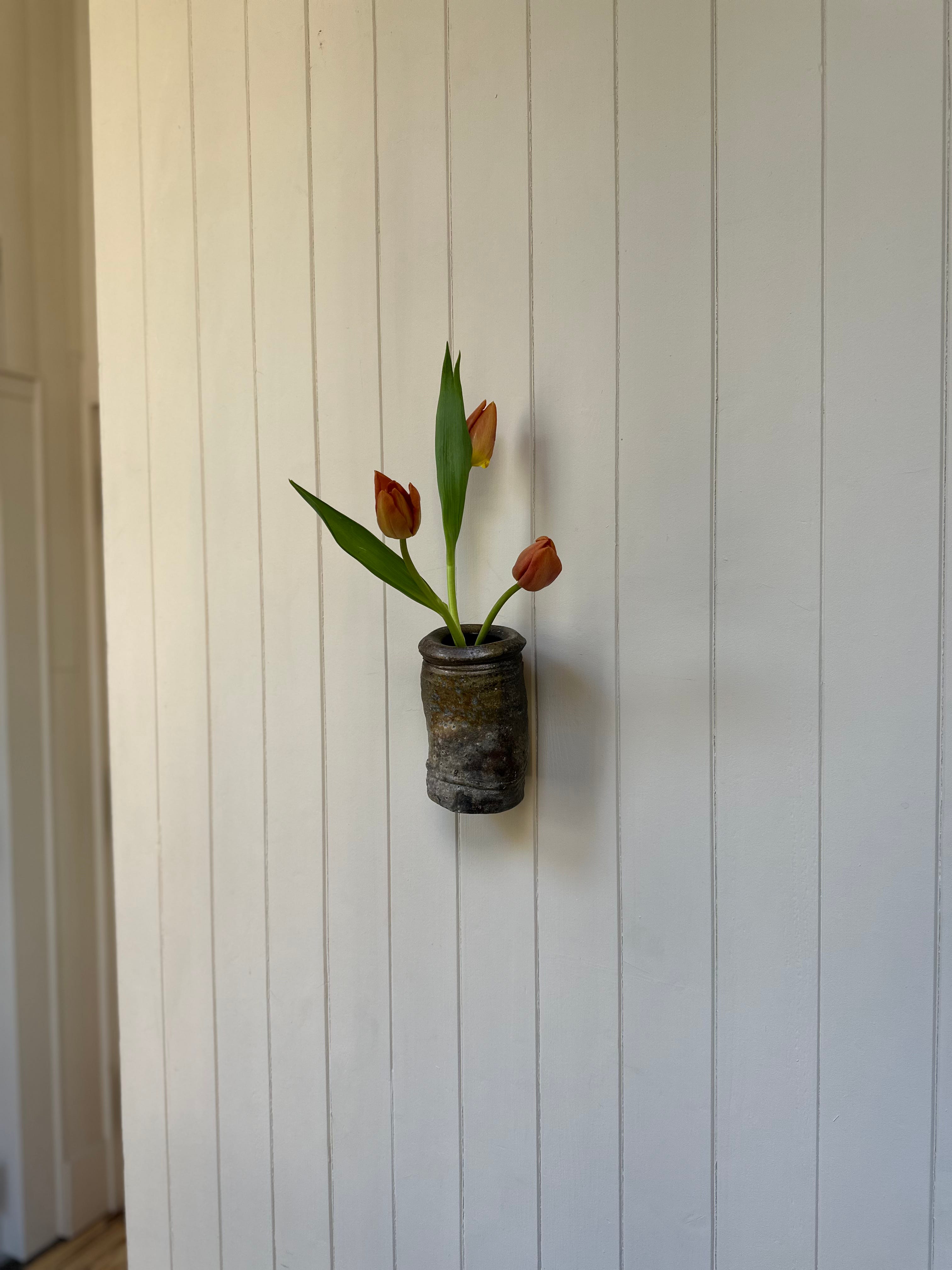
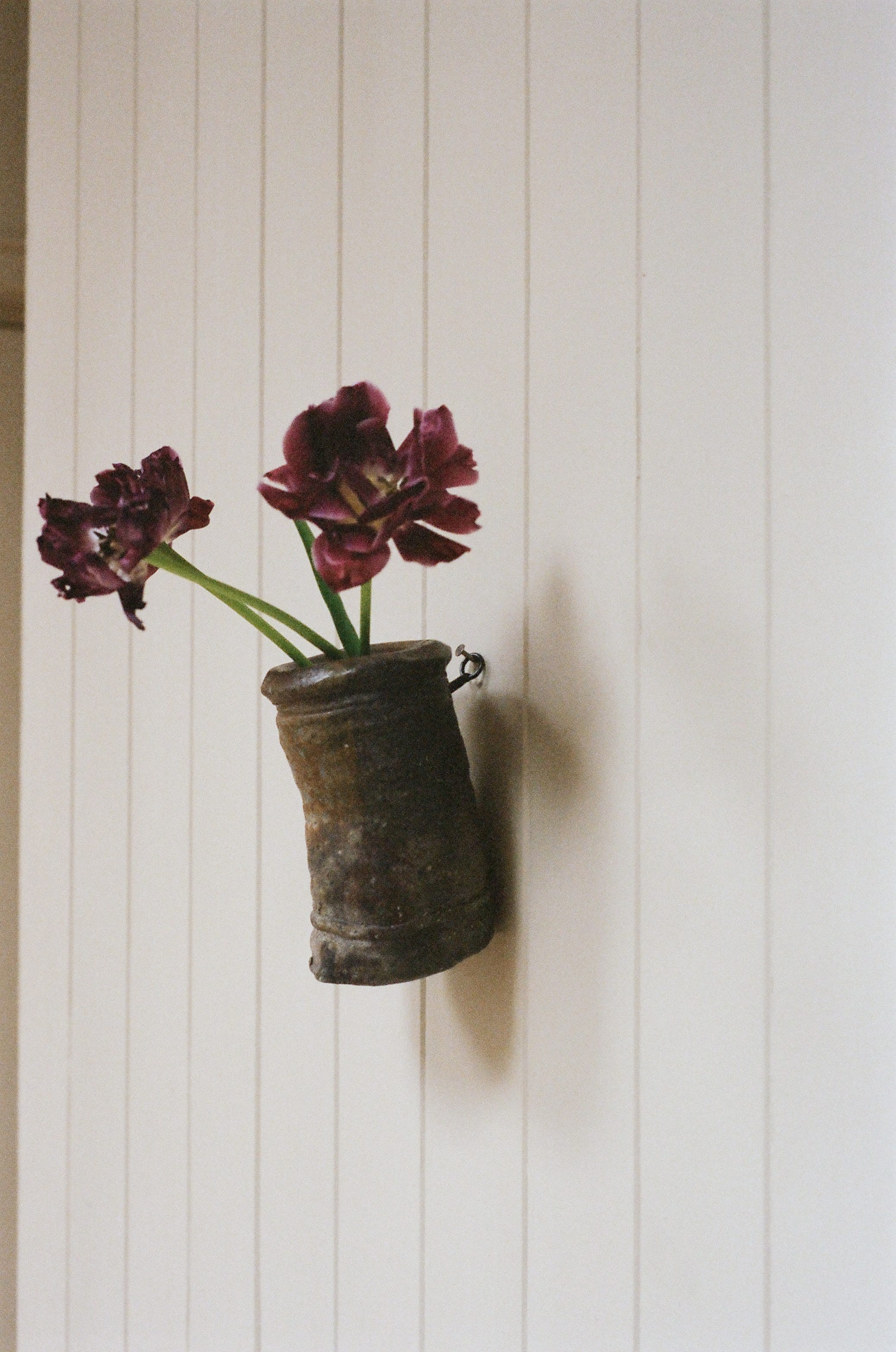
The wall had depth. The entry had a pulse. I looked like a person who had made a decision on purpose instead of someone who had just finished assembling a bookshelf incorrectly.
I’ve been hanging them ever since.
What I love, and what I did not know at the time because I was busy trying to look stable, is that wall mounted flower vessels are centuries old. In Japan, hanging forms called kake hanaire were used during tea ceremonies in or near the tokonoma. Bamboo. Bronze. Rough ceramic. Designed to hold a modest arrangement. Not a bouquet that announces itself. Just enough.
There’s something comforting about that restraint. Especially for those of us who are prone to announcing things.
Wall vases solve a real problem. They add life without taking up a surface. They bring height without furniture. They animate a wall without forcing you to commit to a framed opinion you may regret later.
They’re forgiving. You don’t have to center them perfectly. You don’t need a gallery wall manifesto. You hang one. You put something in it. You walk away.
Sometimes I put something dramatic in them and feel briefly poetic. Sometimes I clip a branch from outside and pretend I live in a Japanese novel. Sometimes it’s a grocery store carnation that’s doing its best.
Sometimes they’re empty. Which, frankly, is also fine. An empty wall vase suggests potential. It says, I am considering things.
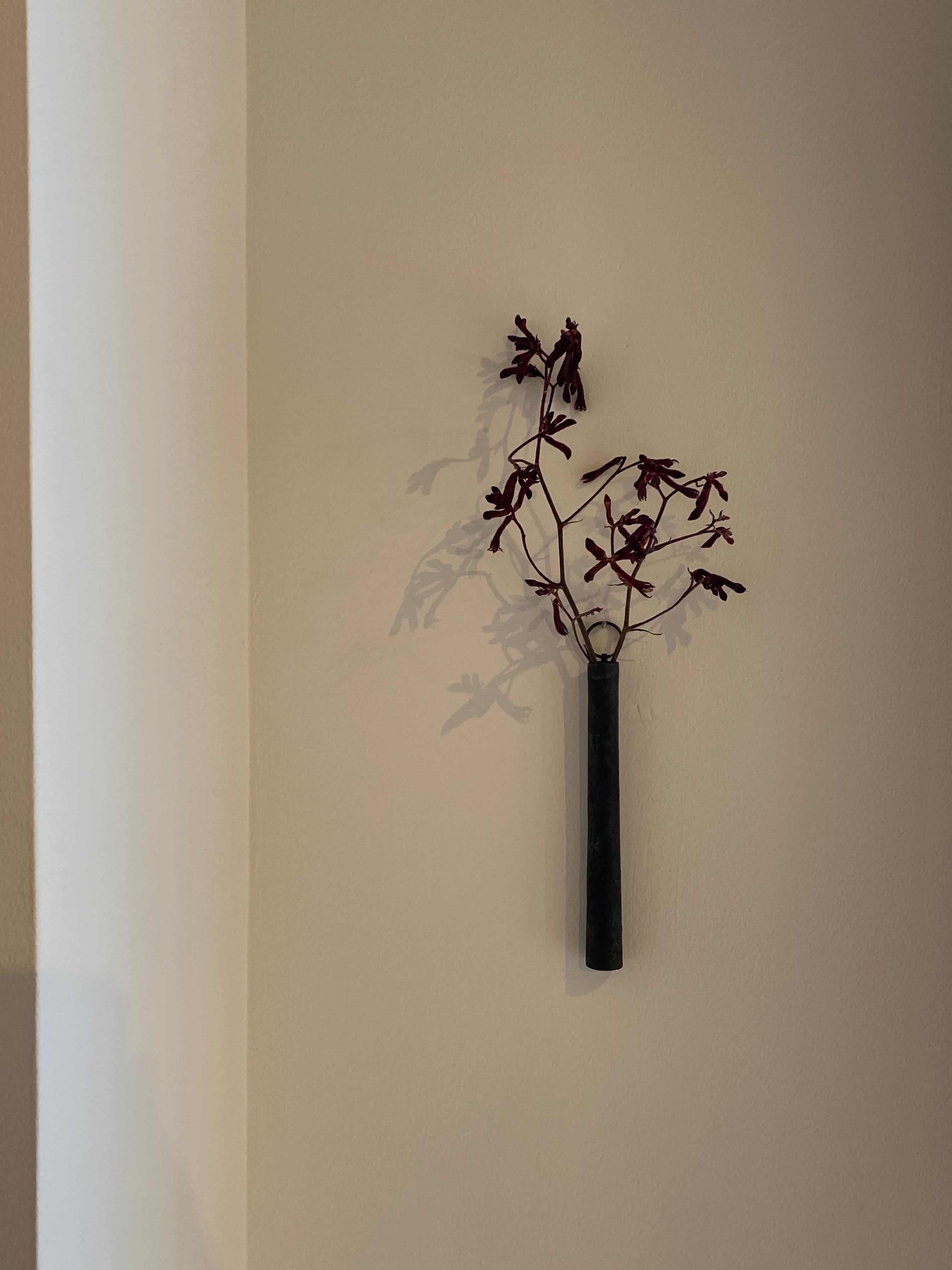
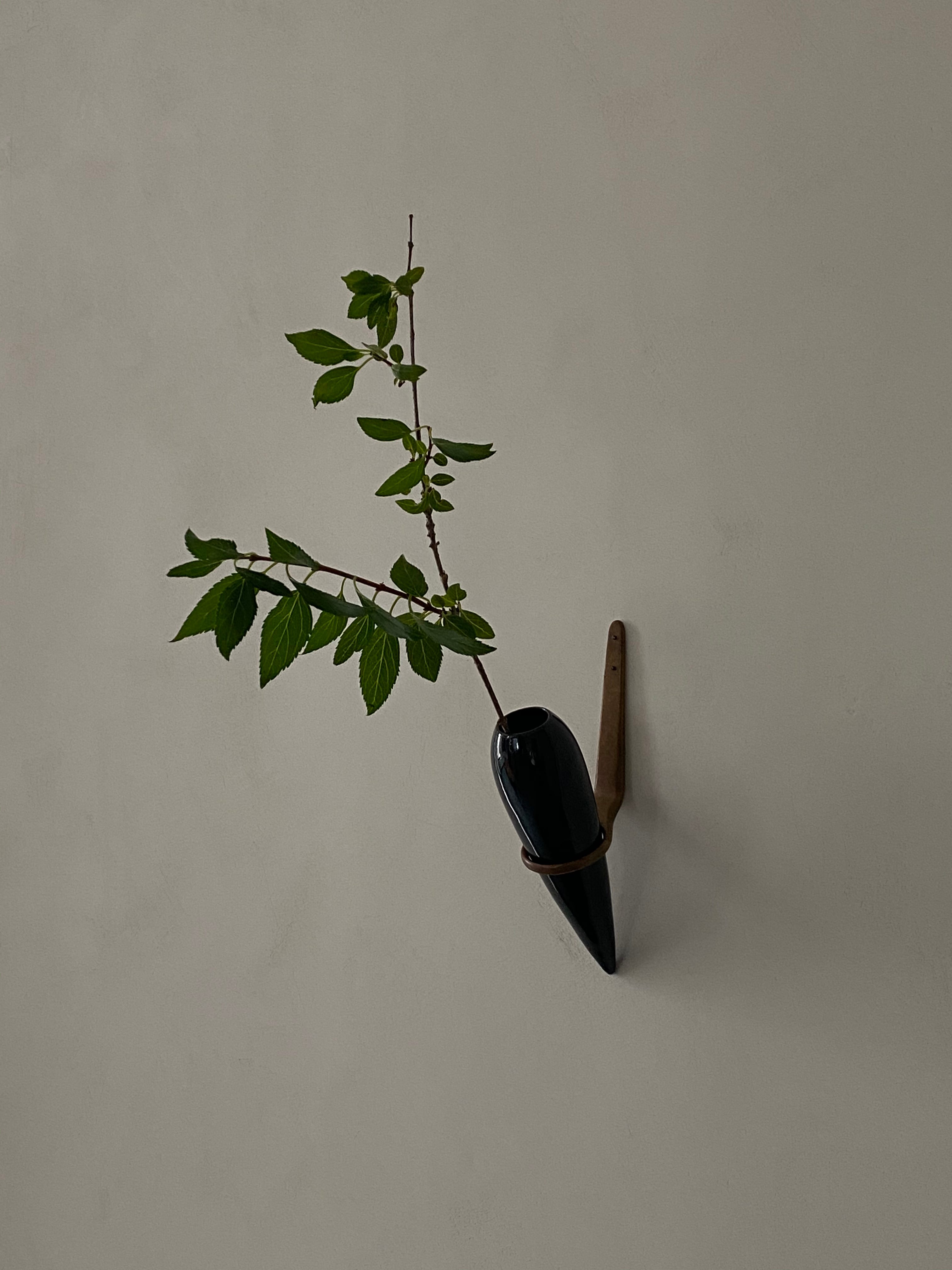
There is also the deeply unromantic truth. They’re attainable.
You can find them vintage. You can find them new. You can find them under one hundred dollars. They ship easily. They move with you. They work in rentals and homes that are still figuring themselves out. They don’t require confidence. They build it.
If you’re staring at a blank wall waiting until you can afford the right art, this is your permission slip.
Hang a vase.
Put one stem in it.
Stand back and act like you meant to.
The rest of this post, including the wall vases I actually buy and hang again and again, continues for paid subscribers. None of them require inherited taste or a trust fund. Some are vintage. Some are contemporary. All of them work harder than they should.