

Maximalists and Minimalists Are the Same People
What your style says about how you handle the messy, unresolved middle.

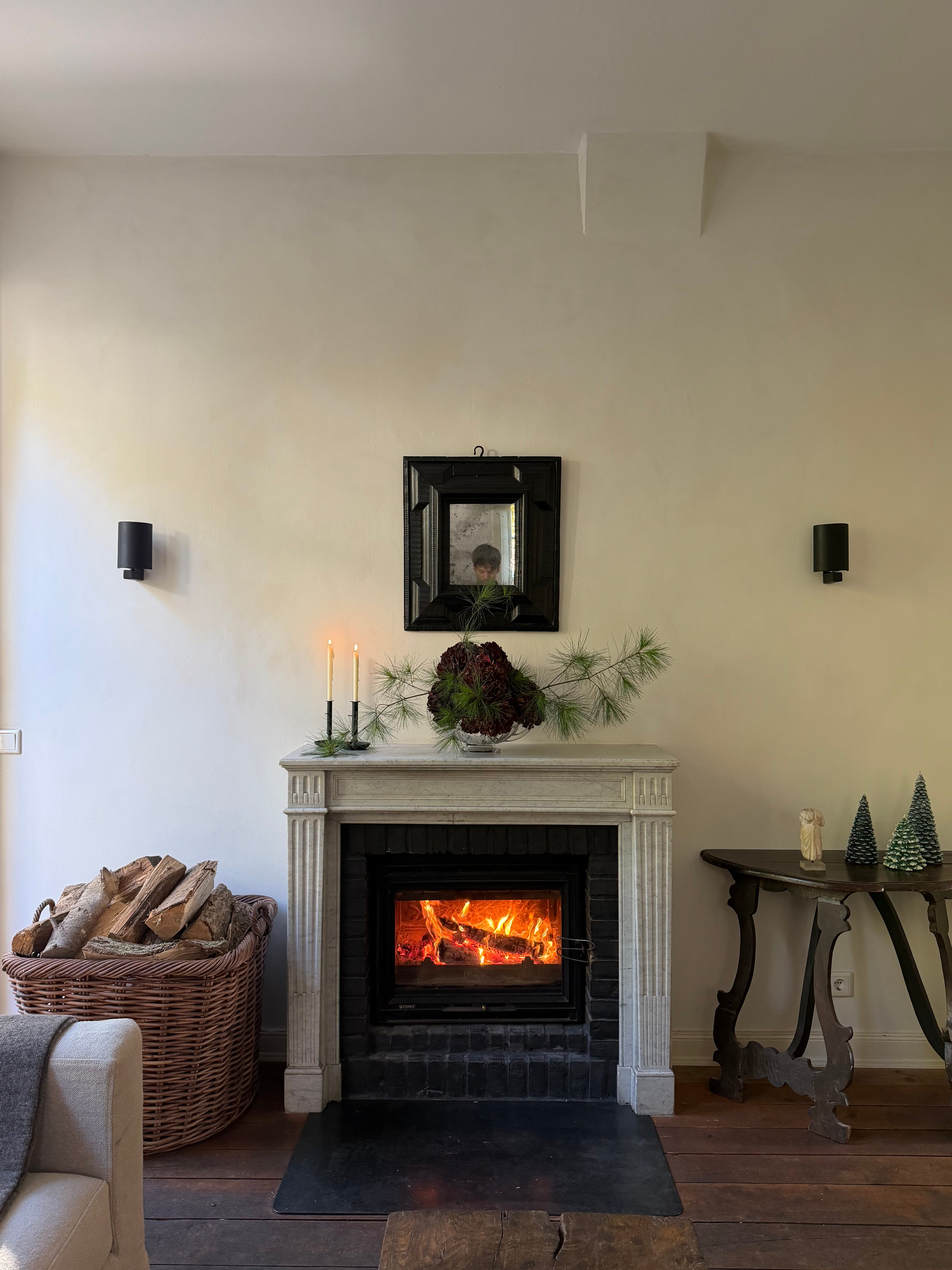
Here is a small, possibly treasonous truth about design, and maybe about people too. Maximalists and minimalists are the same people wearing different coping mechanisms.
Both are allergic to the unresolved middle.
One piles on.
One strips away.
The impulse is identical, a shared panic in the presence of something that has not quite become itself.
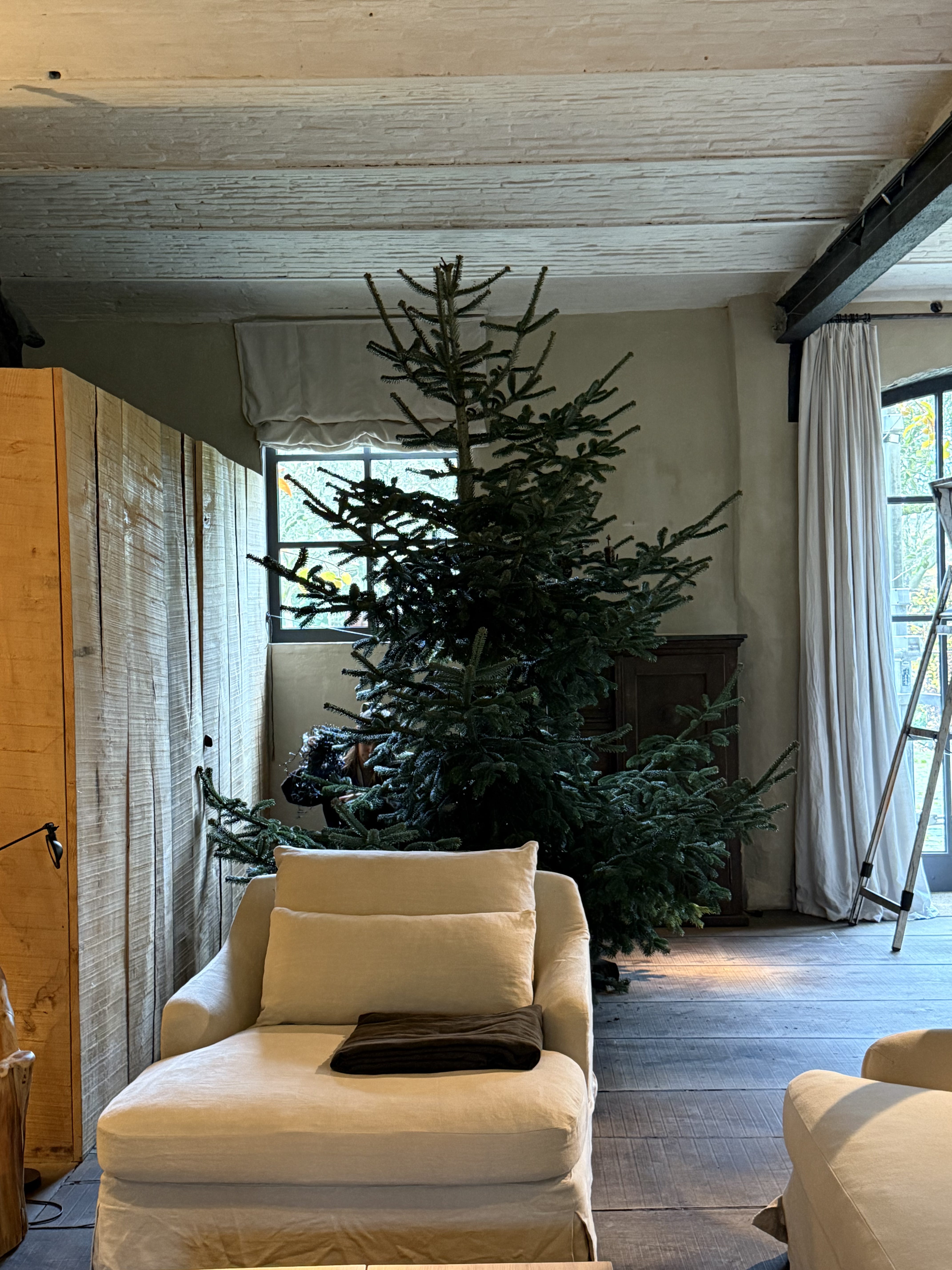
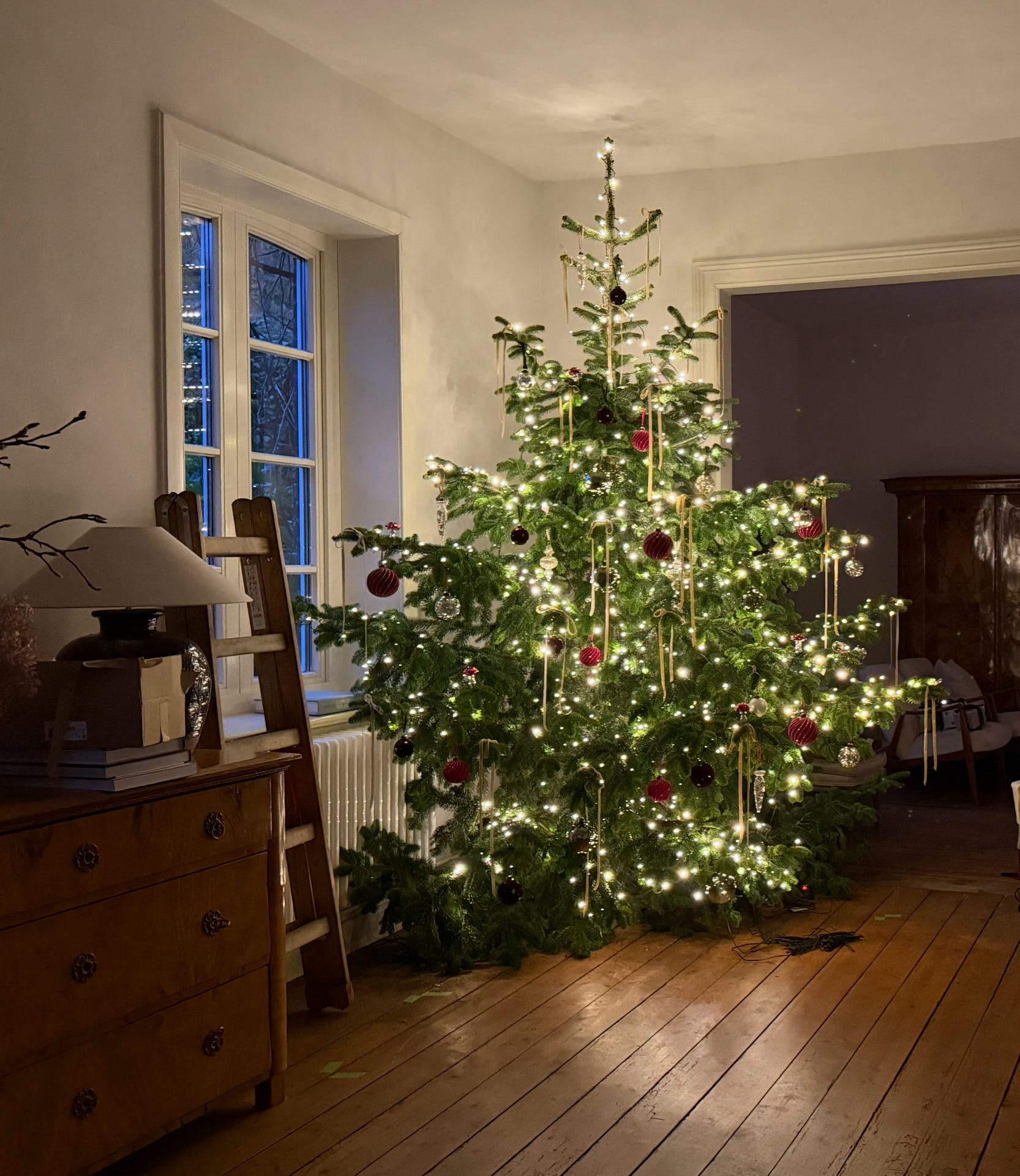
I was reminded of this while decorating a Christmas tree for my friends at Beni Rugs. I had arrived with ribbons and dried orange garlands, armed with what I believed was a plan. Then we plugged in the lights and the tree was perfect. Just lights. Nothing else. A kind of serene completeness that made us all hesitate.
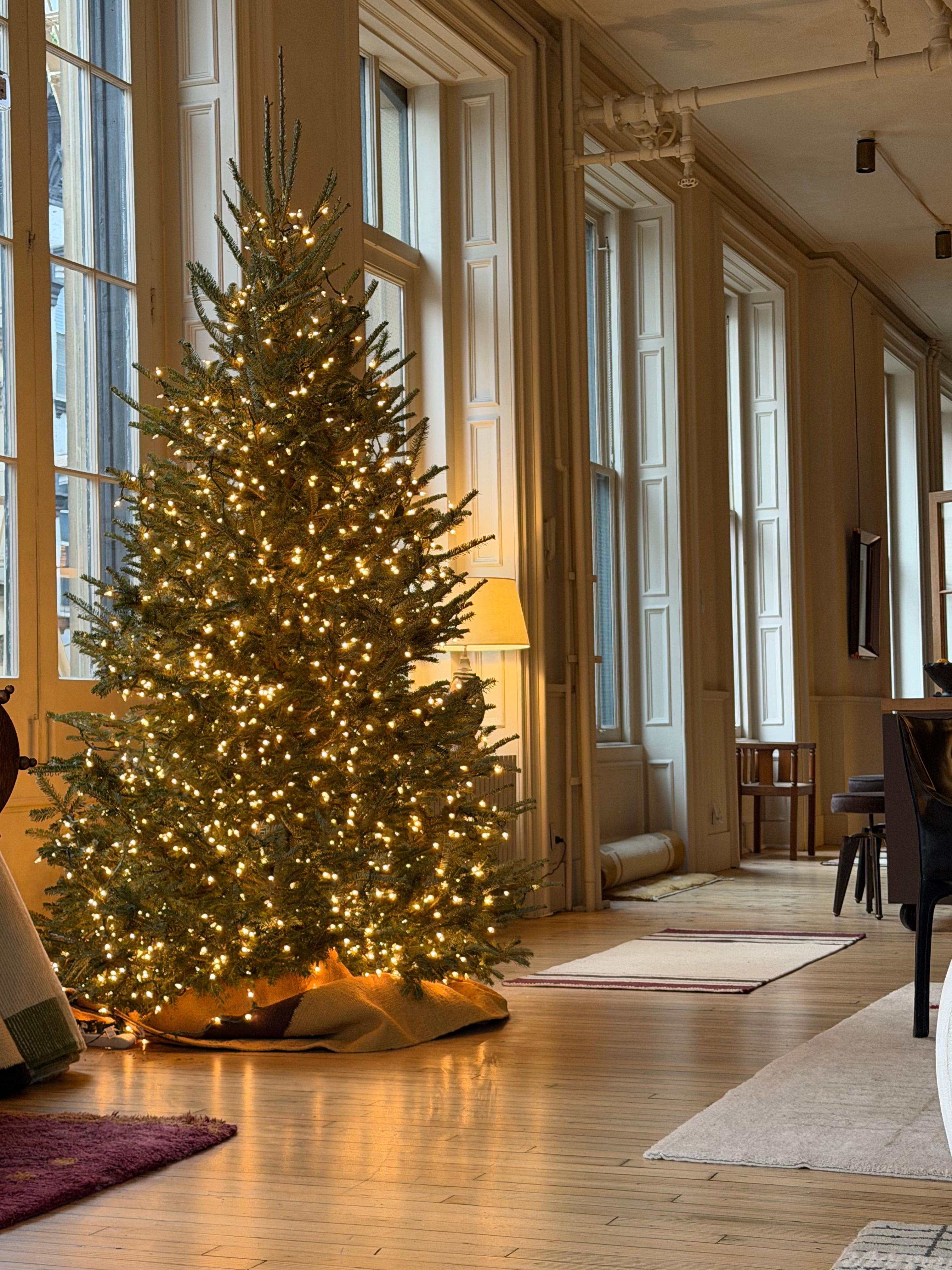
Someone asked, “Should we keep it like this?”
And for a moment, I understood minimalism in a way I had not before. Real minimalism is not the absence of stuff. It is the absence of alternatives. No distraction. No safety net. No I might swap this out later. It is a single, committed line with no backup dancers. Every piece carries its own weight. Every gesture feels intentional. Nothing is superfluous. That kind of clarity takes strength and I admire it.
But I am not a minimalist. Not because I resist the philosophy, but because I need things to move, shift, arrange and rearrange like a restless choreographer trying to find the beat. I do not display everything at once in my own home, but I love being in homes that lean maximal, homes layered with texture and personal accumulation. What I avoid is the muddy middle, the half decided room where nothing has earned its place yet.
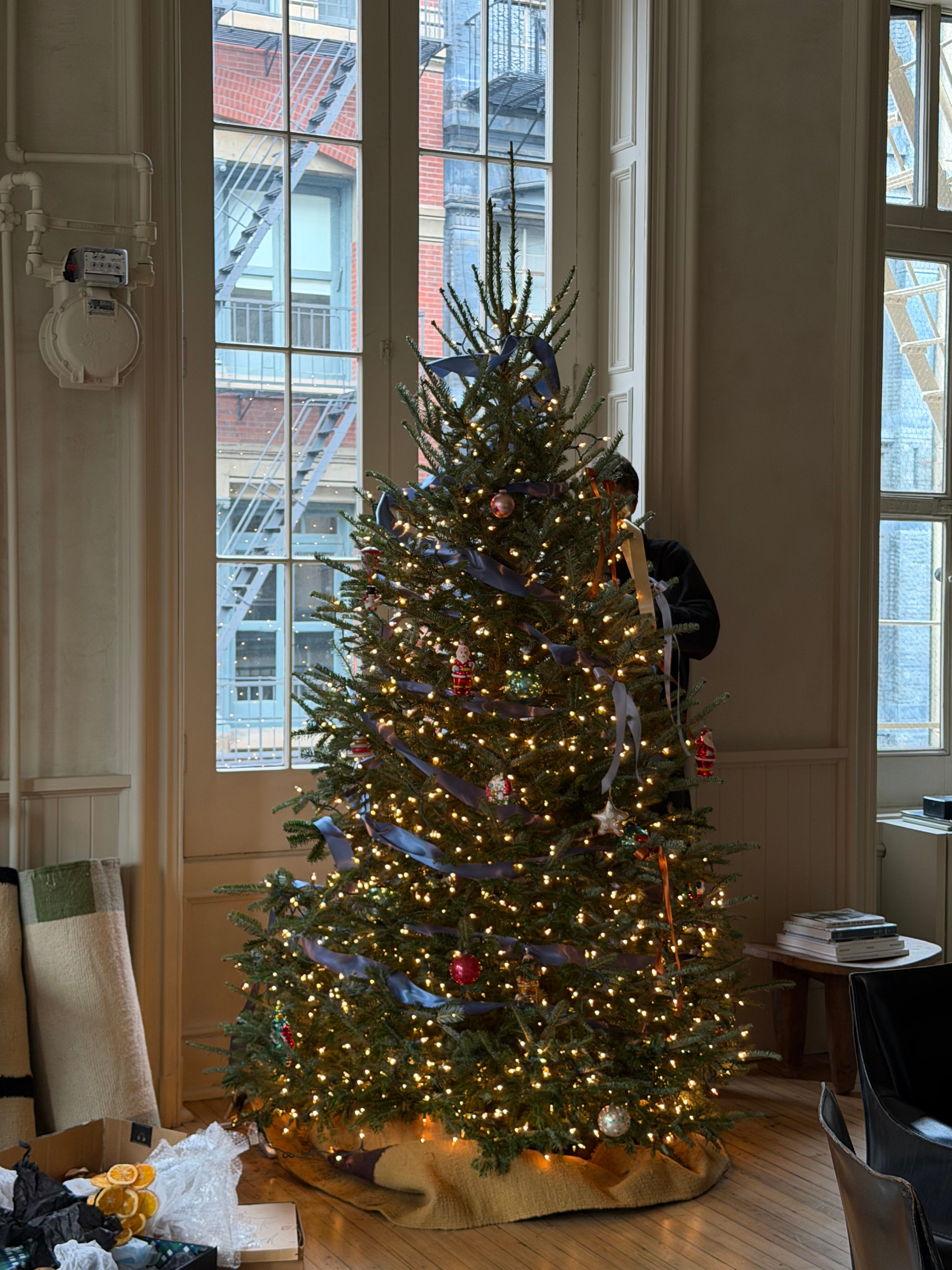
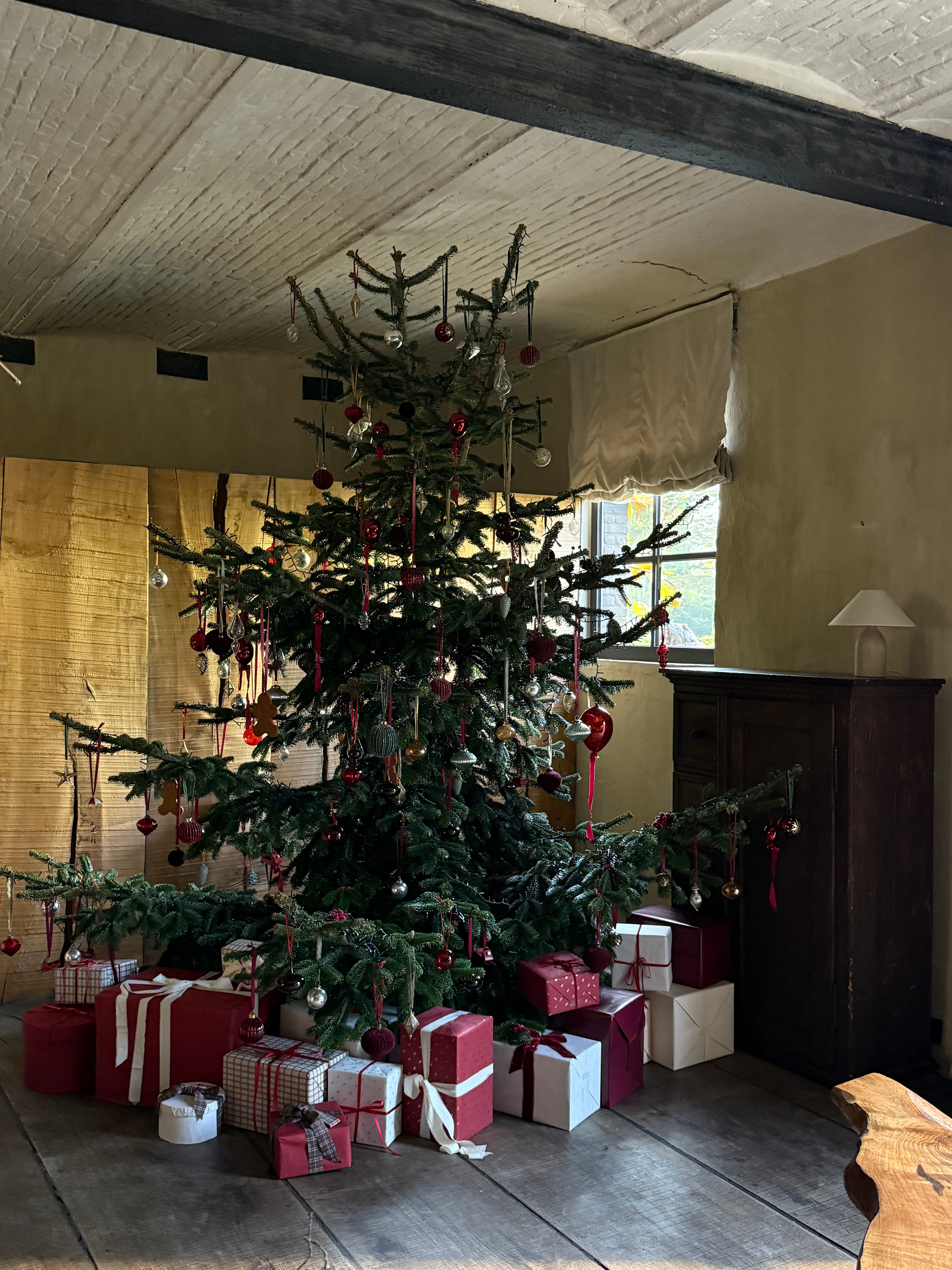
So I started decorating. A garland here, a ribbon there. The tree instantly entered its awkward era. Nothing looked right and I could feel everyone’s polite concern. This is the part no one warns you about, the moment when the thing looks worse before it looks better and you begin reconsidering your entire profession.
But I kept going. And slowly the tree yielded. The layers found each other. The whole thing settled into something joyful and complete in a way that lights alone could not have predicted.


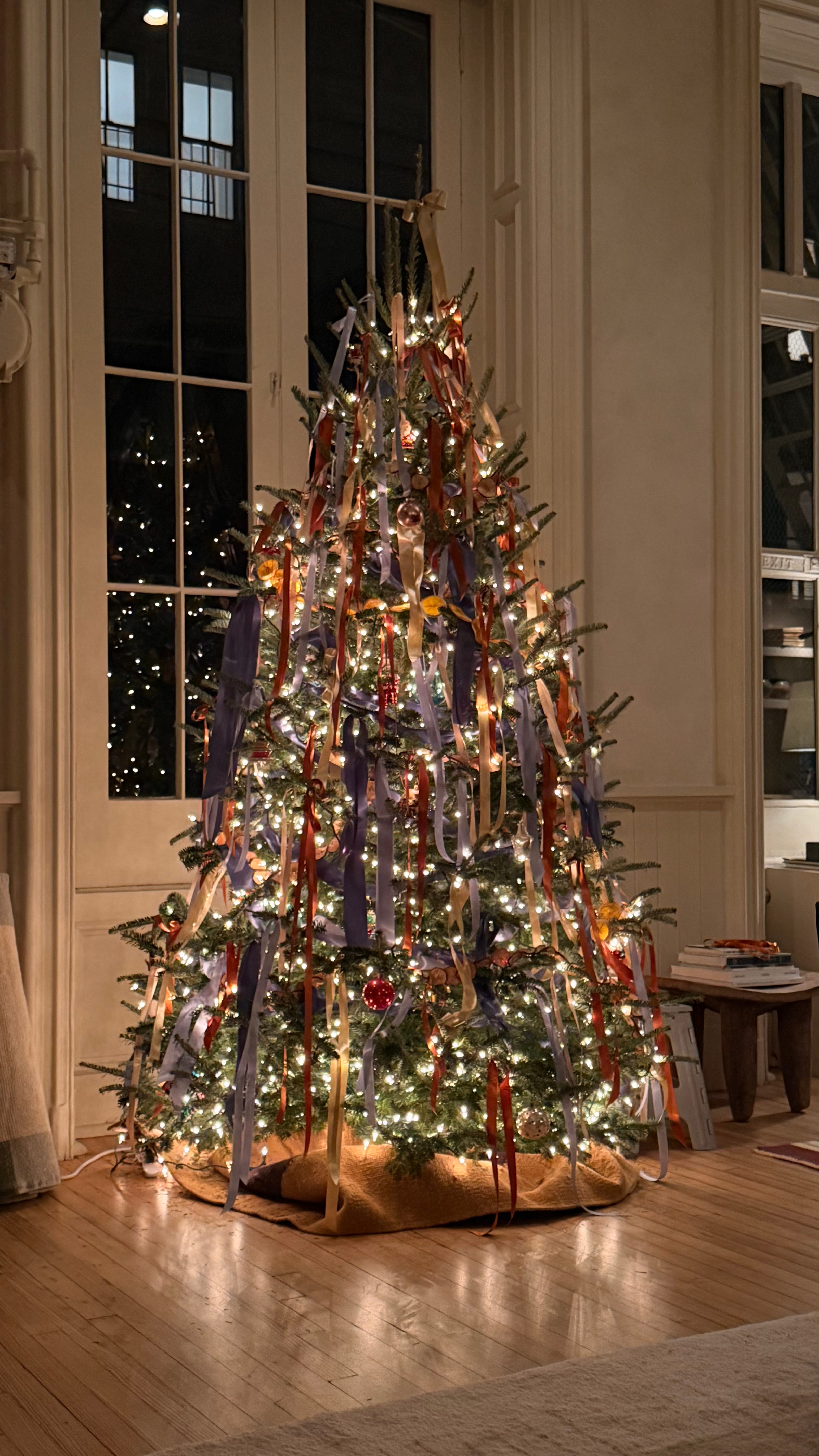
It reminded me how often people think minimalism is simpler because it looks simple. It is not. Editing is the last luxury. Most homes are not under decorated. They are under edited. People think they need more stuff when what they actually need is fewer decisions made with more conviction.
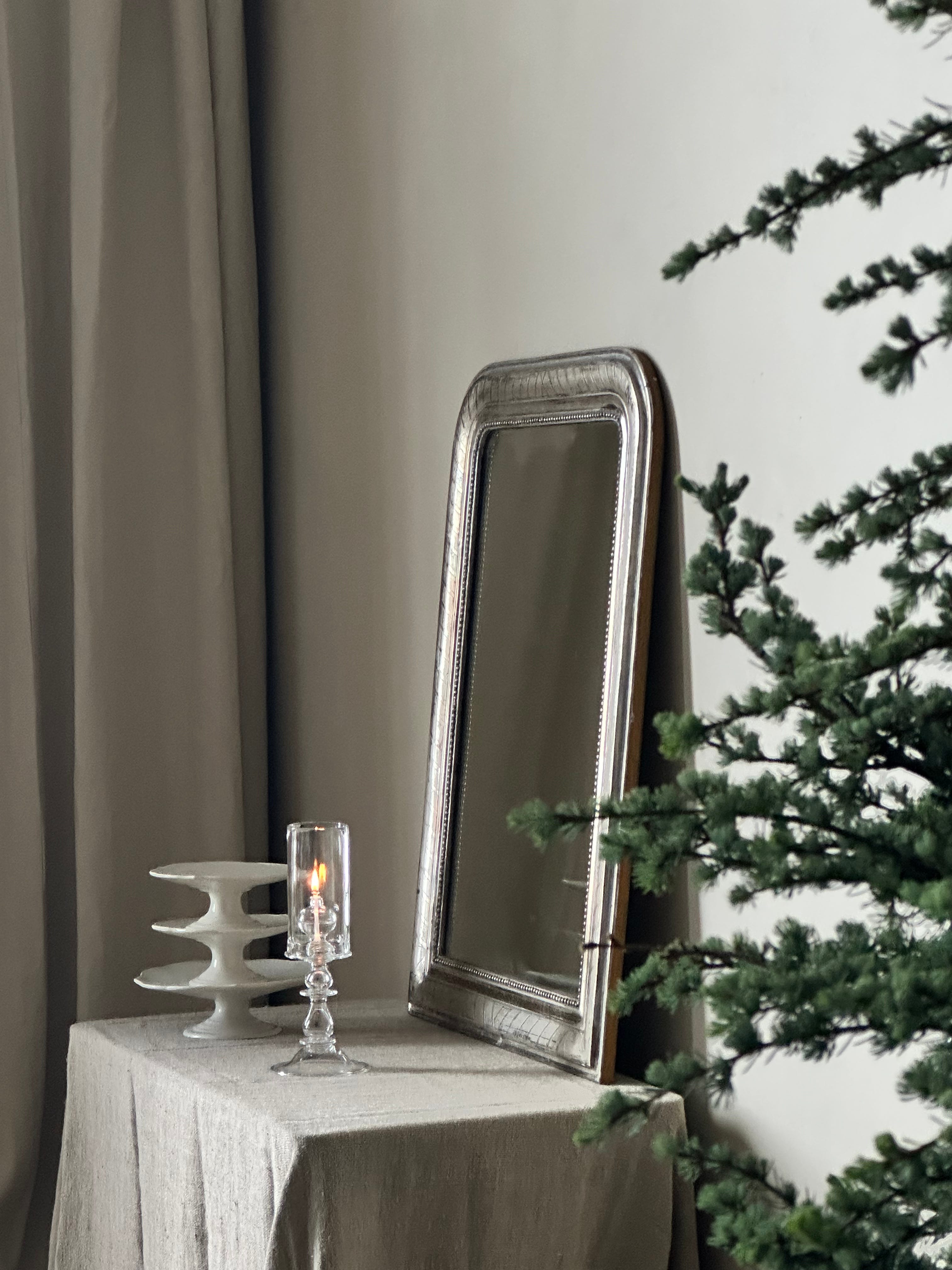
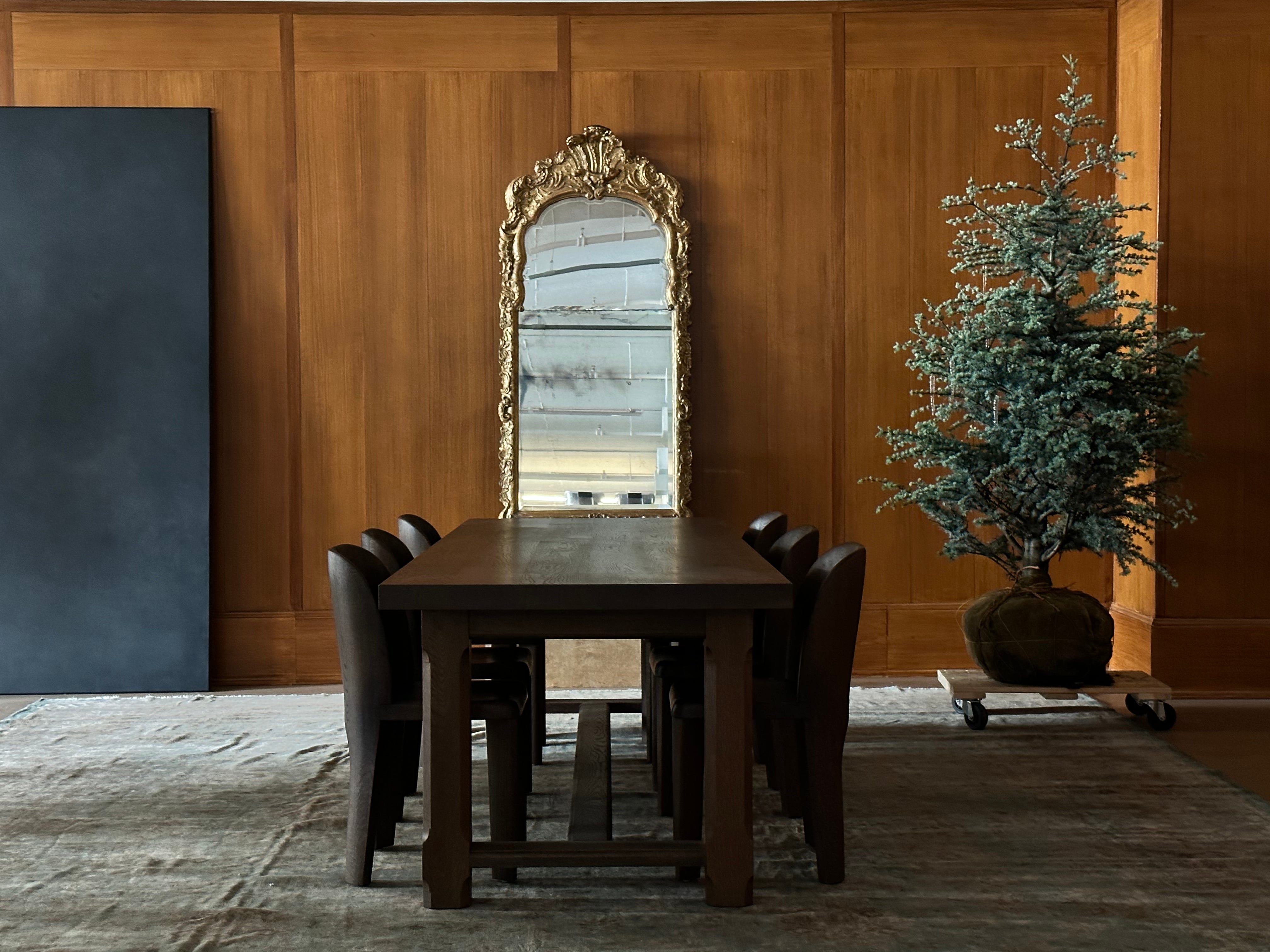
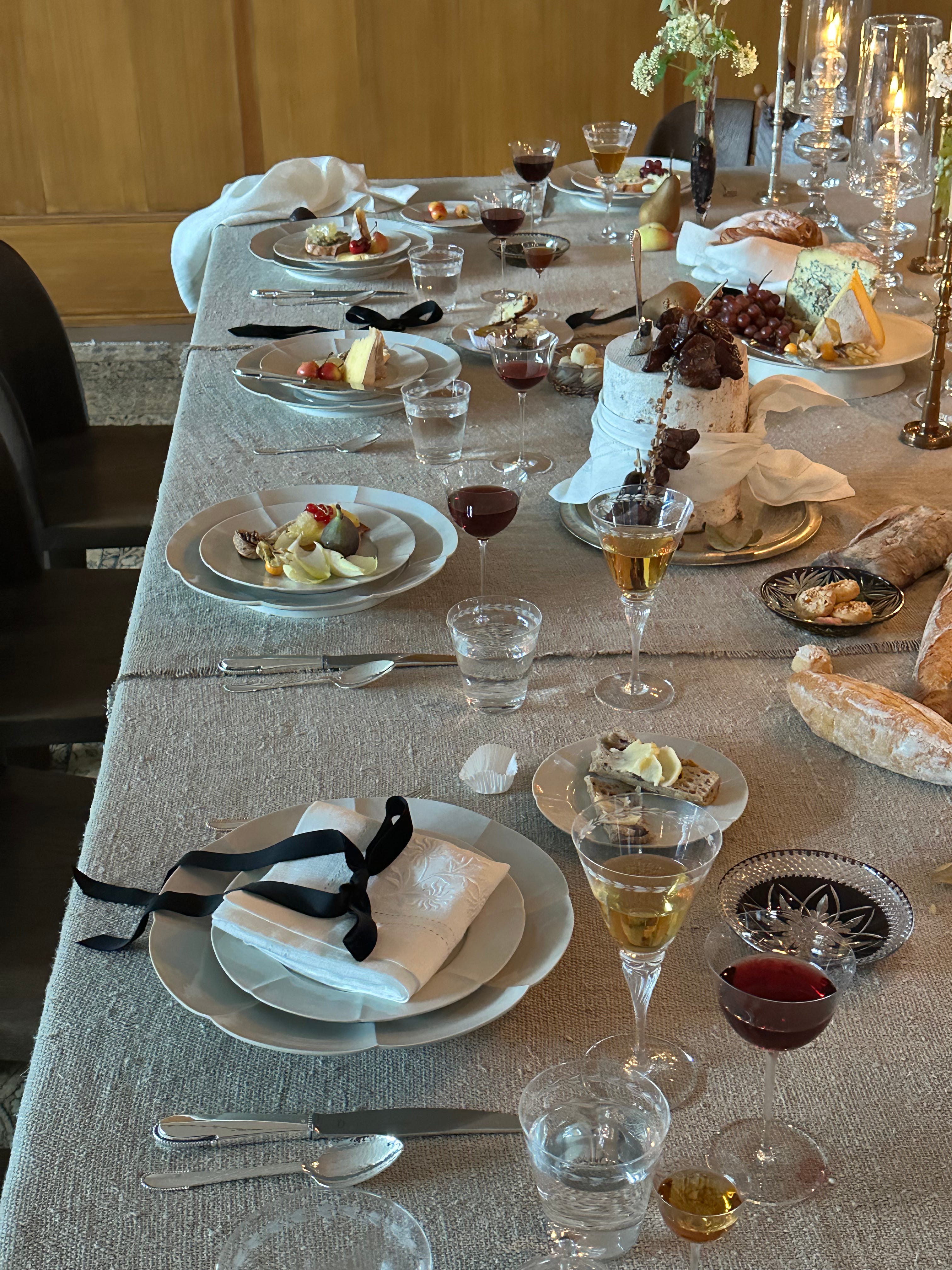
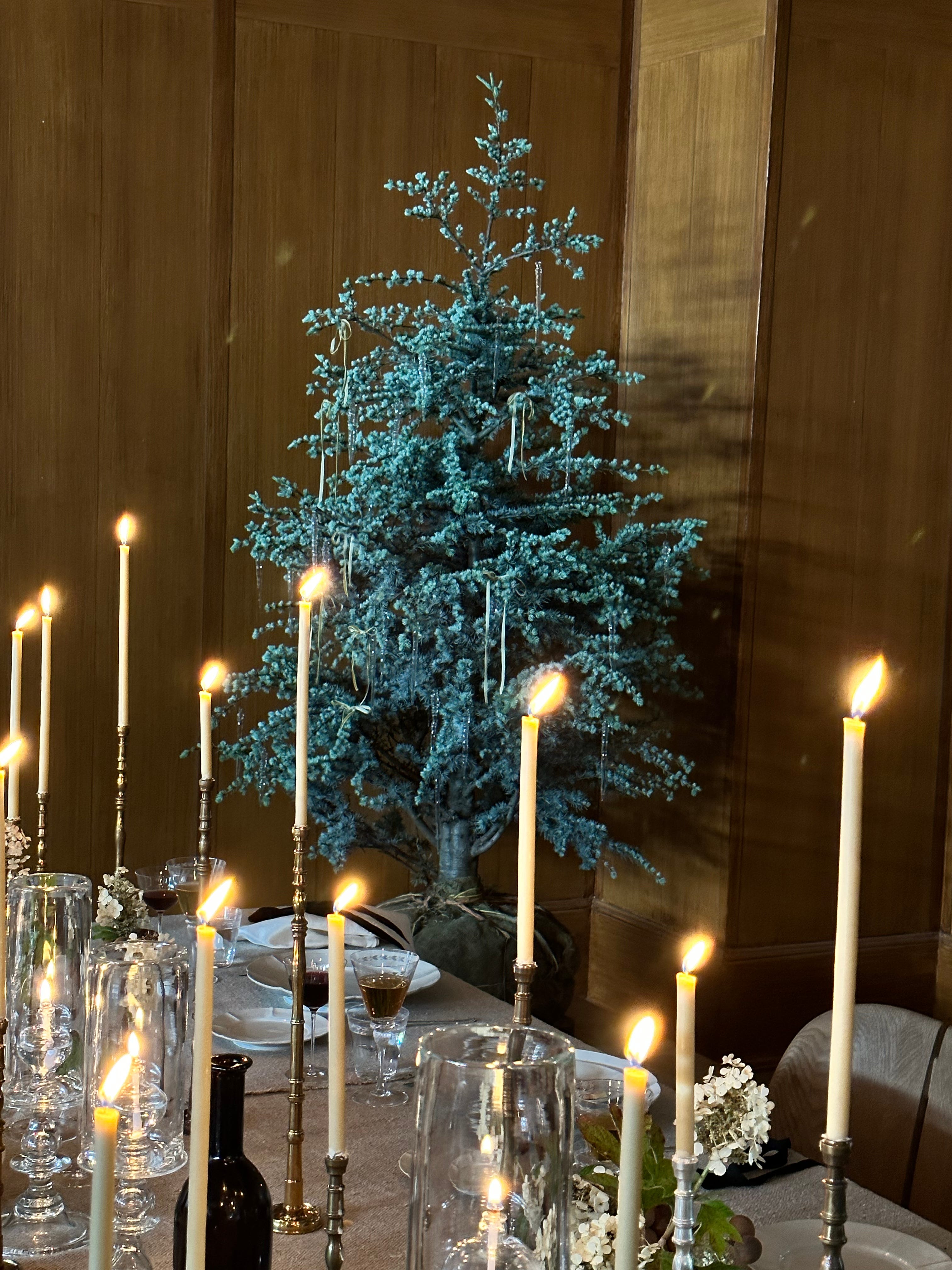
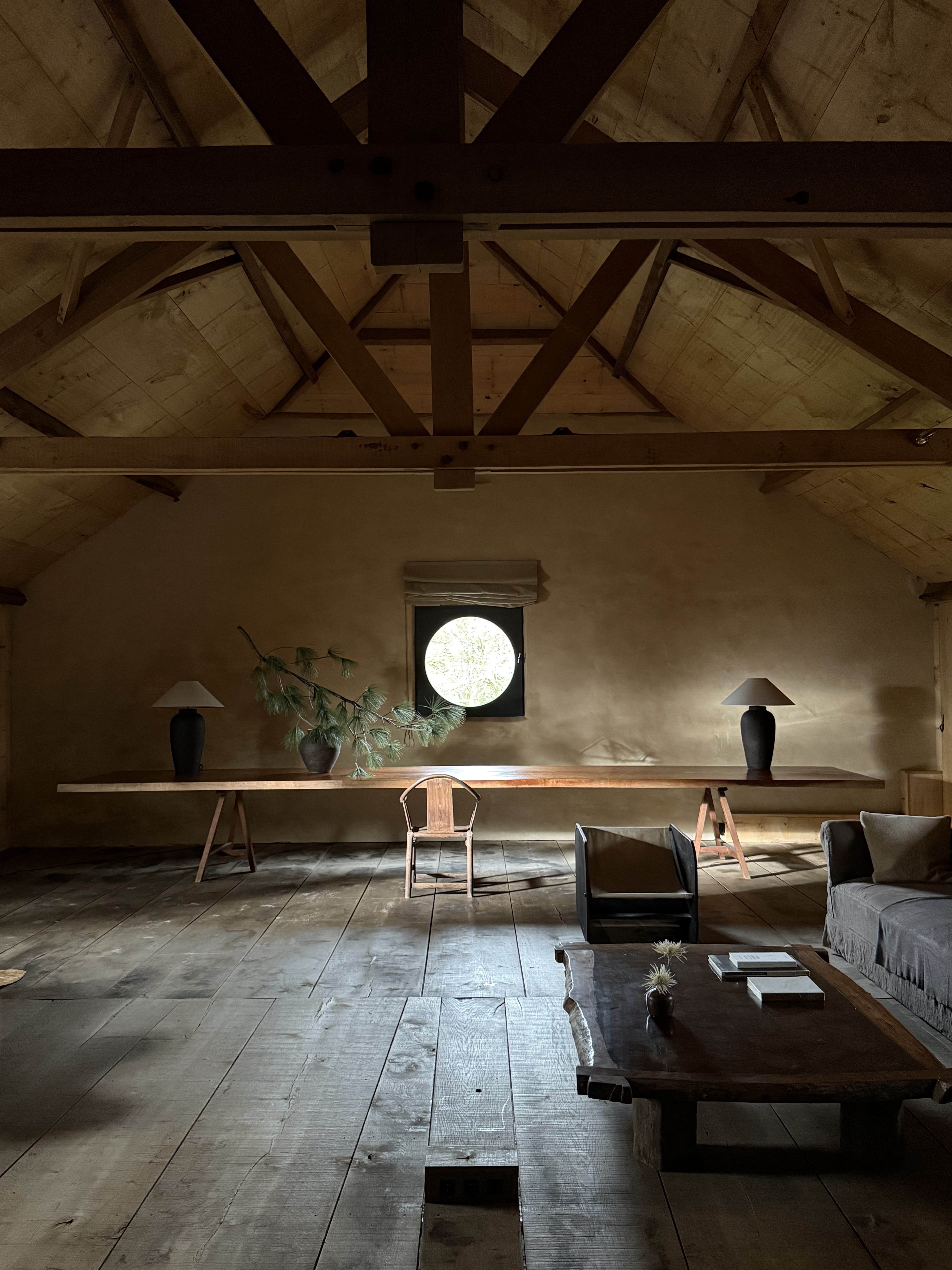
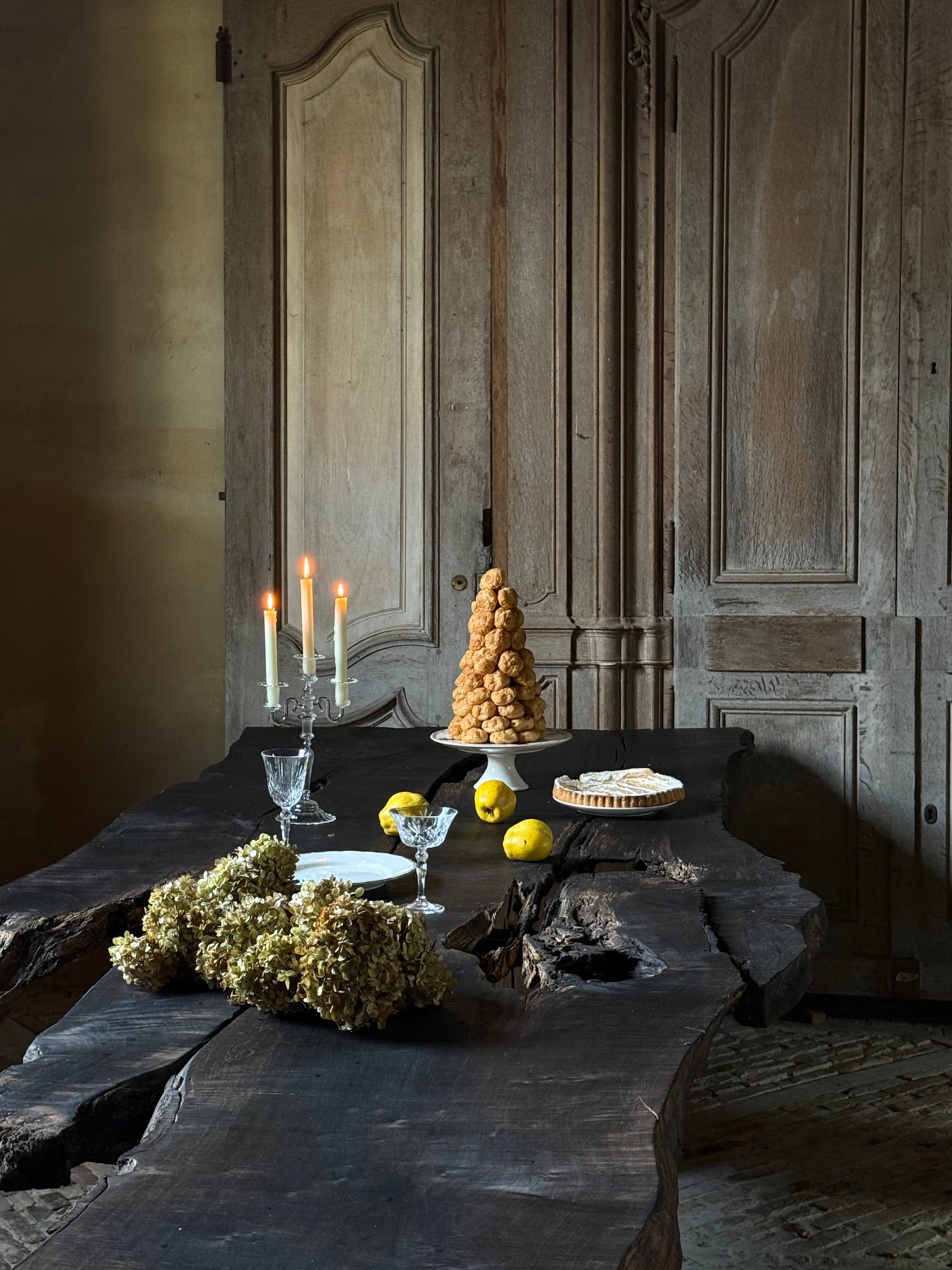
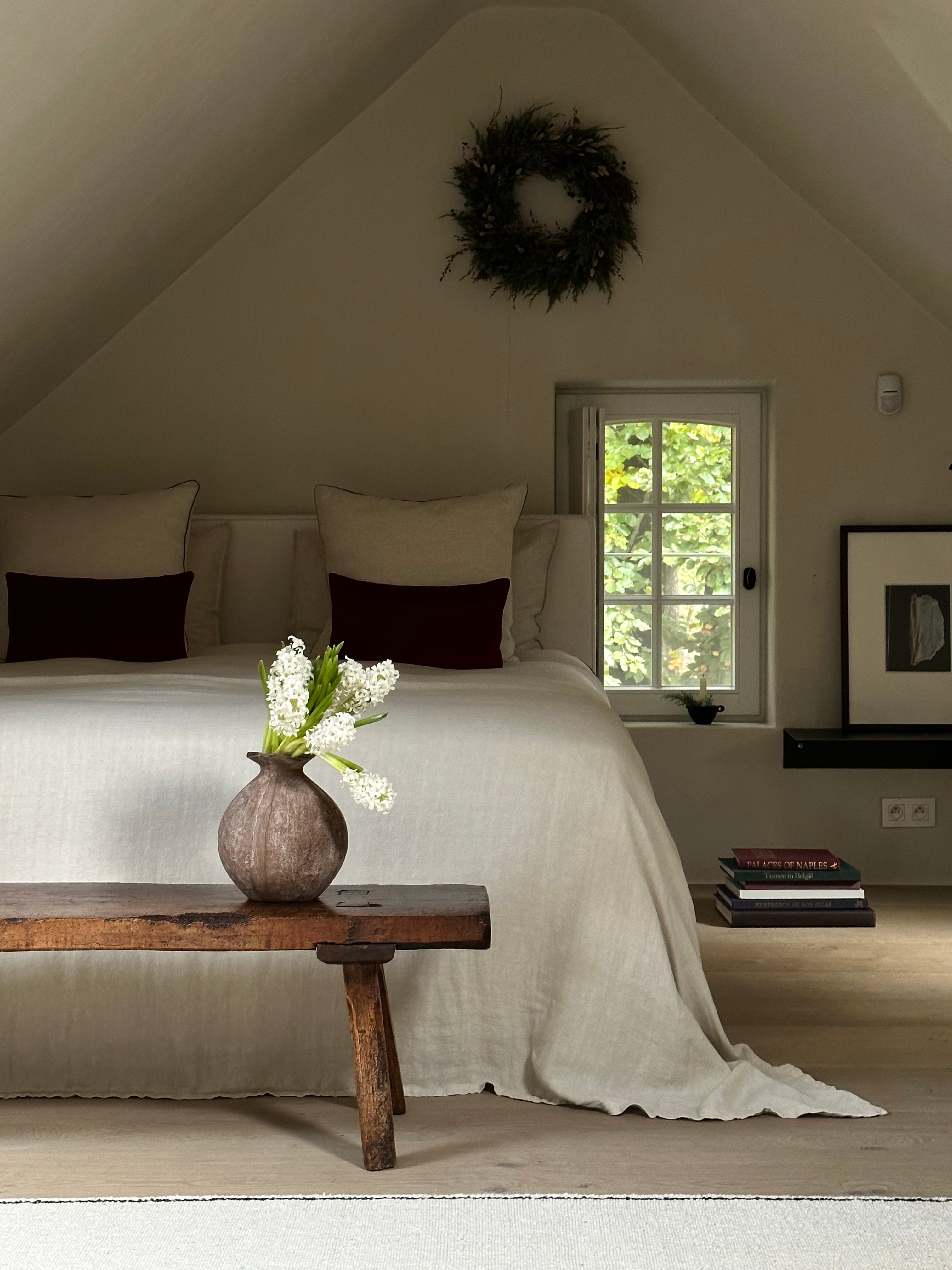
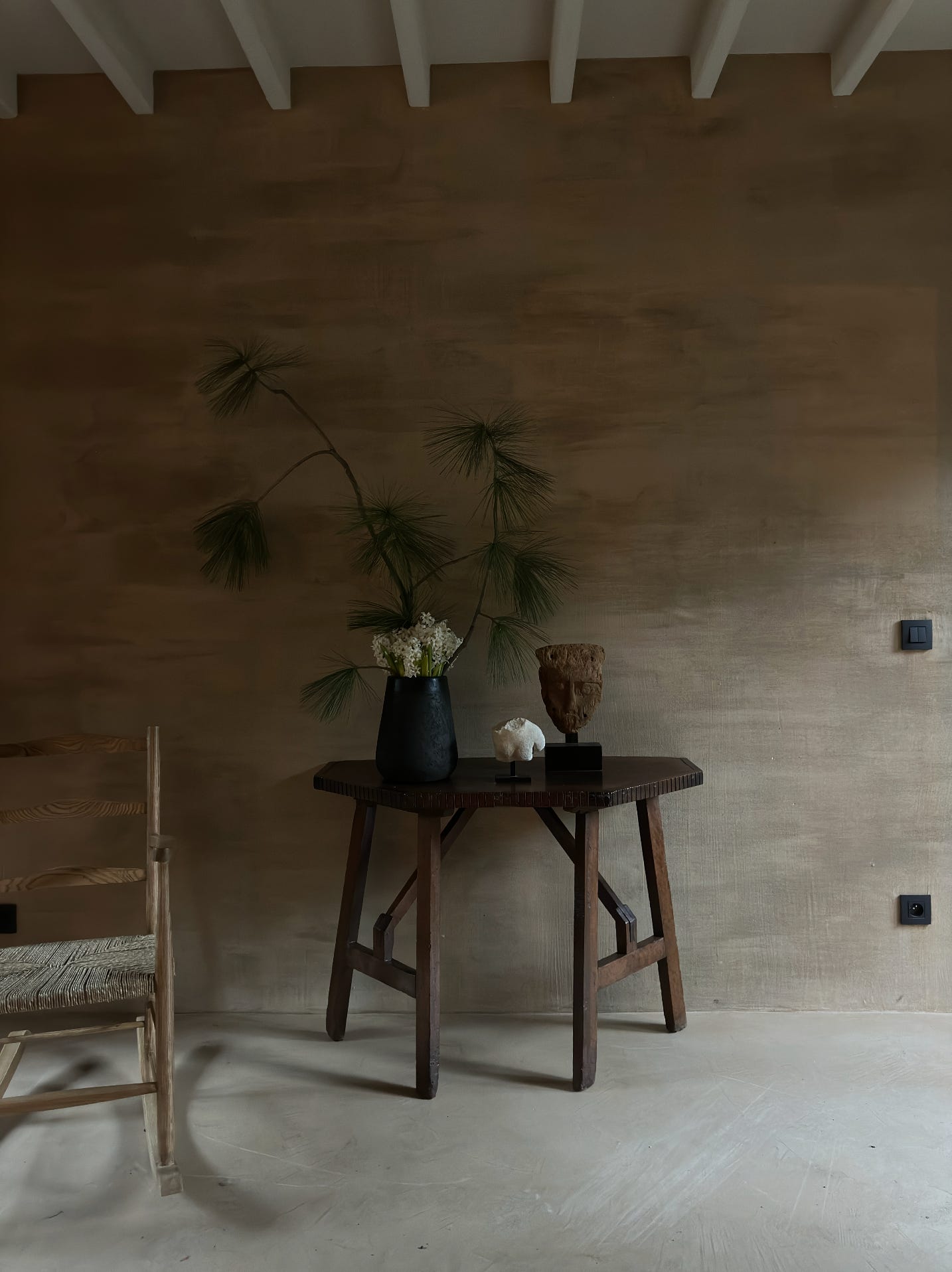
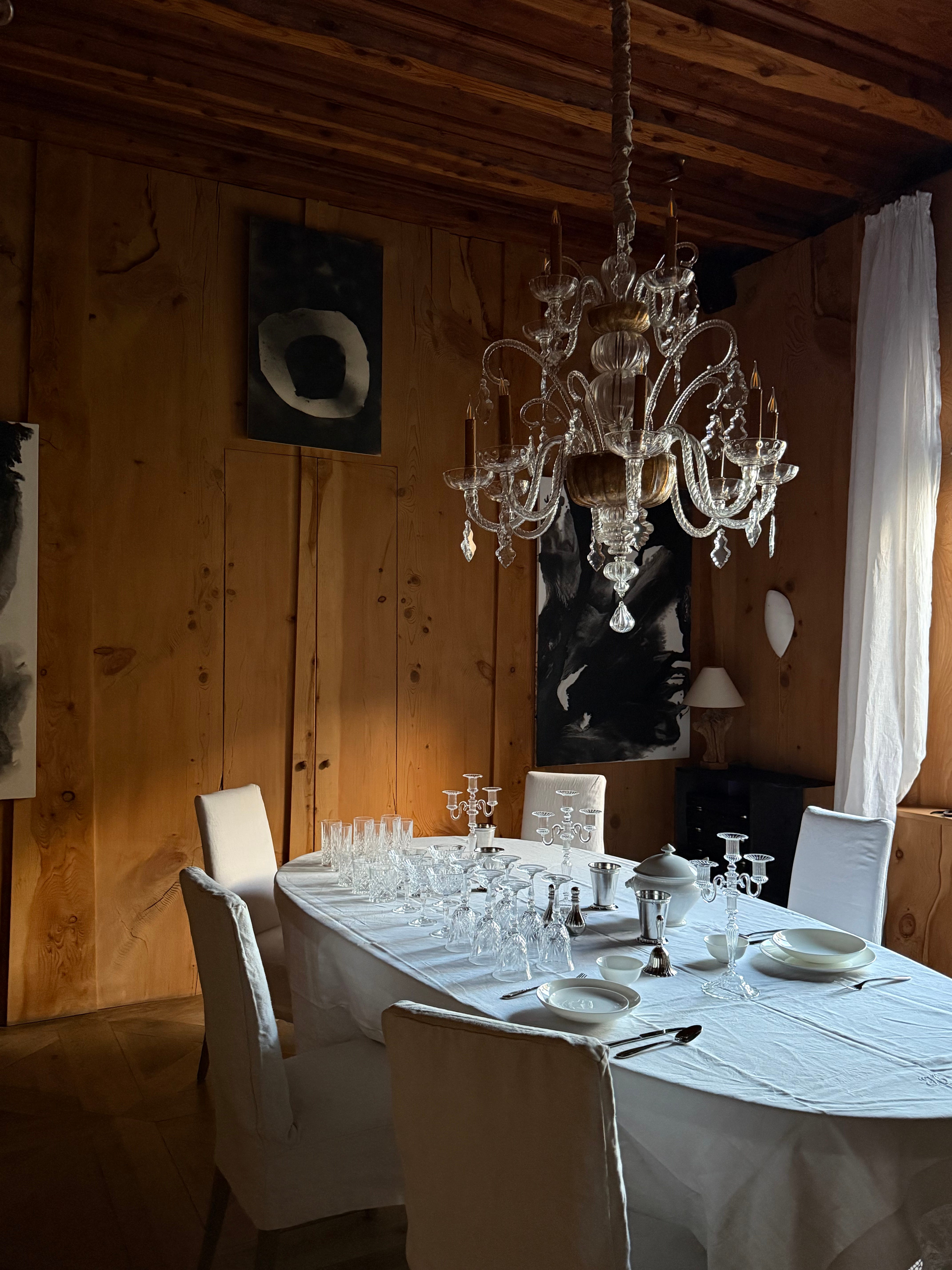
And another truth. The best interiors are not designed. They are accumulated. Slow rooms beat fast rooms every time. A room with time on its side has personality and patina and the tender logic of someone’s life behind it. That is why maximalism can be so moving when it comes from real living and not from a single enthusiastic afternoon of shopping.
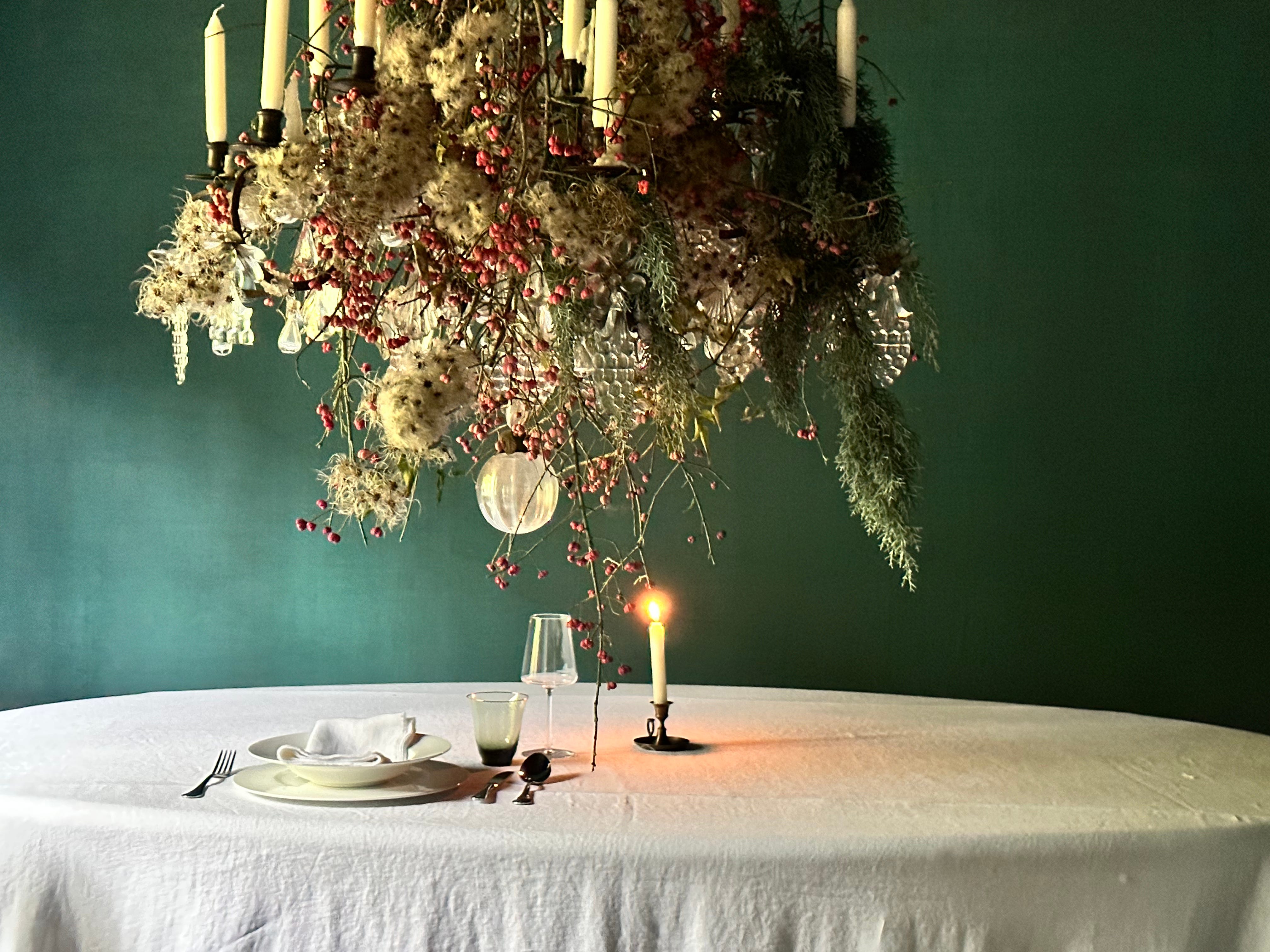
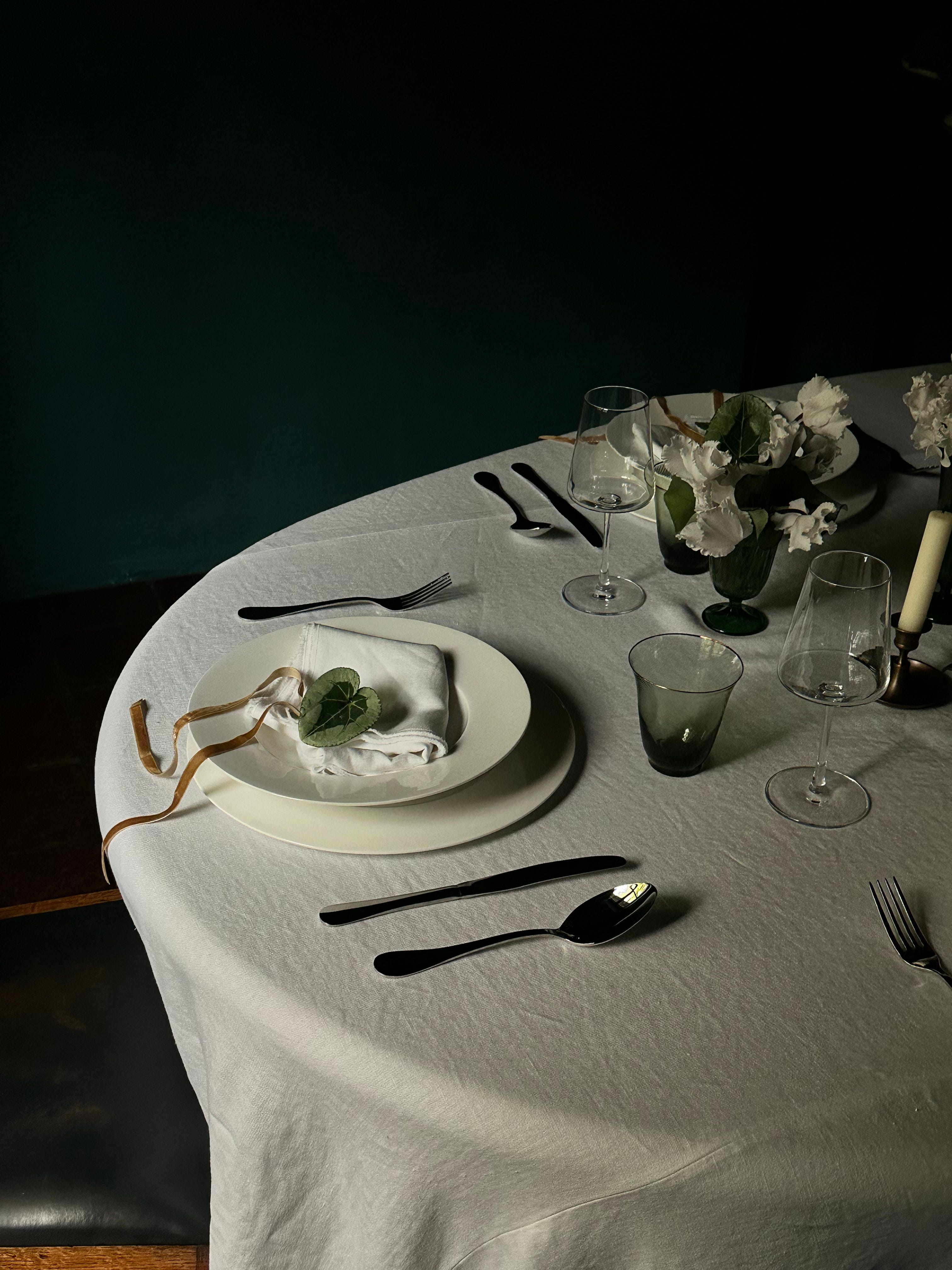
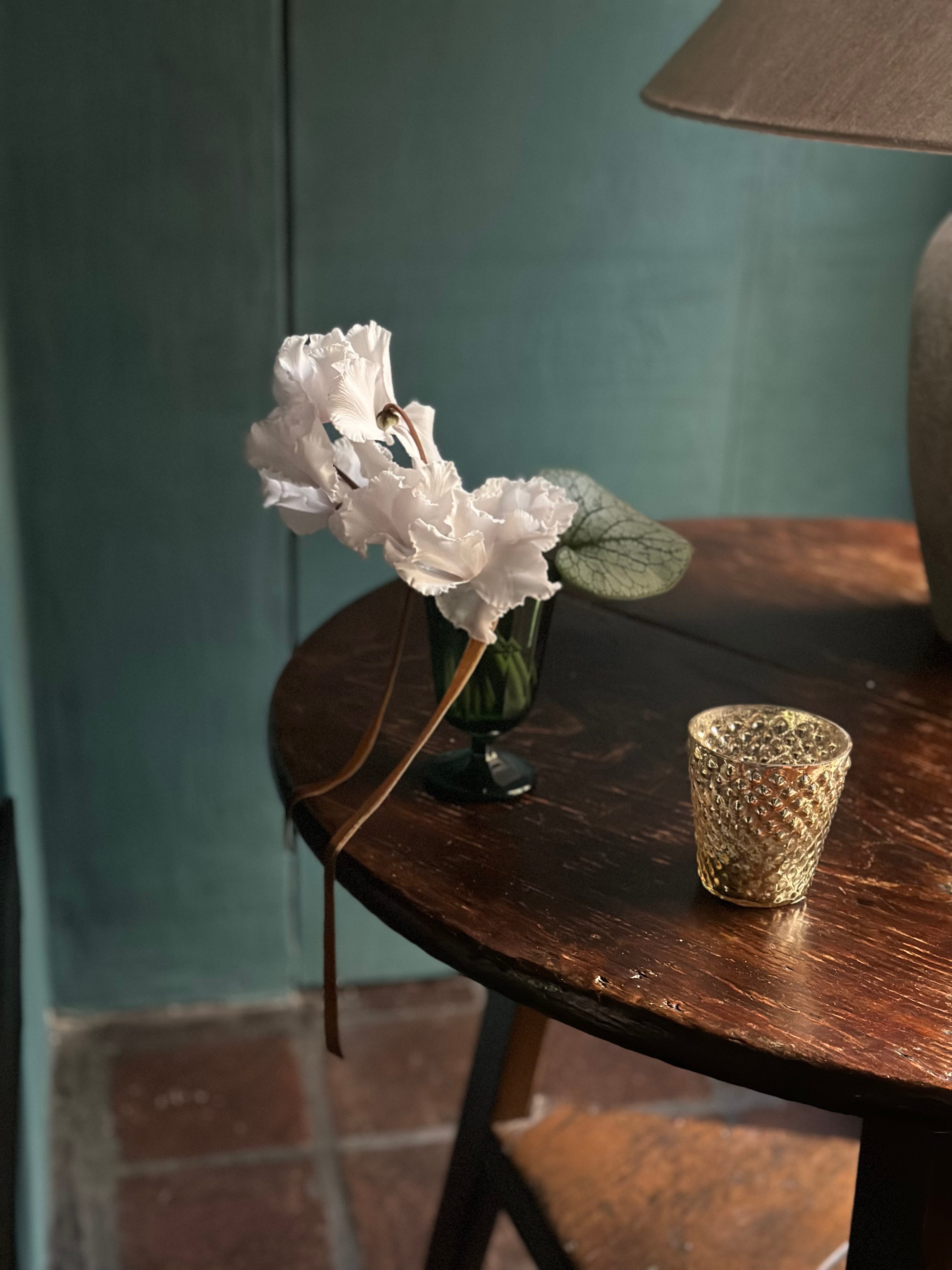
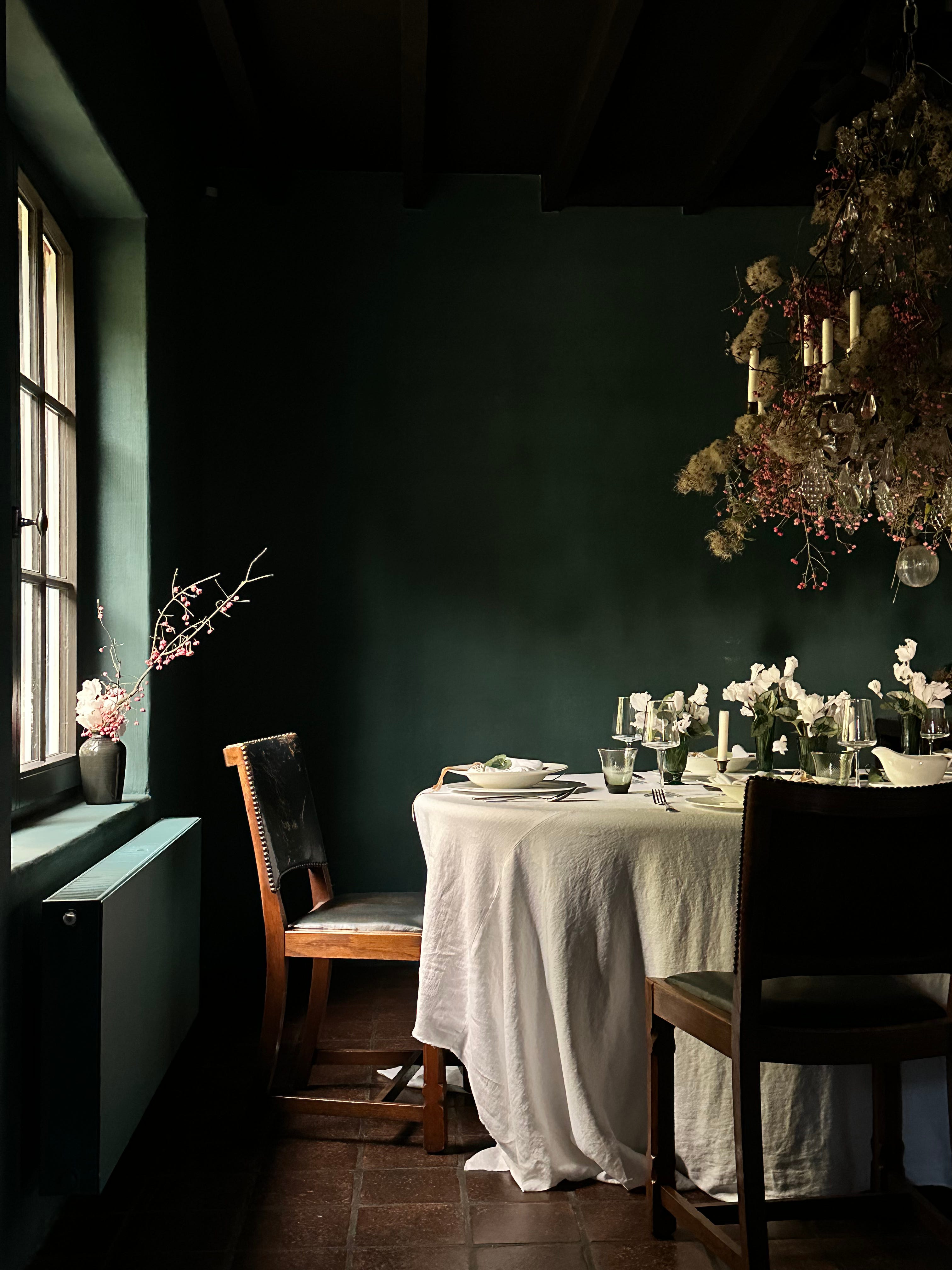
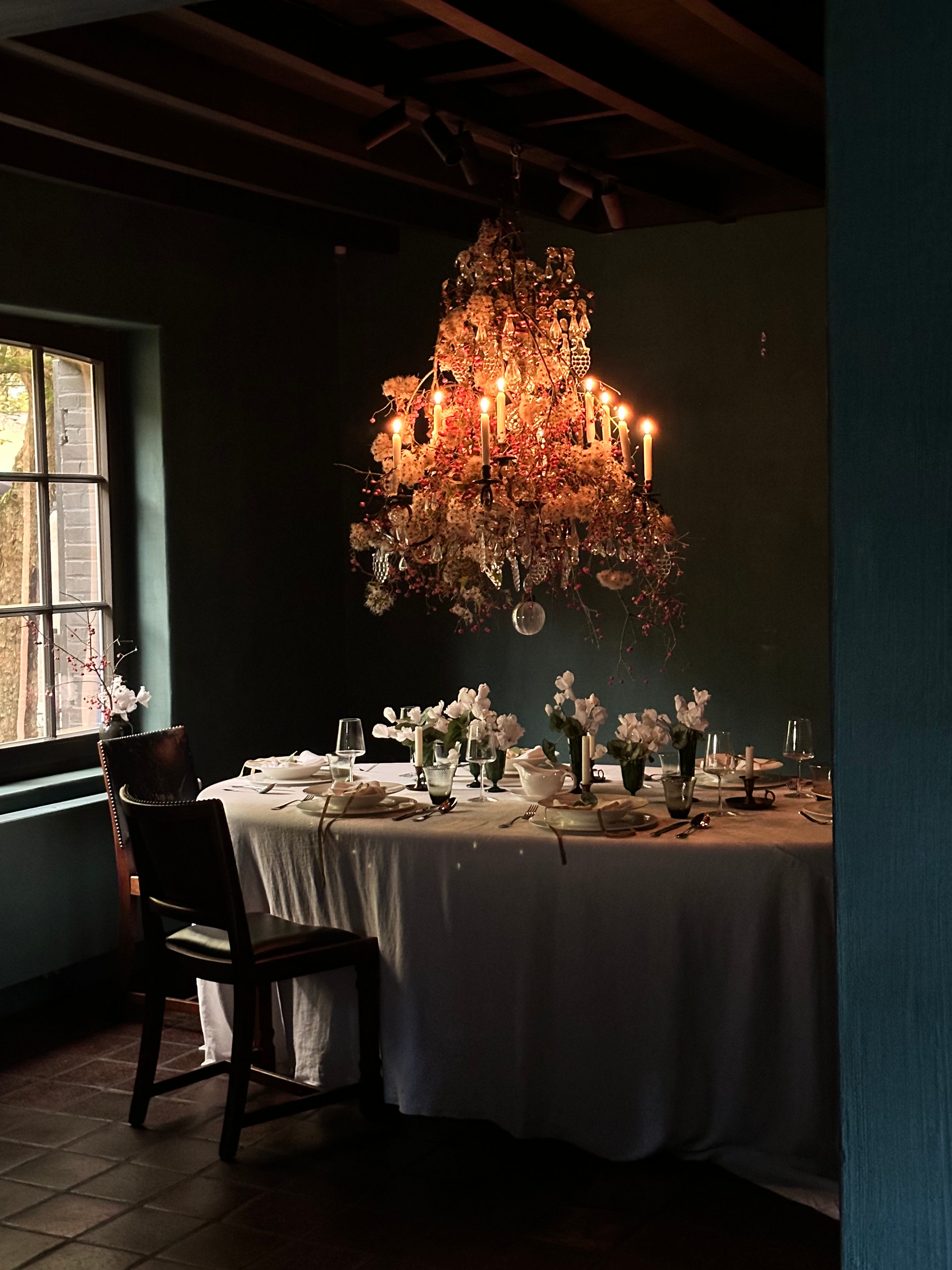
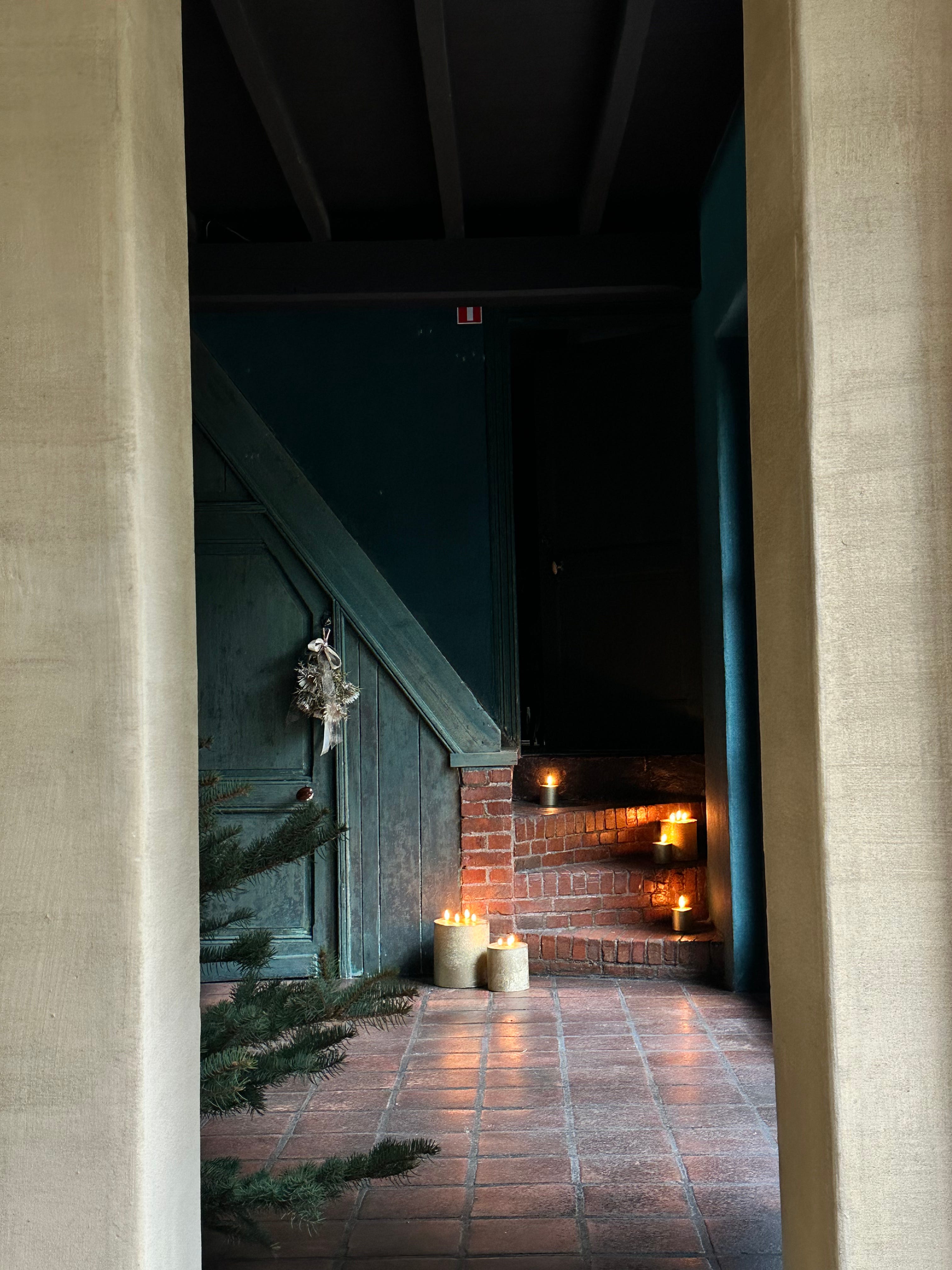
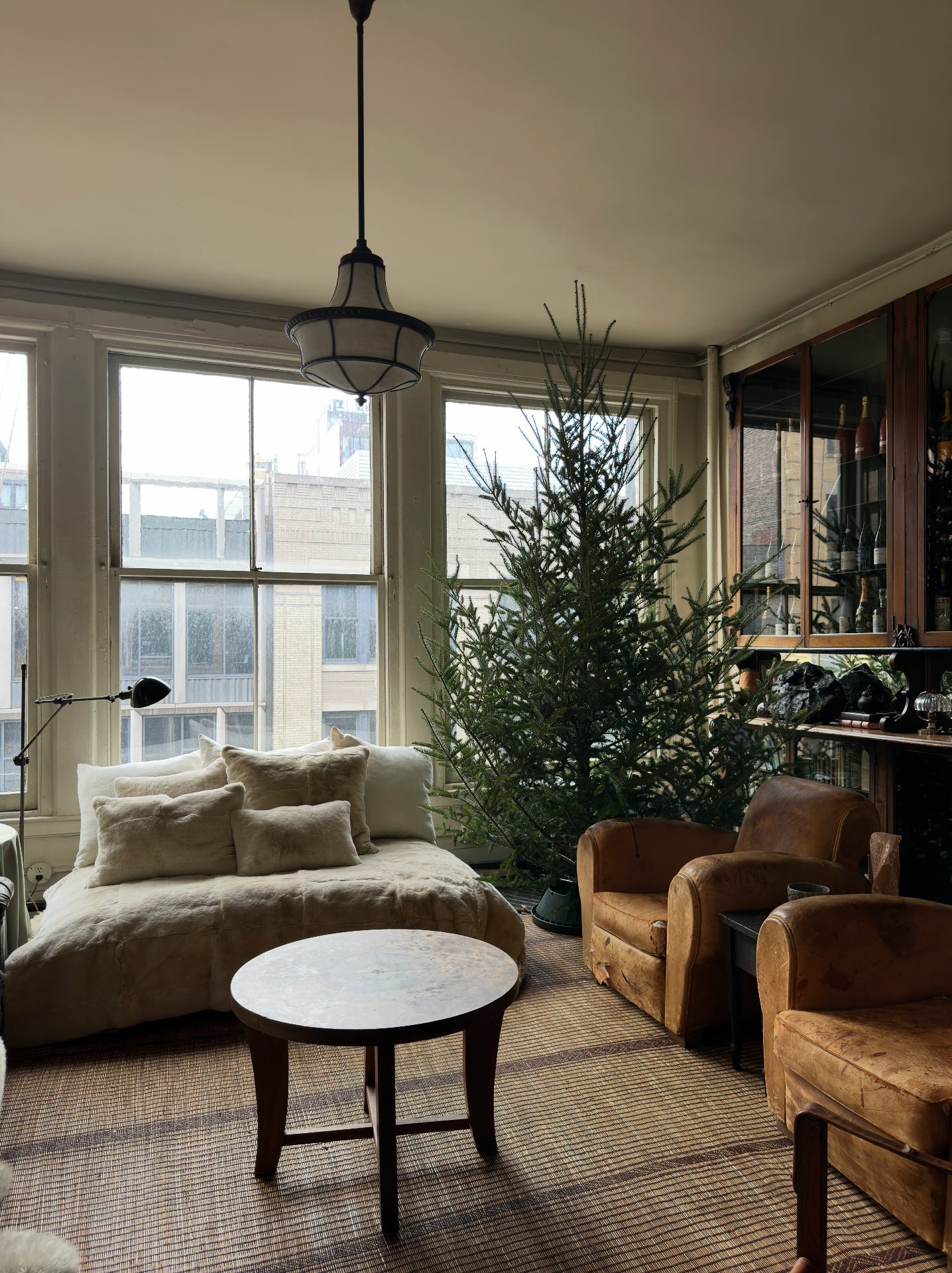

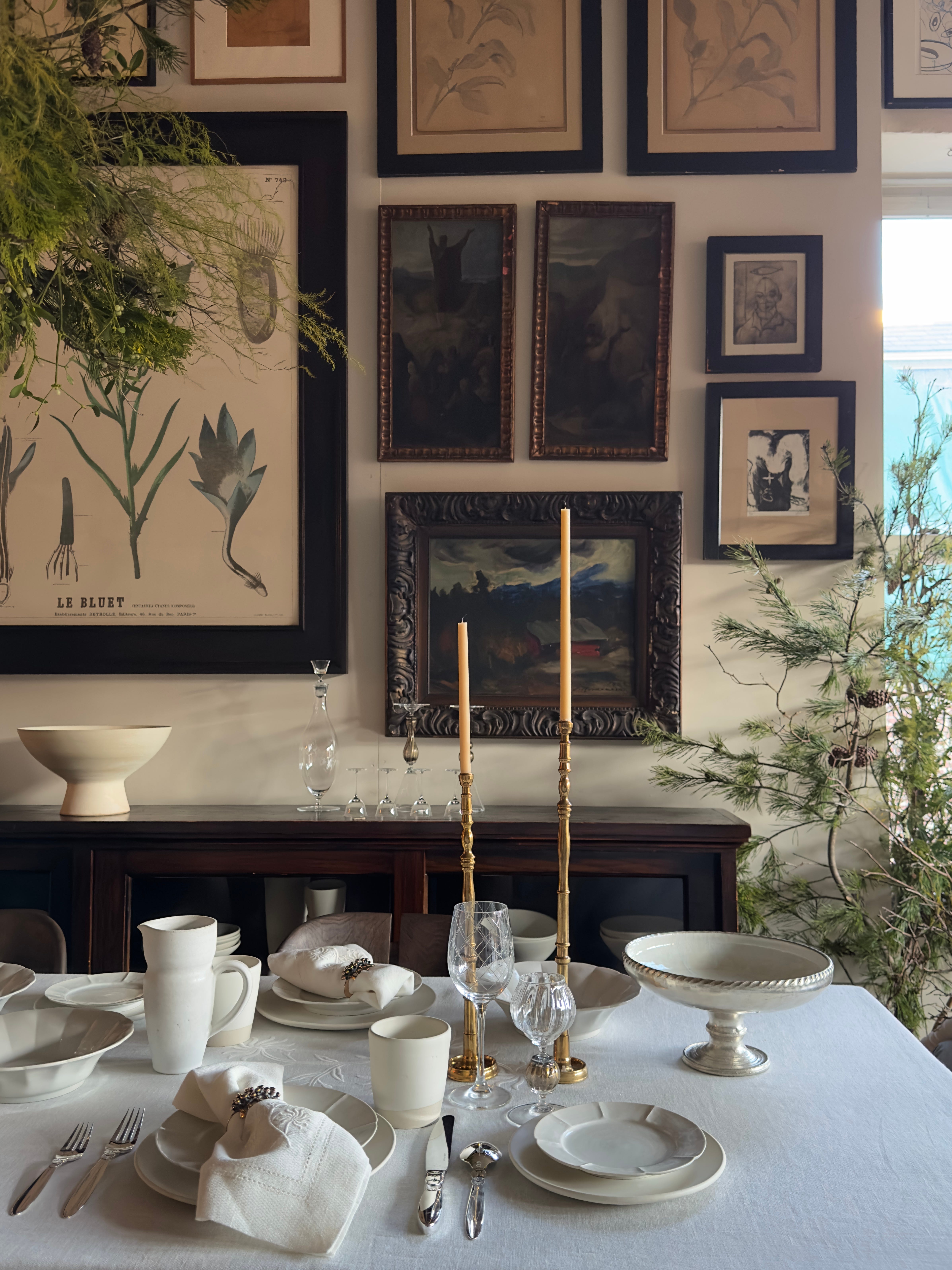
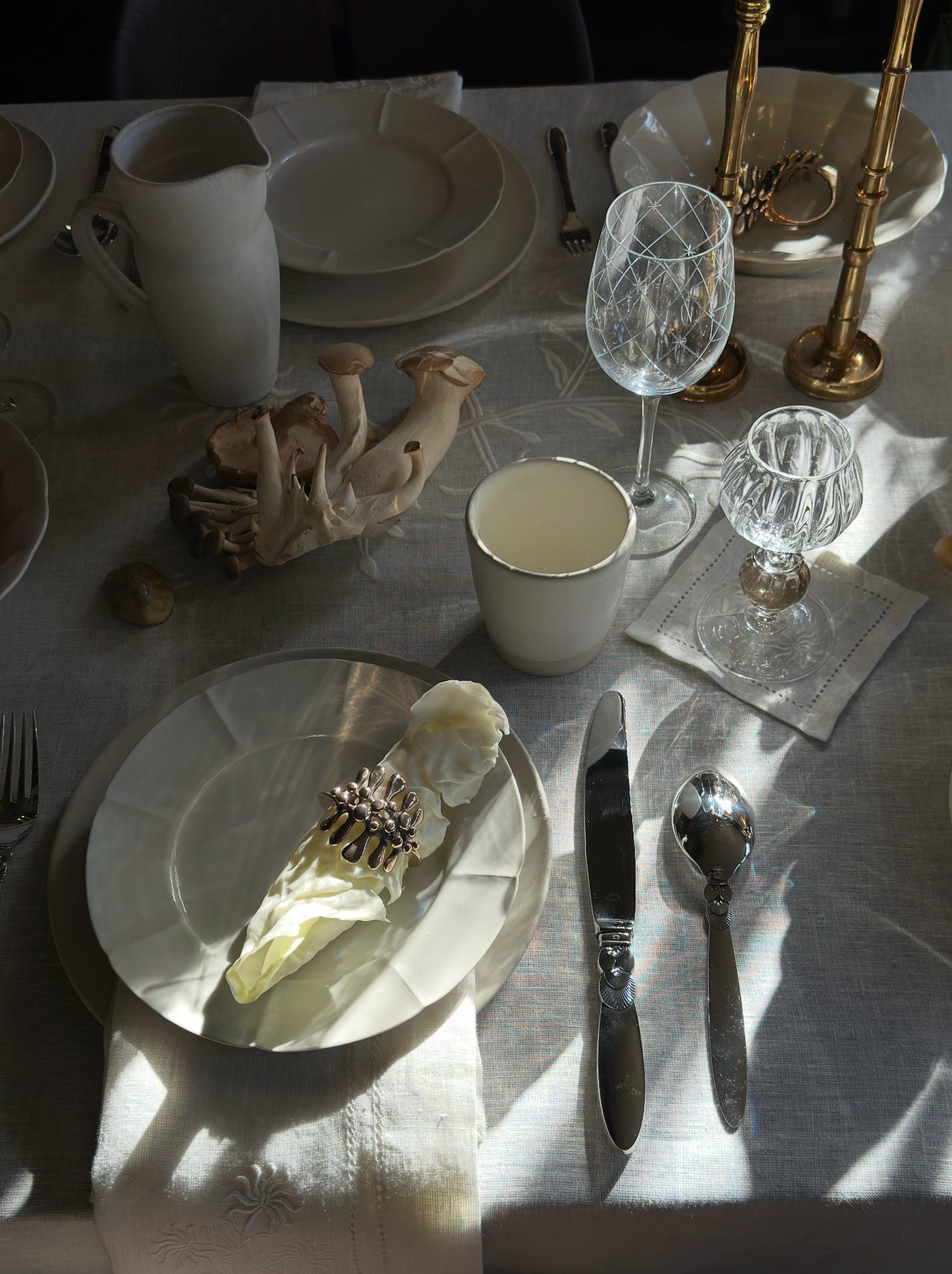
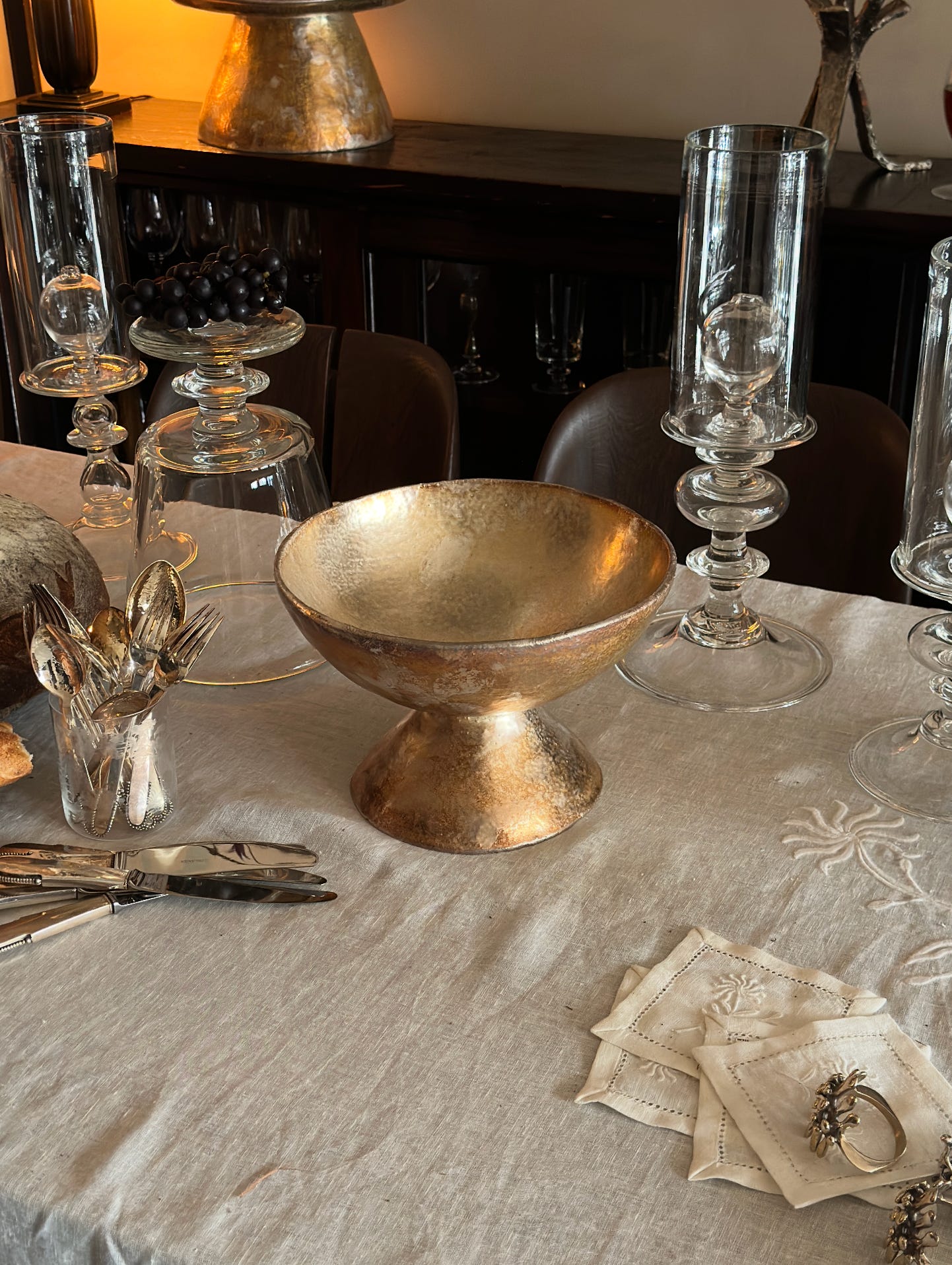
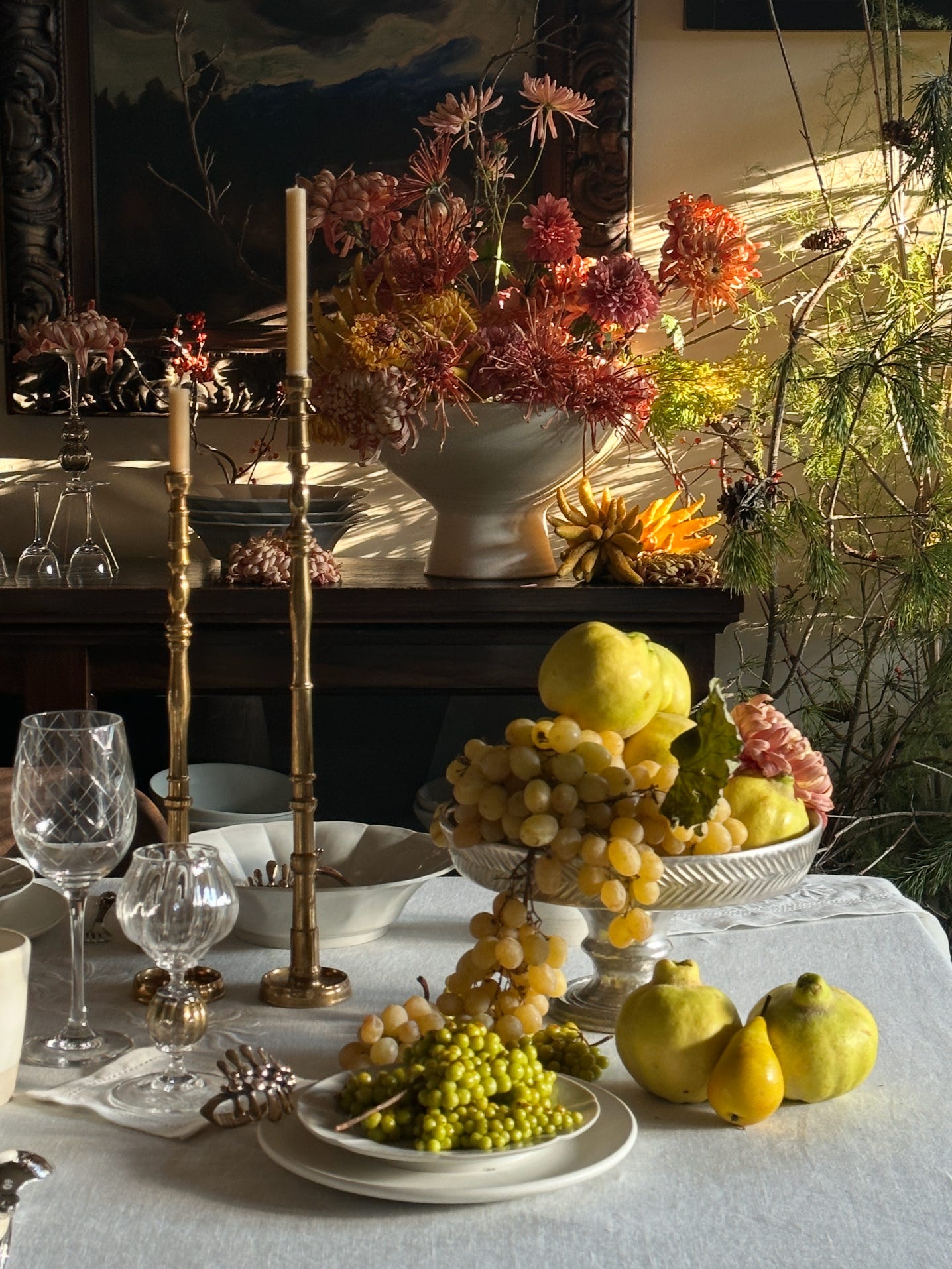
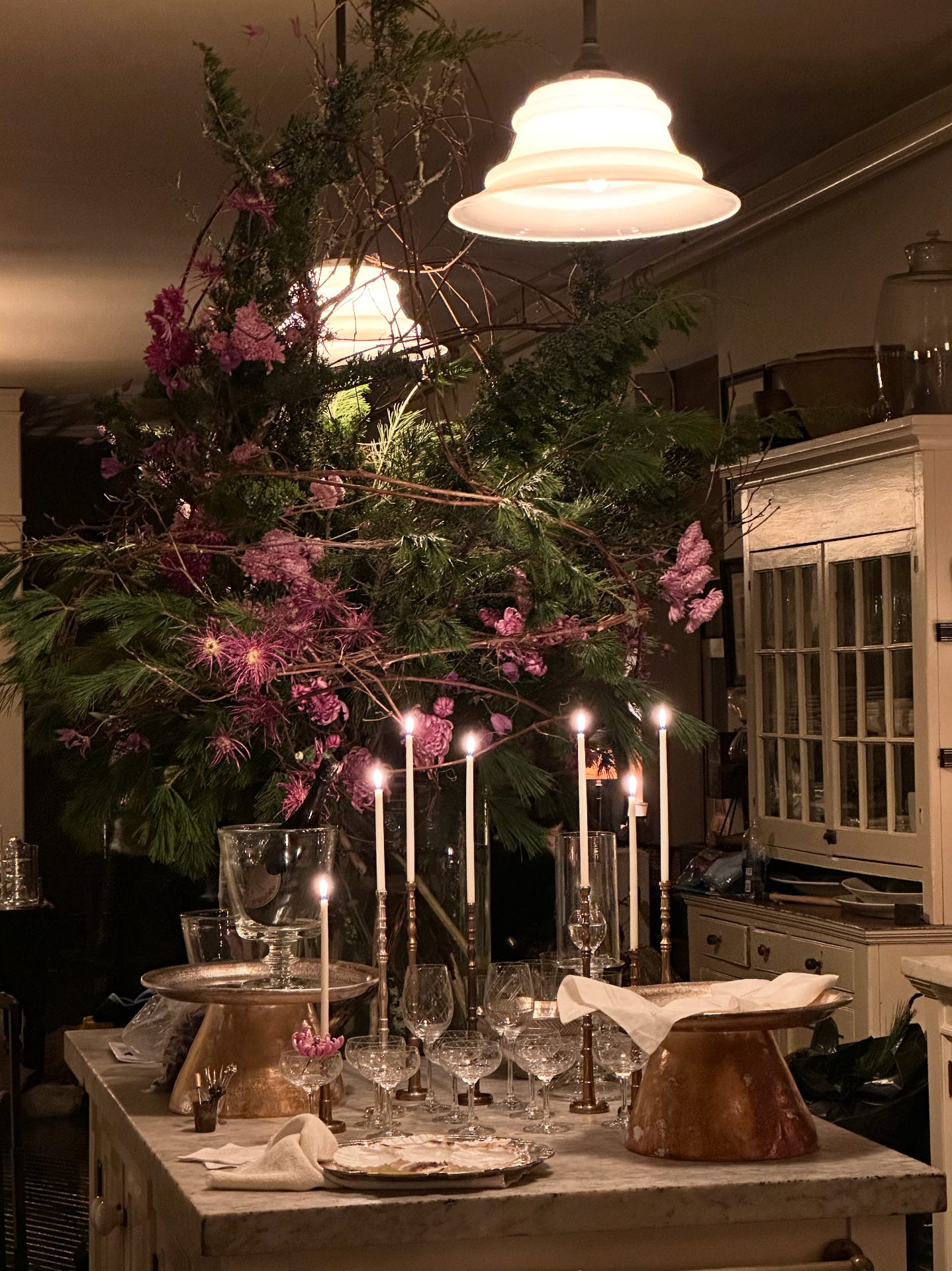
Working with so many talented people has taught me this over and over. Minimalists and maximalists are simply choosing different exits from the same discomfort. The fear of the unresolved. The moment before the room makes sense. The quiet stretch where the thing is still becoming itself.
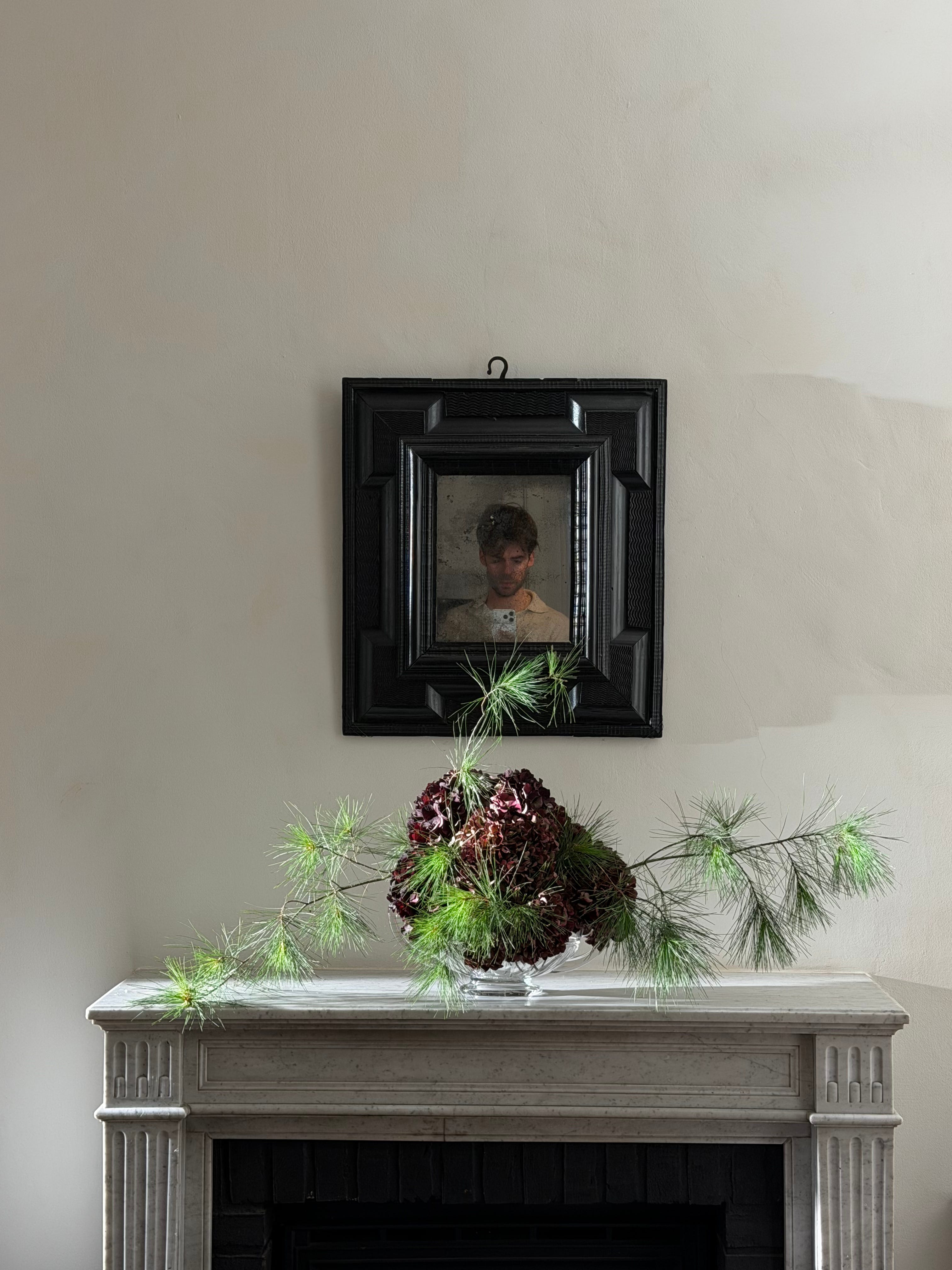
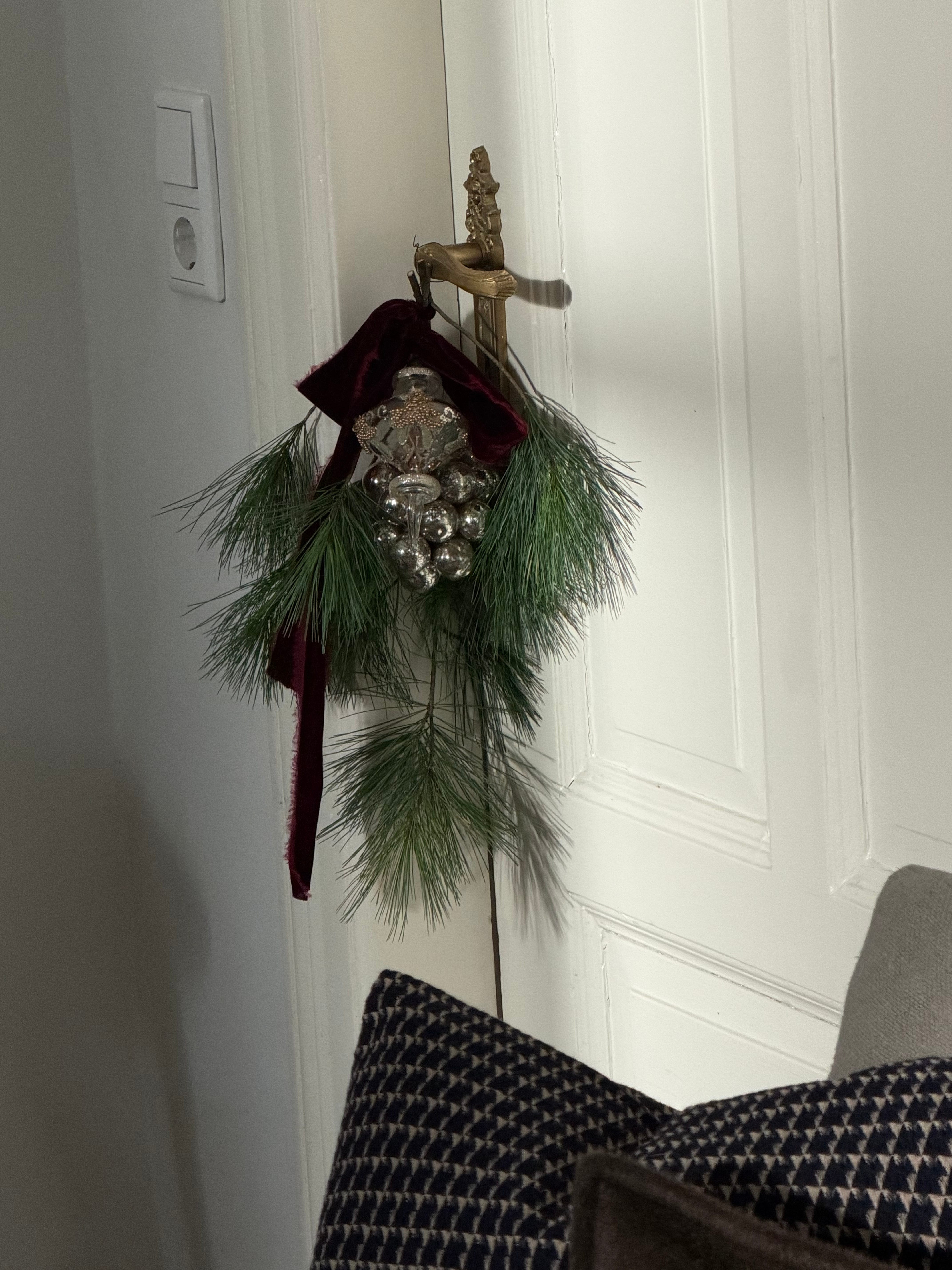
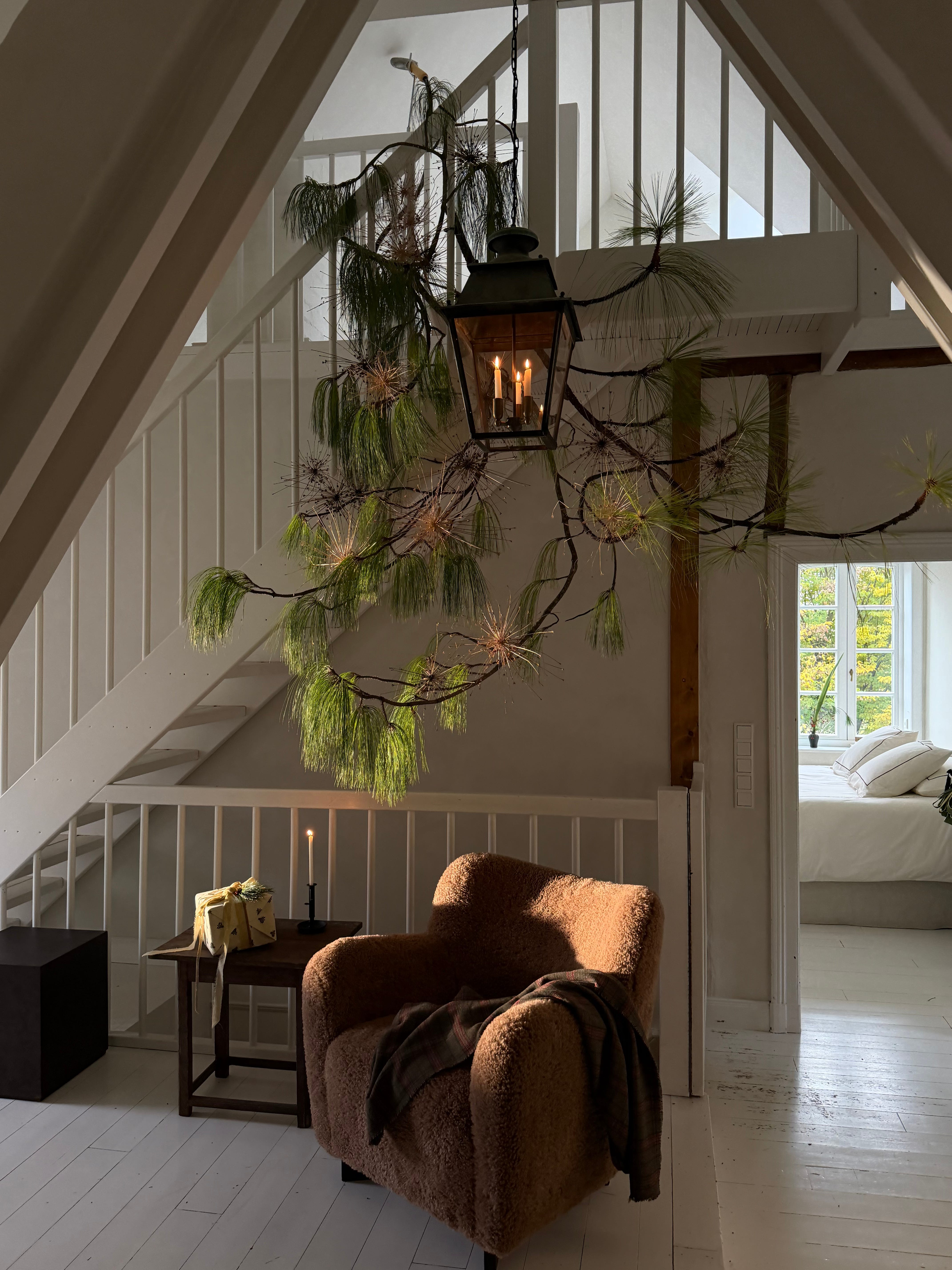
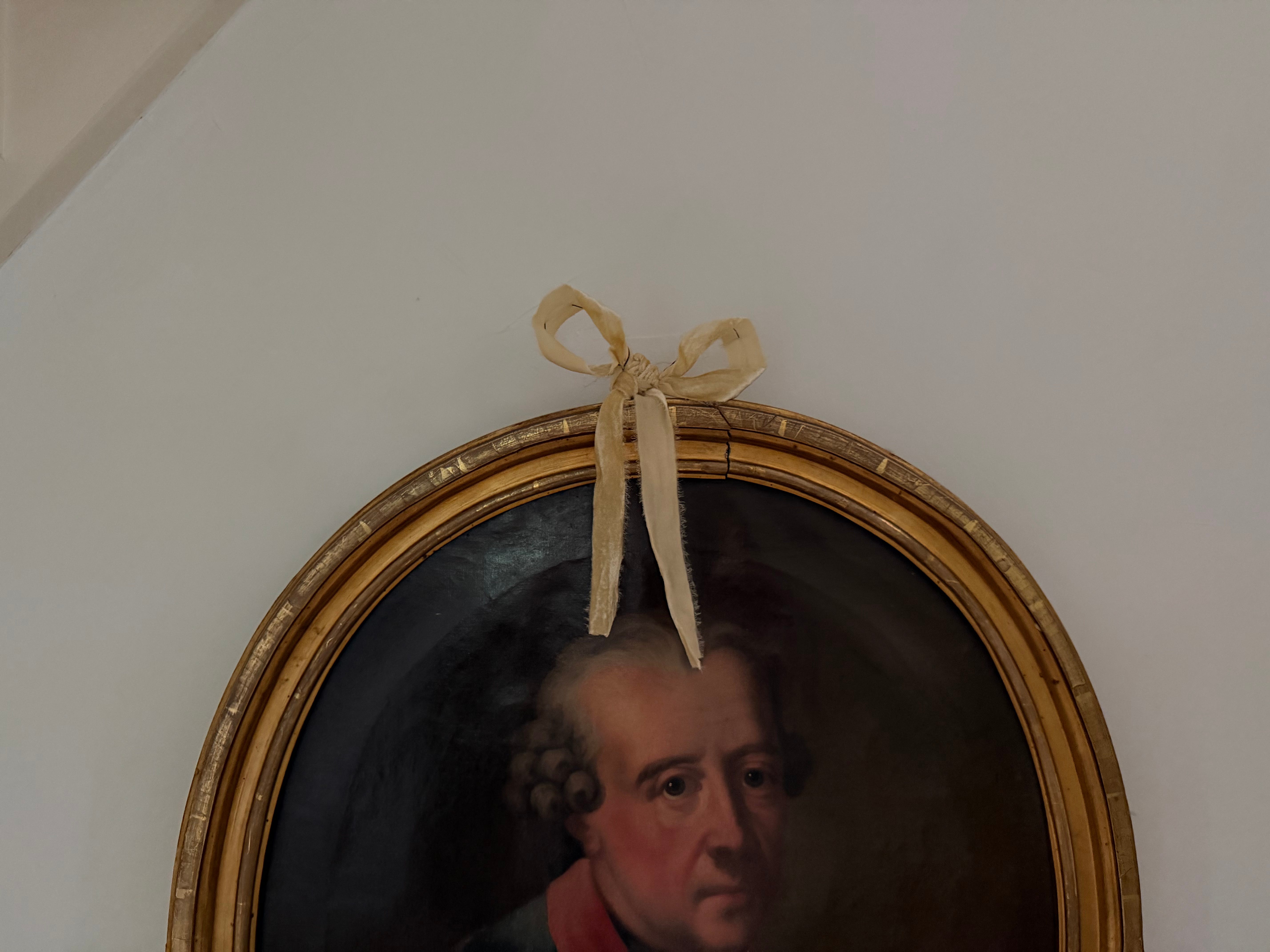
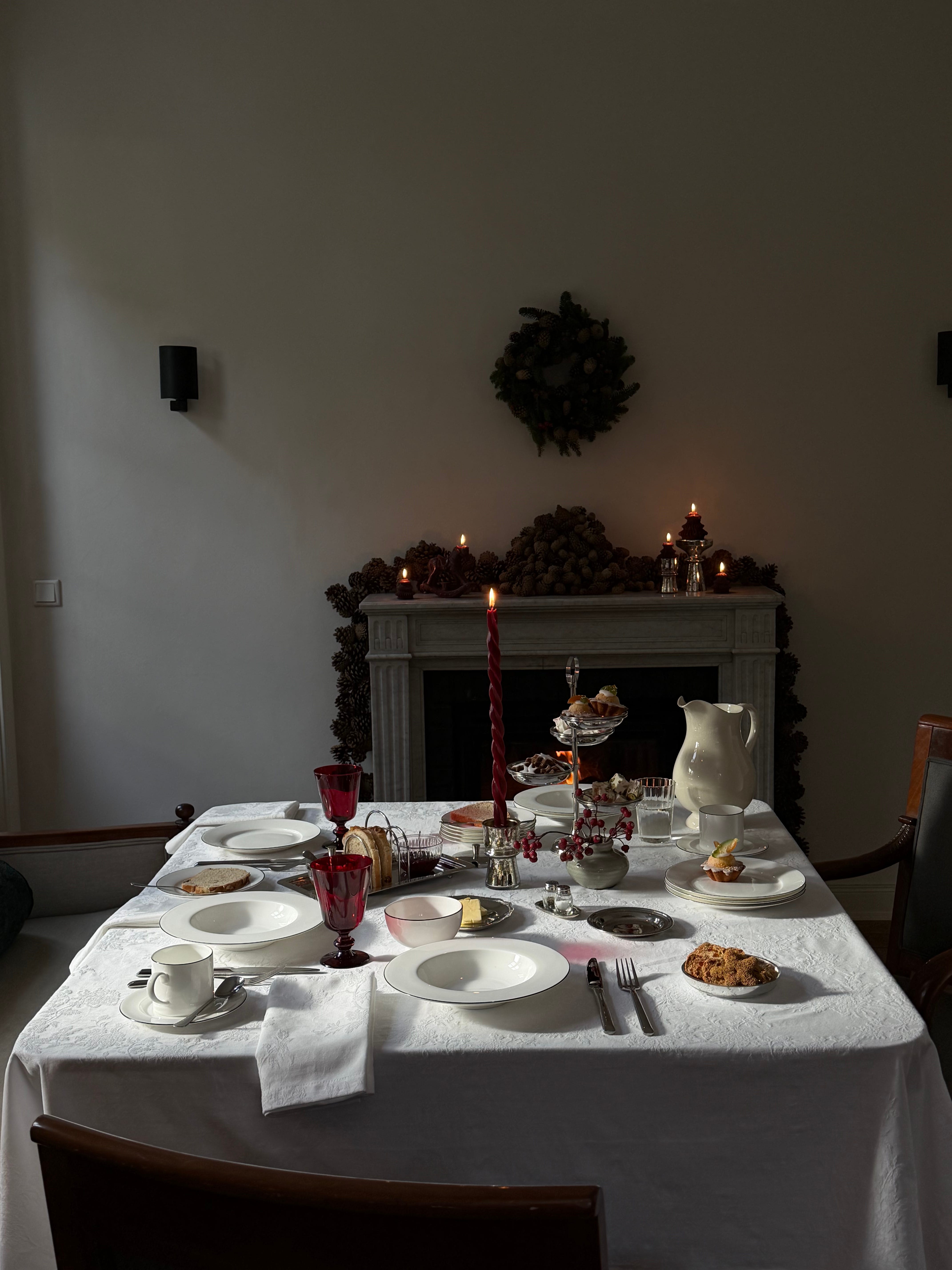
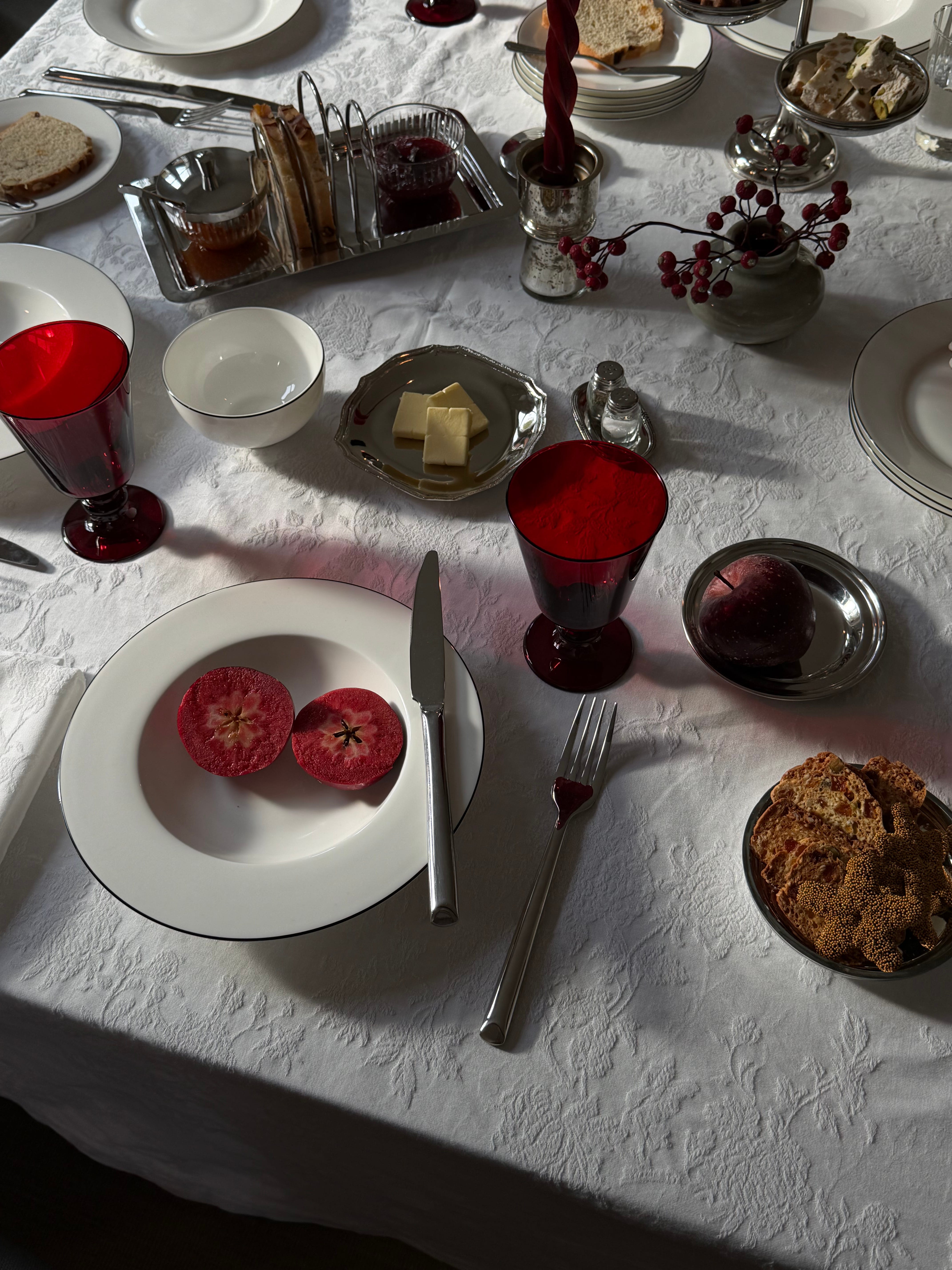
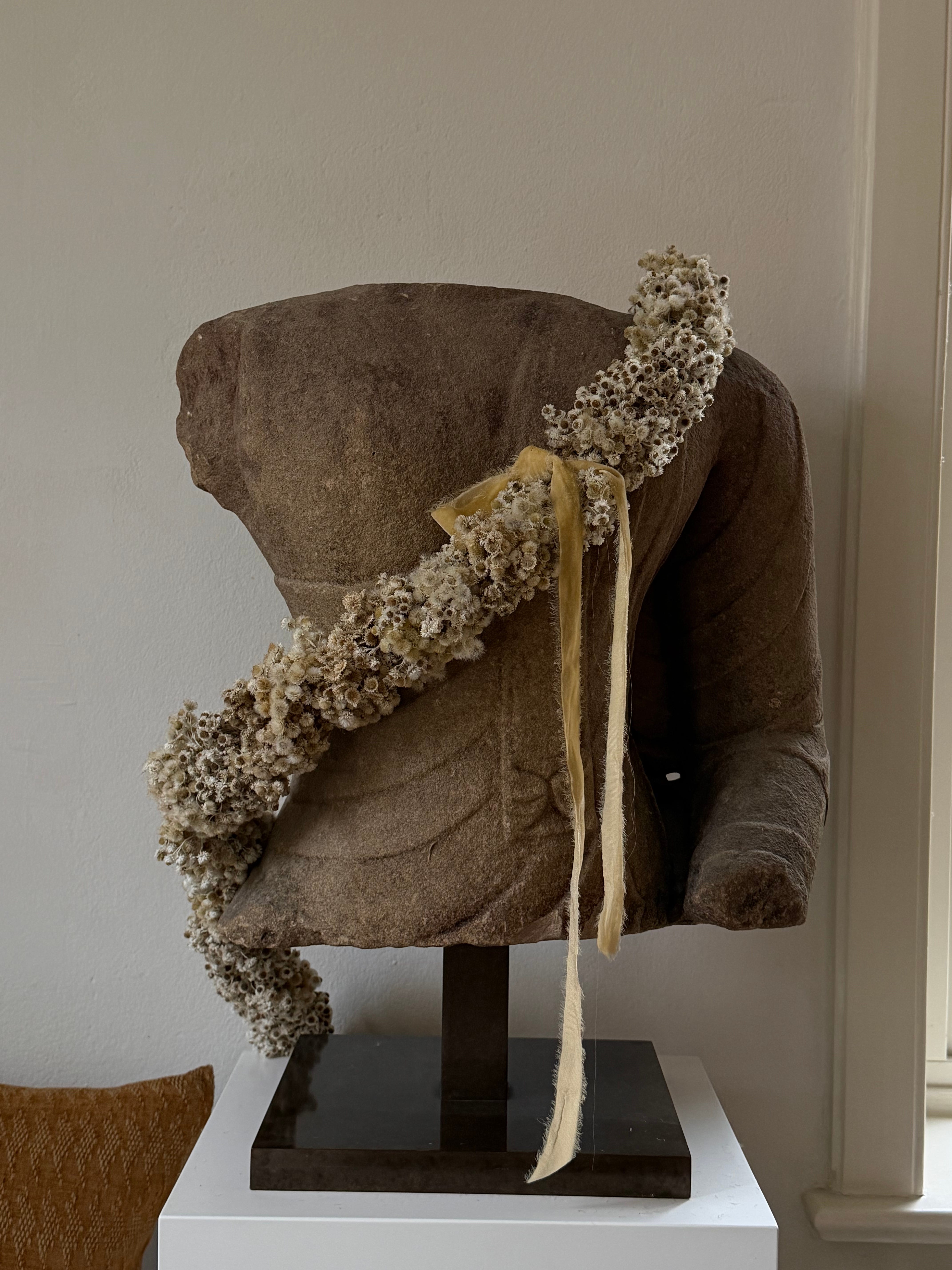
People assume I am a minimalist because of my last home. I am not. I have simply learned to tolerate that unsettled middle long enough to see what emerges on the other side. Sometimes it’s simplicity. Sometimes it’s abundance. Both can be beautiful. Neither is the point.
Minimalism and maximalism are only endpoints. The real work is staying present in the middle, where nothing is certain and everything important is quietly taking shape.
Love,
Colin

Bravo! I am a self proclaimed minimalist, but my husband is the polar opposite. I think this post can serve us in our oh so dynamic strive to build a beautiful shared space.
So pretty