

Why Do We Keep Bringing Shells Home?
On still lifes, sea creatures, and the difference between sophistication and enchantment

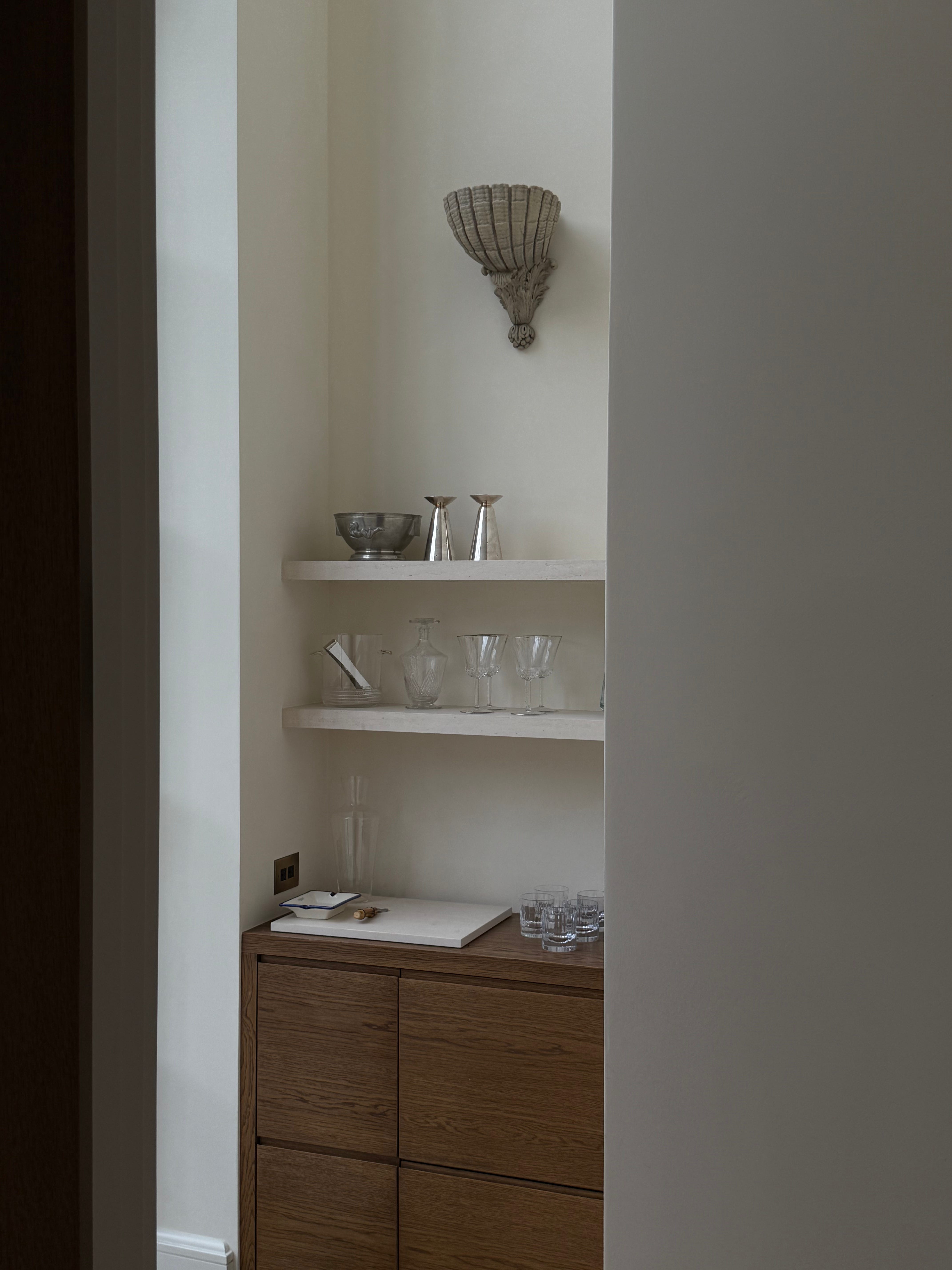
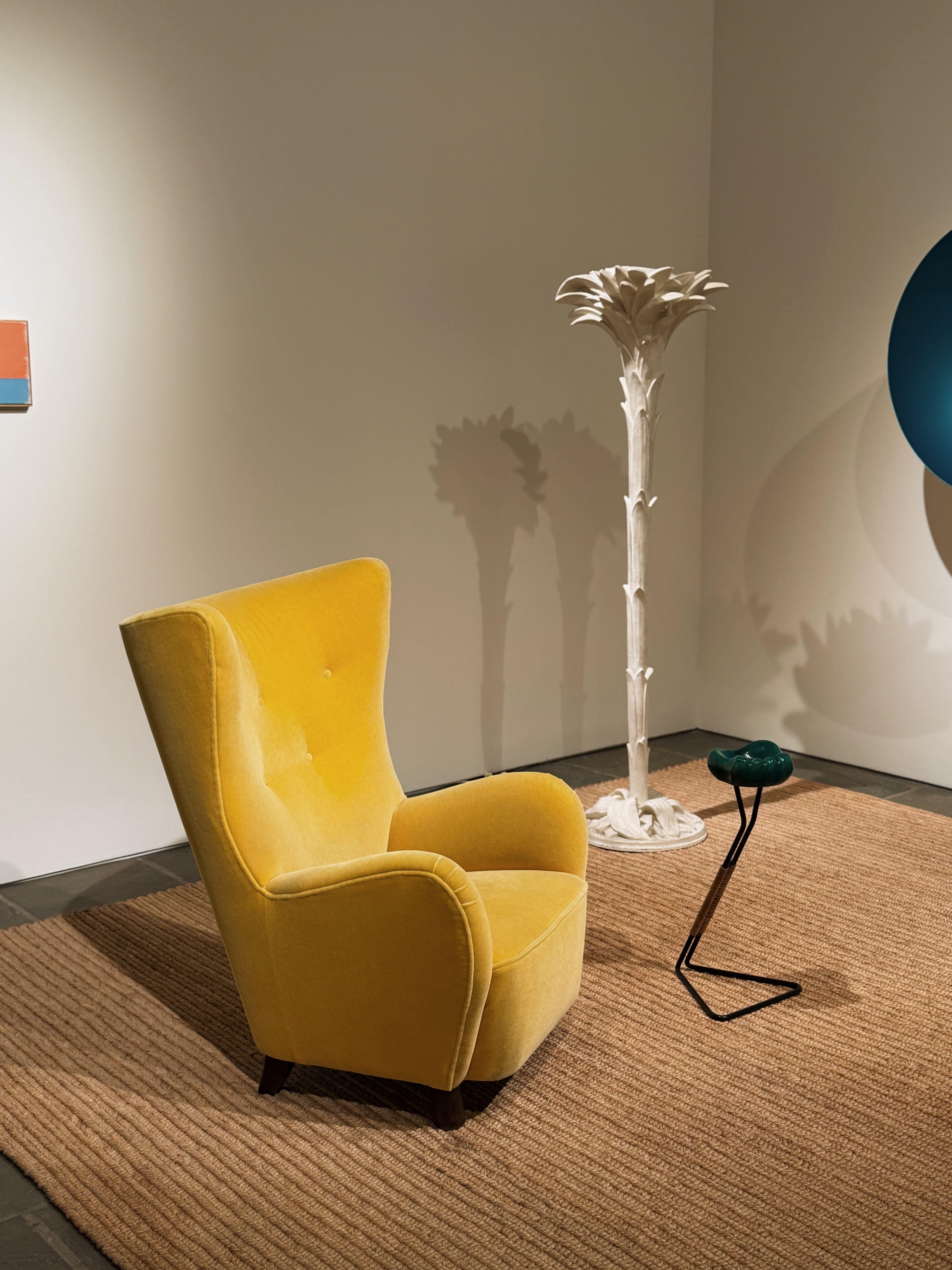
Earlier this week, I was at the Sotheby’s Design sale, looking at pieces for clients and doing the mental gymnastics that always accompany these things.
Is it rare? Is it important? Is the estimate reasonable? What’s the condition report? Will it work in the project? Can I stop thinking about it?
The last question is usually the most revealing.
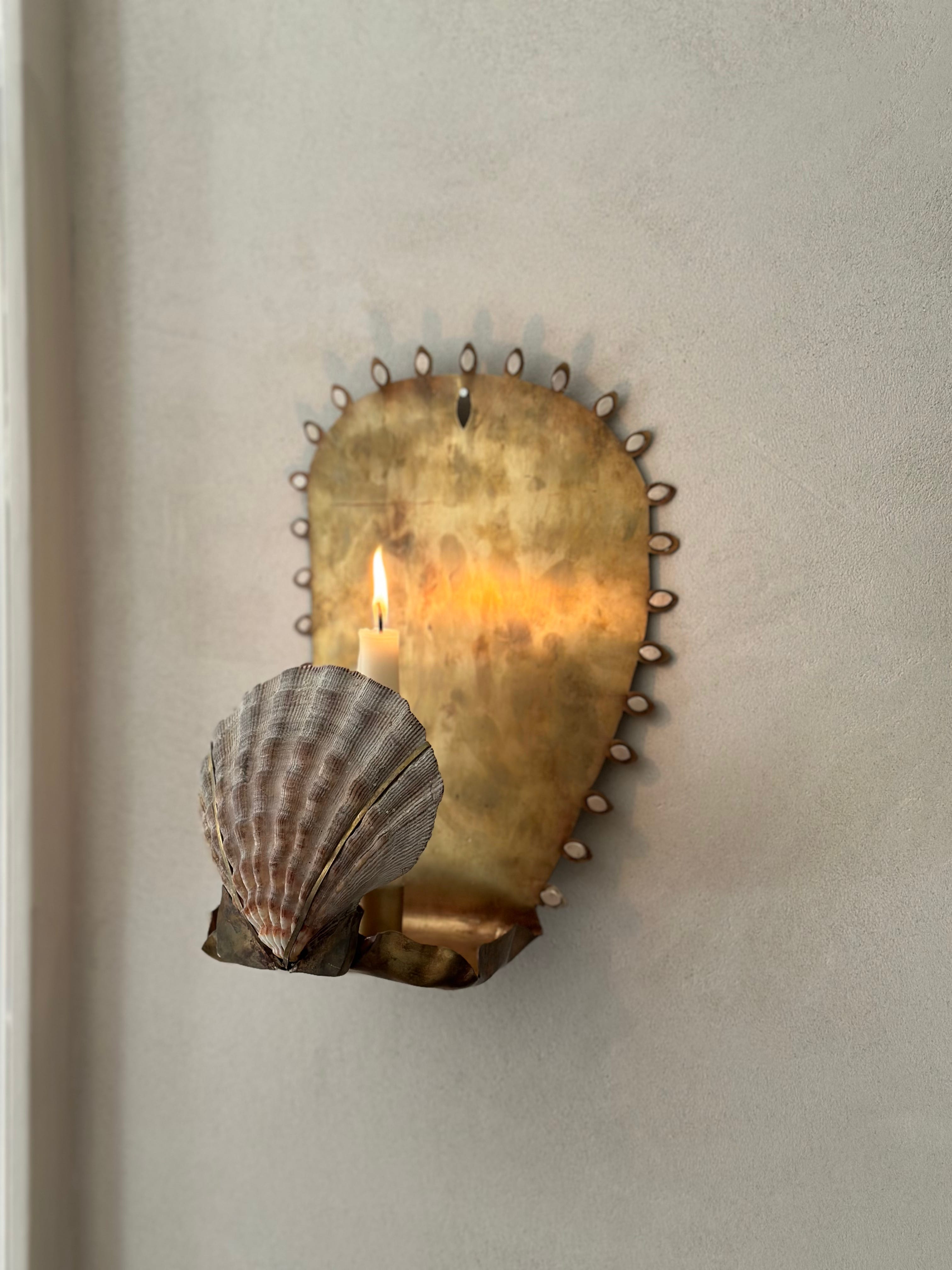
This particular train of thought began with Serge Roche’s Palm Tree floor lamp. Standing there, I found myself thinking about his shell sconces, which then sent me to Rose Uniacke’s shell uplighters at San Vicente West Village, CH Herrero’s extraordinary nautilus-inspired lighting, and the Tavares1922 presentation at Matter and Shape in Paris, where I spent an unreasonable amount of time staring at shell objects and convincing myself it qualified as research.
Then, as these things tend to go, I found myself thinking about seventeenth-century nautilus cups, Dutch still lifes, Tiffany’s famous Nautilus lamp, Edward Weston’s photograph of the same name, and the coral and shell jewelry of Federico de Vera.
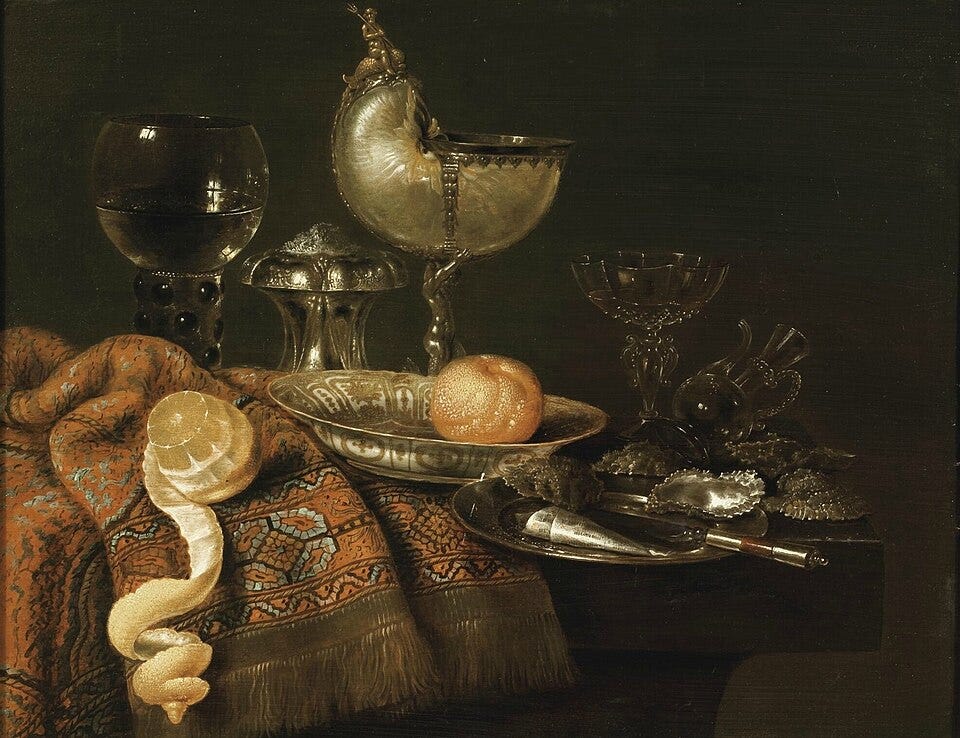
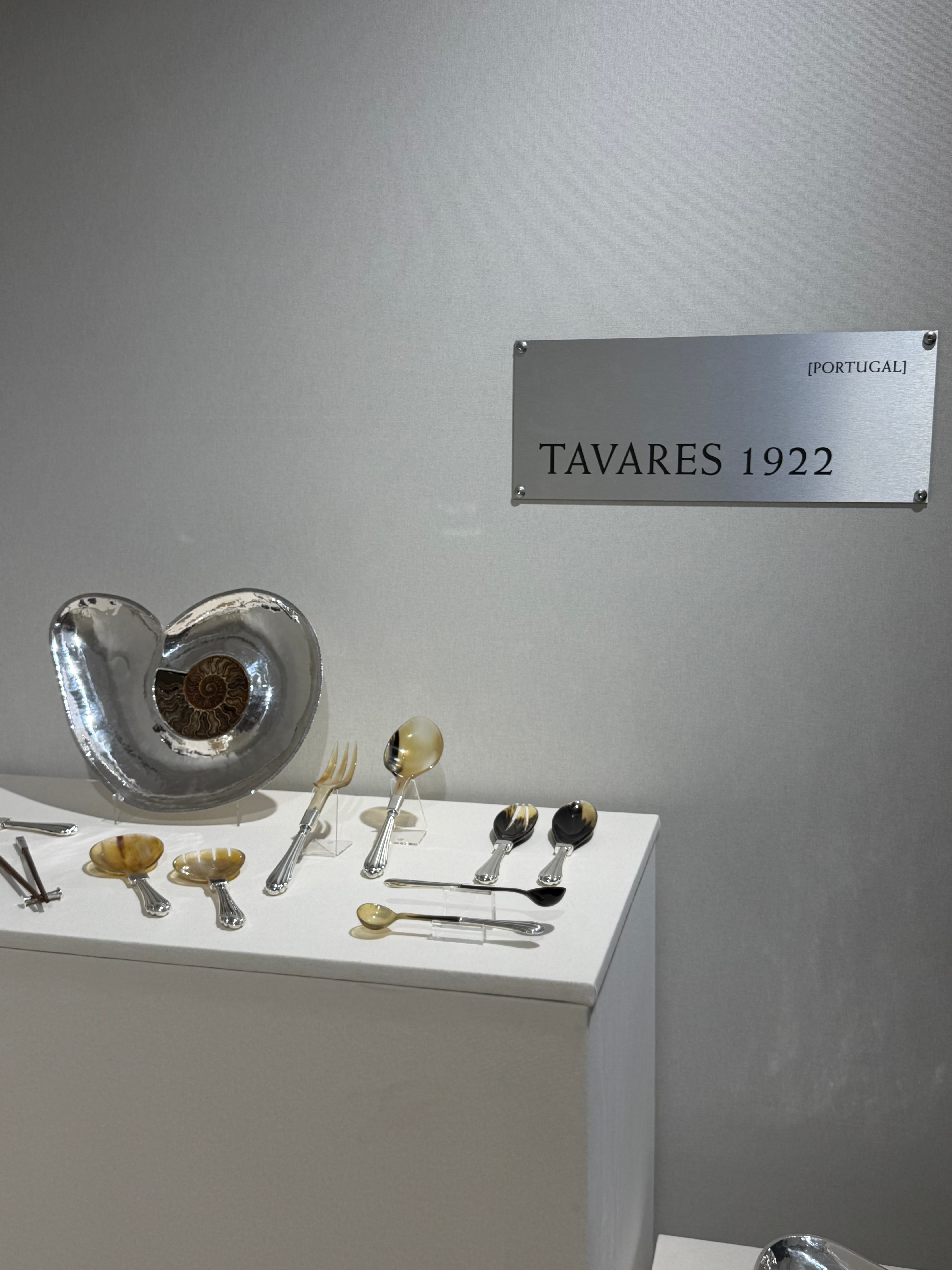
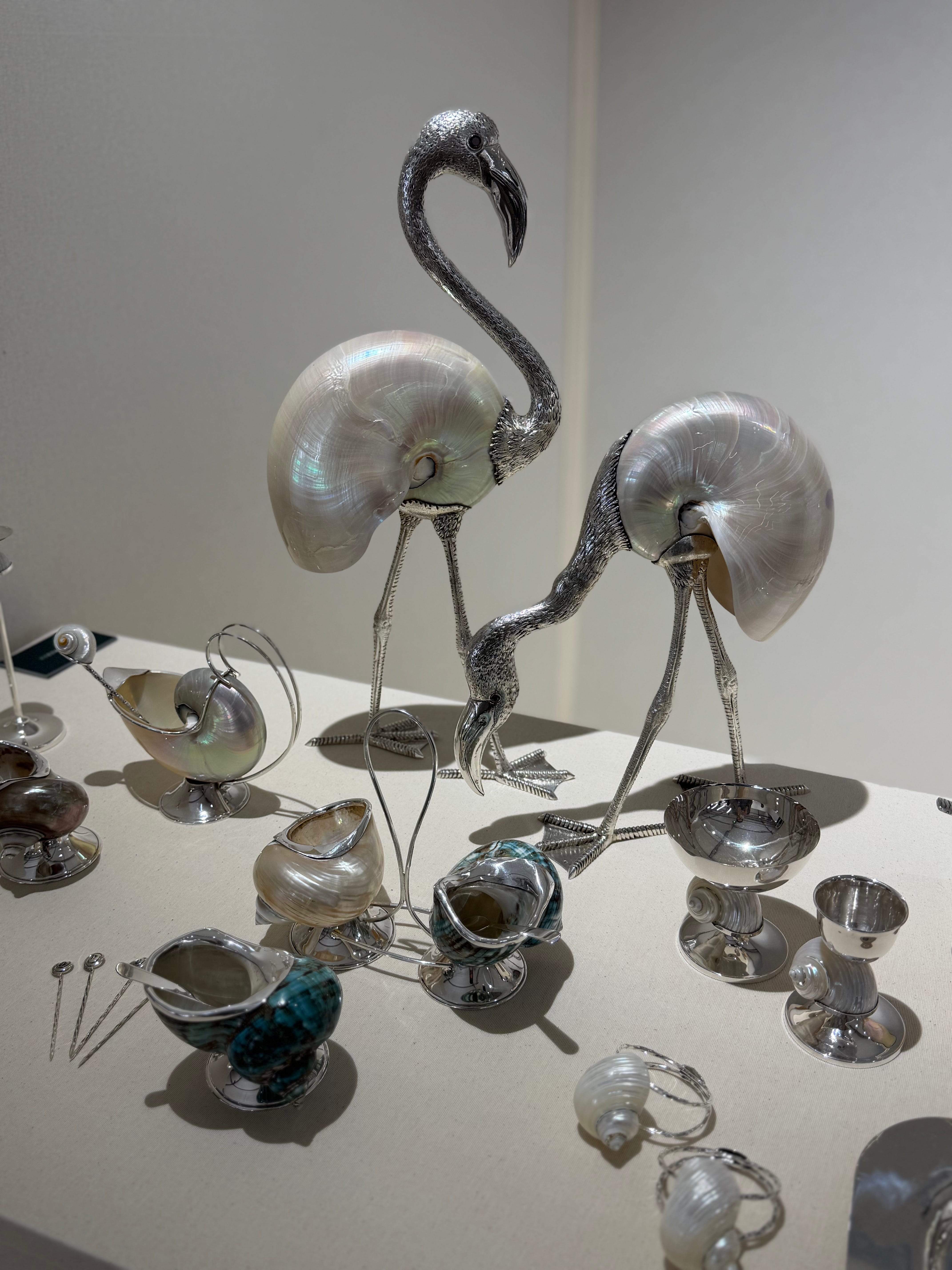
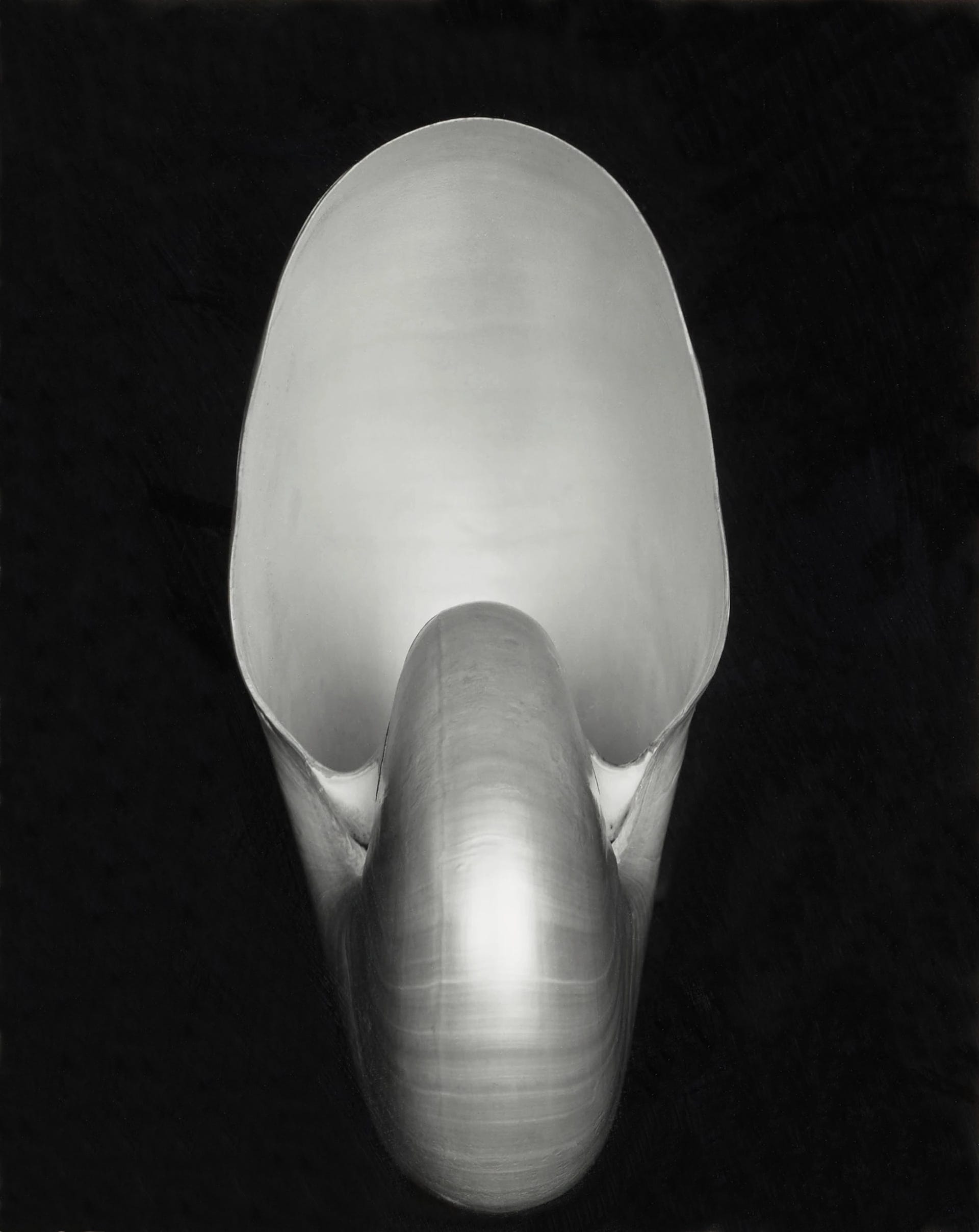
Within the span of about fifteen minutes, an auction preview had somehow turned into a meditation on why humanity appears incapable of leaving shells alone.
This was not my first shell-related lapse in judgment.
A few months ago, I bought a mother-of-pearl table at auction and spent approximately twenty-four hours feeling extremely clever before discovering that transporting it from Europe required enough licenses, paperwork, and administrative negotiation to suggest I was attempting to export a national treasure.
It slowly became apparent that getting this table home would require the sort of diplomacy usually associated with relocating a minor royal.
Eventually I put it back into auction and cut my losses.
The table won.
I lost.
I still think about it regularly.
Which is perhaps another clue that shells occupy a category all their own.
Because once you start looking, they seem to appear everywhere.
Not just in decorative arts, but in visual culture more broadly. Renaissance wunderkammern displayed shells beside gemstones, fossils, scientific instruments, and religious relics. Dutch still lifes tucked them among silver vessels, peeled lemons, flowers, fruit, and extravagant nautilus cups. Venetian grottos turned them into architecture. Tiffany transformed them into lamps. Cocteau drew them. Mongiardino decorated with them. Federico de Vera continues to build entire worlds around them.
And now they’re showing up again.
In shell sconces. In coral forms. In mother-of-pearl surfaces. In seaweed silhouettes. In contemporary lighting. In objects that feel less designed than discovered.
The interesting thing is that none of this feels nostalgic.
It feels inevitable.
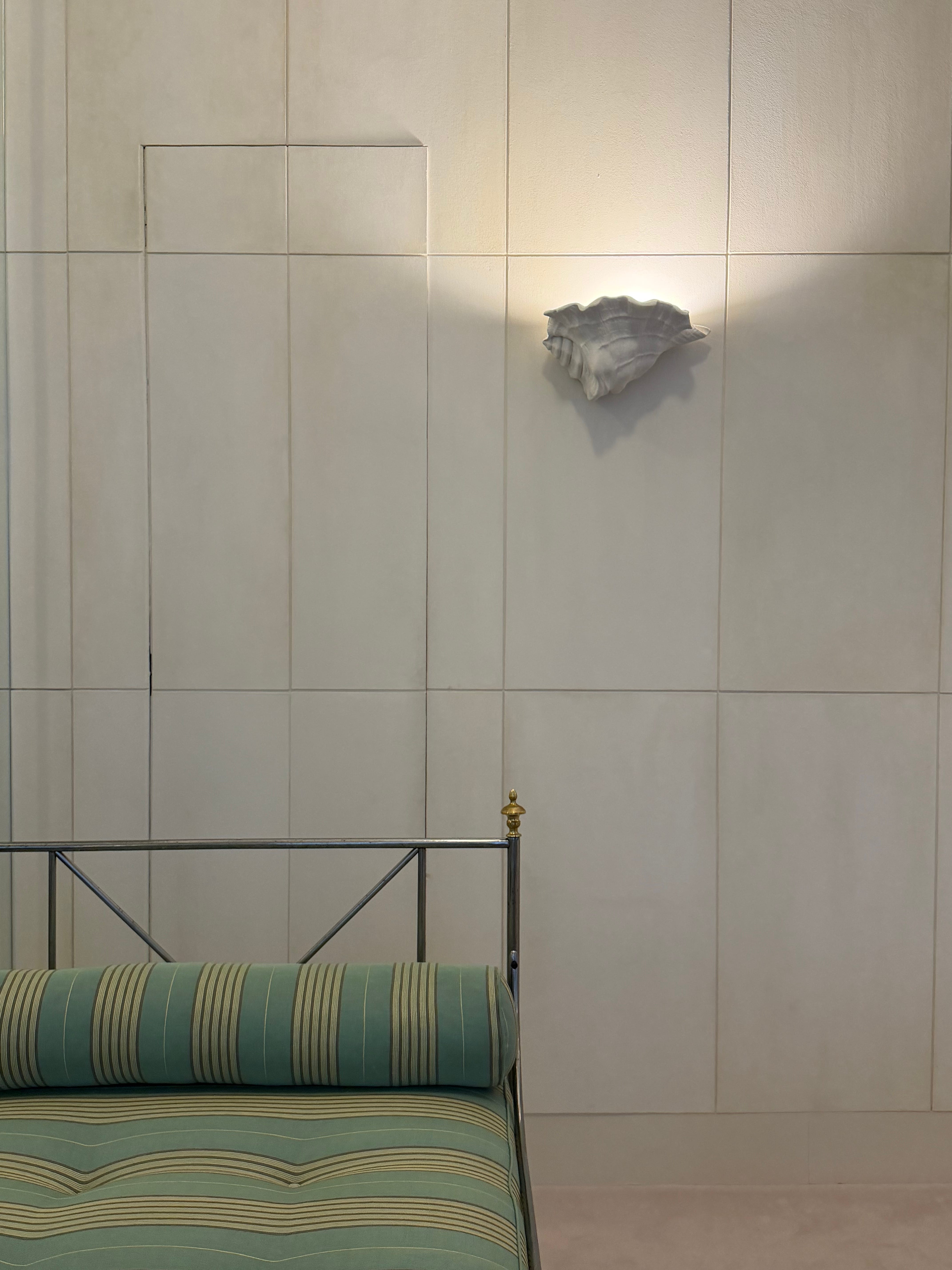
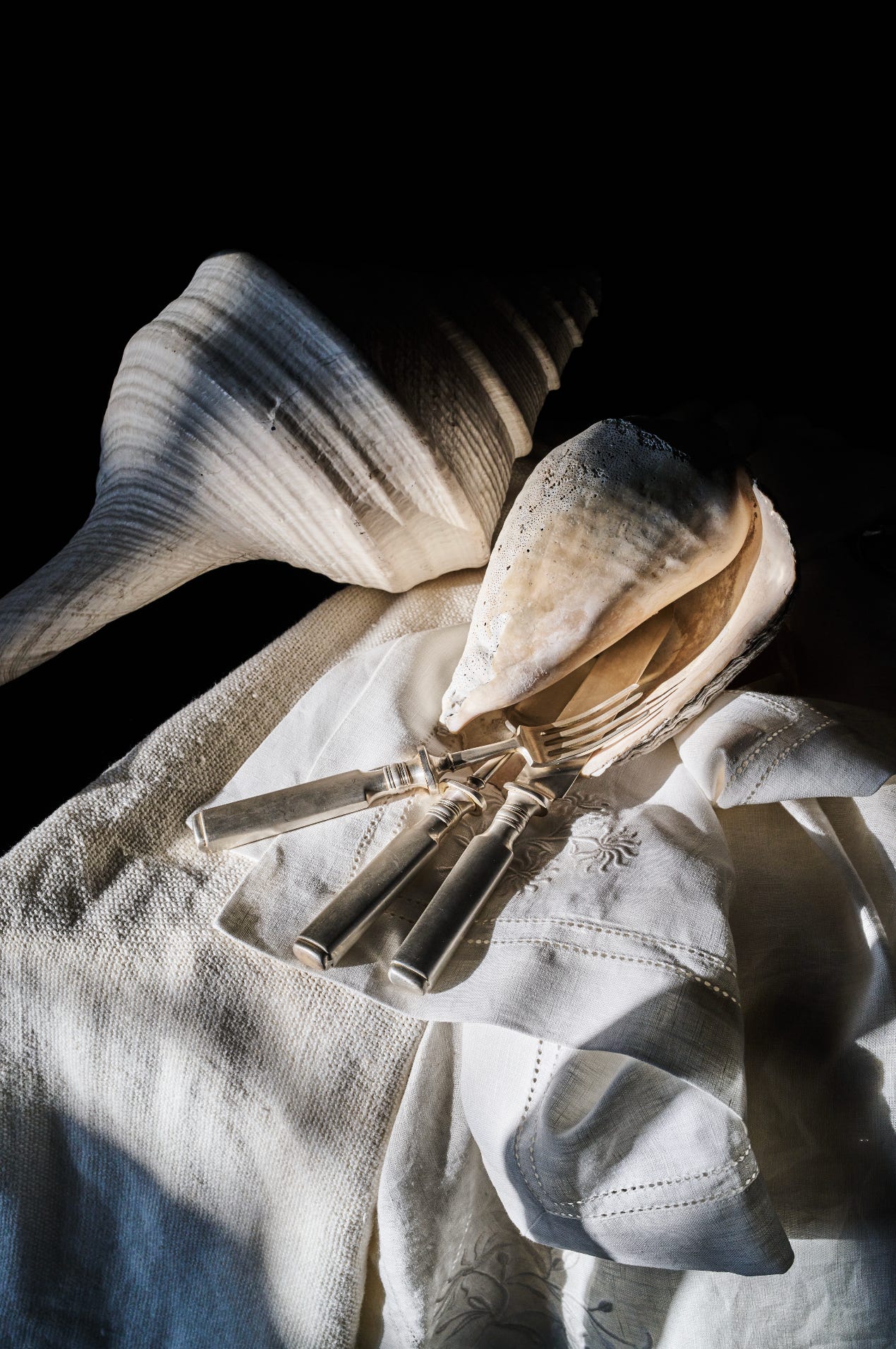
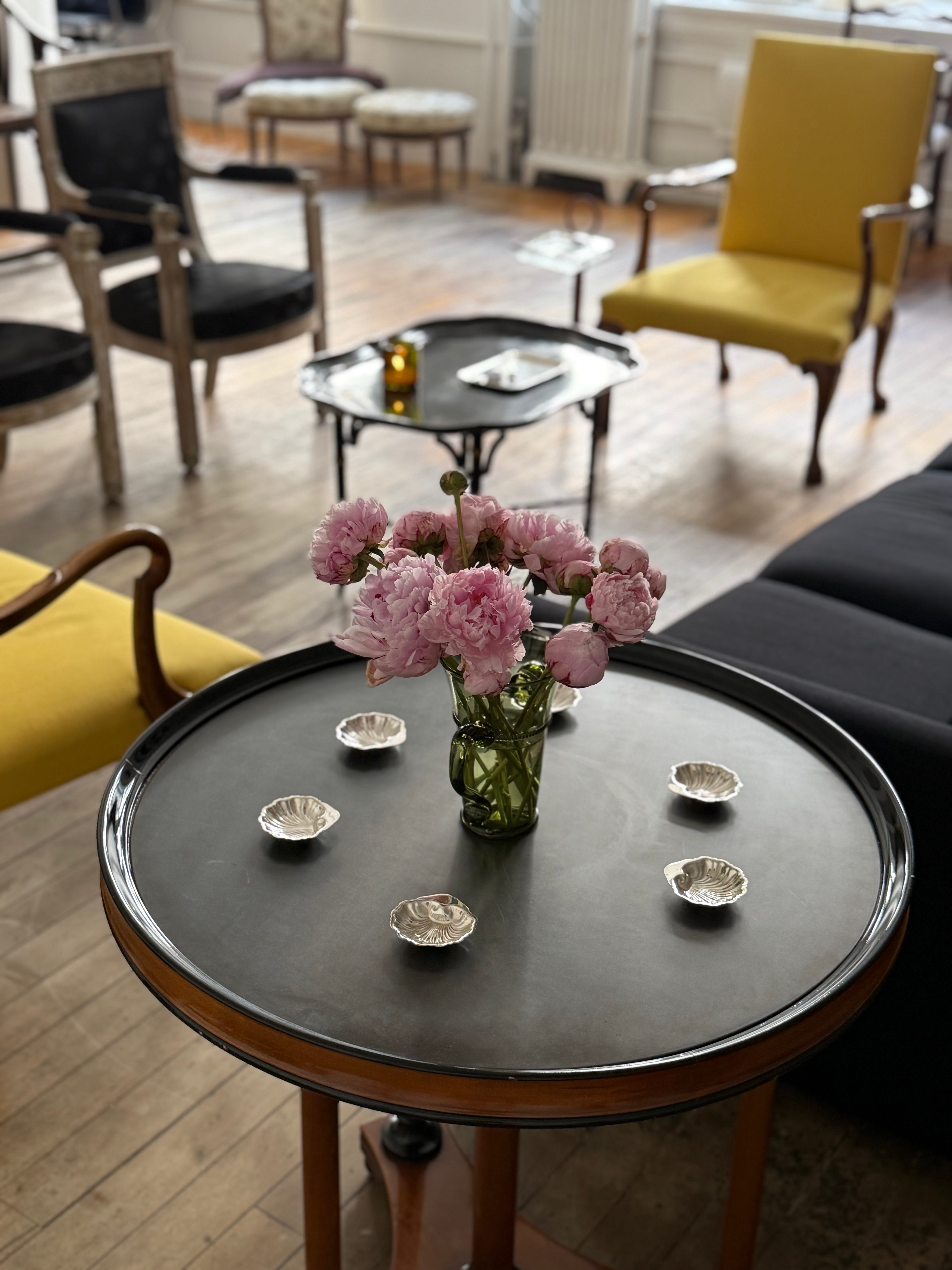
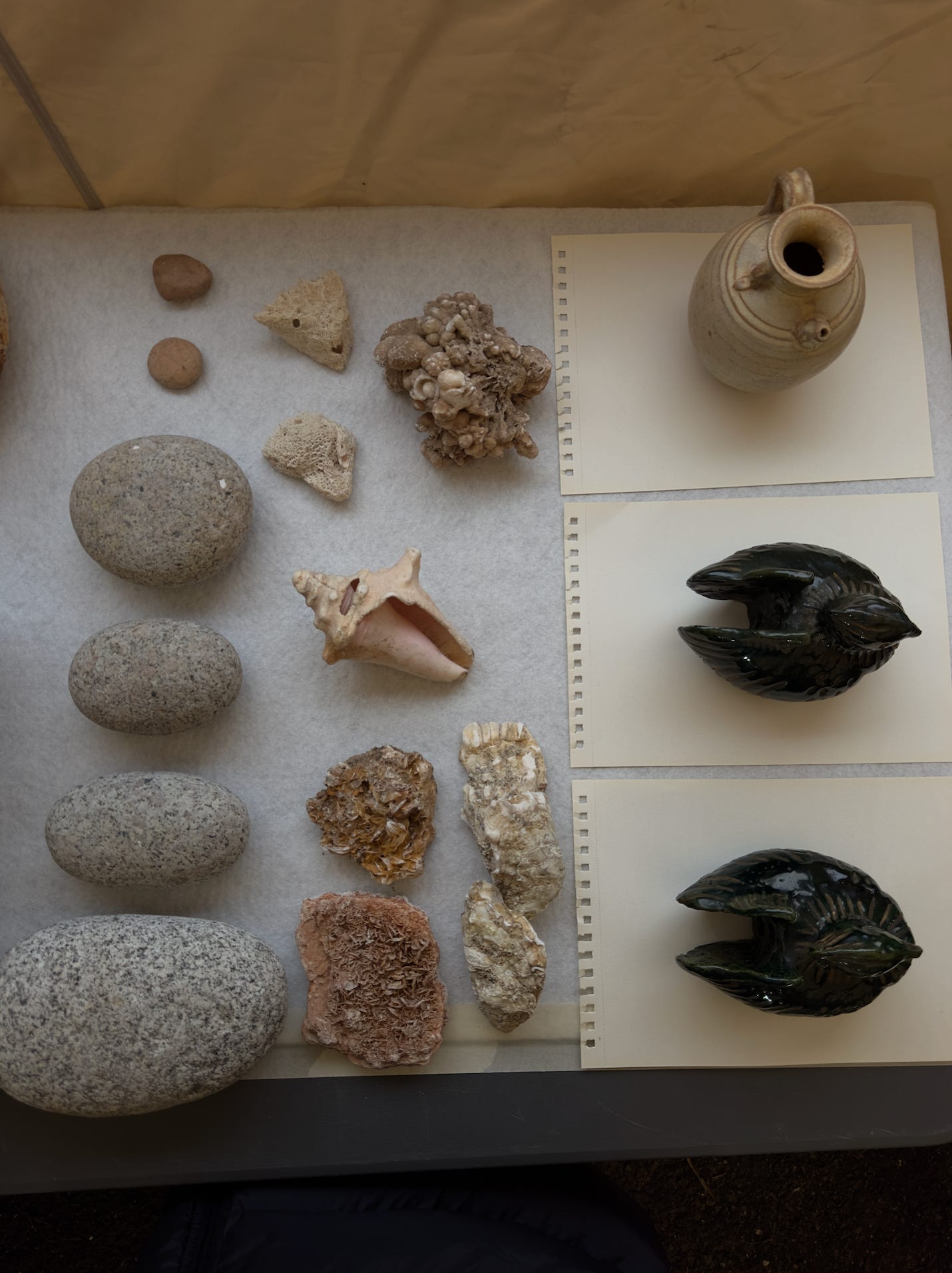
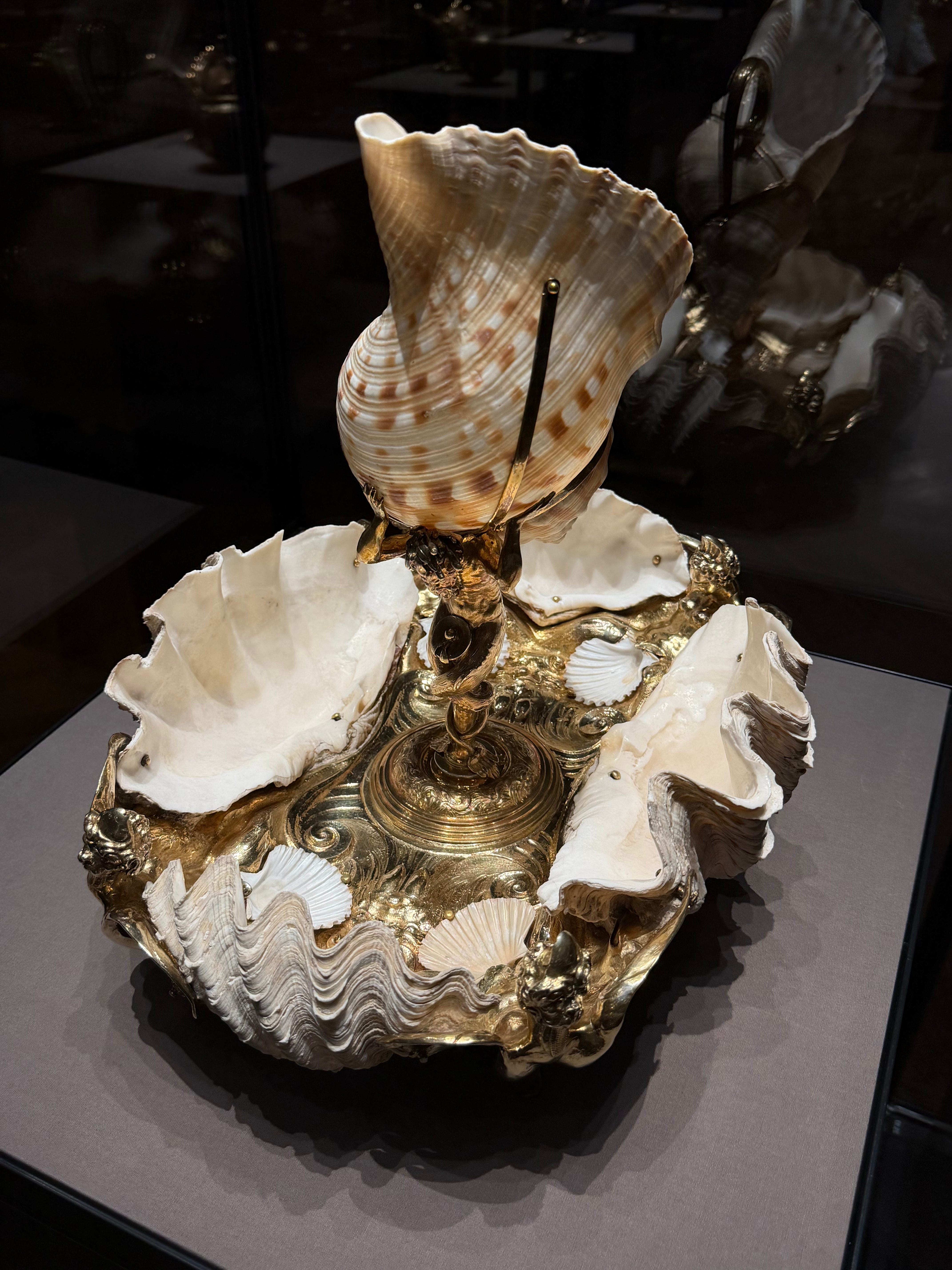

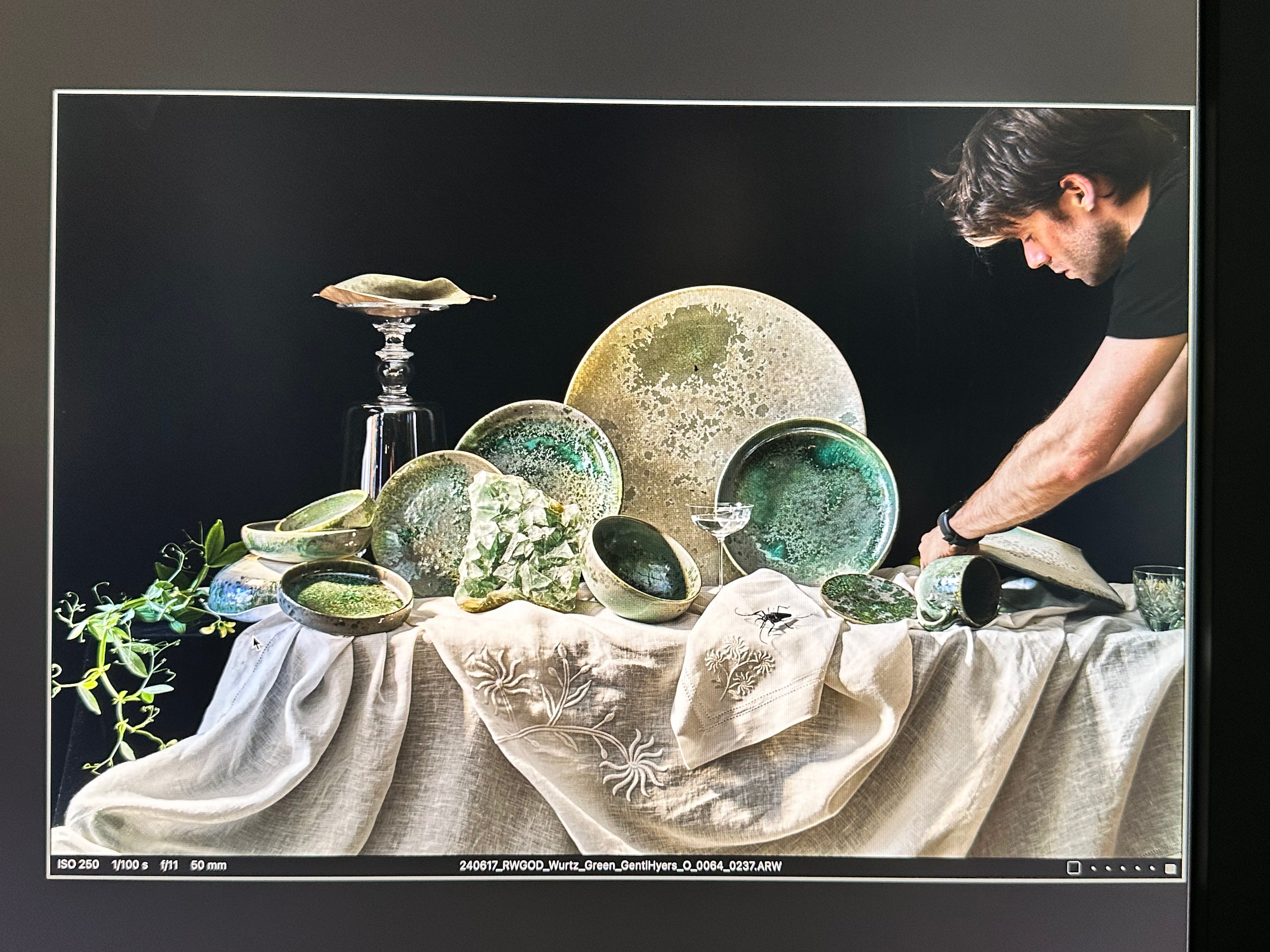
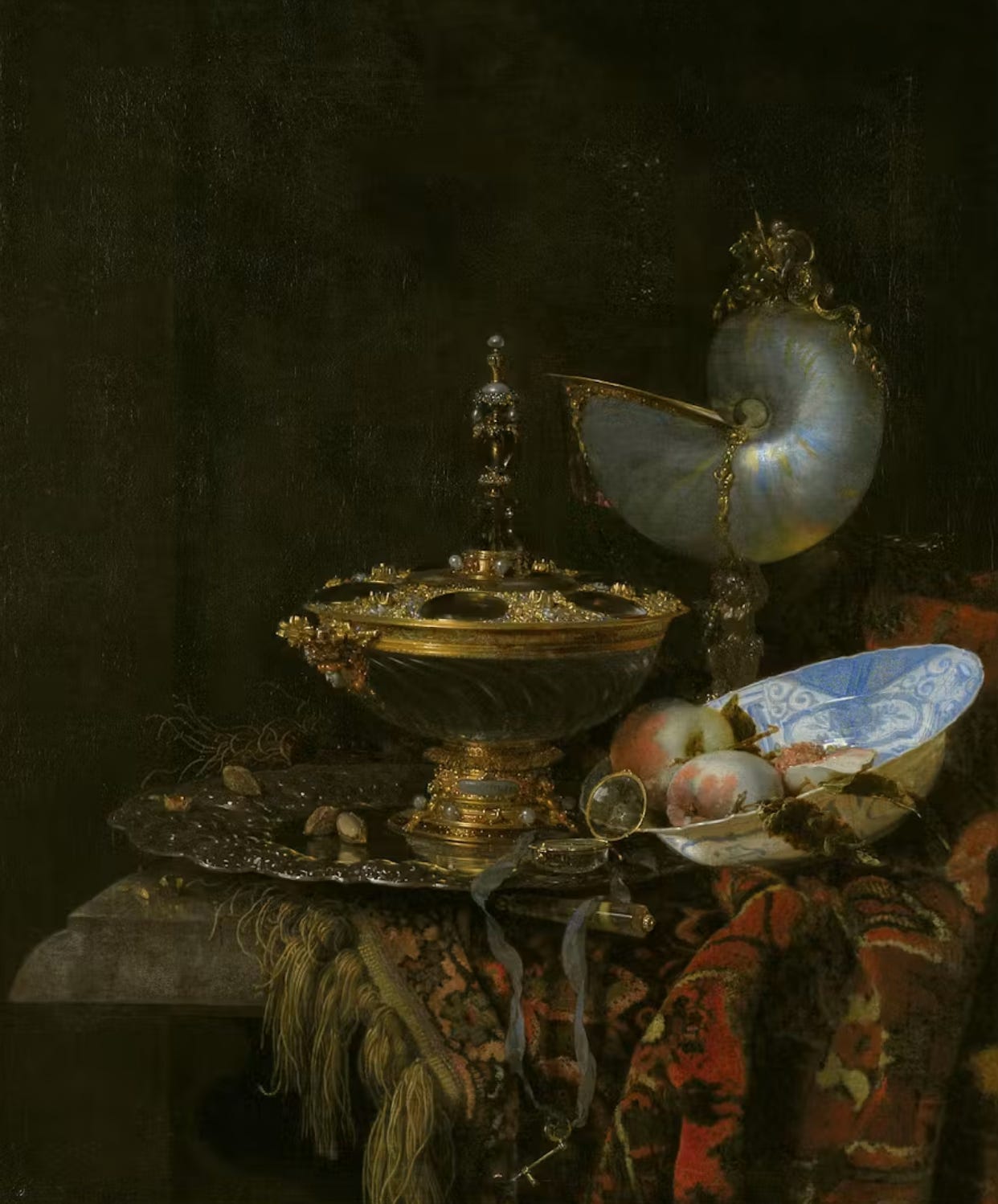
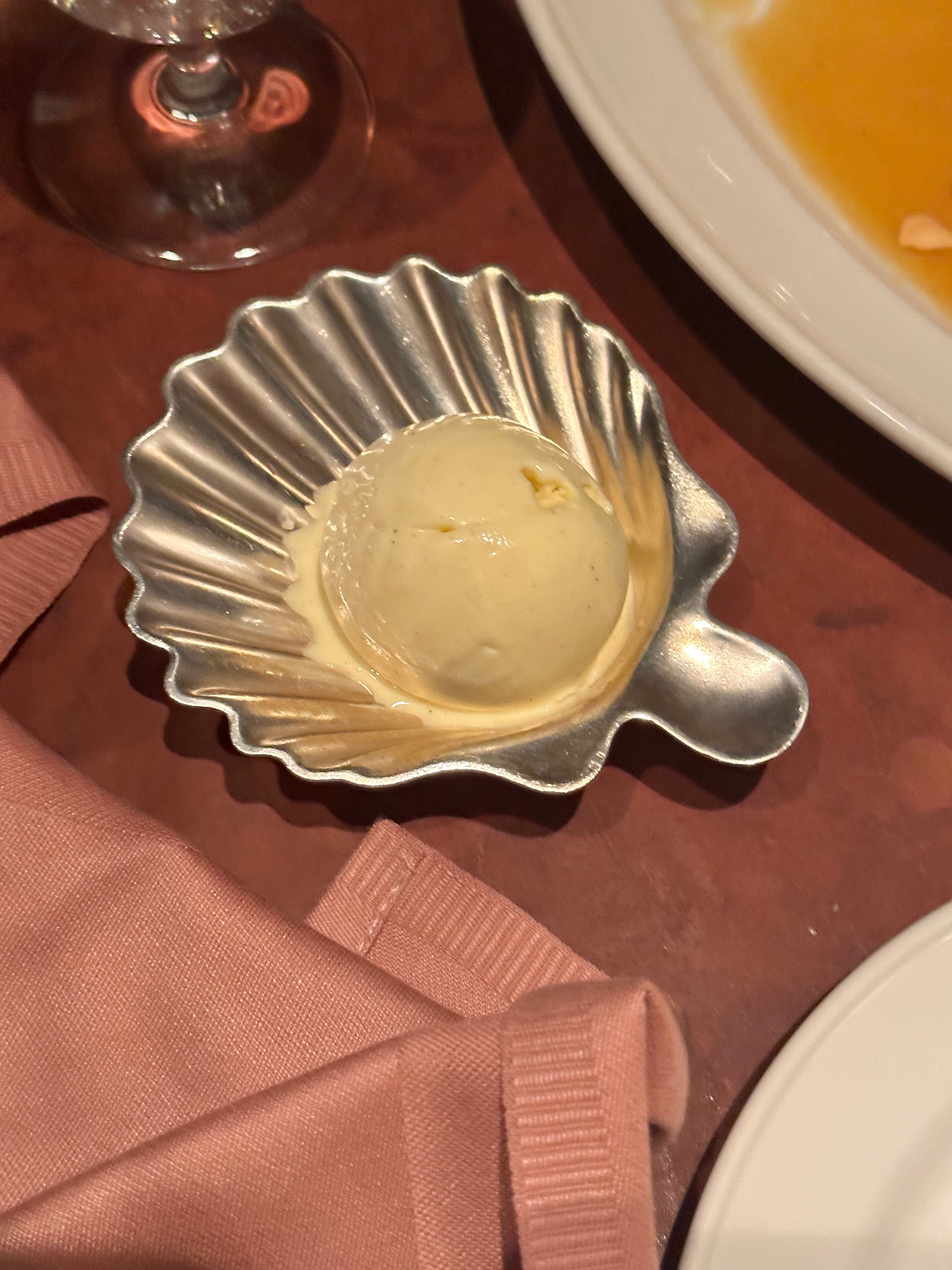
Renaissance collectors didn’t treat shells as decoration. They treated them as marvels. The great nautilus cups were never really attempts to improve upon nature. If anything, they were admissions of defeat. Goldsmiths took an already extraordinary object and simply built a frame around it.
I think about that often when styling.
Some objects require intervention.
Others require restraint.
What fascinates me is that shells appear in still lifes with remarkable consistency. Again and again, among silver vessels, flowers, fruit, goblets, and elaborate nautilus cups, a shell appears. Not because it belongs logically, but because it changes the composition. I know this because I’ve done exactly the same thing myself. Looking back through years of styling projects, I keep finding shells tucked into arrangements. On tables. Beside vessels. Nestled among flowers. Interrupting otherwise orderly compositions. I never consciously set out to make shells a recurring theme. They simply kept finding their way into the frame.
A shell introduces wonder. Not manufactured wonder. Not styled wonder. The genuine article. And unlike many objects, it doesn’t require much help from us. The shell arrives carrying its own atmosphere.
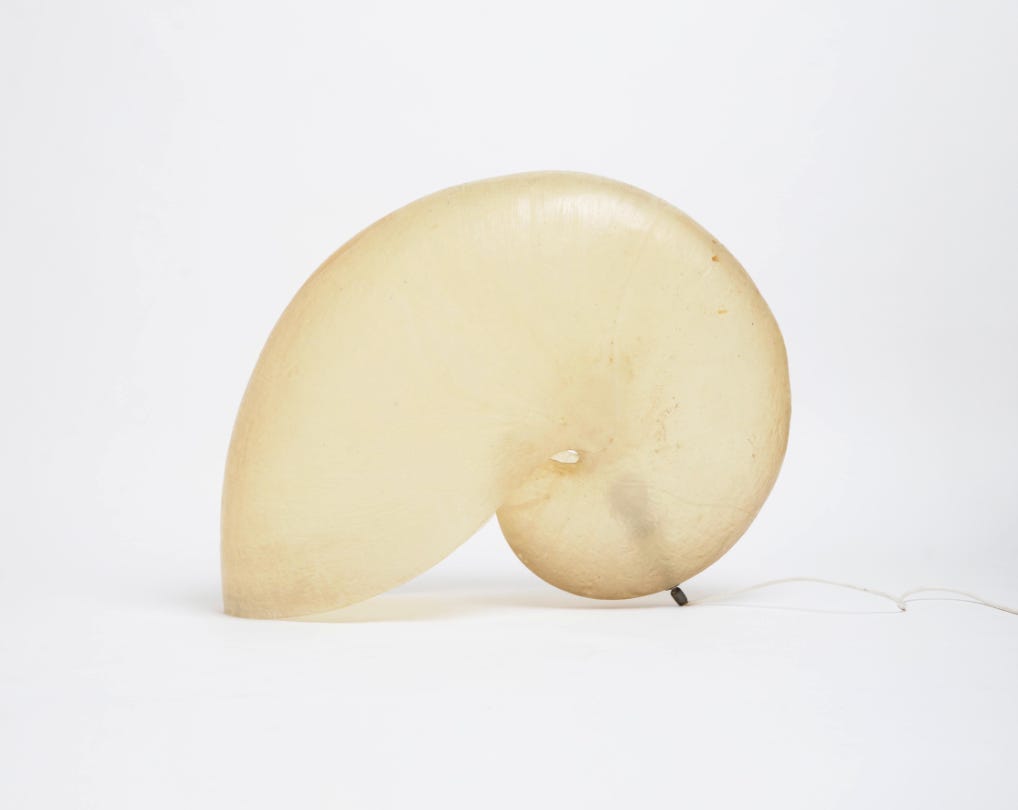
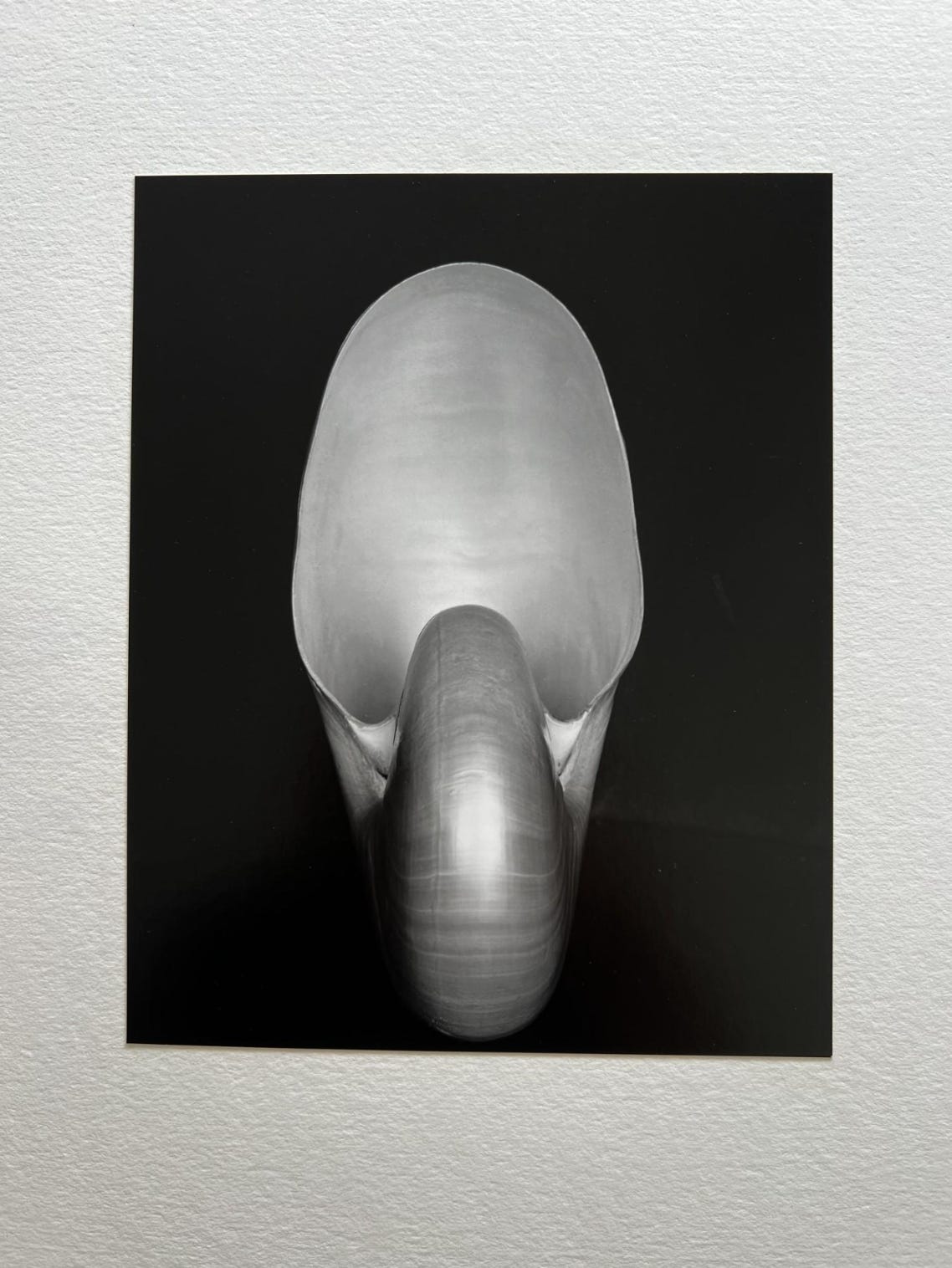
Which may explain why artists, collectors, decorators, photographers, and designers keep returning to it. The shell itself is rarely the point. What interests me is how often its geometry reappears. In the extraordinary nautilus cups of the sixteenth and seventeenth centuries. In Tiffany’s Nautilus lamp. In CH Herrero’s lighting. In the shell-inspired works of Tavares1922. In Edward Weston’s photograph, where the shell becomes less an object than a study of proportion, shadow, light, and form.
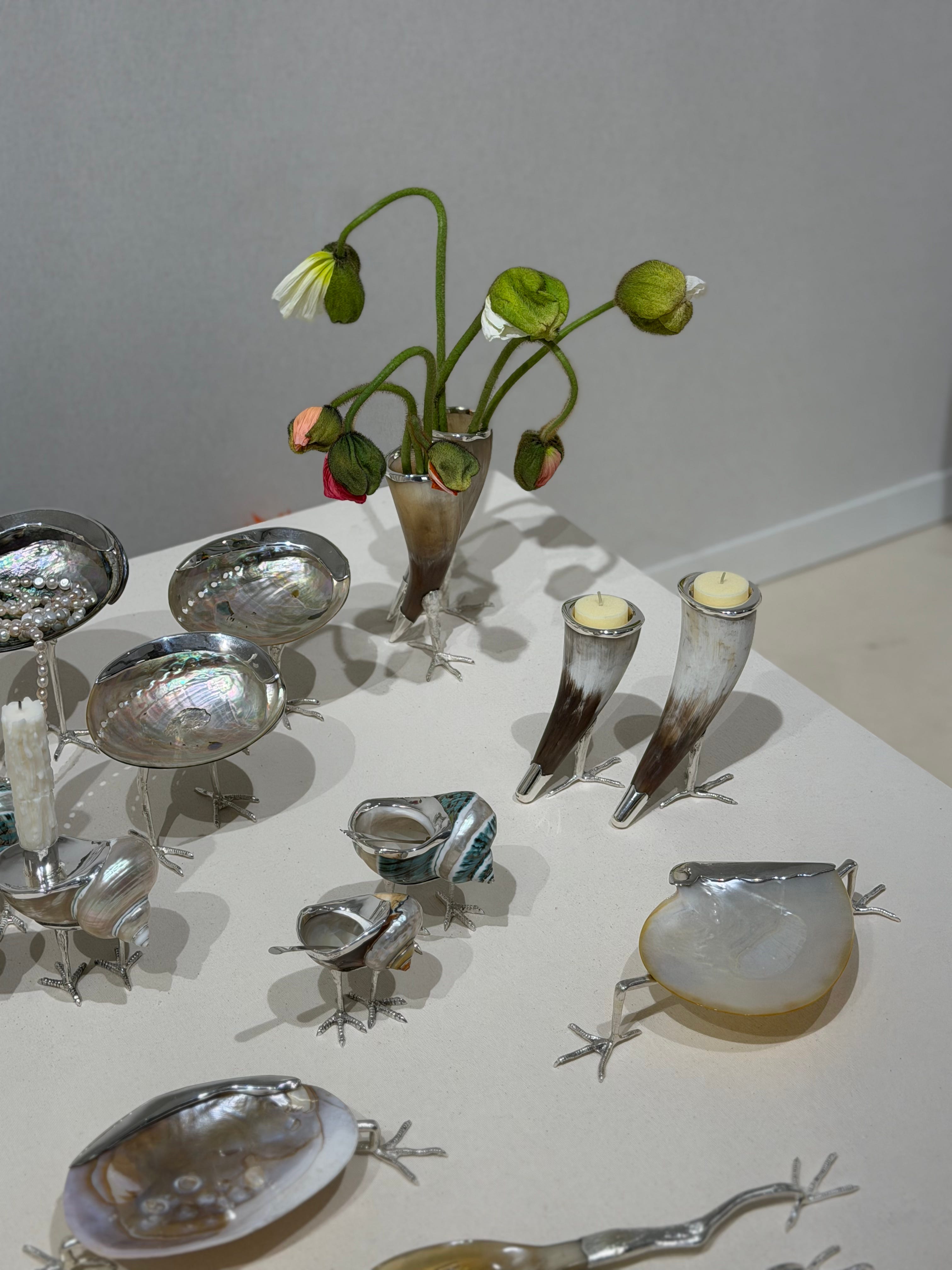
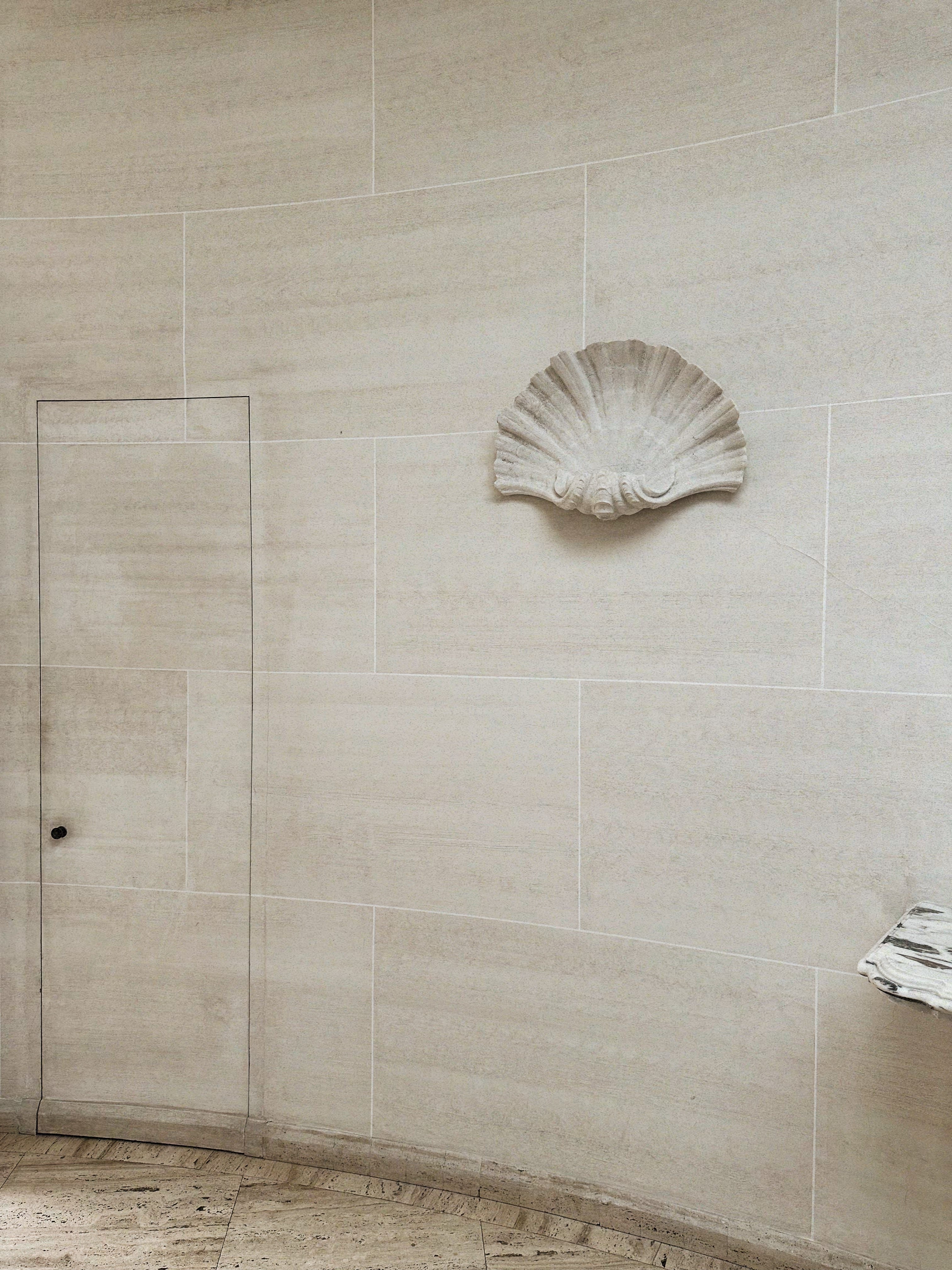
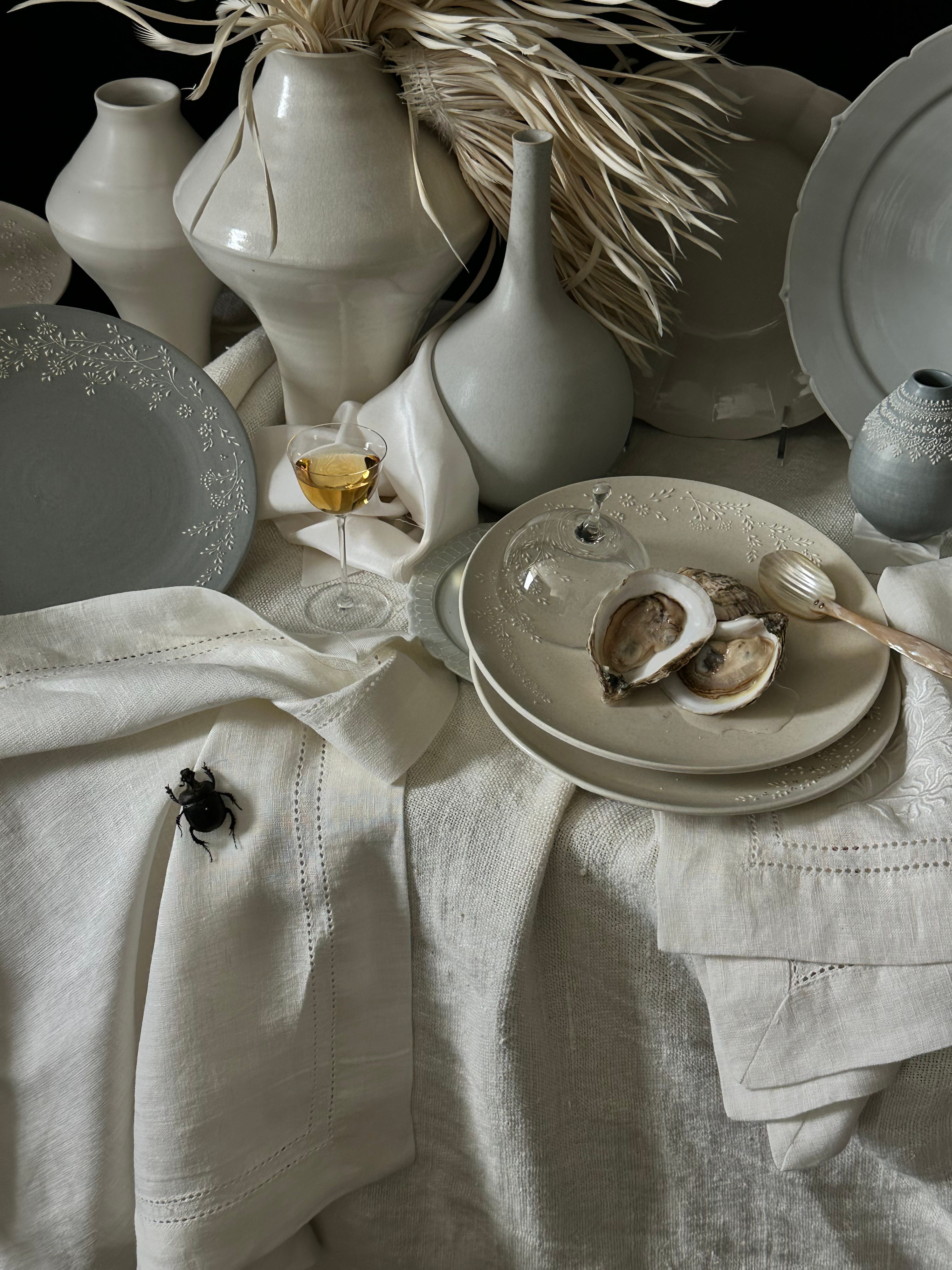
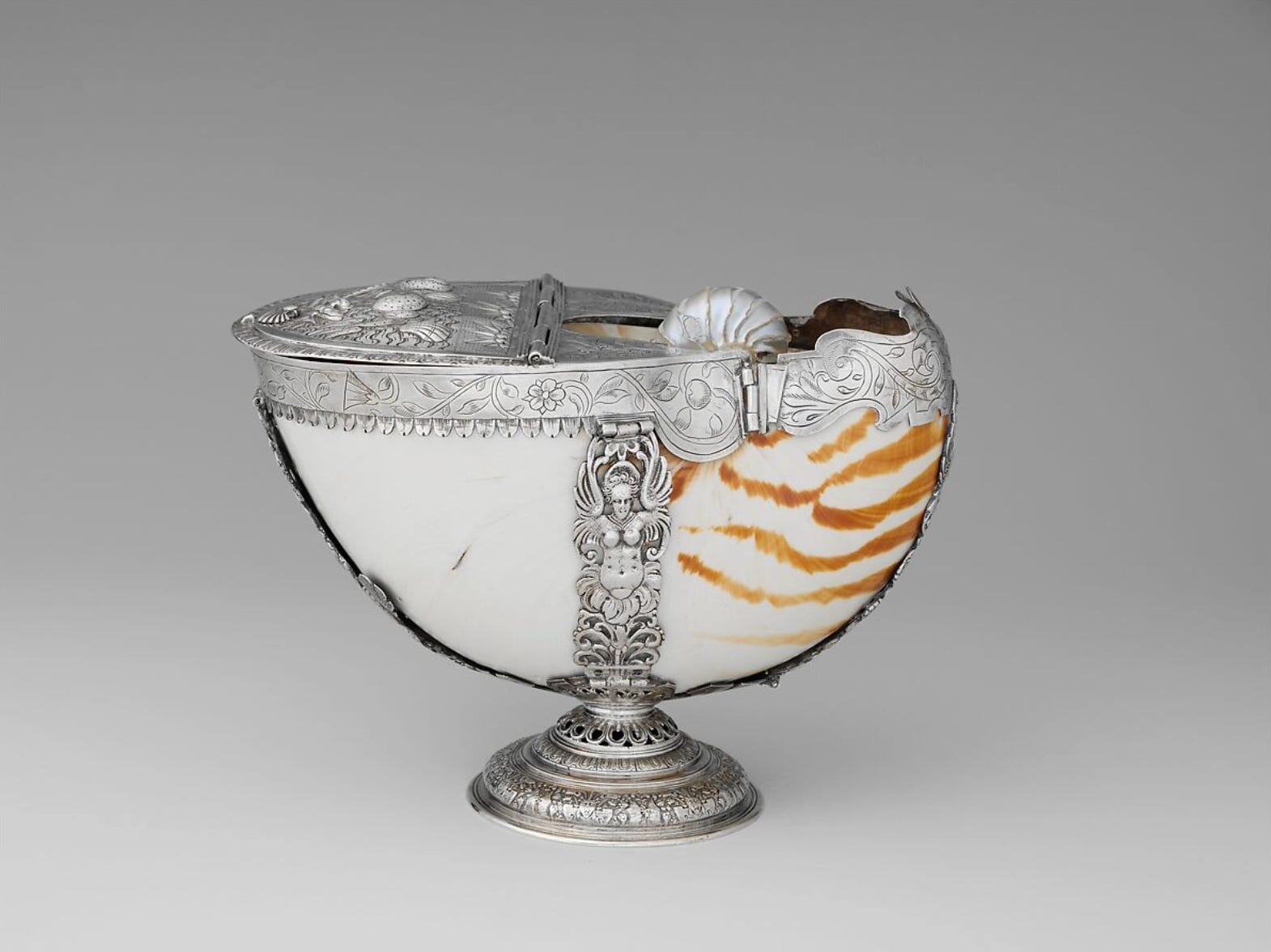
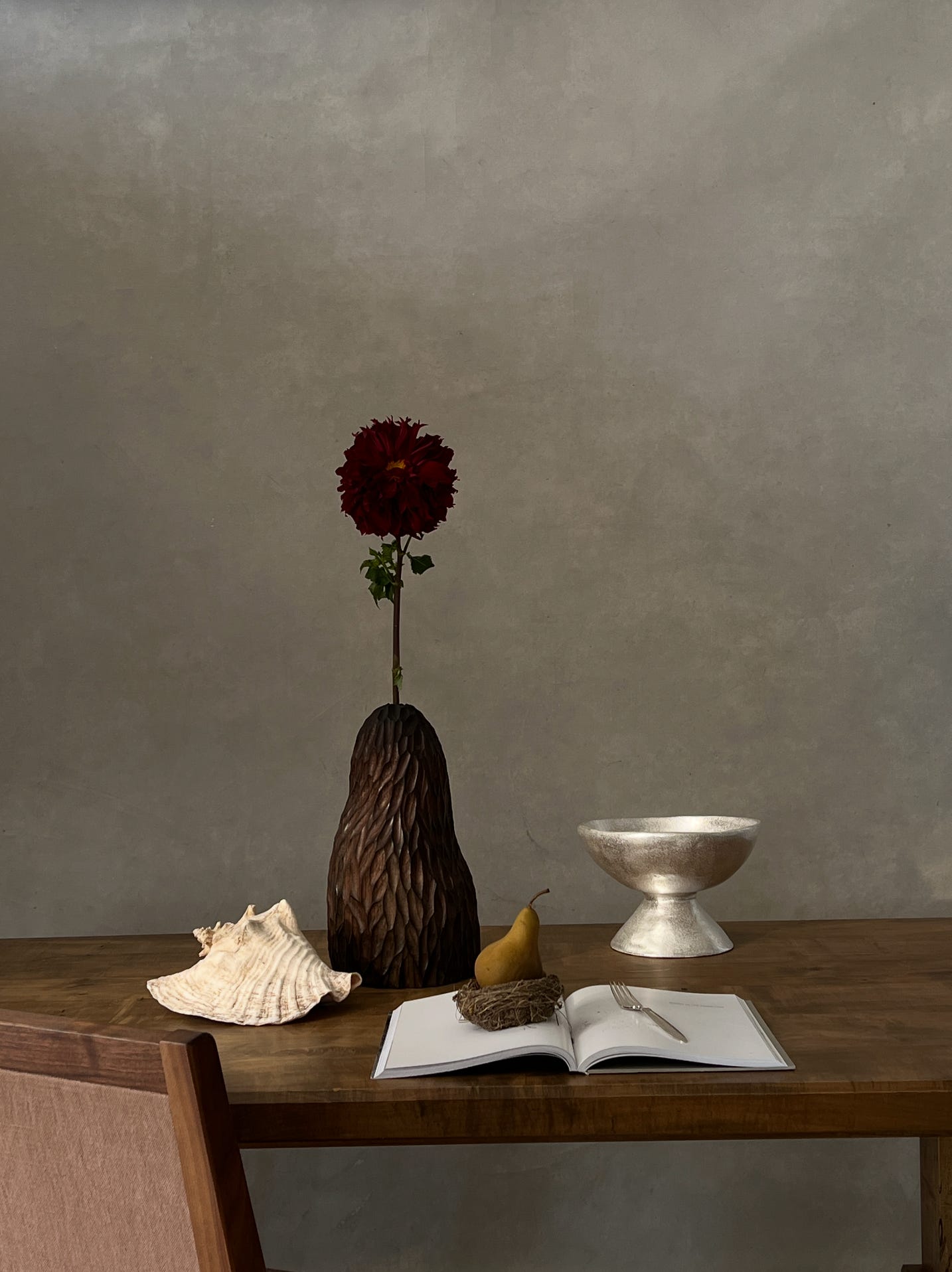
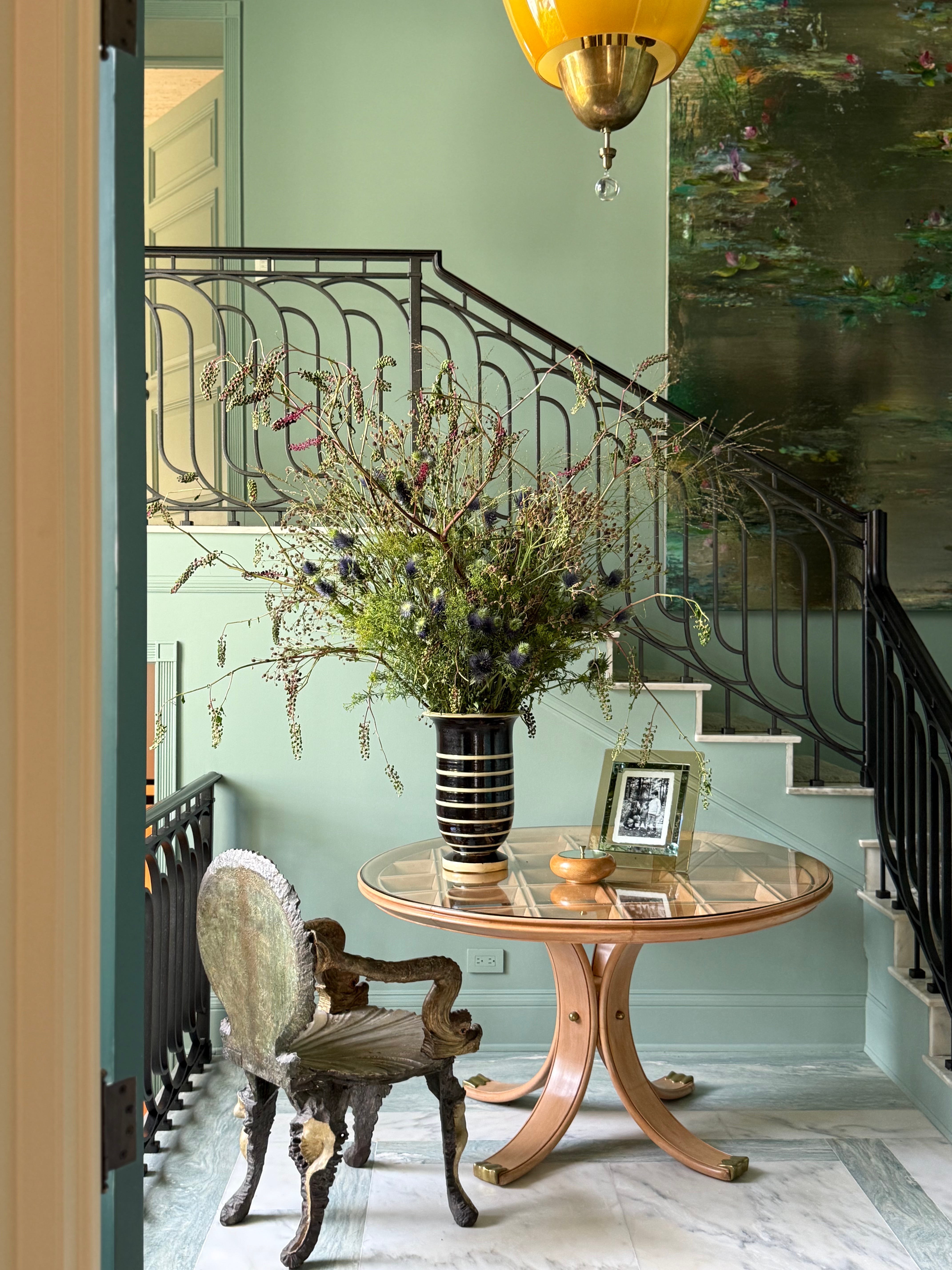
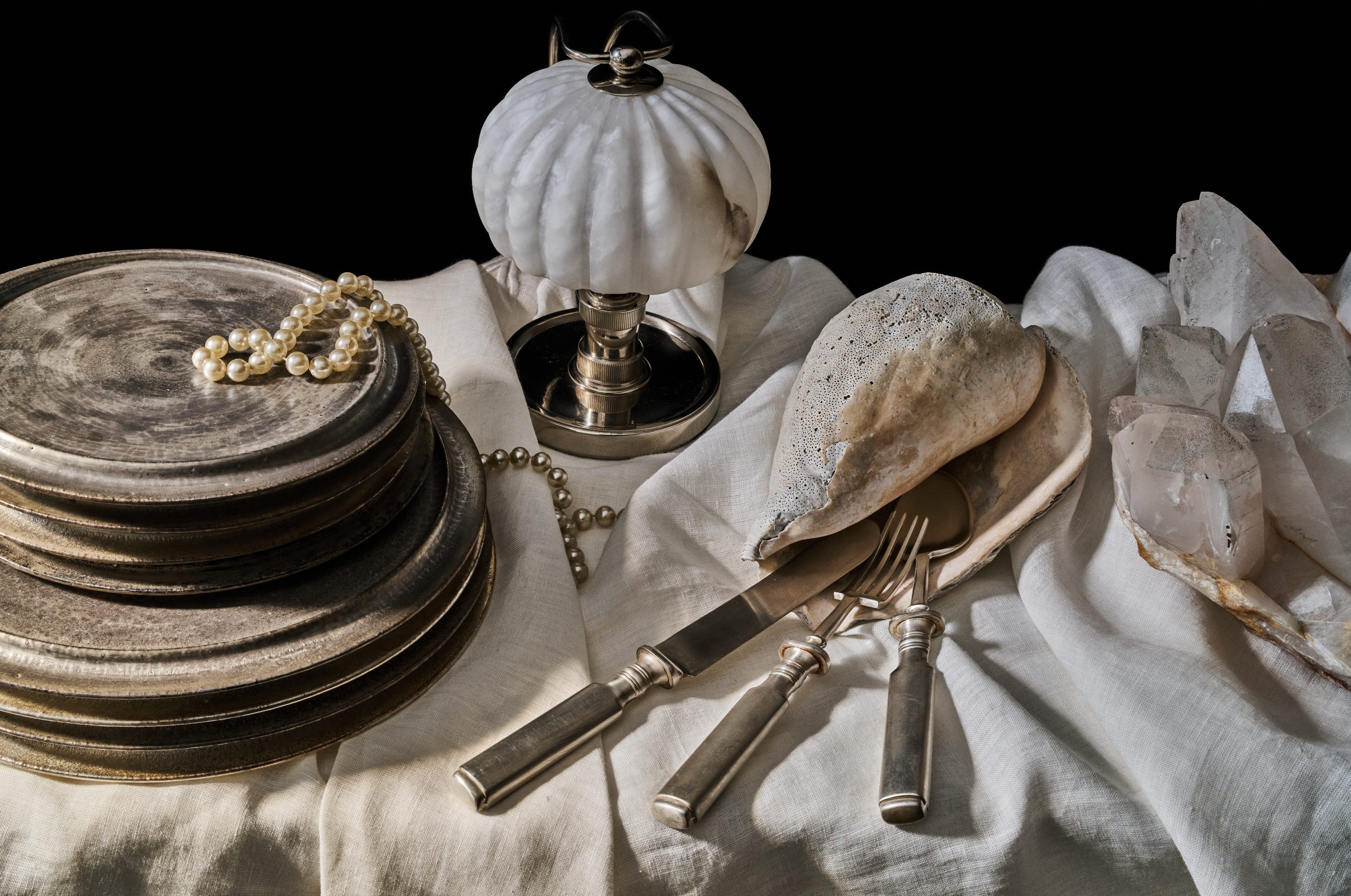
The nautilus itself is an ancient marine mollusk whose chambered shell has remained largely unchanged for roughly 500 million years. Five hundred million years, which is an intimidating amount of time to be correct about anything. Entire civilizations have come and gone. Design movements have risen and collapsed. People have spent decades arguing about minimalism. Meanwhile, the nautilus has simply continued making the same spiral.
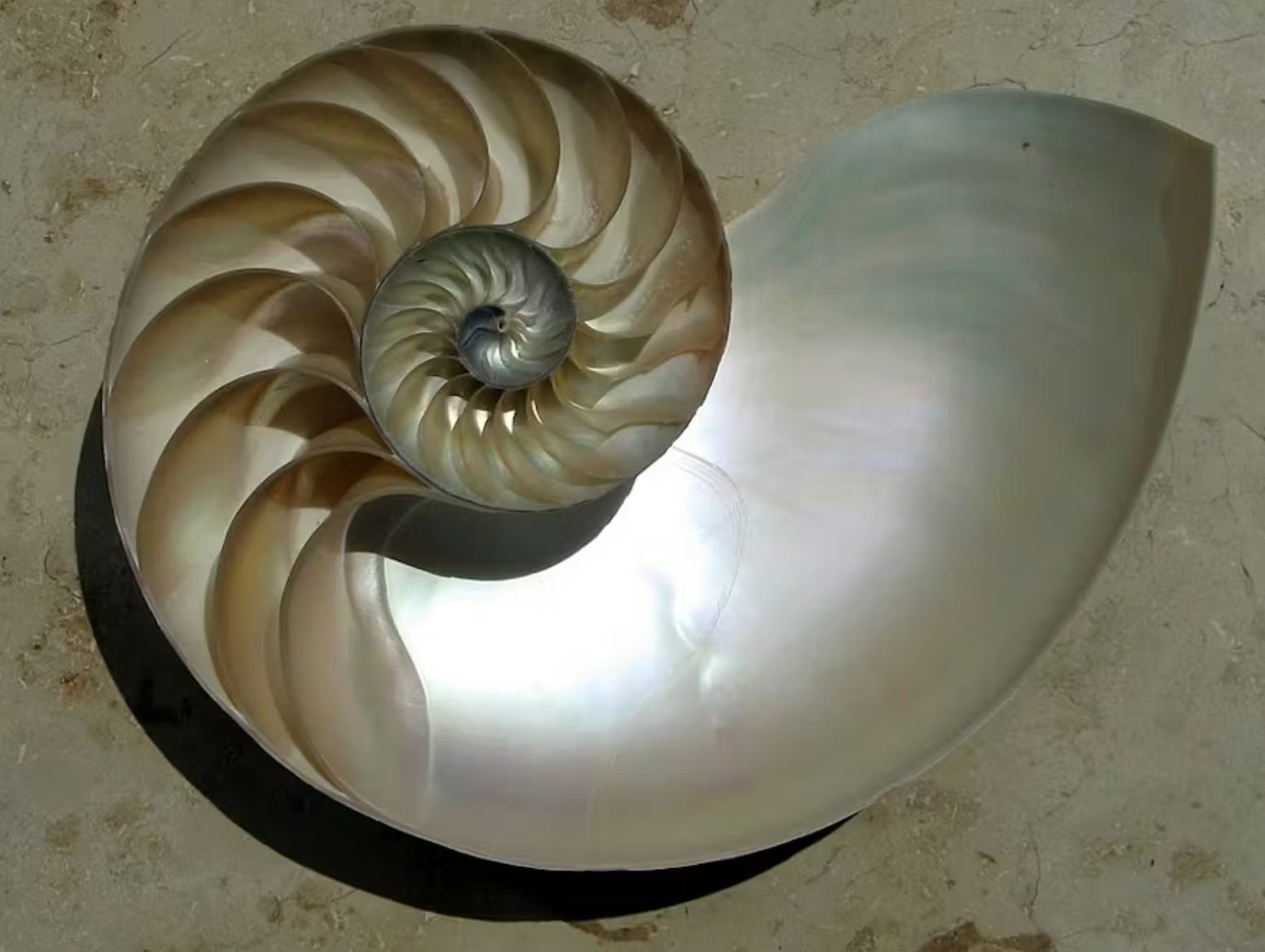
Perhaps that’s why it moves so effortlessly between disciplines. The shell already possesses many of the qualities we’re all looking for: rhythm, scale, movement, mystery, and a sense of inevitability. I’ve spent much of my career arranging objects, moving them, grouping them, giving them company, taking it away, trying to create relationships between things. Yet some objects seem to arrive having already solved the problem. They feel complete before we touch them.
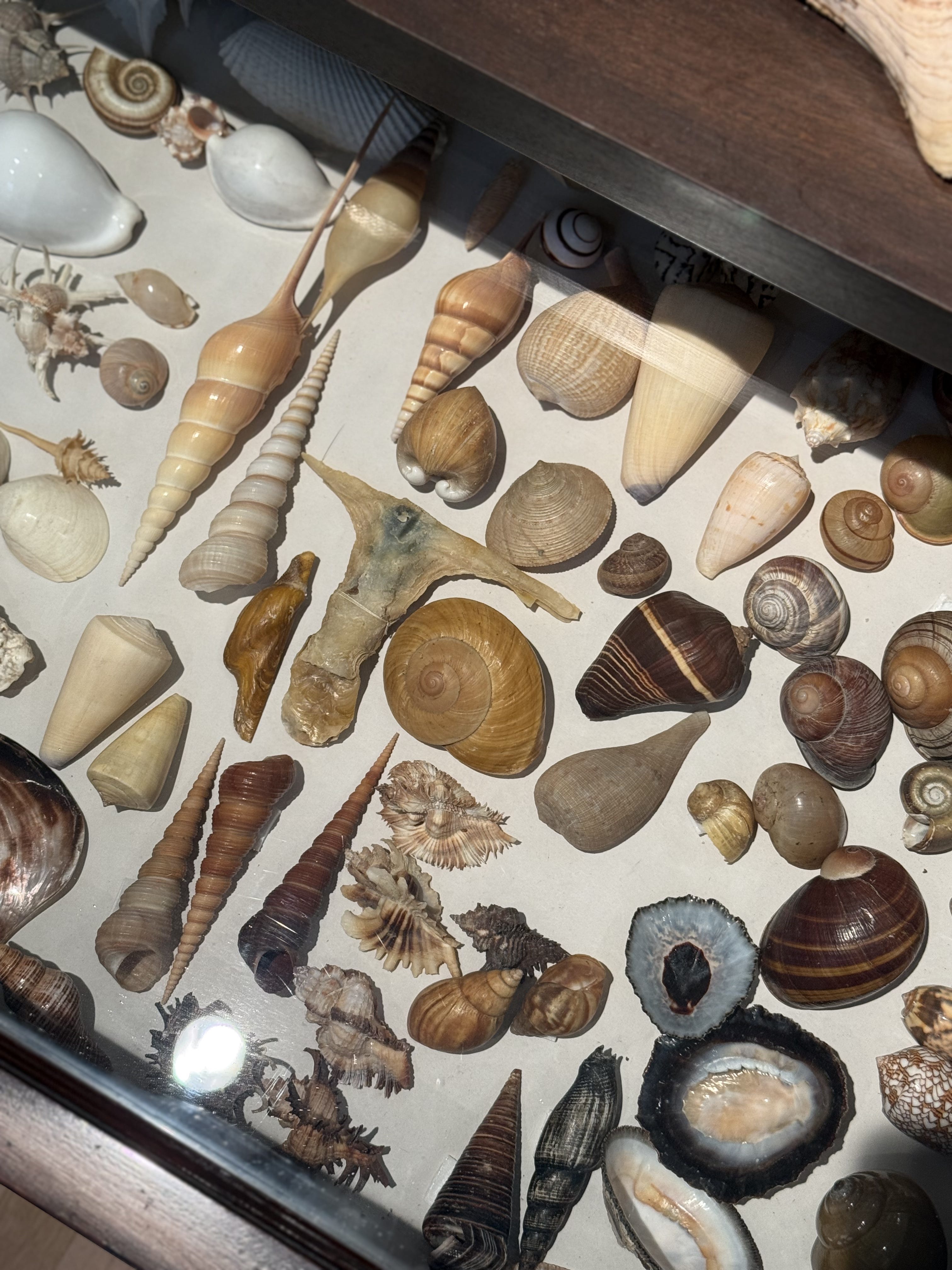
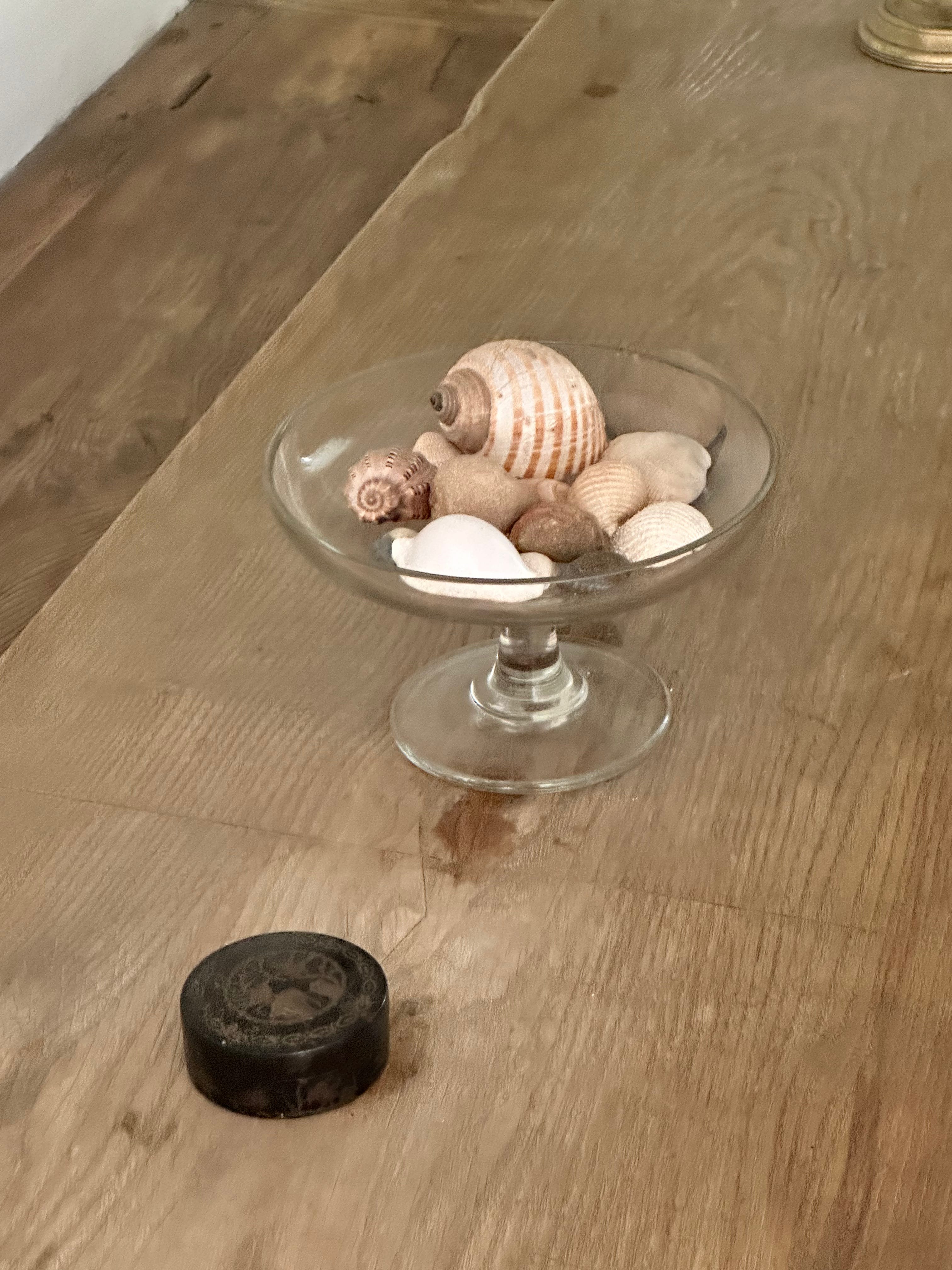
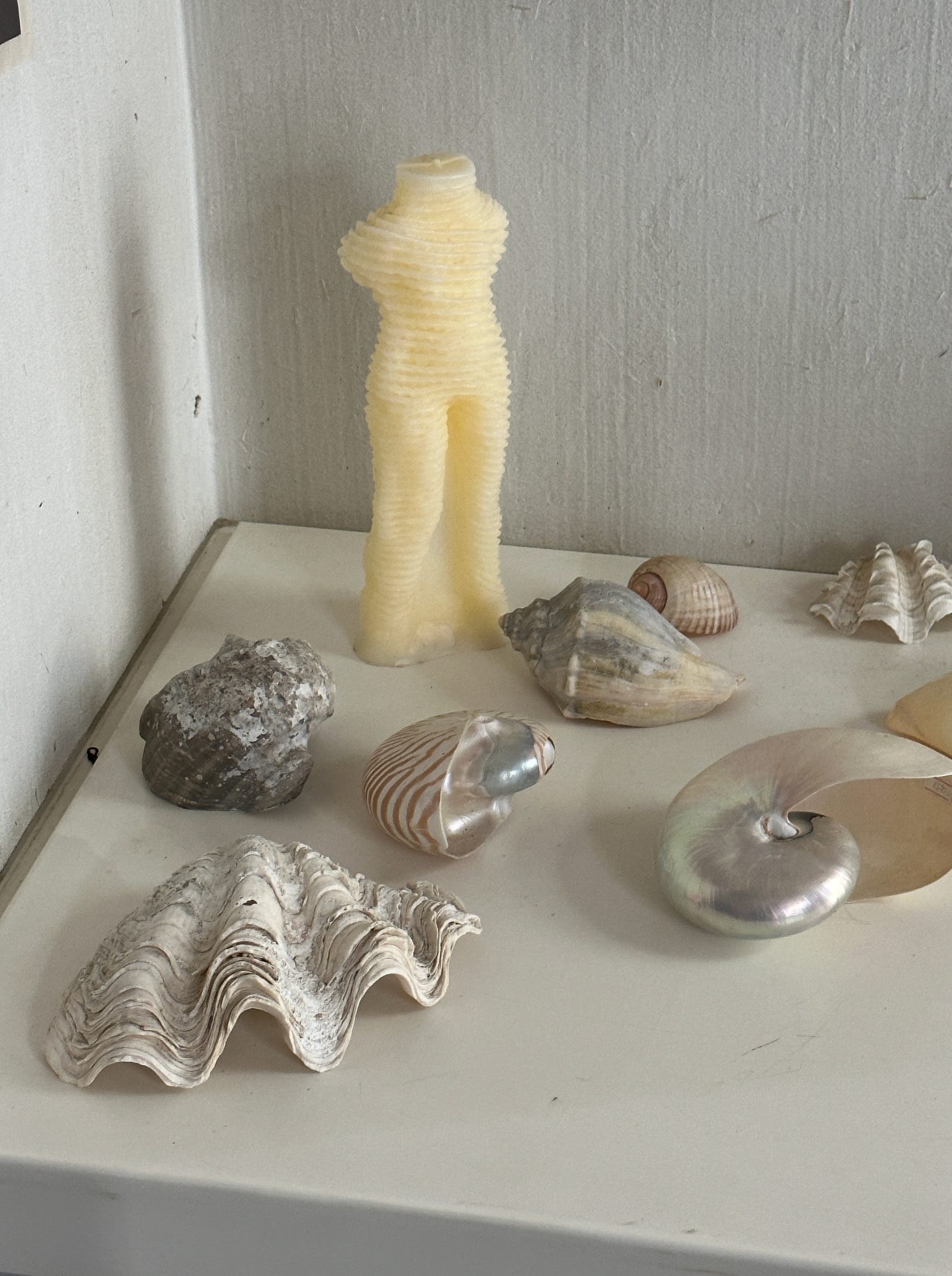
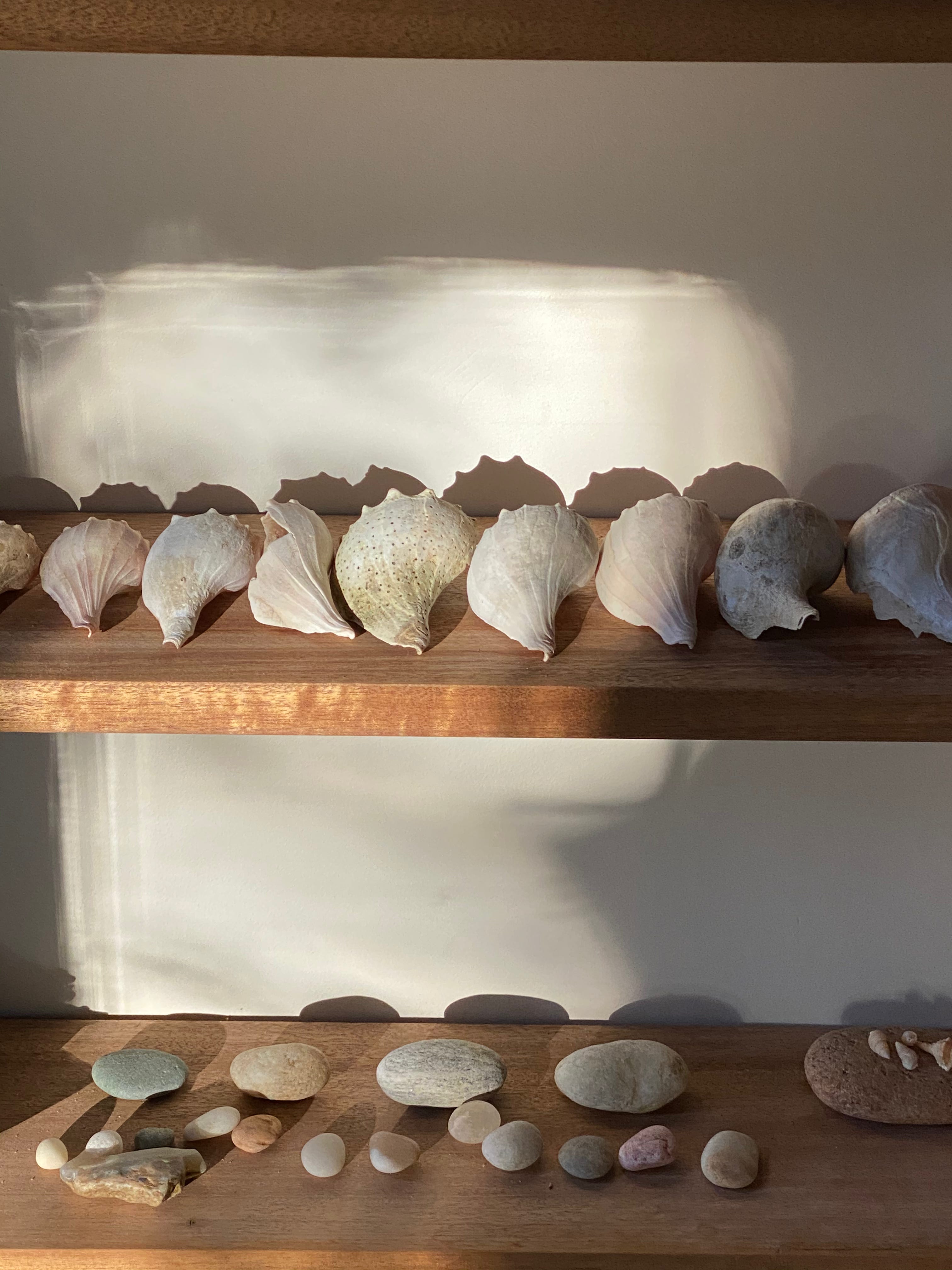
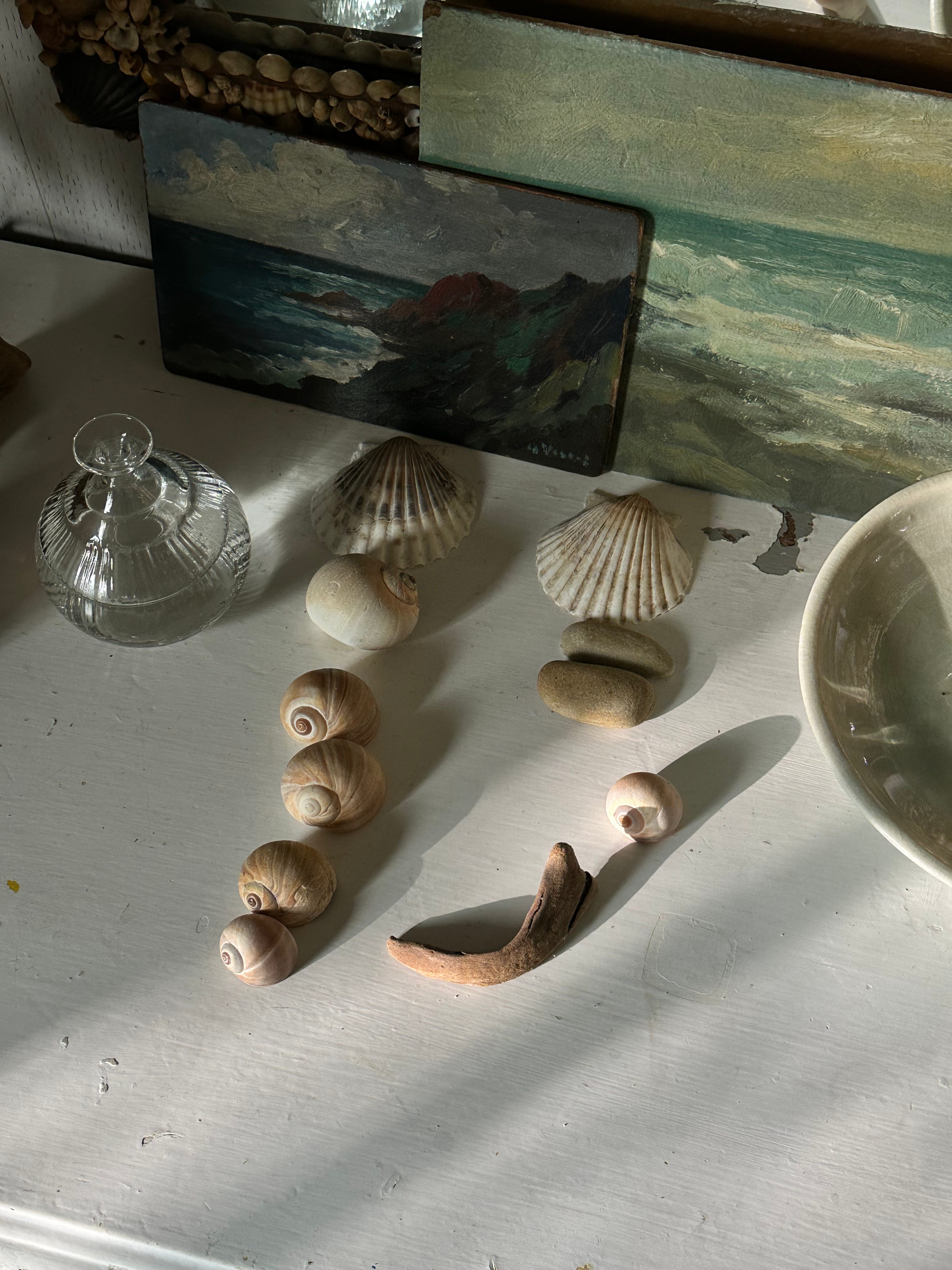
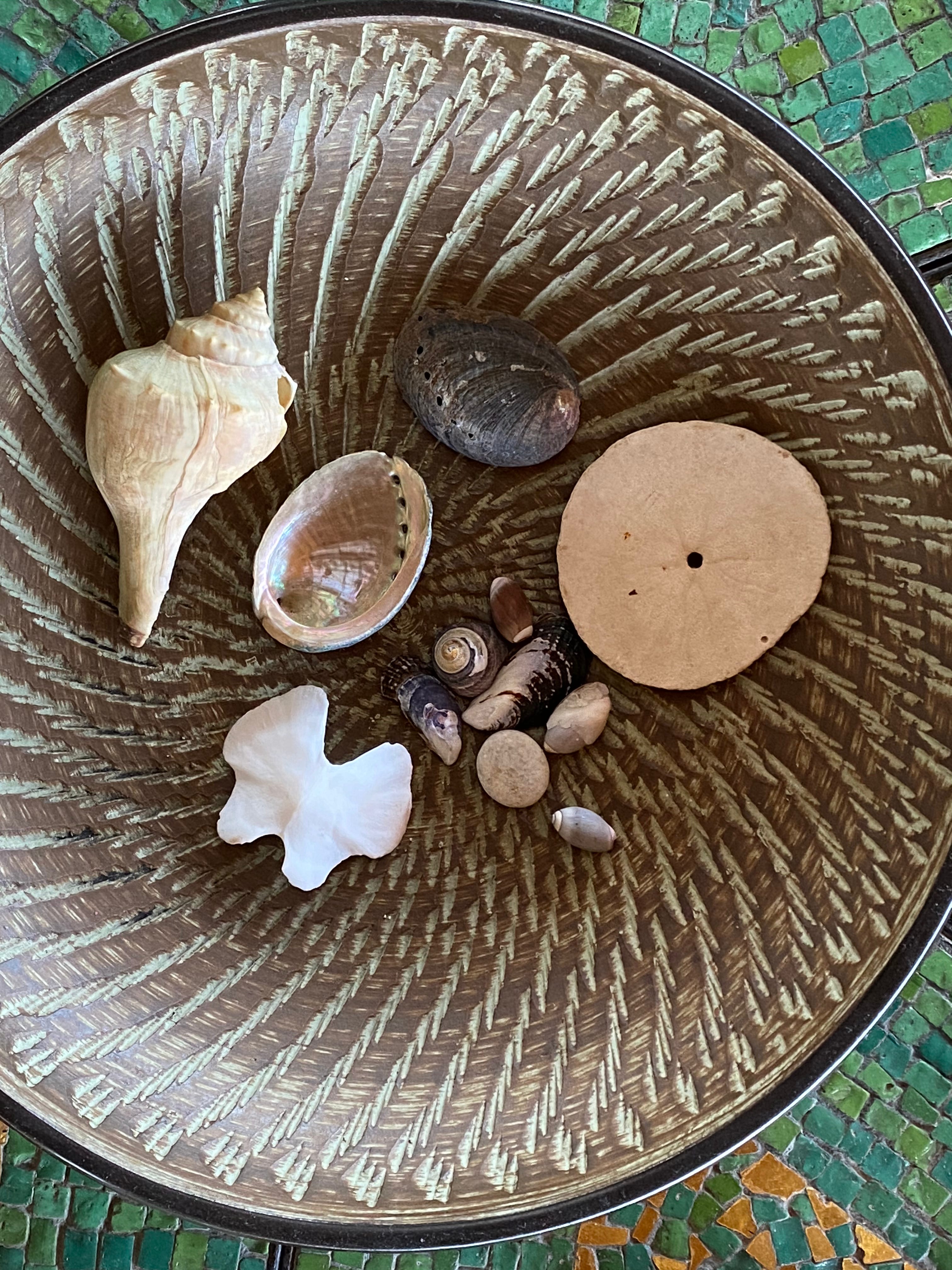
One of the reasons I continue to return to shells, coral, stones, fragments, branches, and other natural forms is that they resist authorship. Nobody designed them. Nobody optimized them. Nobody held a meeting about their market positioning. They arrived complete.
And I wonder if that’s part of what people are responding to right now.
For years, interiors have been getting more disciplined, more edited, more sophisticated. Objects increasingly felt as though they needed to justify their presence. Everything needed a function. A purpose. A reason.
The shell is fundamentally uninterested in any of this.
A shell has no practical purpose once the creature has moved out. Its only job is to be astonishing.
Collectors understand this instinctively. A collector doesn’t acquire a shell because it completes a room. A collector acquires a shell because they can’t stop looking at it.
The longer I do this work, the more I find myself trusting that impulse.
Not everything needs a function. Not everything needs a justification. Some objects earn their place simply because they inspire fascination.
Perhaps that’s why shells continue to survive every cycle of taste. They transcend trends because they’re not really decorative objects at all. They’re reminders that beauty can exist without our involvement, that nature remains a better designer than most of us, and that sophistication and enchantment are not the same thing.
If I had to choose between them, I’d take enchantment.
Every time.
The shell has been making that argument for several hundred years now.
Which is a pretty good run for a former mollusk.
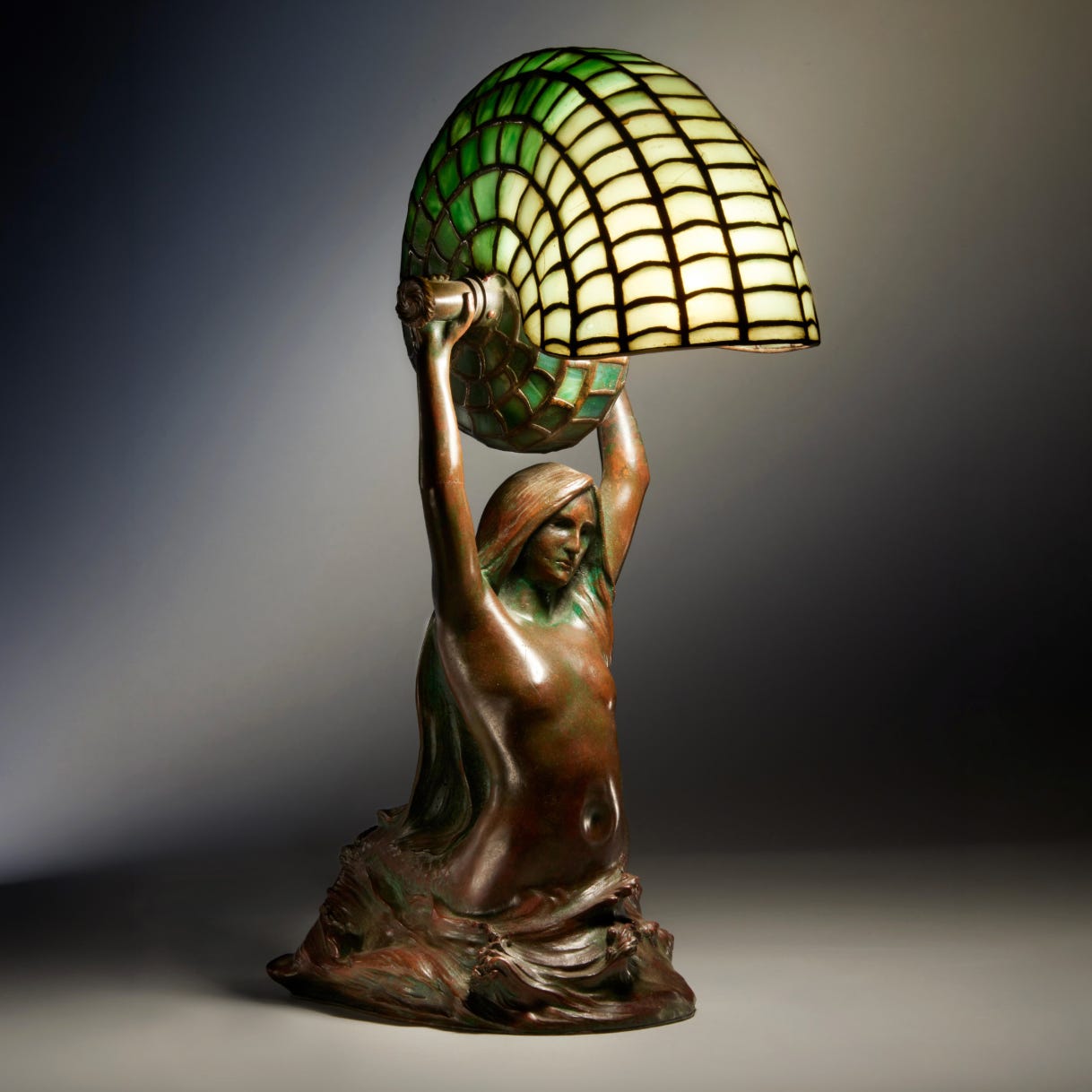
"Nautilus" Table Lamp by Tiffany Studios | Sotheby’s
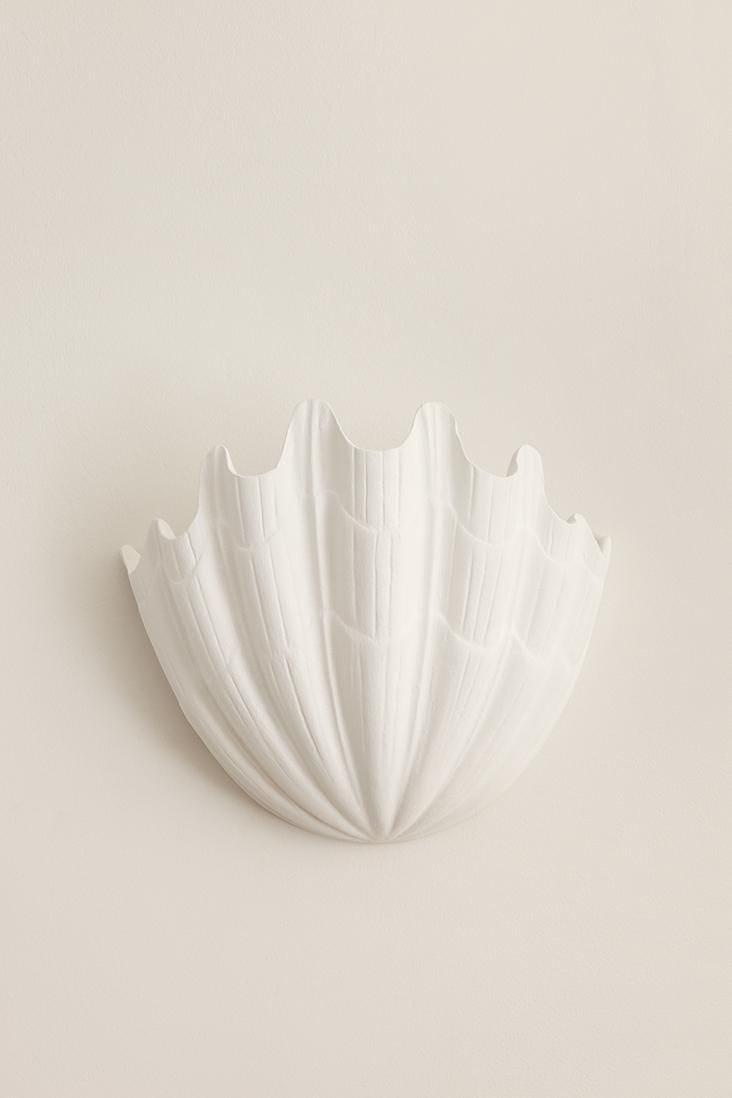
Plaster Shell Uplighter | Rose Uniacke
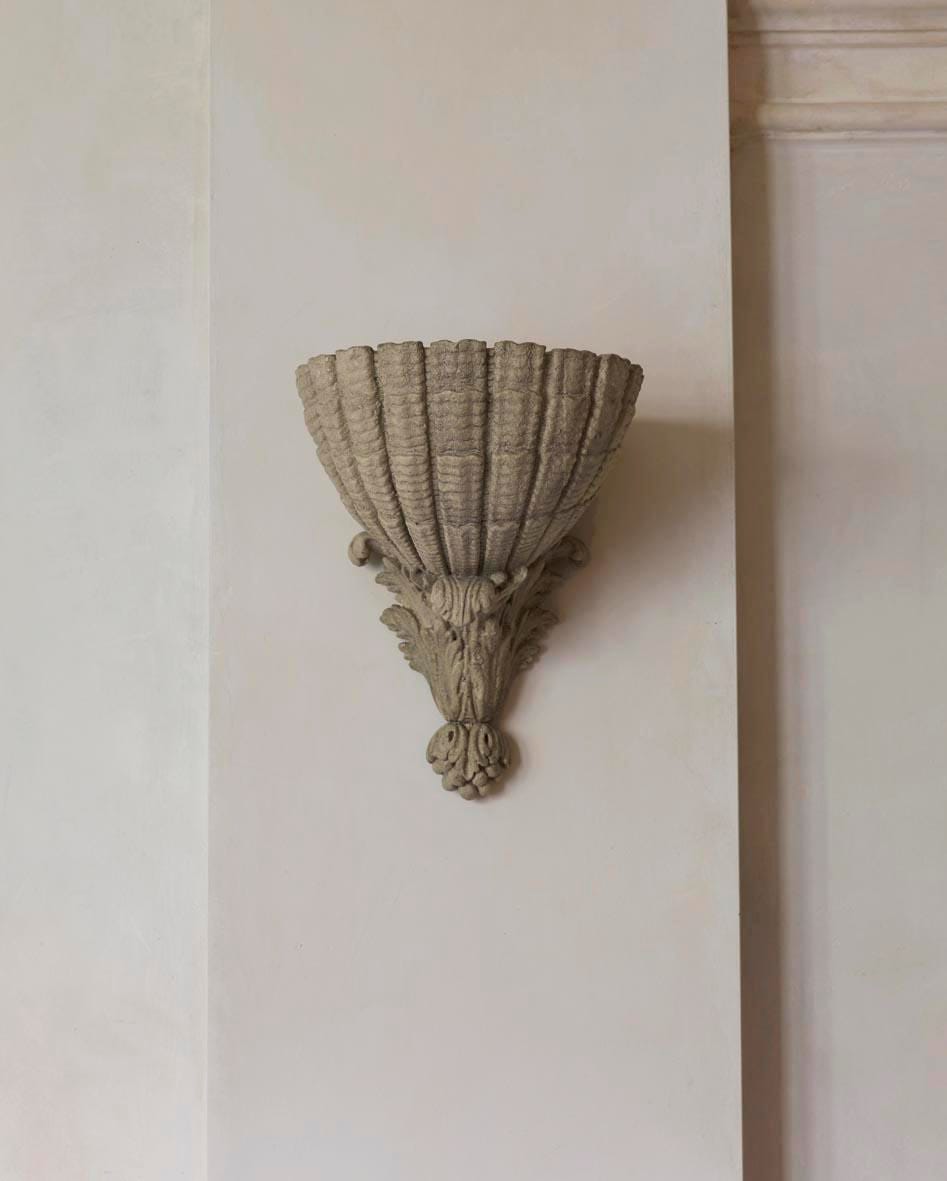
Scallop Shell Wall Plinth | Rose Uniacke
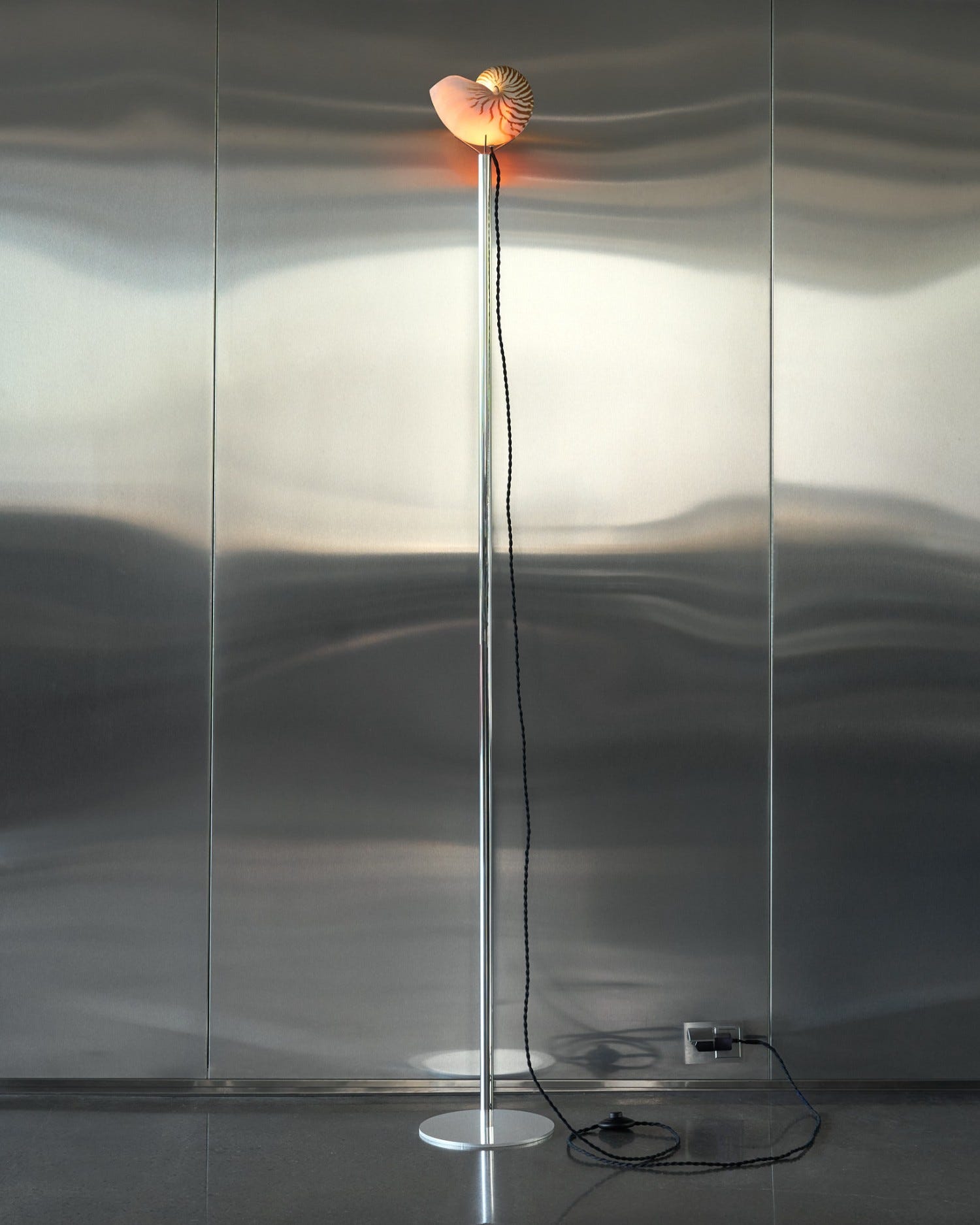
Nautilus Shell Torchiere | Charlap Hyman & Herrero
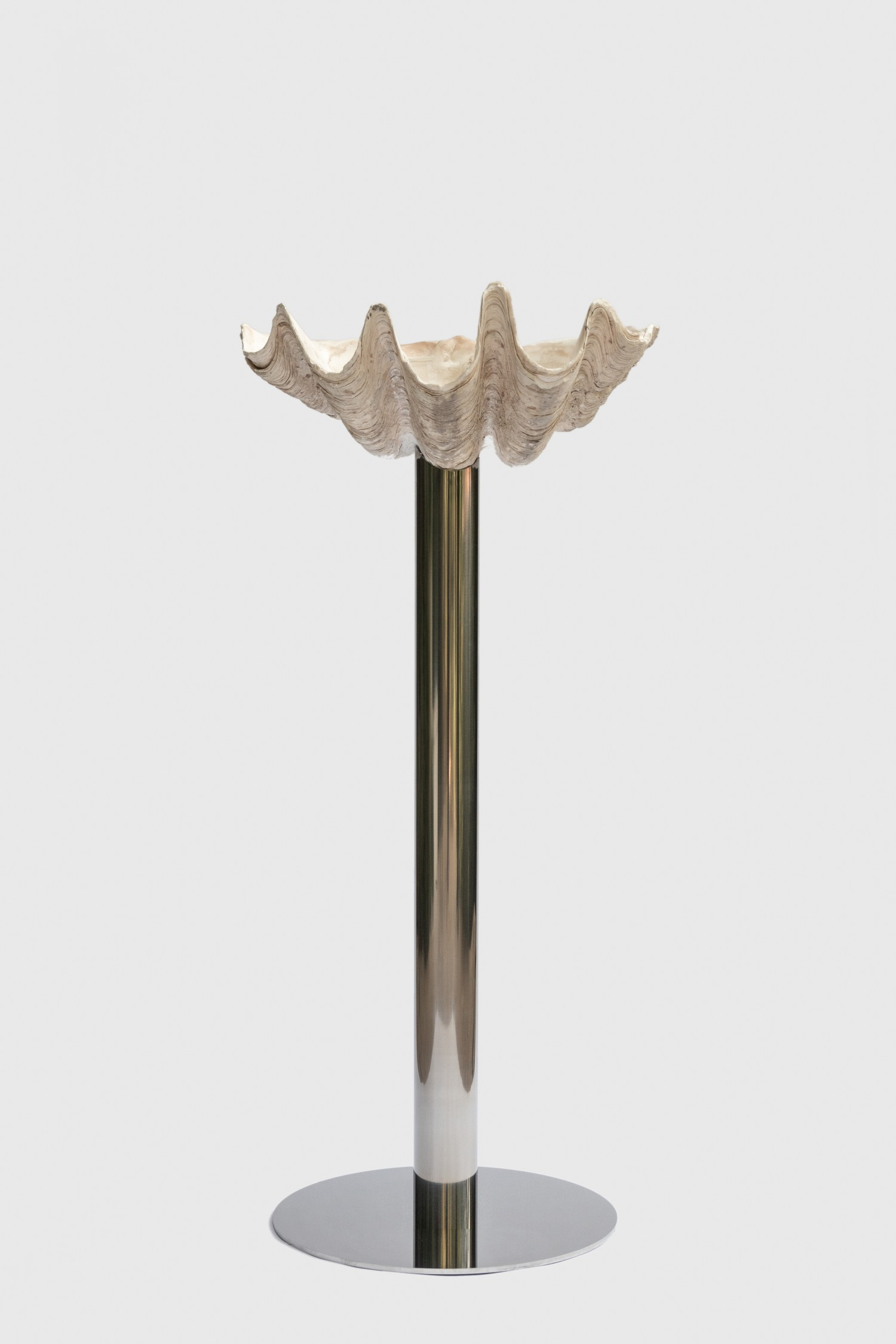
Shell Fountain | Charlap Hyman & Herrero
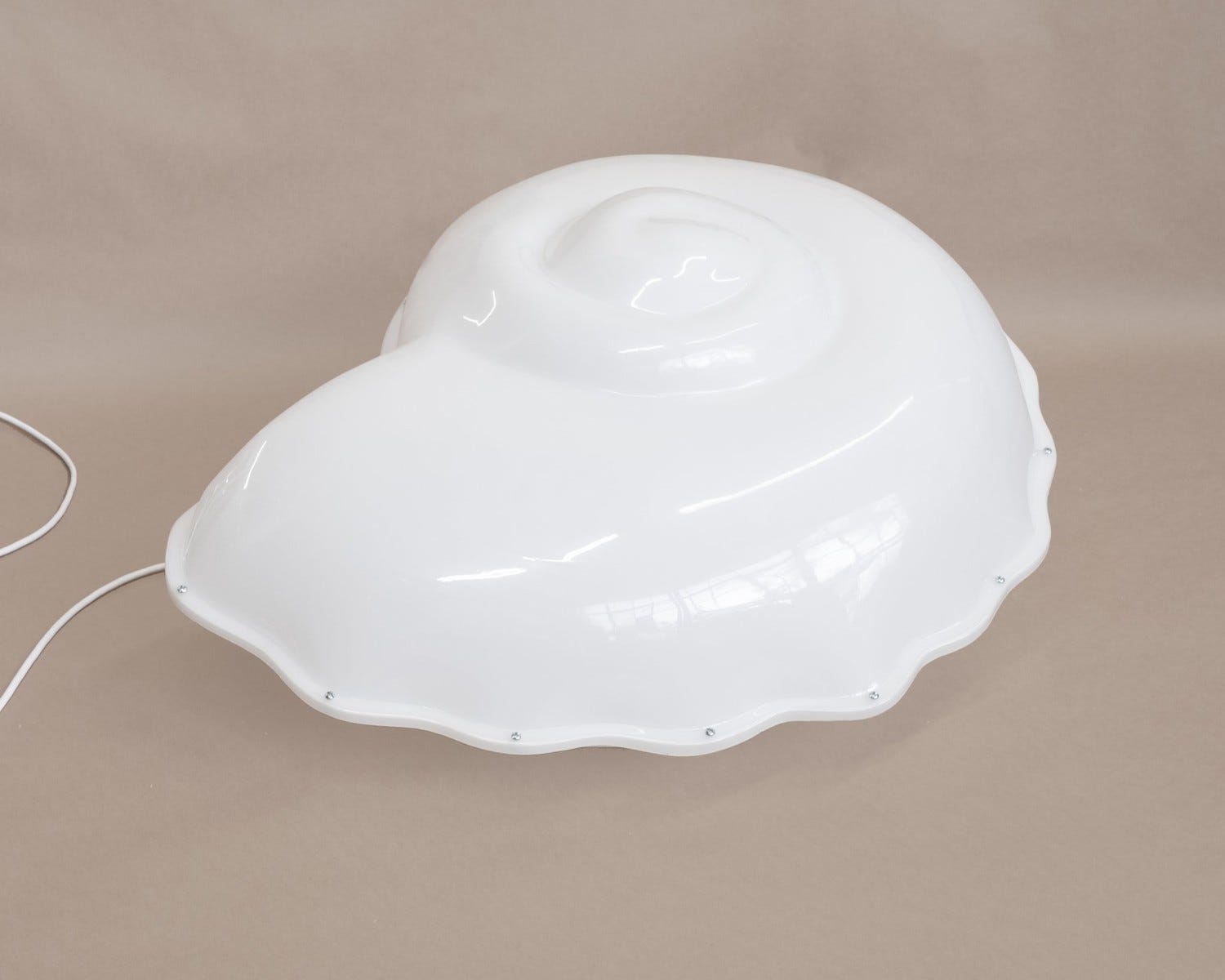
Nautilus Shell Lamp | Charlap Hyman & Herrero
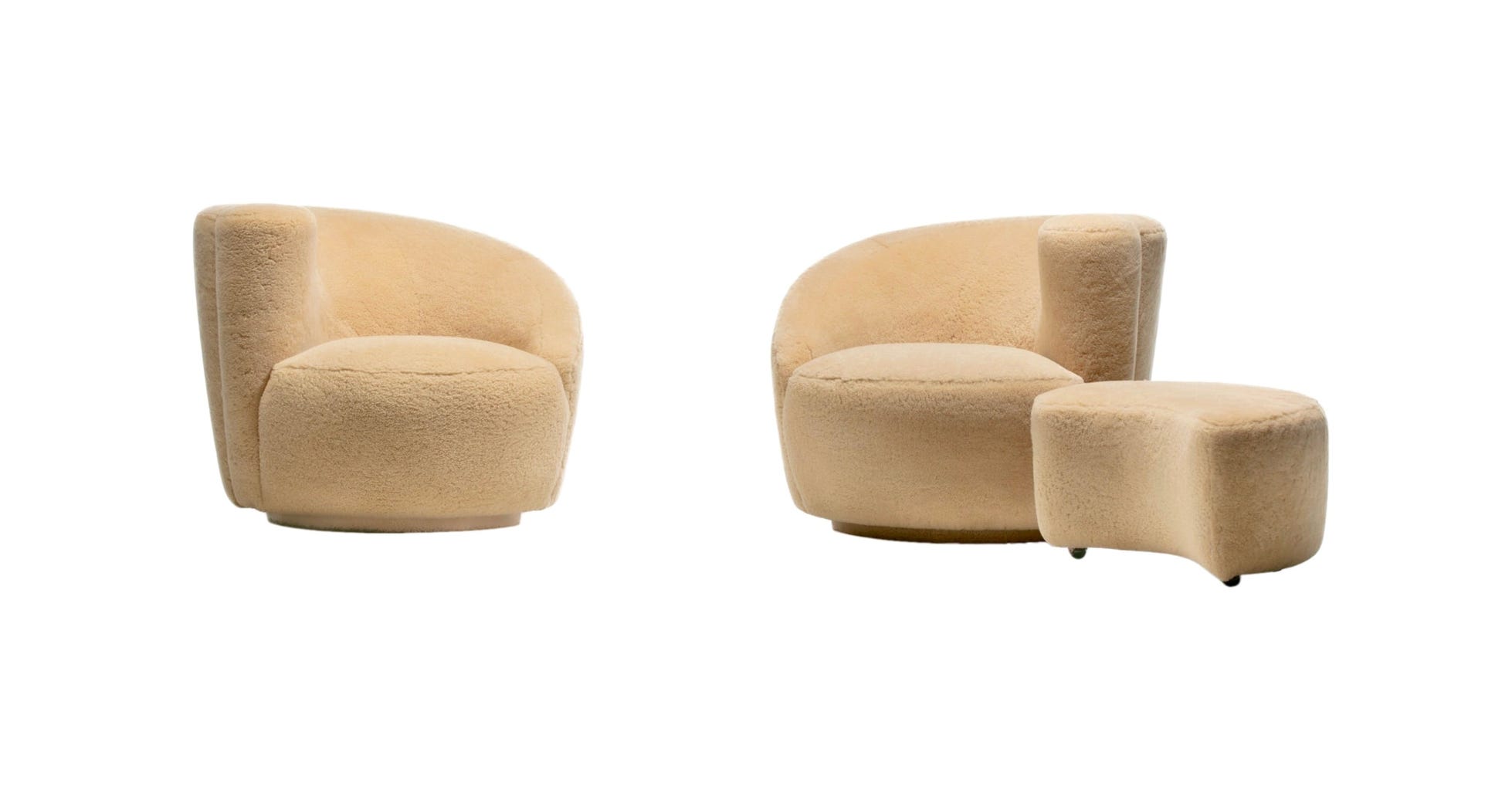
Nautilus Swivel Chairs & Ottoman by Vladimir Kagan | 1stDibs
“Limnea” Nautilus Lamp by Marika Carniti Bollea | 1stDibs
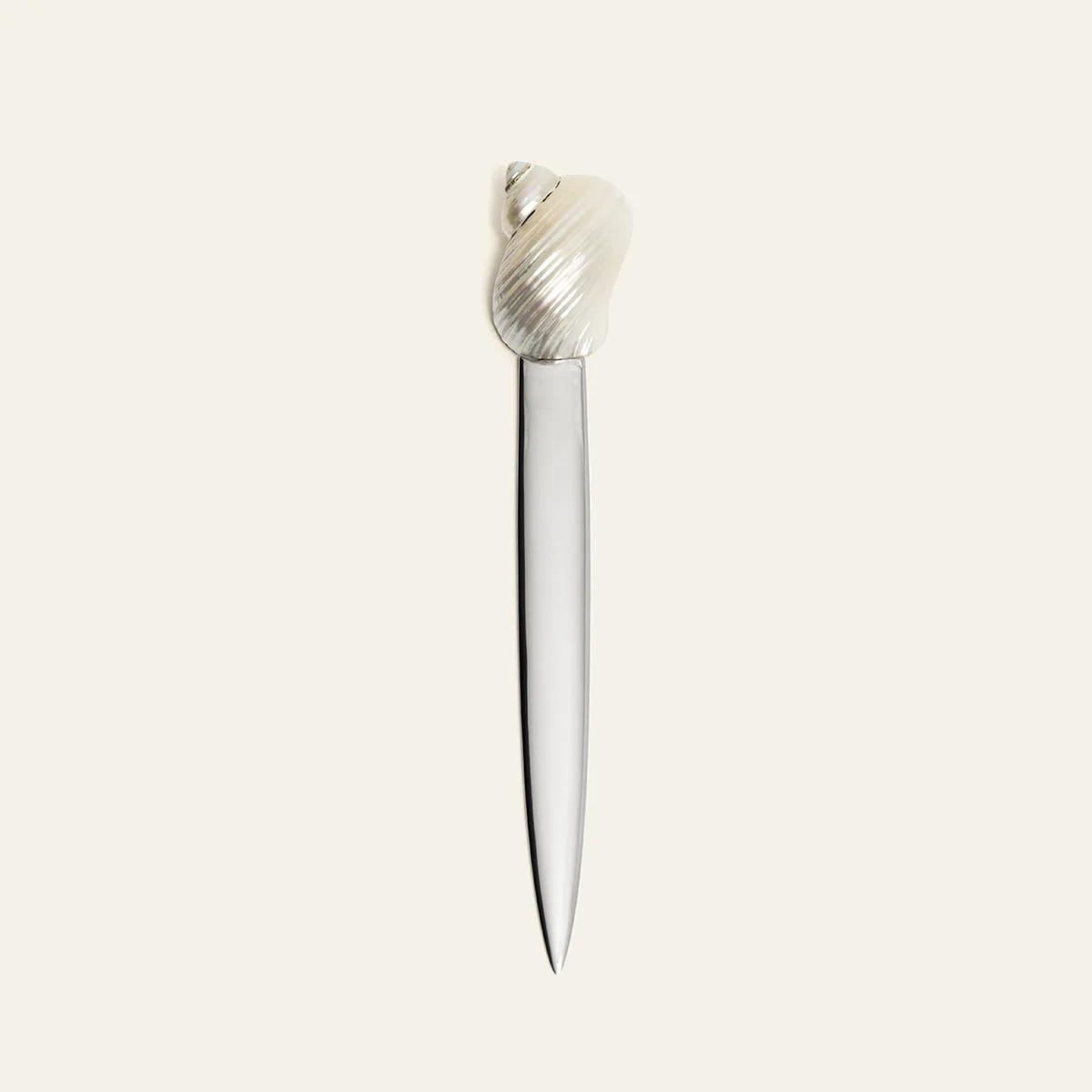
Shell Letter Opener | Tavares
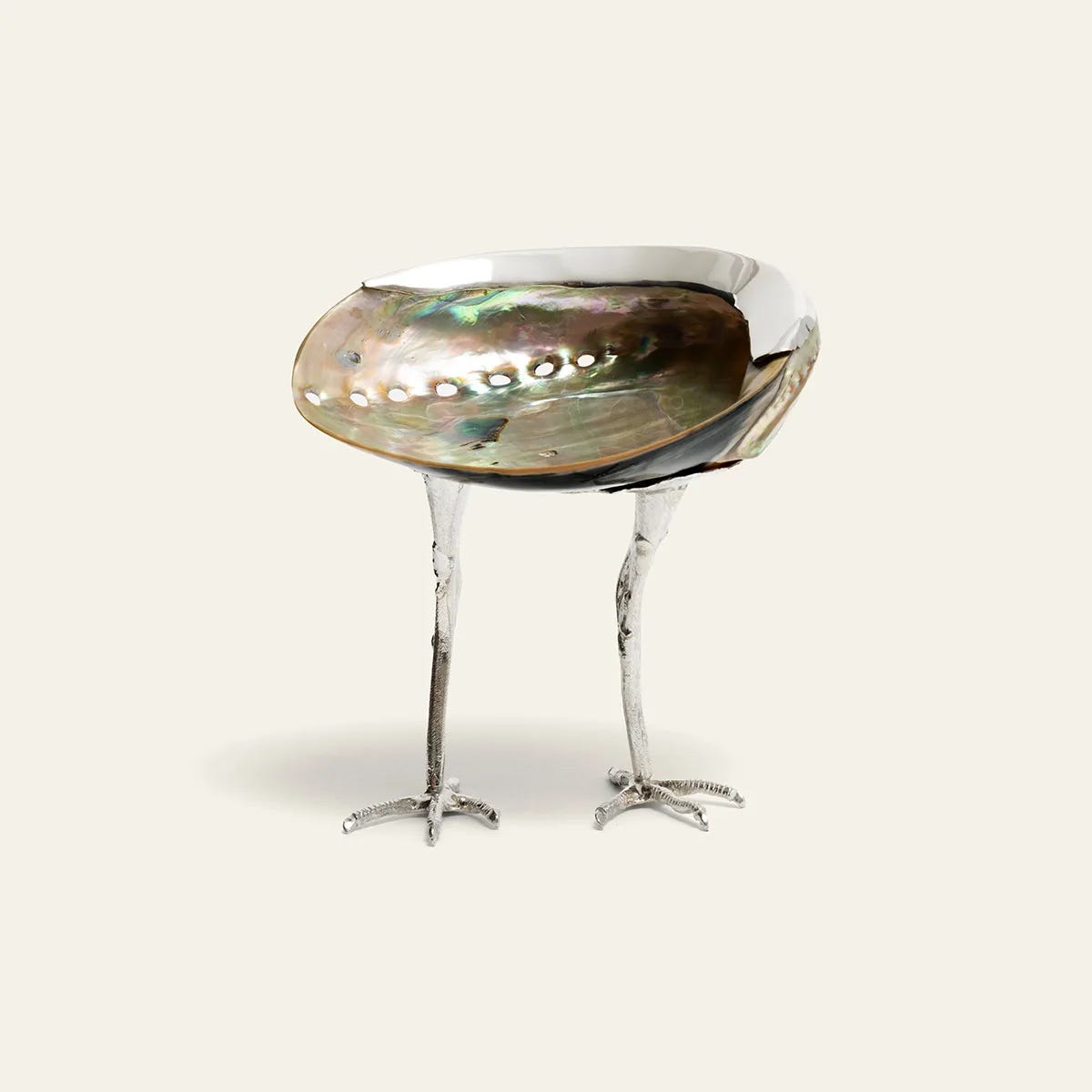
Small Pavão | Tavares
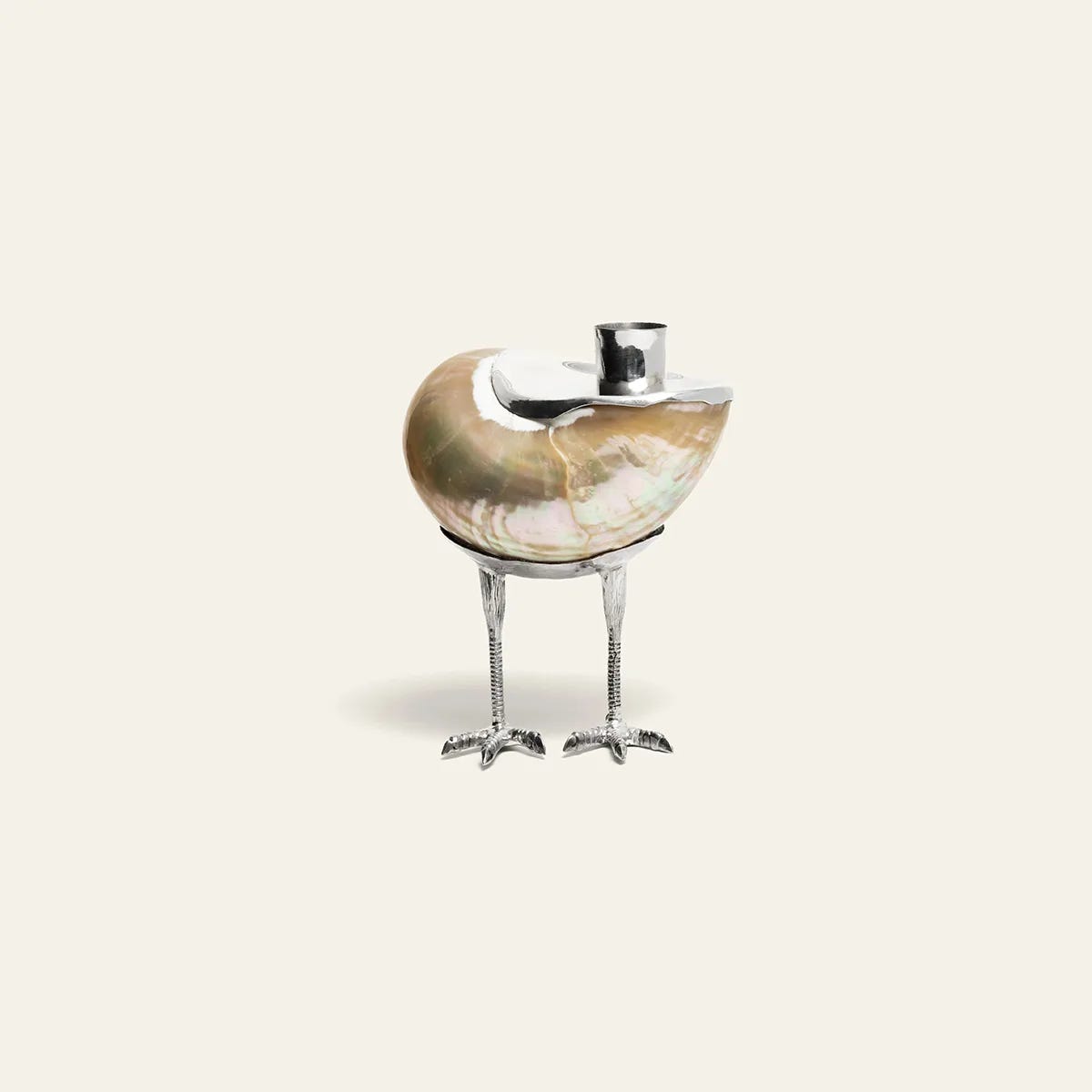
White Pisco Candle Holder | Tavares
Caviar Bowl | Tavares
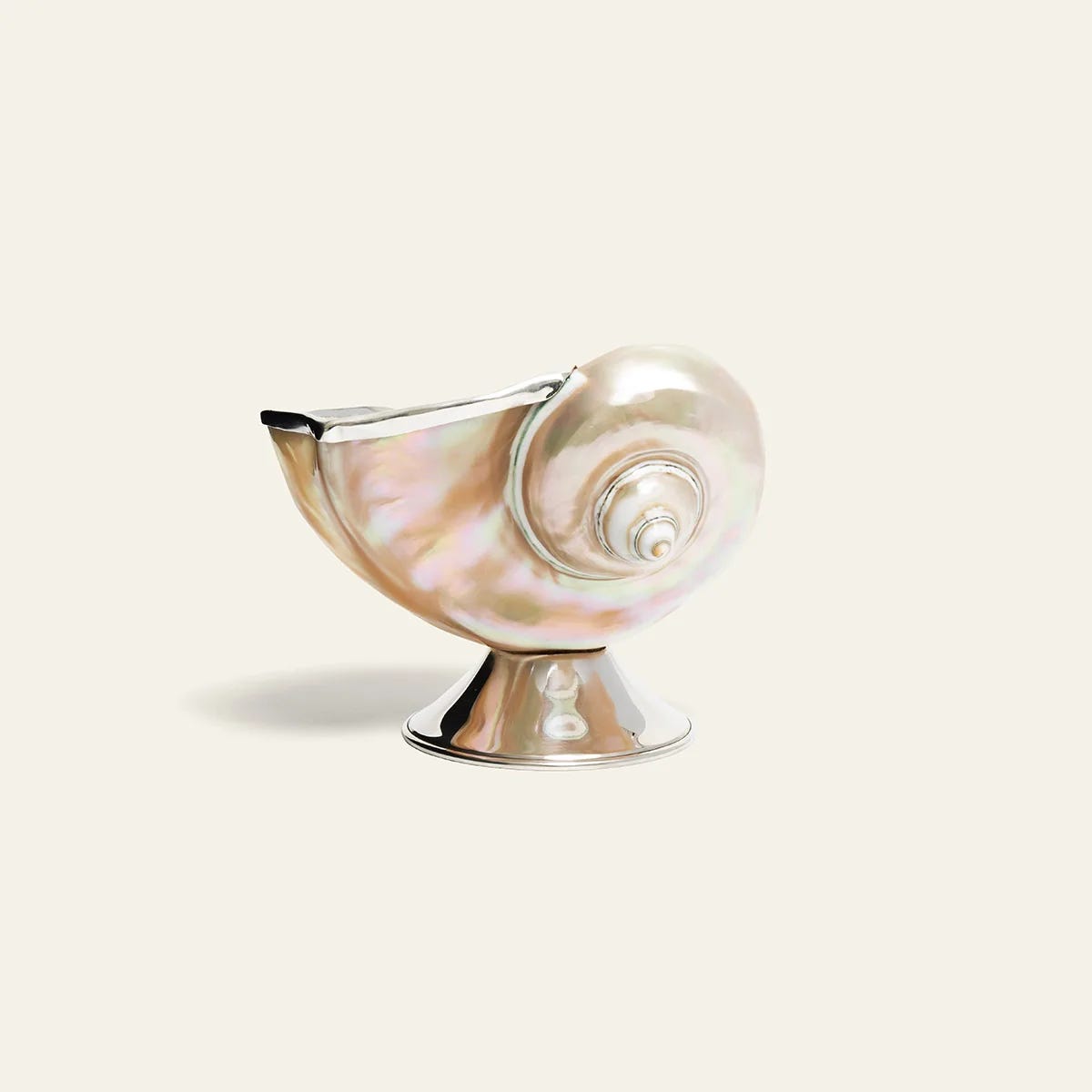
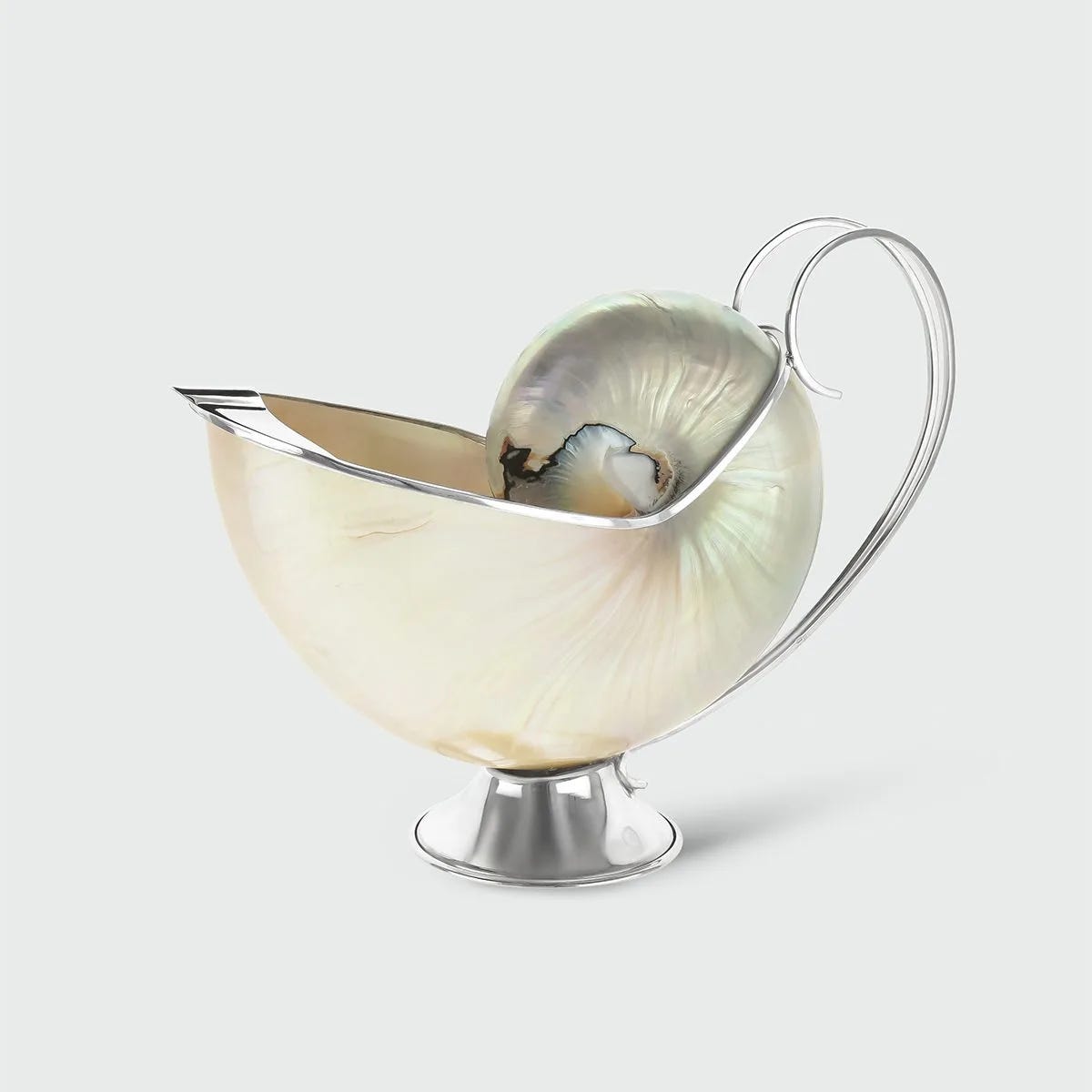
Nautilus Shell Gravy Boat | Tavares
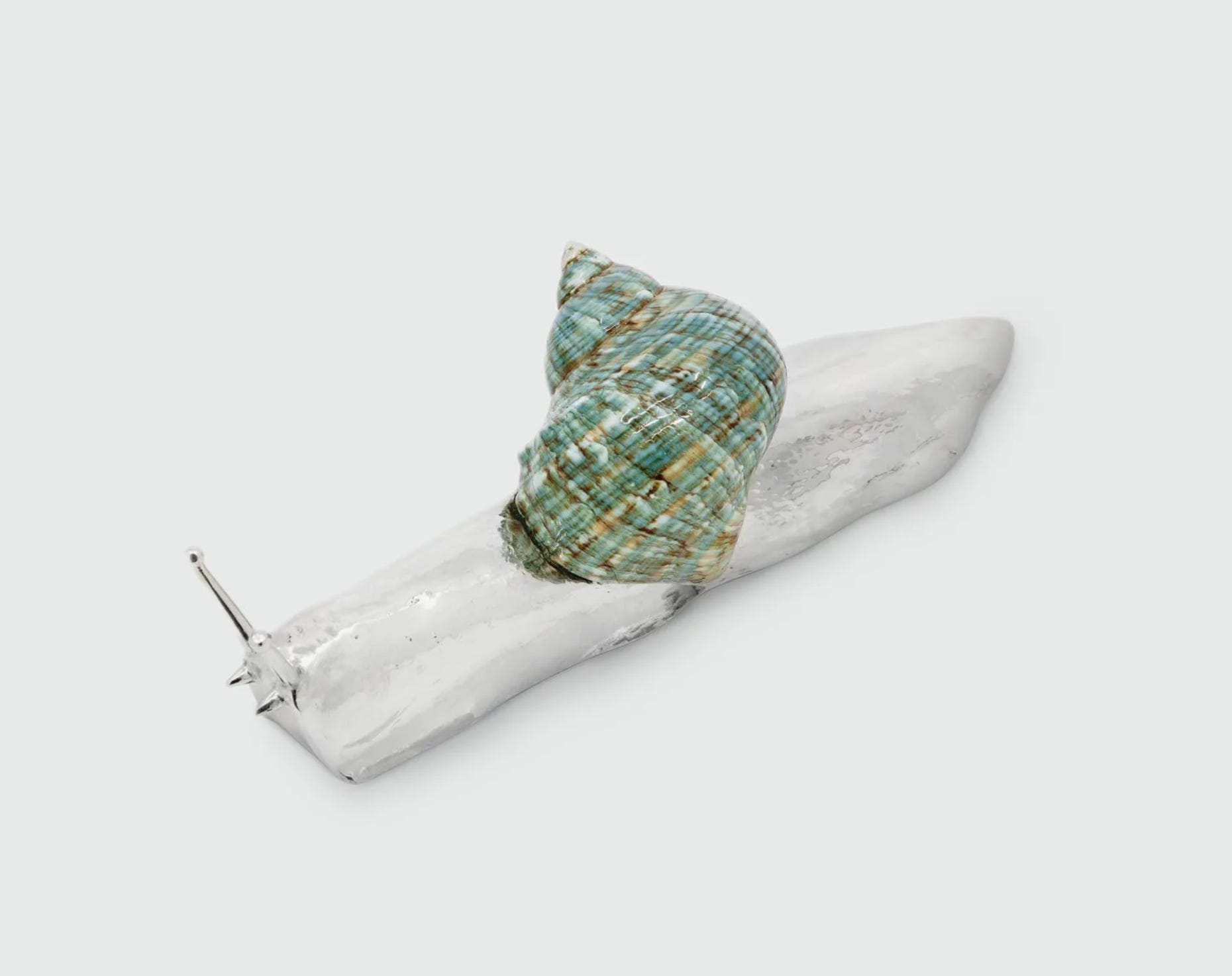
Small Jade Shell Snail | Tavares
1S Shell Photograph by Edward Weston | 1stDibs
Dahlias by Alana Burns | The Future Perfect
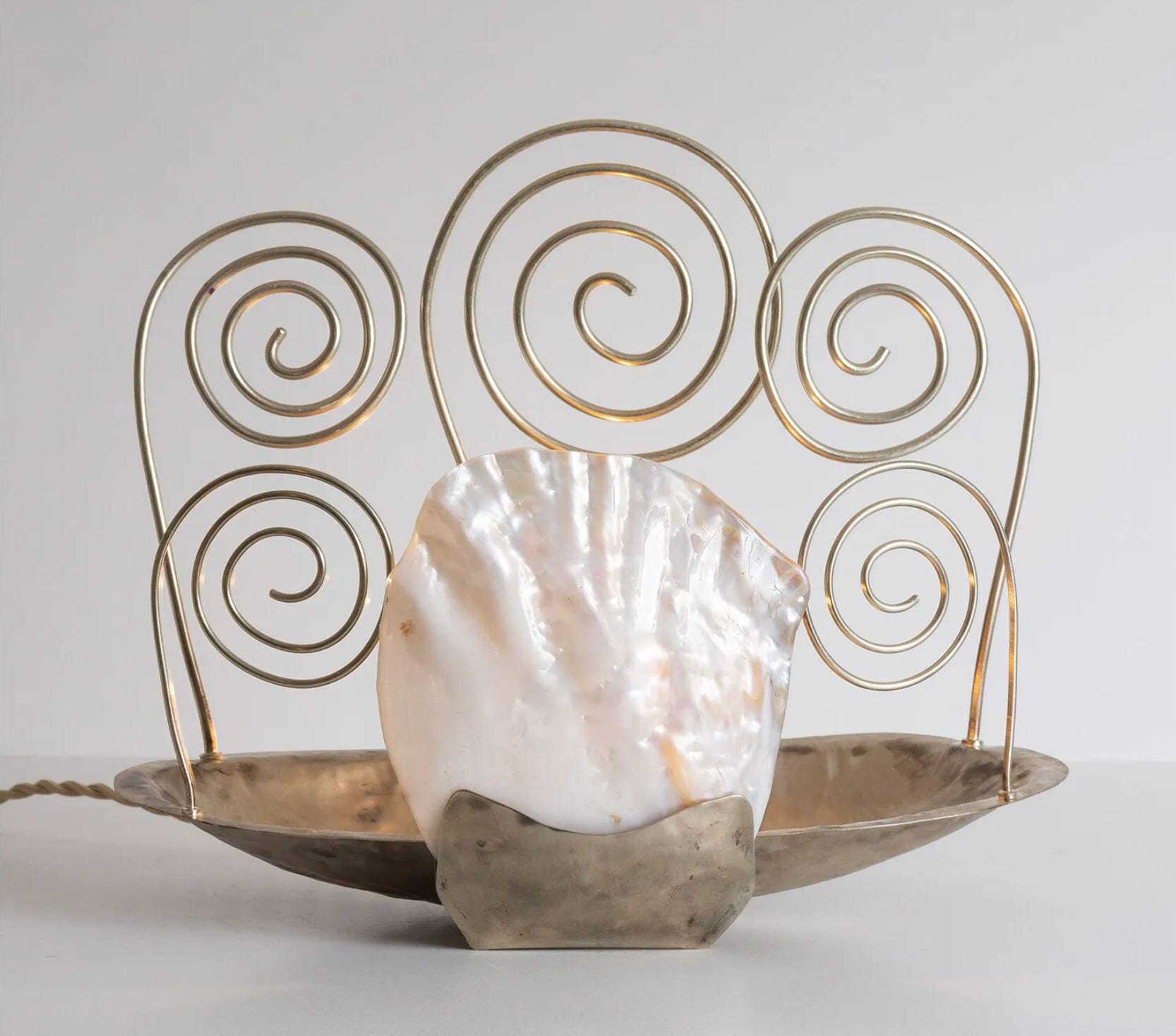
Salad Spoon by Alana Burns | The Future Perfect
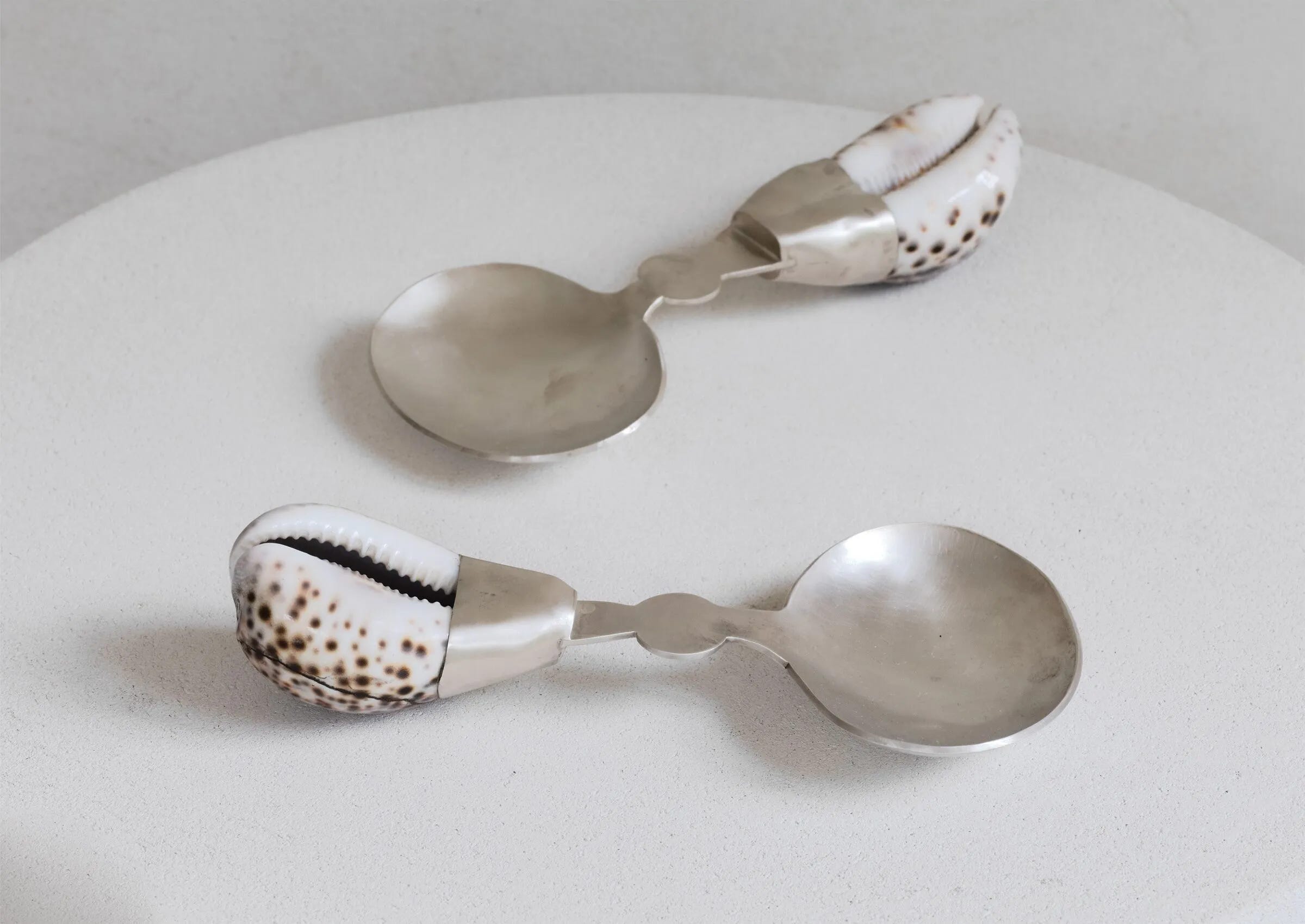
Pair of Plaster Wall Lights attributed to Serge Roche | Danke Galerie
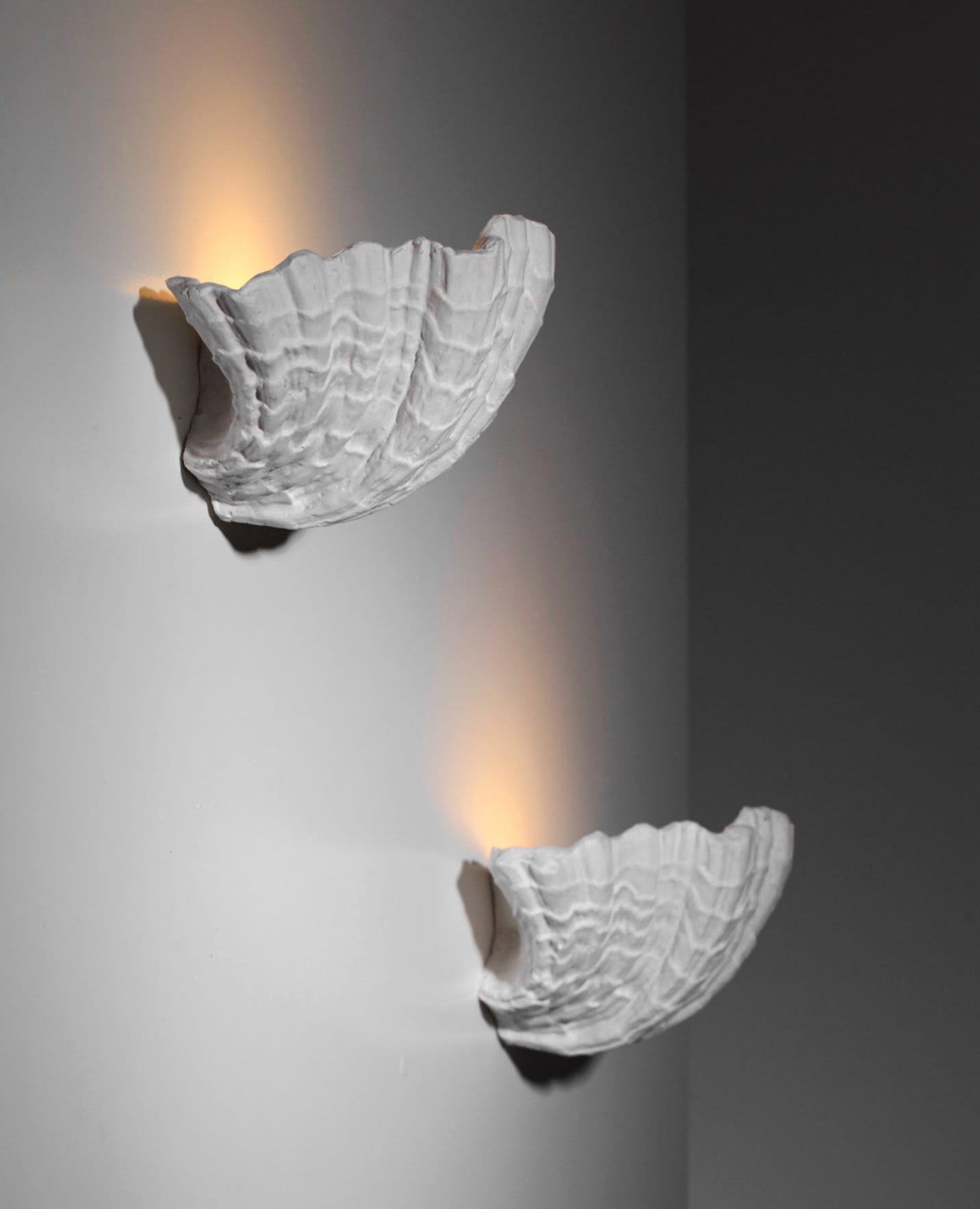
Vintage Cast Bronze Sea Shell Sconces | InCollect
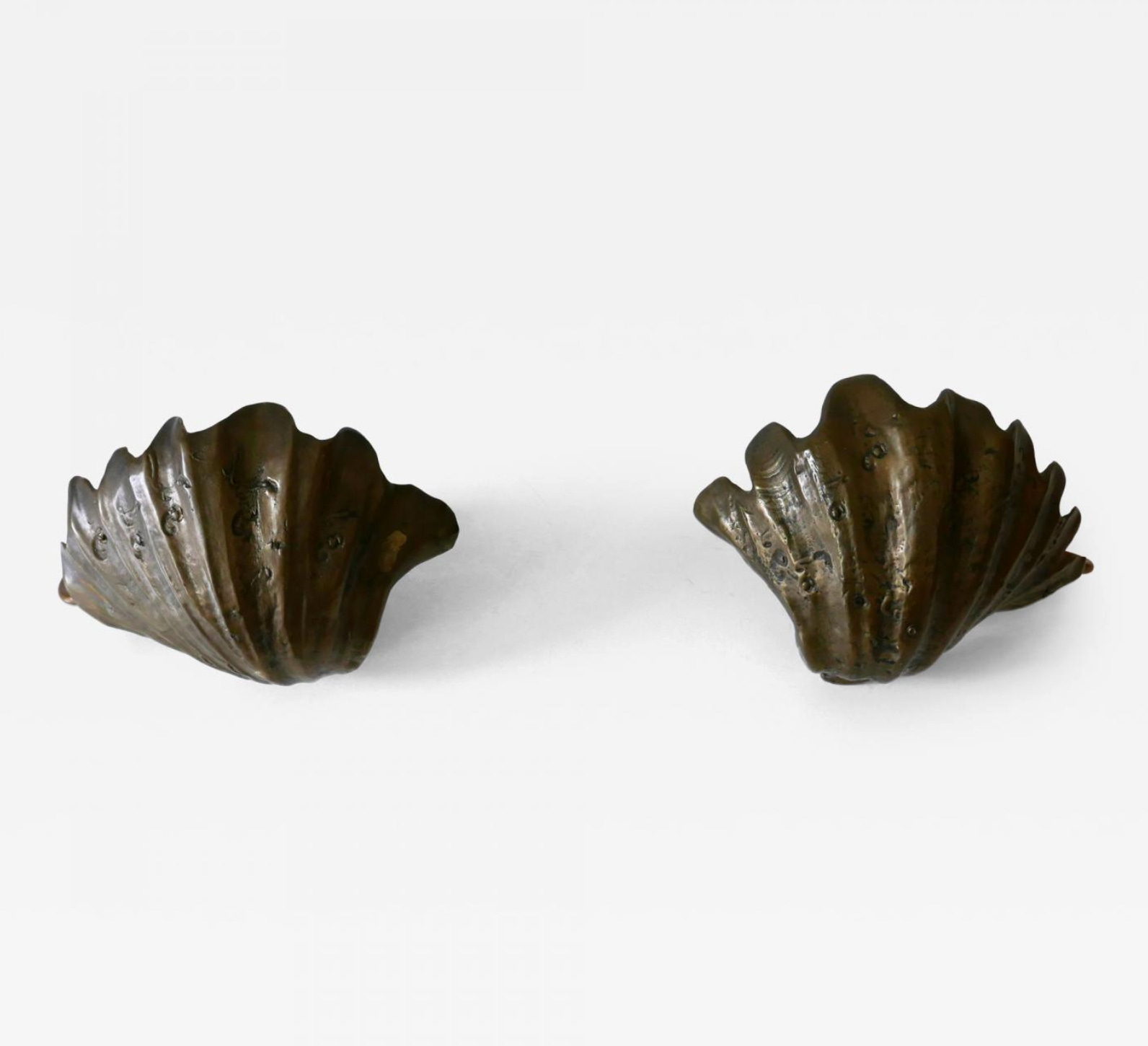
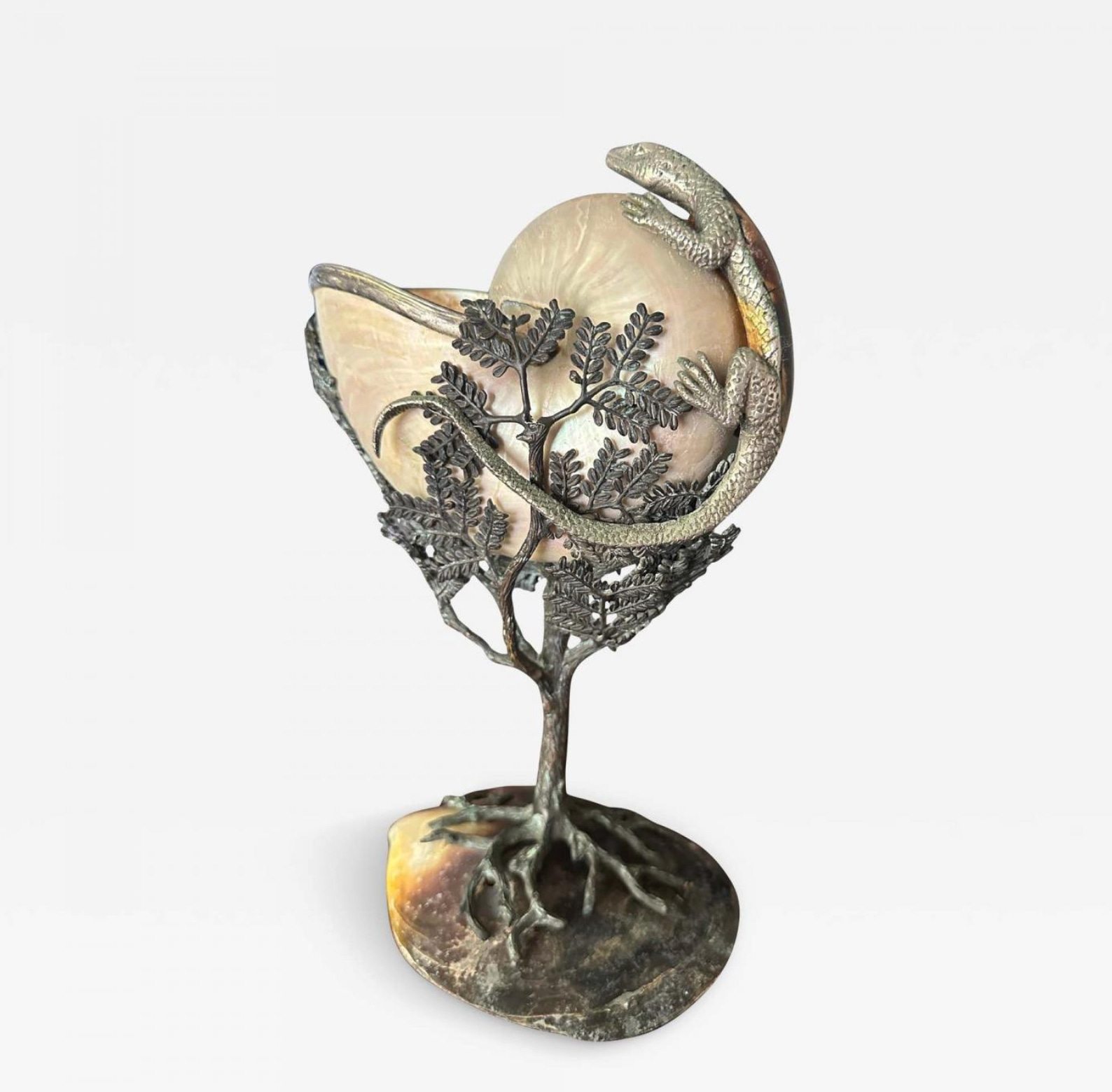
Cornucopia of Nautilus Shell and Lizard Object d’Art | InCollect
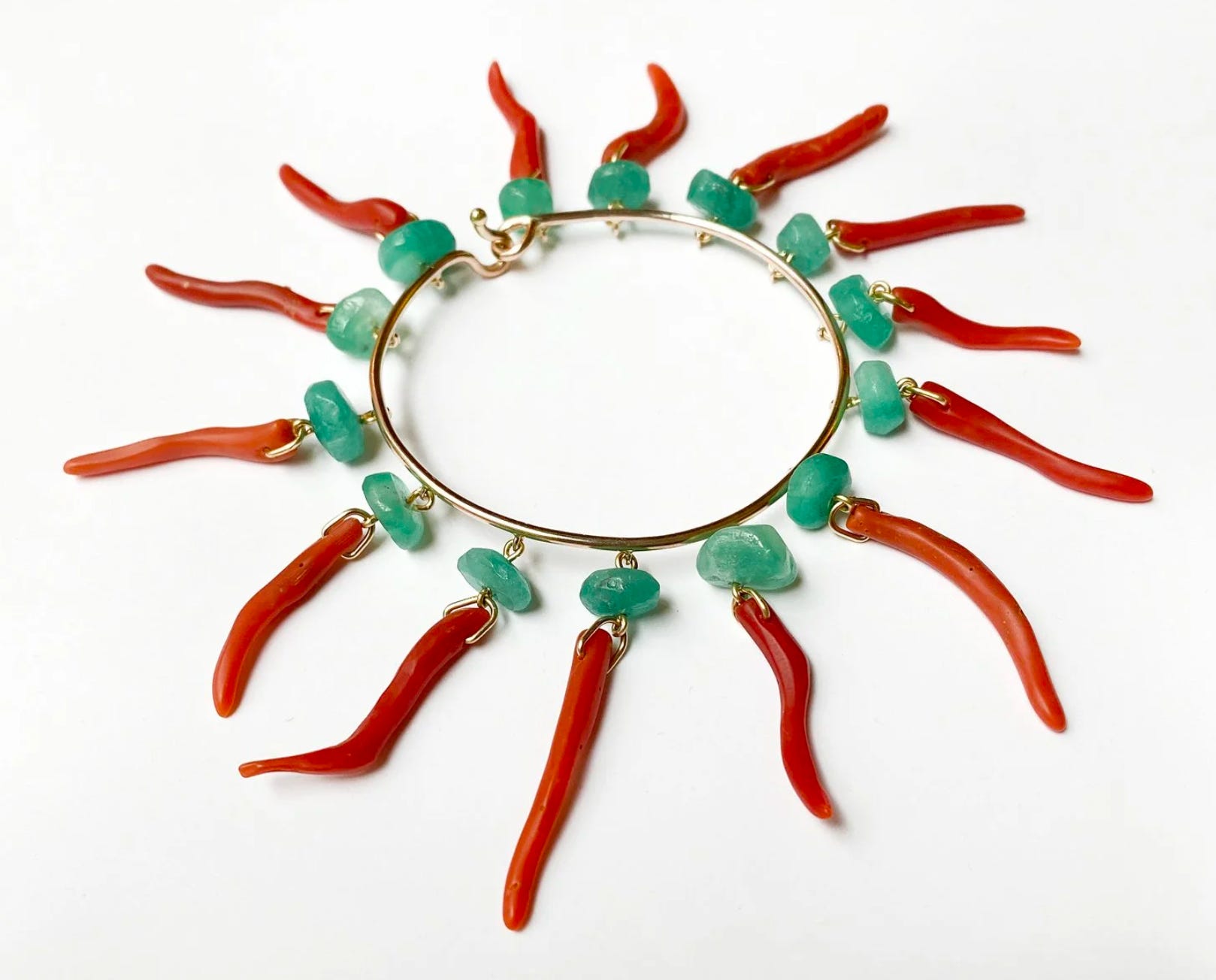
Coral and Emerald Bracelet | De Vera
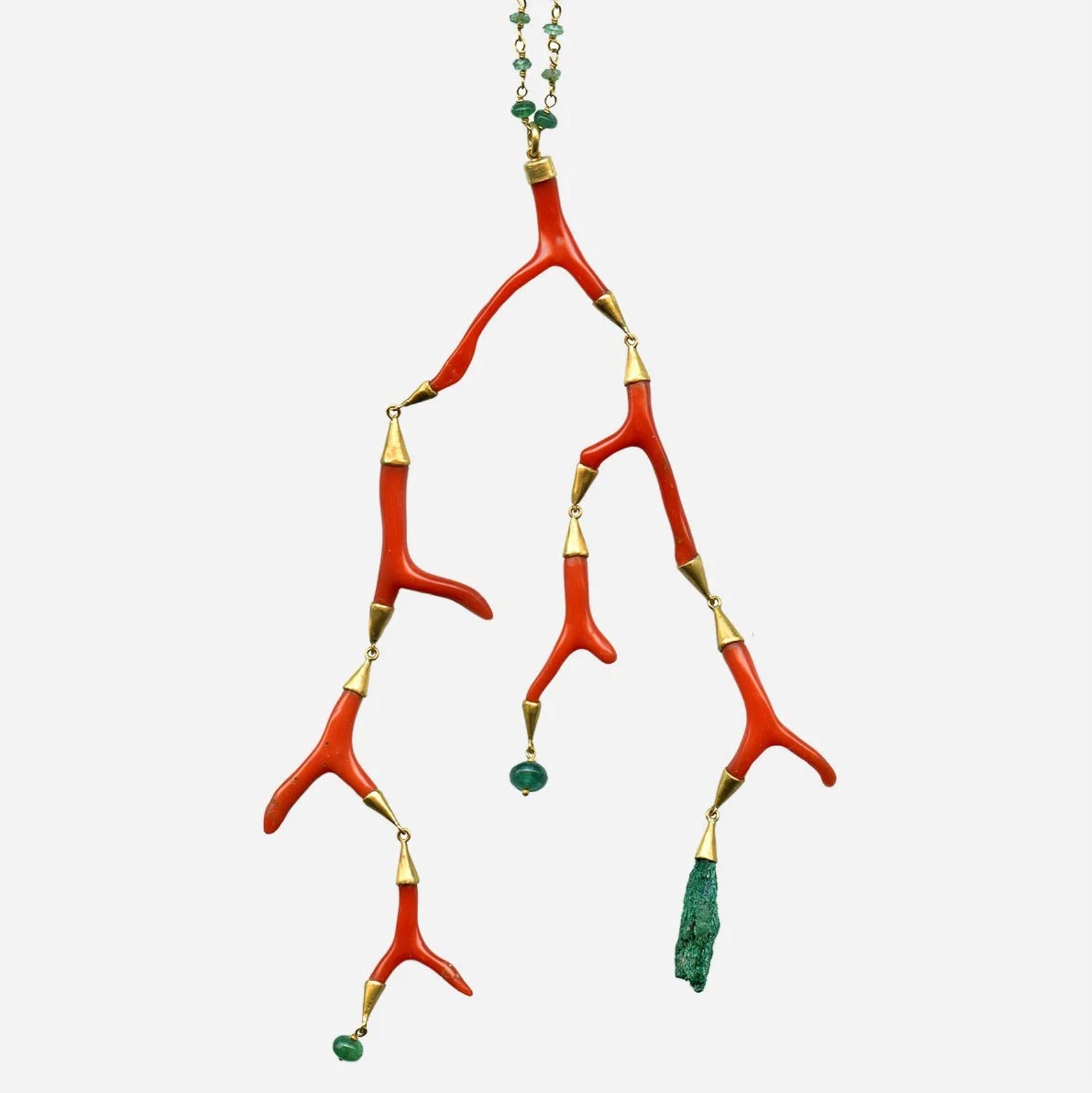
Coral Branch Pendant | De Vera
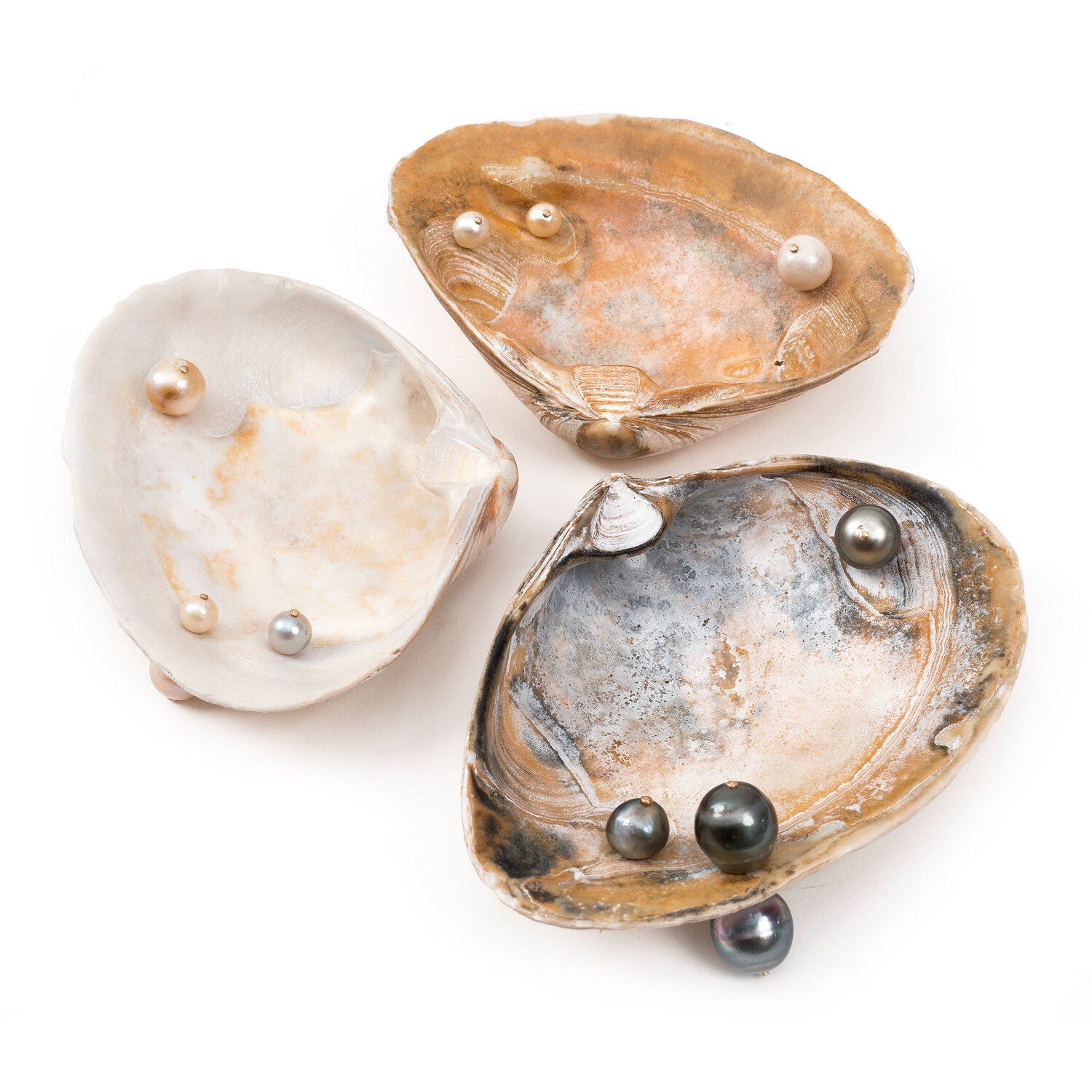
Federico de Vera Objects| De Vera
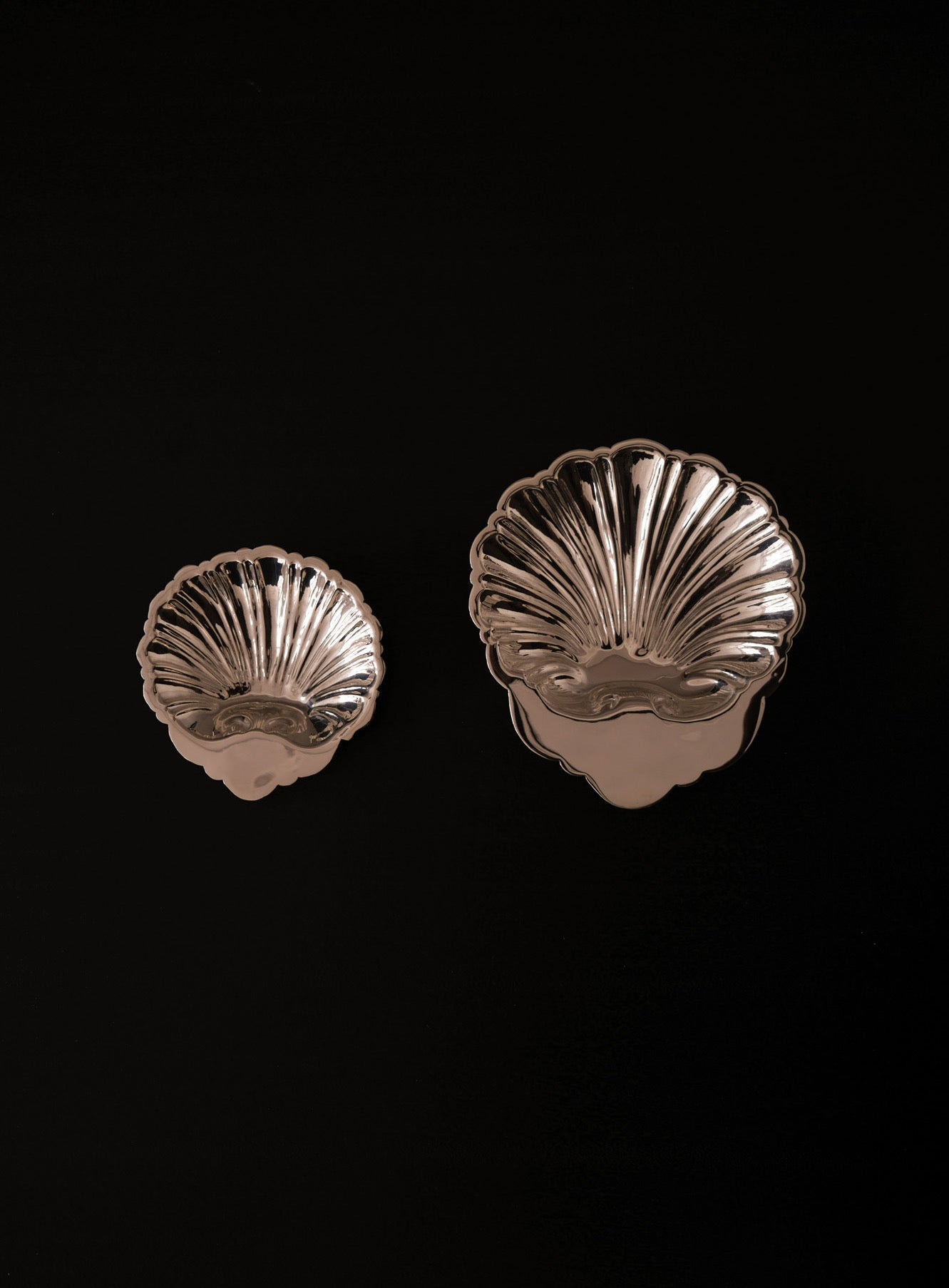
Pair of Silvered Shells | McGrath
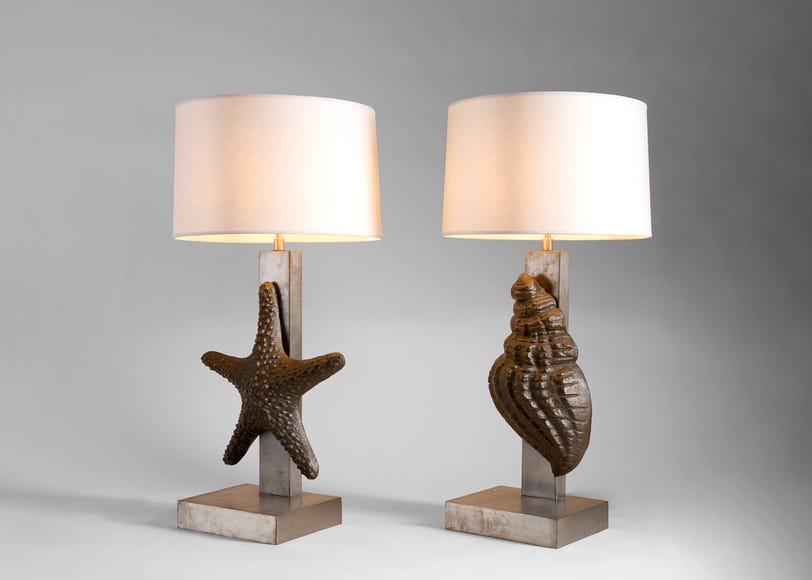
Pair of Starfish and Conch Shell Lamps | Maison Gerard
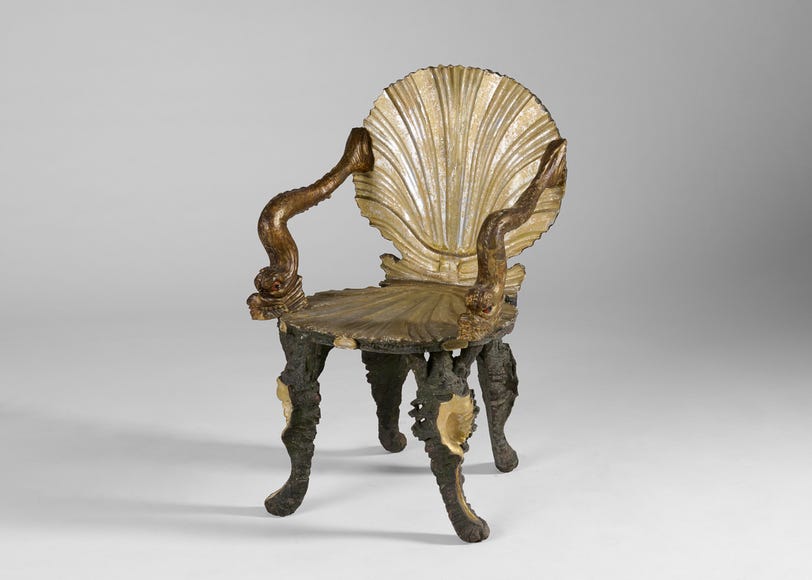
Grotto Armchair by Pauly et Cie | Maison Gerard
Love,
Colin

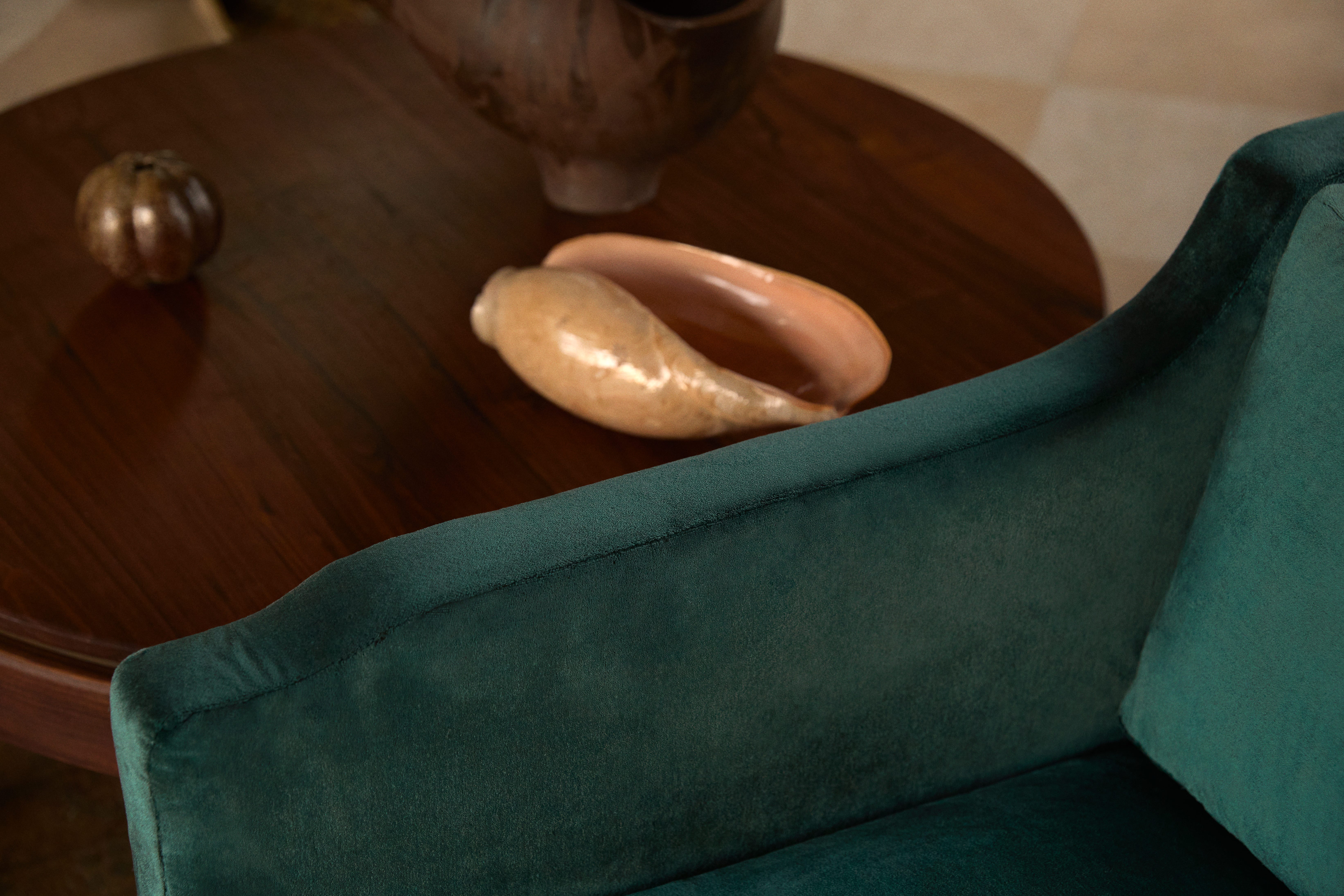
"A shell has no practical purpose once the creature has moved out. Its only job is to be astonishing."
love!
Kept thinking about how much of what we do as designers & creatives is trying to create that same feeling of 'it just arrived this way.' Like we're constantly working backwards from the shell. The difference between a brand that feels designed and a brand that feels inevitable is usually invisible, but it's everything. We loved what you said about not needing to justify it's existence! Everything we make gets questioned for purpose and function. Things can just be beautiful too.