

Tiny Things I Do That Make a Room Feel Alive
On assigning importance, creating atmosphere, and other mildly irrational habits

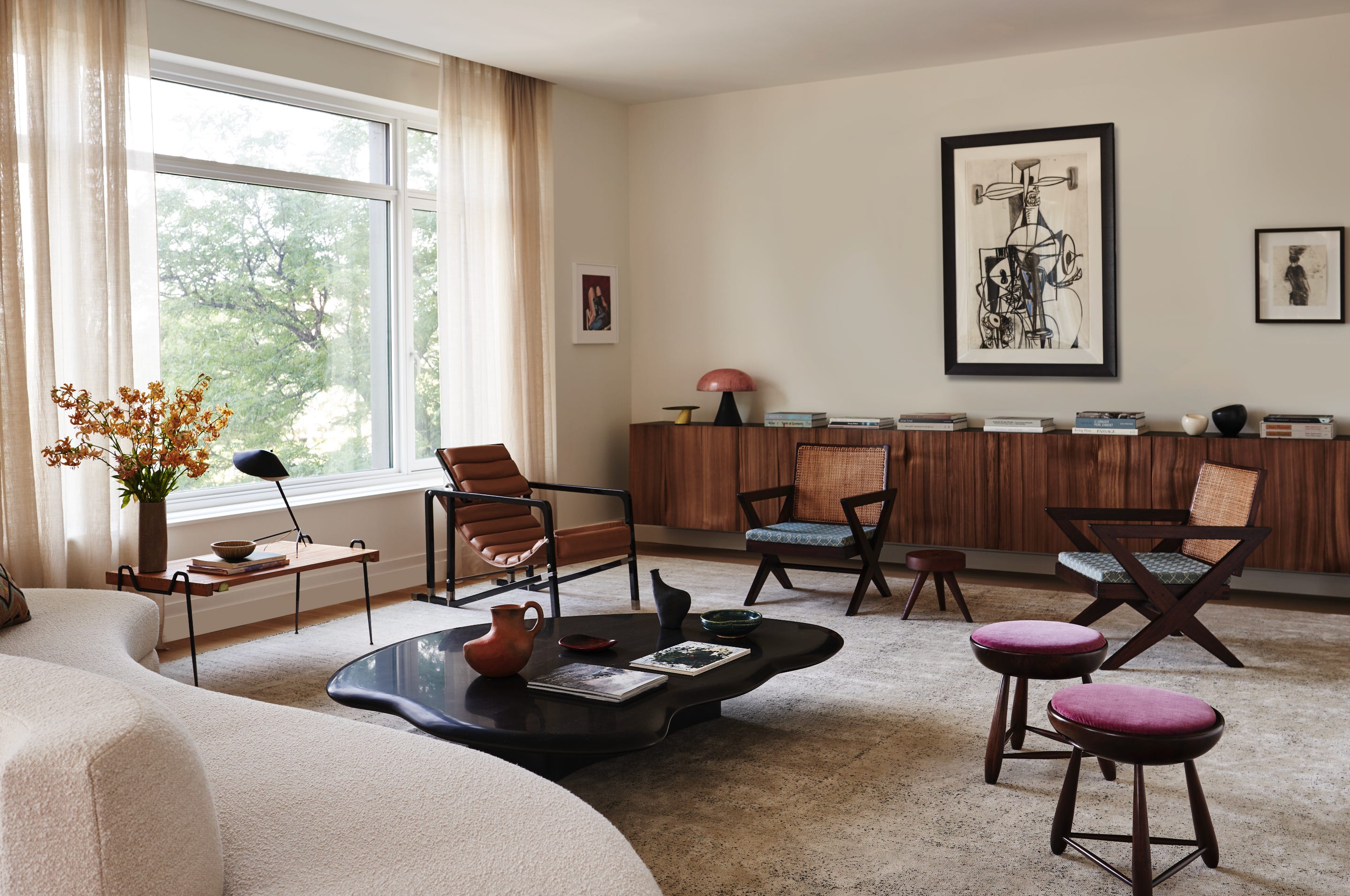
I was with a friend recently who is one of those infuriatingly talented people who can think about furniture, lighting, interiors, and architecture all at once without appearing to break a sweat. I was showing her a scouting presentation on my phone for a project that was still very much in progress. Art leaning on the floor. Objects migrating from one surface to another. Lamps wandering around looking for purpose. My poor bedroom chair had already traveled through three rooms that week and was showing no signs of settling down. The design equivalent of trying on outfits before dinner and rejecting all of them.
She looked around for a moment and said, “You’re such a good stylist.”
What made me laugh was that the room wasn’t finished. If anything, it felt halfway between an idea and a room.
But I knew exactly what she meant.
She wasn’t responding to the objects themselves. She was responding to the relationships between them.
I’ve been thinking about that ever since because most people assume styling is about knowing what to buy. A better lamp. A more interesting bowl. A vintage object from a flea market in Belgium that somehow promises to solve all of your emotional problems.
I wish this were true. It would make my job considerably easier.
The longer I do this work, the less I think styling is about acquiring beautiful things and the more I think it’s about assigning importance. A room is full of negotiations. What deserves attention. What deserves space. What needs company. What needs restraint. What belongs together. What doesn’t.
After eight years of styling professionally, and considerably longer rearranging my own furniture instead of addressing more pressing matters, I’ve accumulated a collection of habits that sound increasingly irrational when described out loud.
The strange thing is that they work.
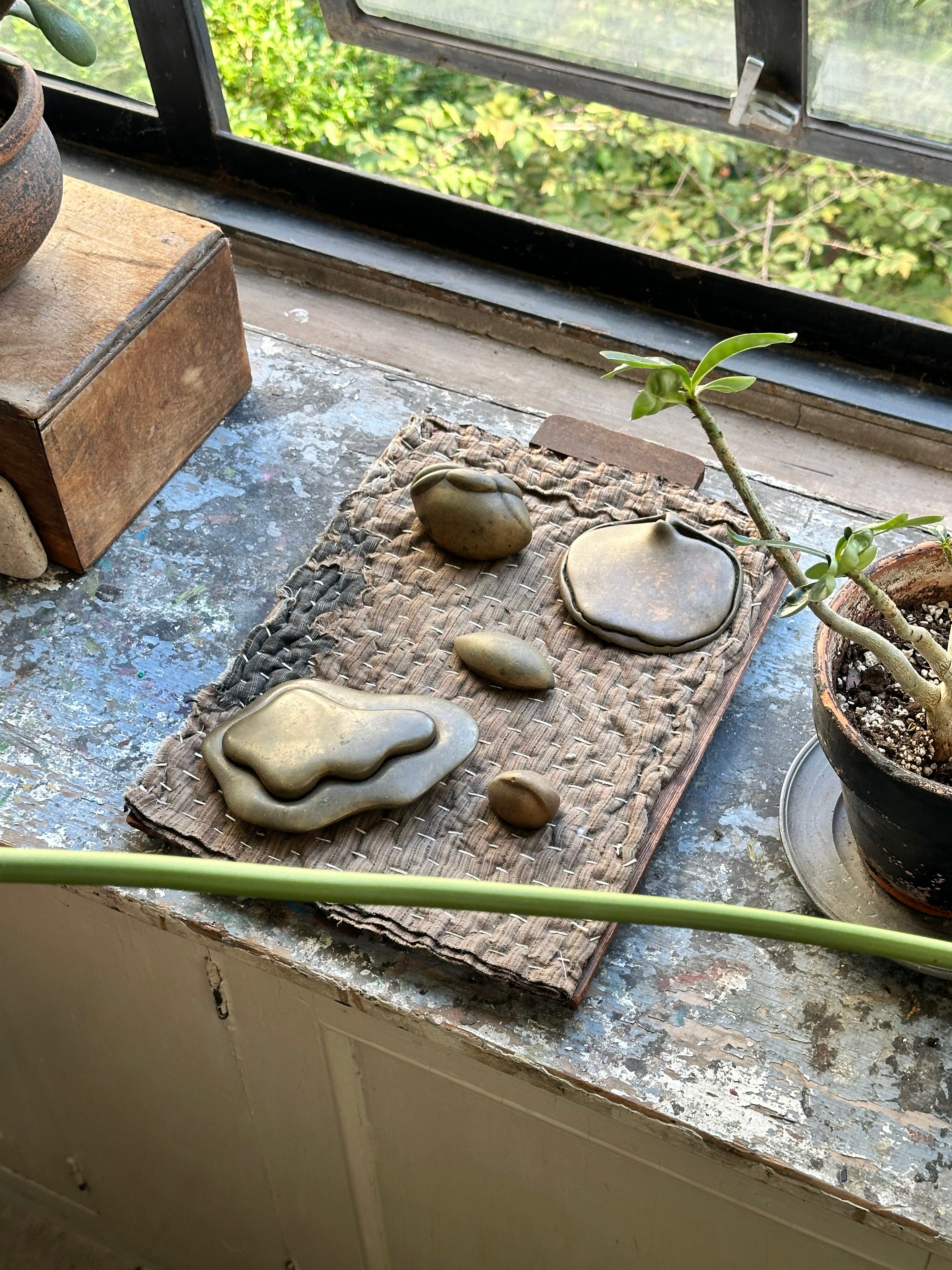
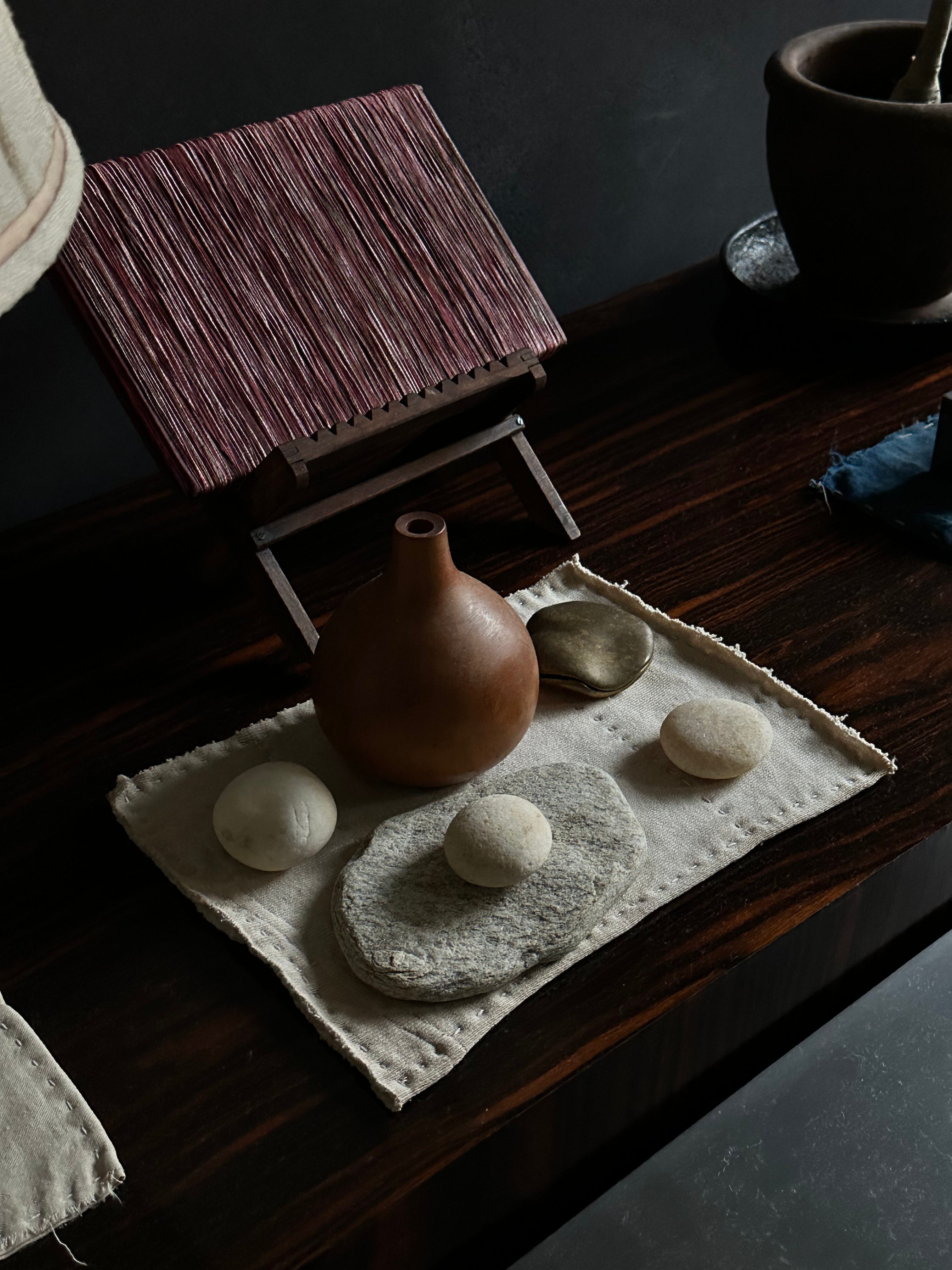
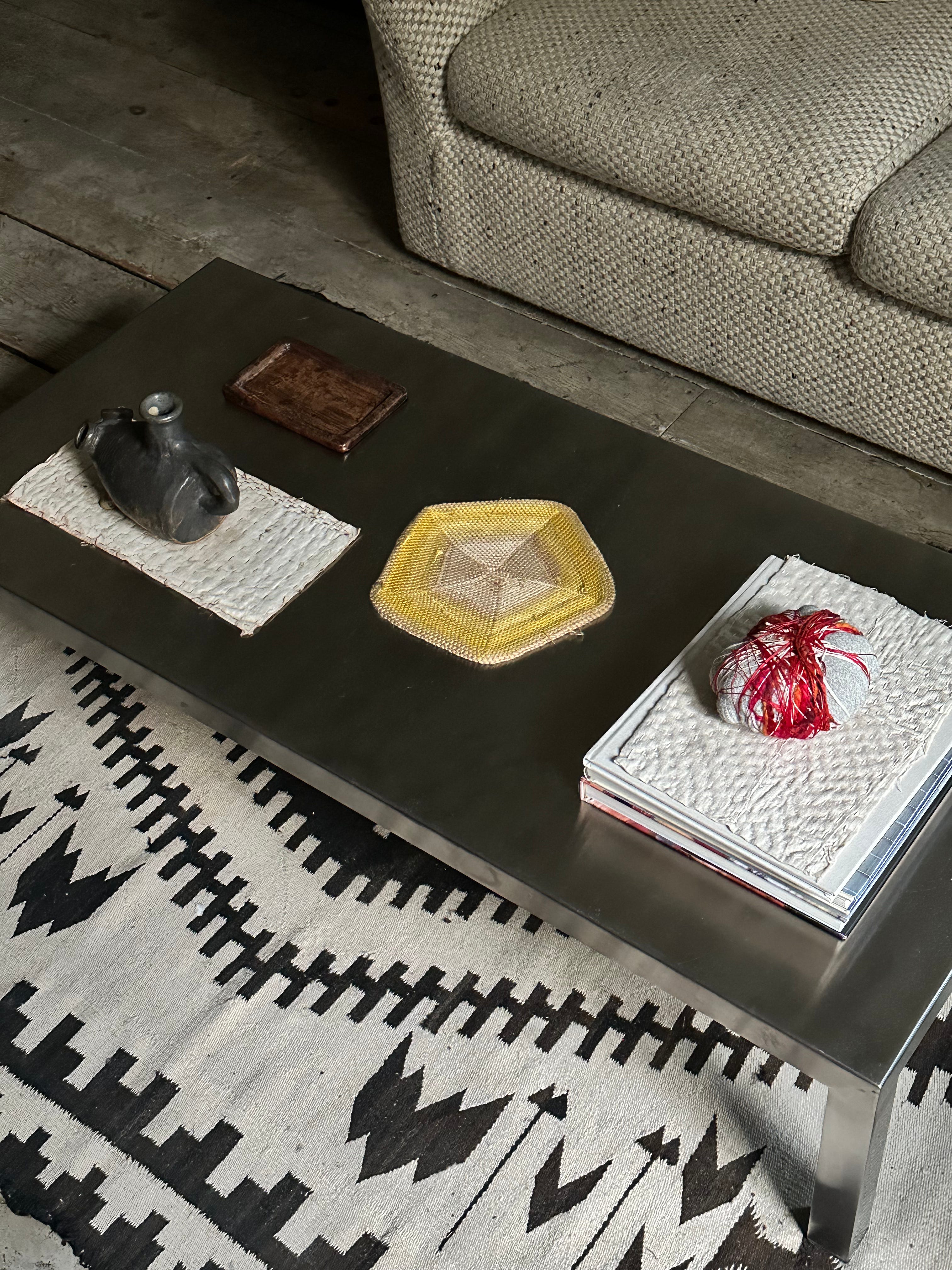
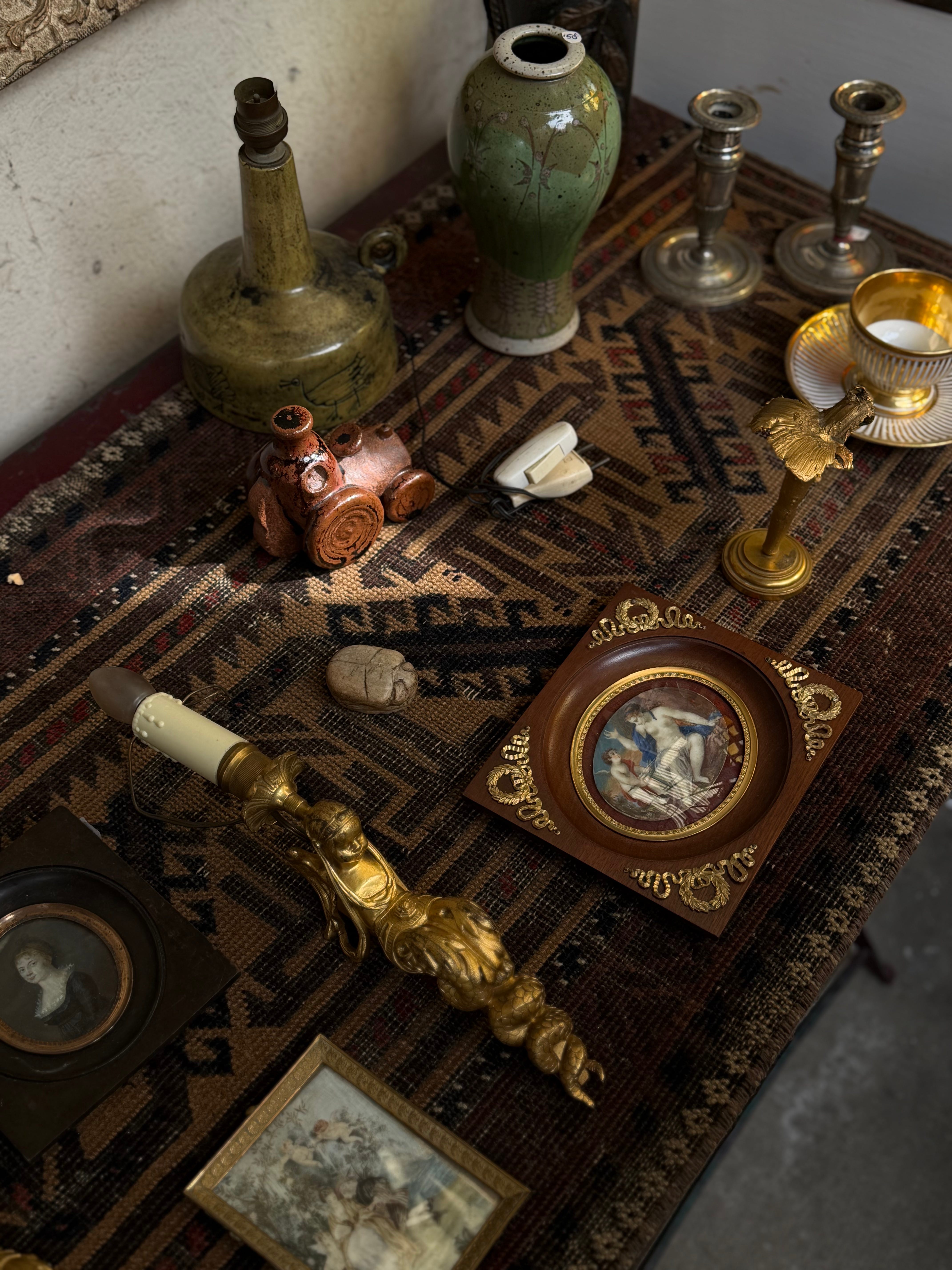
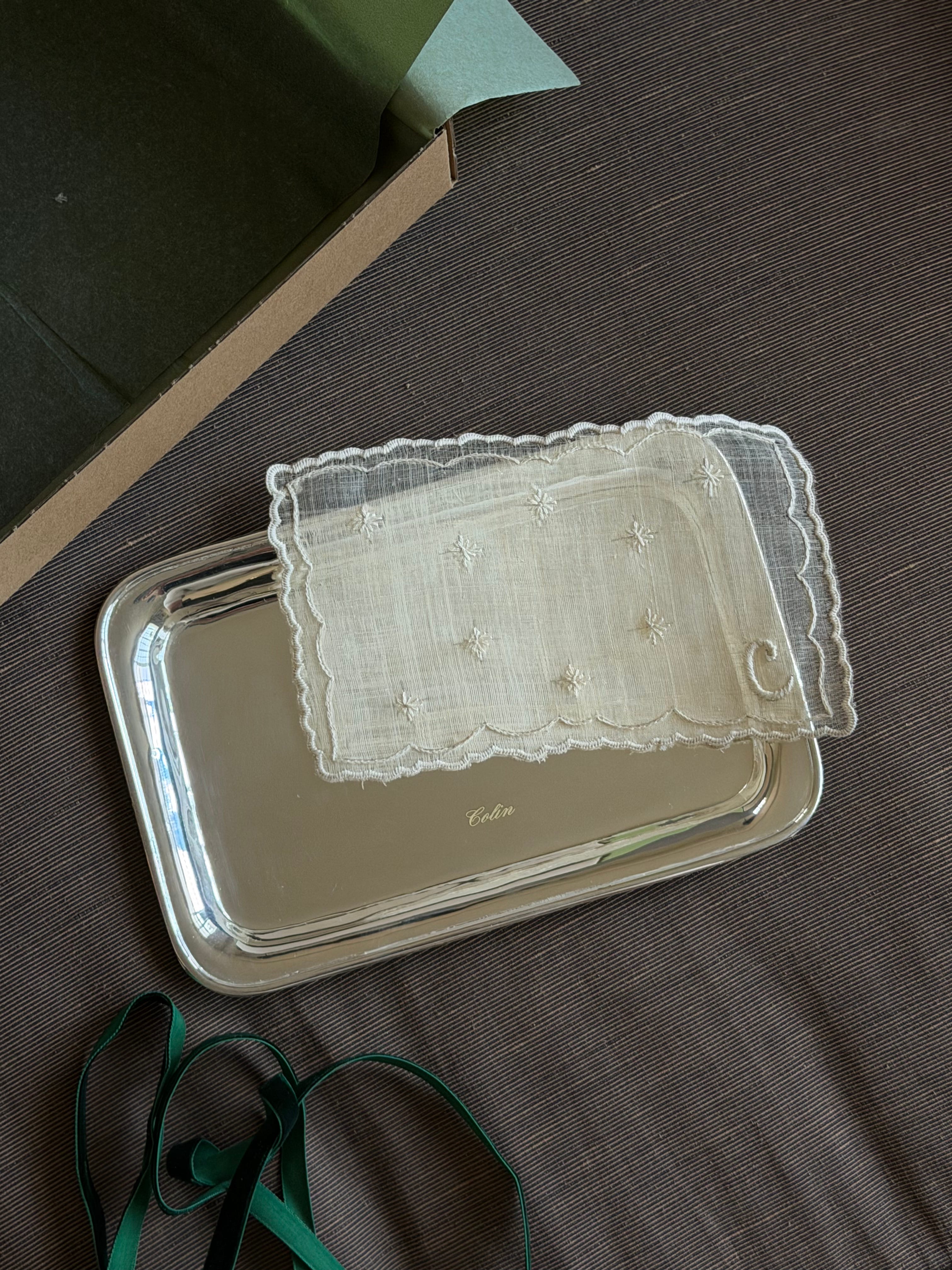
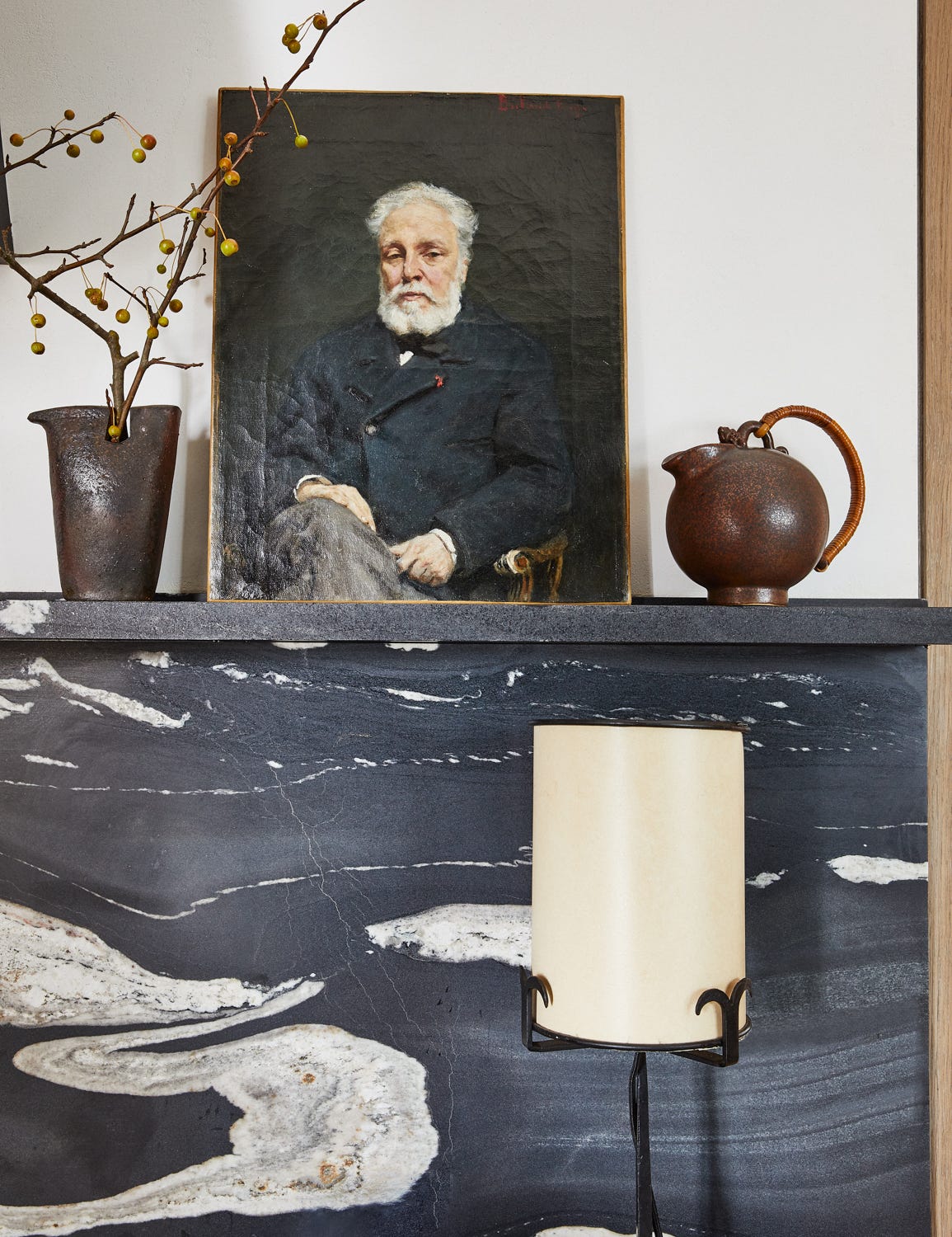
One of them is placing a textile underneath objects that have absolutely no practical need for a textile. Not folded. Just laid flat. More like a mat than a napkin. A bowl. A lamp. A stone. A box. A weird egg. Sometimes a shell, a leaf, a branch, or some other piece of ephemera if I’ve really committed to the storyline.
I started doing this years ago and couldn’t fully explain why. I just knew I liked what happened. It’s similar to what happens in a beautiful hotel bathroom when all of your toiletries are arranged neatly on a small towel beside the sink. Nothing about the toothpaste has improved. The towel has simply convinced you that your toothpaste deserves dignity.
The textile creates a small ceremony. Suddenly the object feels acknowledged. The surface feels acknowledged too. A relationship appears where there wasn’t one before. The bowl isn’t simply sitting on a table anymore. The table isn’t merely supporting the bowl. They’re participating in the same idea.
I realize this sounds like the sort of conclusion a person arrives at after spending too much time alone with decorative objects. That is because it is.
But I also think it’s true.
The object itself hasn’t changed. It’s still the same bowl. The same lamp. The same stone I picked up somewhere and have now assigned far more emotional significance than is reasonable. Yet the room changes completely. It feels more intentional. More settled. Less like storage and more like a decision.
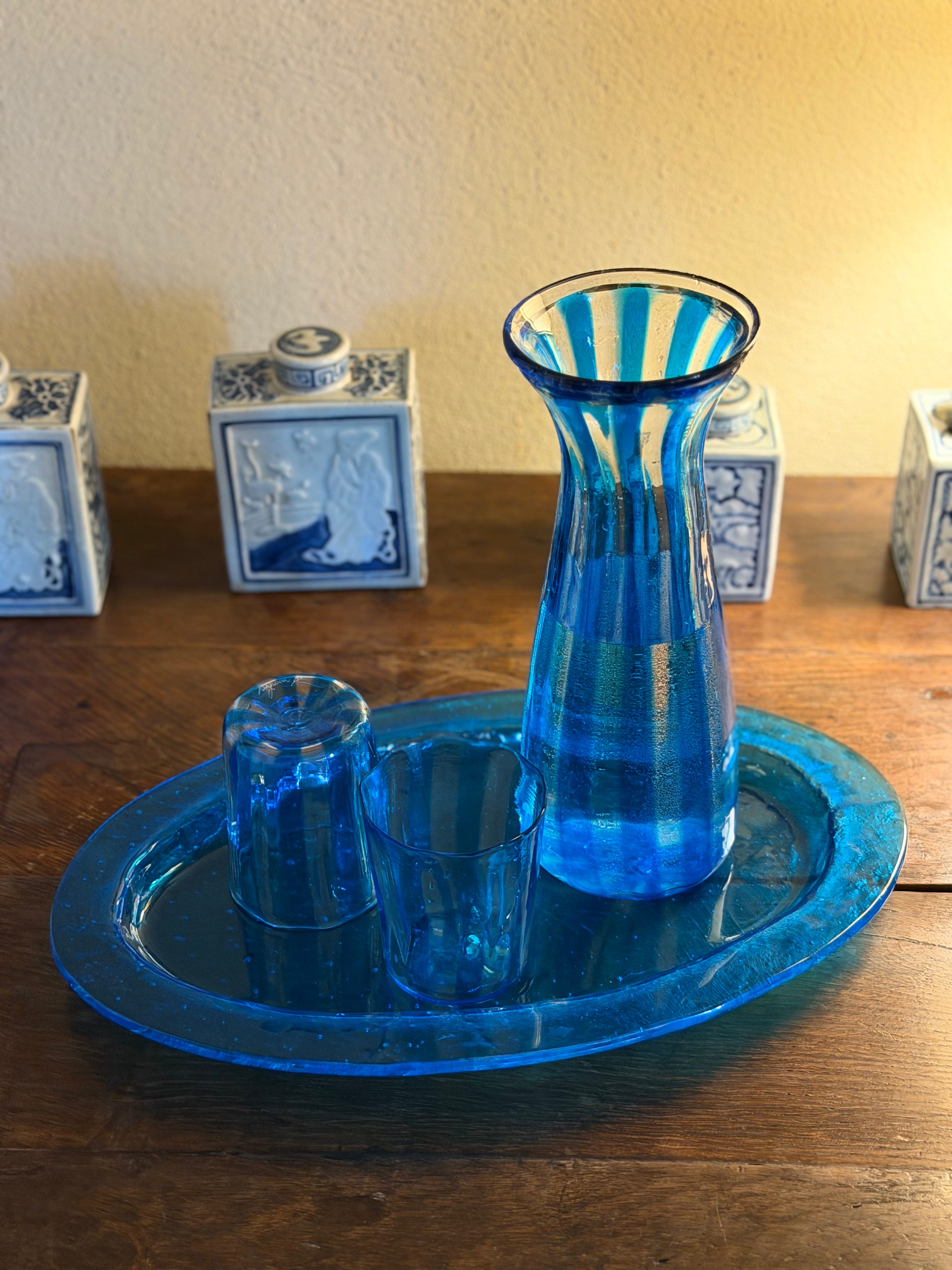
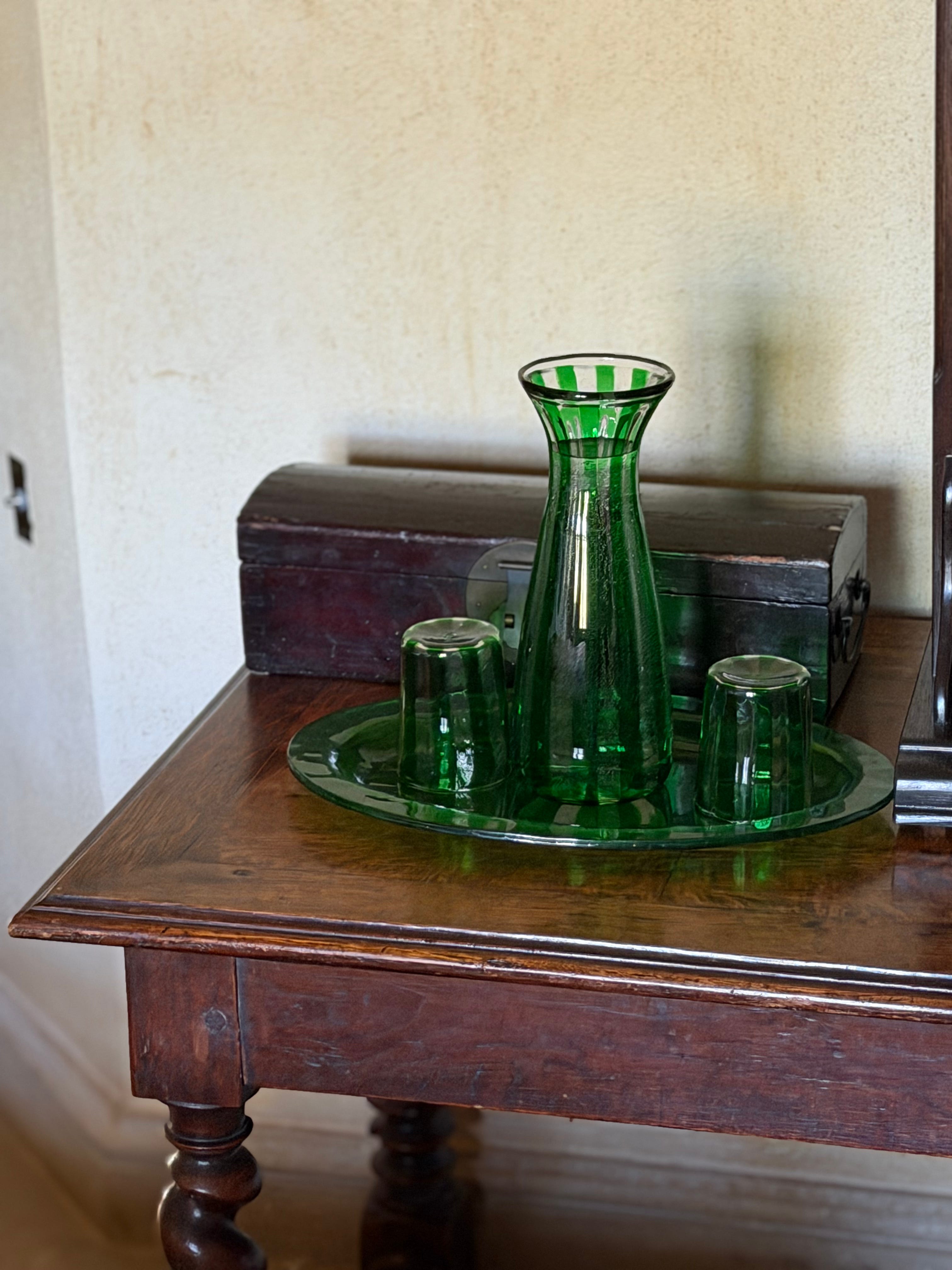
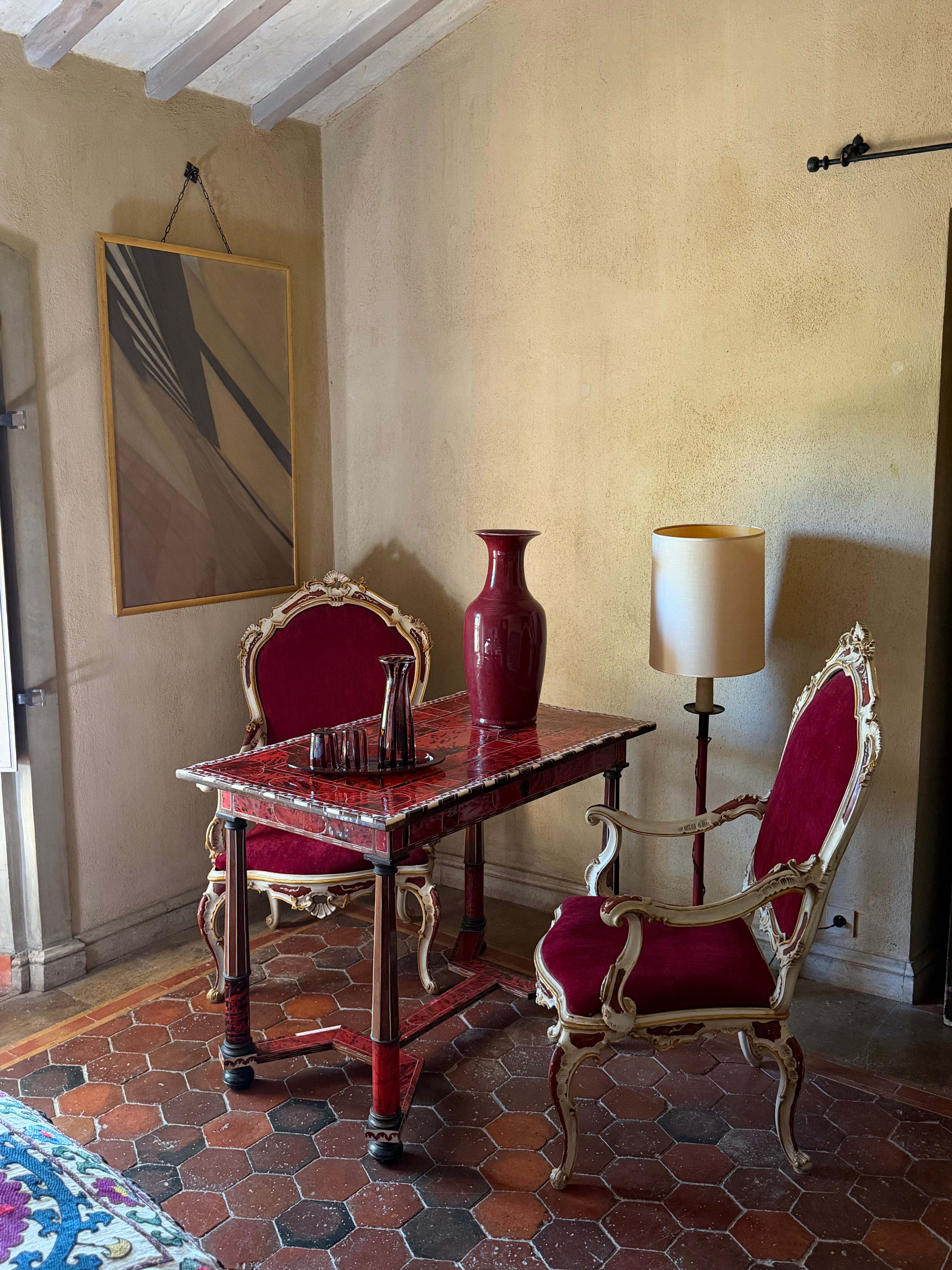
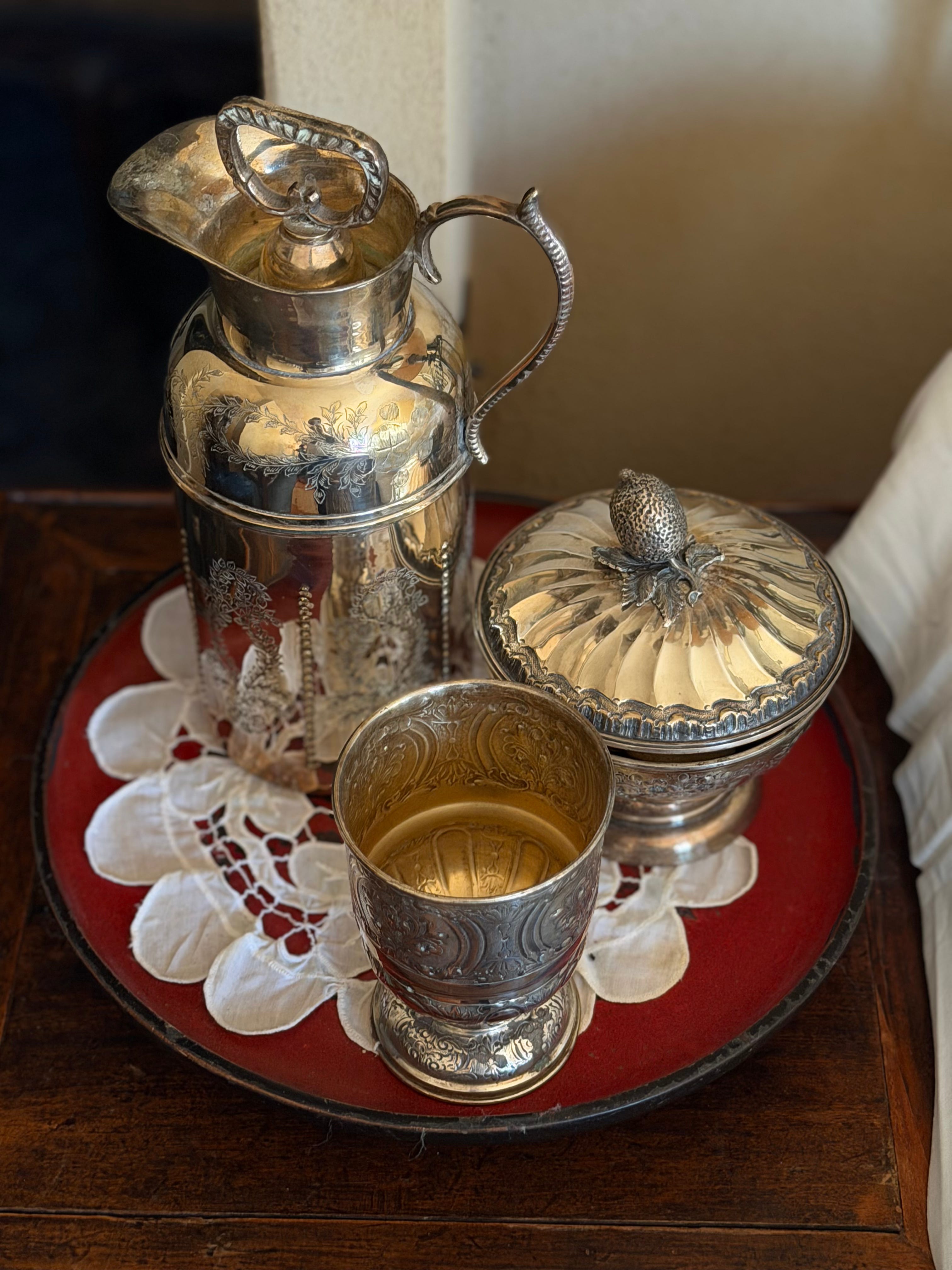
I’ve become equally attached to leaving a pitcher of water and a few glasses out before guests arrive. Not because I imagine everyone entering my apartment desperately dehydrated. The water itself is almost beside the point. What I love is what it communicates. That somebody was expected. That another person was considered before they arrived.
It’s also a wonderful excuse to buy that vintage Murano pitcher you found in Venice. A carafe is one of the easiest ways to introduce color and personality into a room without making a huge commitment. It can live on a bedside table, a coffee table, a console, or a bar cart. It can be there for guests or for you.
Hospitality doesn’t always need an audience.
Hospitality, at least the version I respond to most, isn’t really about impressing people. It’s about creating evidence of thought. A room changes when it appears to have anticipated company. Even if nobody touches the water all evening, it has already done its job.
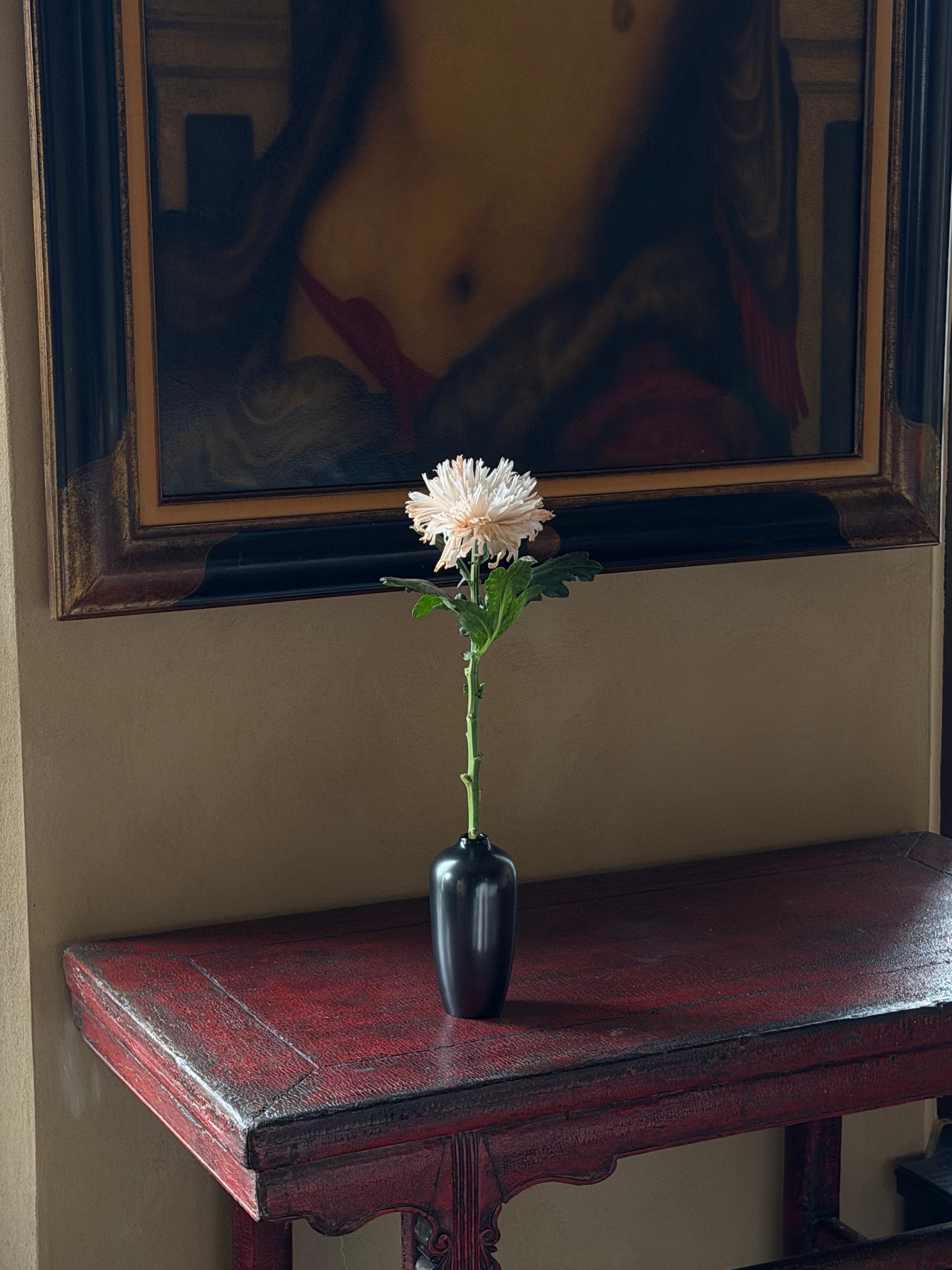
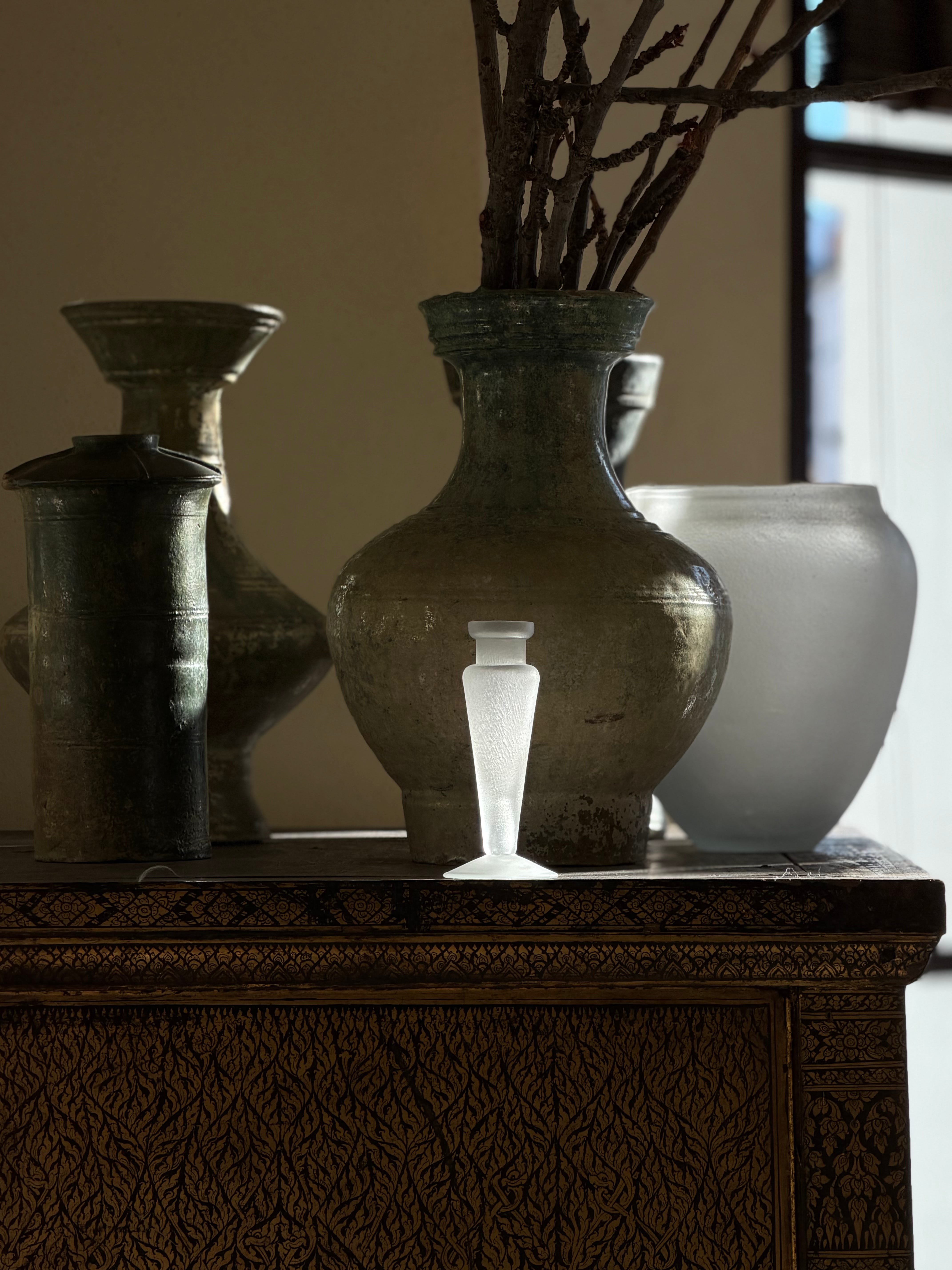
Flowers are another area where I consistently ignore common sense. I almost always put them in vessels that are slightly too small.
I know.
Somewhere a florist is reading this and taking a long, steadying breath.
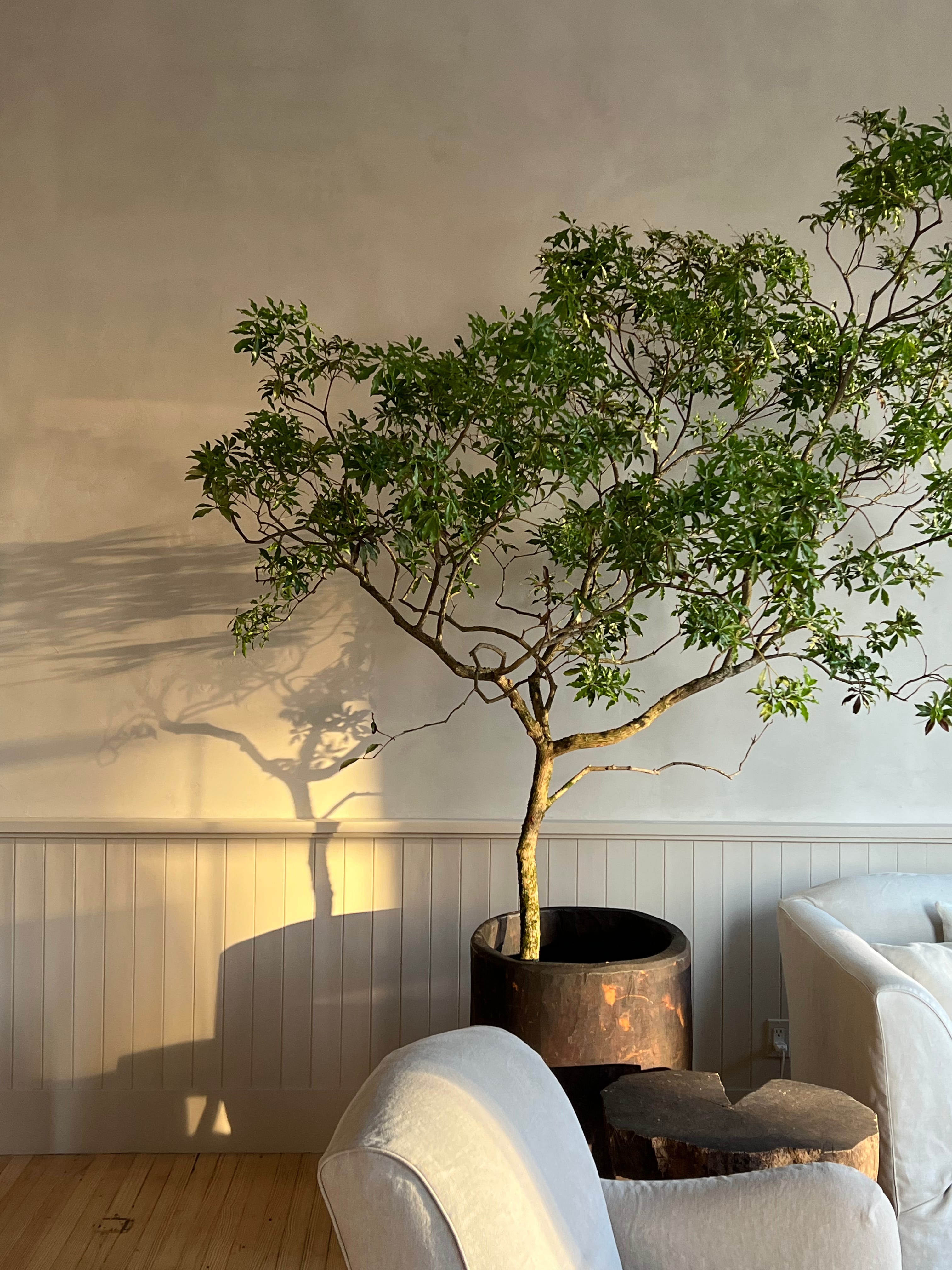
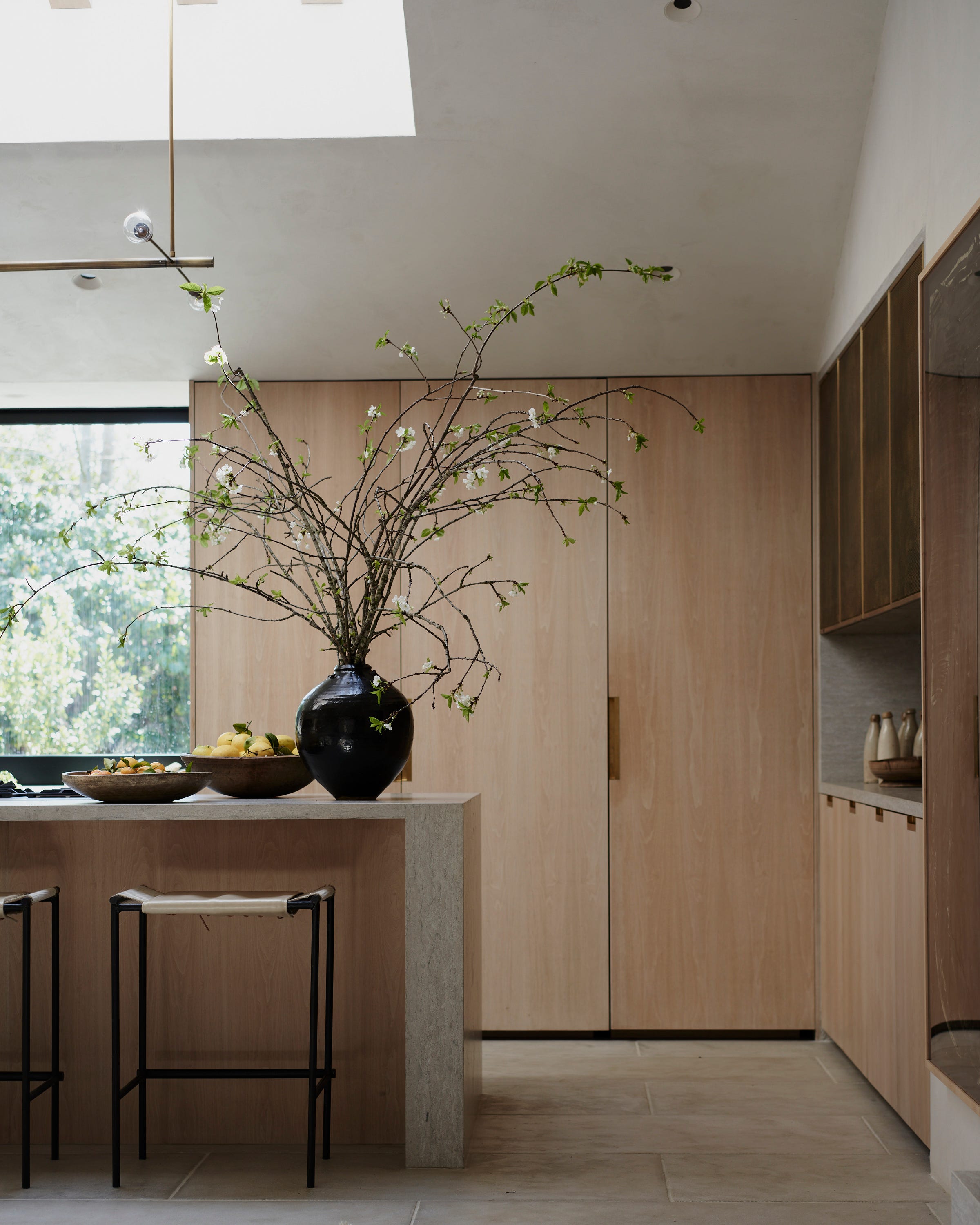
But flowers that are a little crowded feel gathered to me. They feel connected. Like they arrived together and have something to discuss. Flowers in oversized vases sometimes feel like strangers standing too far apart at a dinner party, politely waiting for someone to introduce them.
The opposite is true too. Flowers can be too small for a vase. Too tall. Too short. The relationship matters more than the flower itself. Styling is often less about the object than the conversation it’s having with its container.
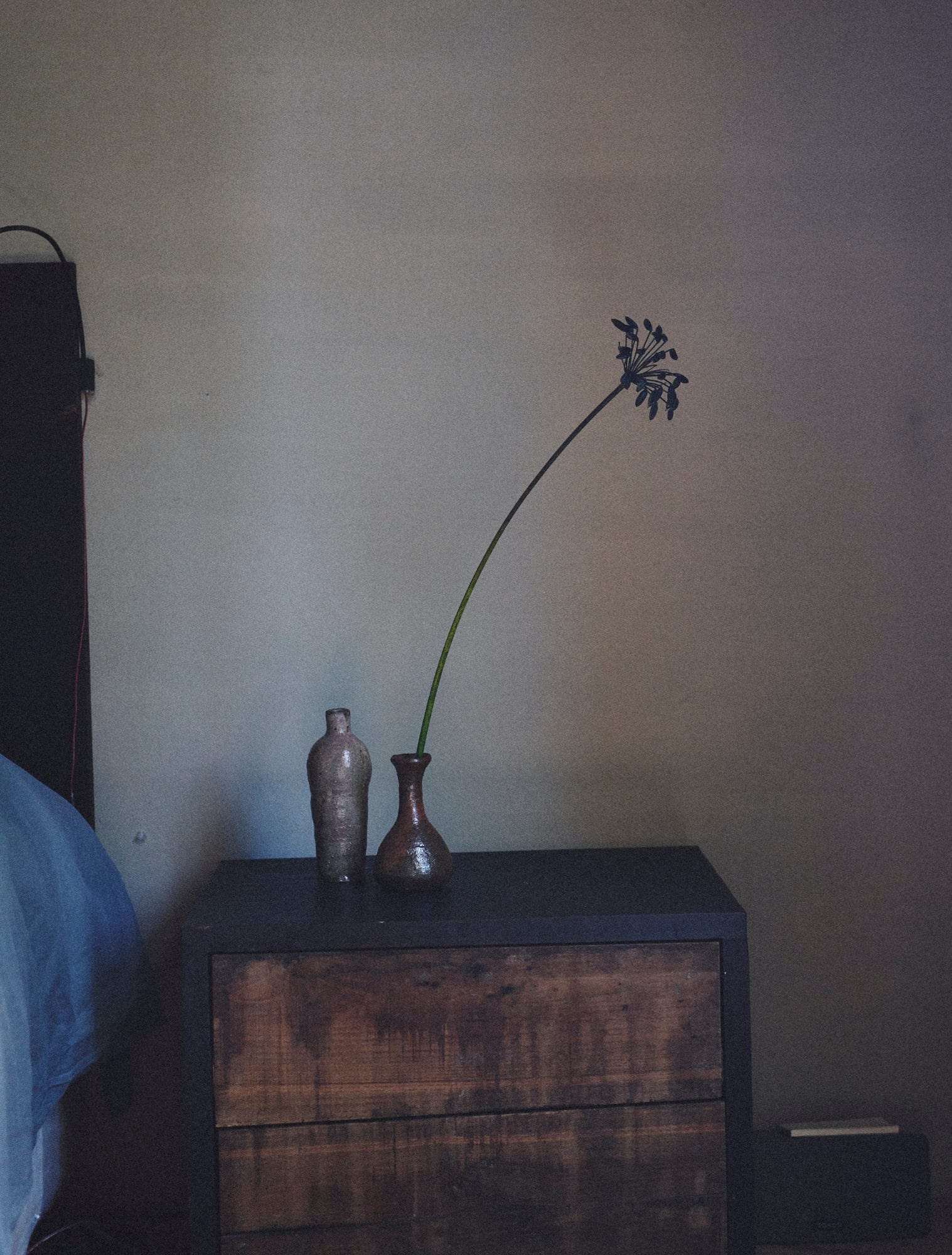
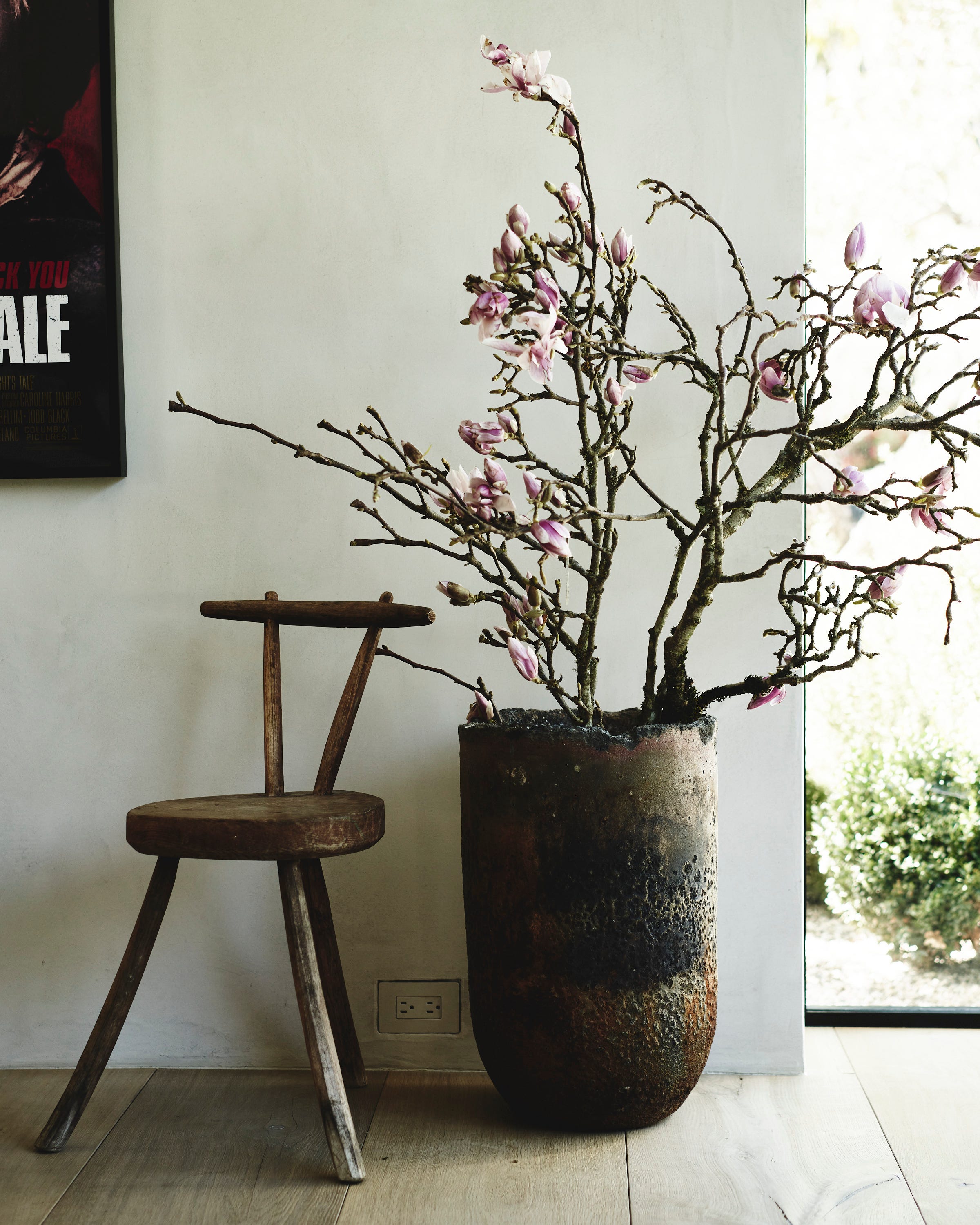
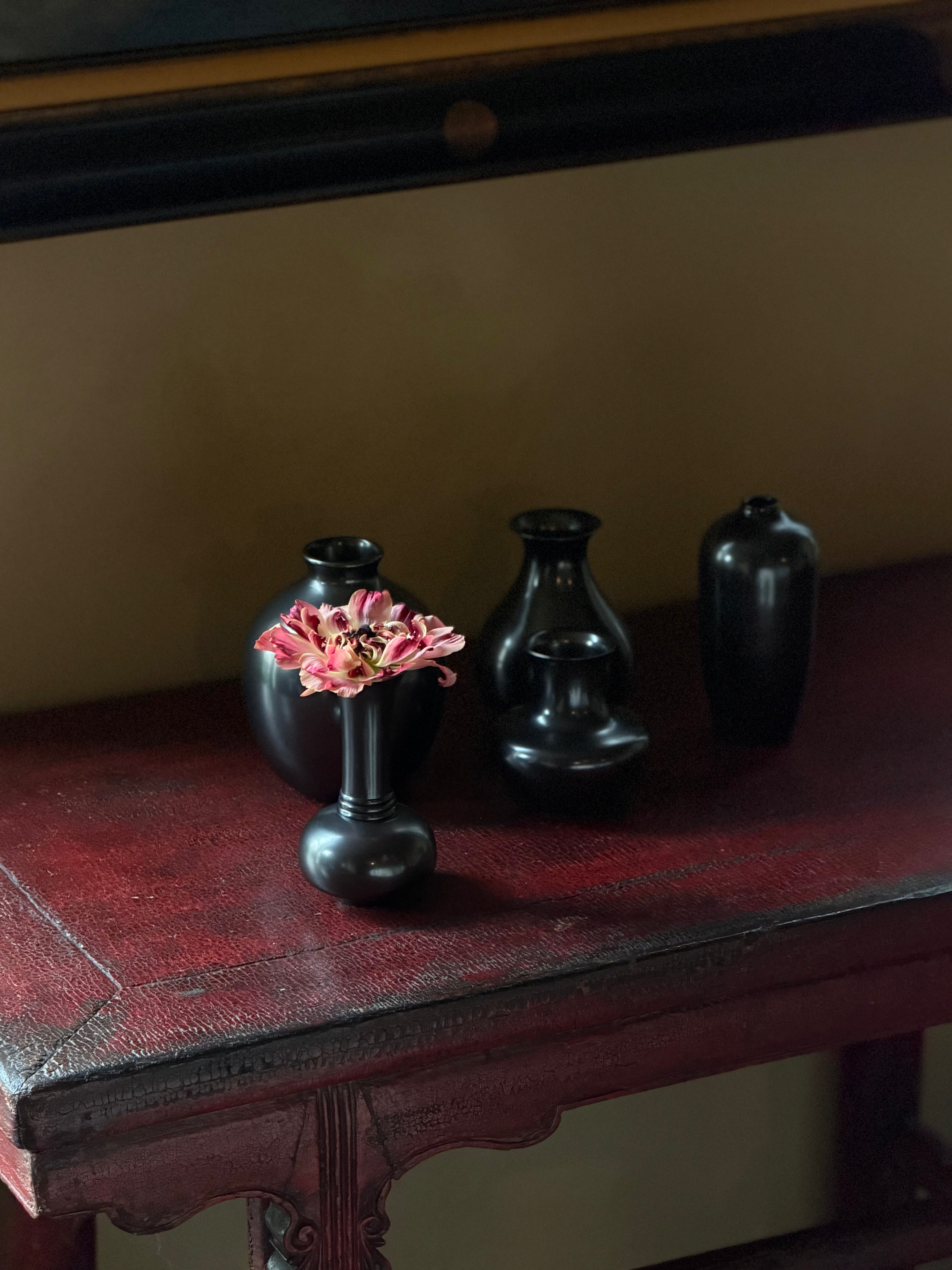
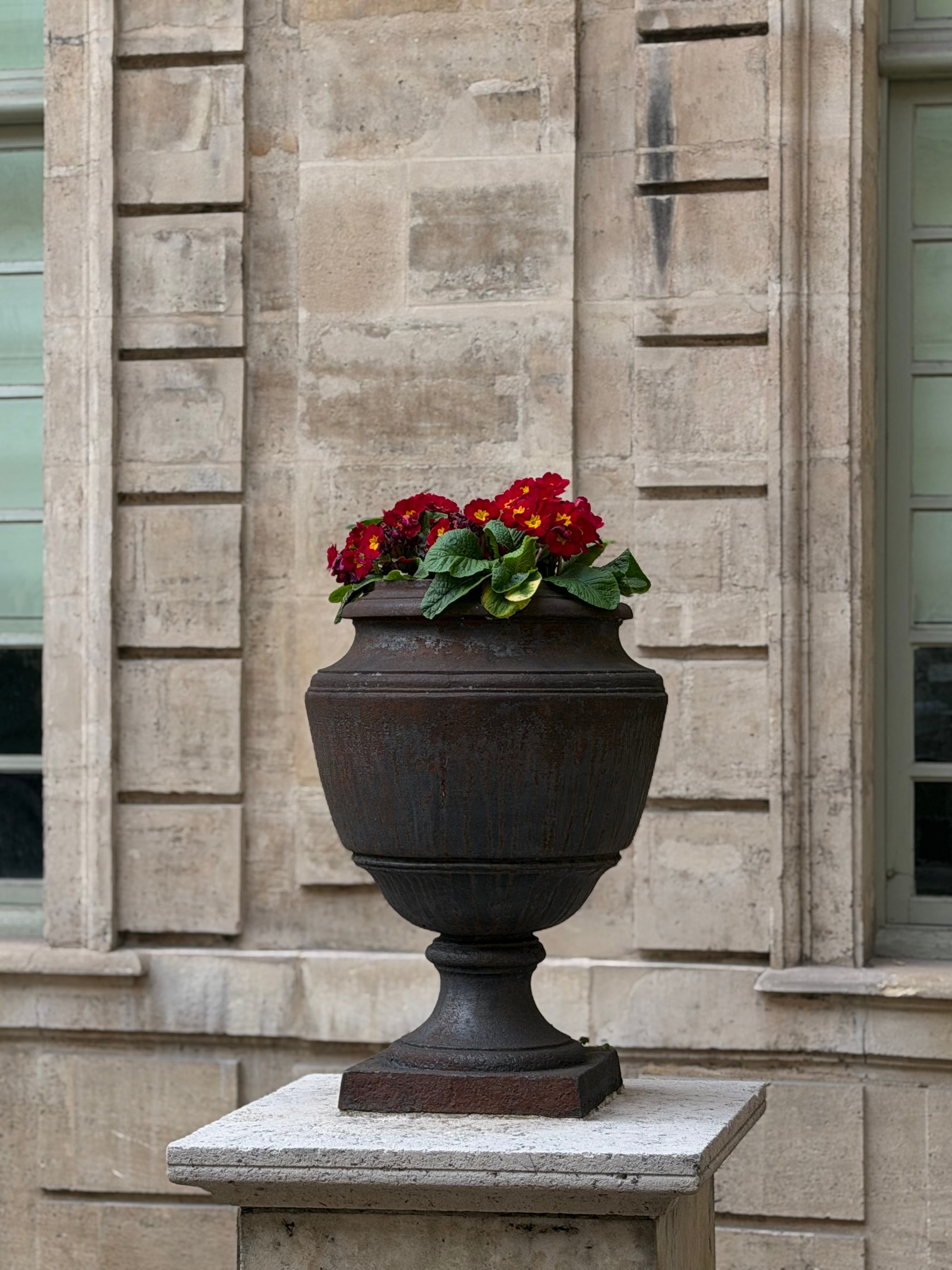
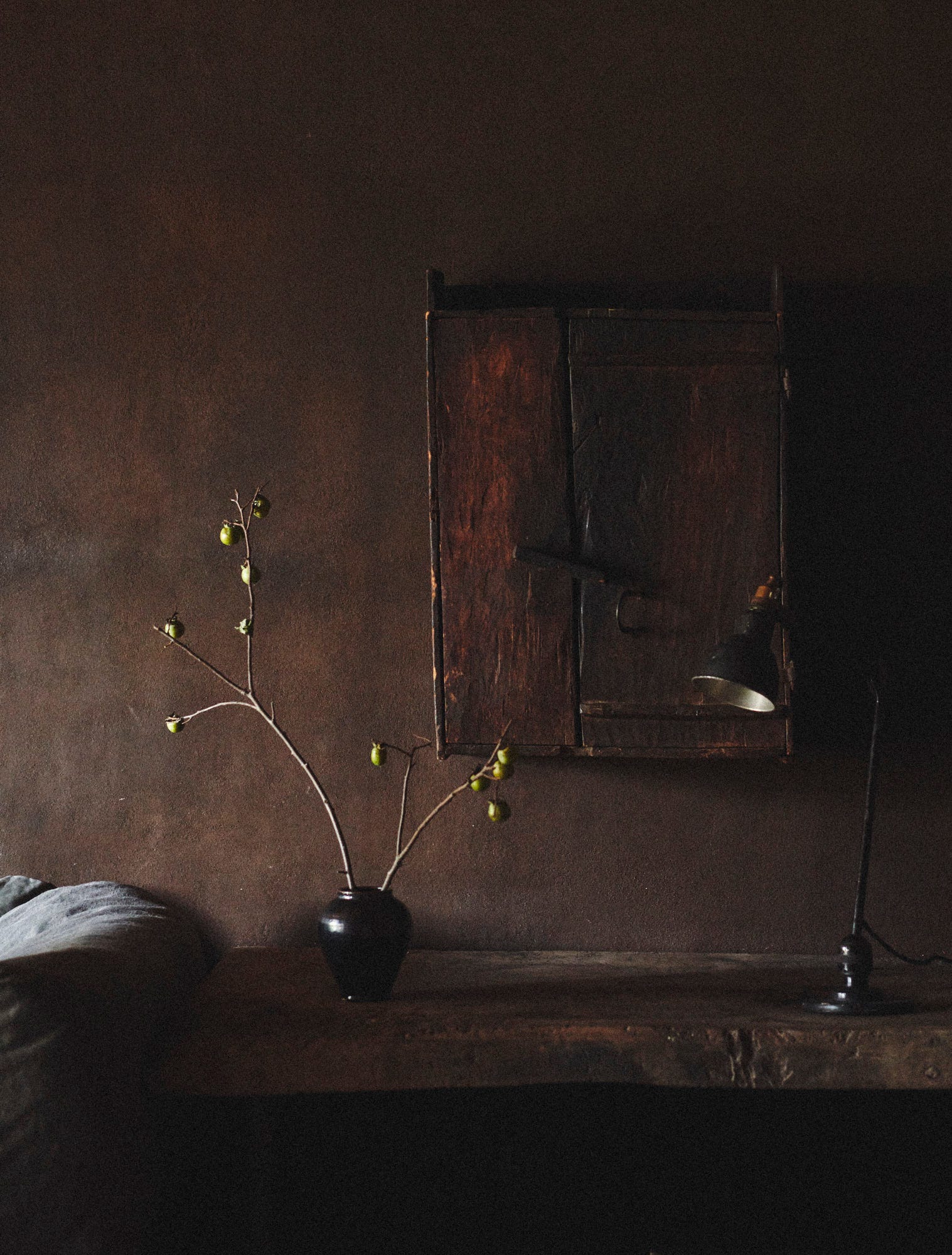
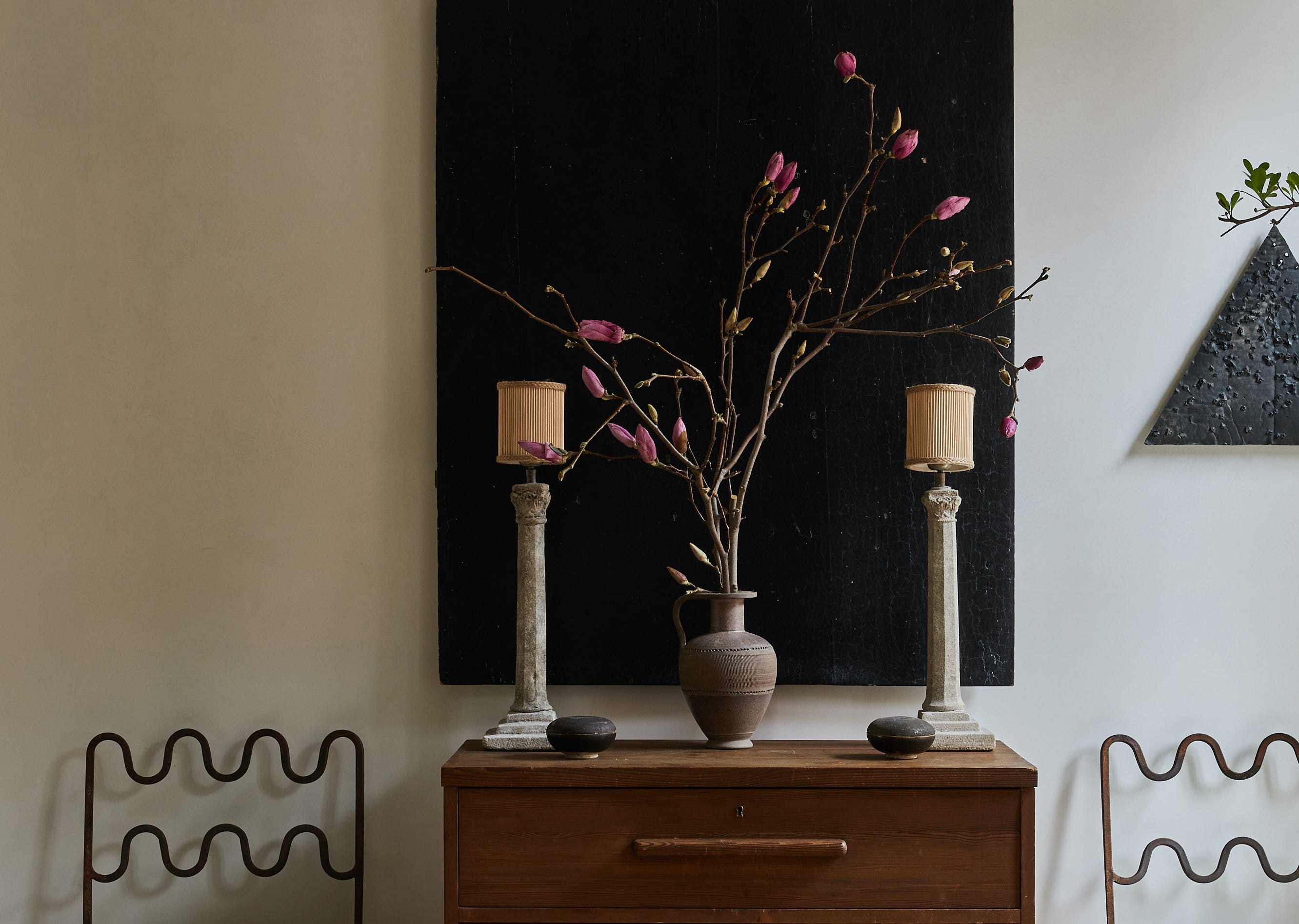
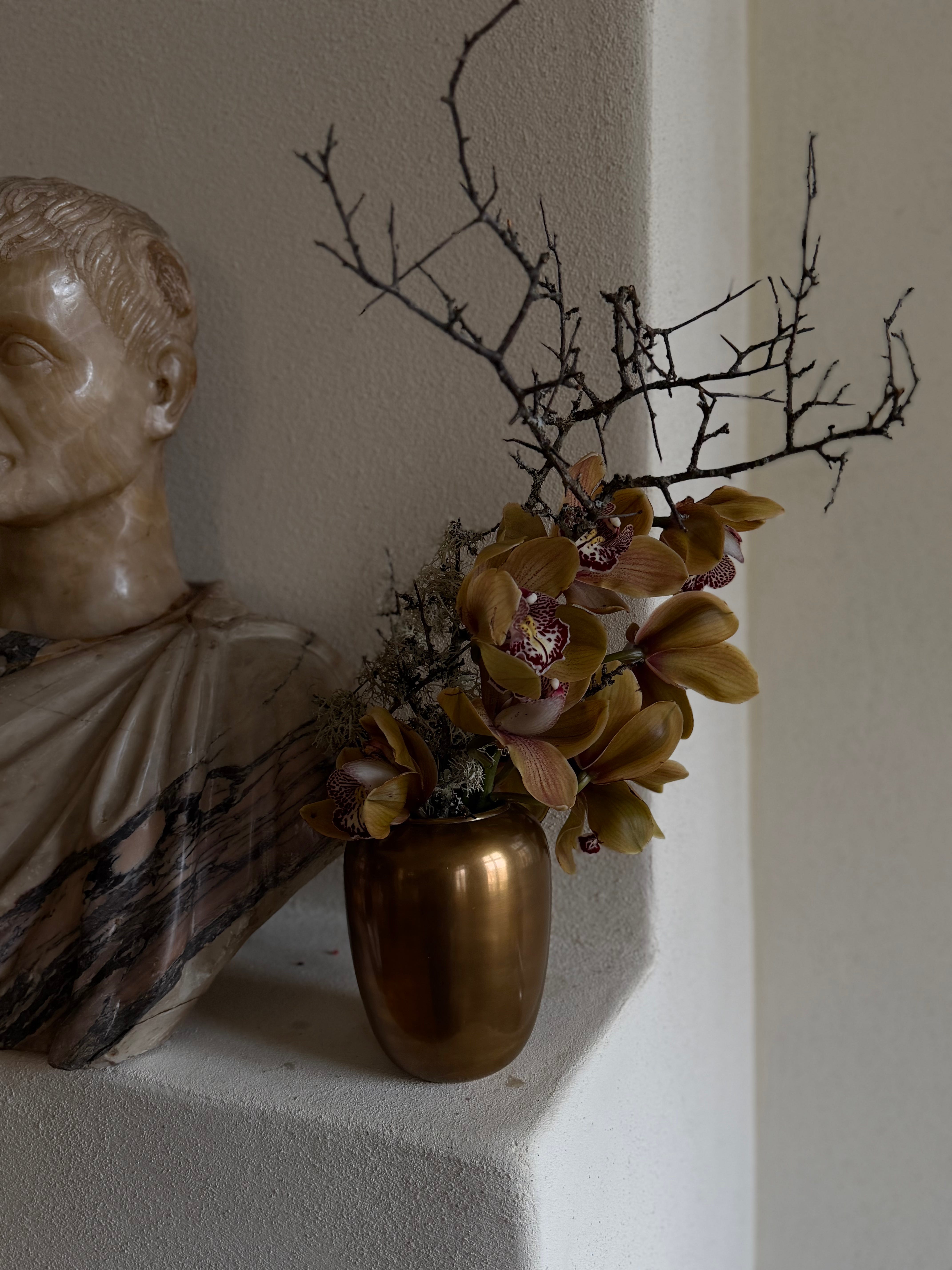
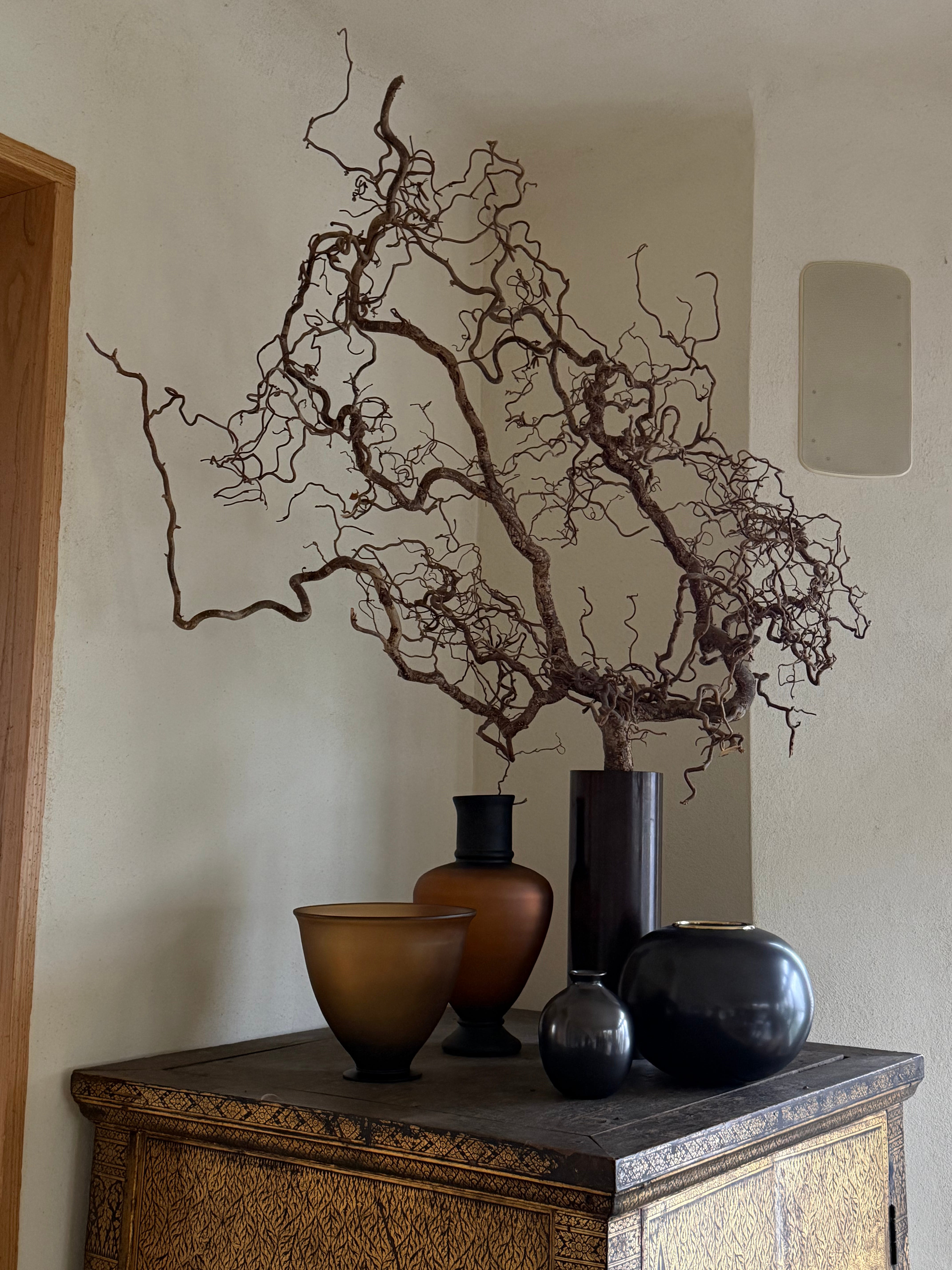
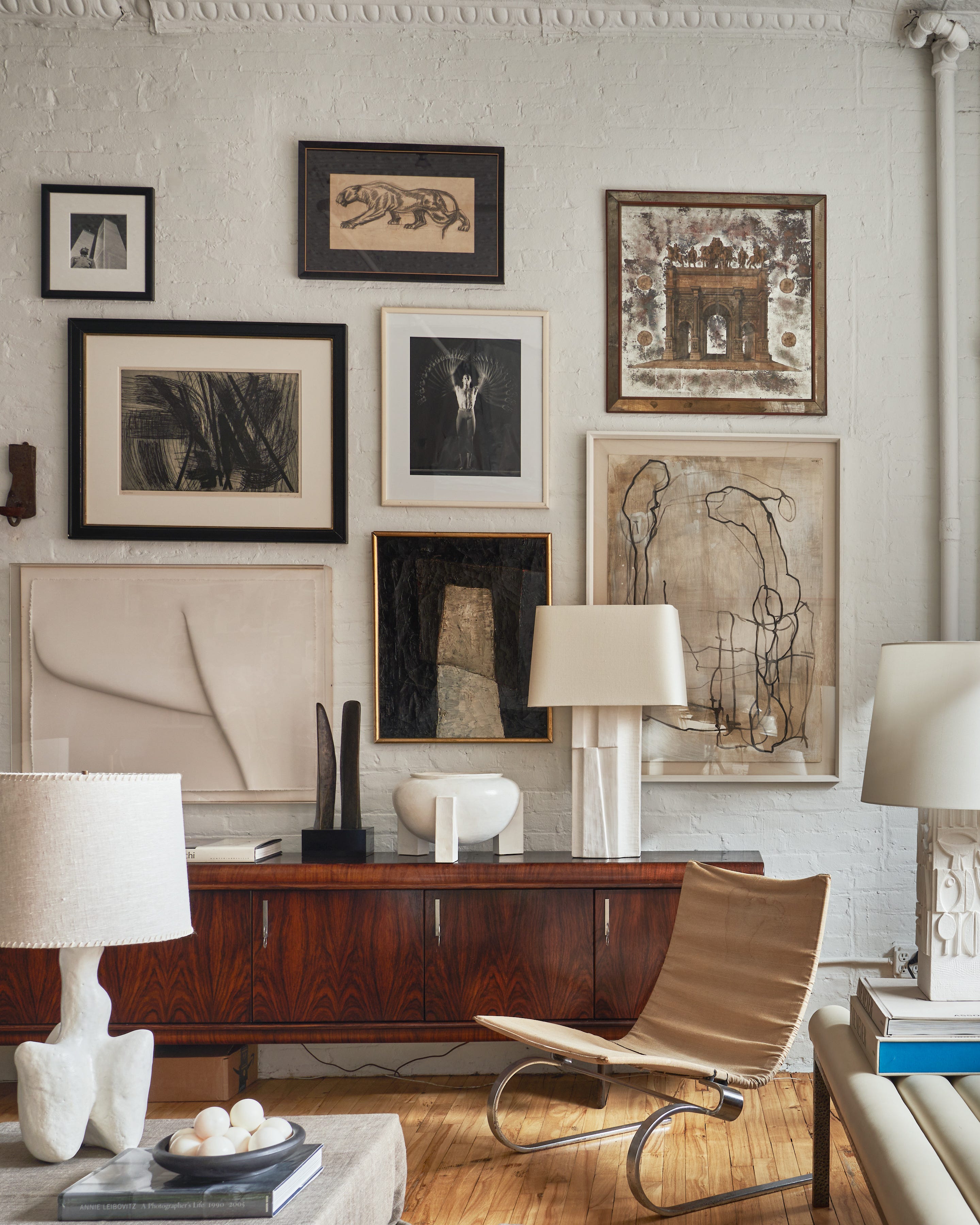
I also love when objects partially obscure other objects. A lamp in front of a painting. A branch crossing a mirror. A chair interrupting a curtain.
We spend so much time trying to make everything visible. But visibility and interest are not the same thing.
When everything is perfectly visible, perfectly centered, perfectly presented, a room can start to feel oddly self-conscious. Like it’s aware it’s being watched. The most memorable homes I’ve ever been in always contain a little interference. A little friction. A few visual conversations happening at once. Nothing feels overly resolved because real life rarely is.
Sometimes mystery is more engaging than clarity.
When people come over, I often joke, “Move slowly. Everything is a booby trap.”
And what I mean by that is that many of the arrangements have become codependent.
A ceramic vessel might be hiding the chip that came off it. A piece of art may be concealing a cord I’ve chosen to stop seeing. A lampshade might be balanced on a harp that’s technically the wrong size but emotionally the right one.
Objects are often helping each other out.
Which, now that I think about it, is another reason I like them.
Not every styling decision is philosophical. Sometimes it’s witness protection. But I do think rooms become more interesting when not everything reveals itself immediately.
Most lighting plans solve visibility.
Table lamps solve atmosphere.
And atmosphere, unfortunately, is what we’re all actually looking for.
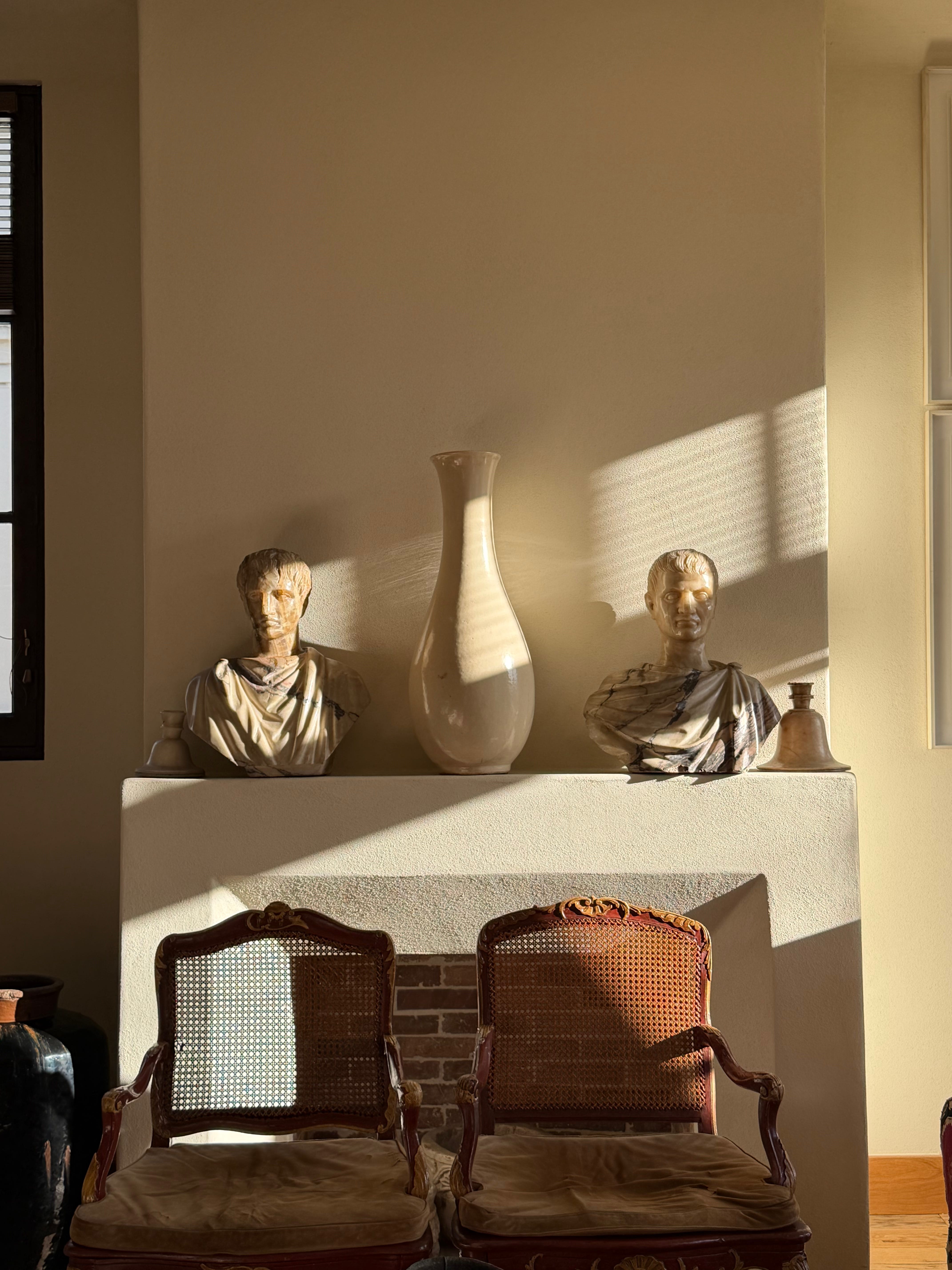
The same principle applies to furniture. I often pull a chair slightly away from the table. Let a stool float. Move a piece away from the wall. Not enough to look intentional. Just enough.
A perfectly tucked dining chair feels like nobody has arrived yet. One chair sitting slightly askew feels like a life has occurred. Someone sat there. Someone got up. Someone may come back.
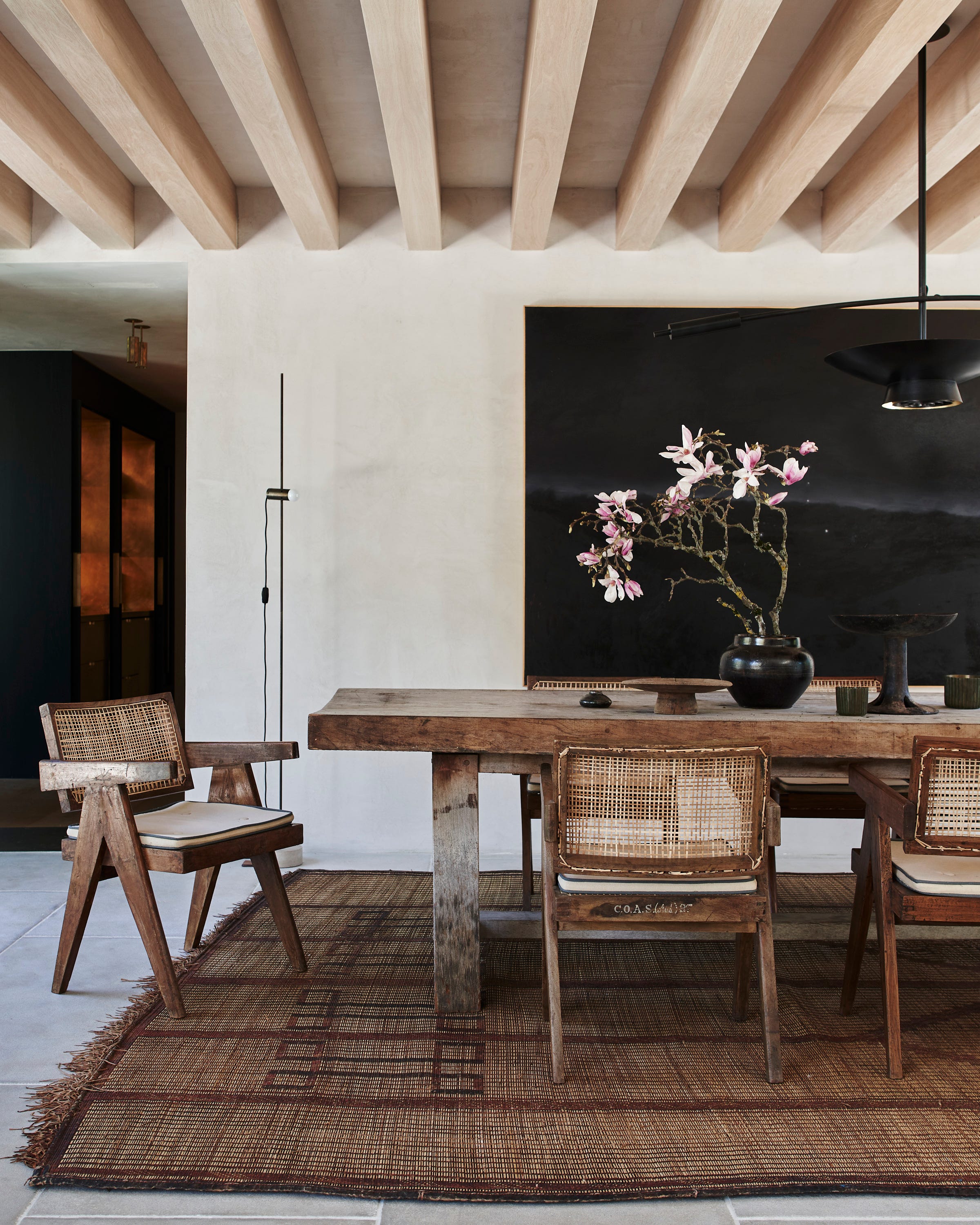
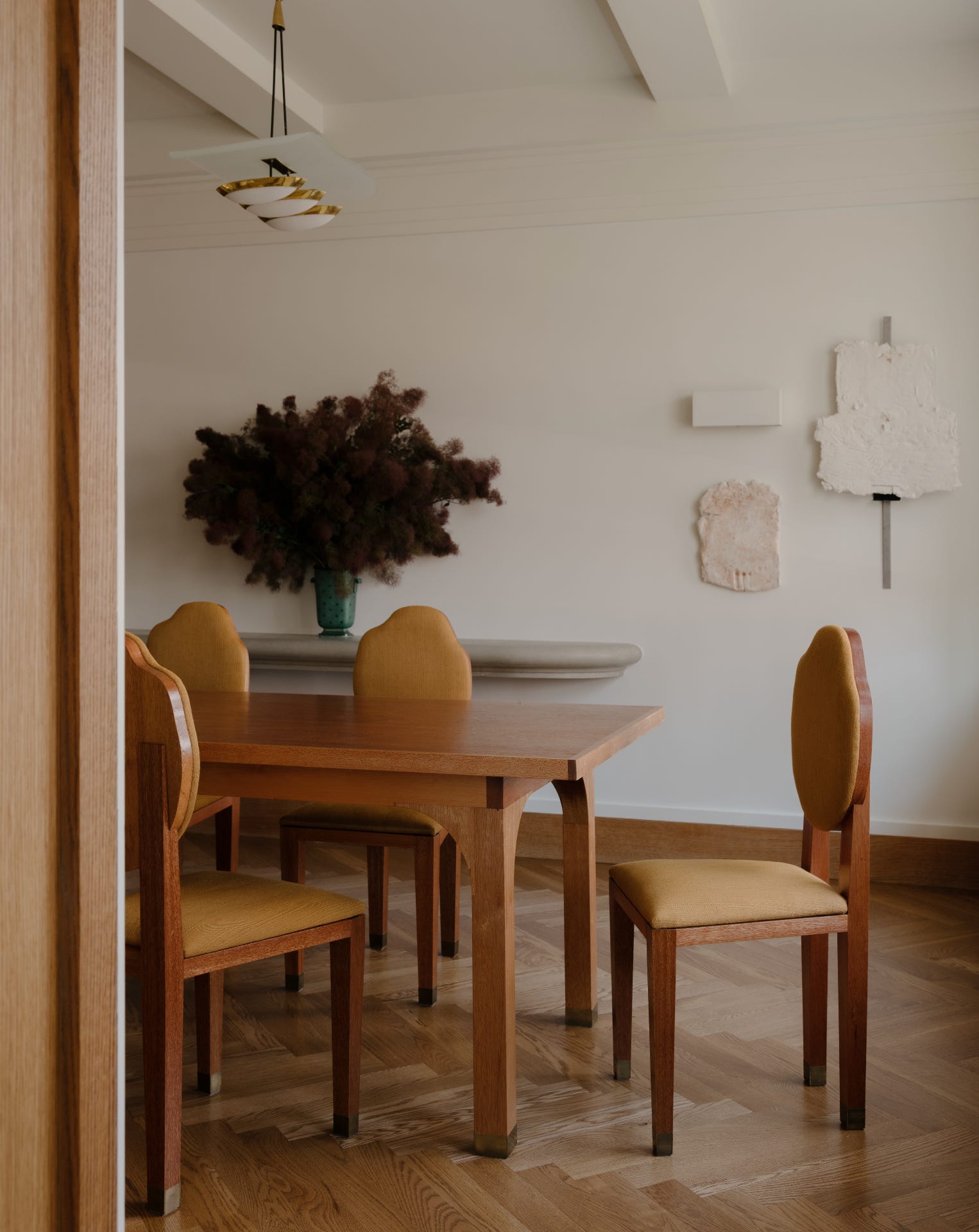
Good rooms often tell you what to do before you think about it. You know where to sit. Where to place your drink. Where to pause. Rooms become more welcoming when they stop standing at attention.
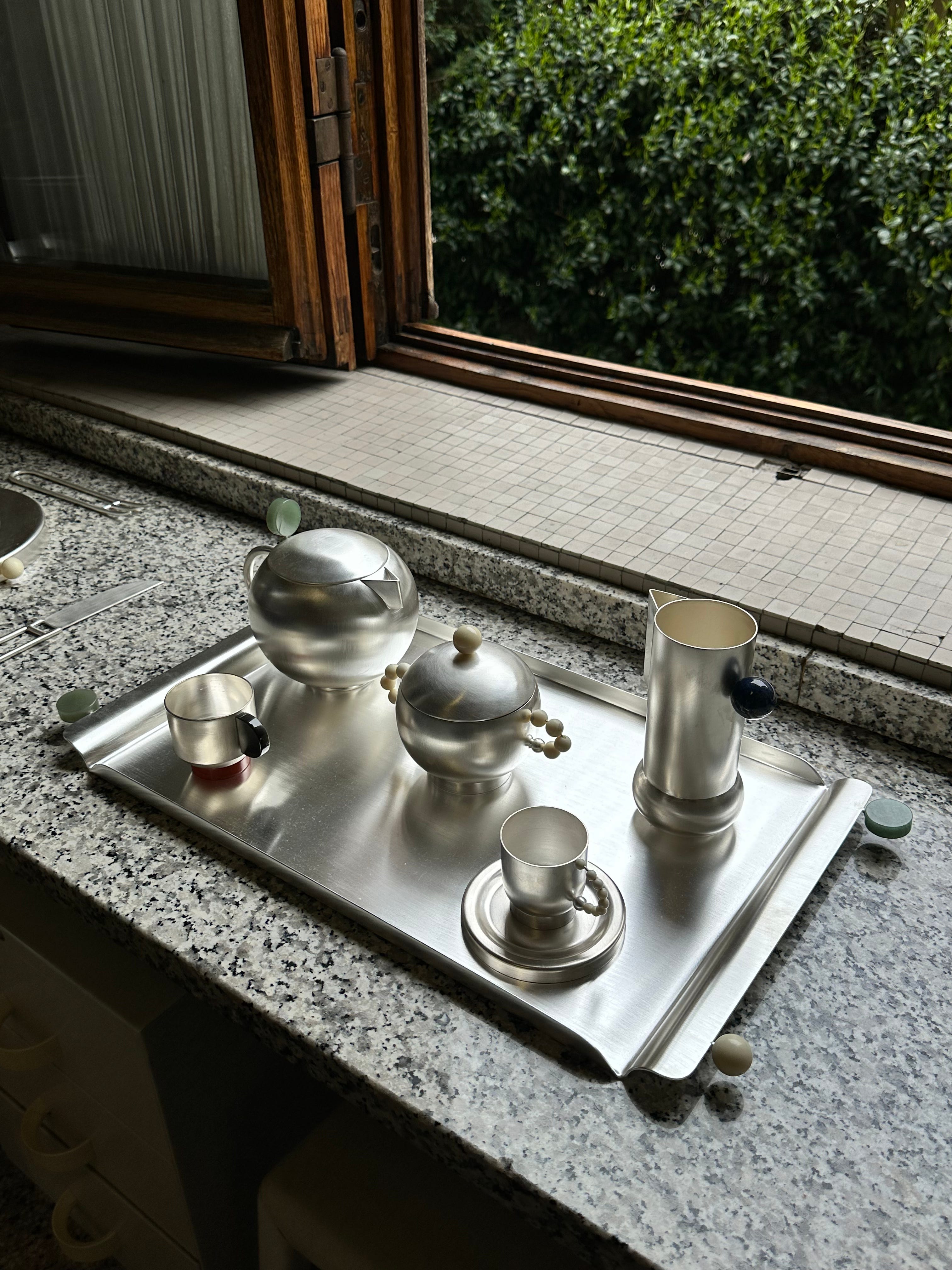
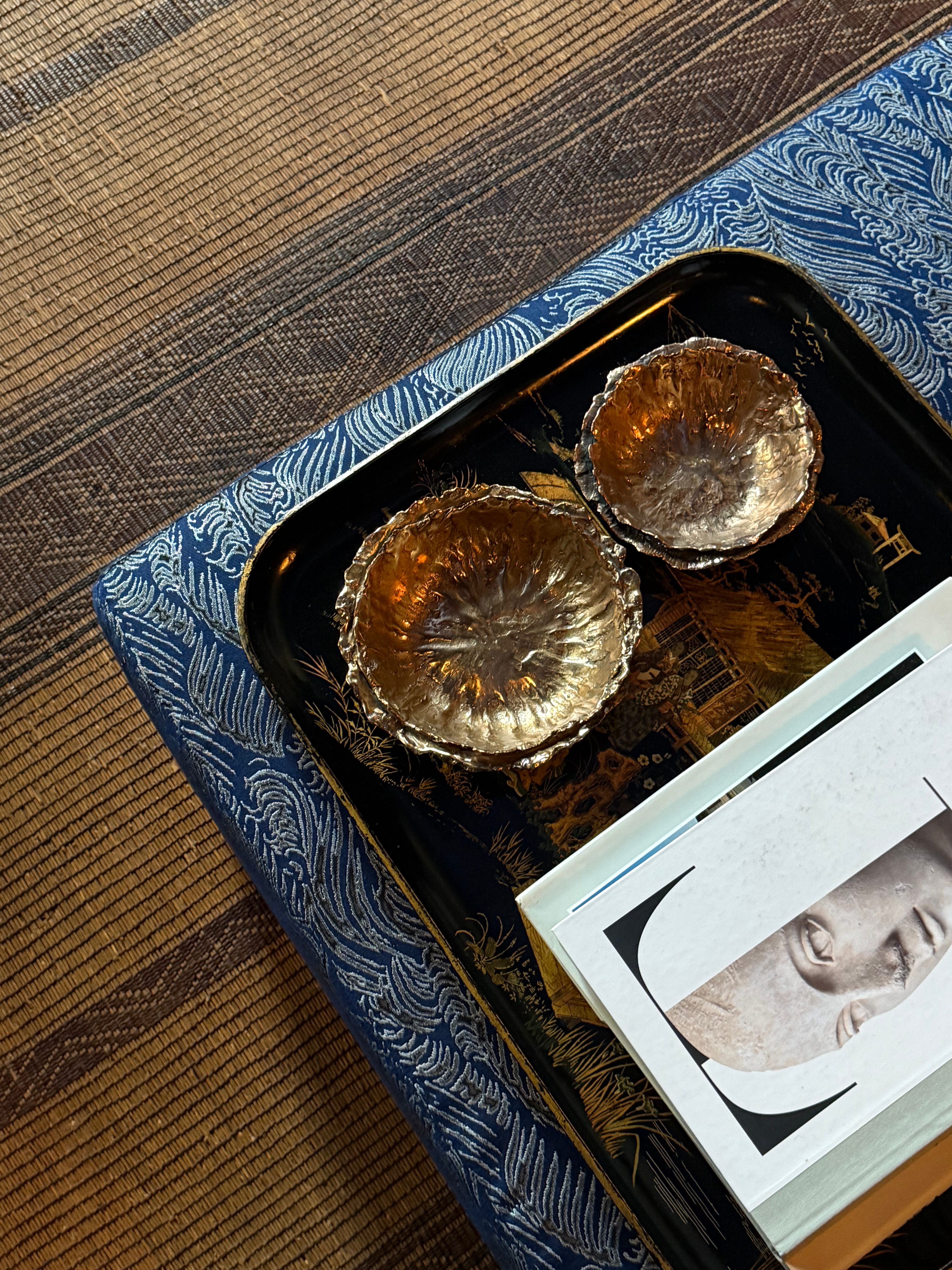
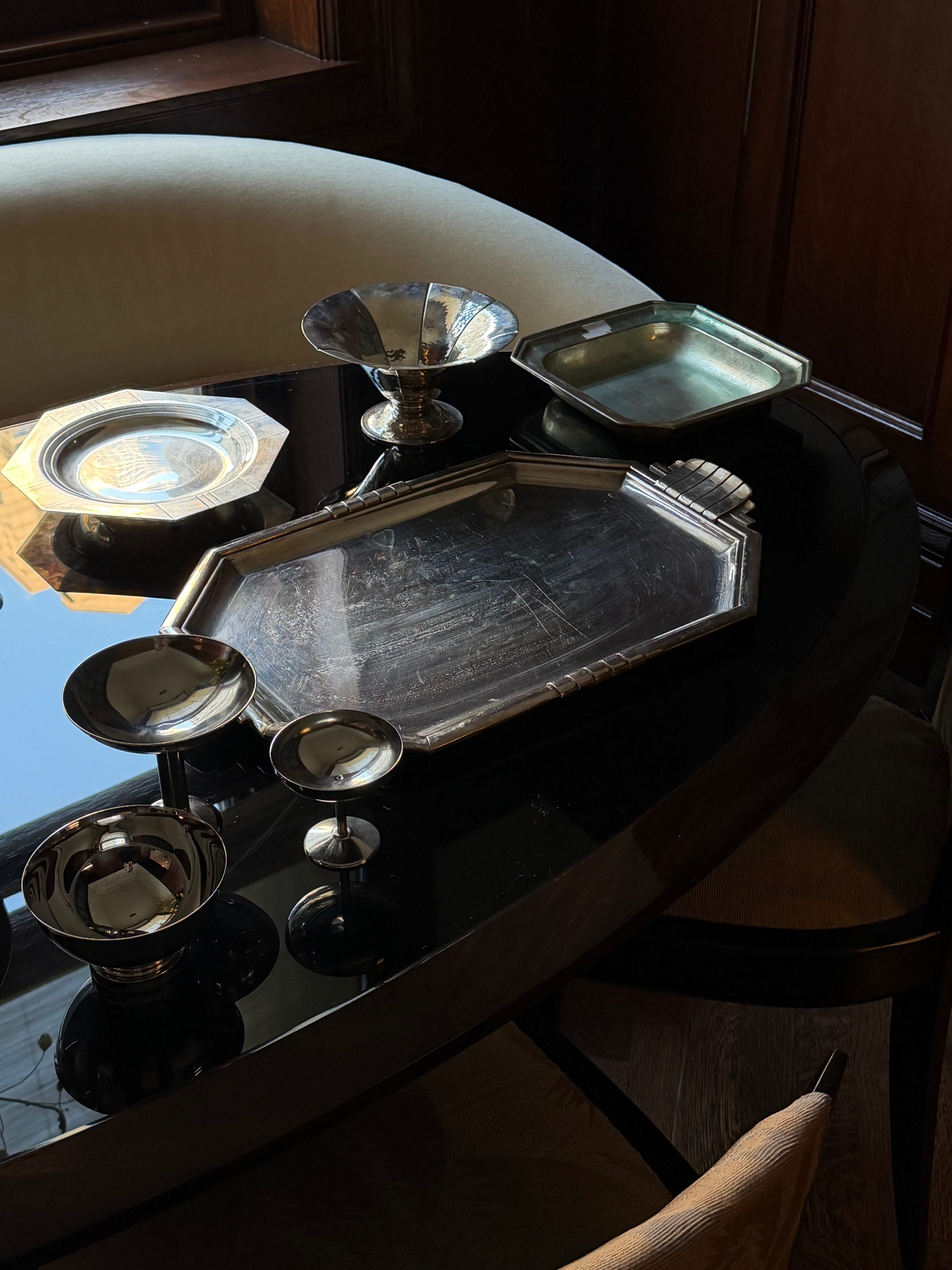
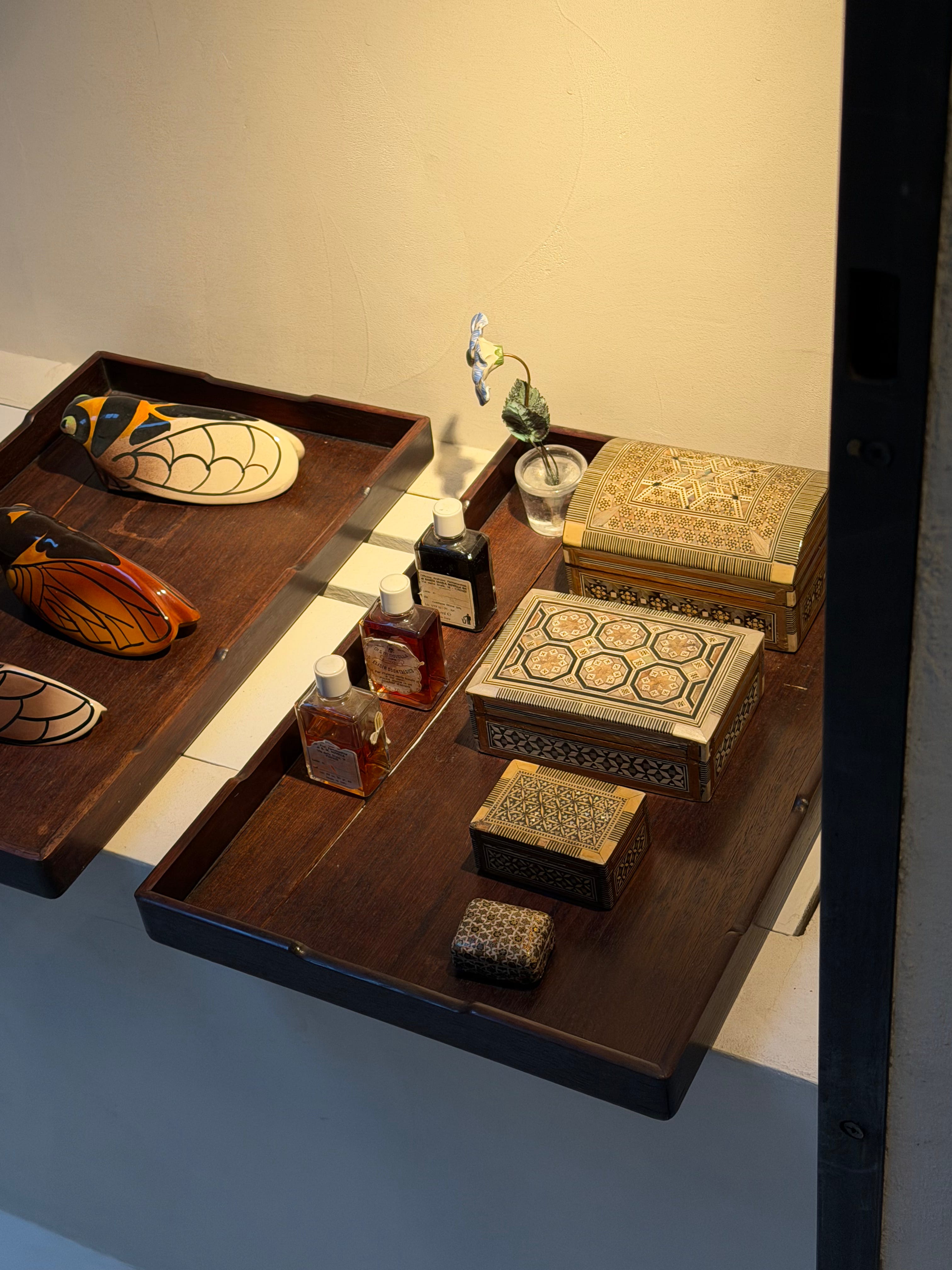
I use trays with a similar enthusiasm. Three unrelated objects sitting on a table look accidental. Three unrelated objects sitting on a tray suddenly look like they share a common purpose. This is one of styling’s oldest tricks and one of its best. A tray is essentially a very polite way of saying, “These belong together now.”
Whether they agree or not.
I’ve also become increasingly attached to leaving one surface empty.
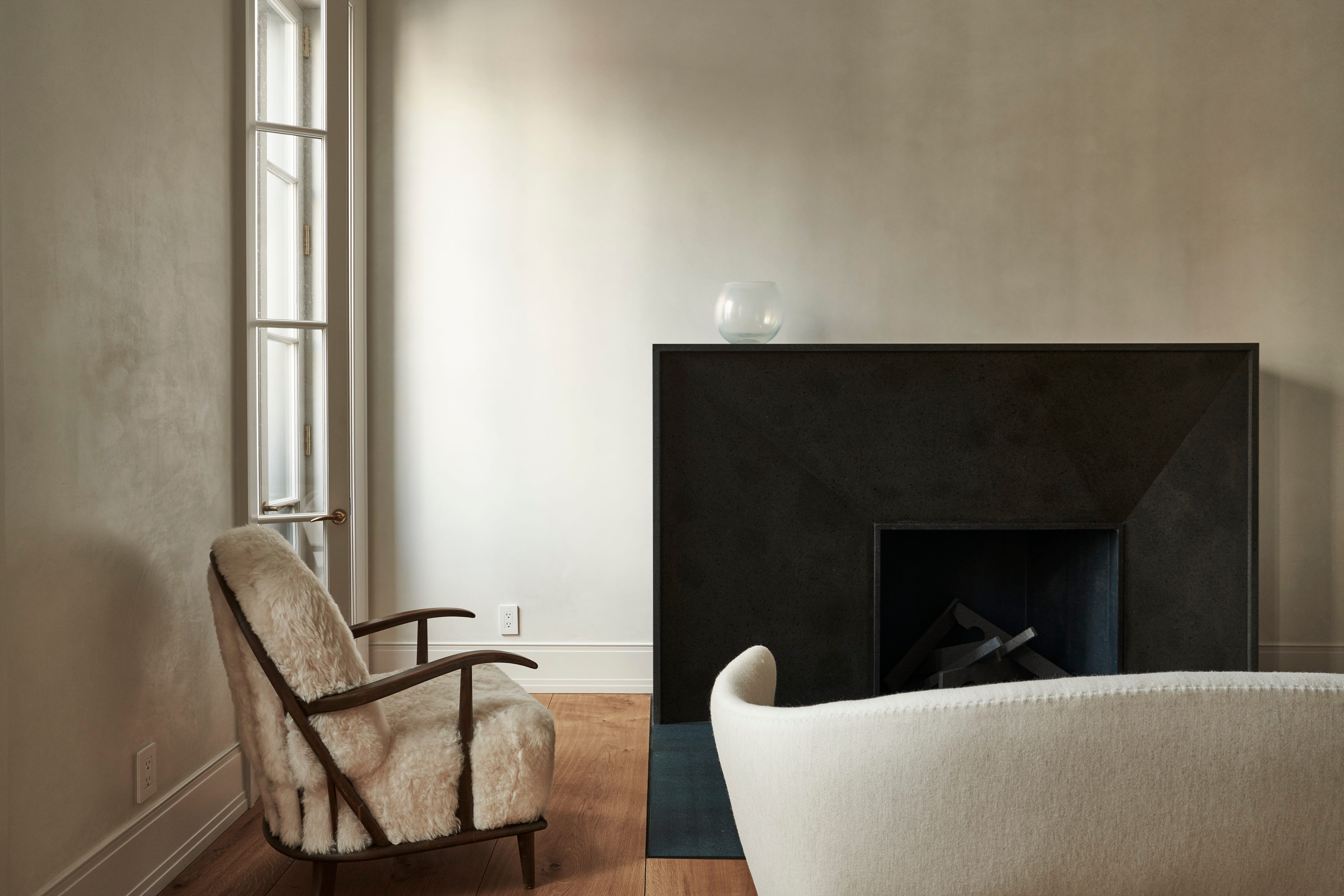
Completely empty.
Nothing feels luxurious anymore because every surface is trying to contribute. Every shelf has a vignette. Every table has a point of view. Every corner is participating in the conversation, and frankly some of them need to learn to listen.
Sometimes the most generous thing a room can offer is relief. A place for the eye to rest. A pause.
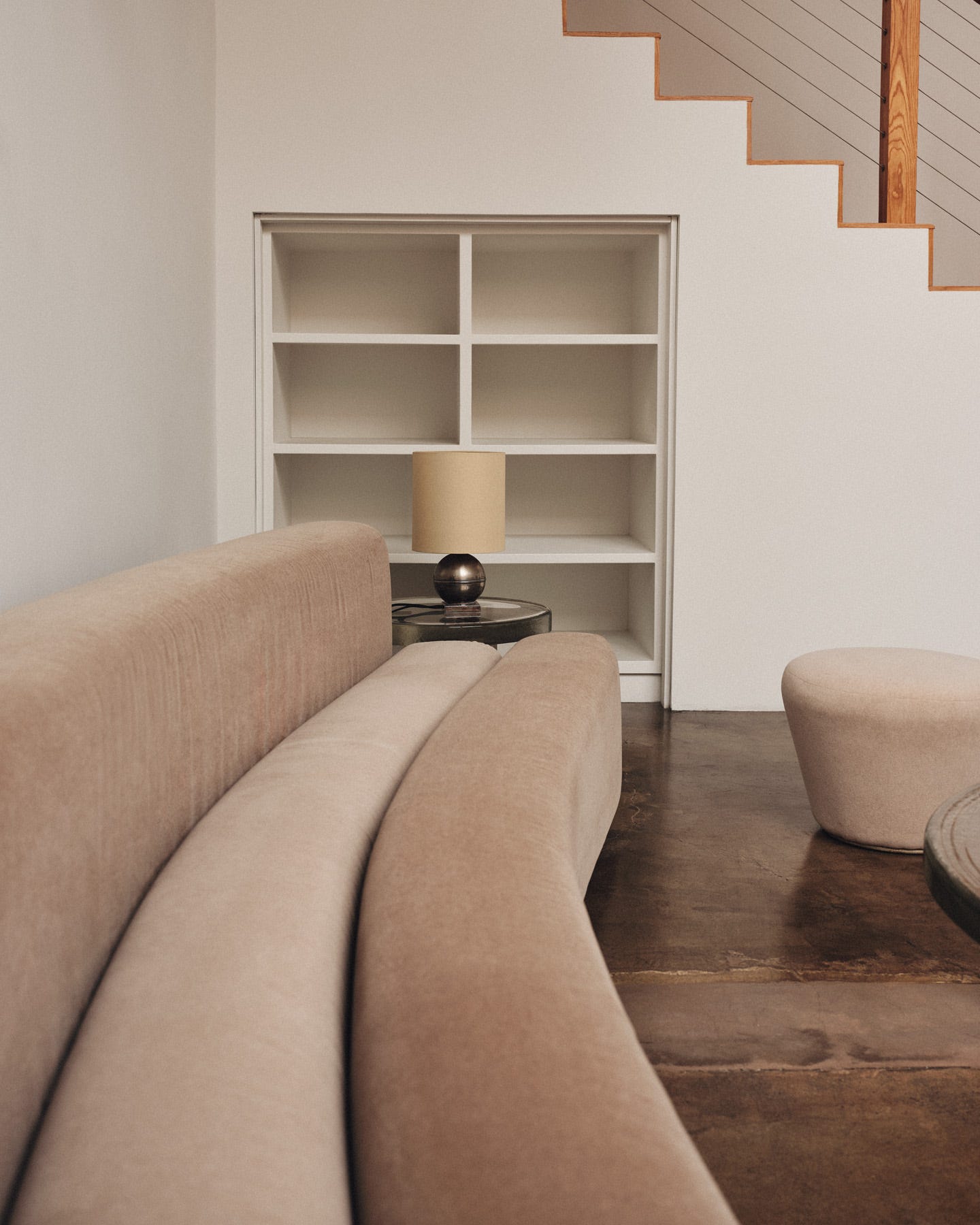
And finally, I like one thing in every room to be mildly inconvenient.
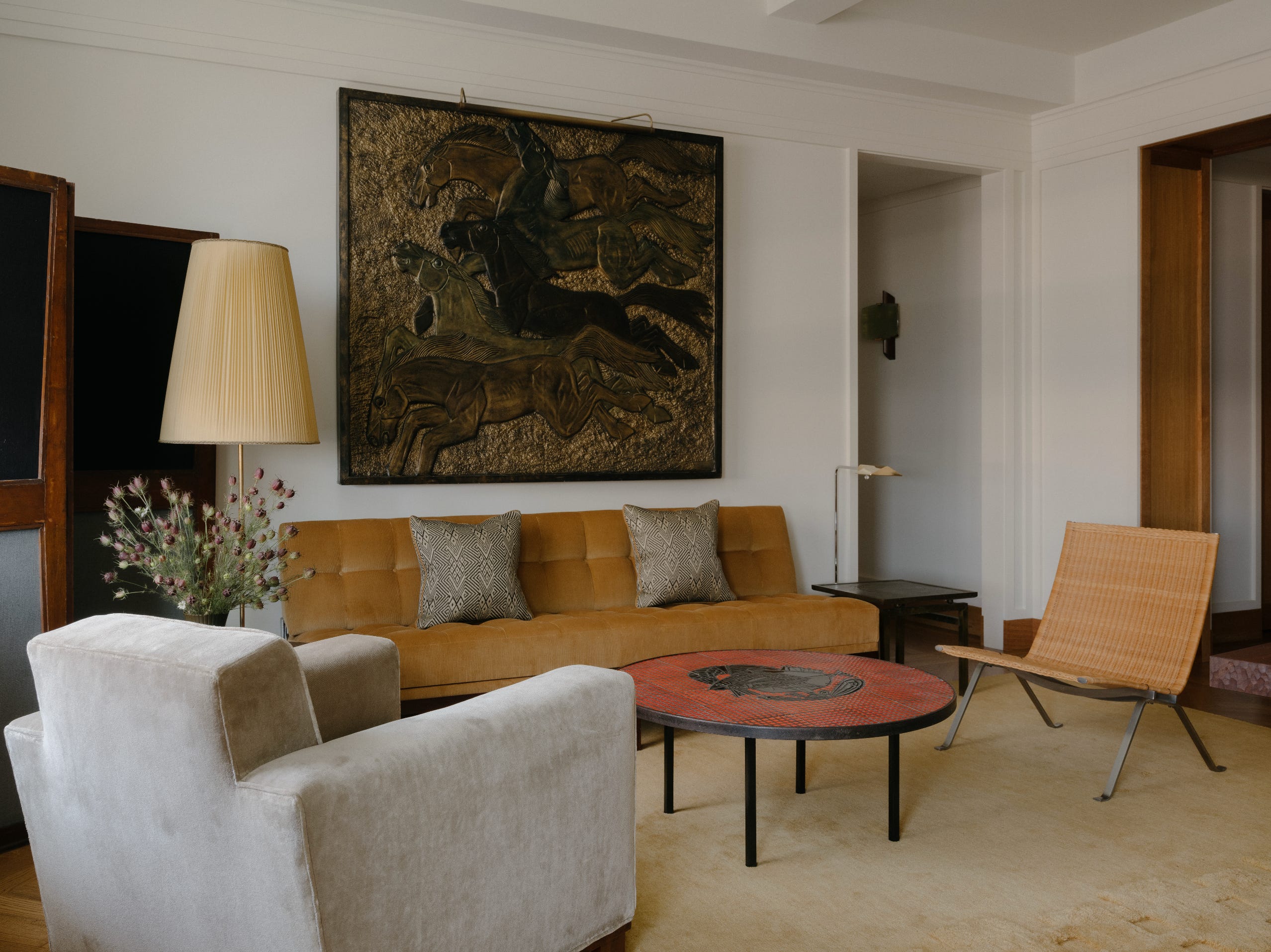
A stool that’s there because it’s beautiful. A sculpture where a side table could go. A giant branch occupying valuable square footage.
Not enough inconvenience to ruin your day.
Just enough to suggest that beauty occasionally won the argument.
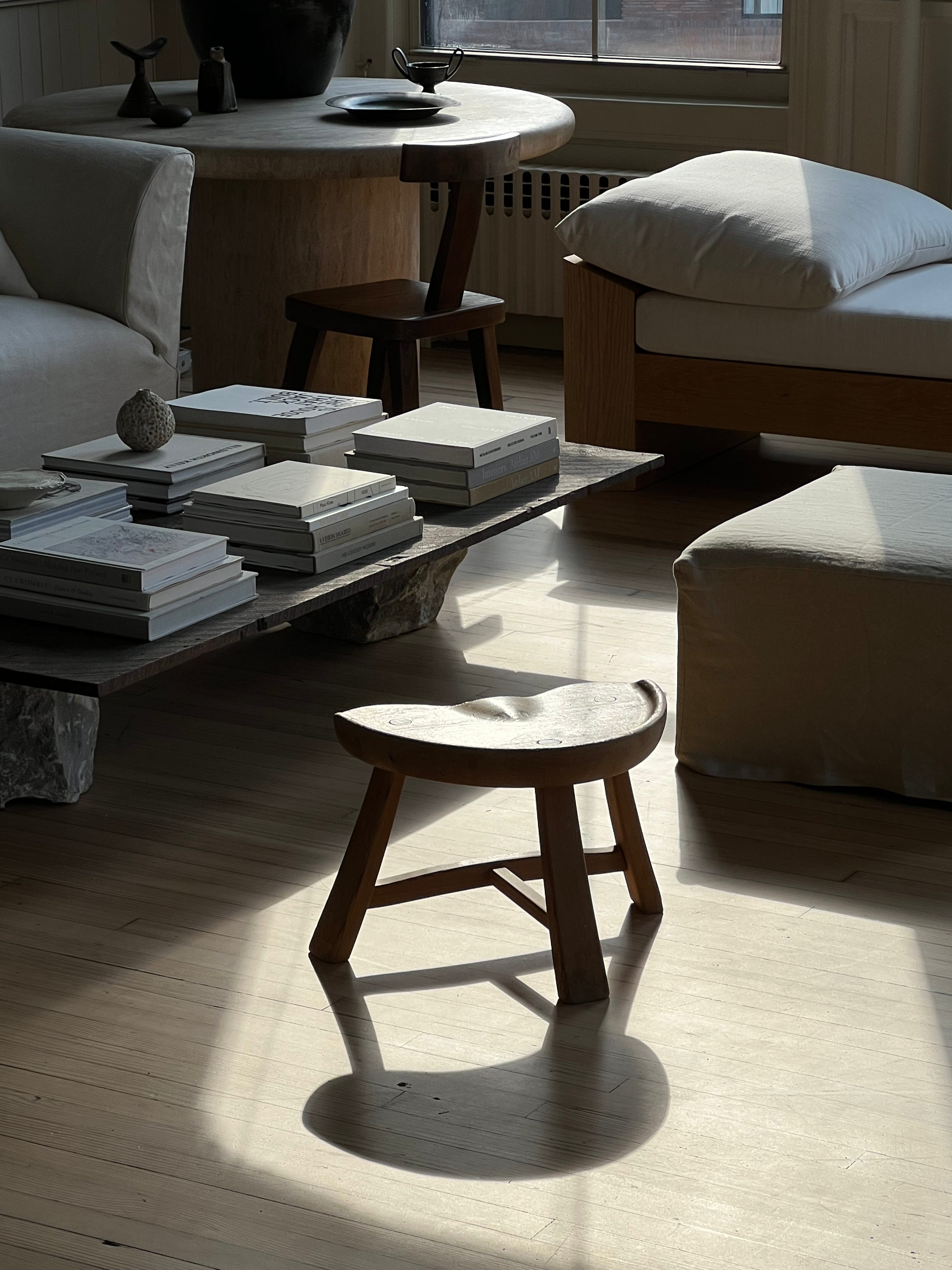
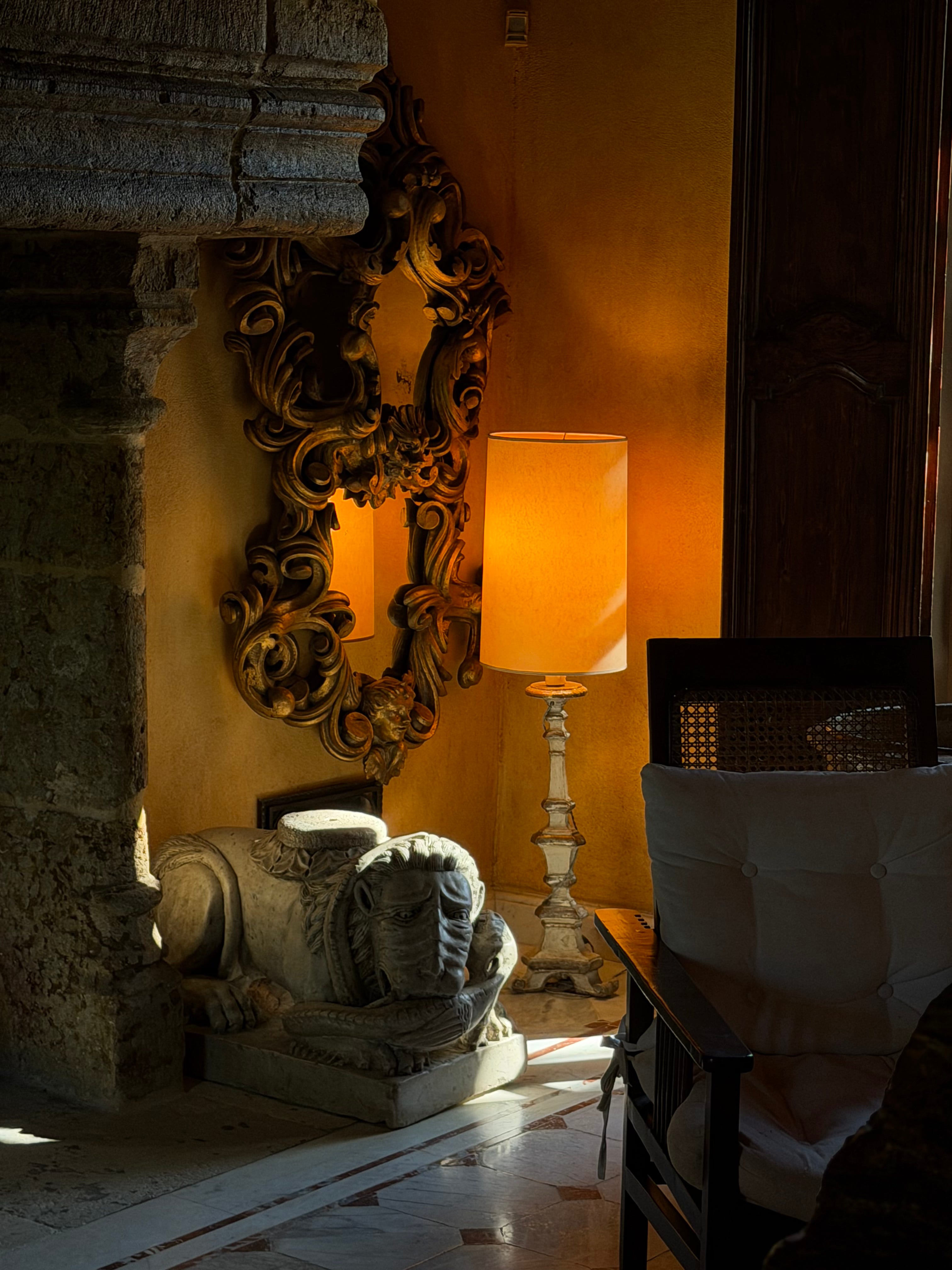
I’ve come to realize that most of these habits have very little to do with decoration. They’re really small acts of acknowledgment. The textile acknowledges the object. The pitcher acknowledges the guest. The lamp acknowledges the room. The chair acknowledges the life being lived there. Even the empty surface acknowledges something important: that not every corner needs to contribute.
Sometimes the most generous thing a room can offer is relief.
None of these gestures are expensive. Most are barely noticeable.
Which is exactly why they work.
The last layer rarely announces itself. It’s usually just a collection of small decisions that tell a room what matters.
And maybe that’s what my friend was seeing that day.
Not styling, exactly.
Just attention.
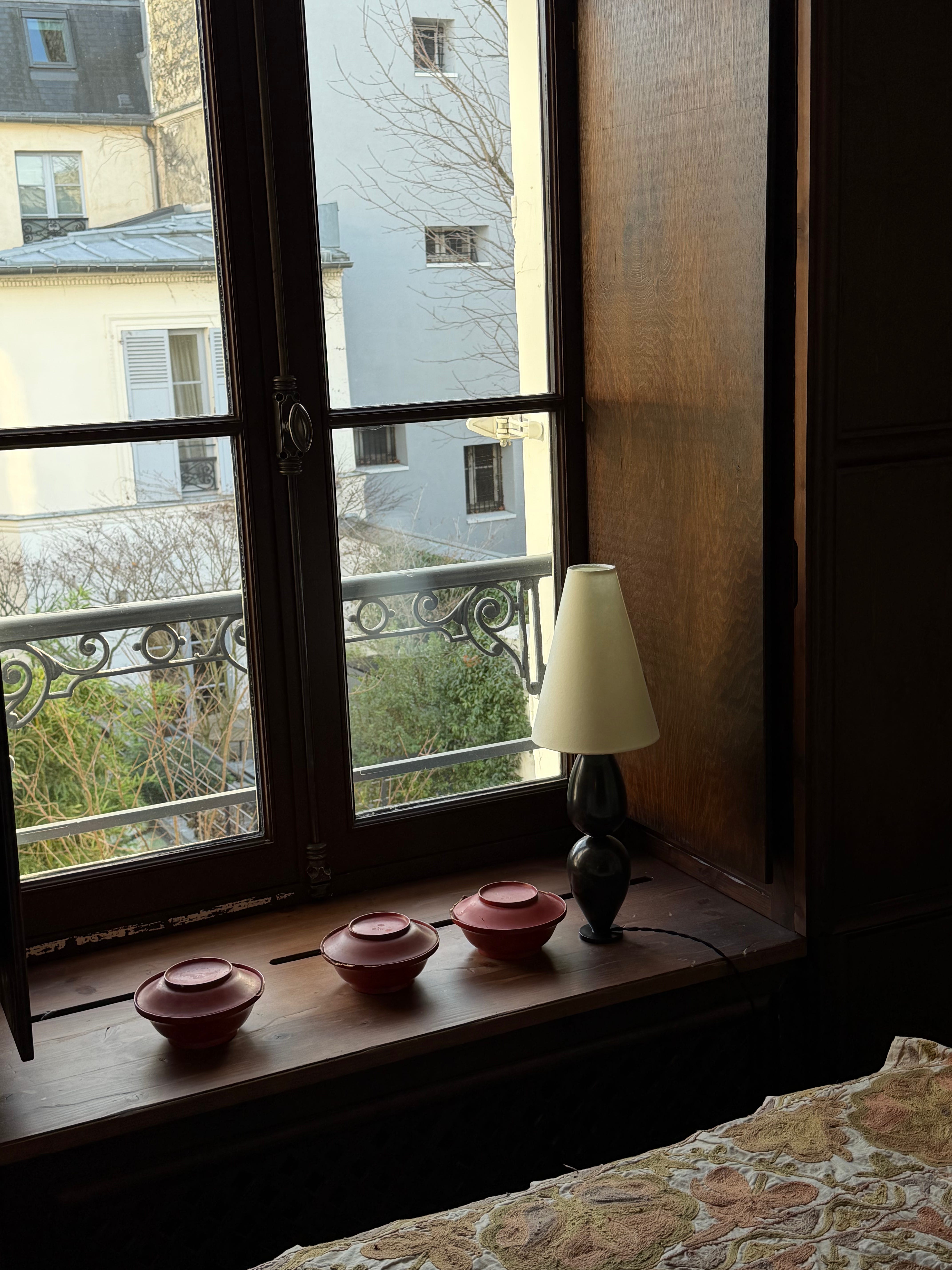
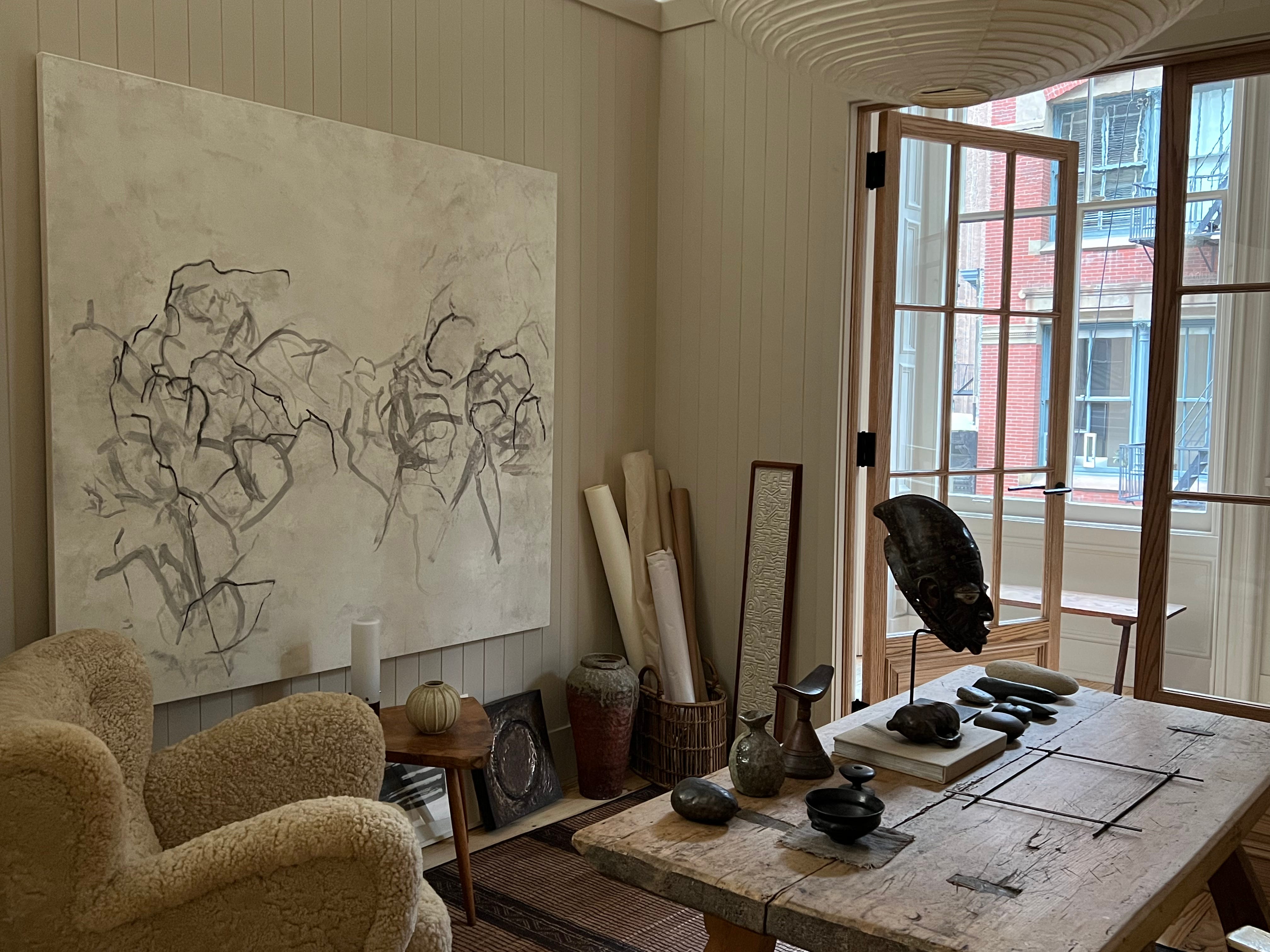
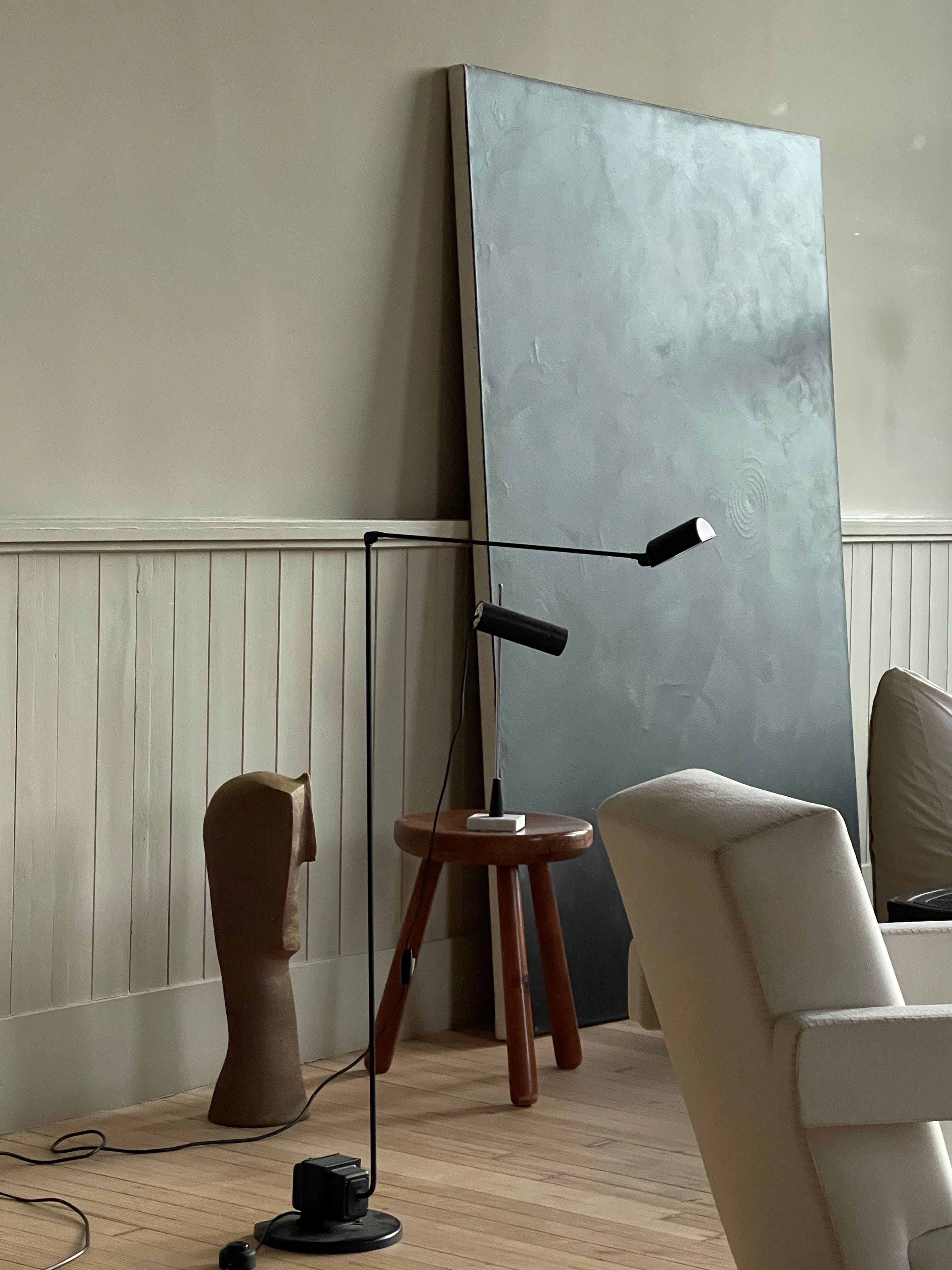
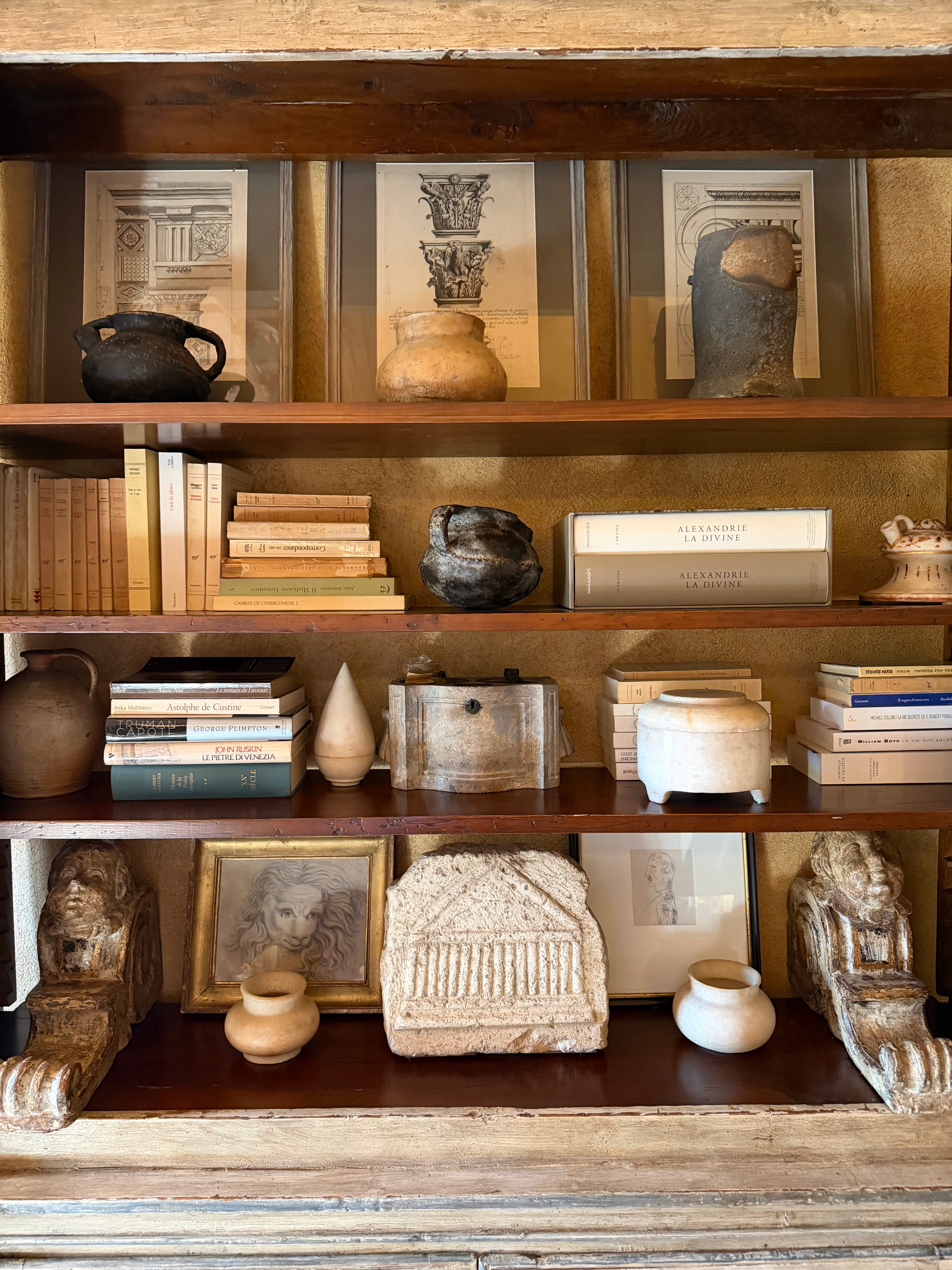
The accumulated effect of hundreds of tiny decisions made over time. A lamp moved six inches. A chair pulled slightly away from the table. A piece of fabric placed beneath an object because, for reasons that remain difficult to defend, it suddenly felt better there.
People often ask what makes a room feel finished.
I don’t think rooms ever really get finished.
I think they get noticed.
And then noticed again.
The homes I remember most aren’t the ones with the best furniture or the most expensive objects. They’re the ones where it felt like someone had been paying attention for a very long time.
A room feels alive when the people living in it have stopped asking, “What else do I need?”
And started asking, “What deserves a little more importance?”
That’s usually where the magic is.
And it’s almost always cheaper than another chair.
Love,
Colin

Somehow this is both ode and explanation. Reminds me of Mary Oliver's essay collection "Upstream," in which she writes that "attention is the beginning of devotion."
I don't know if you intended to pen something so emotionally resonant, but this radiates with meaning that extends to relationships of all types. The evidence of thought...the small, accumulated acts of noticing that add up to atmosphere. This put into words, and into practice with objects, something I've also been feeling. Thank you.