

Leave It There
Why movers, messes, and the wrong side of things often get it right first.

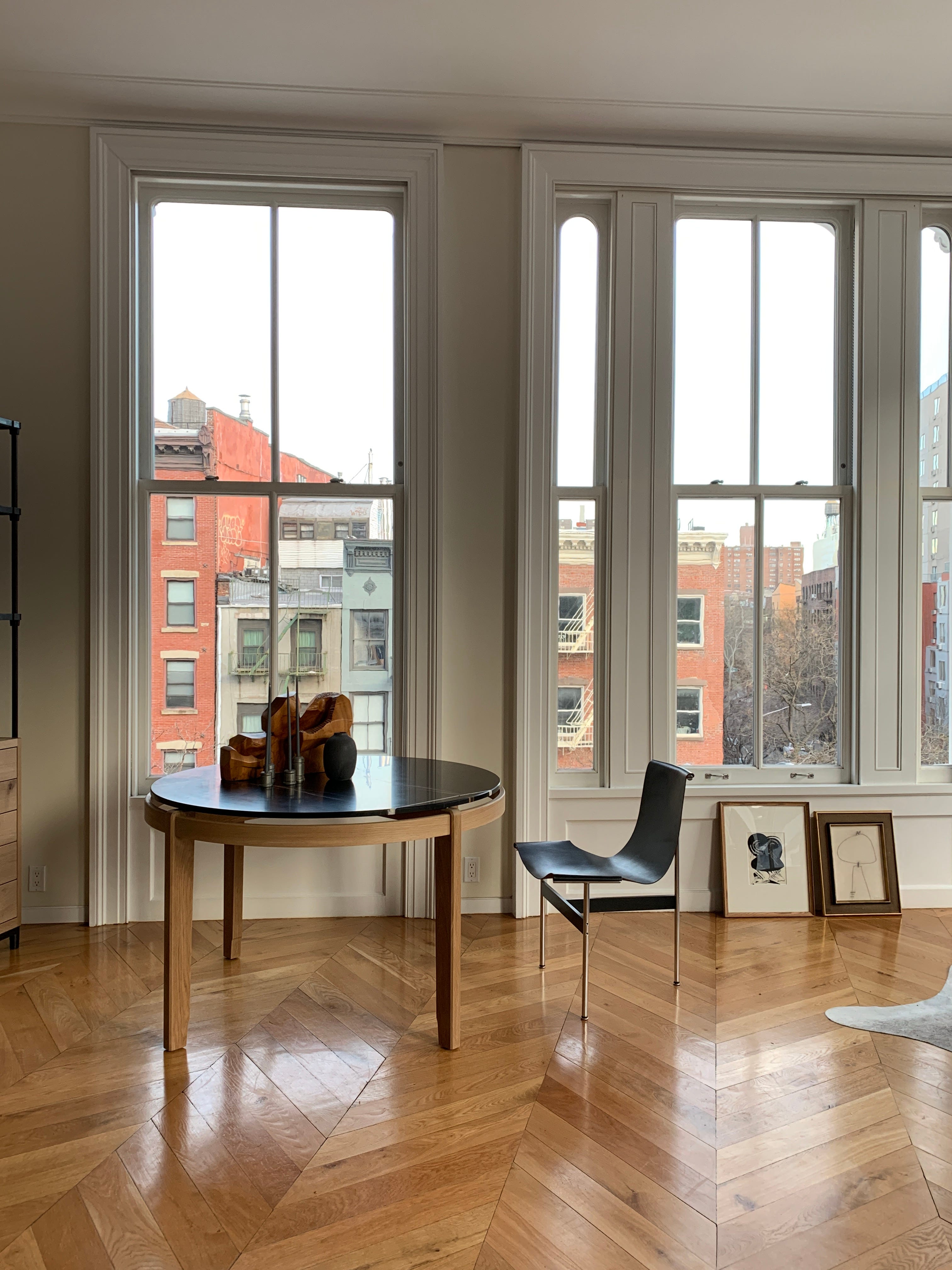
I used to think good styling came down to taste.
An eye. A point of view. The ability to recognize what works and quietly remove what doesn’t. Taste felt like something you acquired over time. You looked long enough, absorbed enough, and eventually you spoke the language fluently.
Now I think taste is the least interesting part of the job. Taste tells you what you like. It does not tell you what to do with it. That part requires nerve.
Nerve is what shows up right after you place something down and right before you decide to fix it. It’s the moment when the room goes quiet and your hand twitches. When you feel the urge to adjust, clarify, center, straighten, or explain. When you convince yourself you’re being thoughtful, when really you’re just nervous.
I didn’t always realize how much nerve styling asks for until I lost mine.
There was a stretch where I second-guessed almost everything. Not because I didn’t have opinions, but because I didn’t trust them. I had spent enough time thinking about how things might read, how they might be received, that my own instincts started to feel unreliable. Like they needed a second opinion.
Taste was still there. Confidence was not.
That’s when styling becomes exhausting. You move things constantly, not out of curiosity but out of anxiety. Nothing settles because you won’t let it. Every decision feels provisional. You’re not arranging objects anymore. You’re hovering over them, waiting for reassurance.
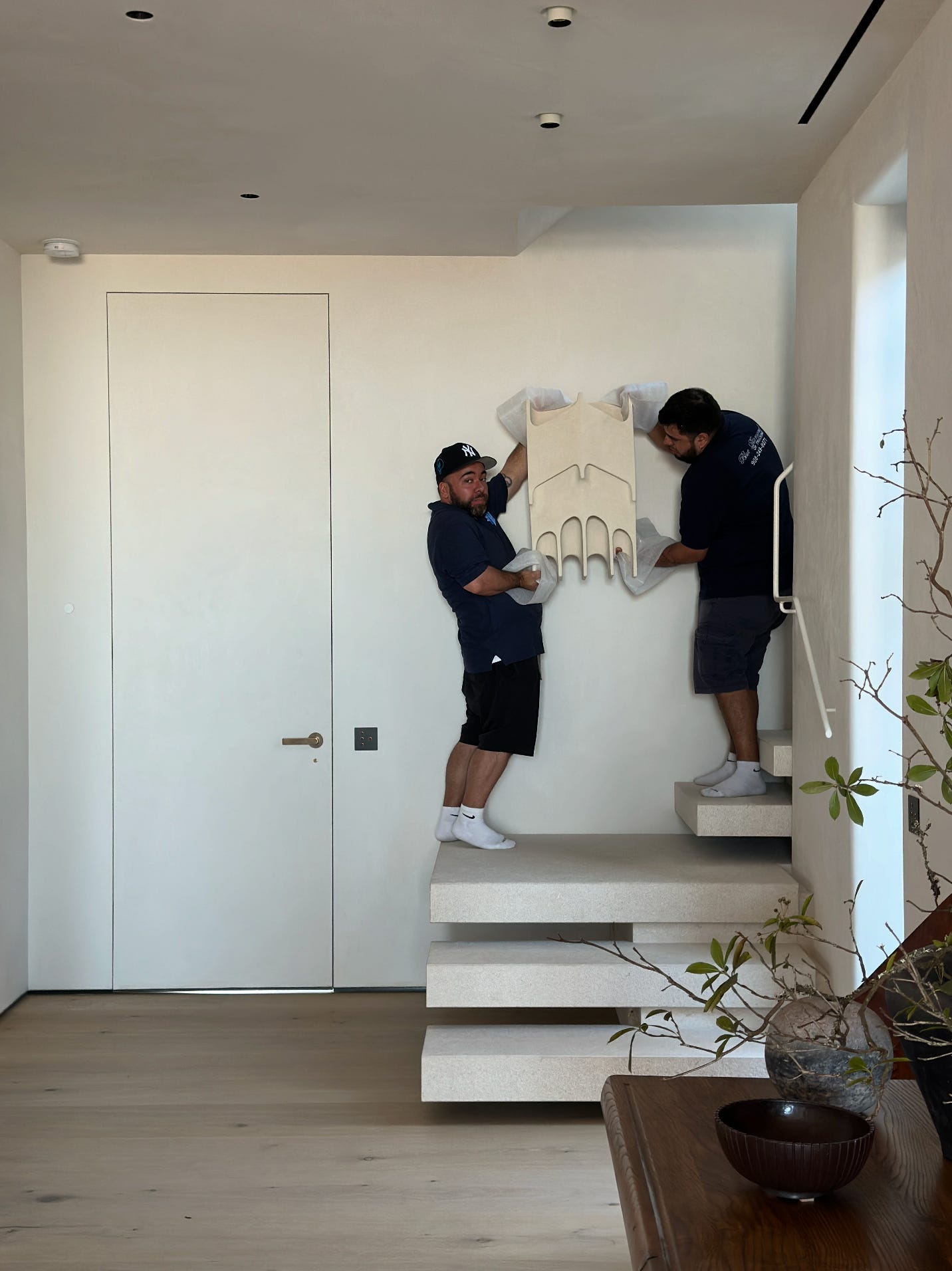
Some of the best compositions I’ve ever seen happened when no one was hovering at all. I once watched a crew of movers relocate a group of objects from one surface to another. No plan. No hierarchy. No preciousness. One piece angled slightly wrong. Another too close to the edge. A third turned just enough to feel accidental.
It was perfect.
Not styled. Just placed. And in that placement was a kind of clarity I couldn’t have manufactured if I tried. No second-guessing. No backtracking. No one standing there asking if it “worked.”
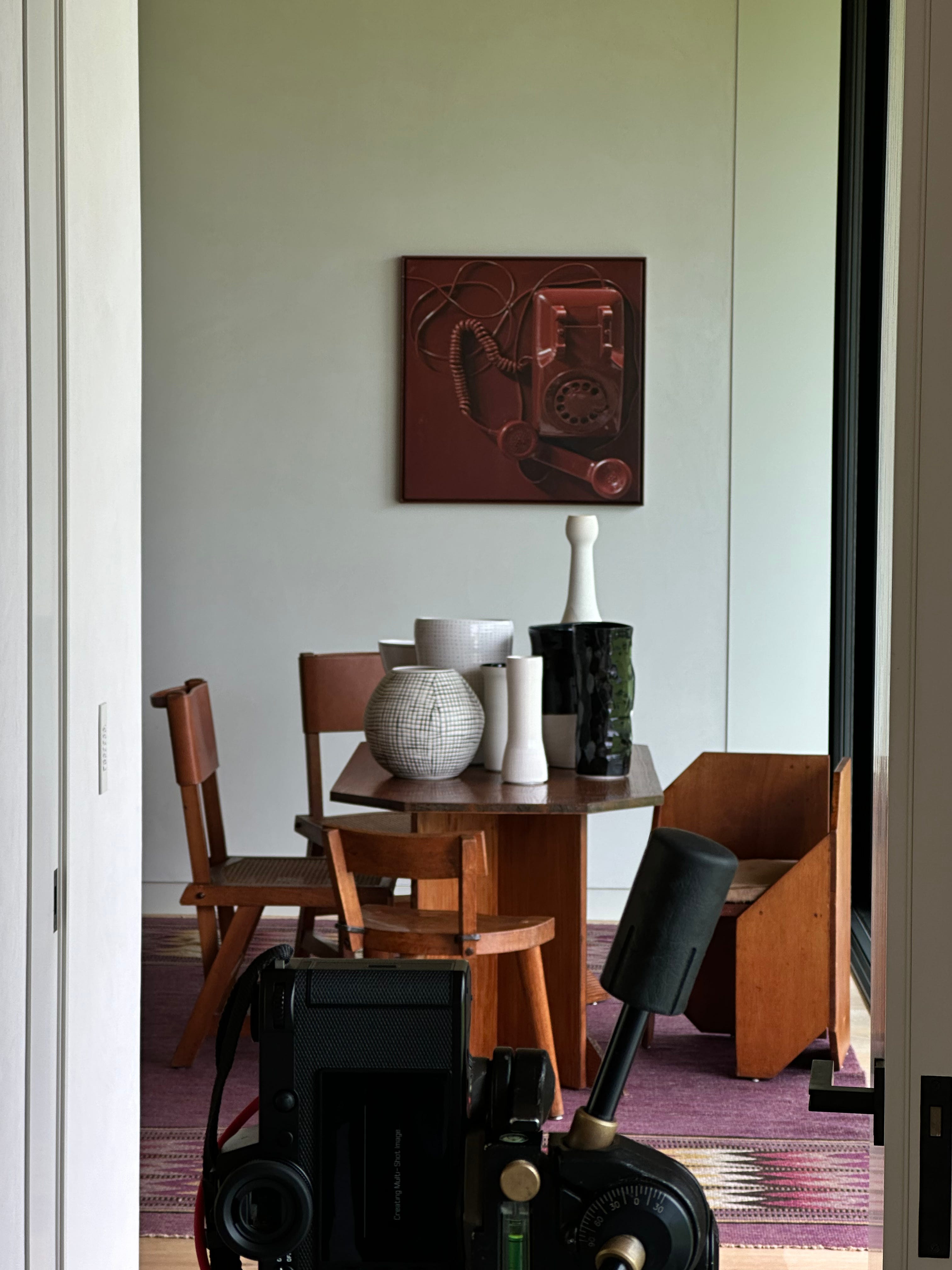
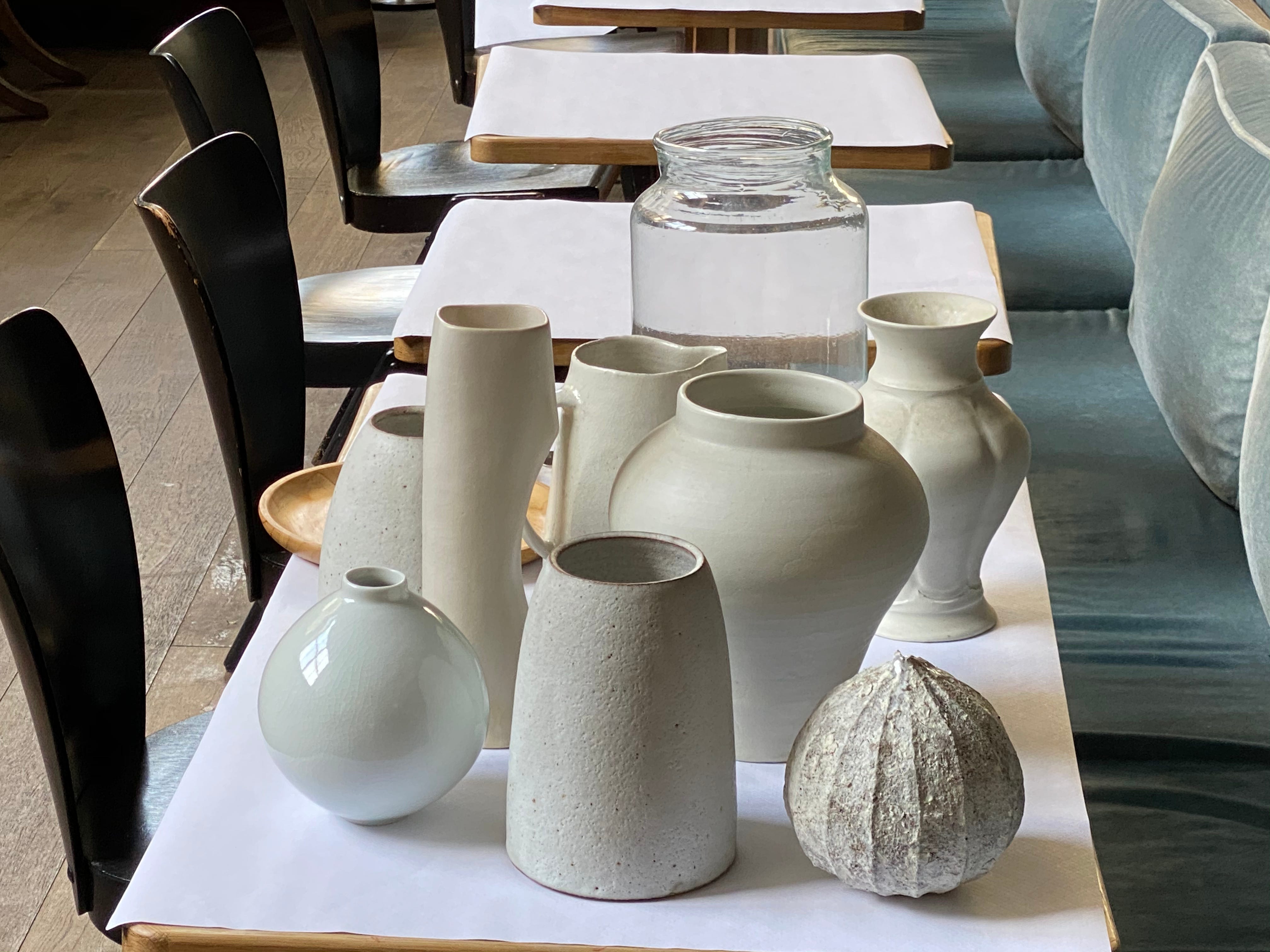
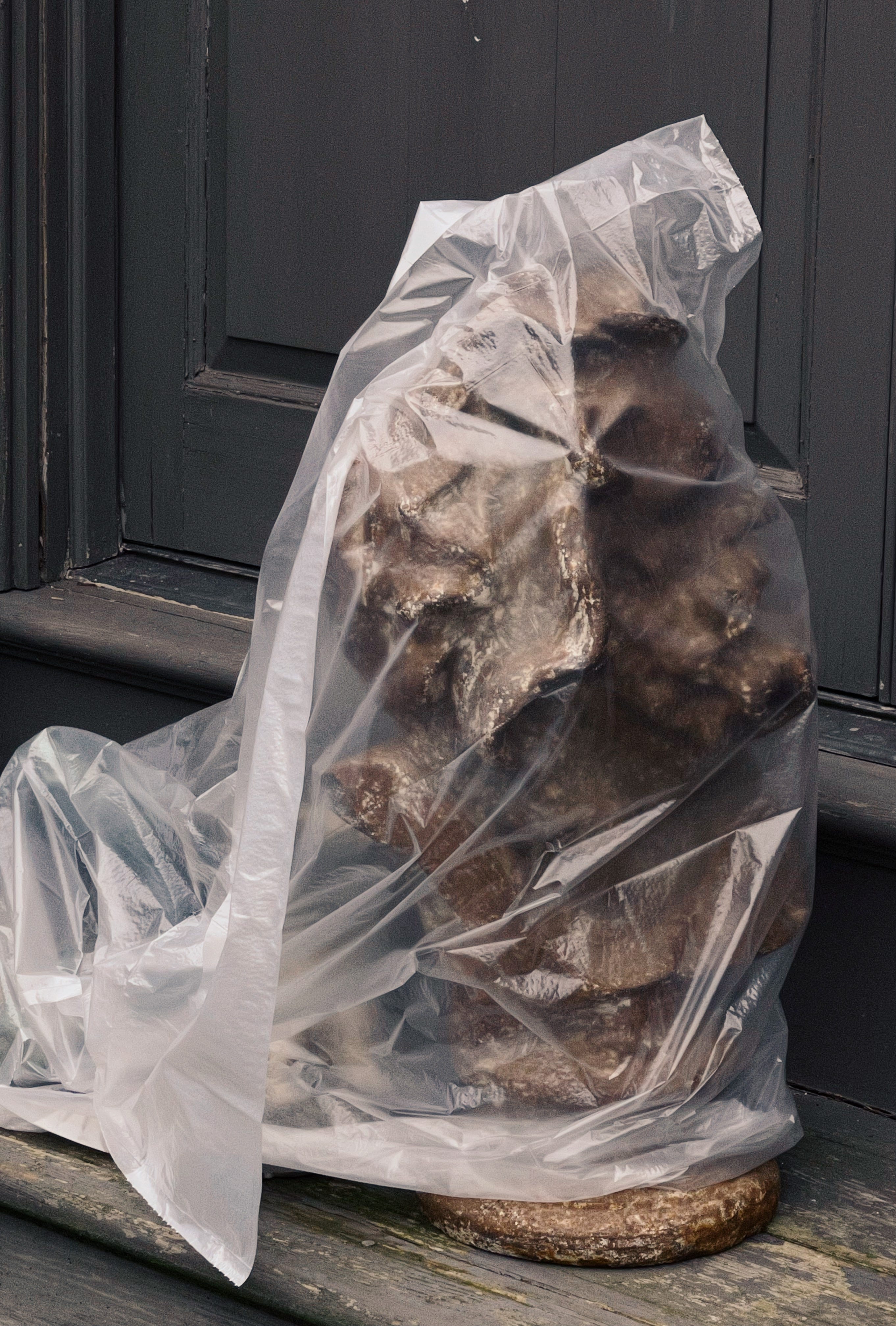
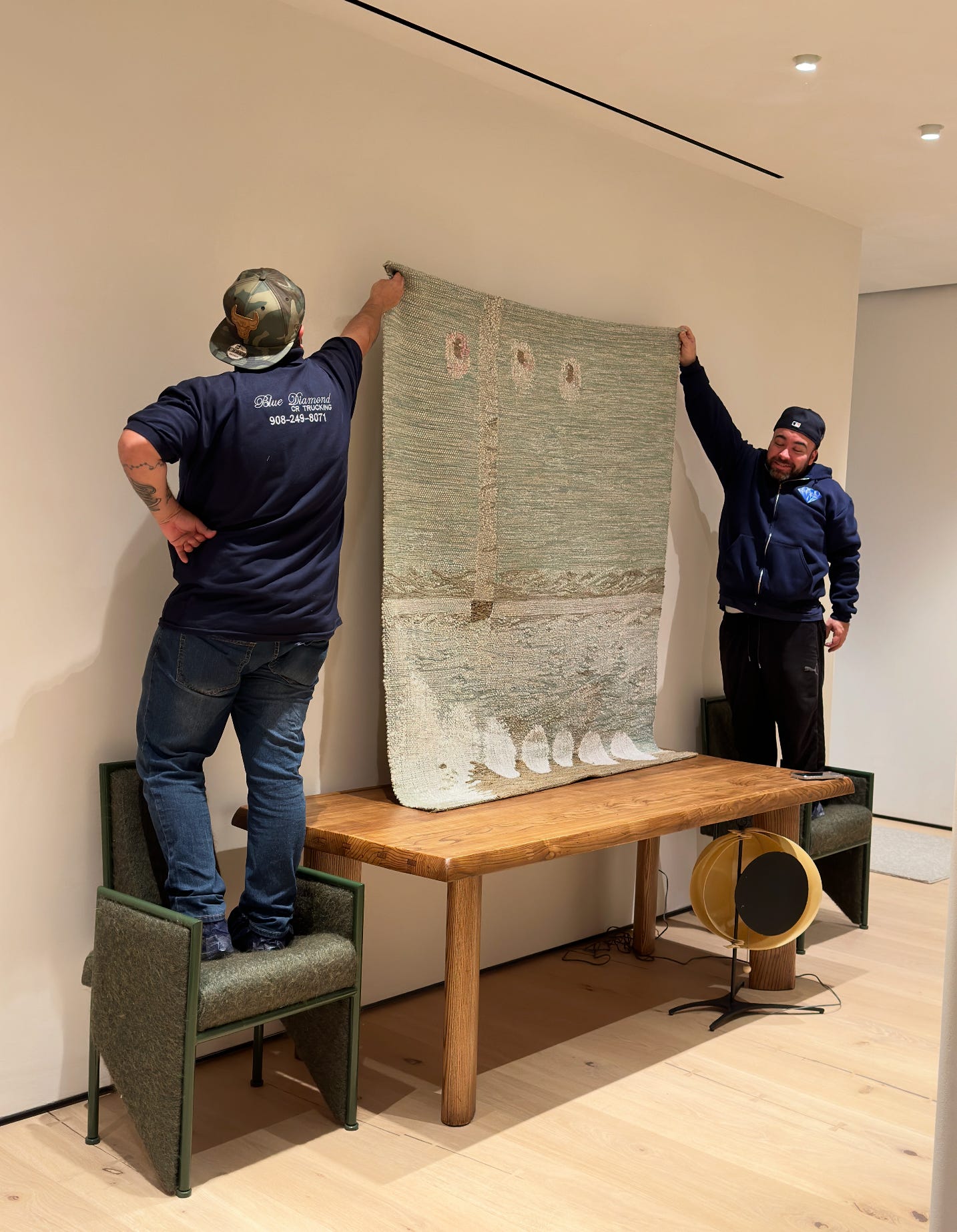
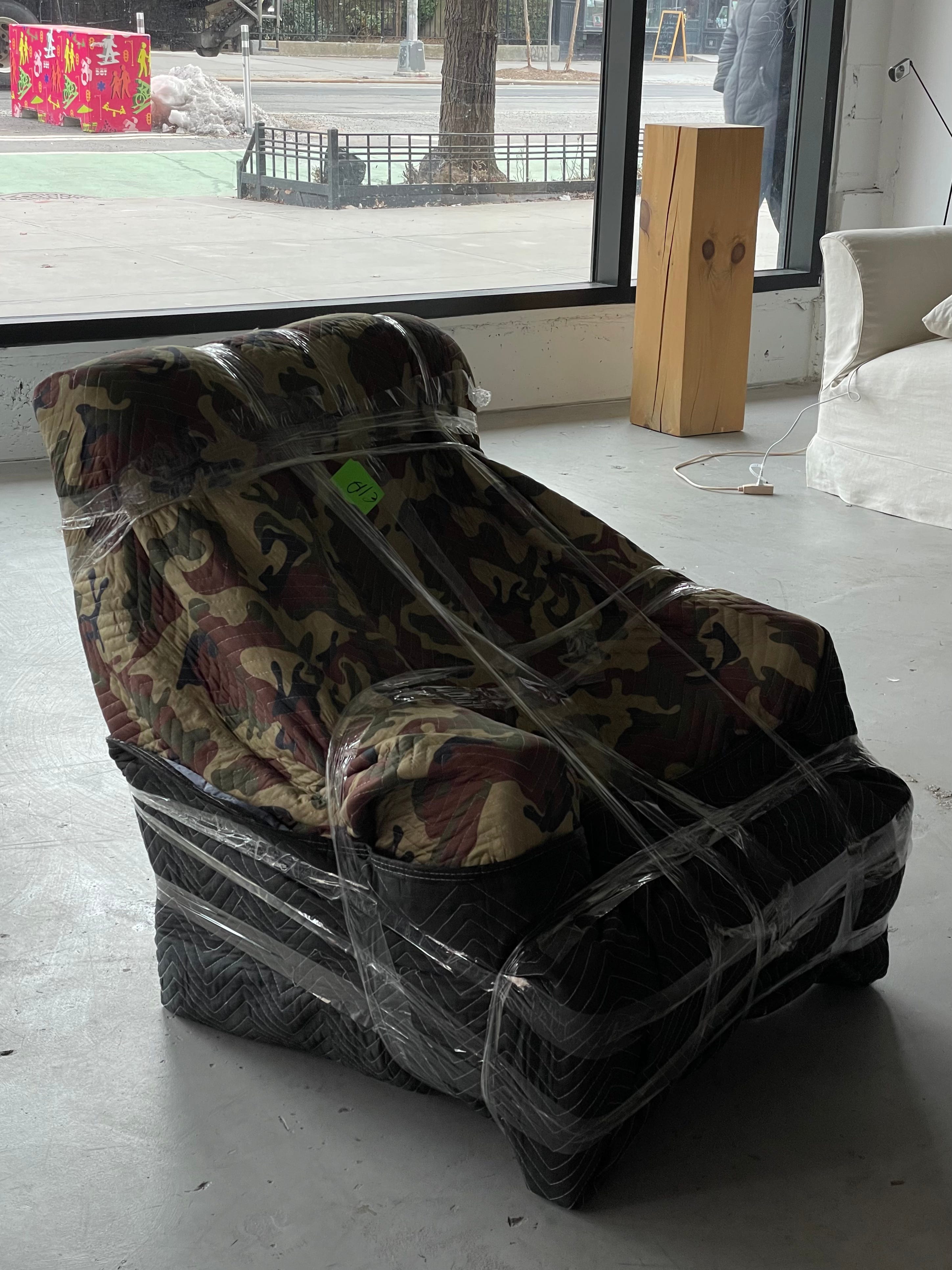
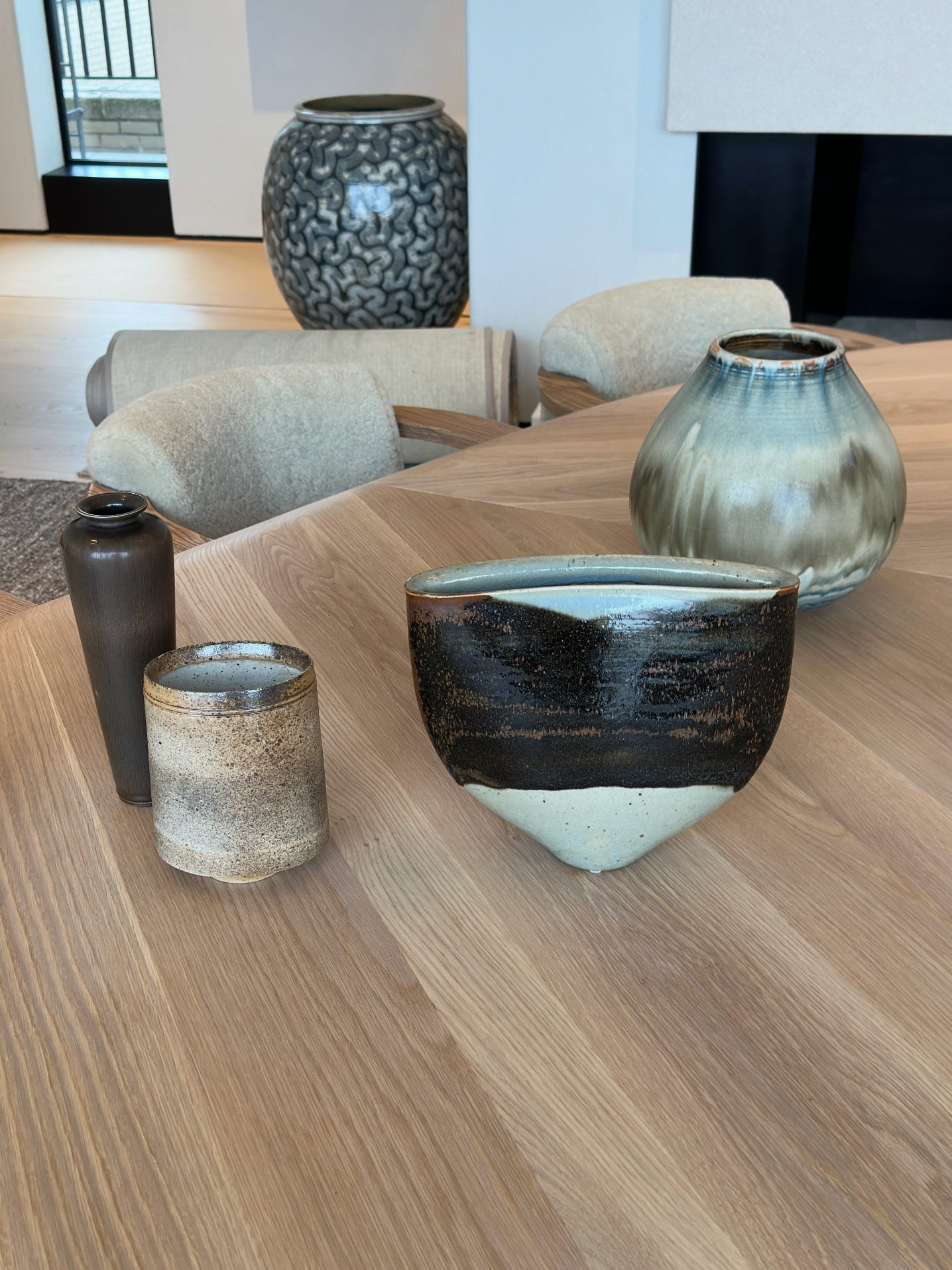
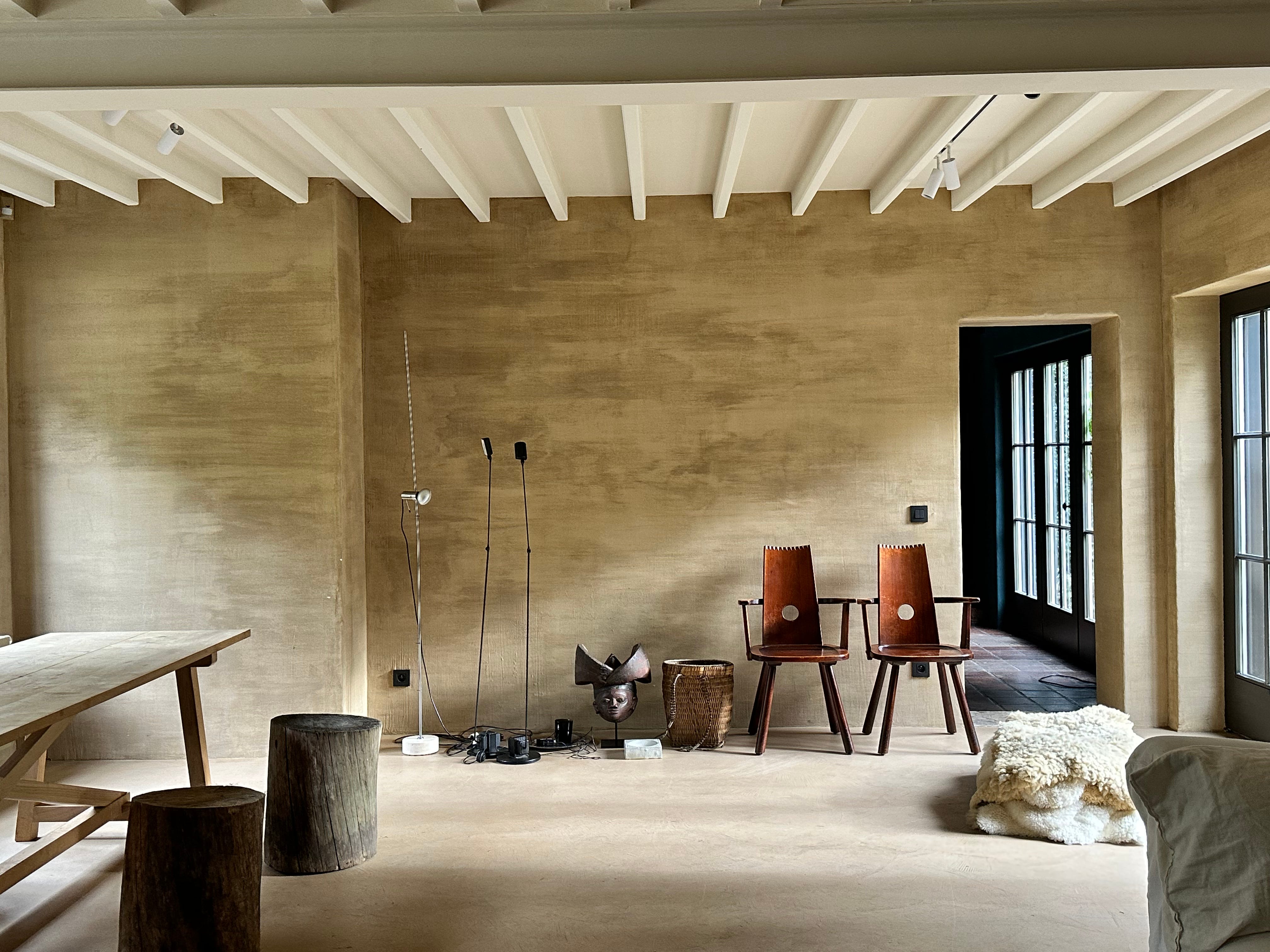
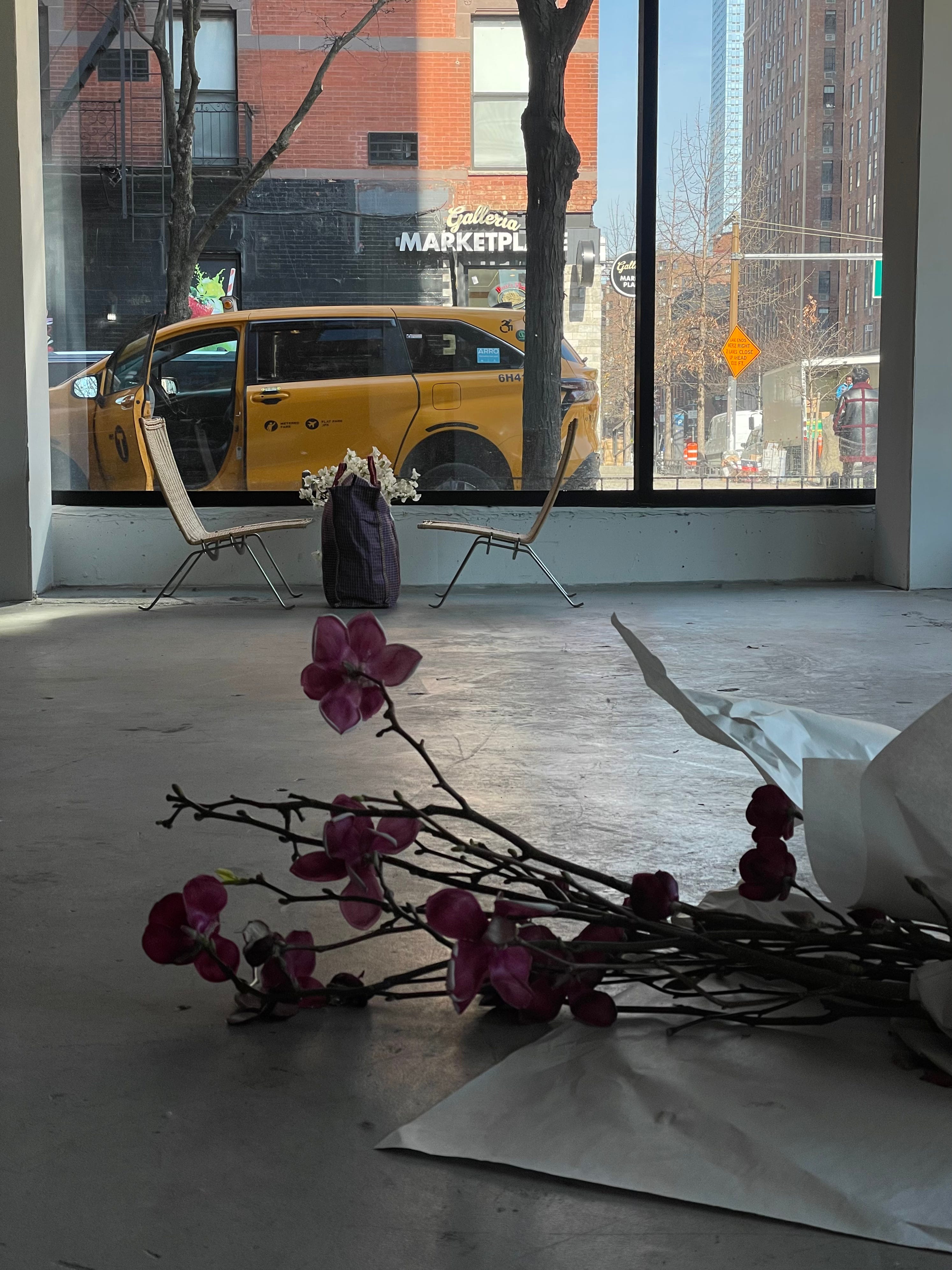
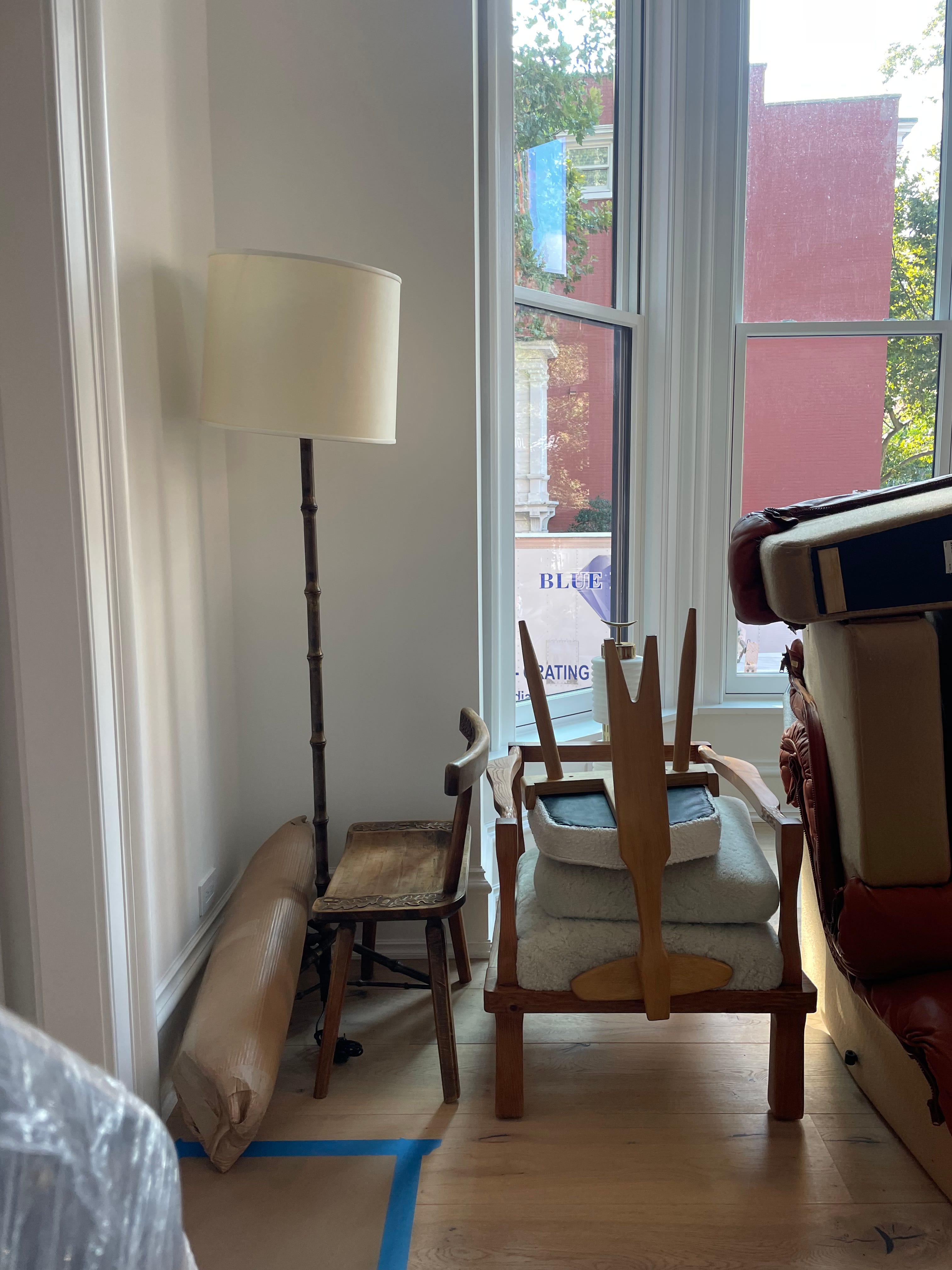
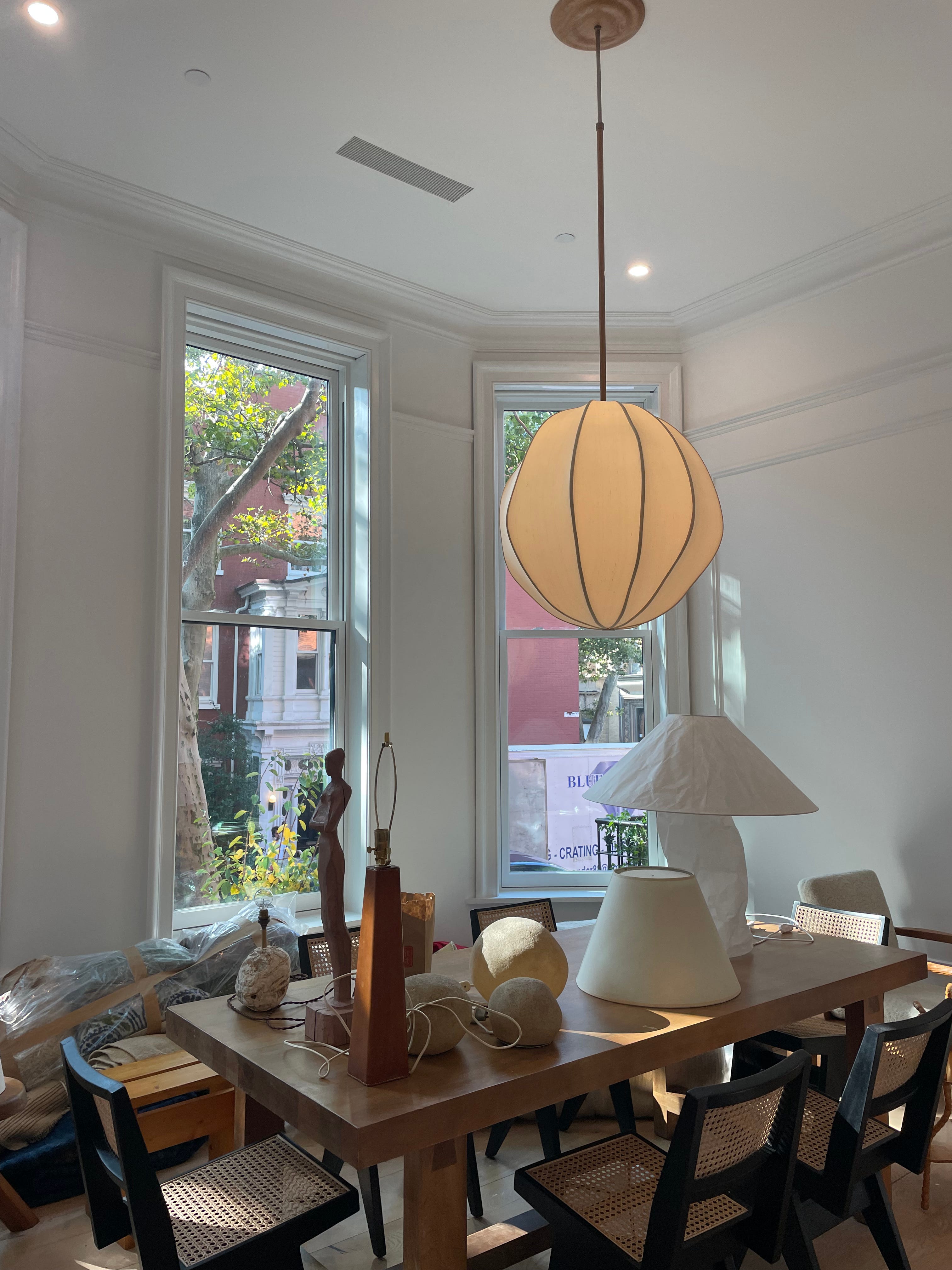
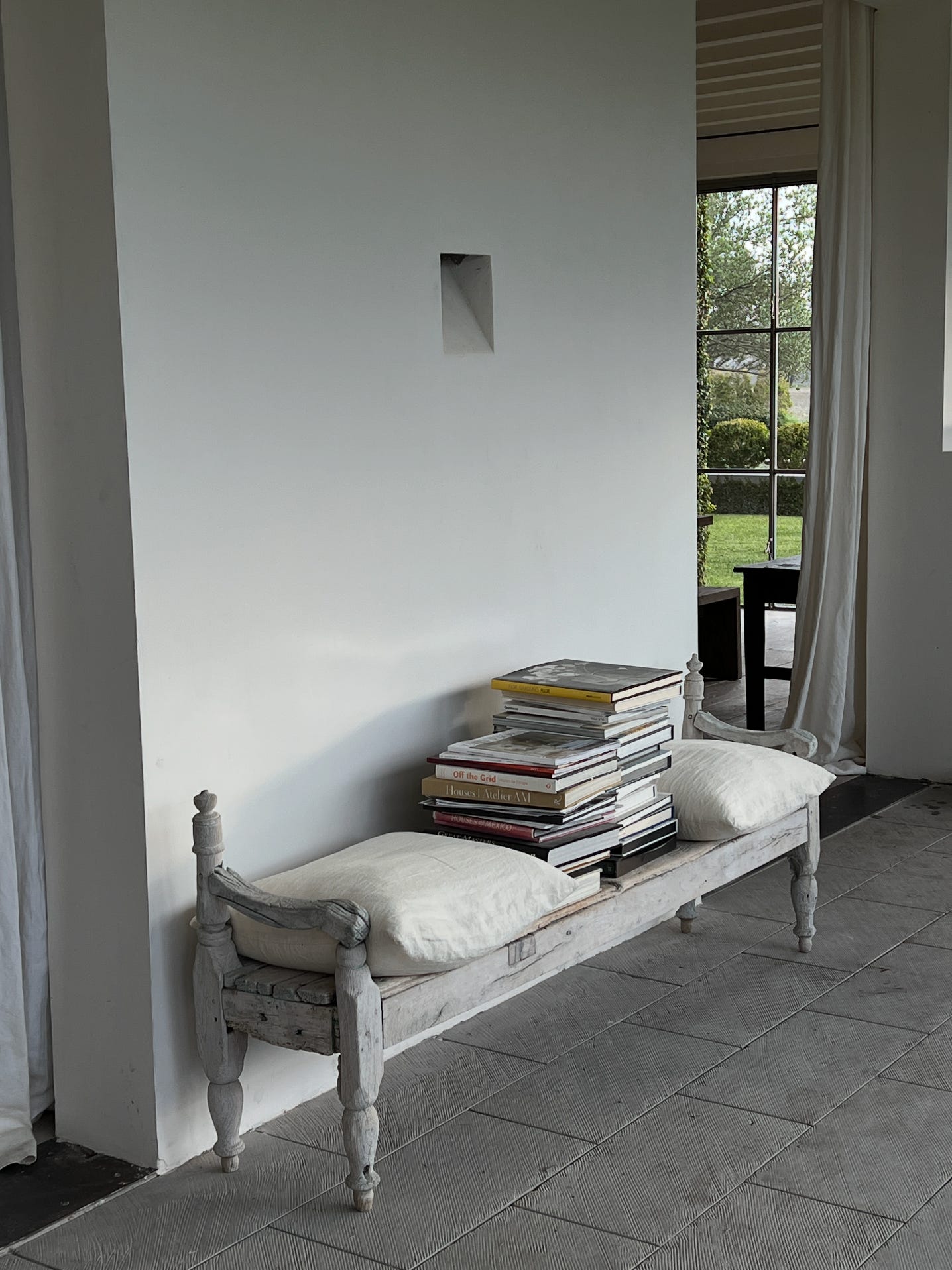
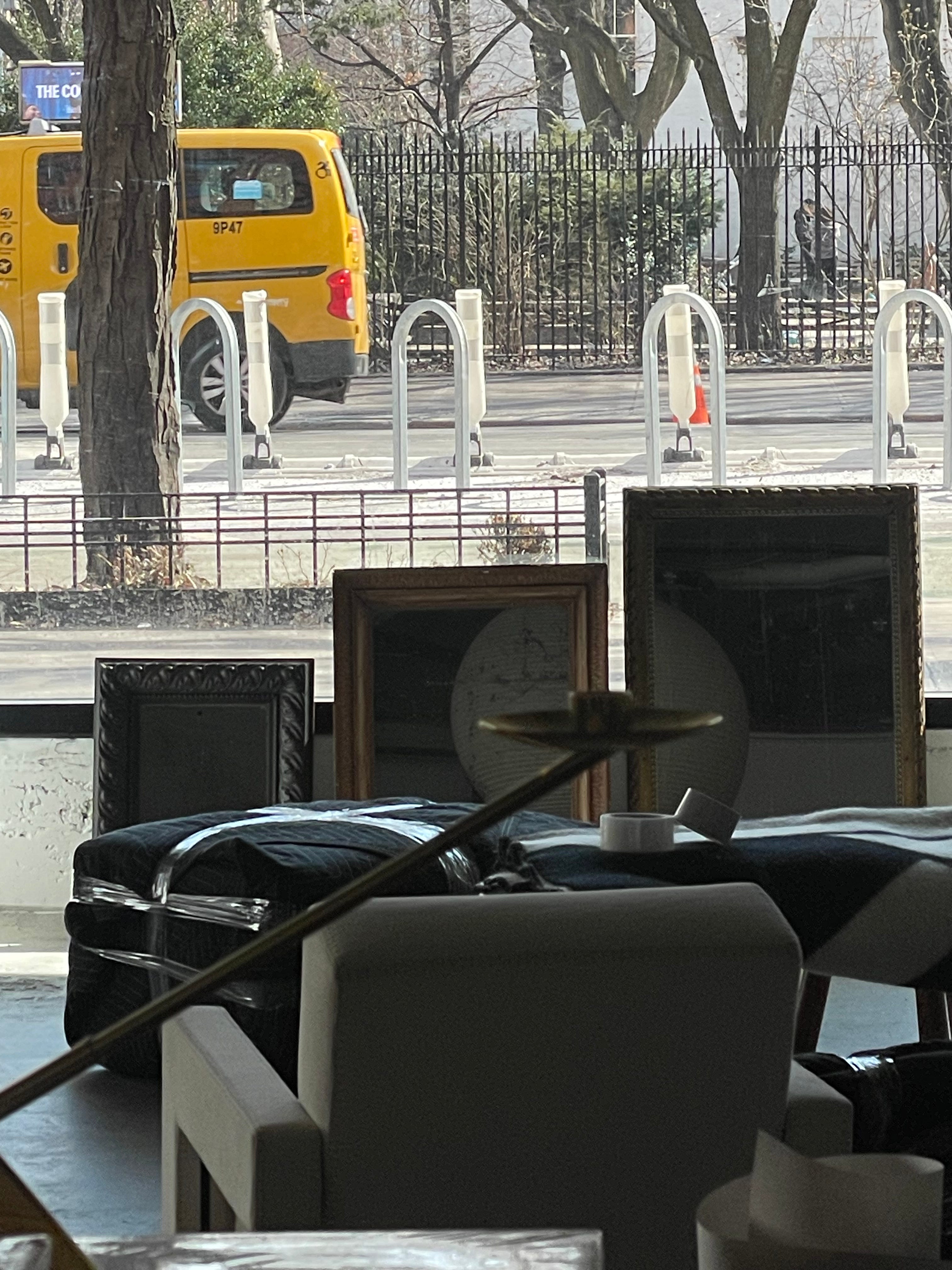
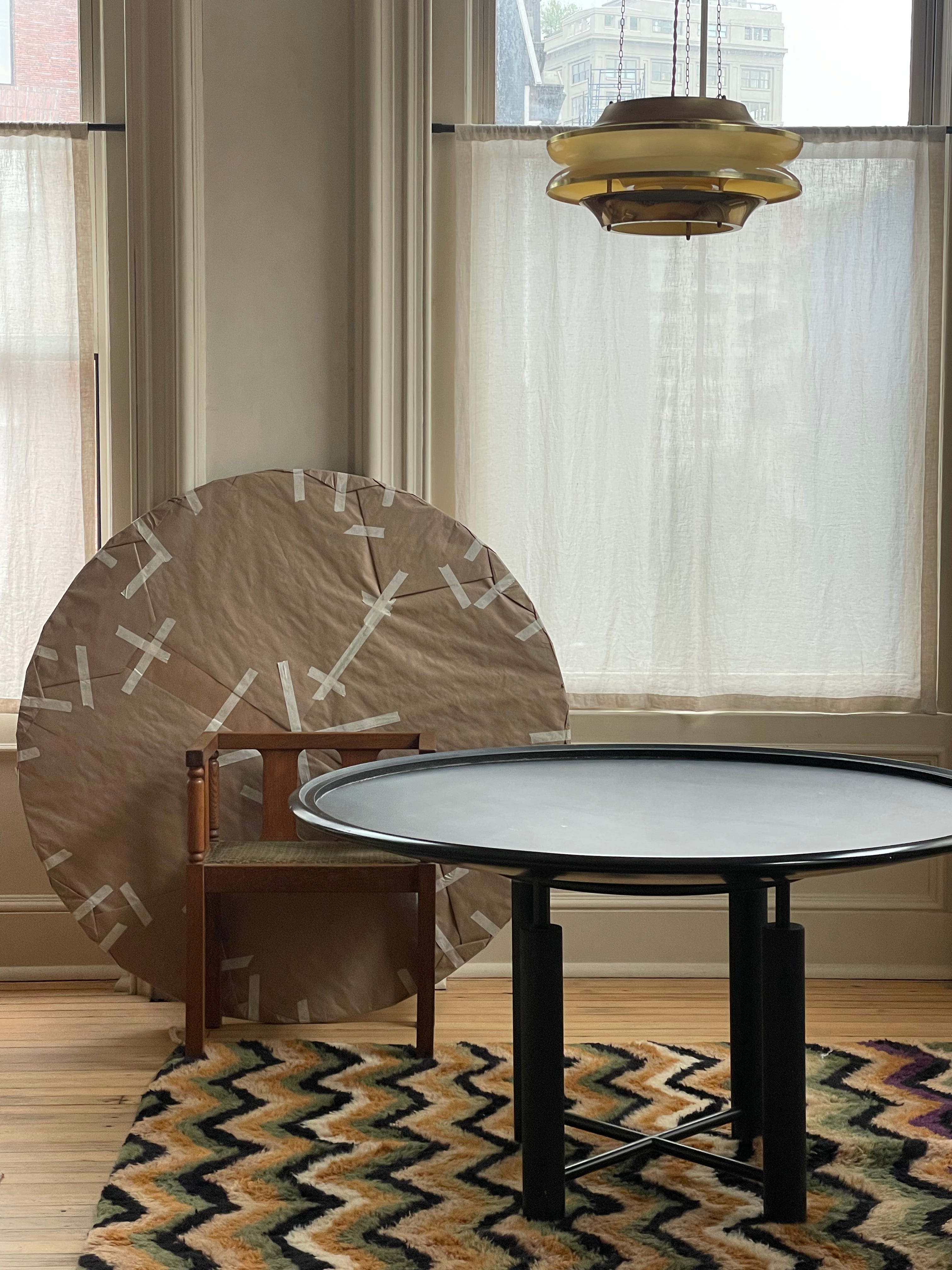
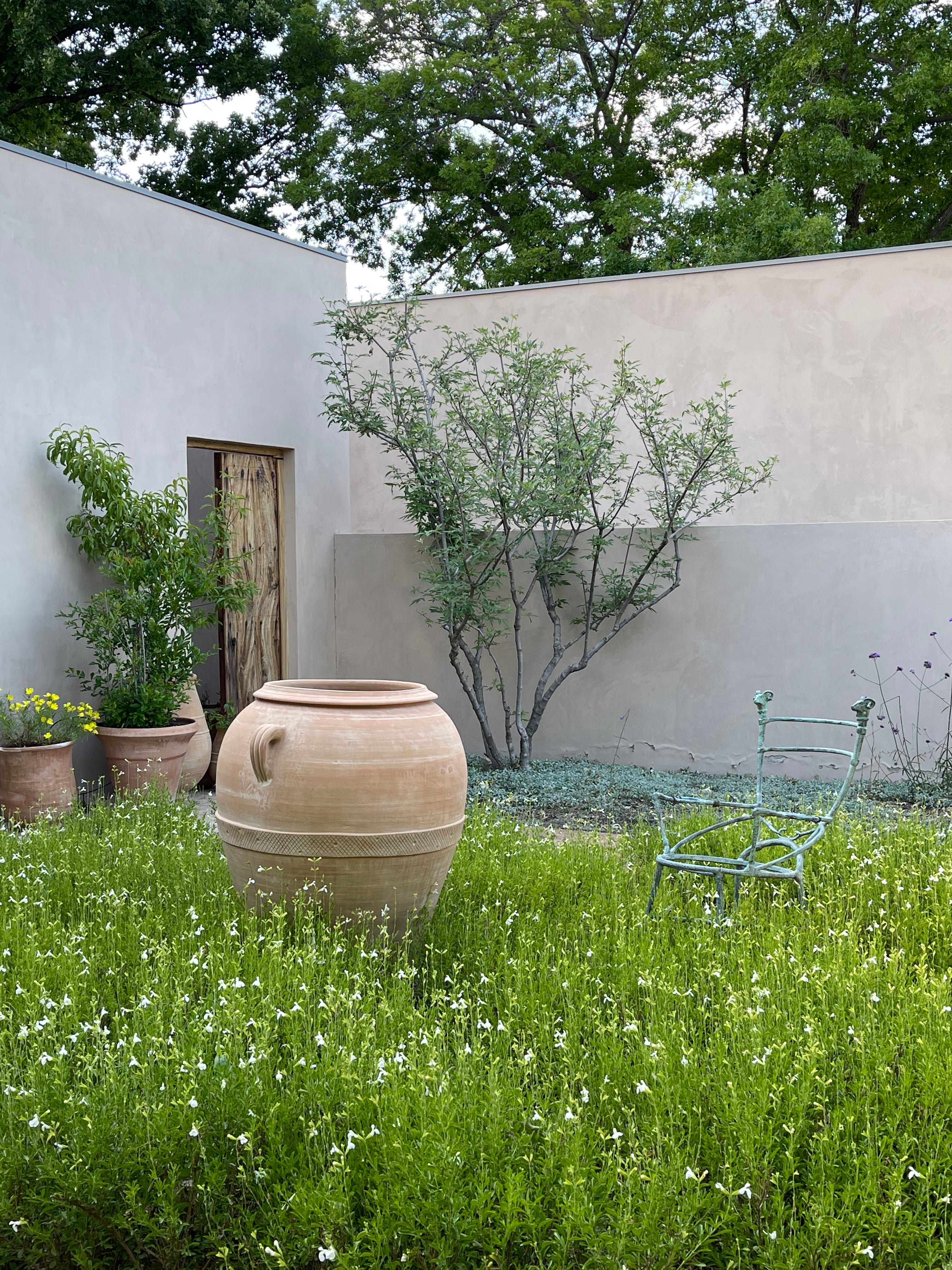
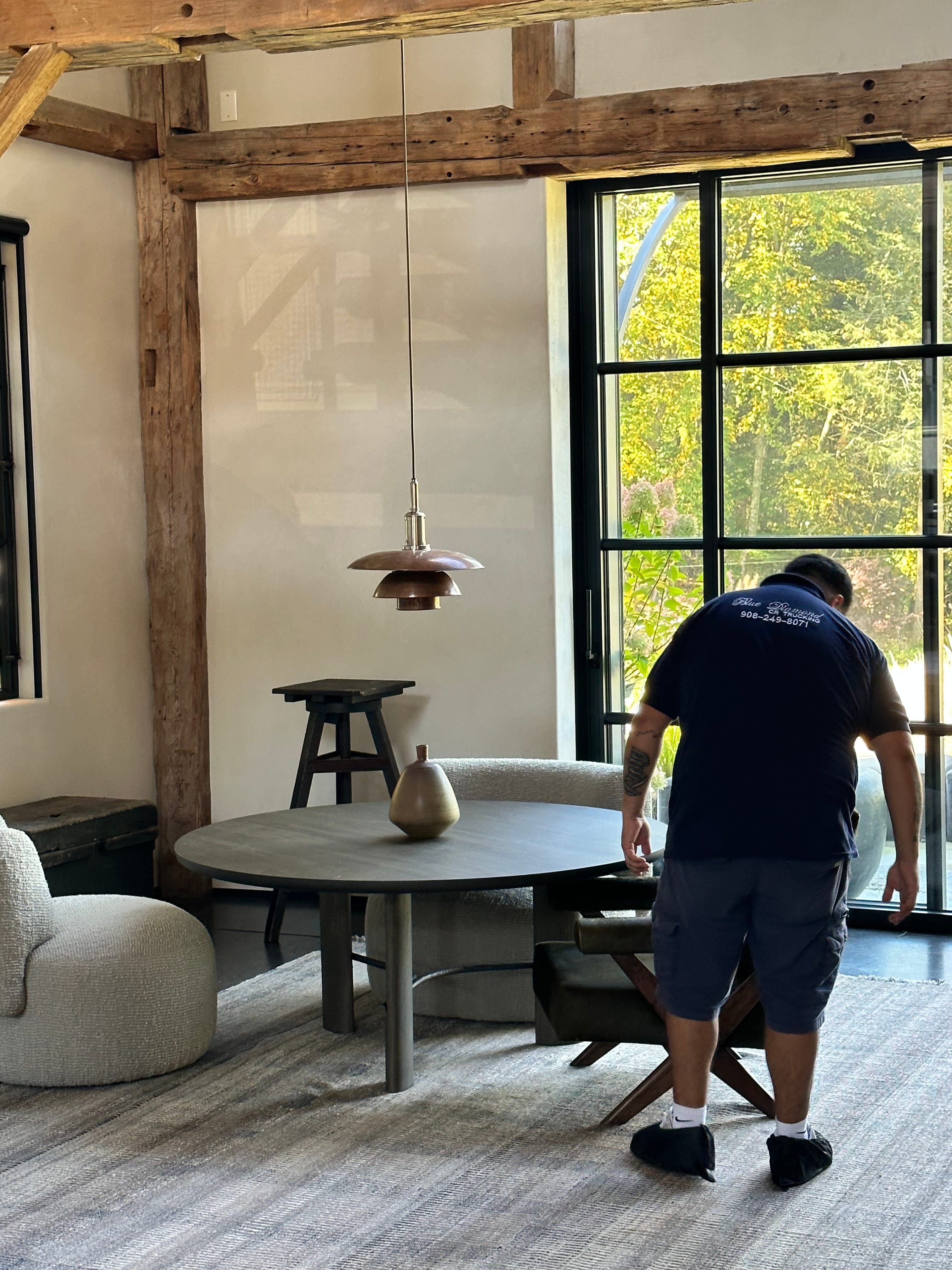
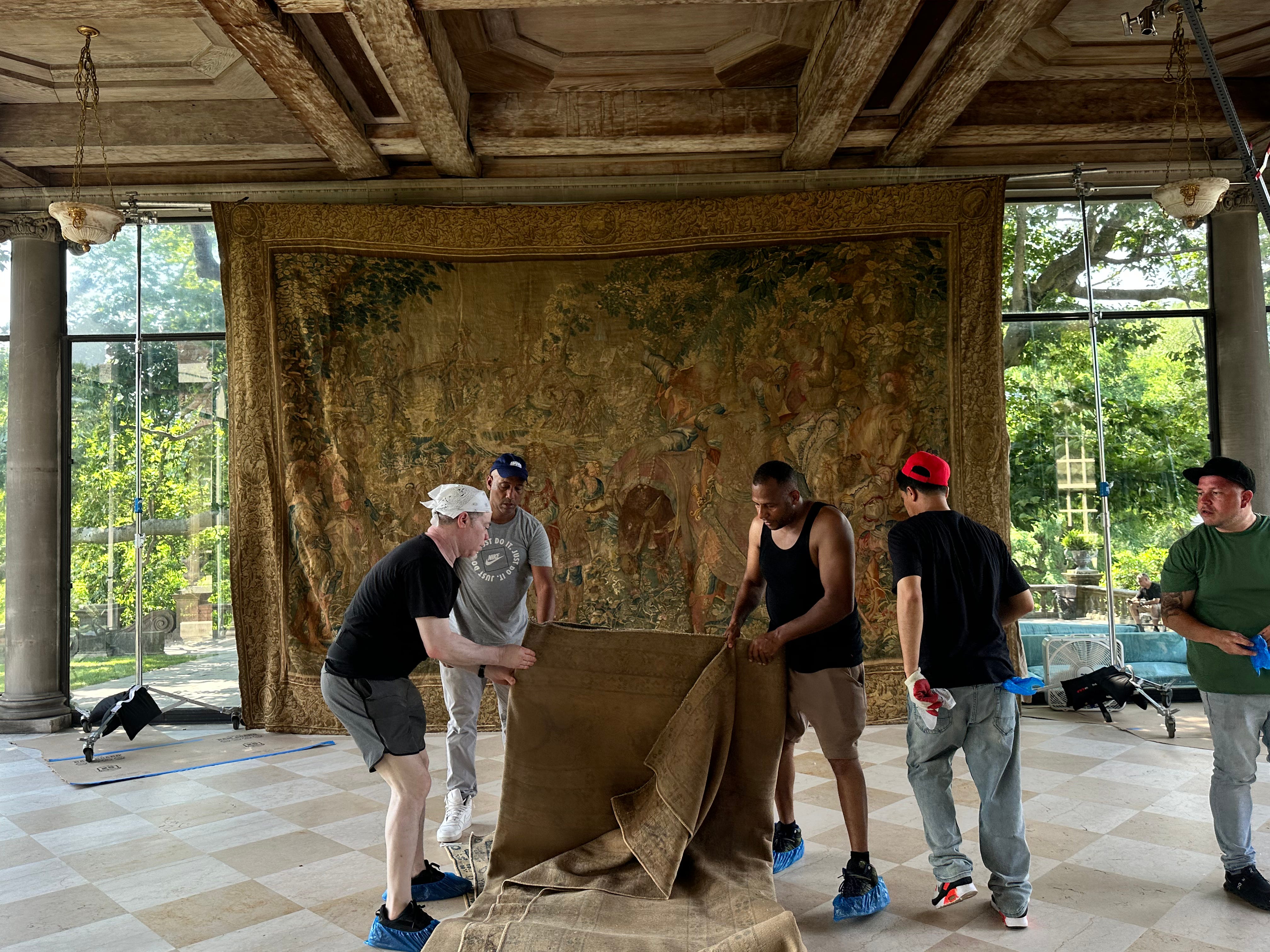
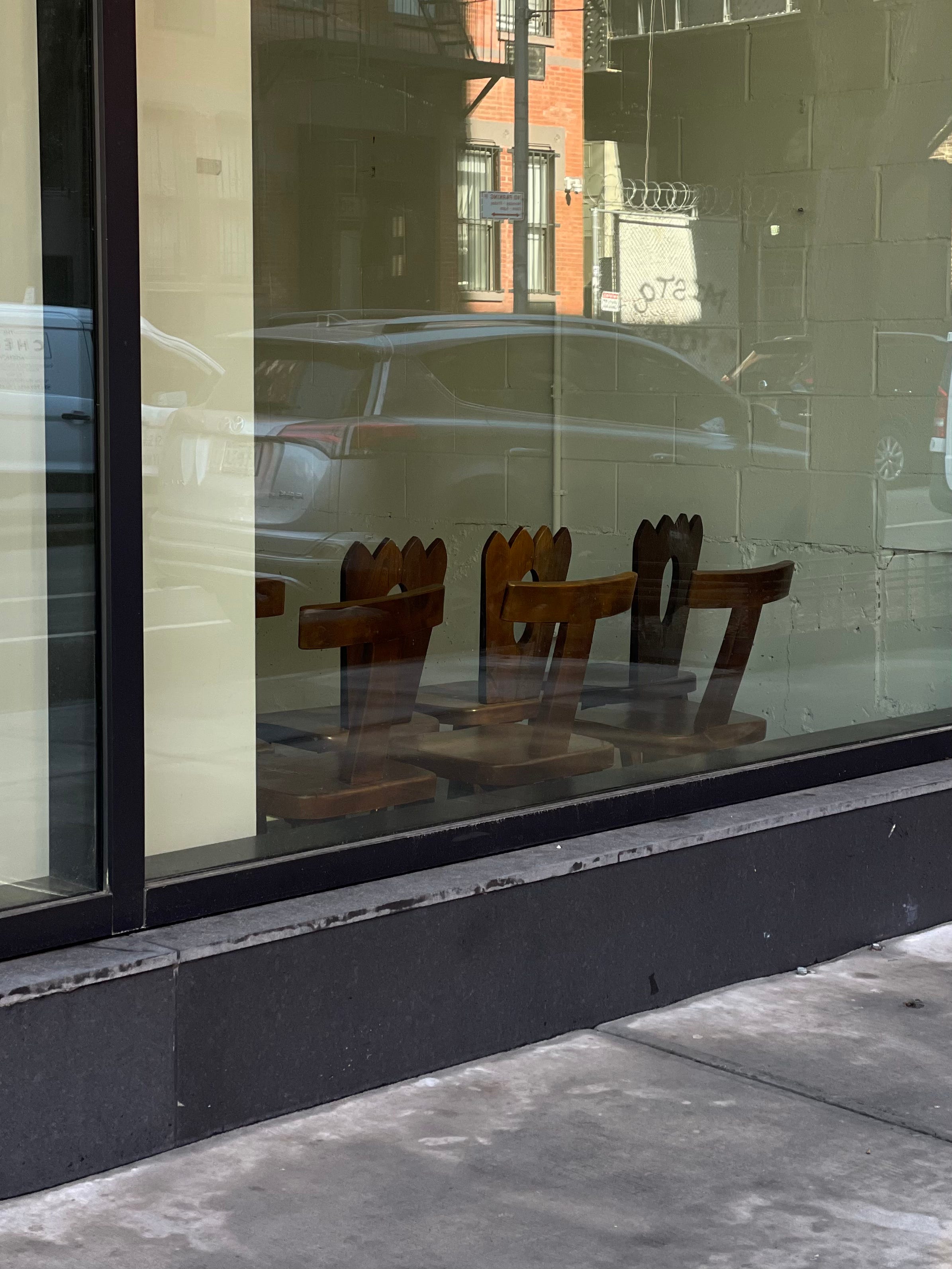
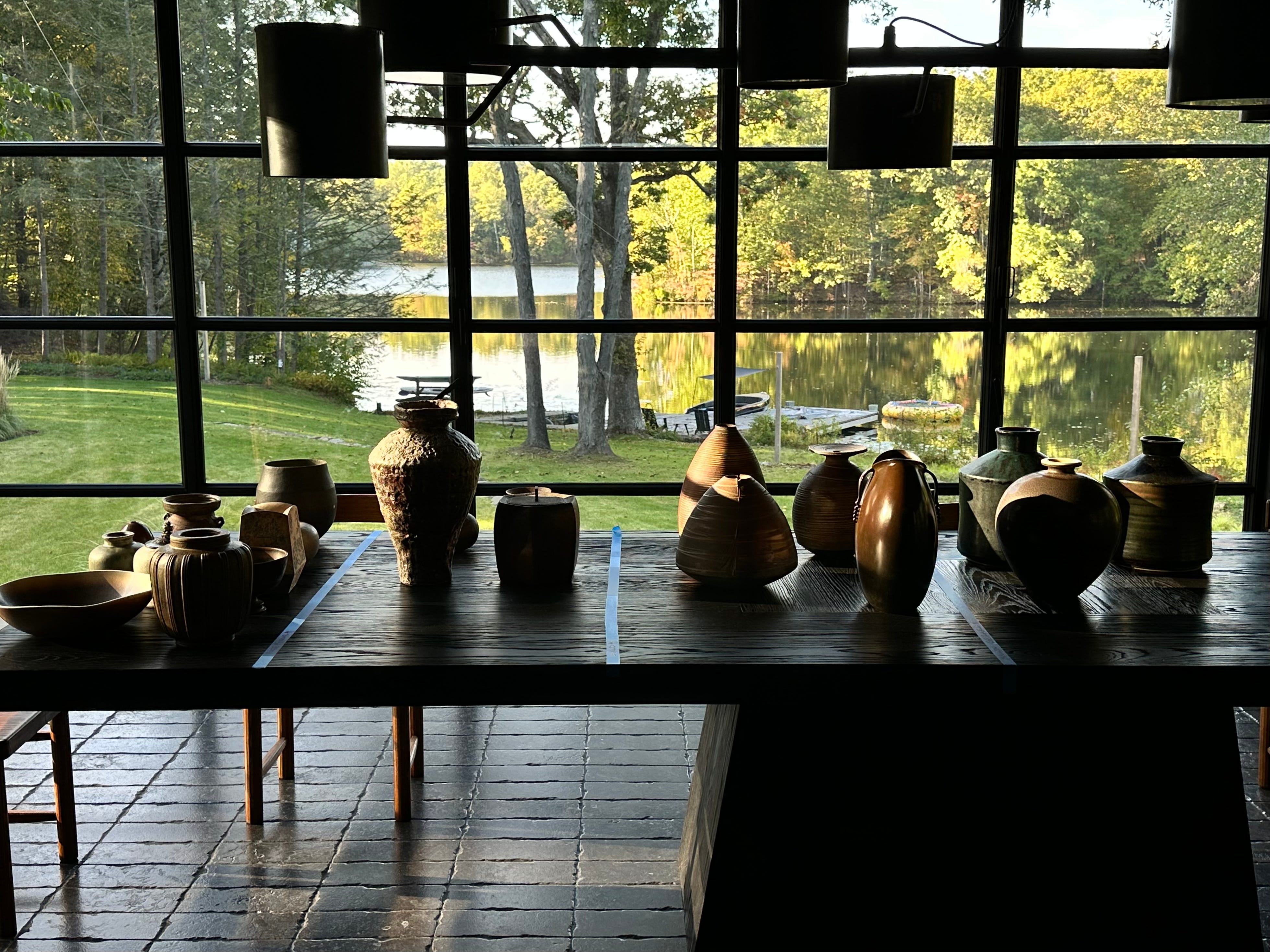
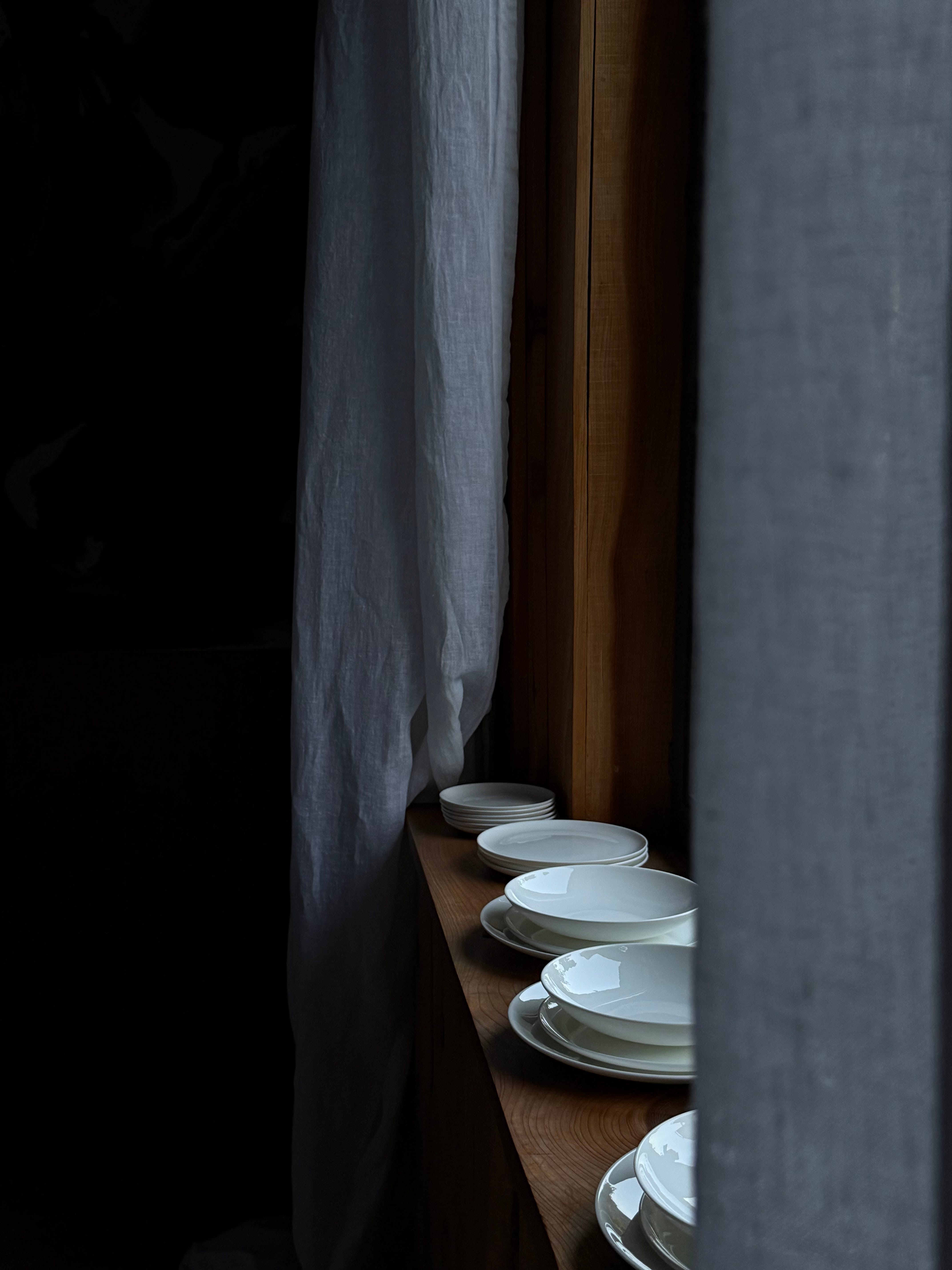
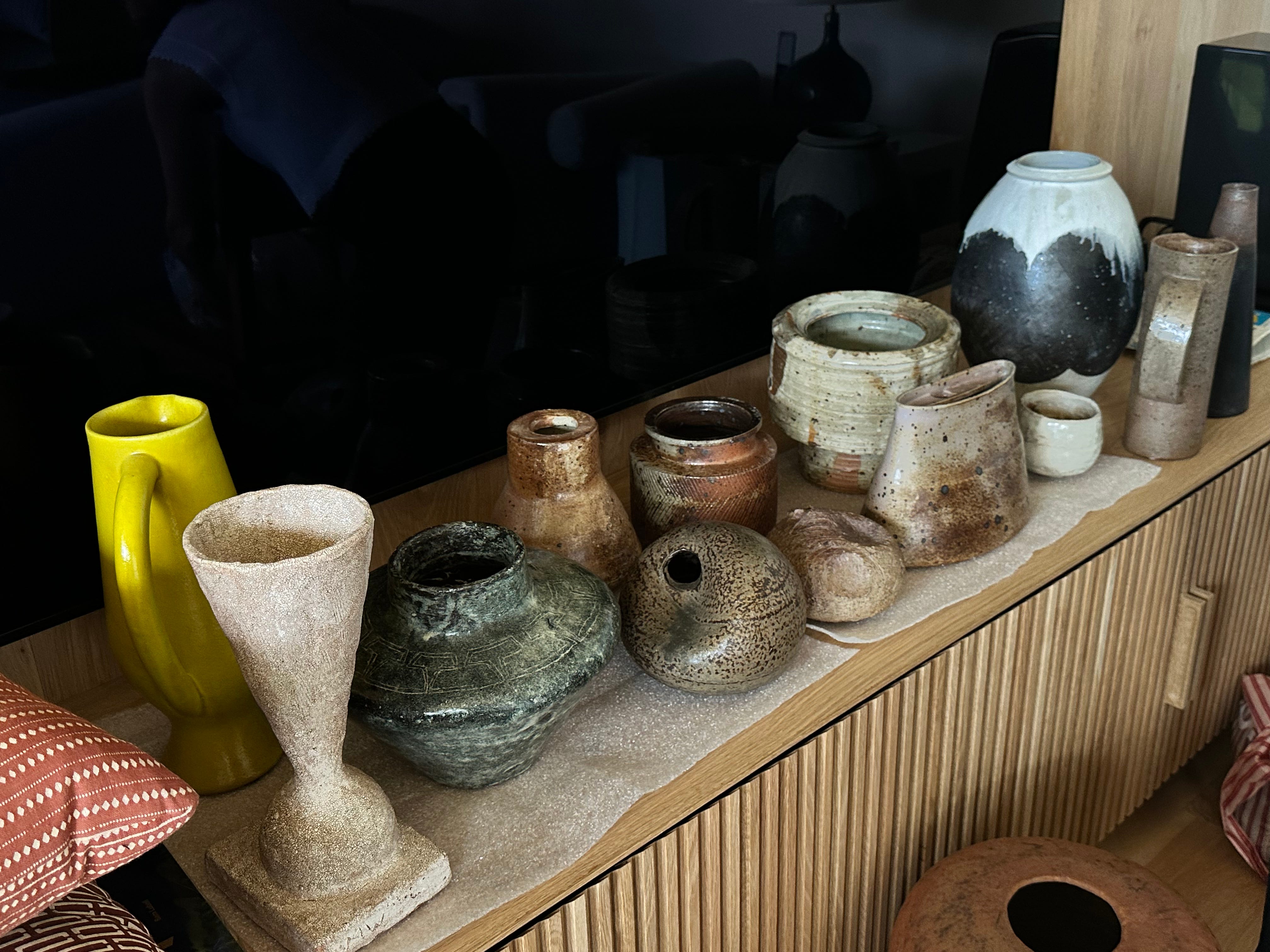
That was when I started noticing how often the most resonant moments come from movement. From the chair you set down temporarily and forget to move. From the bowl you drop mid-conversation and leave where it lands. From letting things arrive before you interrogate them.
There’s something that happens in the unthinking. A softness. A subconscious composition. And so much of styling, at least the kind I care about, is about noticing rather than arranging. Allowing rather than fixing.
Before I had a portfolio, I was quietly collecting proof of this.
I walked through museums photographing the cloakrooms instead of the exhibitions. Piles of coats. Slumped bags. Velvet ropes sagging out of their posts. The afterlife of people moving through space. It felt more honest than the art itself. I didn’t know why I was drawn to it. I just knew I was.
At restaurants, I still do this. While everyone else photographs the food, I look at the table afterward. Chairs shifted. Glasses nudged off-center. A fork that wandered. Crumbs. Water rings. Nothing aligned, yet everything belonged.
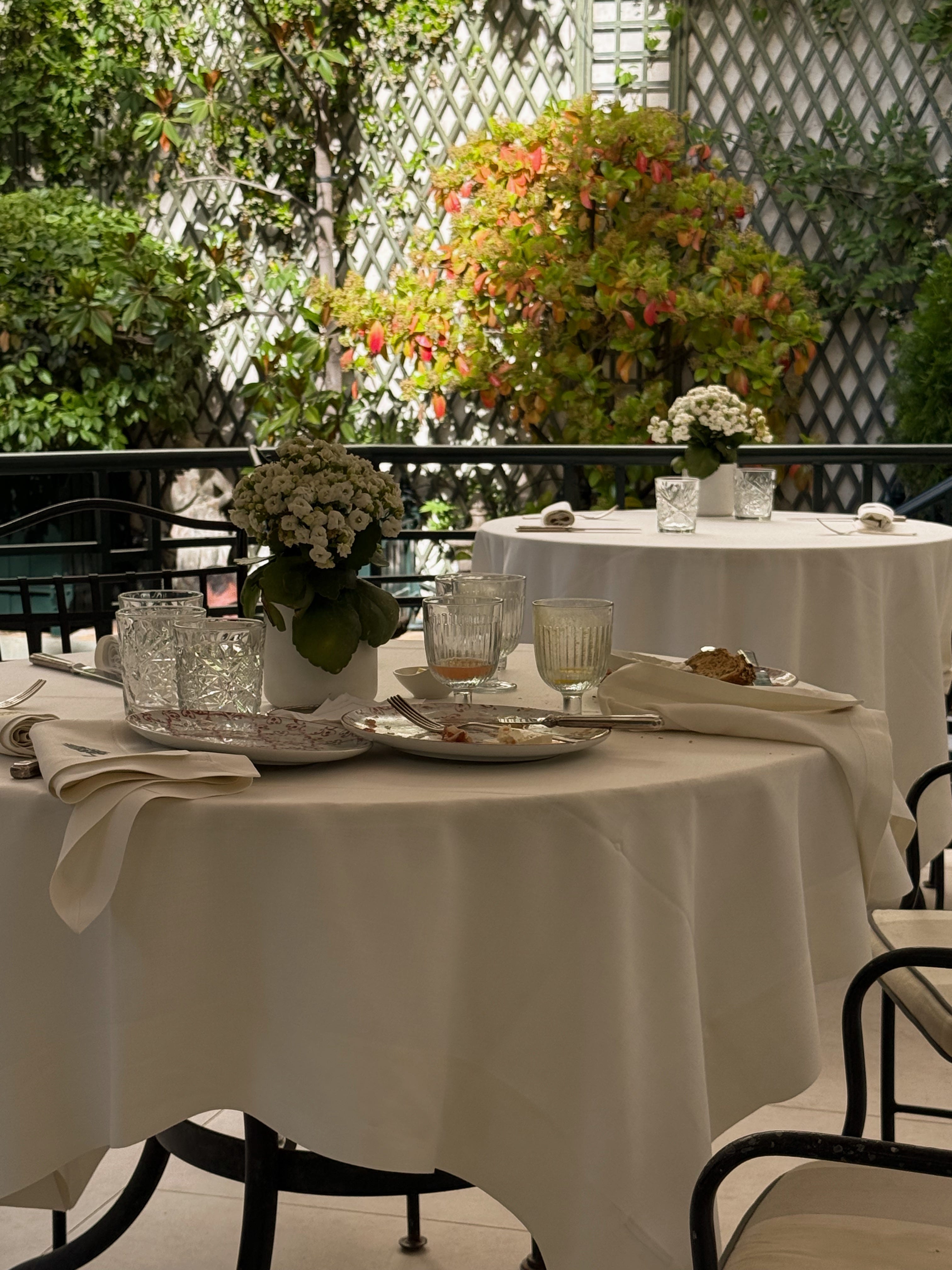
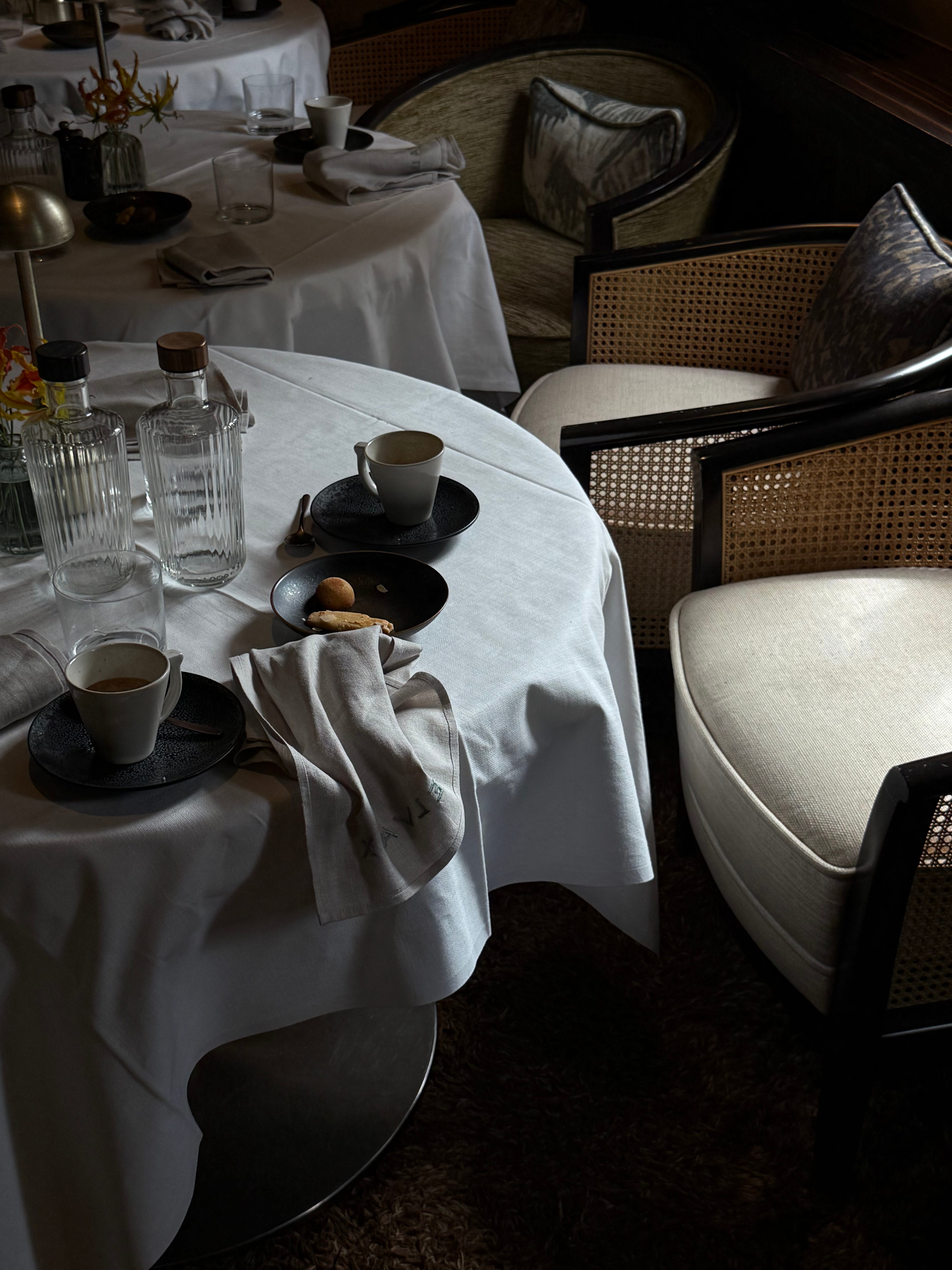
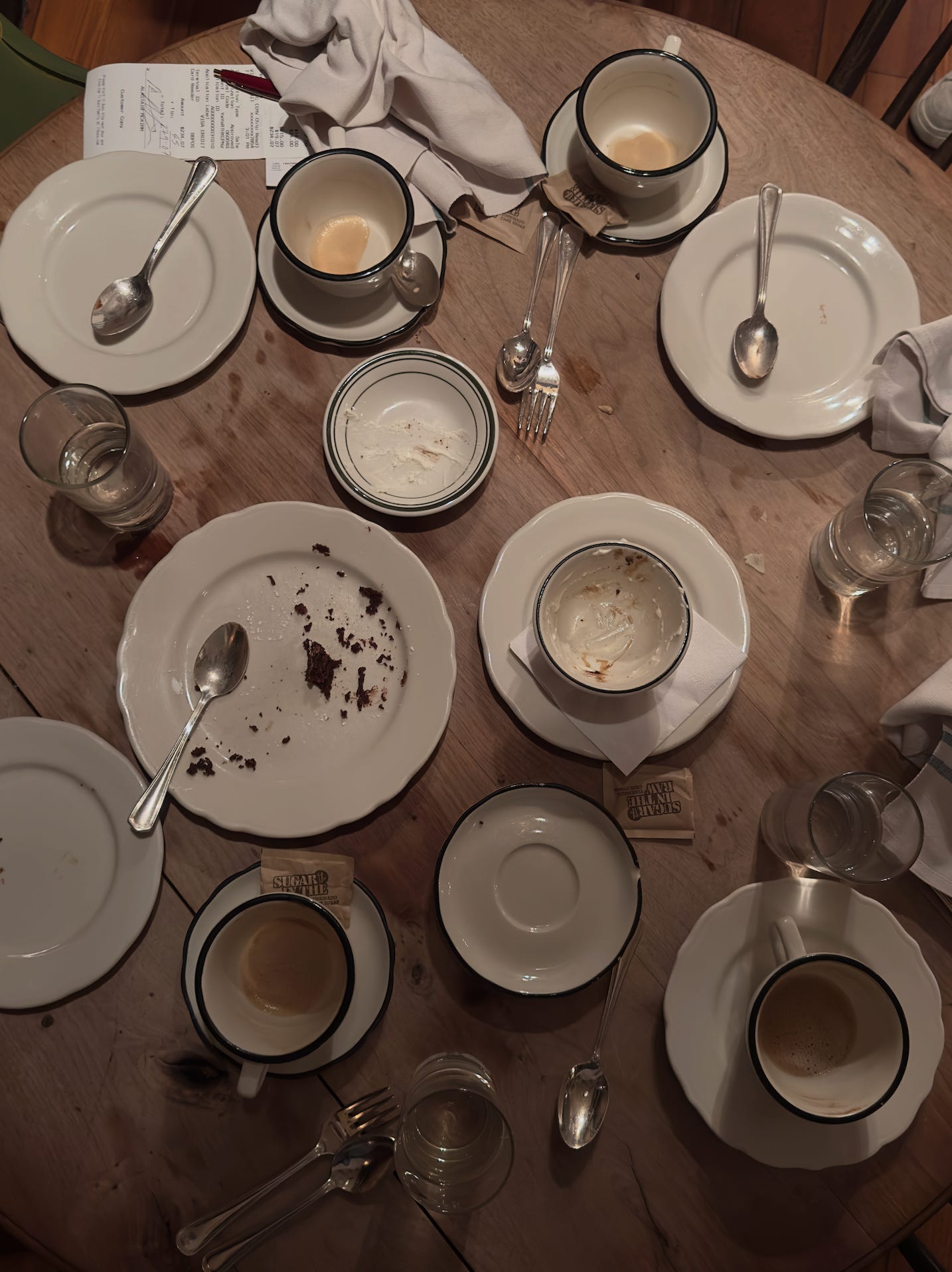
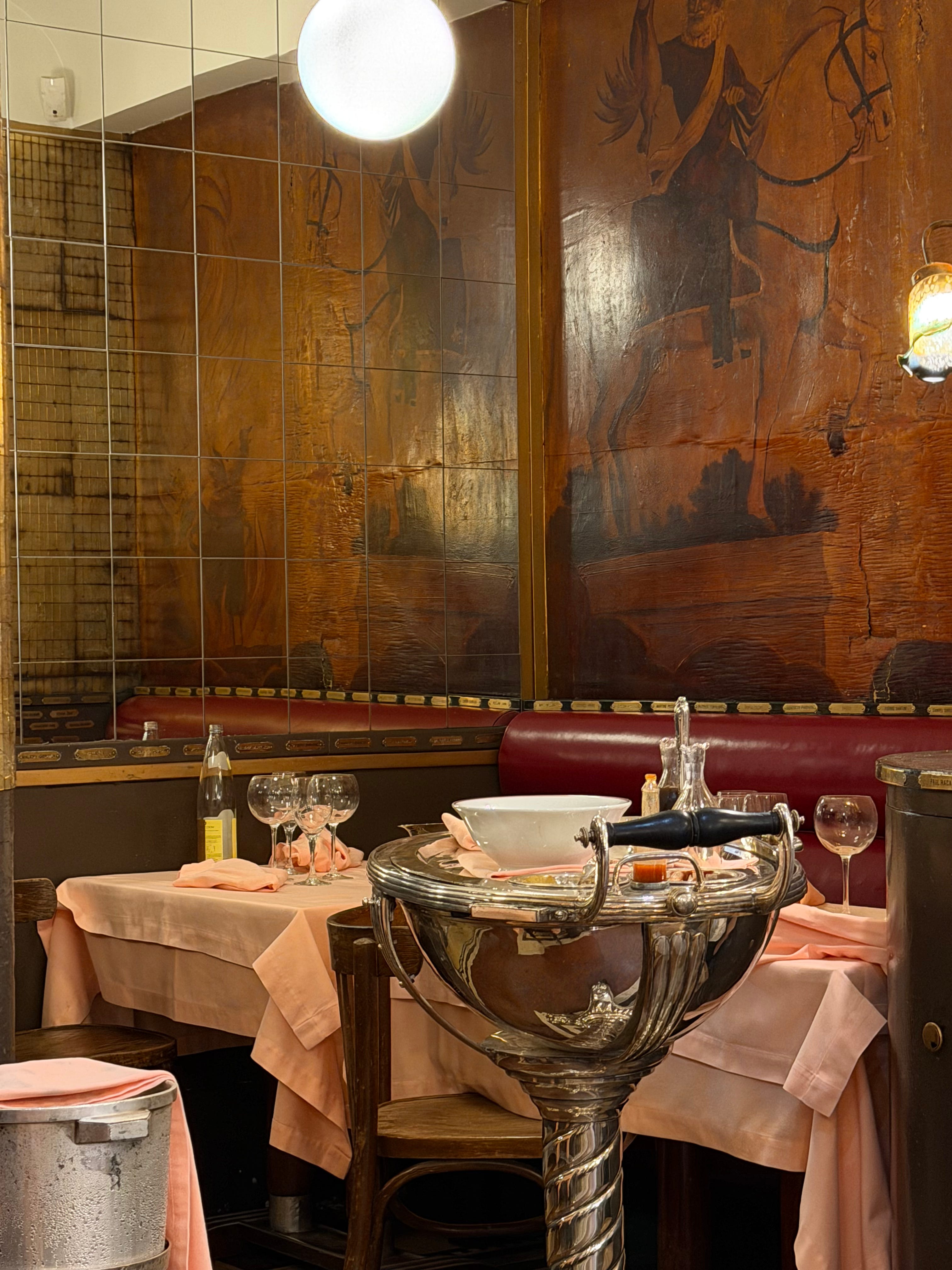
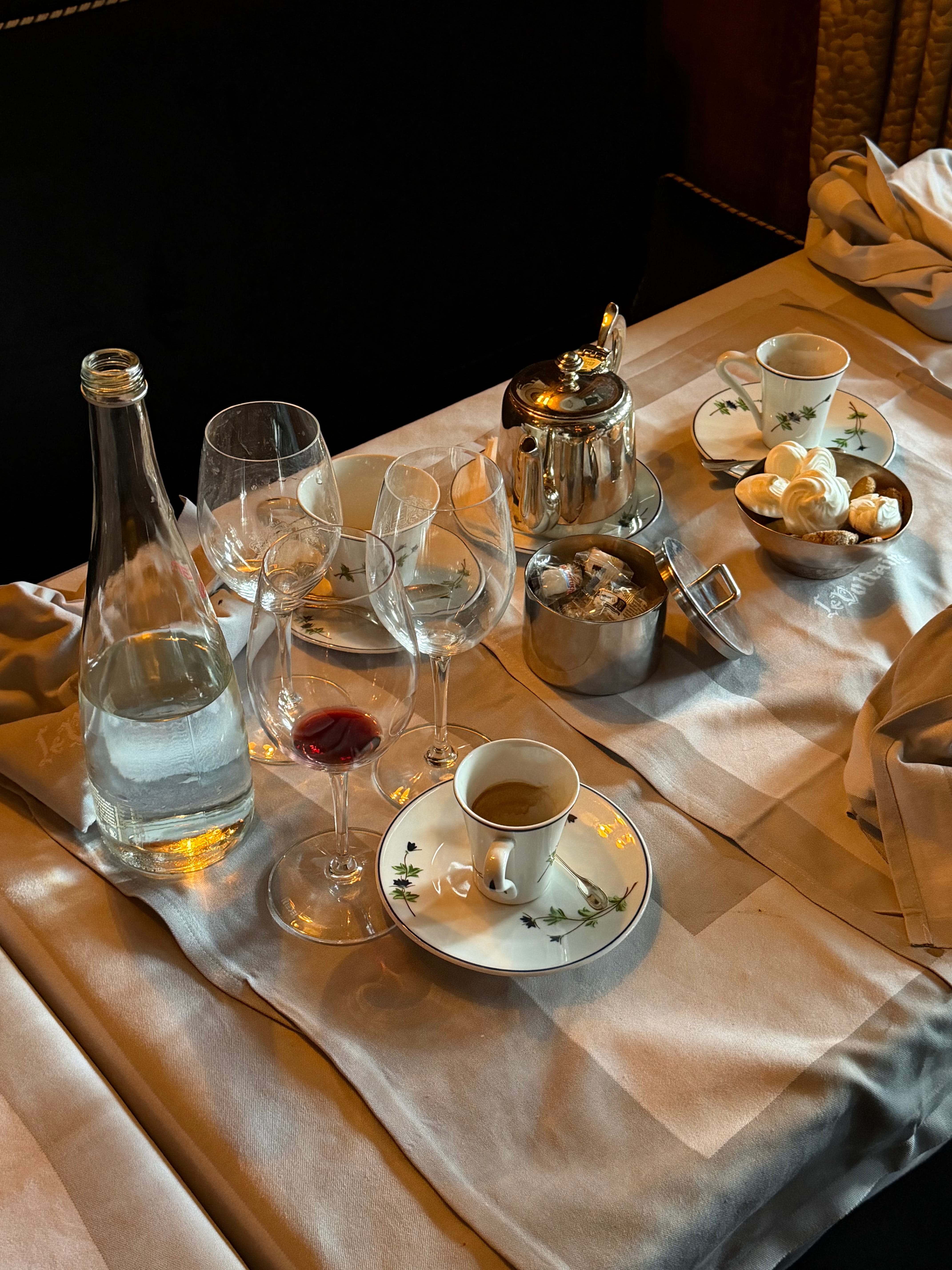
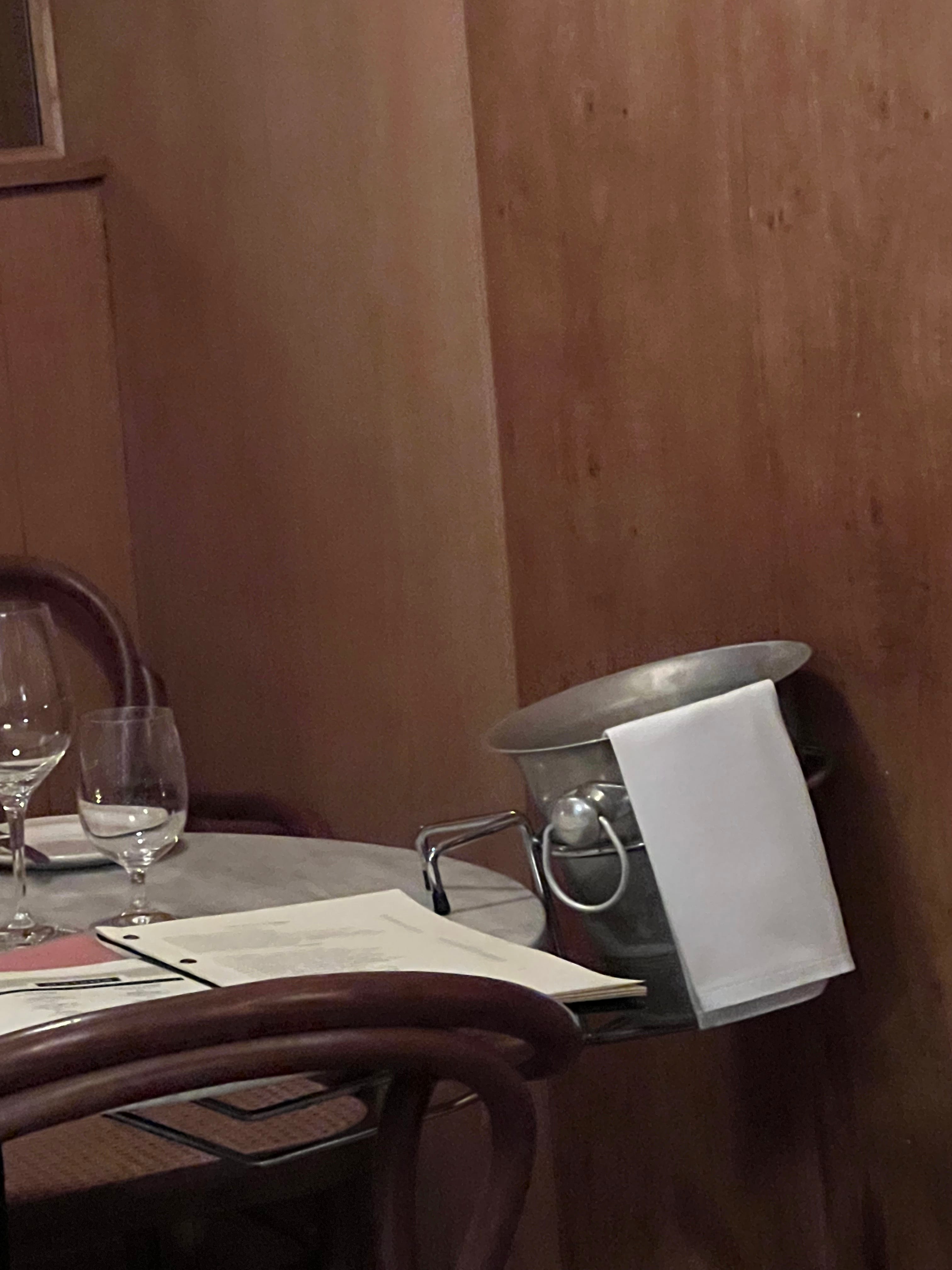
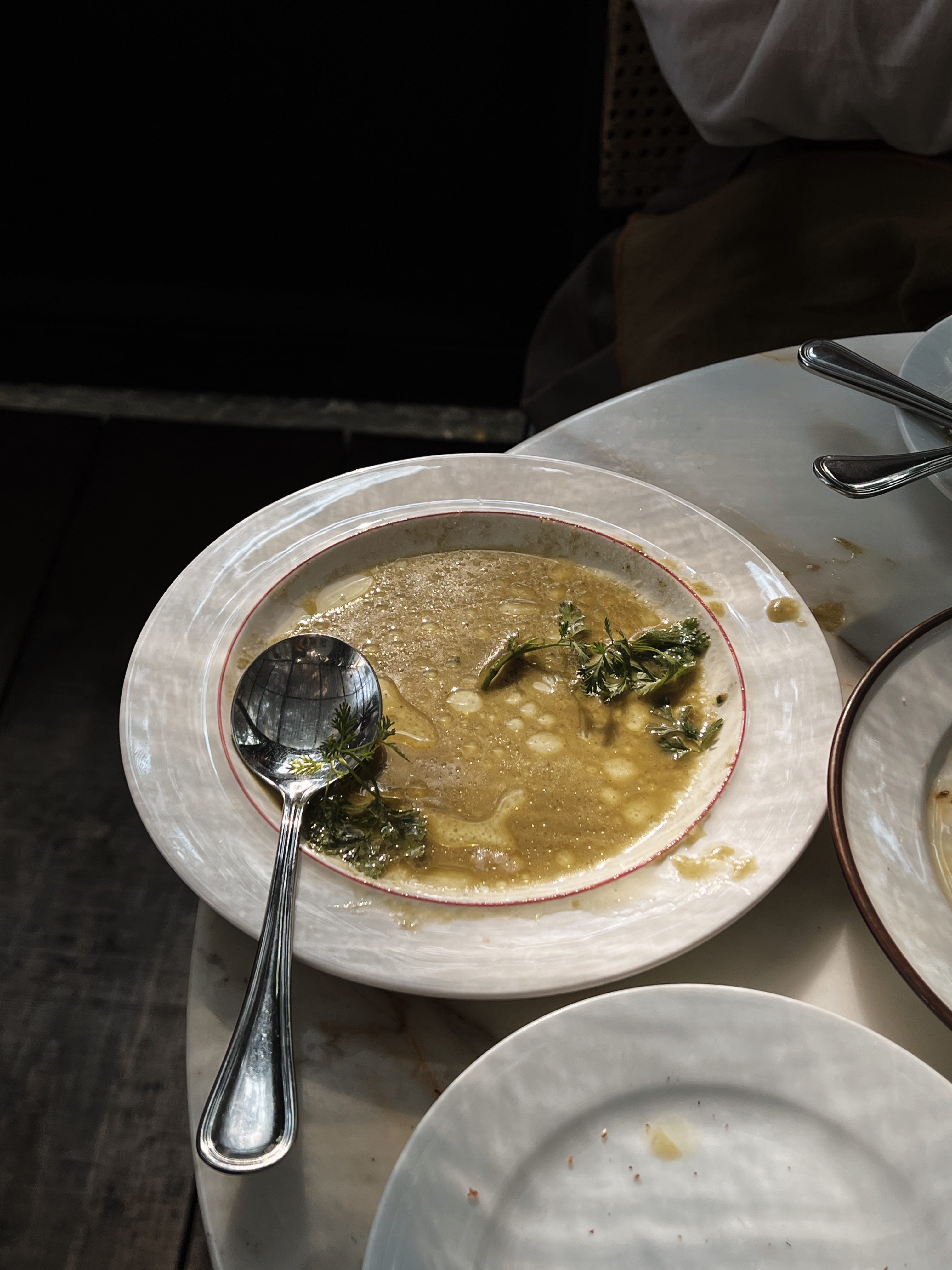
That isn’t clutter.
It’s choreography.
Even now, on set, my favorite moments usually come from the unresolved zones. The prop pile. The corner no one has touched yet. A shell next to a bent spoon. A linen scrunched under a candle stub. A shard of marble that somehow knows exactly where it wants to sit.
These aren’t placements I would have planned. But once I see them, I can’t unsee how right they are.
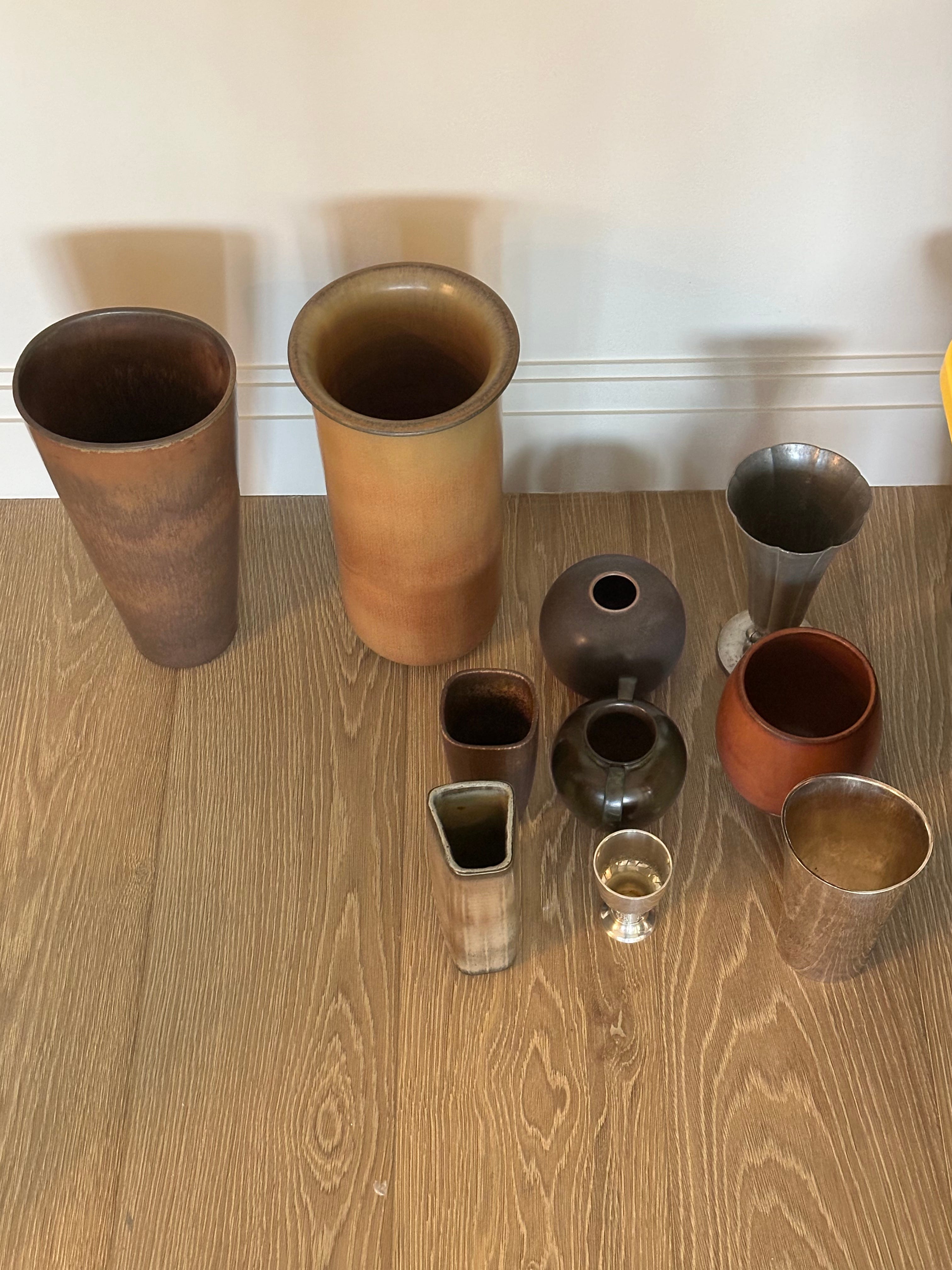
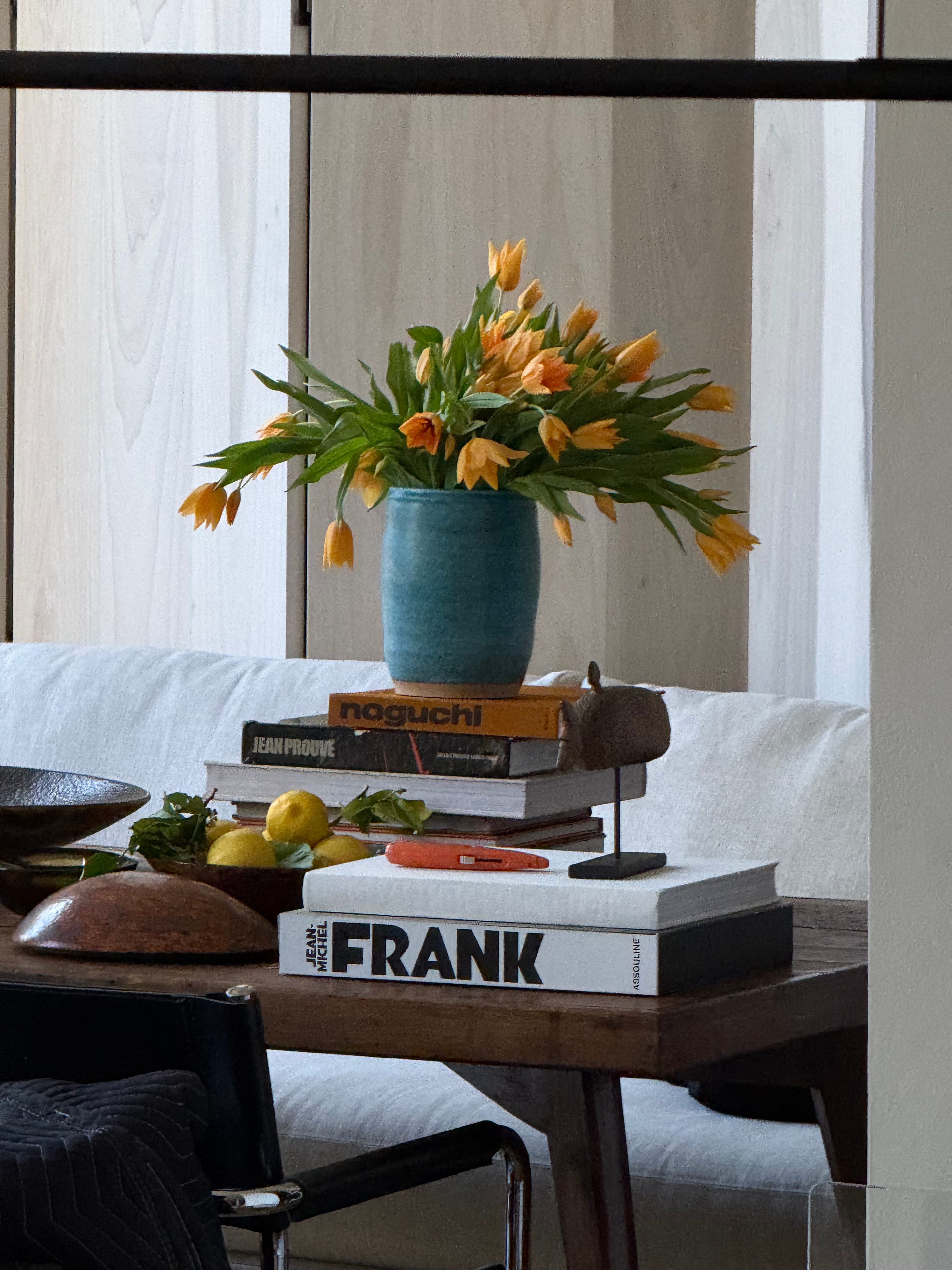
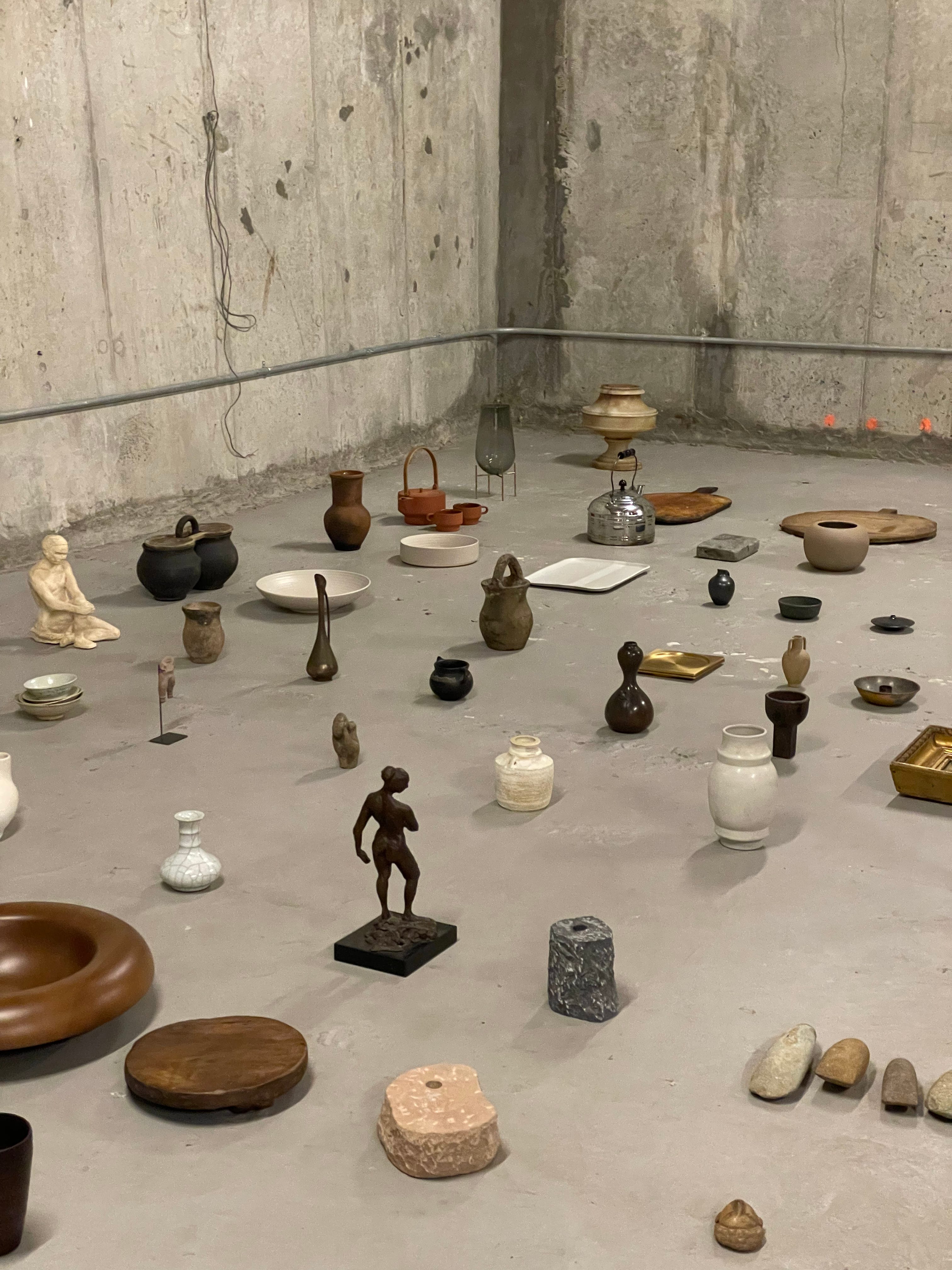
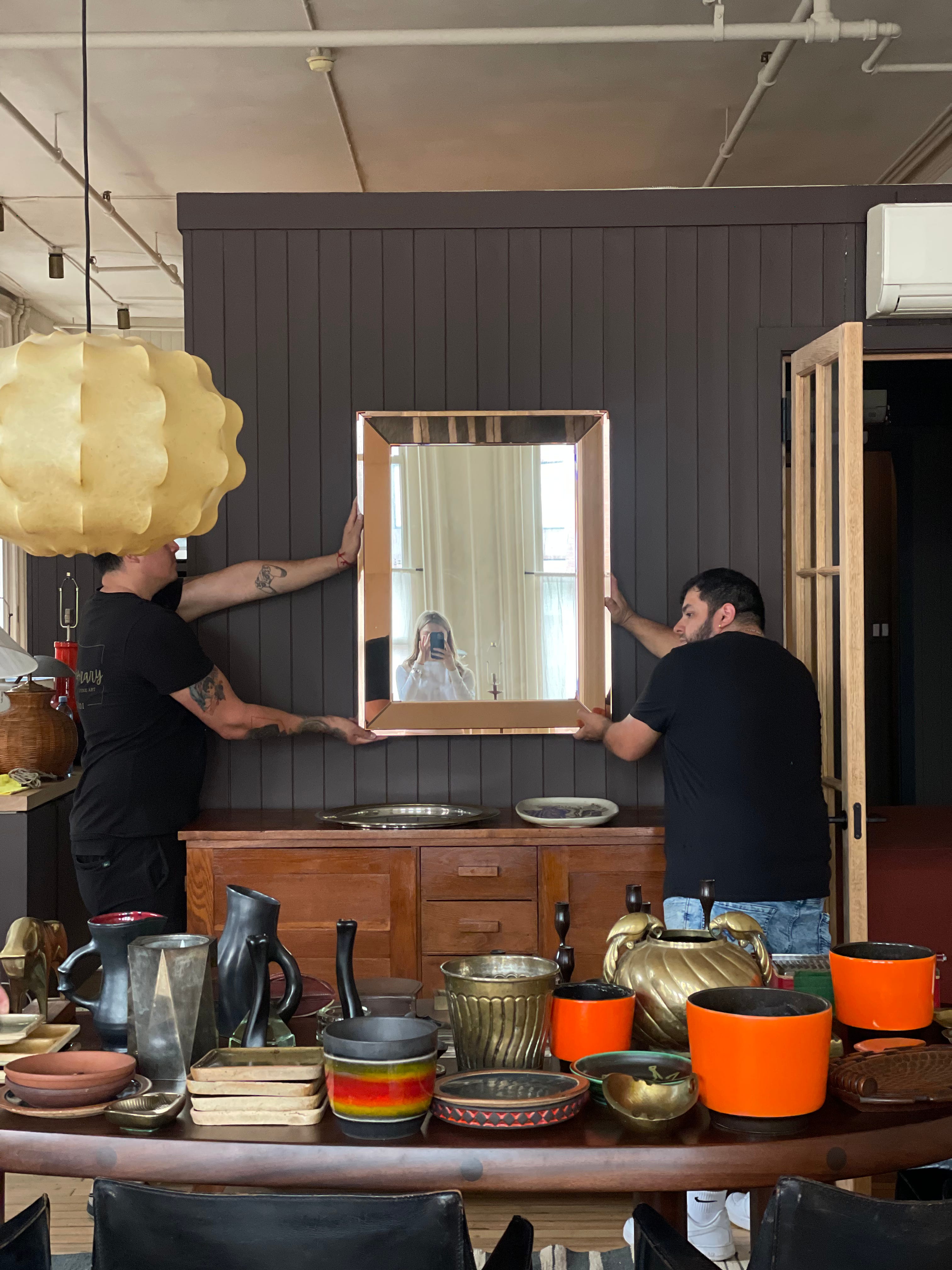
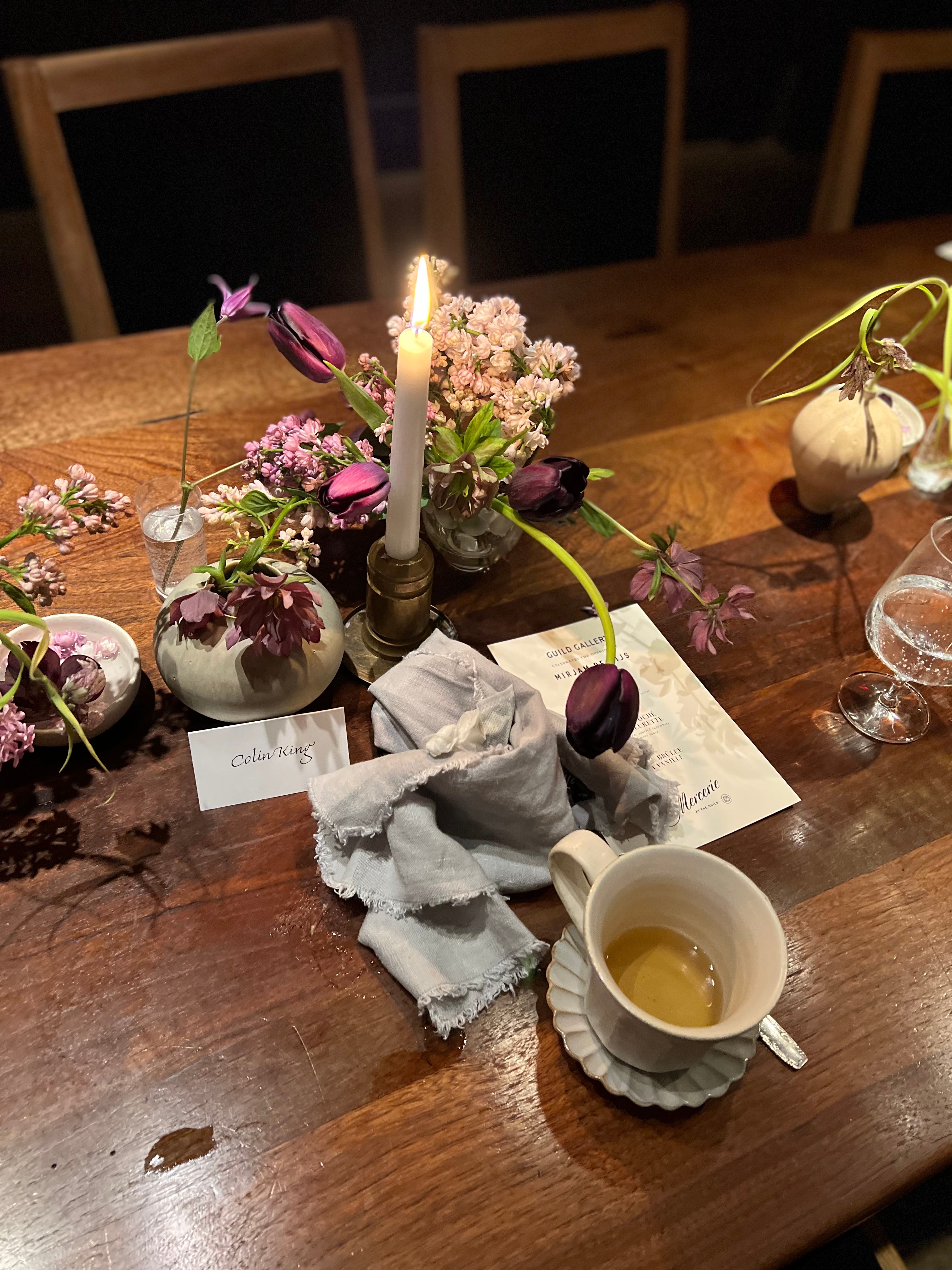
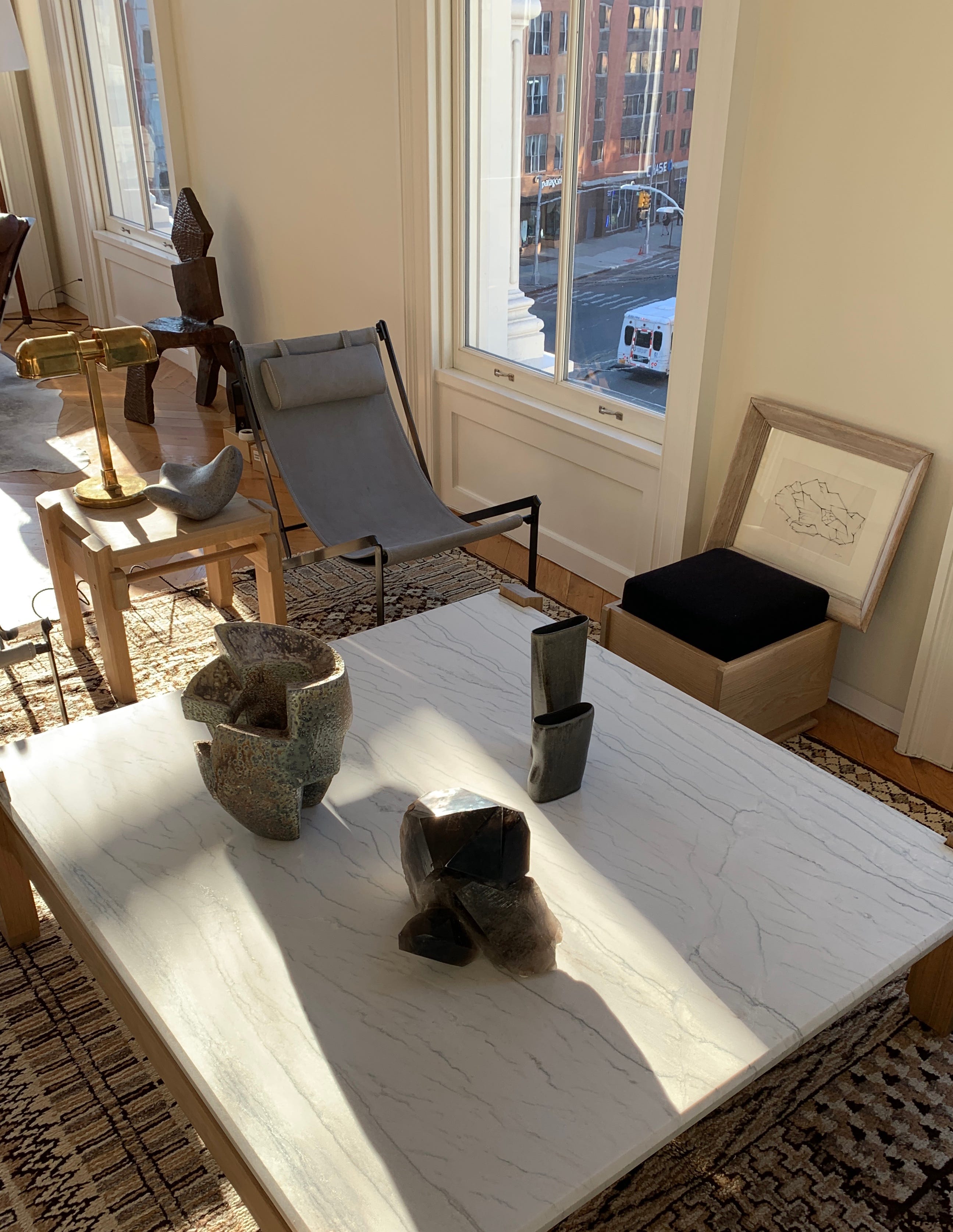
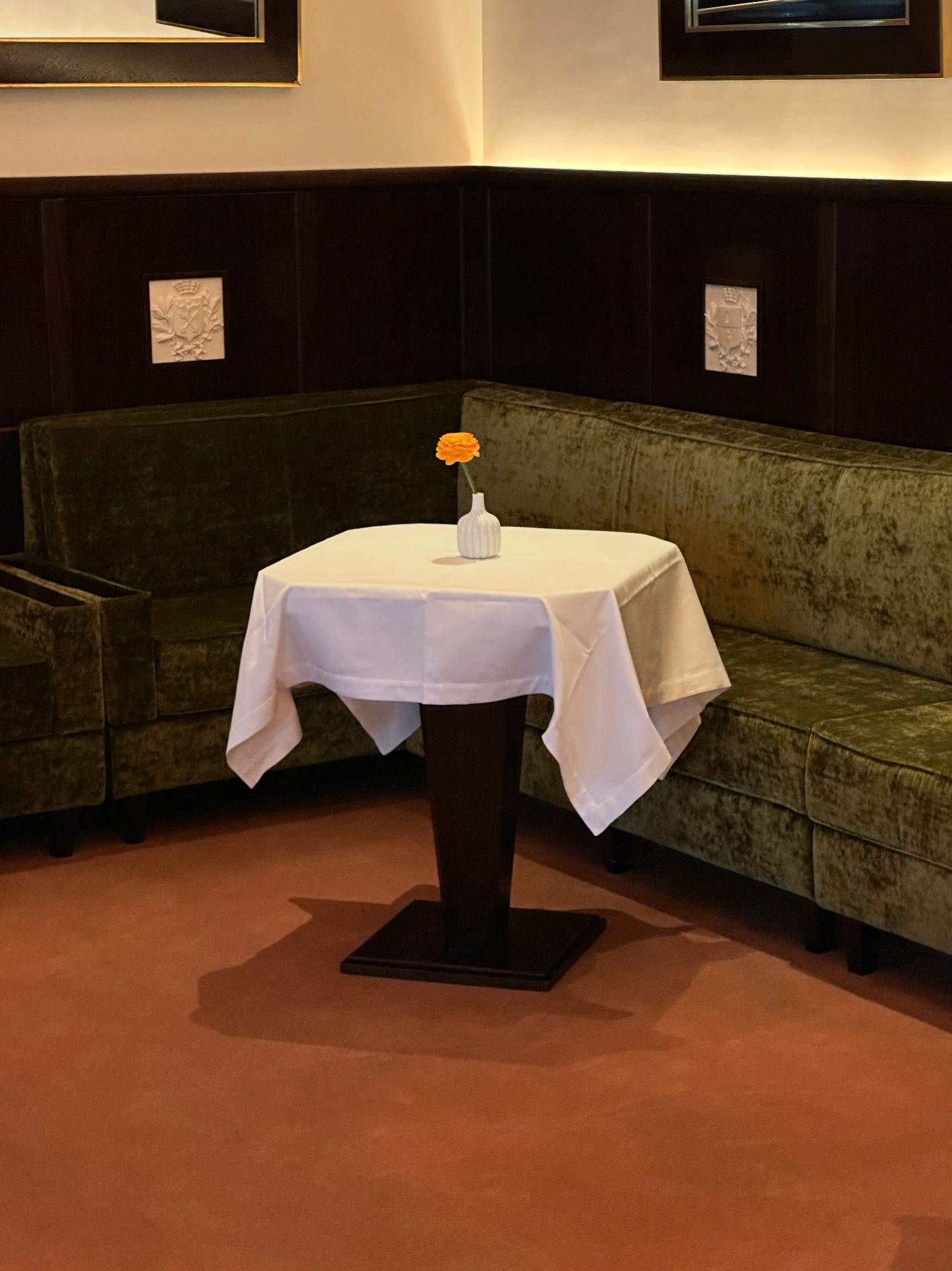
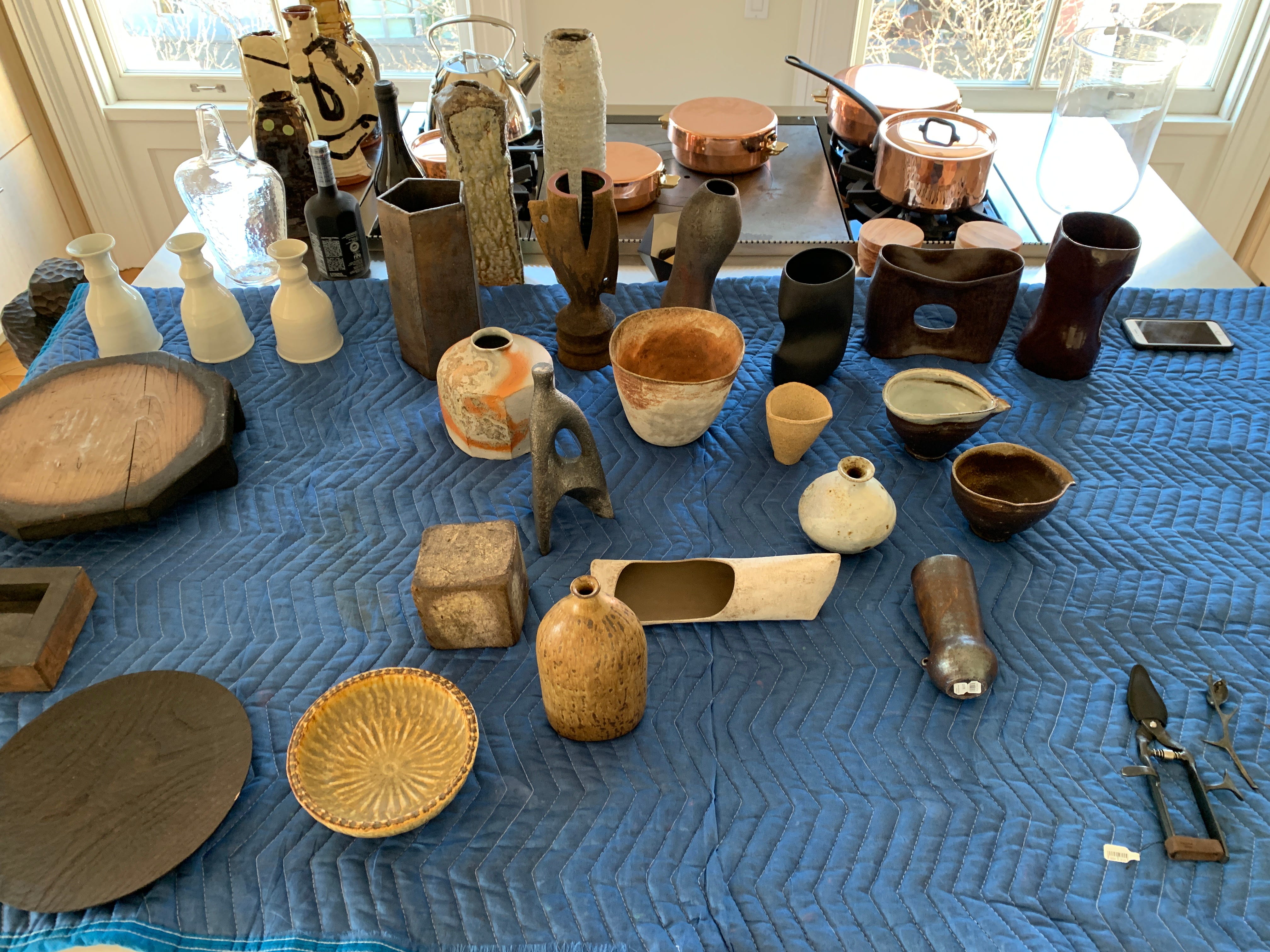
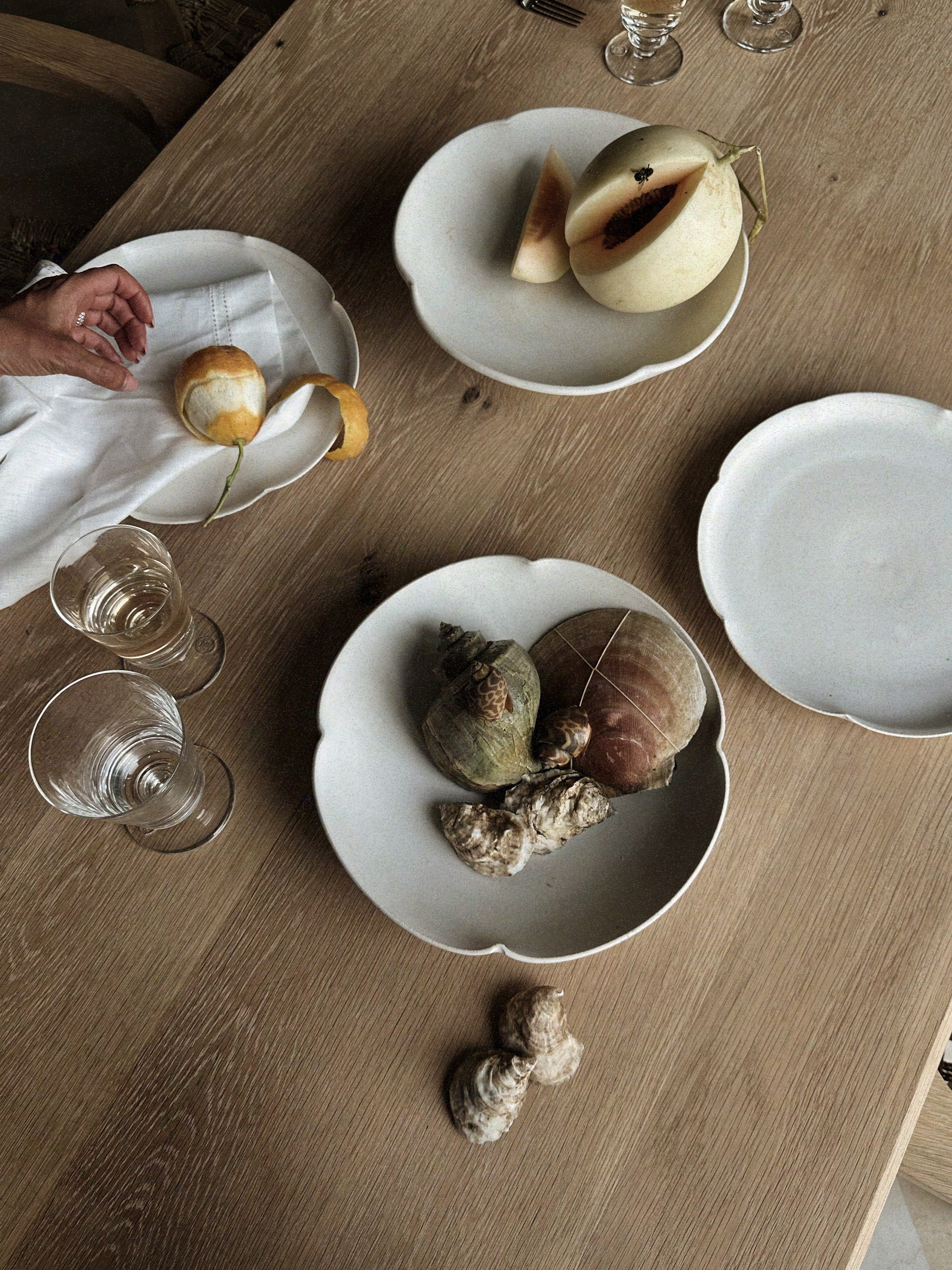
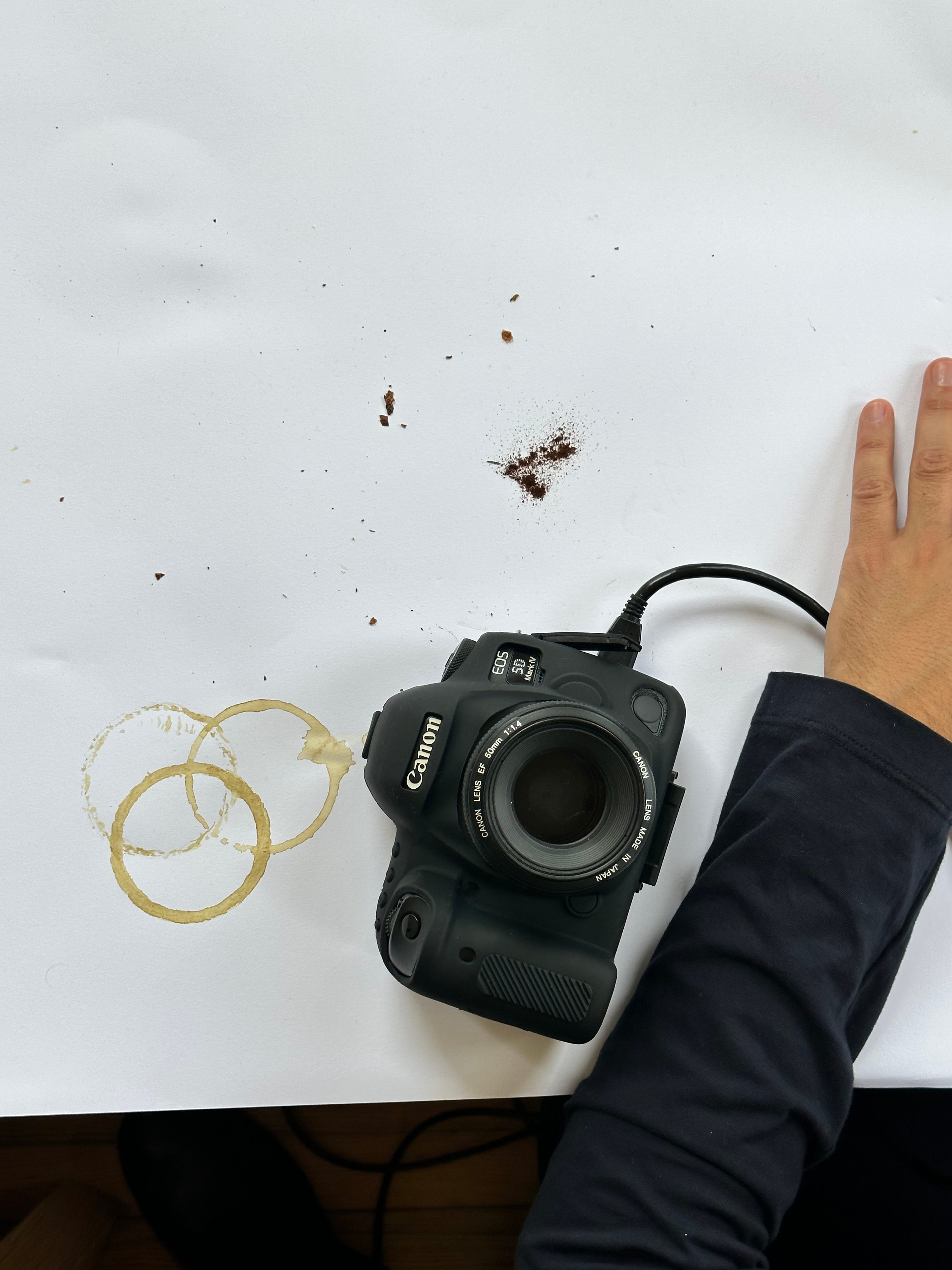
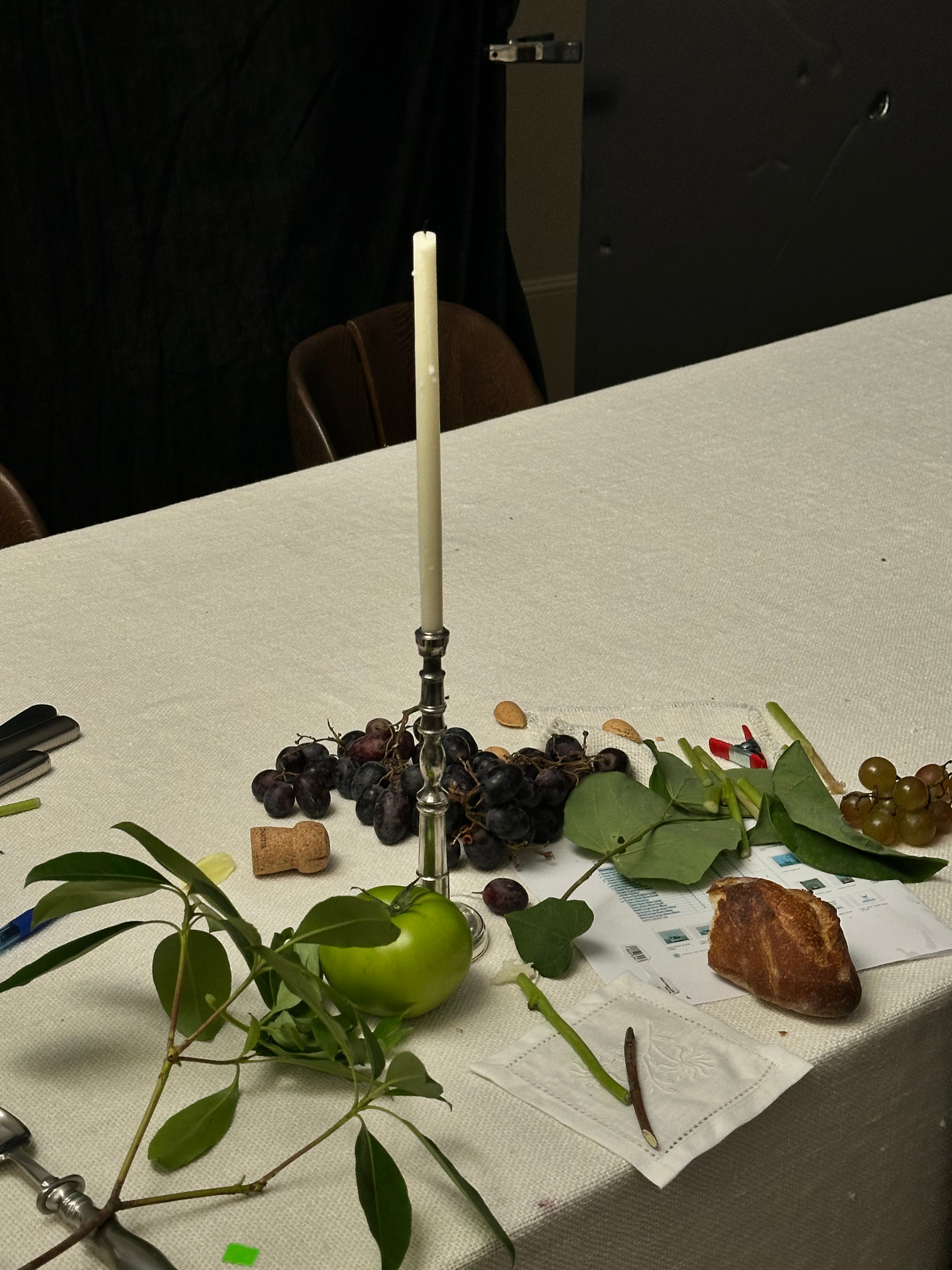
The same instinct shows up in smaller, quieter ways too.
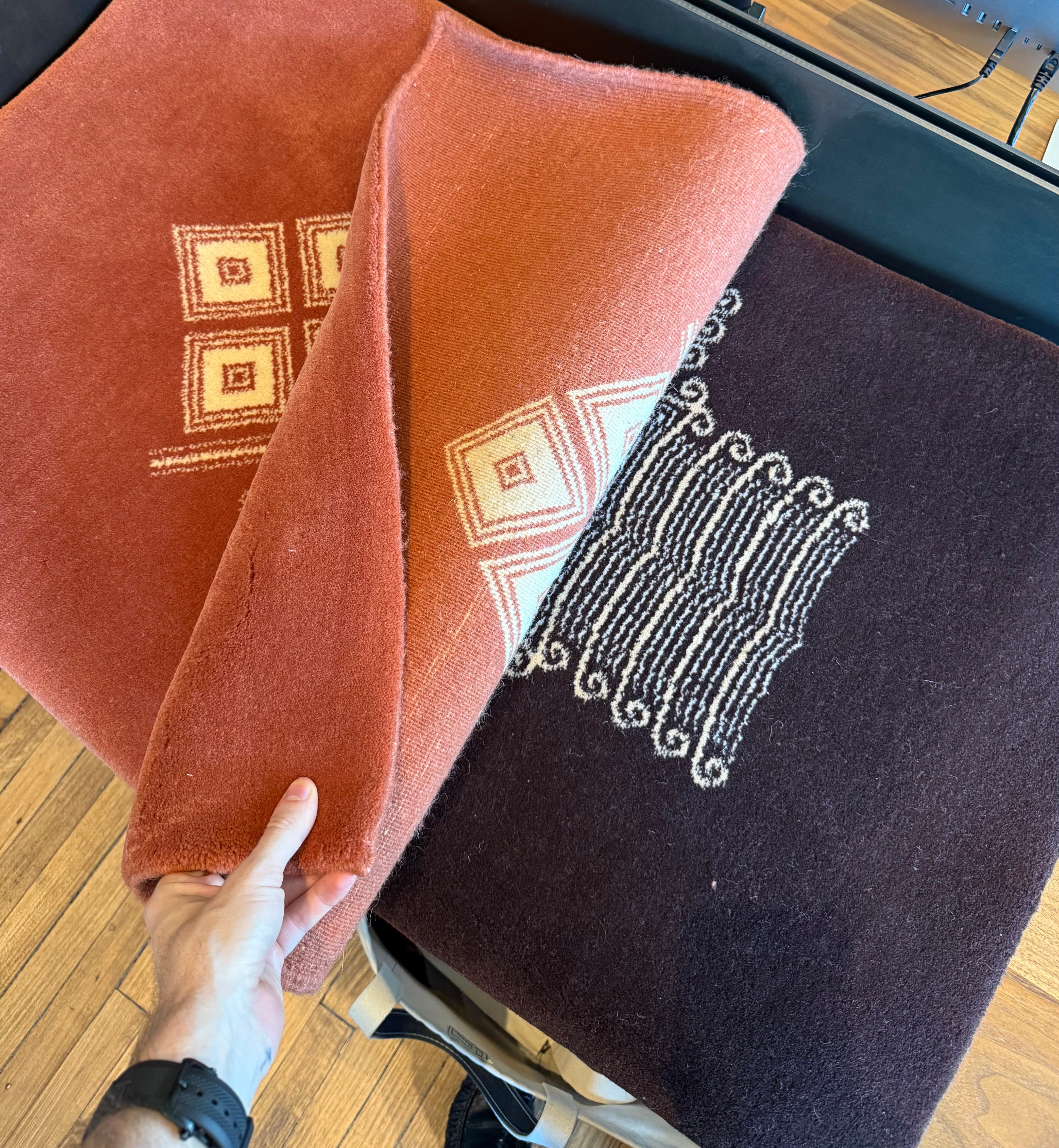
There’s a rug in my apartment that’s flipped the wrong way. B-side up. It wasn’t intentional. I laid it down in a rush, meaning to turn it later. But the colors softened. The pattern stopped bossing the room around. Everything exhaled.
So I left it.
I’ve used the reverse of fabrics where the threads hum instead of shout. Flipped throws to show the knots. Installed cabinet hardware upside down by accident and realized it made more sense that way. Even my cleaning lady flips the pillows to show the wooden buttons. It drives me crazy. And sometimes, annoyingly, she’s right.
The side that wasn’t meant to be seen often carries more information.
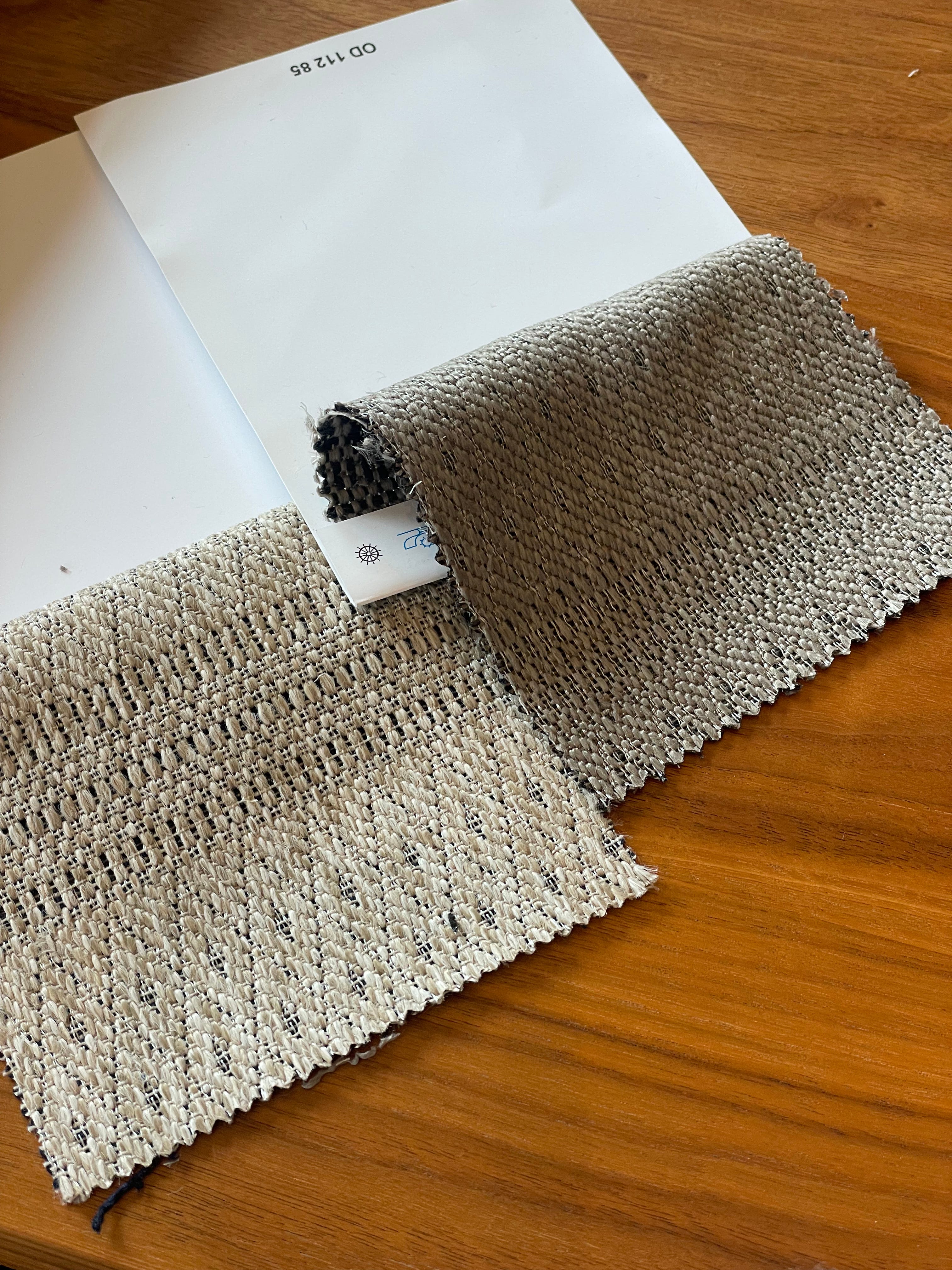
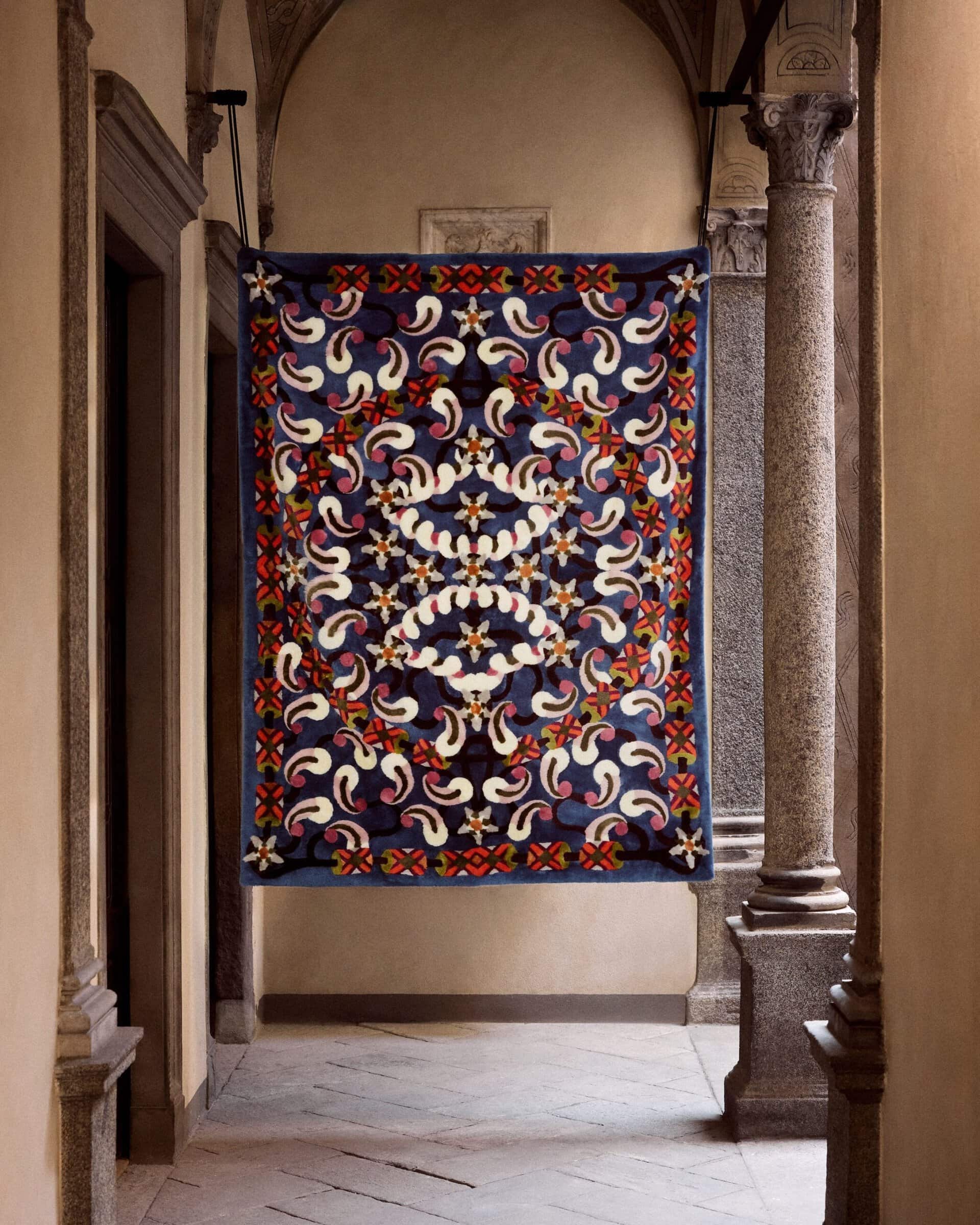
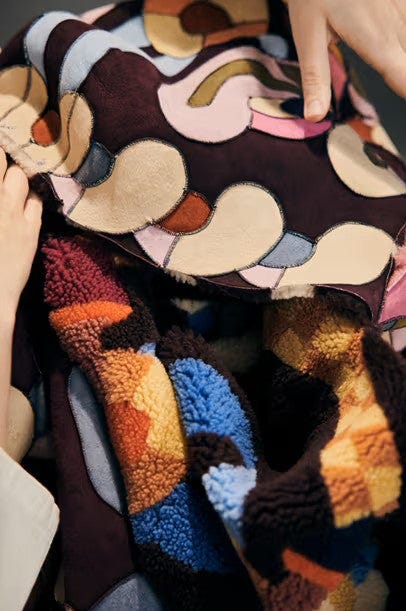
The irony is that I style for the camera every single day. I think in frames. In angles. In what reads at a glance. That muscle pays my bills. But a home, or a room, or a still life, isn’t a shoot. It doesn’t need to resolve itself immediately. It needs to work over time, preferably without witnesses.
Some of the best decisions I’ve made were the ones I didn’t rush to correct. The object I meant to move and didn’t. The arrangement I stopped hovering over long enough to let it settle. The moment I resisted the urge to explain myself.
Taste tells you what you like.
Nerve lets you leave it alone.
And sometimes, leaving it there is the most intentional thing you can do.
Love,
Colin
You are brave and brilliant Colin! You challenge my OCD perfection arranging which brings me so much anxiety and unrest and makes guests uncomfortable feeling they truly can’t relax in my home because it feels like a museum. I want to challenge myself to see objects and rooms more this way 🤎🤎🤎.
This spoke so much to me and resonated so much. I love how honest you are. Thank you