

I Finally Made the Folder
On what you’re actually looking at when you save something

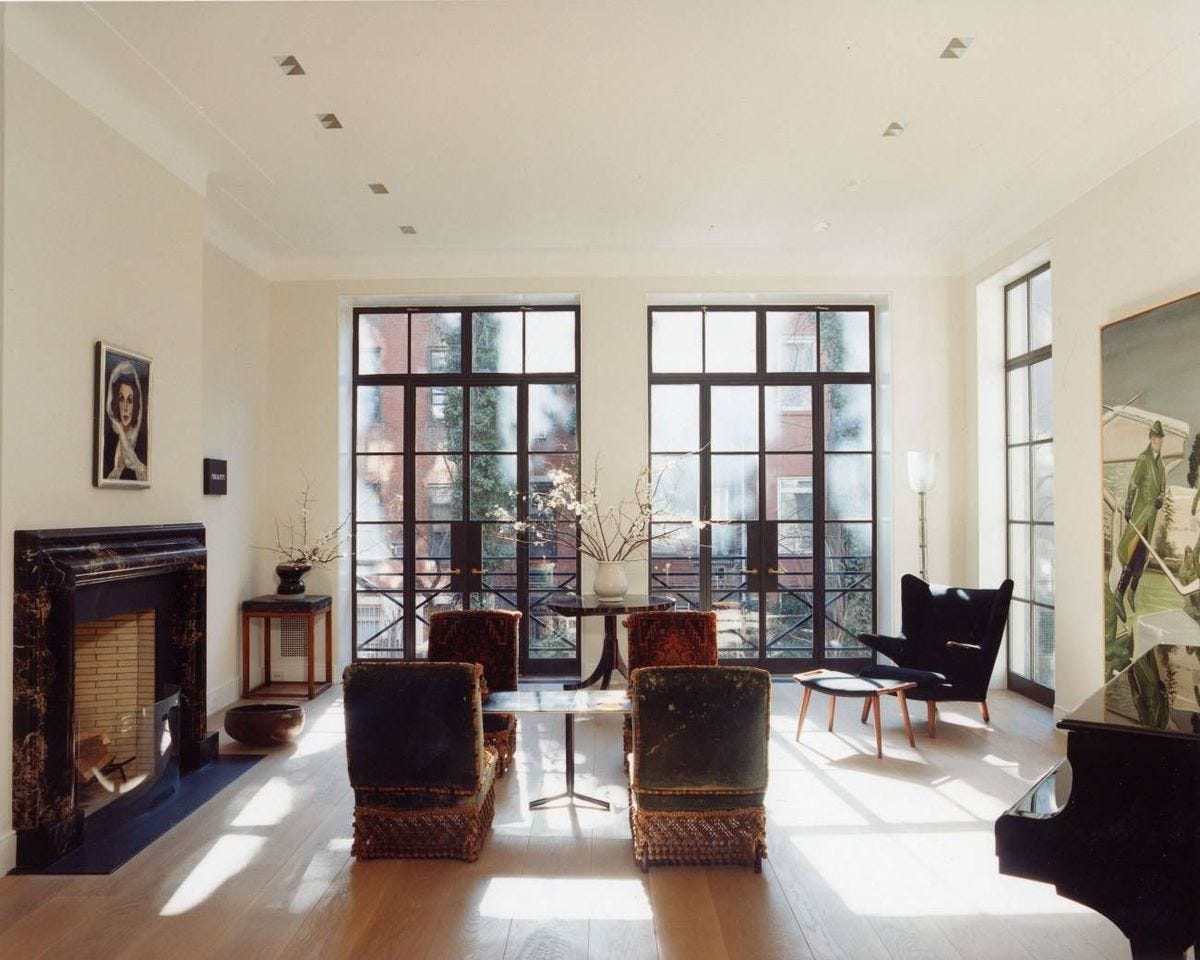
I finally made the folder.
It’s called “Styling Notes,” which isn’t a particularly inspired name, but it felt important to call it something. To stop pretending all of these images were just loosely floating around my phone, waiting to organize themselves into a personality.
For years, I’ve been saving things without much structure. Screenshots, museum photos, corners of rooms, objects I’ve passed on the street, a vase in a restaurant bathroom that felt more resolved than most living rooms I’ve been in. Things I didn’t fully understand, but didn’t want to lose.
At some point it became less about saving and more about collecting evidence, though I wasn’t entirely sure of what.
I used to think I was saving images because I liked them. That felt like a complete enough explanation. Clean. Reasonable. Slightly untrue.
Because when I actually look at what I’ve saved, it’s rarely the whole image.
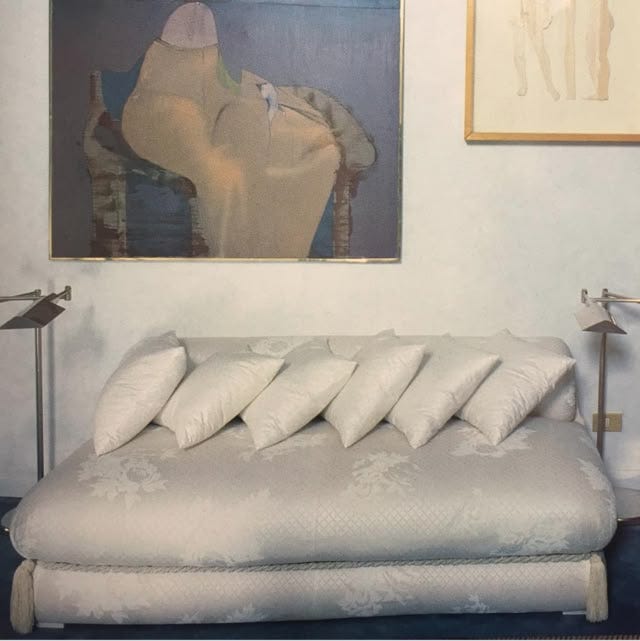
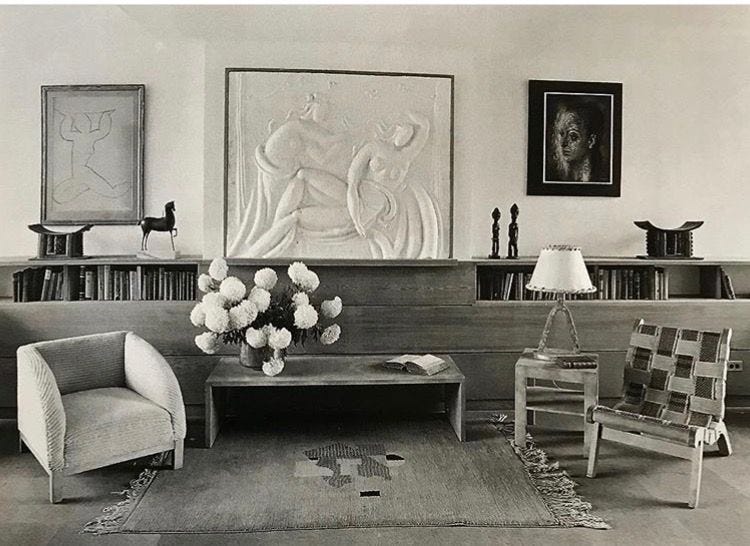
It’s a pillow turned slightly too far, just enough to feel like someone adjusted it and then immediately left the room. A chair that feels slightly too large for the table beside it, like it wandered in with confidence and no intention of apologizing. A lamp placed just off center in a way that makes the room feel more deliberate, not less.
Again and again, it’s something small. Something specific. Something that doesn’t quite resolve in the way you’d expect.
And the more I look, the more I realize I’m not saving things literally.
I’m saving a feeling.
A kind of tension. A moment within the moment. The split second where a room stops being arranged and starts feeling alive.
And that’s when I started asking a different question.
Not “Do I like this?” but “What, exactly, am I responding to?”
This is also, not coincidentally, the question I find myself asking on set, usually while standing over a table adjusting something by half an inch and trying to explain to a room full of adults why it matters.
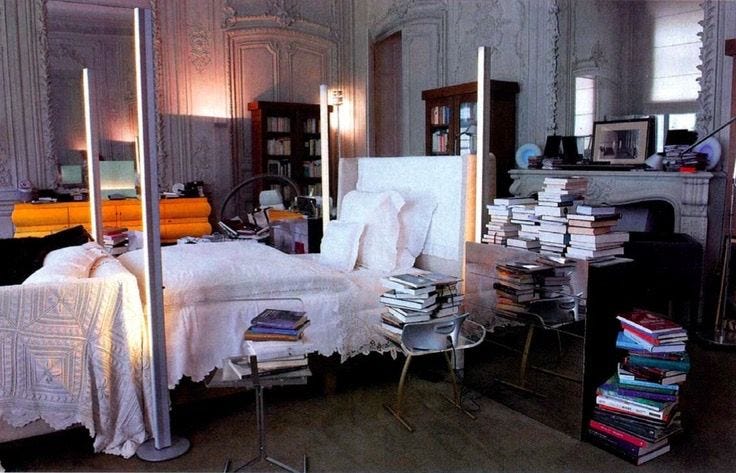
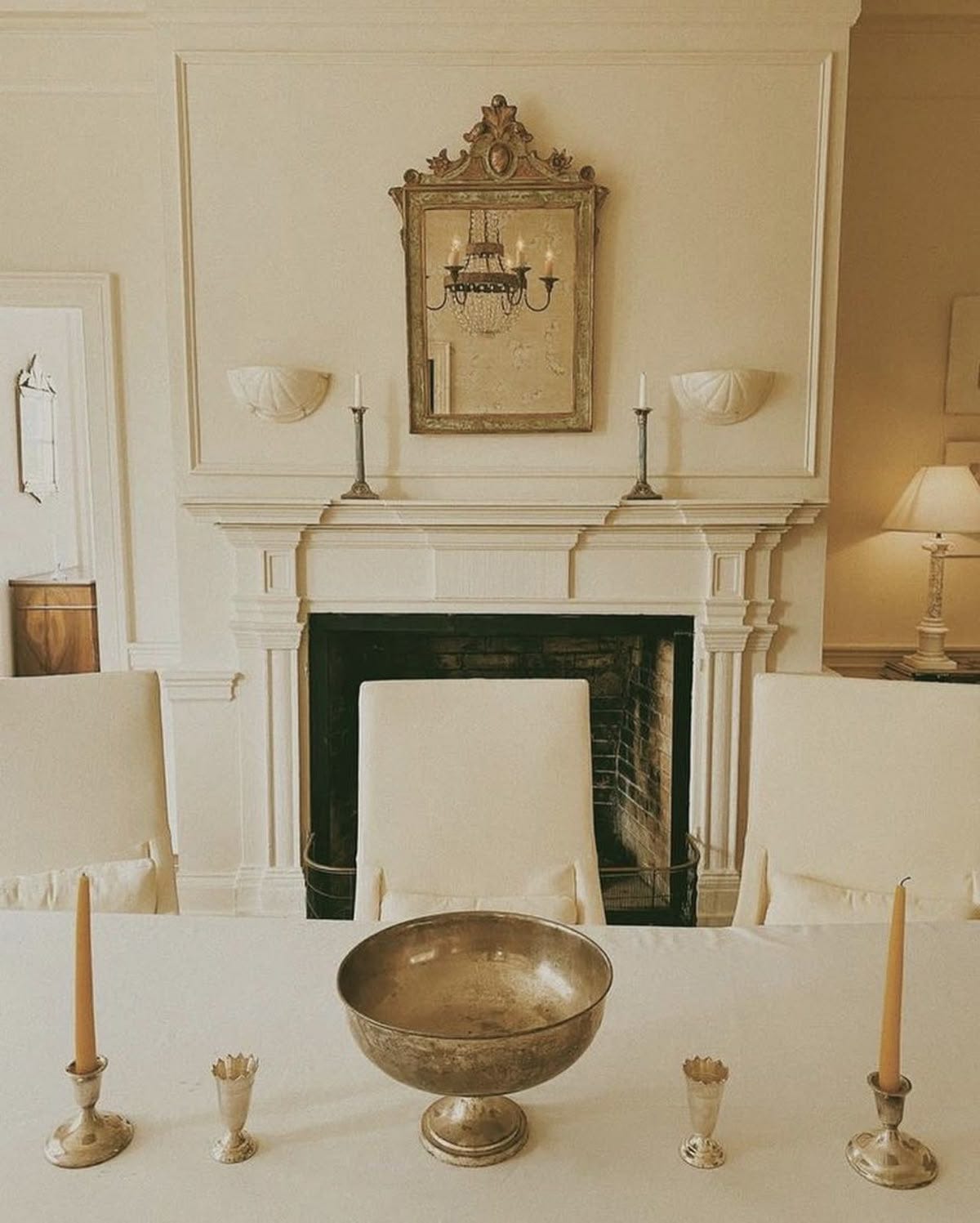
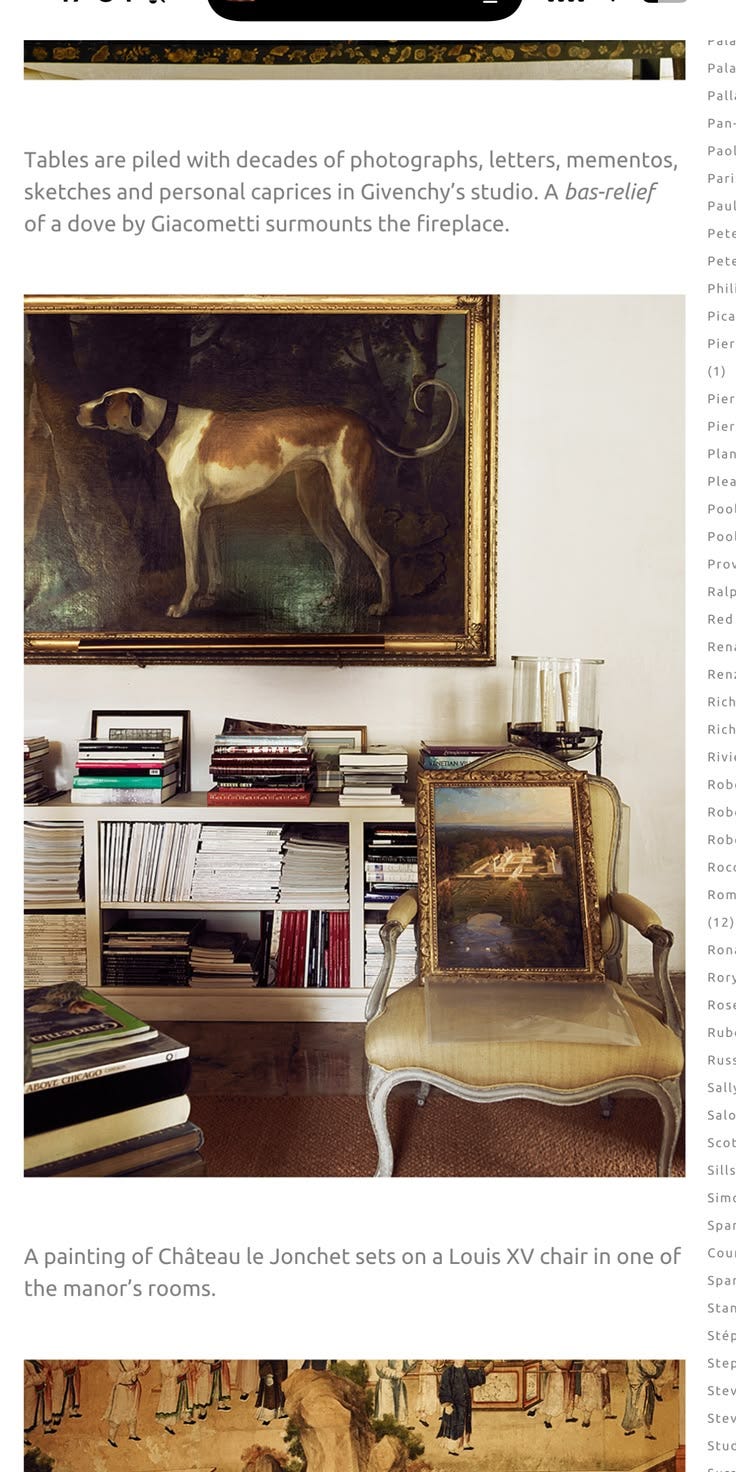
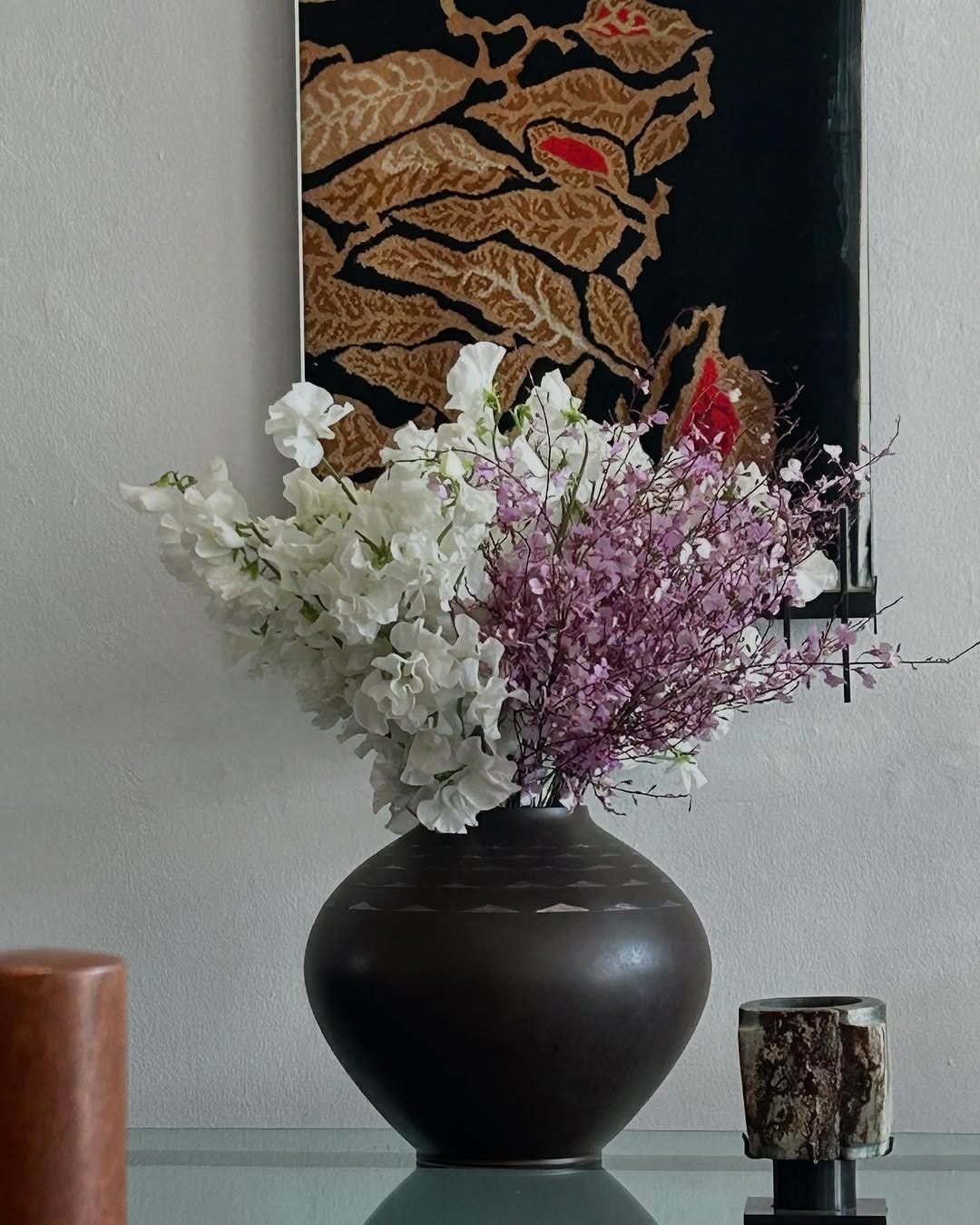
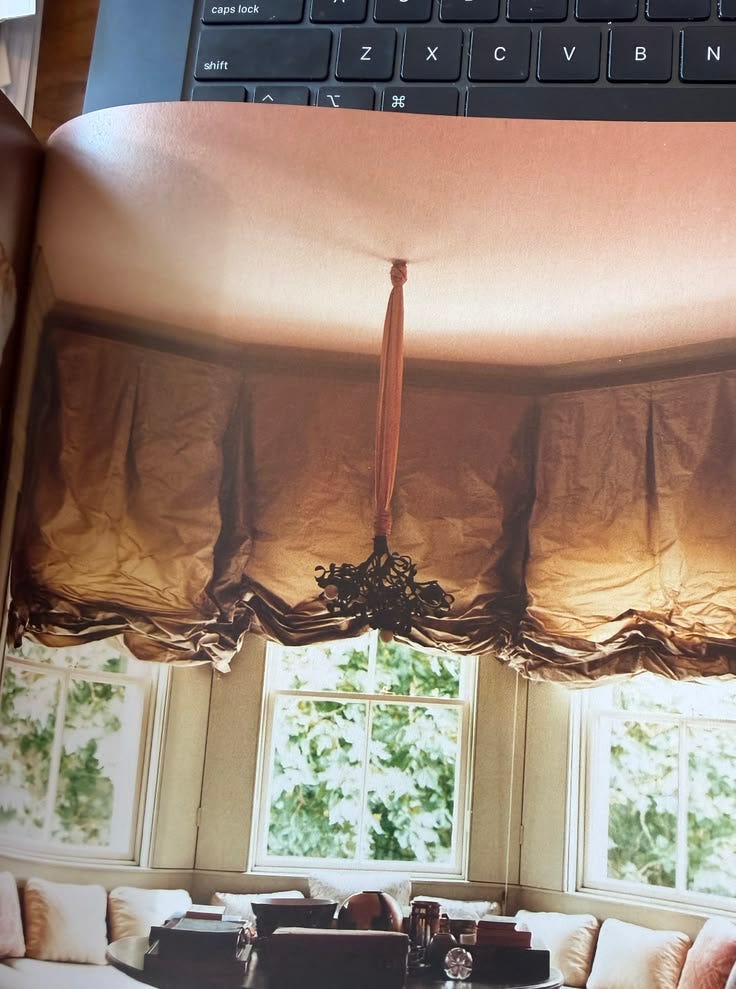
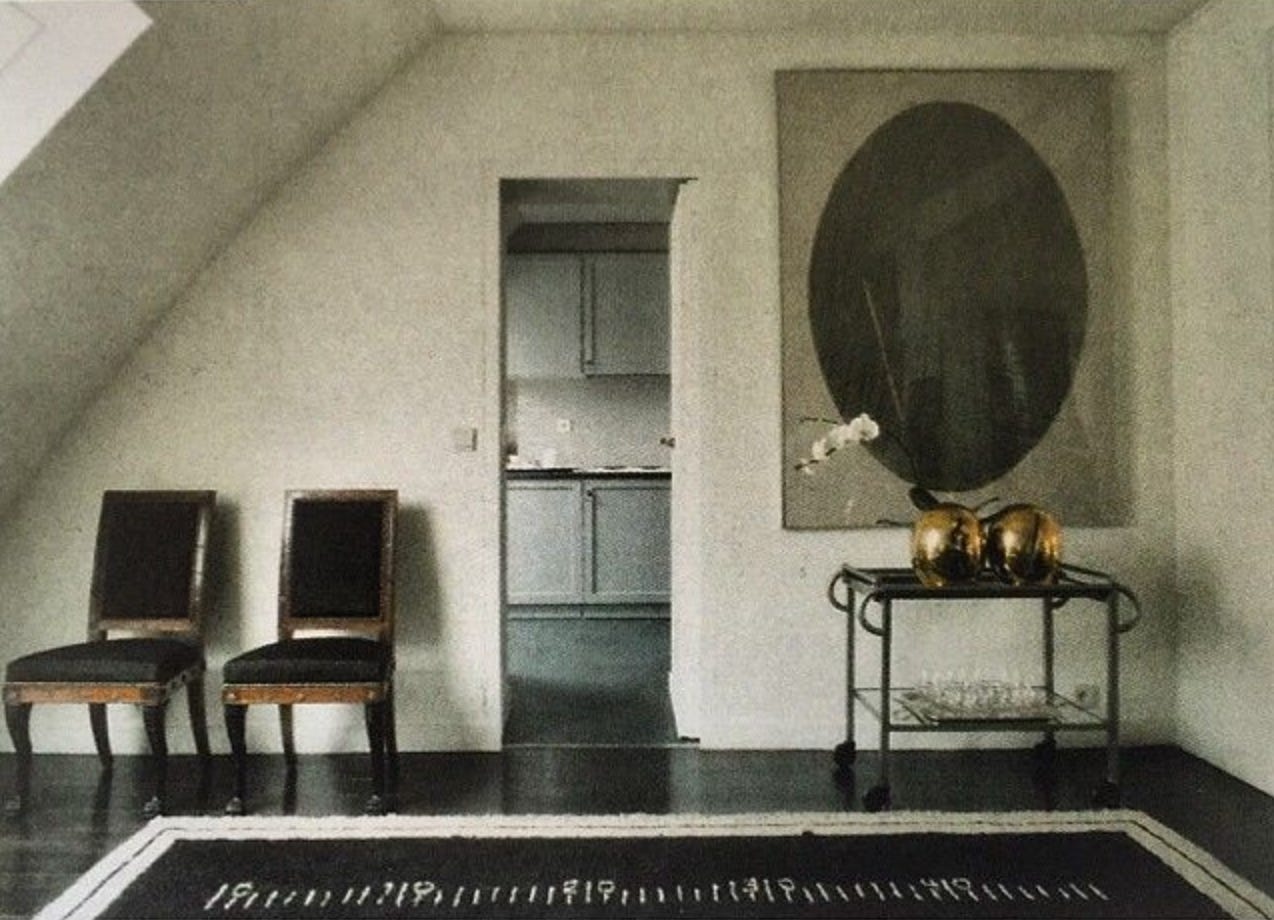
Sometimes it’s scale. Something slightly too big or slightly too small that shifts the authority of the entire composition. Sometimes it’s placement, the difference between something looking accidental and something looking inevitable, which is often about three inches and a level of emotional commitment that feels wildly disproportionate to the task.
Sometimes it’s tension. The presence of something that doesn’t fully belong but somehow makes everything else more convincing.
What I’ve realized is that I’m rarely saving perfection. I’m saving the part of the image that doesn’t fully explain itself.
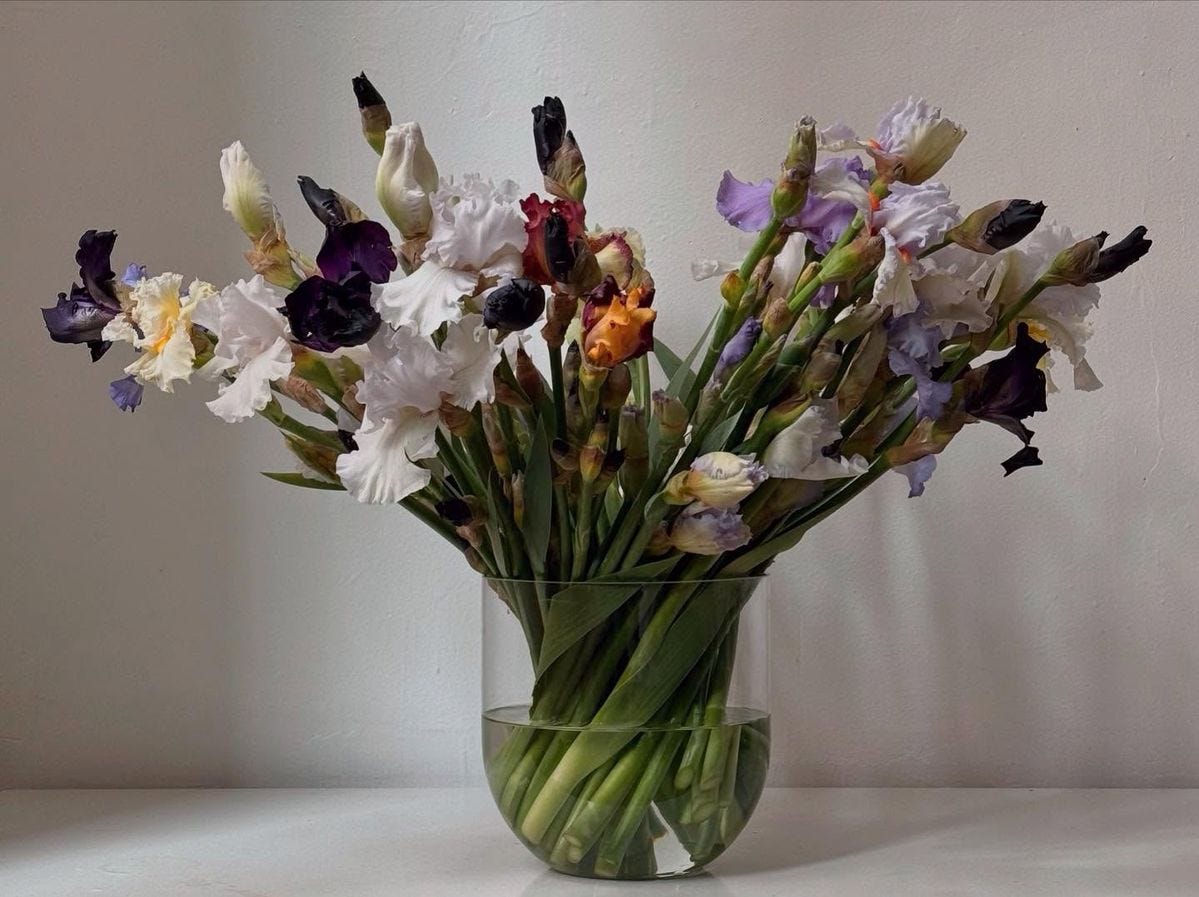
That might be a floral arrangement that feels like it could fall apart at any second but doesn’t. A table setting where nothing matches exactly but everything agrees. An art hang that feels slightly too low until you stand there long enough to realize it’s exactly right.
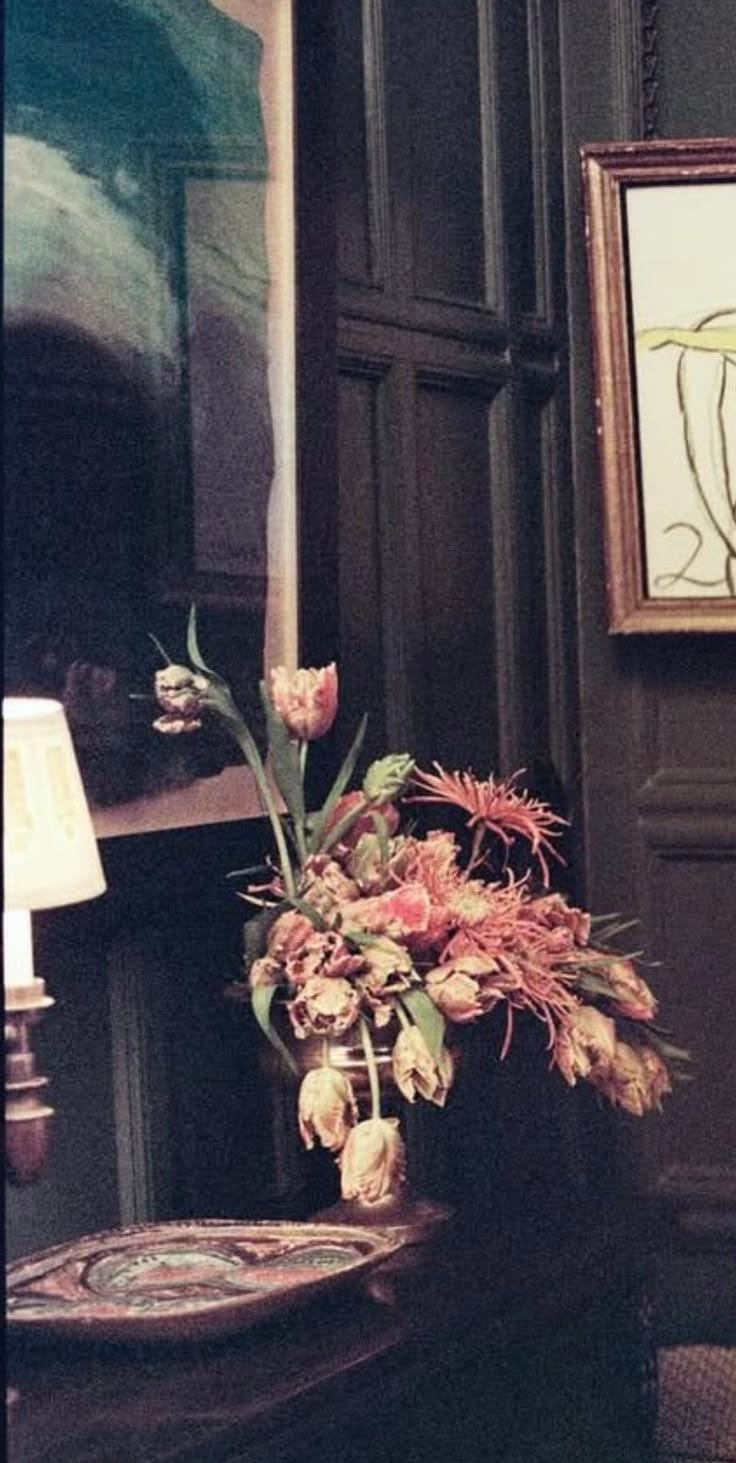
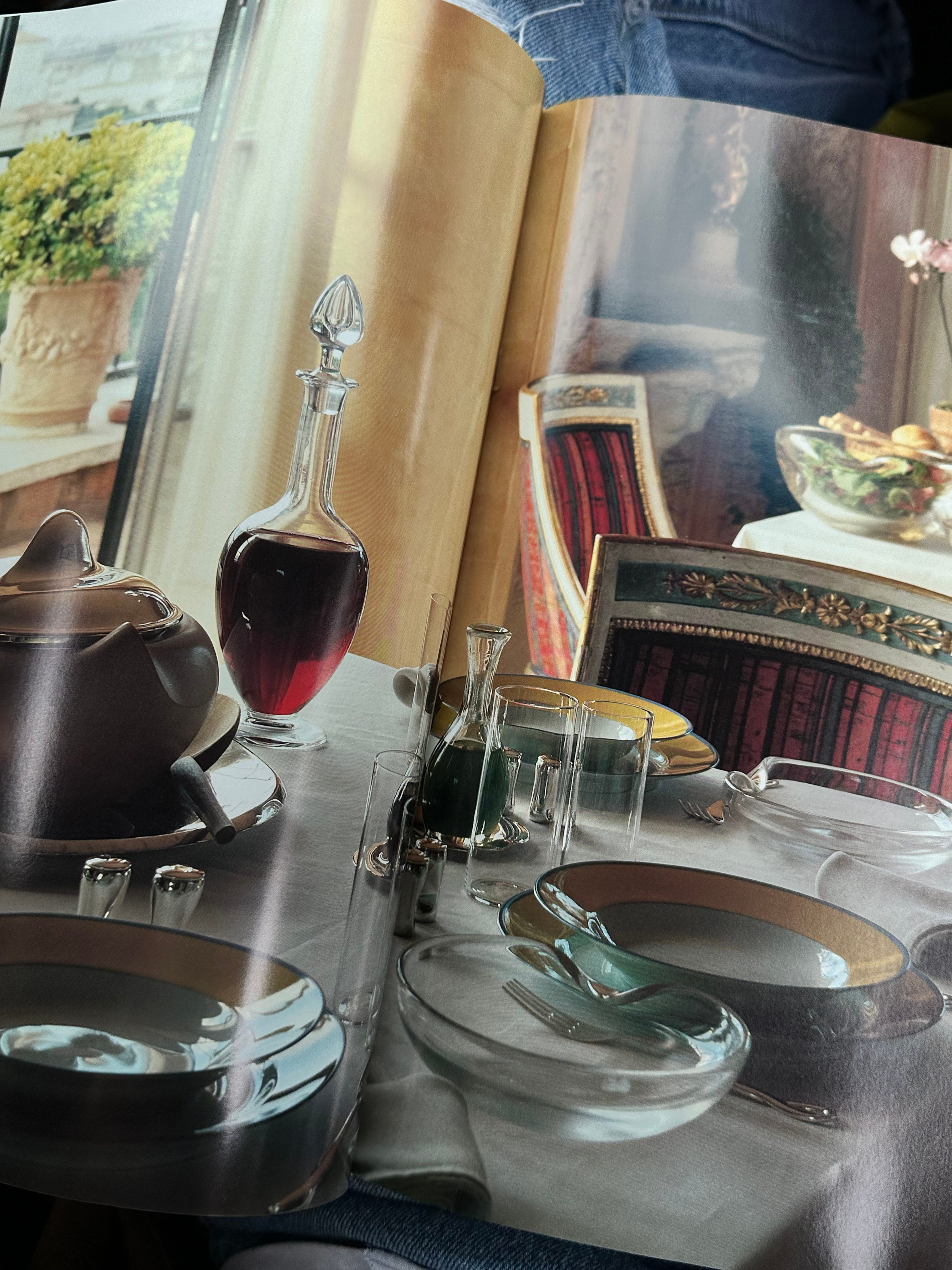
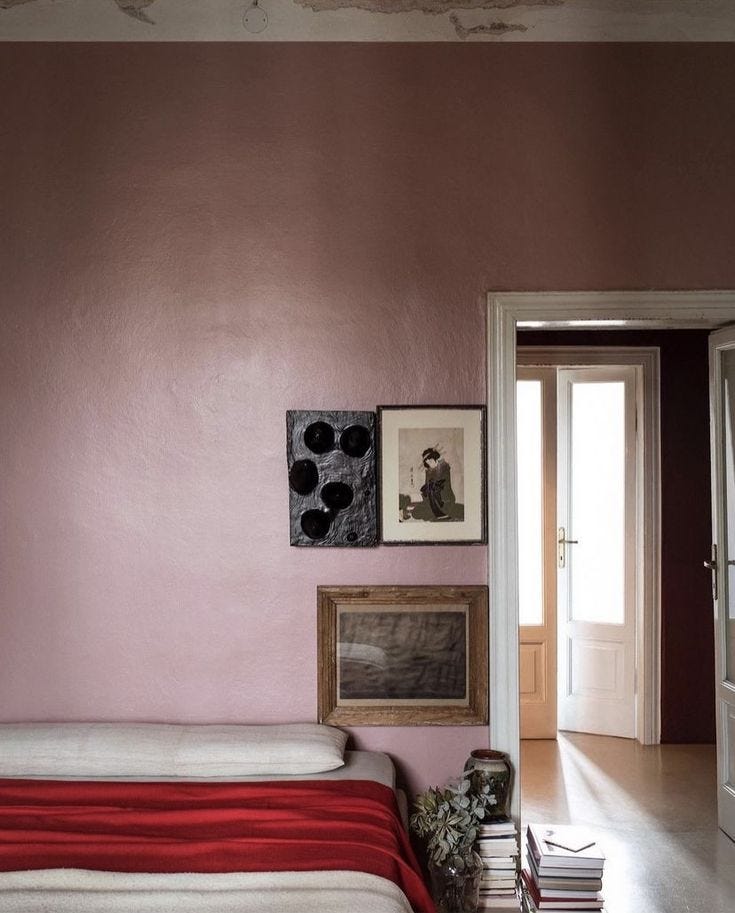
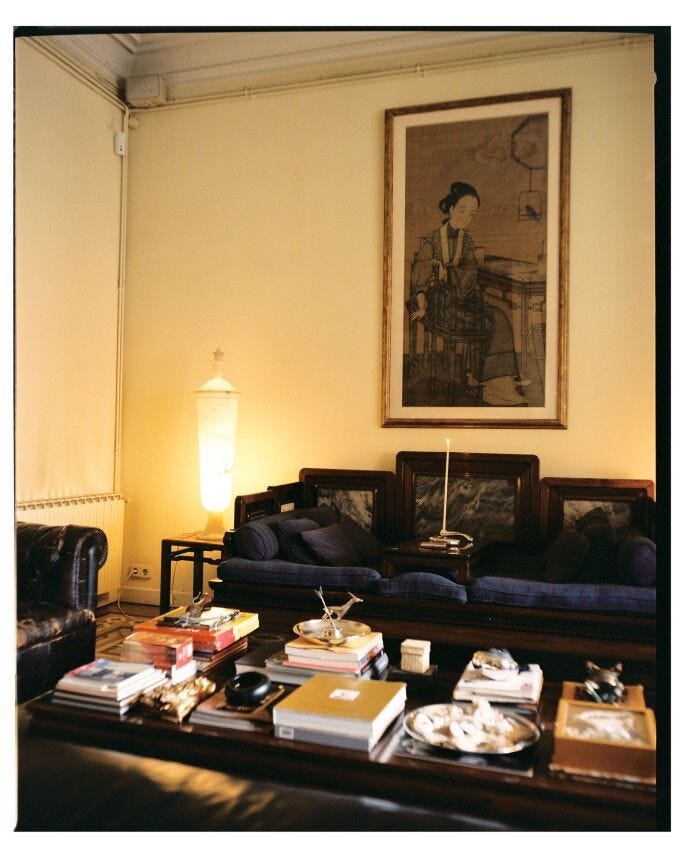
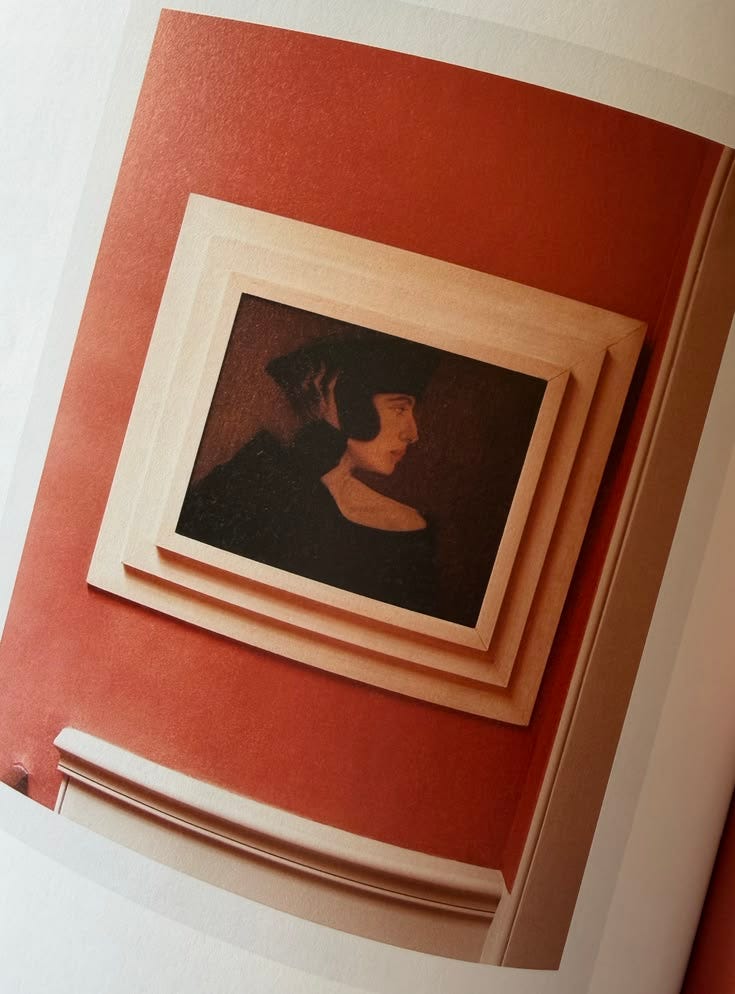
These are the same conversations I have with clients, just with fewer screenshots and more hand gestures.
I’ll say things like, “It just needs a little more air,” or “Let it sit there for a second,” which is a polite way of saying I don’t fully understand it yet, but I trust that we’re close.
None of these are rules. They’re patterns. And they’re easy to miss when everything’s scattered.
The folder changed that.
Seeing everything together made it clear that I’ve been circling the same ideas for years. Looking for the same kinds of relationships, the same quiet disruptions, the same balance between control and looseness that makes a space feel alive.
It also made me realize that instinct isn’t as mysterious as I thought. It’s just observation that hasn’t been organized yet.
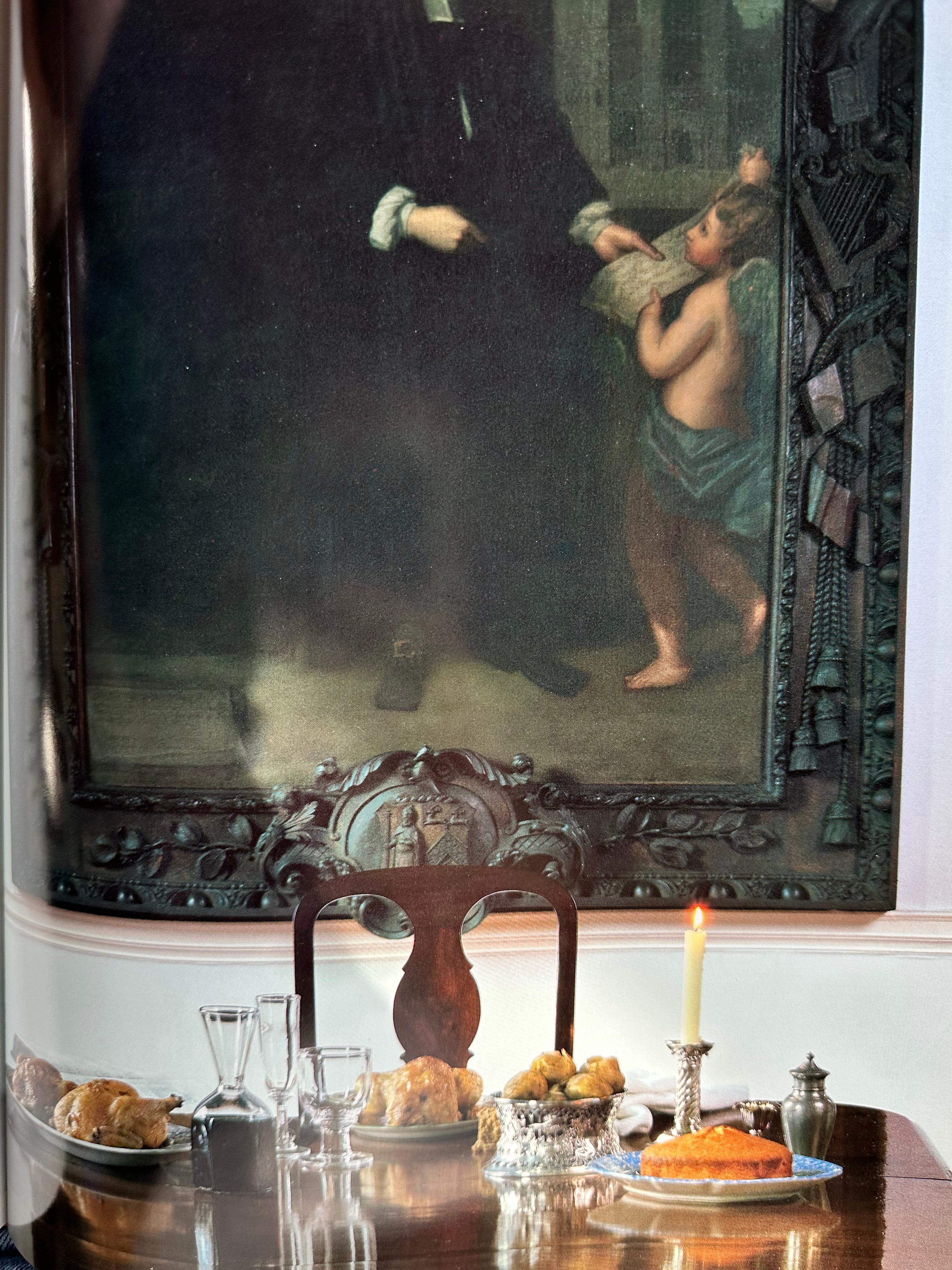
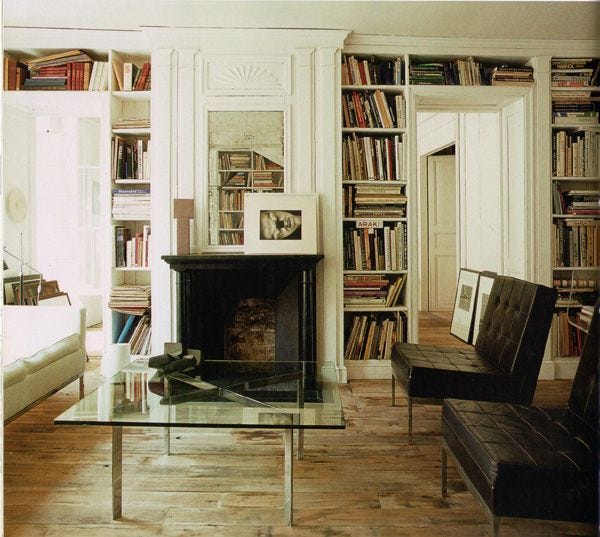
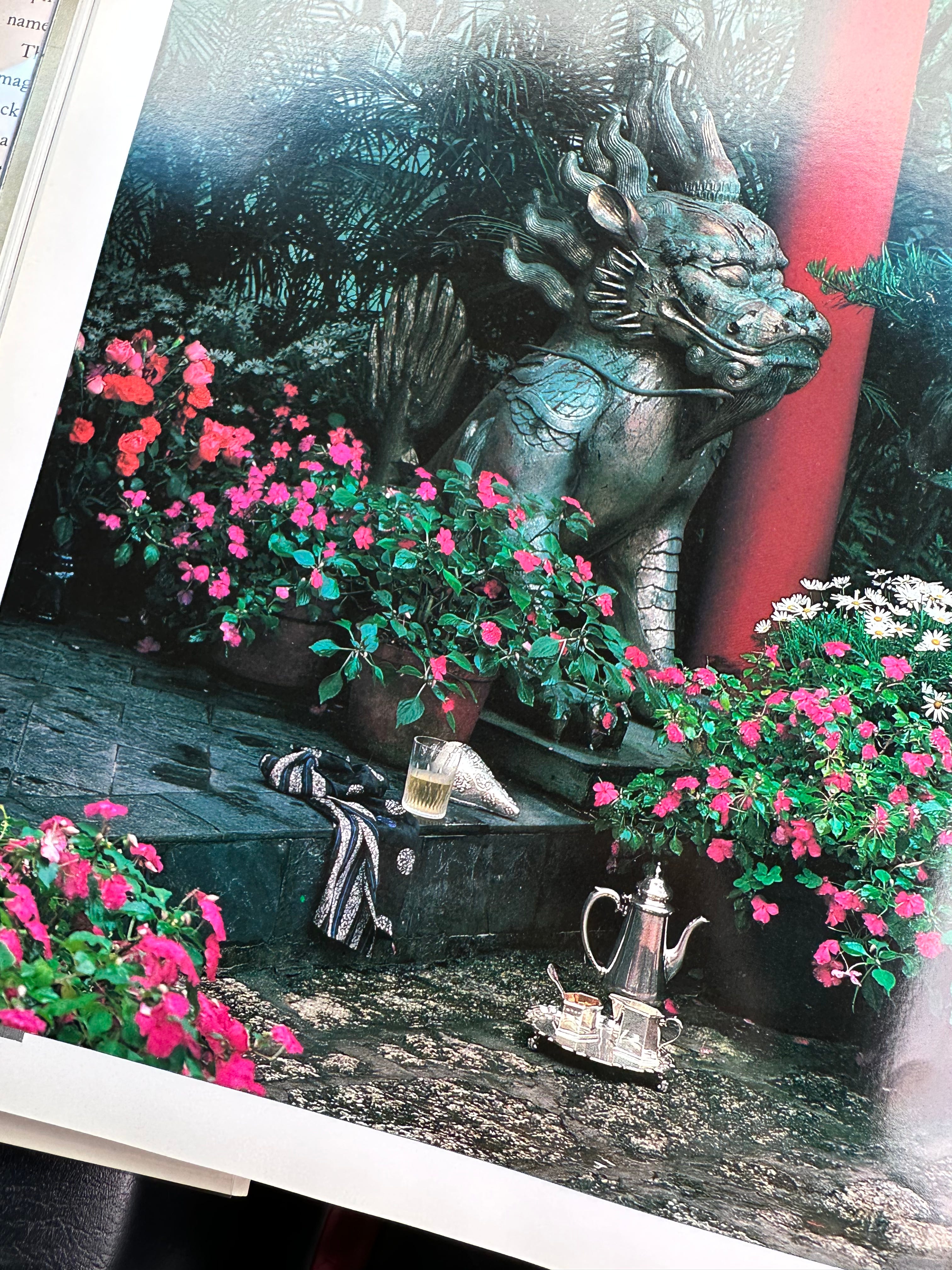
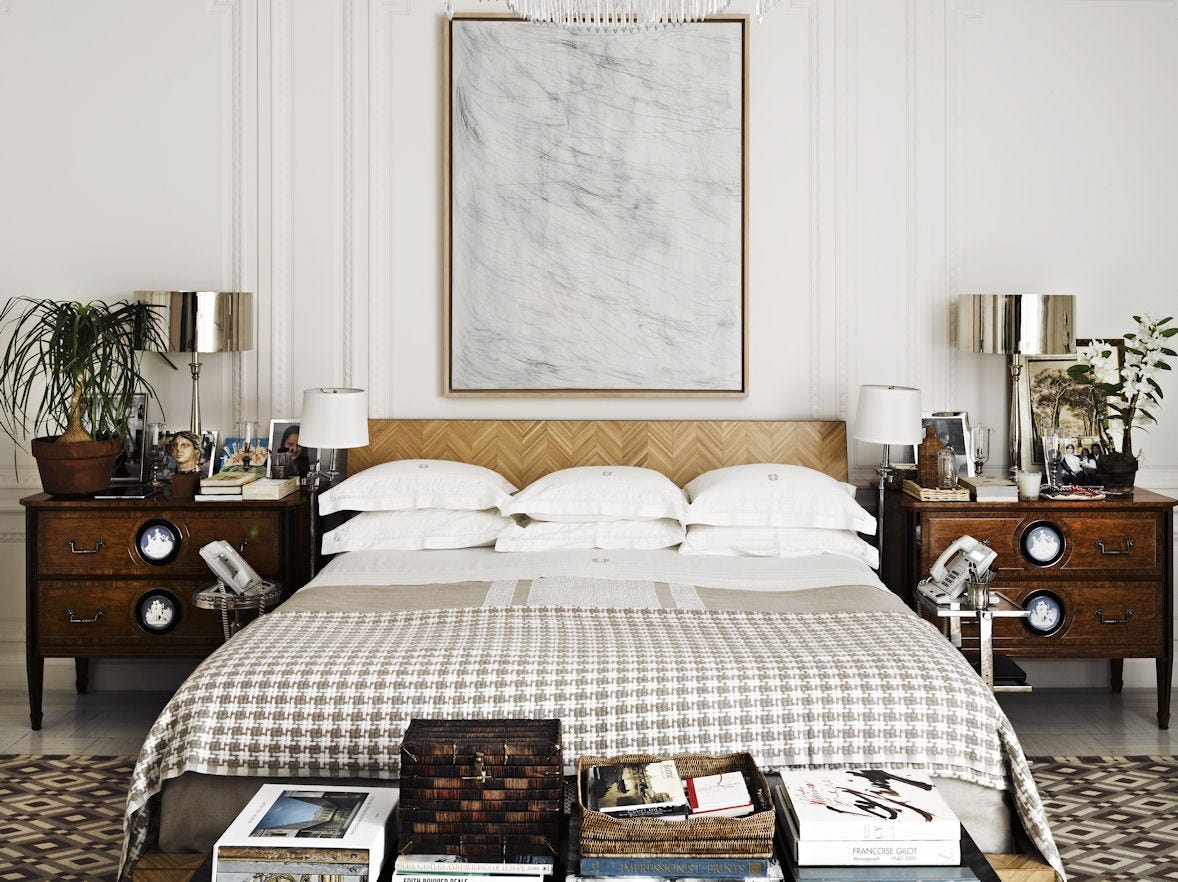
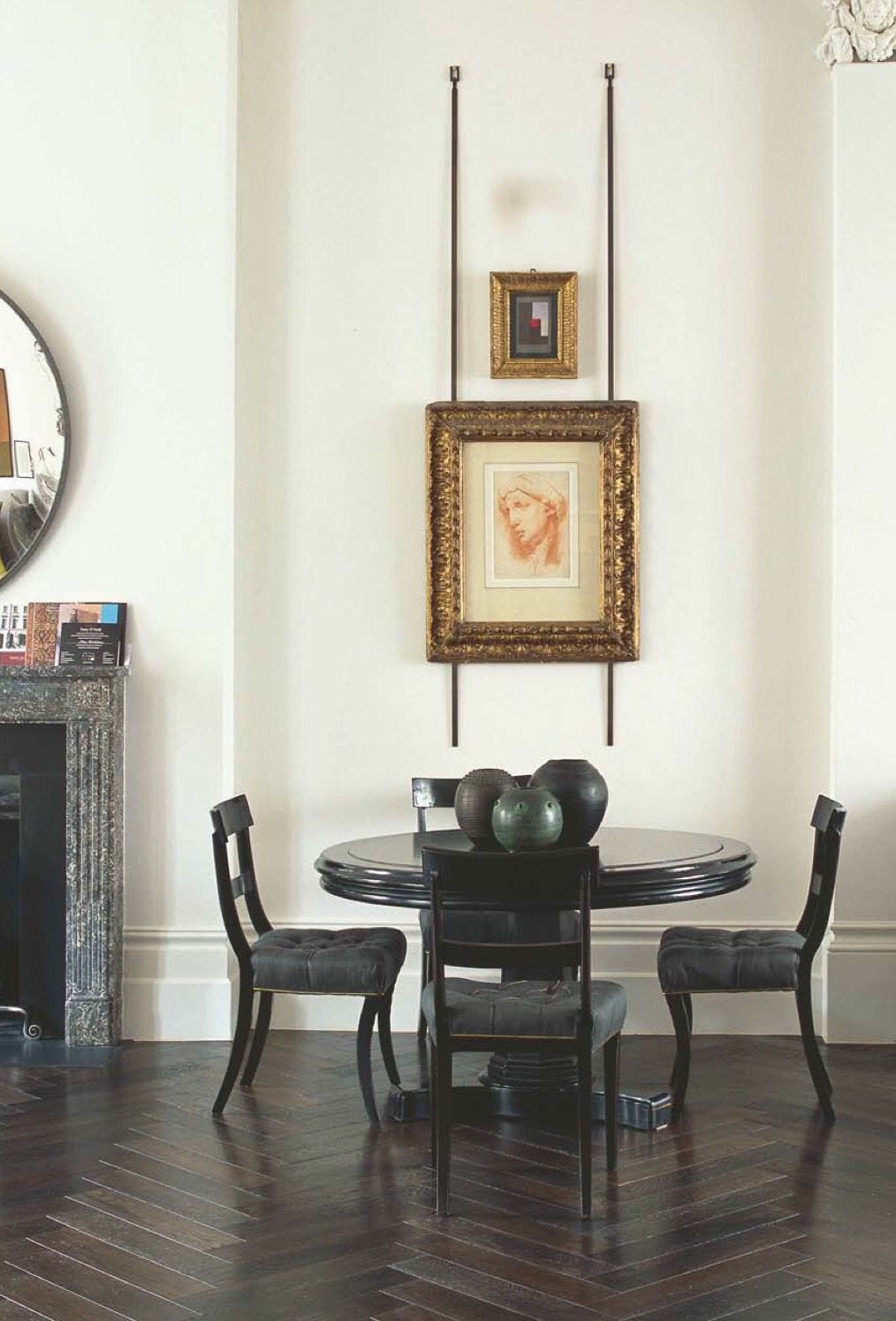
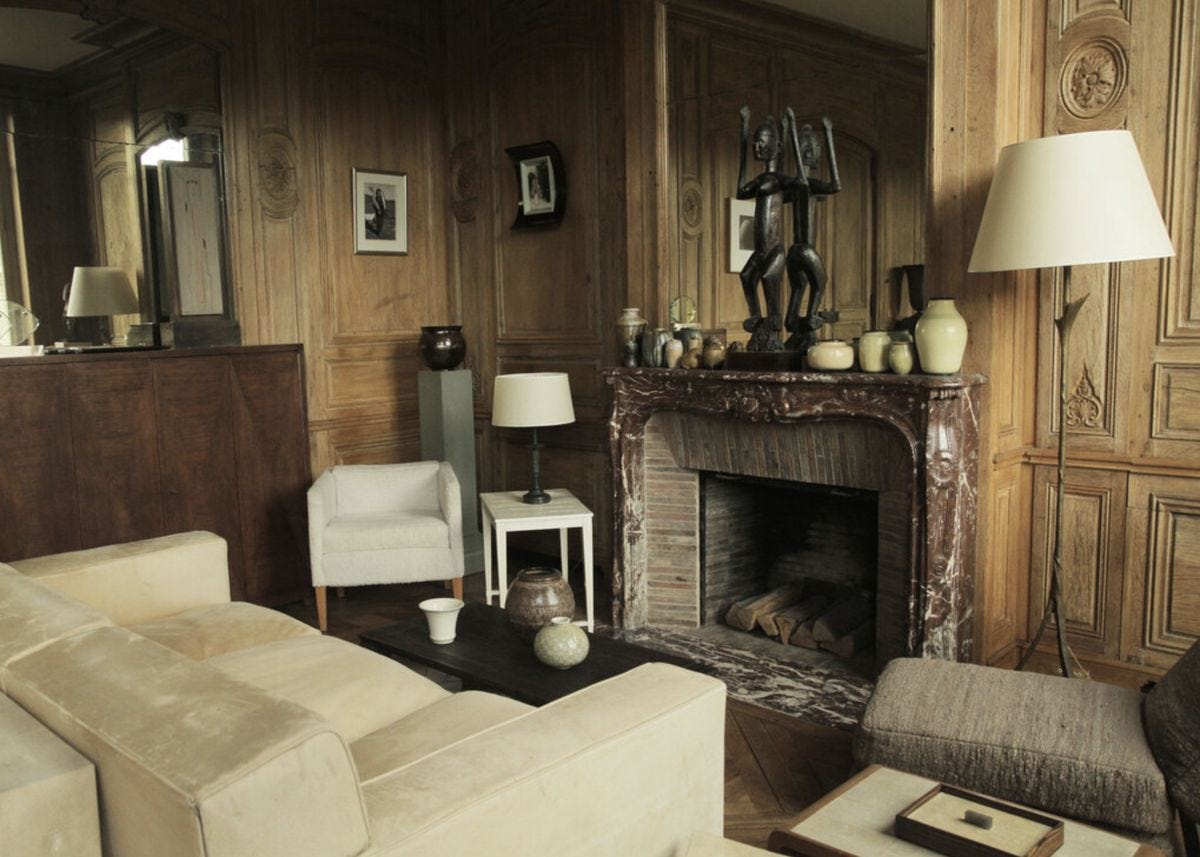
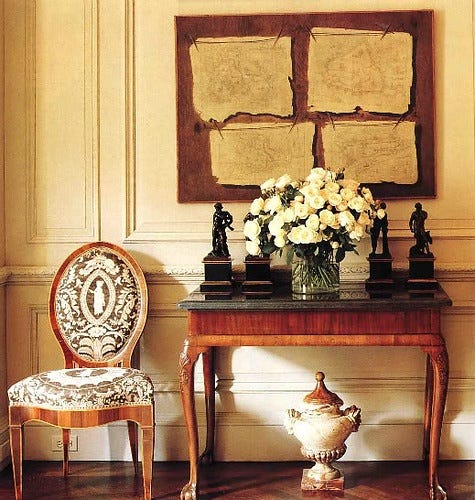
When you start naming what you’re actually looking at, your work changes. Not because you start replicating what you’ve saved, but because you start trusting the part of you that noticed it in the first place.
There’s a difference between copying an image and understanding it. One is surface. The other is structure.
The folder, for me, isn’t about reference. It’s about clarity.
It’s a way of asking, over and over again, why something works. Why your eye stopped there. Why you felt something before you had language for it.
And once you have that language, even partially, you stop second guessing as much. You stop assuming your taste is random or inconsistent. You begin to see that it has shape, even if it’s still forming.
I still don’t always know what I’m looking at when I save something.
But I trust that I will.
Eventually.
That’s the real function of the folder.
Not to organize images.
To organize the way I see.
Love,
Colin

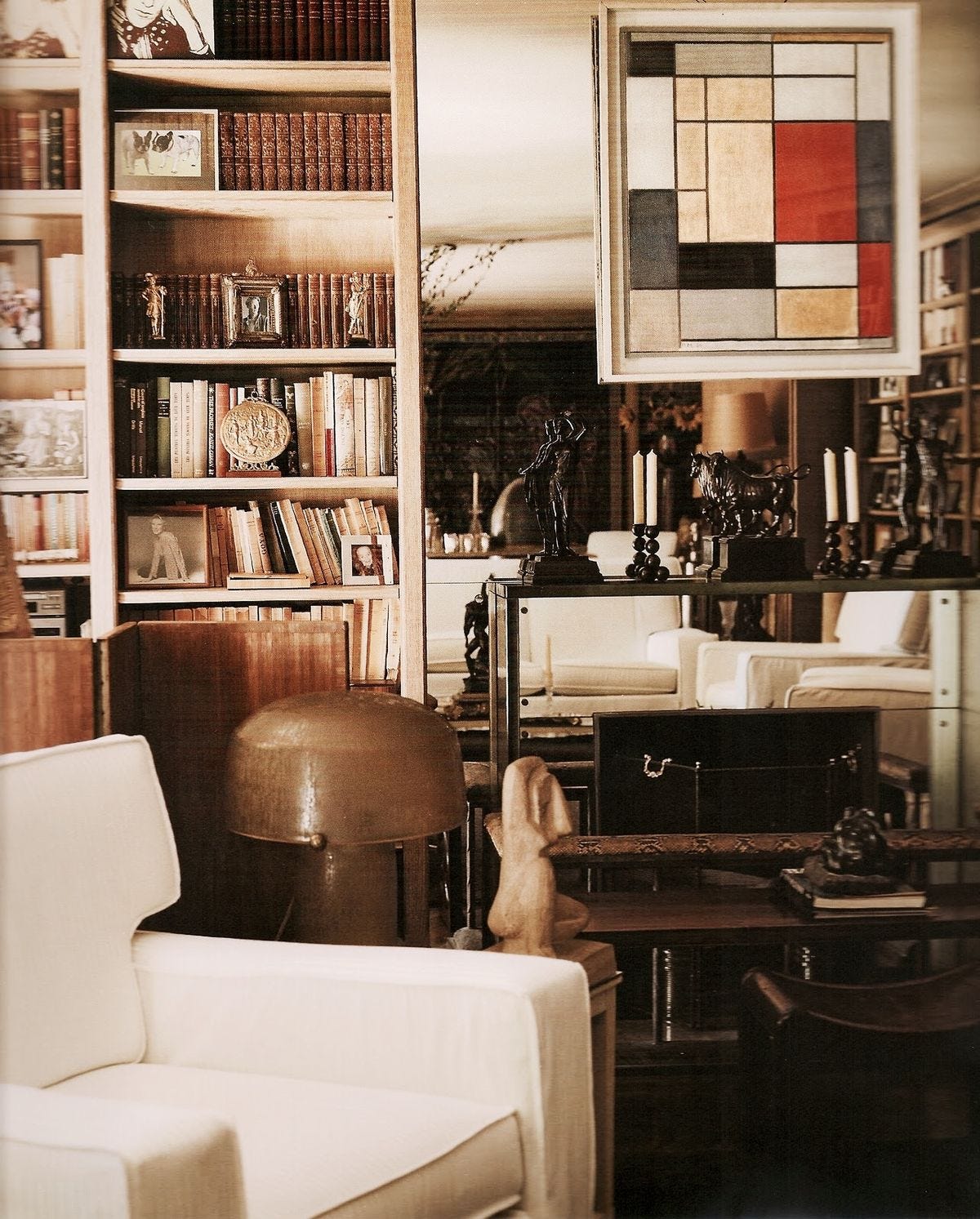
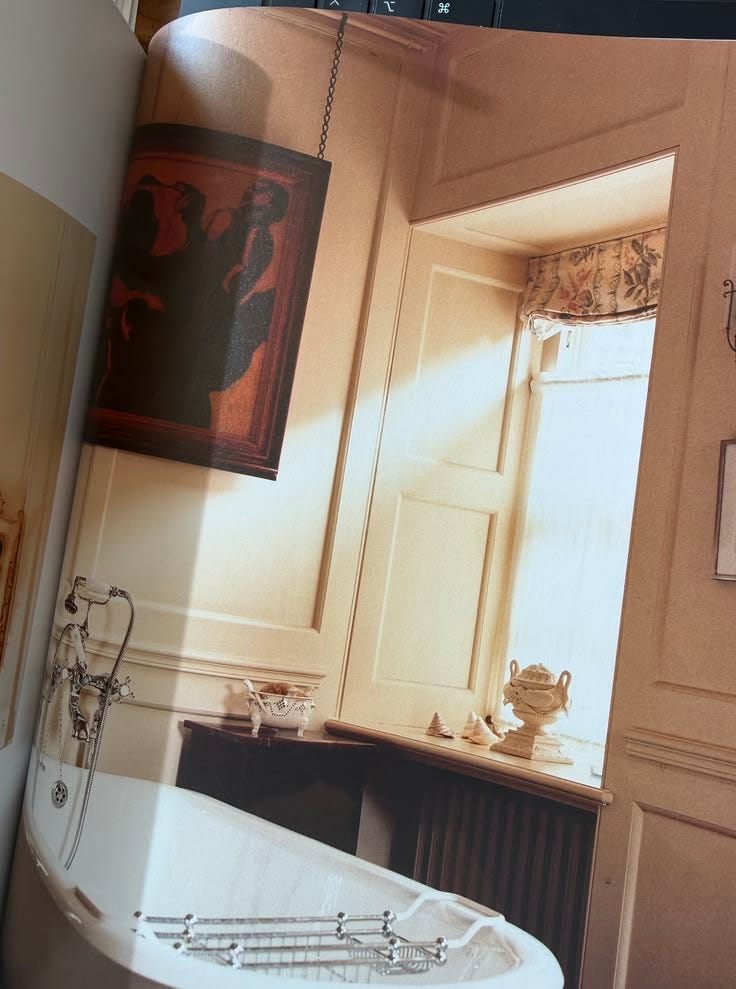
What I notice, about so many of the images you just shared, is that many are from the 80s and 90s. The homes that were photographed then captured the style of the homeowners, layered, rich, imperfect, lived and most importantly authentic. Today, images that are shared are too often styled for perfection. The tension you are drawn to often erased.
Yesterday I read an article about ADHD and as per usual, I really appreciated the comments. One person wrote about multidimensional perception, and how she at one point started to realize patterns (I think she was some kind of IT analyst). Now I read your text and I just love how you add that layer of emotion, how a small moment of irritation, a surprising combination of materials or shapes or maybe some light reflection on the wall can change everything. You have a beautiful and thoughtful way of writing!