

Why I Keep Moving Things
On restlessness, interruption, and inevitability.

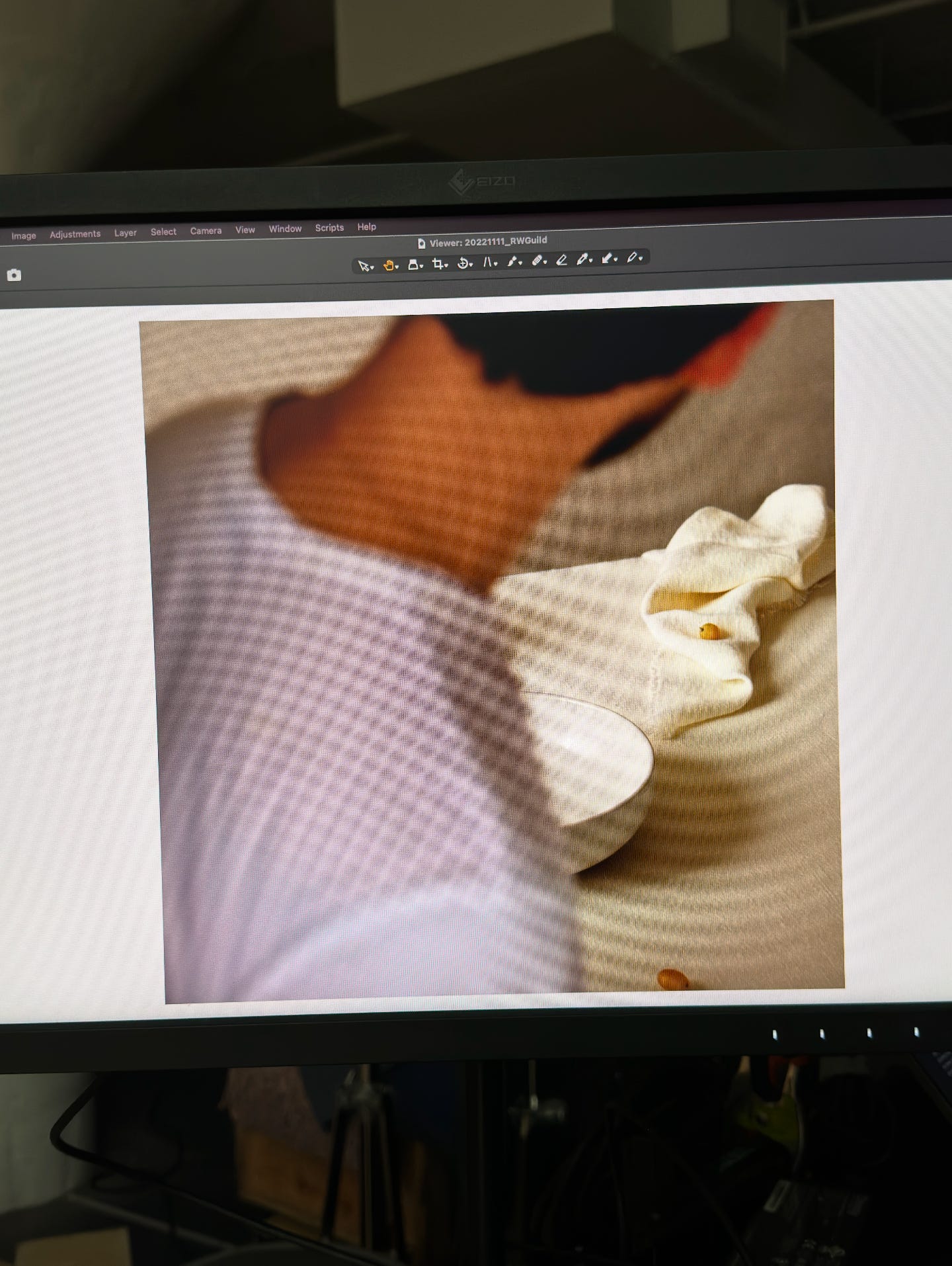
I keep moving things. Sometimes because it’s my job. Sometimes because I’m thinking. And sometimes because something else hasn’t quite settled yet.
This took me a long time to understand, mostly because rearranging looks productive. It has plausible deniability. It reads as care. As intention. As someone with their life together making a very reasonable adjustment to a lamp. But more often than not, I move things when something else is unsettled.
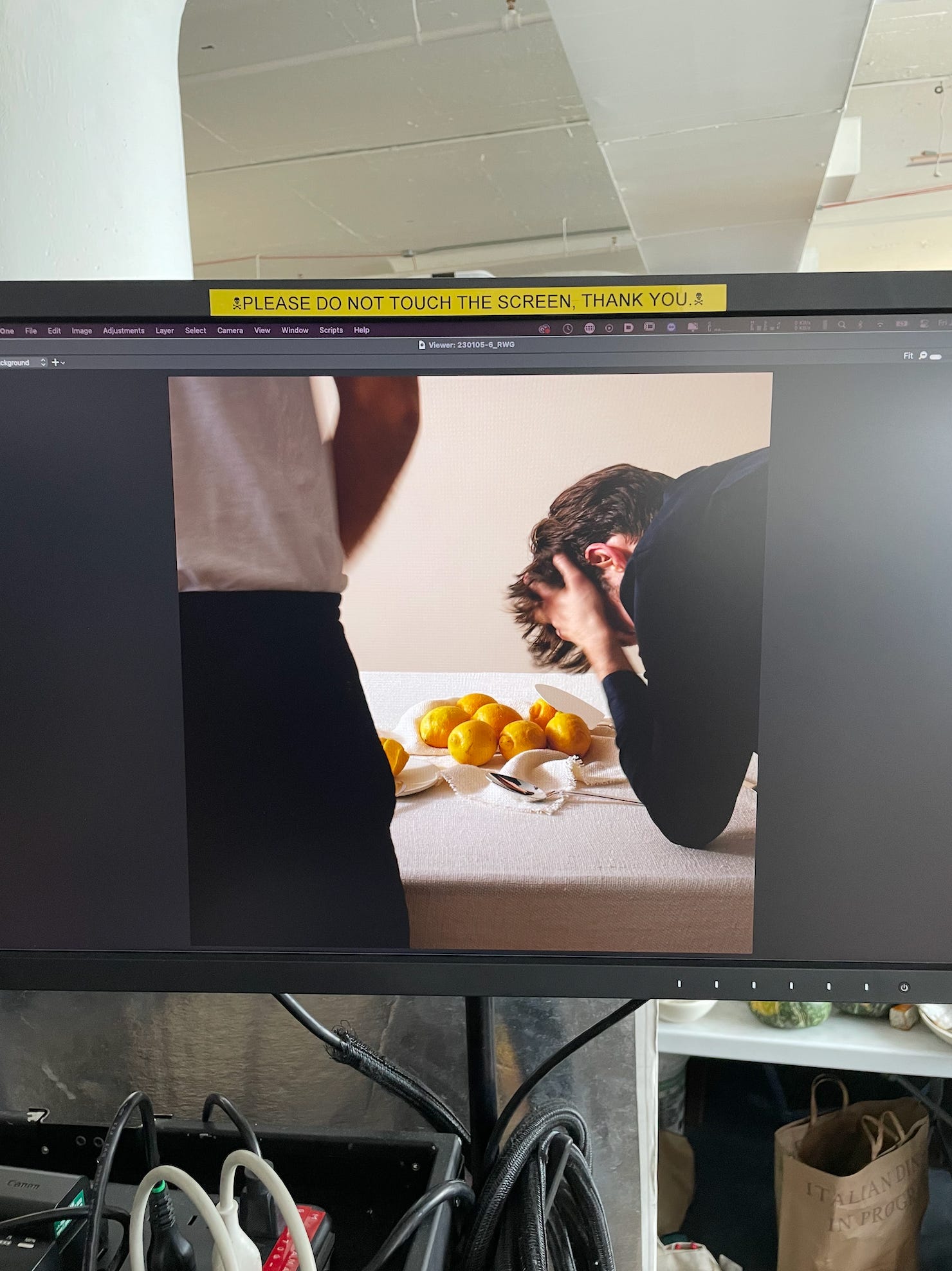
A chair shifts. A lamp migrates. The bowl goes for a walk.
It looks like styling. It’s usually listening.
When I’m okay, rooms feel resolved. Things can stay put. I’m not scanning or correcting the air as I move through it. I can just be there. When I’m not, my hands start negotiating on my behalf.
I used to think this meant something was wrong with the room. Now I think the room is just the first place the truth shows up. Before language. Before logic. Before I’m ready to admit anything to myself. Rearranging is how I ask questions without asking questions. I tell myself I’m looking for balance, but really I’m checking in. Does this still work. Does this still feel like me. Did something shift that I haven’t caught up to yet.
Most of the time, nothing dramatic is happening. No crisis. No big revelation. Just the low hum of being human. A little restless. A little distracted. Slightly out of sync with myself. That’s when the room starts moving.
I’ve learned not to judge this too harshly. We all have our tells. Some people journal. Some people go for long walks. I move objects two inches to the left and see if my nervous system responds. Sometimes it does. Sometimes I just end up with a lamp that’s now worse.
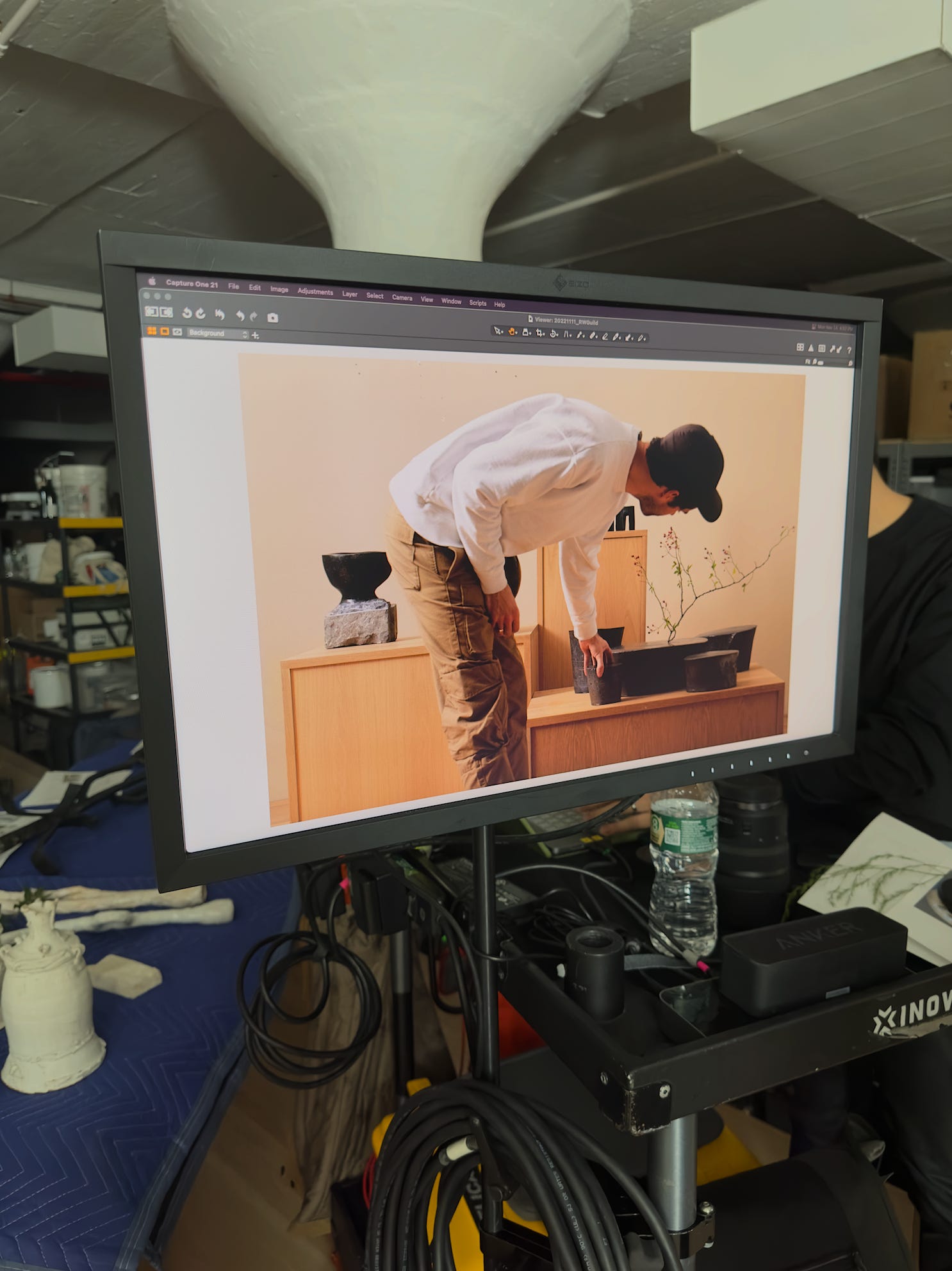
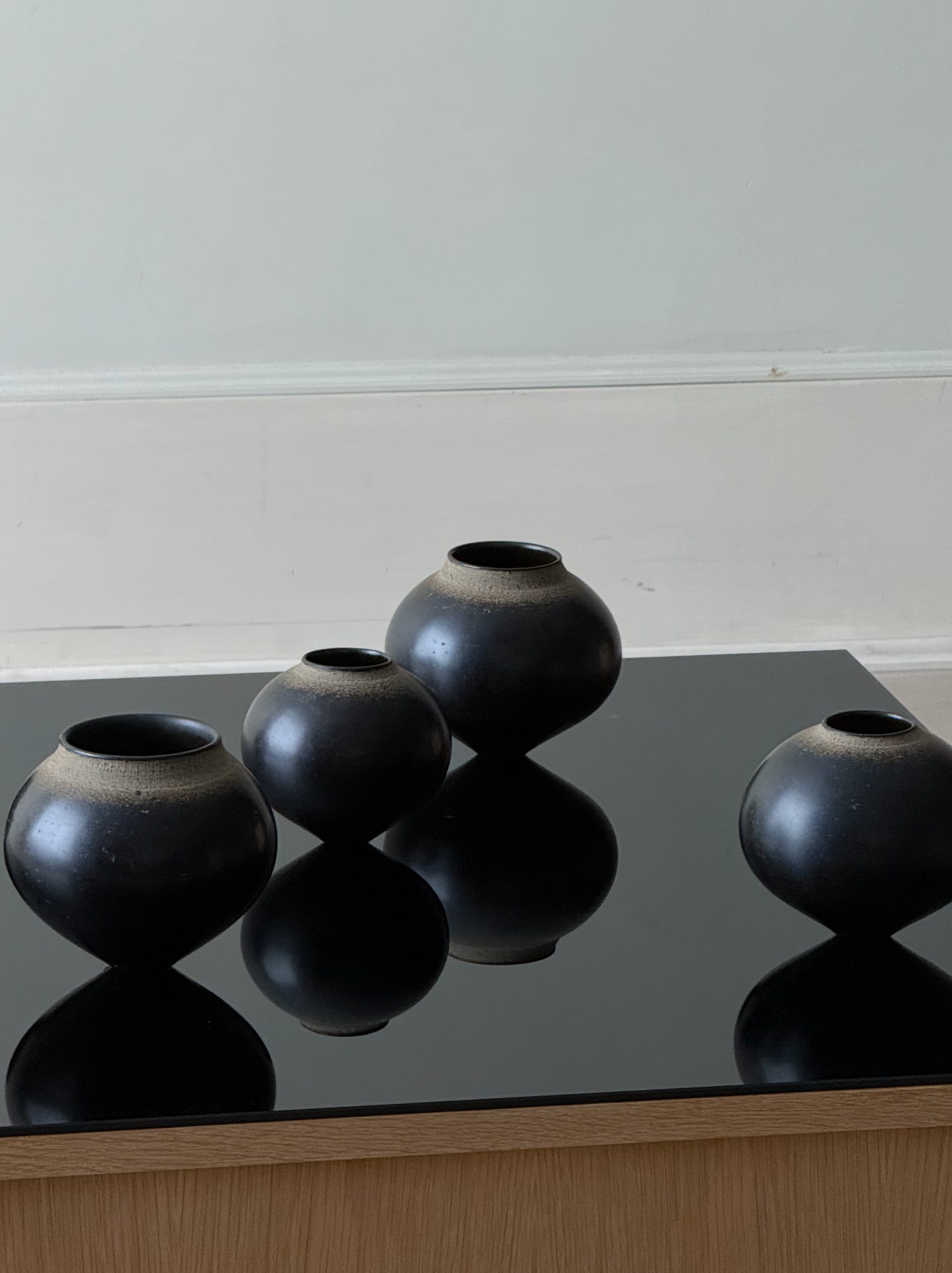
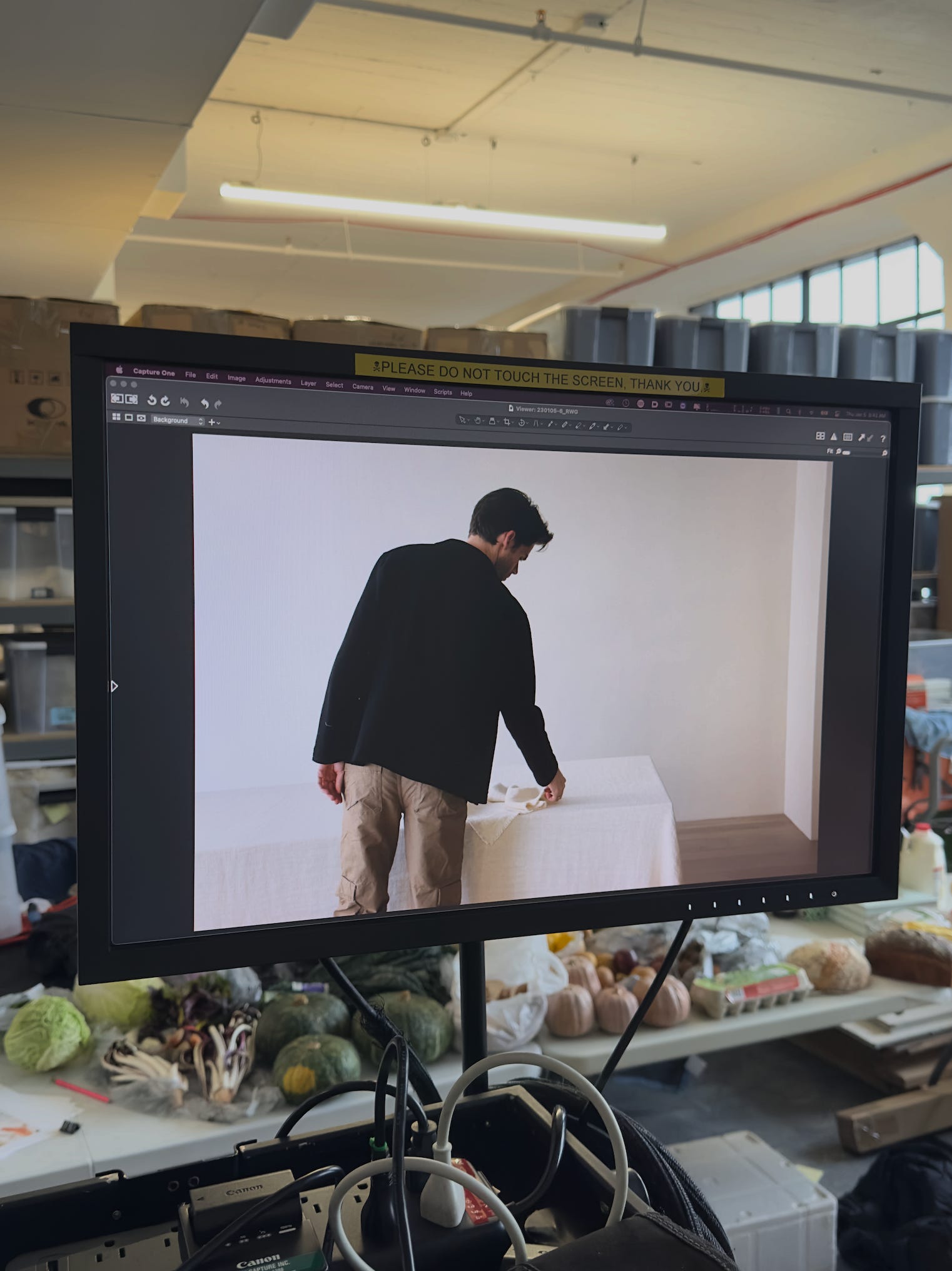
There’s also a slightly embarrassing truth I should probably admit here. I almost never buy things with a plan. I wish I could say I do. That I measure first. That I picture the exact corner. That I’m decisive and orderly and bring things home knowing precisely where they’ll live. But mostly I just bring things back and set them down and hope no one asks me what the plan is. There usually isn’t one.
I buy objects the way I collect thoughts. Impulsively. Optimistically. With a lot of faith and very little follow-through. They sit on the floor. They lean against walls. They hover in that uncomfortable category of “temporary,” which everyone knows is a lie. Sometimes they stay there for weeks. Sometimes months. Occasionally forever.
This used to make me feel irresponsible. Like a stylist who should really know better. But I’ve come to trust it. Because objects behave differently once they’re inside a room. The thing you were sure was destined for a shelf suddenly wants the floor. The vase you loved in theory becomes unbearable at eye level and inexplicably perfect when it’s half-hidden in a corner. The chair that looked wrong everywhere quietly solves a problem you didn’t realize you had.
Nothing reveals itself all at once. You have to live with it. You have to tolerate a little awkwardness. You have to let the room and the object get to know each other without hovering.
This is the part no one posts. The in-between. The mildly chaotic phase where things don’t click immediately and you start to worry you’ve lost your touch or your mind. The object you were so excited about feels wrong everywhere until one day it doesn’t. Until it lands somewhere that feels obvious in retrospect, like it had been patiently waiting for you to stop forcing it.
That’s usually when I realize I’m not actually looking for change. I’m looking for inevitability. That very specific feeling when an object stops feeling placed and starts feeling true. When it no longer reads as a decision, but as a fact. When it feels as though it could only be there, and anywhere else would feel slightly ridiculous.
The rooms I love most don’t just absorb my restlessness. They interrupt it. Not loudly. Just enough to wake me up.
A reflection that catches me off guard. A shadow that makes me look up. A chair that makes me sit differently than I planned.
These interruptions aren’t inconveniences. They’re invitations. They pull me out of autopilot and back into the room, back into my body. They say, gently, pay attention.
If a room never interrupts you, it’s probably not done yet. Not because it needs more things, but because it hasn’t developed any friction. It hasn’t learned how to participate in your life instead of simply accommodating it. This is why overly perfect rooms can feel exhausting. They ask nothing of you, which sounds ideal until you realize they also offer nothing back. They don’t mirror you. They don’t challenge you. They don’t notice when you’re drifting.
A good room notices. It notices when you’re unsettled and gives you something small to adjust. It notices when you’re checked out and nudges you back in. And it notices when you’re okay and lets everything stay exactly where it is.
When a room goes quiet, I know I’m okay. Not because nothing is happening, but because nothing is being negotiated. The objects aren’t asking questions. They aren’t auditioning. They aren’t waiting for approval. They’re settled. And so am I.
This is the feeling I trust most in a room. Not excitement. Not perfection. But inevitability. The sense that if you tried to move something now, it would only make things worse.
I still rearrange. Of course I do. I probably always will. But now I treat it less like a solution and more like a signal. Am I fixing, or am I listening. Am I adjusting the room, or am I avoiding something else. Sometimes the answer is both.
And sometimes the best thing a room can do is interrupt me just long enough to remind me that I’m alive inside it. That I’m here. That I’m paying attention. That I don’t need to move a single thing right now.
That quiet isn’t stagnation. It’s ease.
And ease, when it arrives honestly, is unmistakable.
Love,
Colin

This truly resonates with me, beautifully said.
I love this - it really resonated with me too. I’ve been a room rearranger for a long time, especially as a means to avoid things I didn’t want to do. I also move frequently, looking forward to styling and changing, but also searching for the right place, which I haven’t really found yet either. The moving of objects has definitely mirrored my dissatisfaction with my career, but also led to a major career change from teaching high school into actually organizing and styling homes. And yet when that new work with long-term clients starts to feel mundane or it’s hard to build with new clients, I find myself going back to teaching. The dissatisfaction is still there but I’m still work out how to fix it, so I keep moving back and forth, making slight adjustments.