

Beyond the Scroll
Reclaiming intuition in the age of infinite inspiration

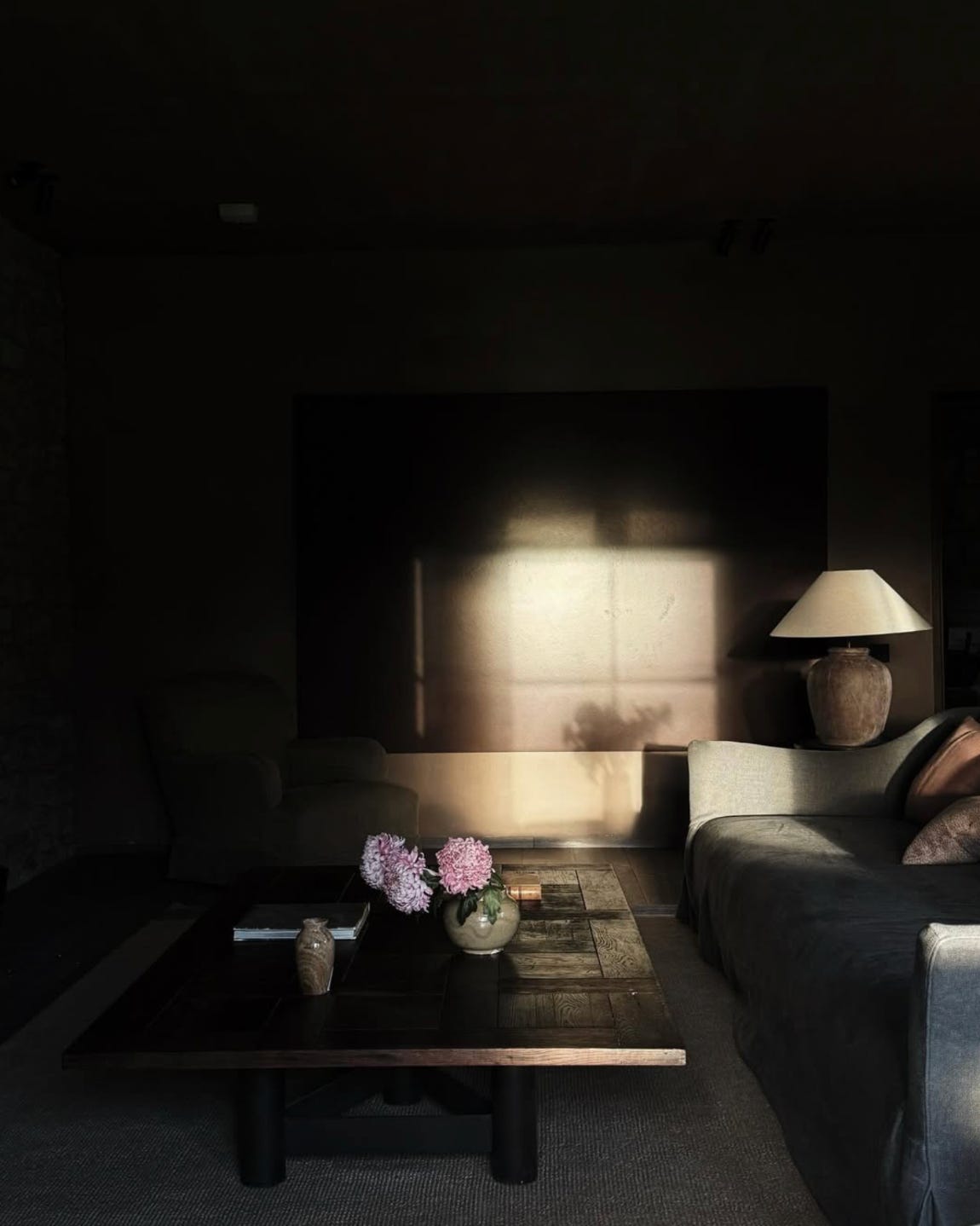
Last summer, the Design Leadership Network reached out and asked me to speak. Their email said they were brainstorming someone “brilliant yet business savvy who could speak to the changing nature of design inspiration in a very online world, and the increasingly blurry lines between design, styling, and creative direction, and you immediately came to mind.”
I read it three times, partly flattered and partly wondering whether I had successfully fooled the entire design industry. I accepted anyway. It felt rude not to.
The truth is, I always feel a little strange talking about what I do instead of just doing it. Styling is physical for me. It lives in my hands, in the tiny tilt of an object, in my body remembering the weight of something before my brain catches up. But the DLN was asking about something bigger, something I had been quietly wrestling with myself: what it means to be a creative person in a world that is constantly showing you what creativity supposedly looks like.
There used to be a time when inspiration took effort. You went hunting for it. You spent slow hours with old design books, or you tore pages out of magazines with a metal ruler like you were performing delicate surgery. You walked through a flea market and felt your whole nervous system spark when you saw a lumpy ceramic that made no logical sense but felt exactly right. You traveled, and one tiny detail came home with you: the way curtains moved in a Greek rental, the color of a floor in Milan, how a shadow clung to a wall in the late afternoon.
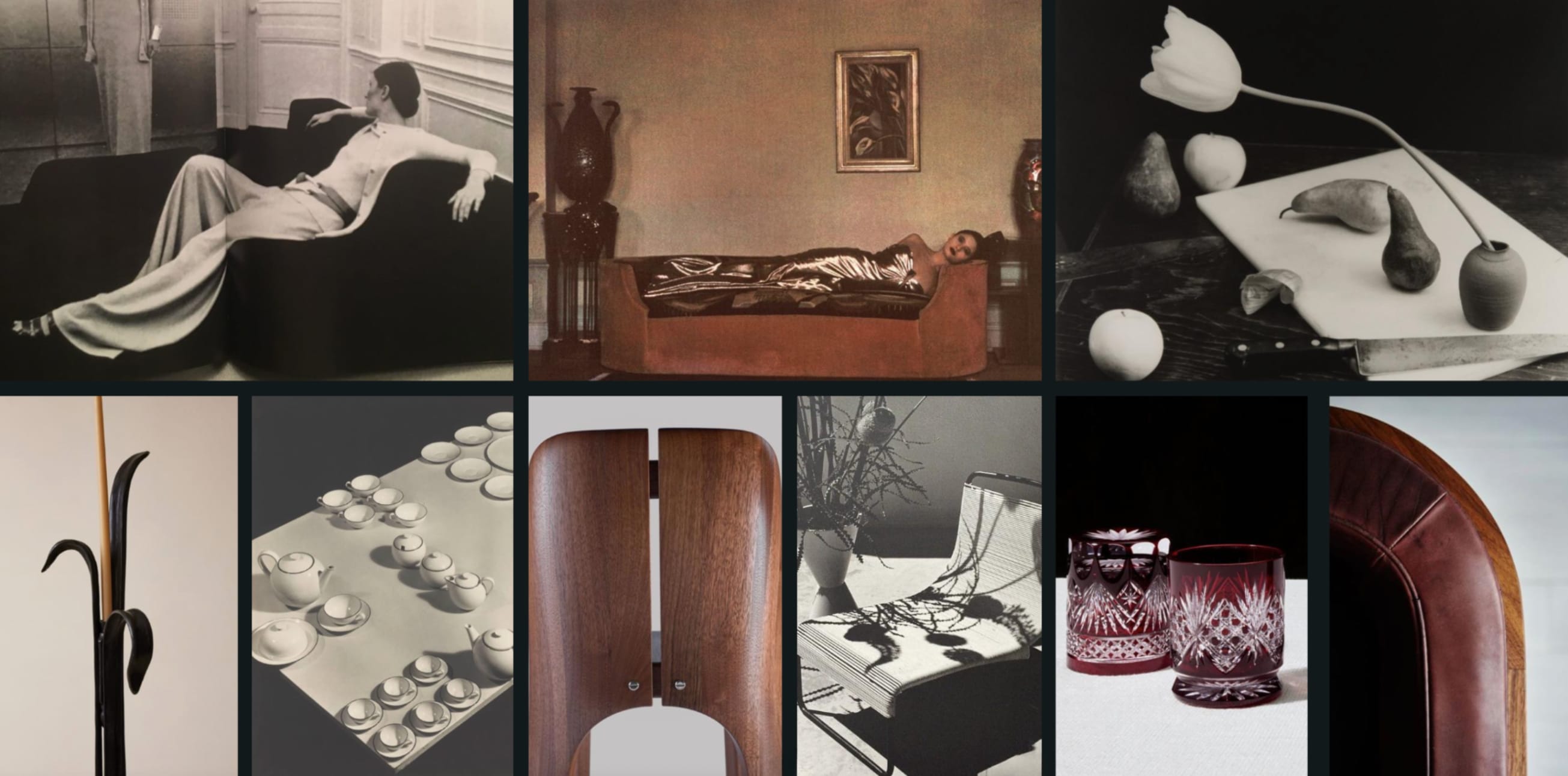
Inspiration arrived on its own schedule. It felt earned.
Now inspiration arrives uninvited. Before I’ve brushed my teeth, I’ve seen more “perfect rooms” than I used to see in a month. I save things compulsively. I screenshot without thinking. I carry around a camera roll filled with two thousand images I’m not sure I ever actually looked at.
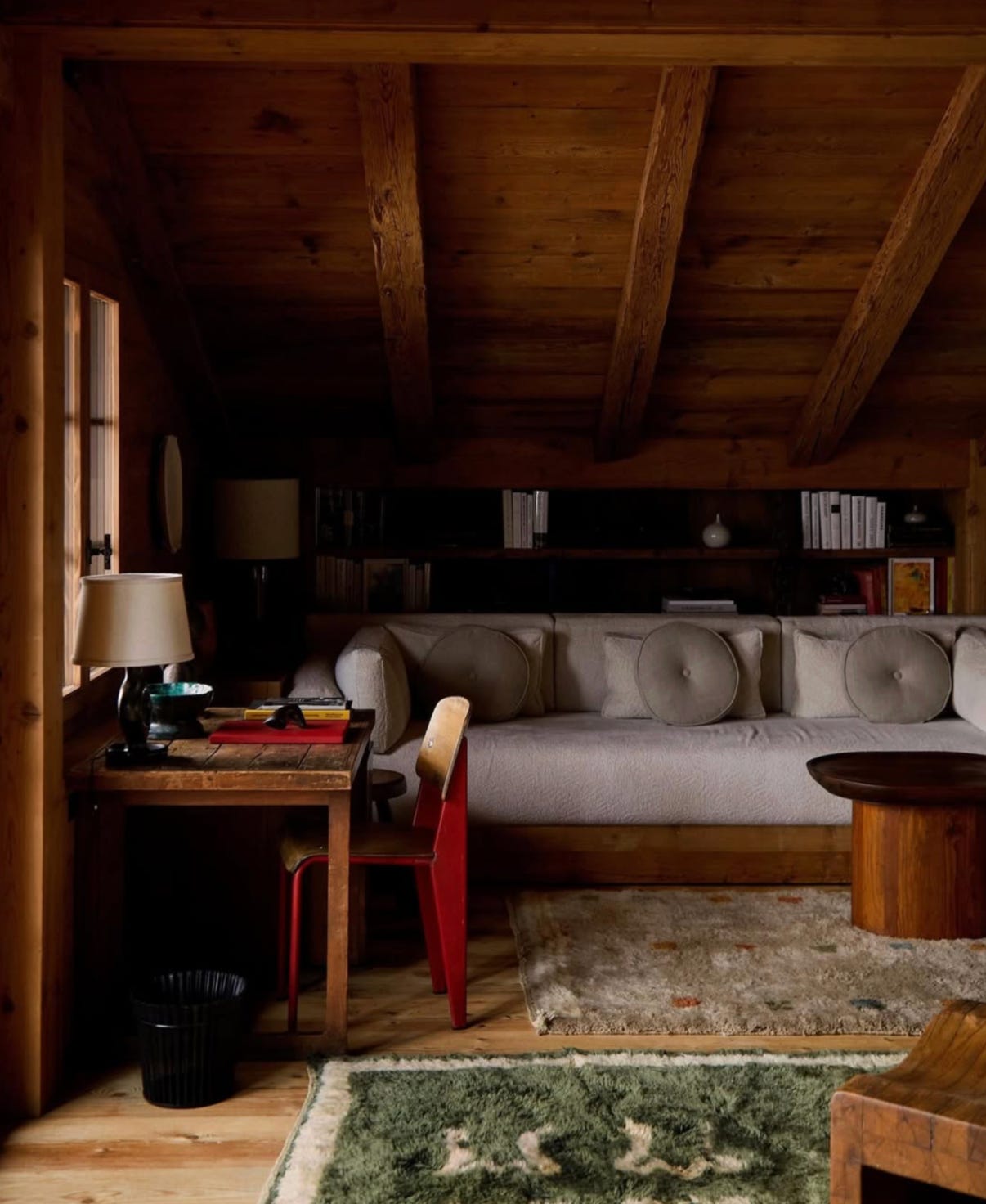
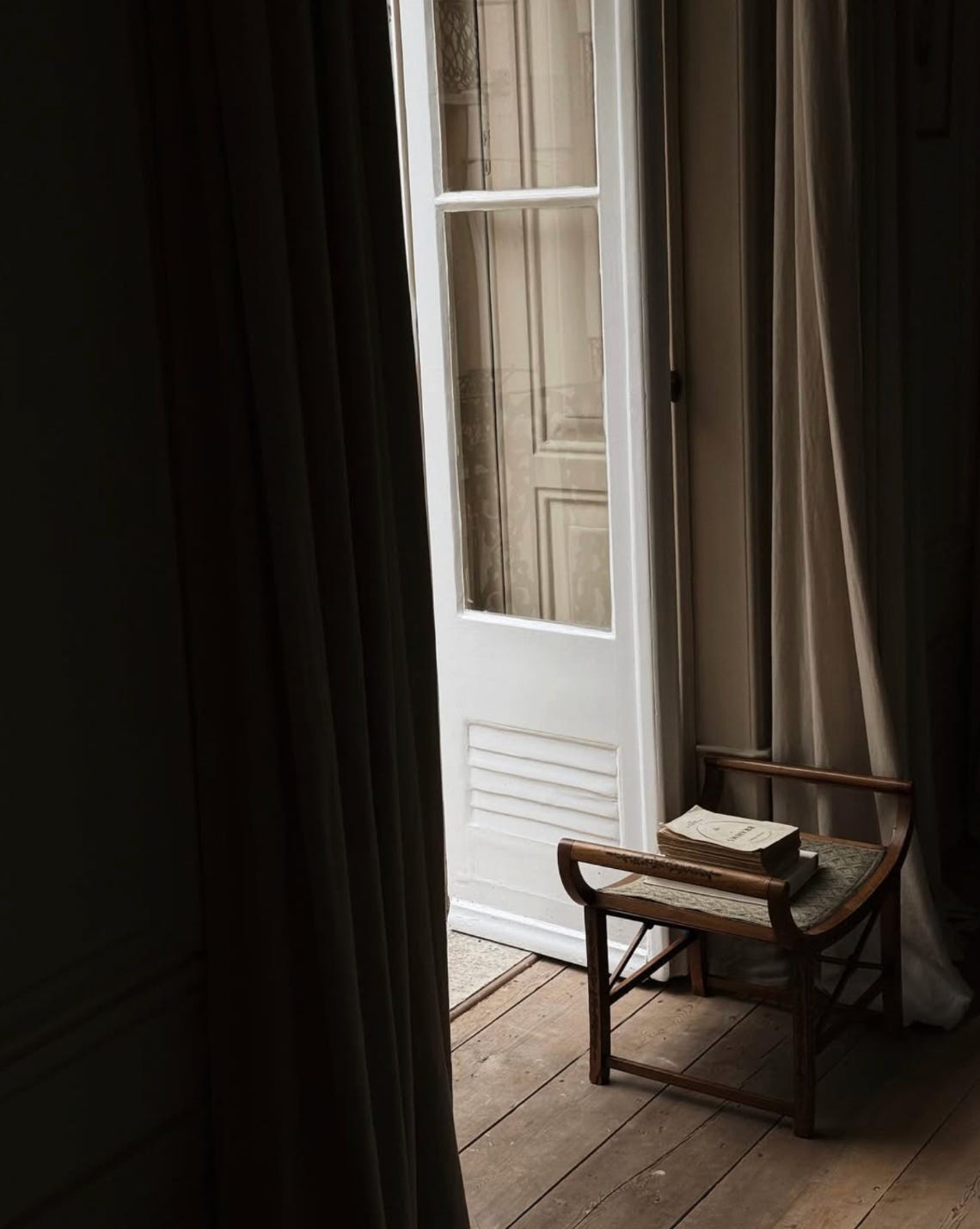
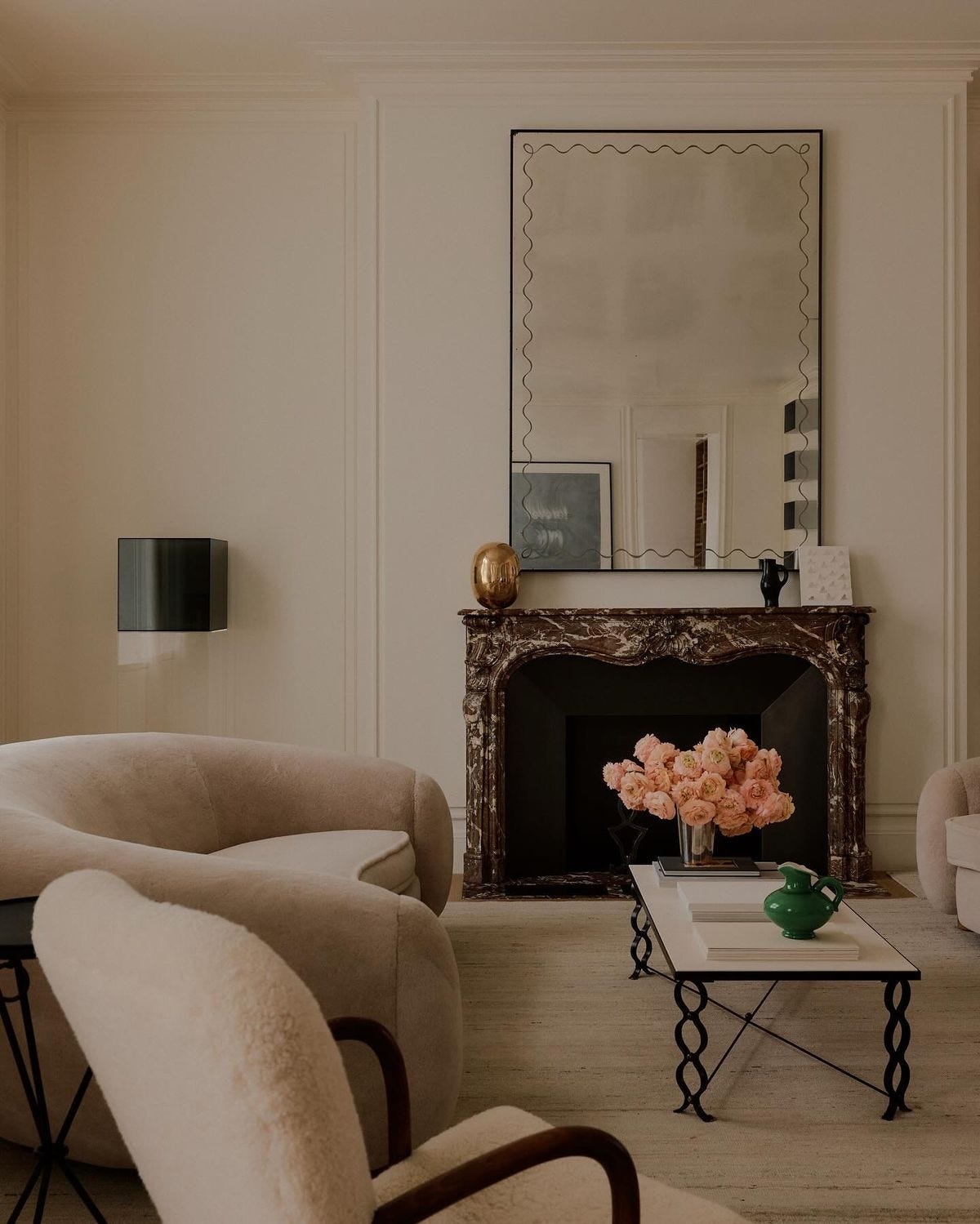
And here’s the strange part. It’s not that the images aren’t beautiful. They are. But the more of them I consume, the harder it becomes to tell where someone else’s eye ends and my own begins. I start to feel like my taste is being managed by a very enthusiastic personal shopper I never hired.
This is where the algorithm enters the chat. It is excellent at its job. It knows I will pause on anything Belgian and spare, on chairs that look like they have complicated inner lives, on rooms that appear lit by a single beam of divine judgment. And once the algorithm knows my type, it gives me more of it until I can barely hear myself think.
Eventually, even the imperfections start to feel optimized.
So I’ve been slowing myself down, almost in self-defense. I take long walks without listening to anything. I notice the same few objects on my shelf and what they have to say on a given day. I let boredom in because boredom, I’ve learned, is where intuition quietly stretches its legs.
This wasn’t how I was trained, because I wasn’t trained. I never assisted anyone. I didn’t go to design school. I came to styling sideways, through dance, through movement, through knowing when something felt off in my body before I could articulate why. My first jobs were editorial, where nothing can hide. One frame must hold the entire story. That shaped everything: my pace, my restraint, my devotion to shadow.
Later I brought that discipline into commercial work and discovered that when a brand’s images feel intentional, they perform better. Emotion and commerce are not enemies. They are co-conspirators.
But the roles started to blur. I would be hired to style a shoot and end up rearranging furniture, rewriting messaging, gently suggesting that maybe the enormous fiddle-leaf fig in the corner was not the emotional moment we thought it was. Was I styling? Designing? Directing? Or simply being the person who could see the room clearly because I hadn’t been staring at it for six months?
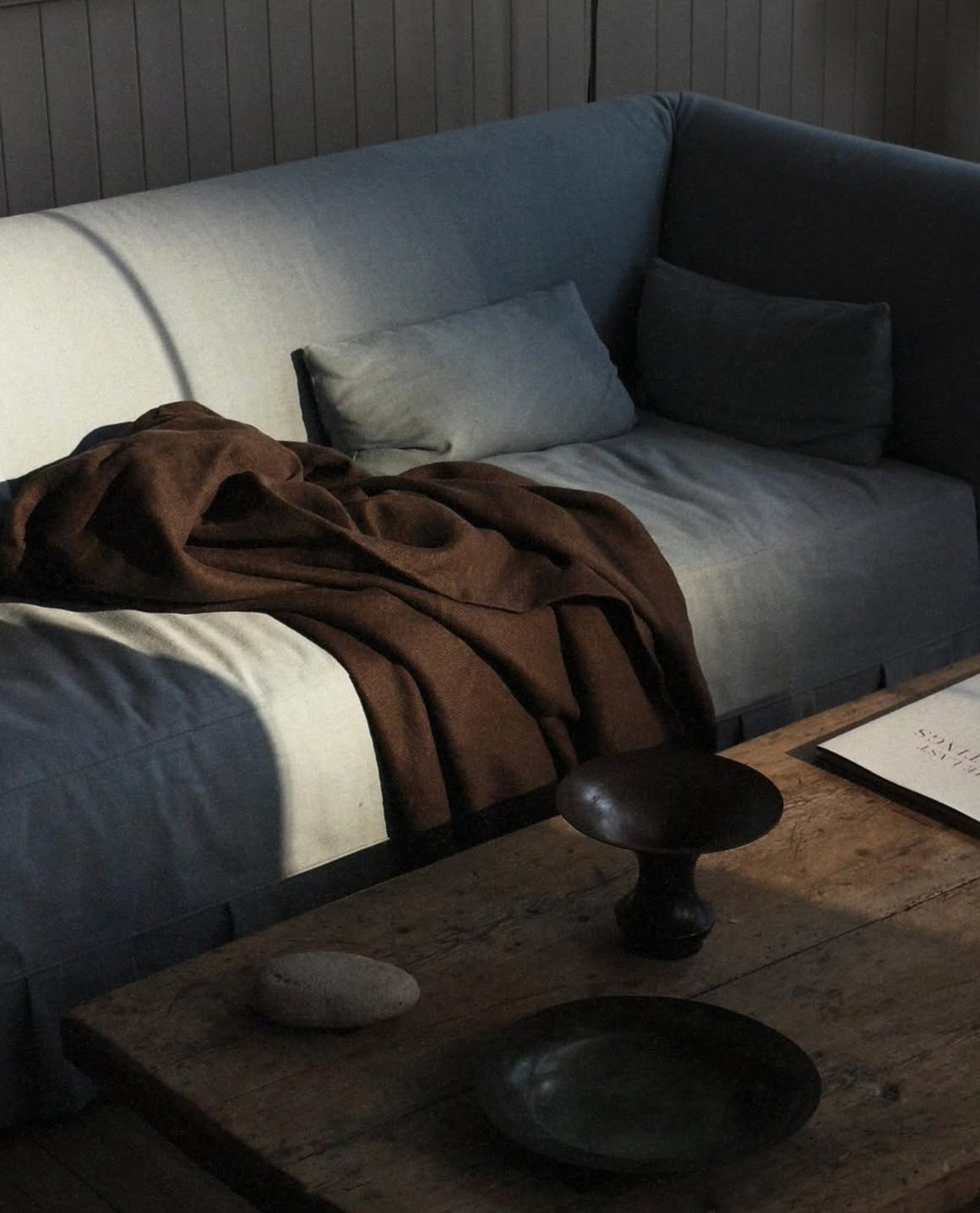
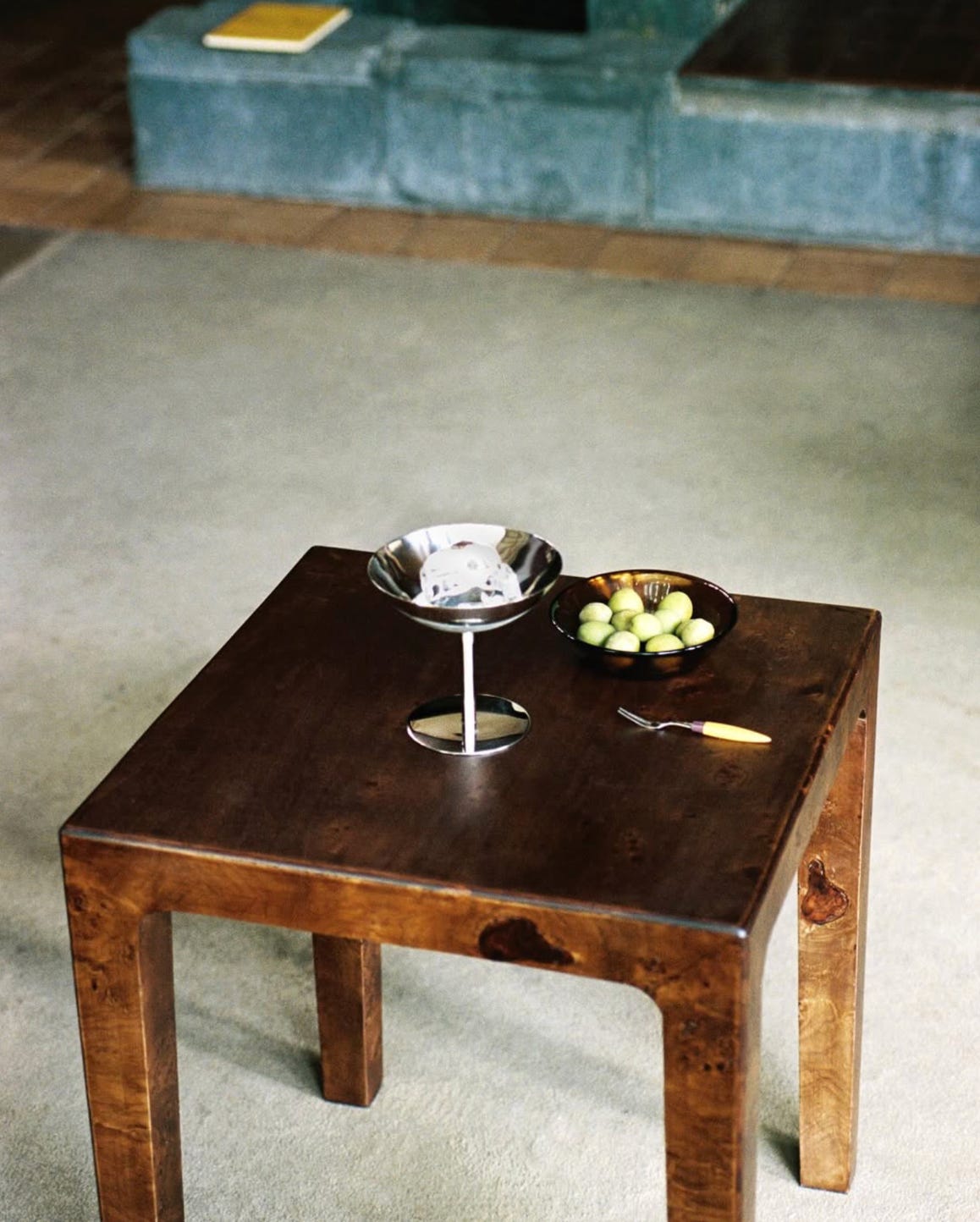
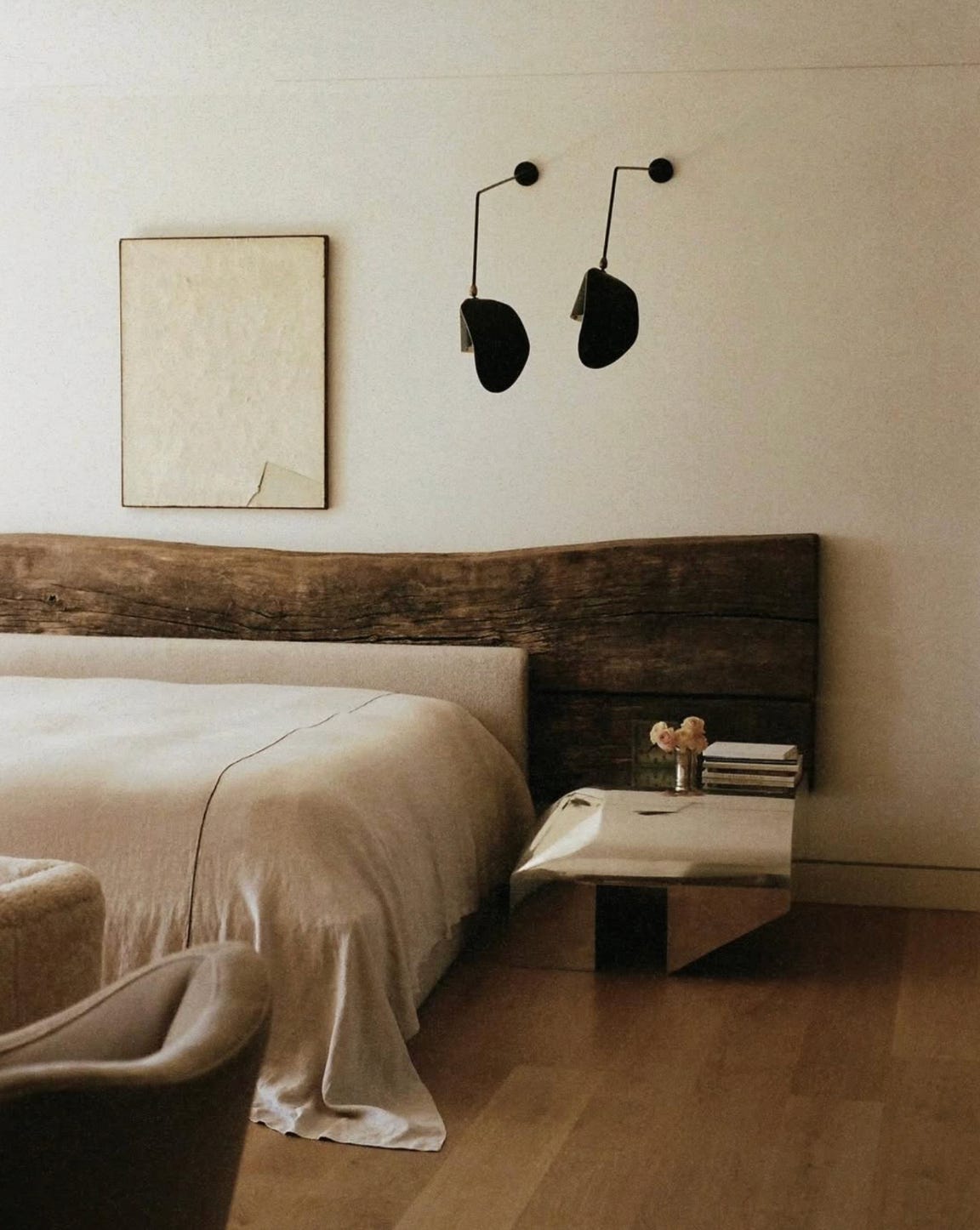
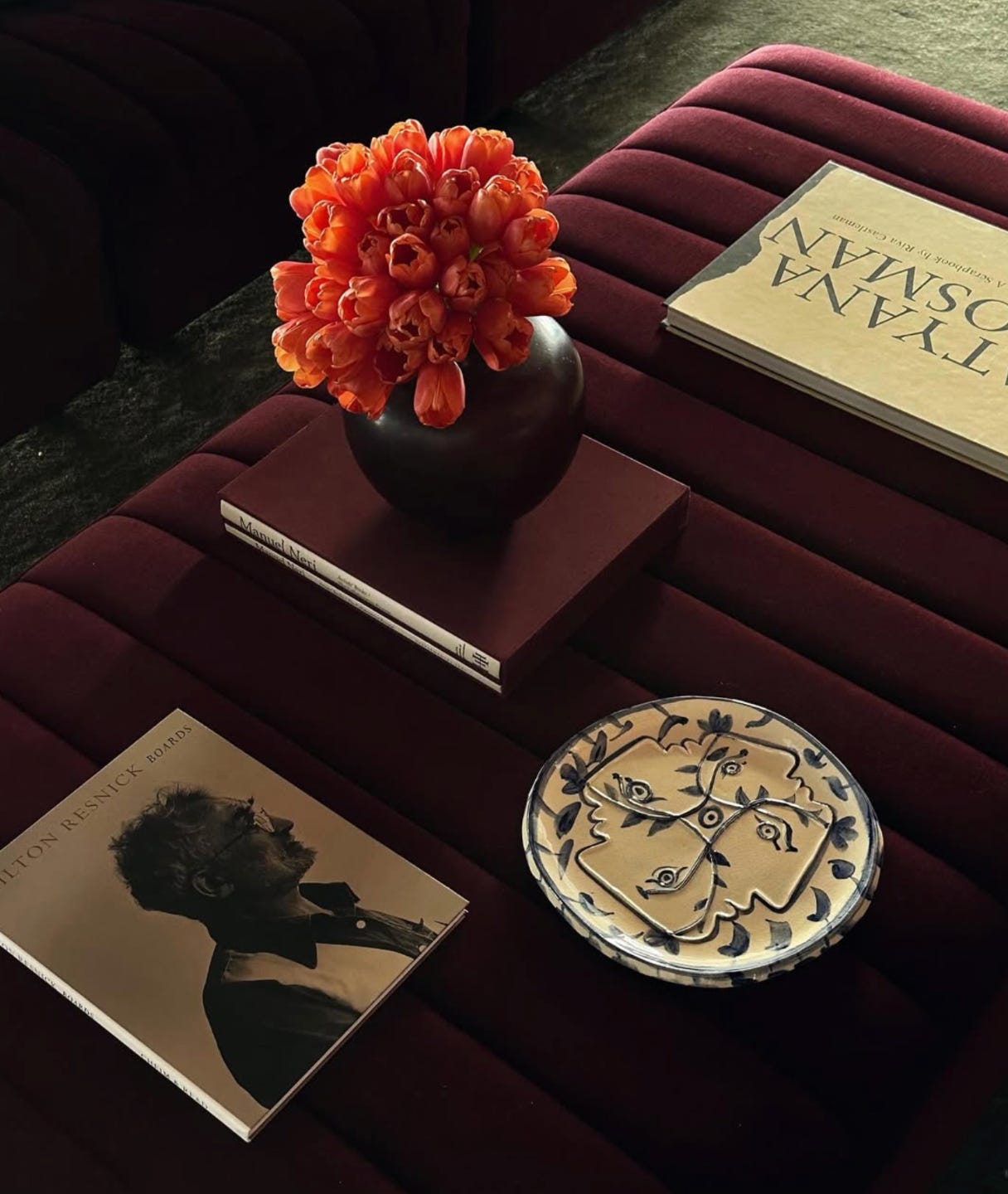
For a long time, I wanted a label. A lane. A clear definition of where I began and ended. But the more the work expanded, the more I realized the blur wasn’t a crisis. It was fluency. A new visual language emerging in real time. Styling is design. Design is direction. Direction is intuition. The title matters far less than the eye behind it.
Still, intuition is the thing that gets threatened first in a world like ours. The algorithm offers speed, repetition, familiarity. But intuition requires slowness. Curiosity. A willingness to let something feel unresolved for longer than is comfortable.
During the pandemic, I started filming myself building still lifes at home. No edits. No teaching moment. Just me moving things until something clicked. People watched, but the miracle for me was that I could still hear my own instincts underneath the noise.
What I have learned is that stillness isn’t passive. In a world saturated with content, stillness is a strategy. It is a way of saying, I’m not building this for the feed. I’m building it for the feeling.
Good work takes time. Hours of moving something an inch to the left. Pausing. Doubting. Starting again. And then it is consumed in seconds, saved and forgotten by lunch. You have to know why you’re making it, or you’ll start chasing the wrong metrics. I remind myself constantly: the algorithm wants more, but the work wants meaning.
Two weeks ago in Belgium, an older architect asked me, “Don’t you want more for yourself?” It wasn’t condescending. It was almost kind. But it rattled me because I had asked myself that same question for years. Should I want more? Should I be louder, bigger, more official?
It took me a long time to understand that more doesn’t mean scale. More means depth. Not expanding outward, but inward. Not building a career that fills a room, but a life that fits. The joy is not in the campaign launch or the printed magazine. It’s in the quietest parts of my process: placing a single branch in a vase, noticing how light touches a brass edge, rearranging the same five objects because something in me needs to.
That is my more. Stillness. Clarity. Meaning. I want more of that.
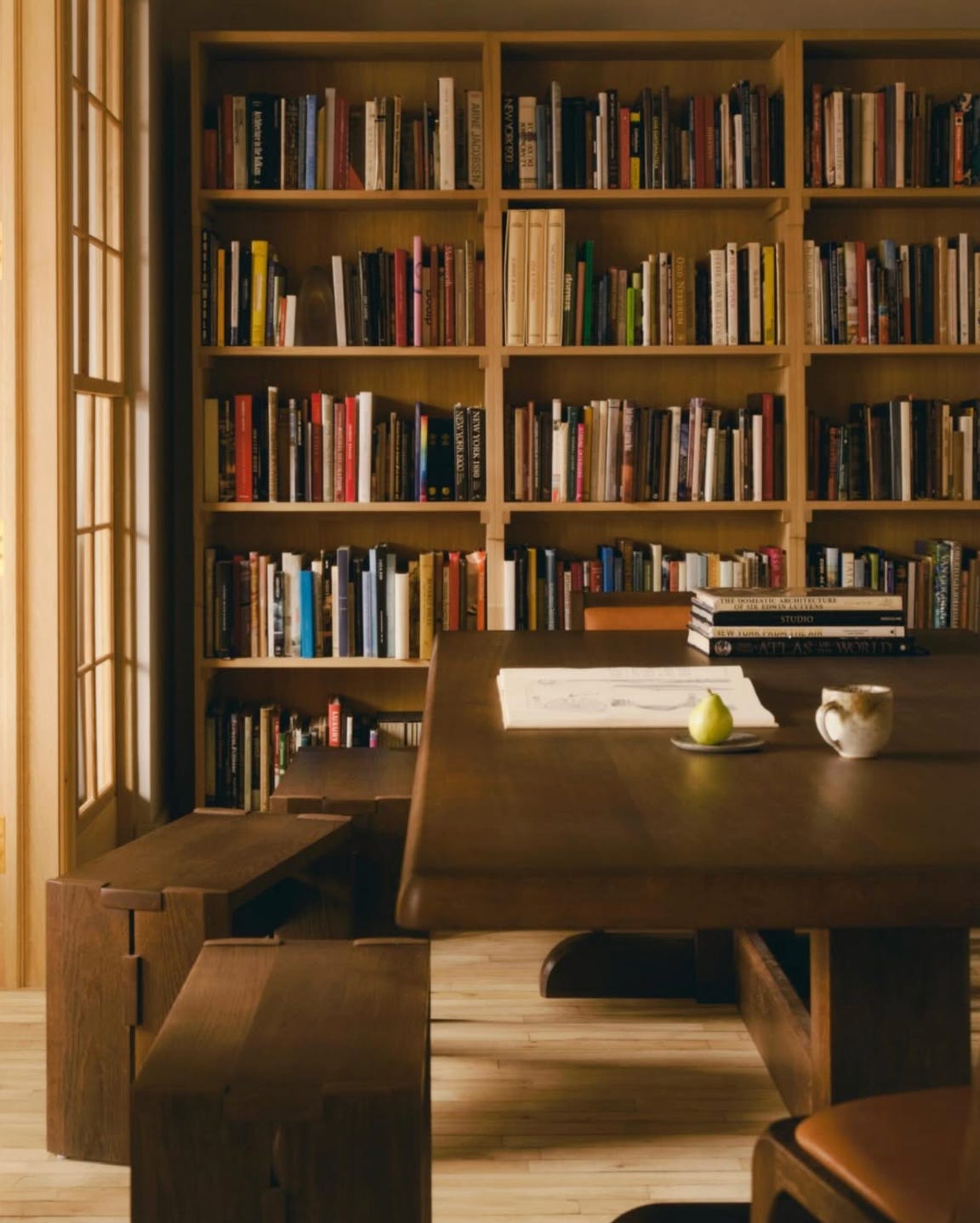
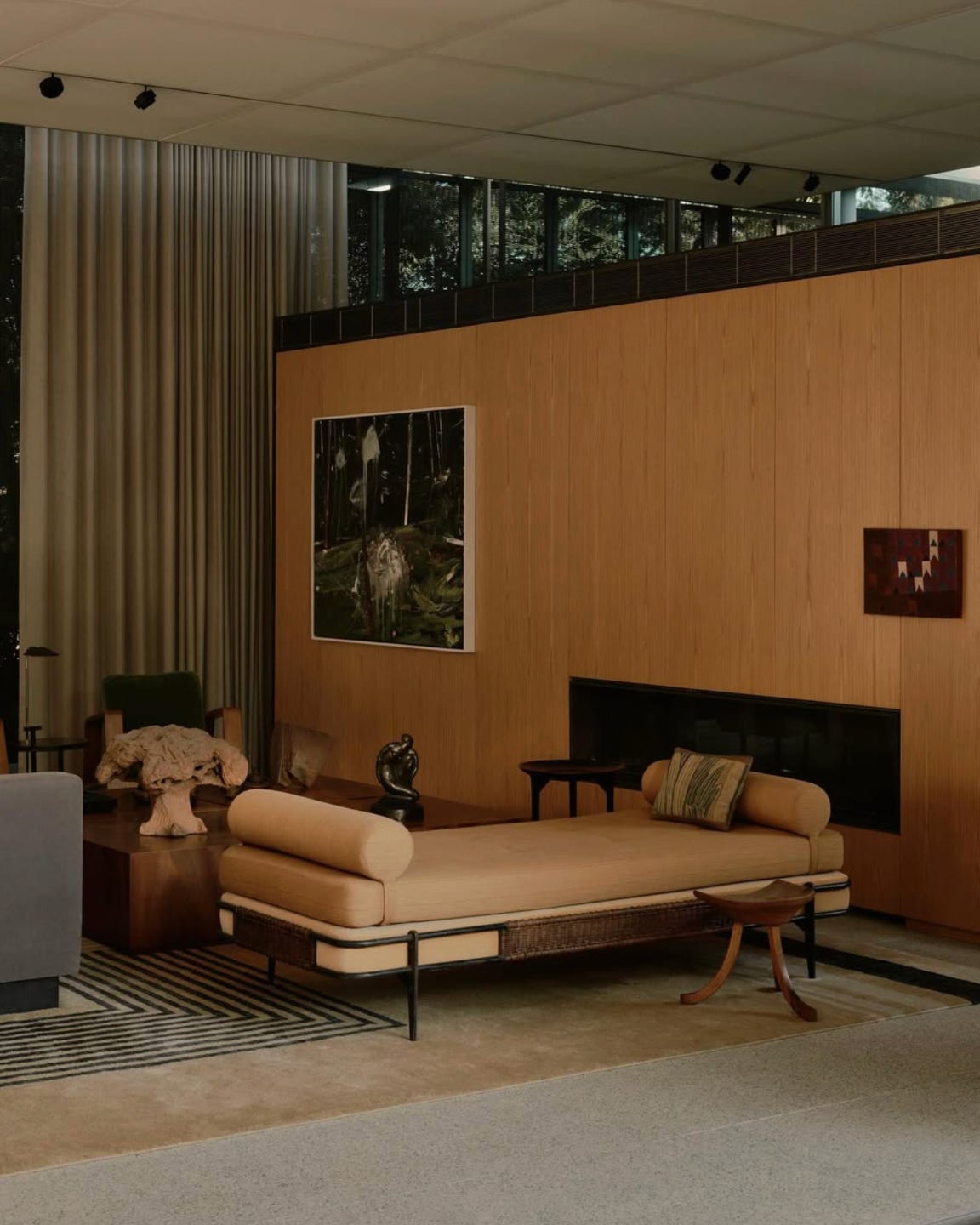
So I keep coming back to a simple question. When you place an object, when you arrange a room, when you take in the whole scene, are you arranging with intention? Or arranging to be noticed?
There is no shame in wanting to be seen. But the work that stays with me, the work that feels like mine, comes from a quieter place. A place beyond the scroll, beyond the feed, beyond the need to prove anything. It comes from intuition. From presence. From the simple joy of making something because it feels right.
That is what I want to protect. That tiny inner voice that still knows how to see.
Love,
Colin

I love reading what you write Colin. We are kindred spirits I think in our desire around being and doing. Goes deeper than the simple look of a space. Every few months I have a complete switch up of the two downstairs living spaces in our cottage. Colour, texture, light, shade, objets and temperature play into what evolves. Our shepherds hut stores all my textiles/cushions/artwork and collectibles. It’s a labour of love and there’s energy in it, directed largely by what takes place in the natural world, but also my own mood. What we need as two humans sharing a space. I love your images and thank you for the intelligence behind all you share so generously. ❤️
"That is my more. Stillness. Clarity. Meaning. I want more of that."
Thanks for all the columns, but this one especially.