

“Timeless” Is Just Code for “I Haven’t Looked Closely Enough”
Everything is of its moment. The trick is to choose moments worth remembering.

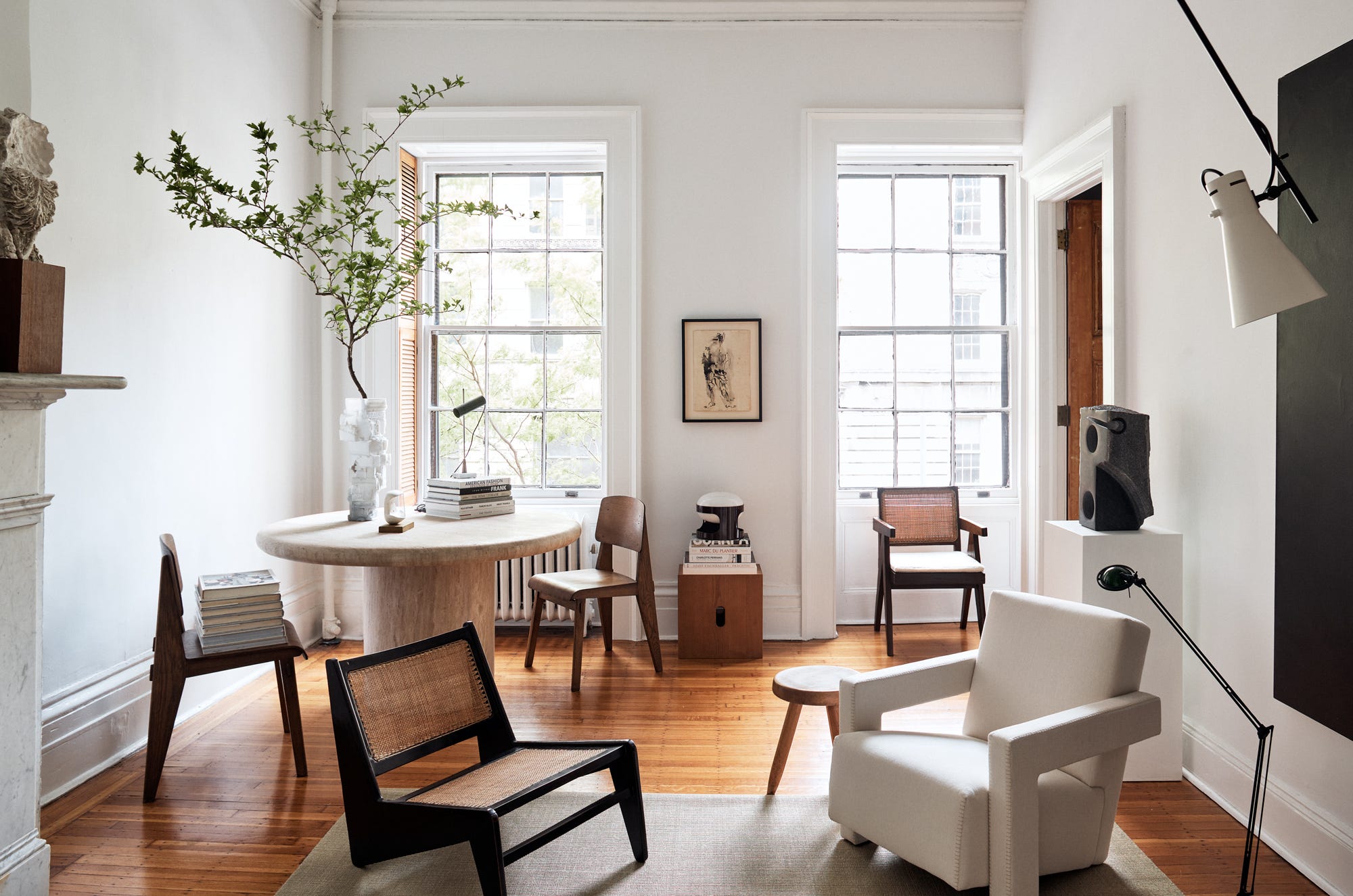
There is a word people reach for when they want to be polite about their uncertainty. That word is timeless.
Is it timeless? Will this age well? Do you think I’ll get tired of it?
The question comes up around furniture, finishes, colors, entire rooms. It sounds practical, even wise, like the kind of thing a person who has learned from at least one regrettable sofa might ask. But it usually carries a quieter fear underneath. A hope that by choosing correctly, one might somehow step outside of time altogether. Avoid regret. Avoid embarrassment. Avoid looking back and thinking, “what was I thinking.”
But nothing is timeless. And pretending otherwise asks too much of objects.
Everything is of its moment. Every chair, every palette, every neutral interior is answering something specific. A cultural mood. An economic reality. A collective exhaustion. A hunger for calm or control or softness or relief. Even restraint has context. Especially restraint. No one wakes up craving beige without a reason.
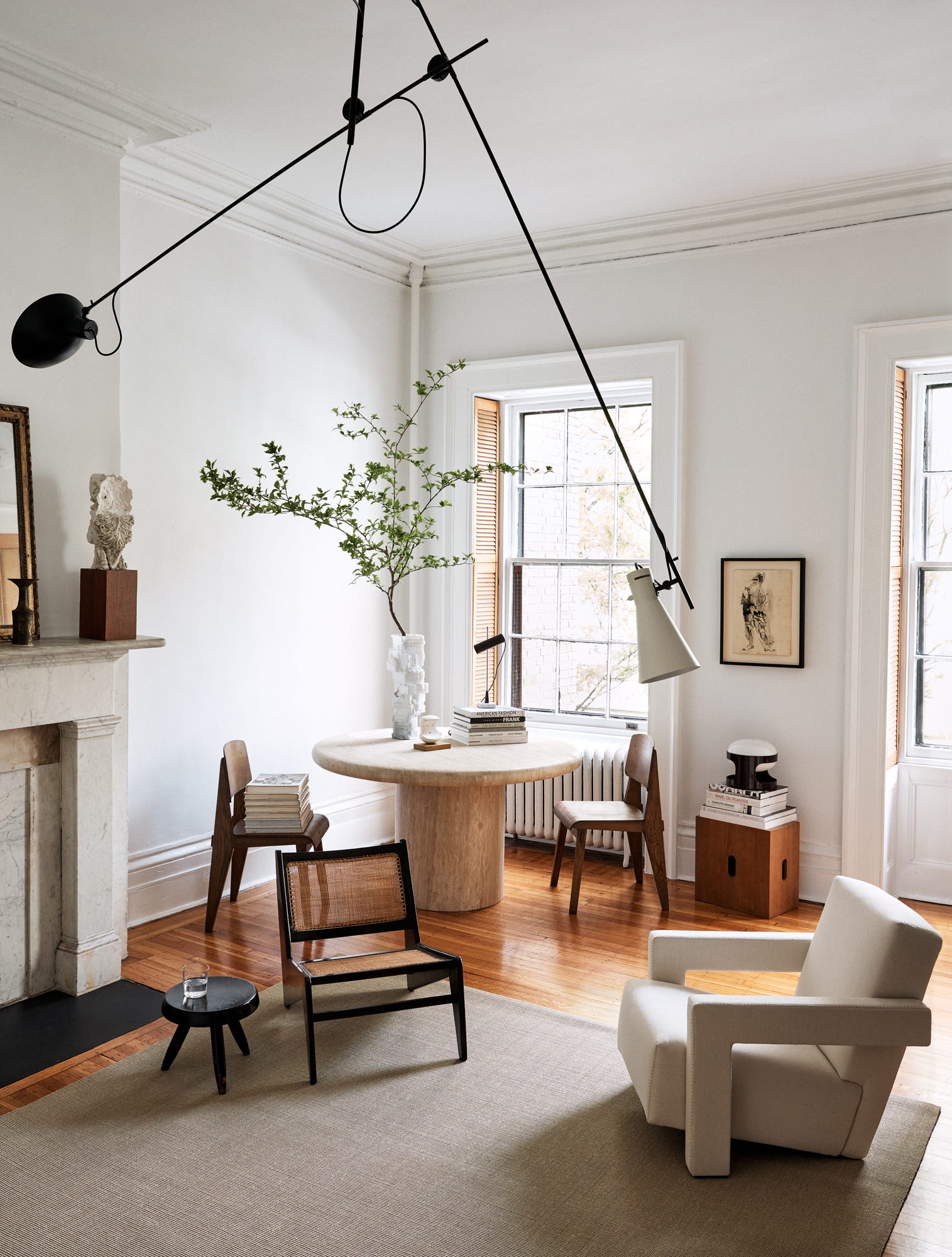
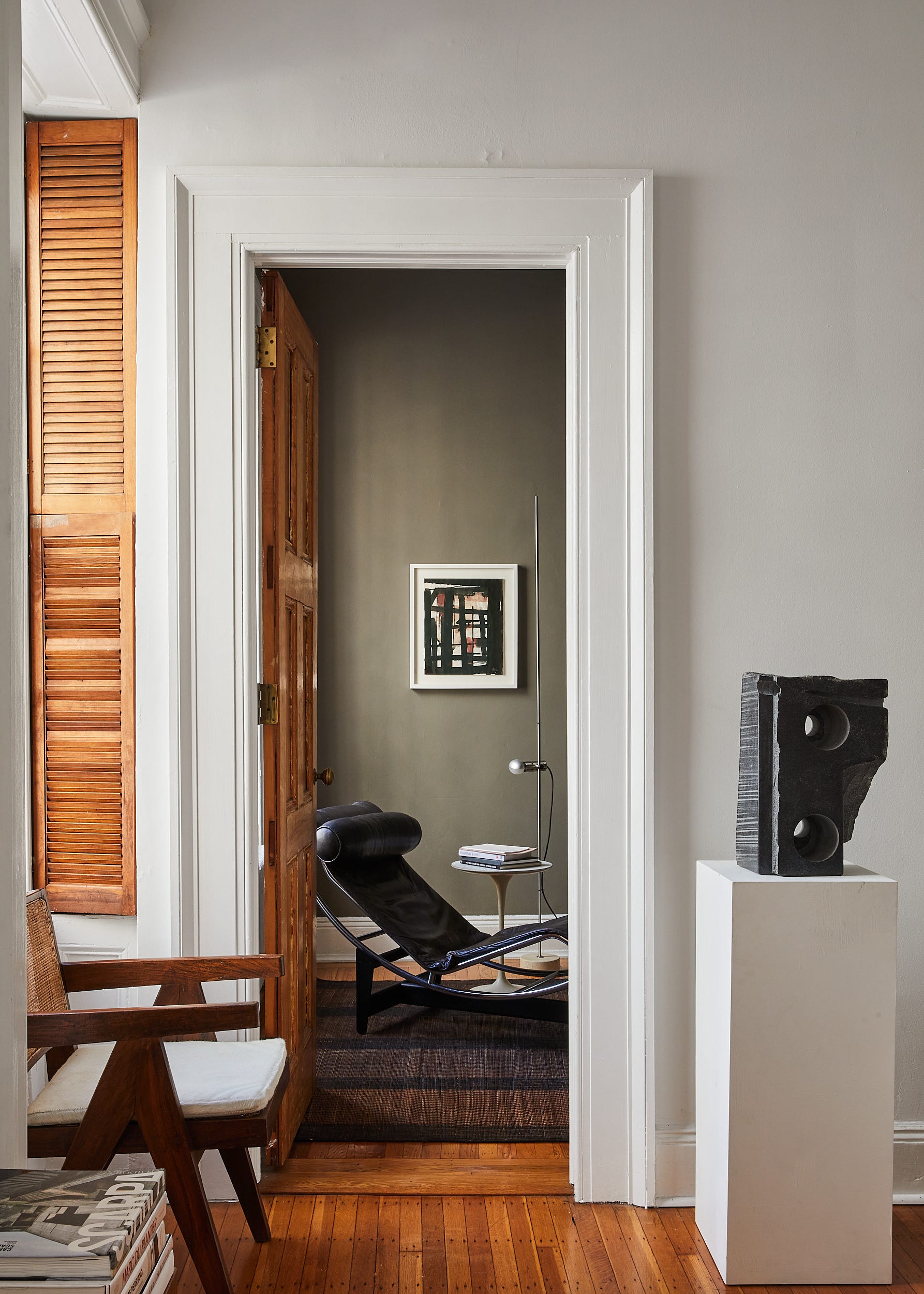
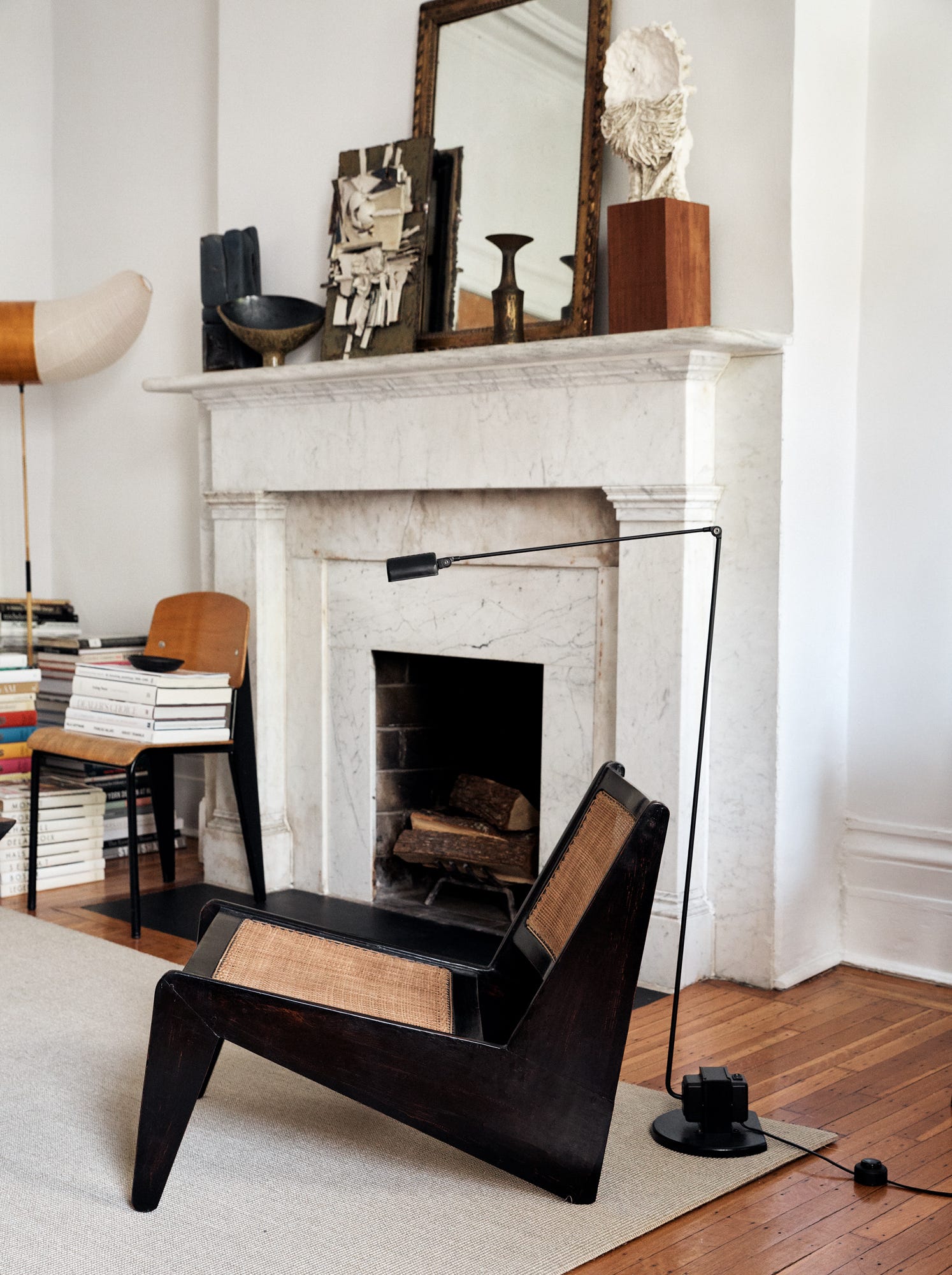
When we label something timeless, what we often mean is that it doesn’t ask much of us. It doesn’t reveal its influences. It doesn’t announce its origins. It doesn’t provoke disagreement. It feels safe because it stays quiet. It behaves.
But quiet is not the same as enduring.
Some of the most moving rooms I’ve ever been in would never qualify as timeless. They are deeply marked by the year they were made, the person who made them, the life that unfolded inside them. They carry evidence. They risk specificity. They don’t pretend to float above history. They also don’t apologize for it.
I think about this often when people try to erase trend altogether, as if trend is something shameful rather than inevitable. Trends are simply collective impulses. Shared needs surfacing at the same time. A lot of us reaching for the same thing and hoping it helps. To deny them entirely is to deny participation in the present, which already feels like a full-time job.
What matters isn’t whether something will date. Everything will. What matters is whether it meant something when it arrived.
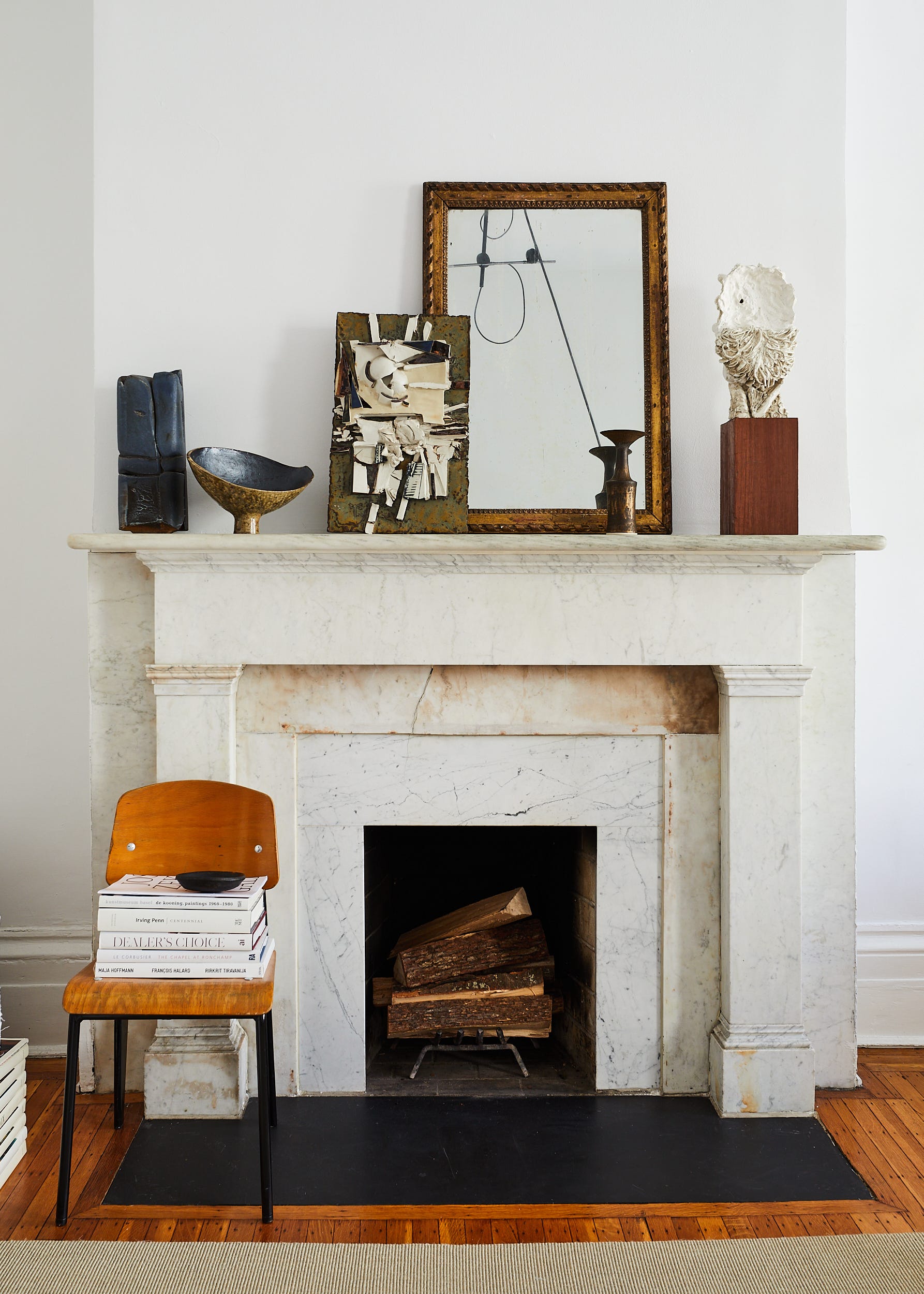
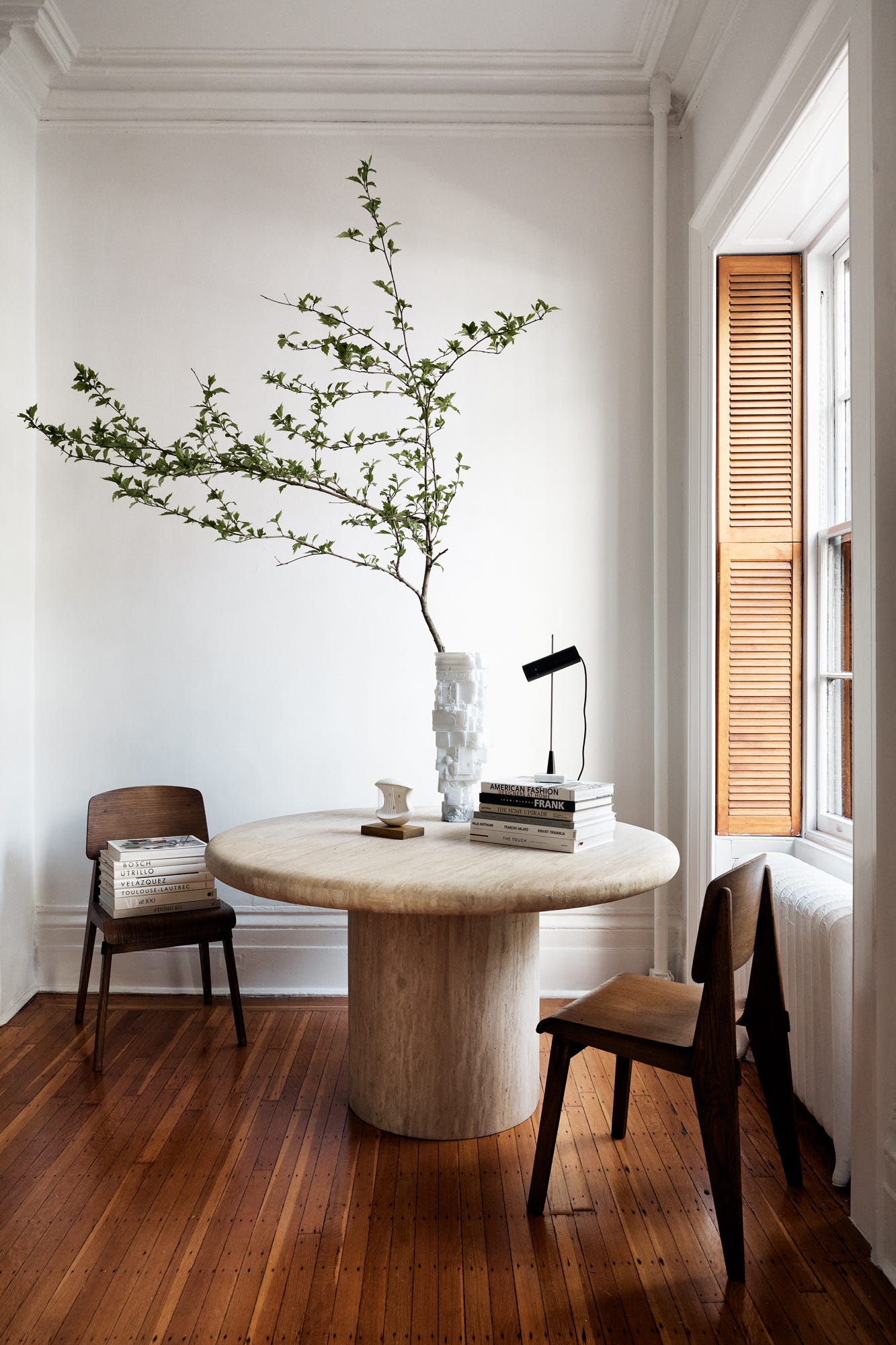
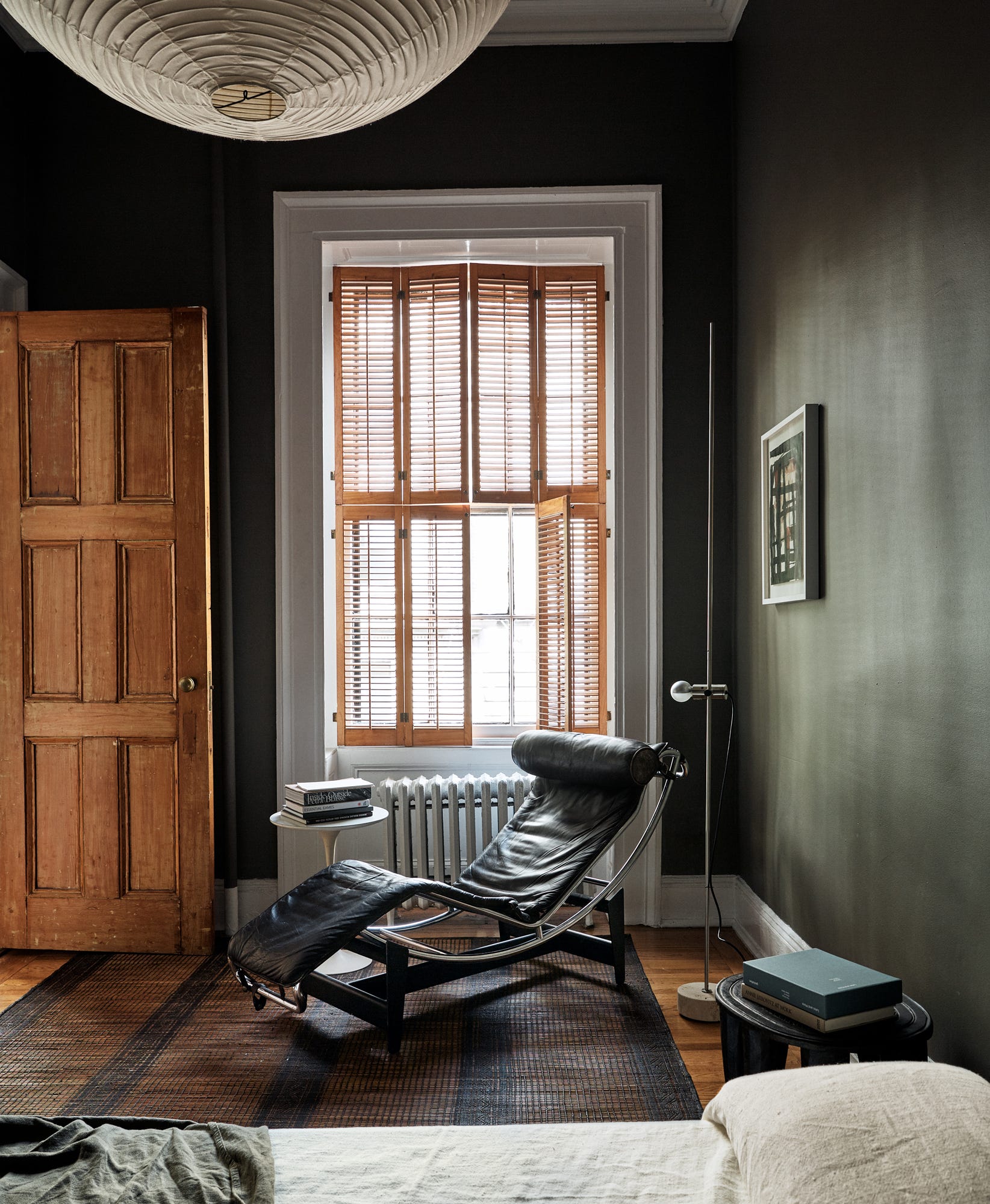
A room doesn’t need to transcend time. It needs to belong to someone. To answer a moment honestly. To reflect the conditions emotional, cultural, personal that made it necessary. Sometimes those conditions are elegant. Sometimes they are chaotic. Sometimes they are just, “this is what I could manage right now.”
When we chase timelessness, we flatten rooms into polite generalities. We sand away the sharp edges, the references, the reasons. We choose things that won’t offend the future instead of things that feel true now. This is how you end up with a room that is very nice and somehow never comes up in conversation again.
I don’t want rooms that pretend they were never made. I want rooms that remember who they were made for.
The trick isn’t to avoid time. It’s to choose moments worth remembering.
Love,
Colin

I saw Emily Adams Bode Aujla speak once about her and her husband Aaron’s approach to designing their home, and she described it as “not belonging to any one place or time”. There are tons of historical references and items in their home that can be pinned to specific eras, but as a whole, it doesn’t feel themed or dated—it feels like a collection of nods to moments across history that inspire them. Since then I’ve redefined “timeless” in my mind in this way, both in interiors and in fashion; a specific item or design decision may reflect a trend, but in the greater context, it doesn’t belong wholly to one place or time.
No one wakes up craving beige without a reason. Profound while simultaneously funny.