

The Table I Can’t Stop Putting Everywhere
On pedestal tables, quiet authority, and why they keep working.

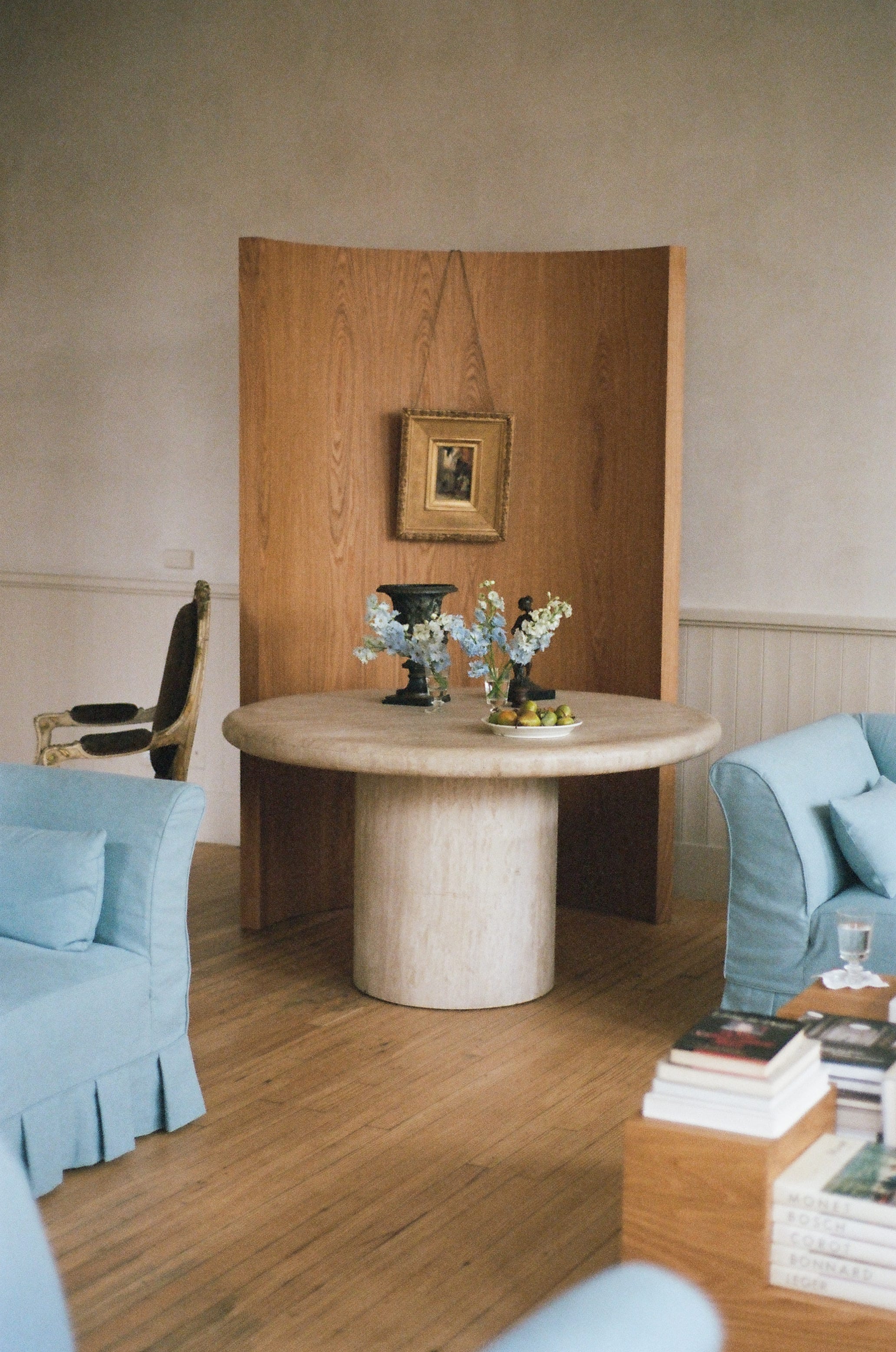
I need to say this out loud: I love pedestal tables. I love them in a way that feels slightly disproportionate to their role in society.
Not side tables.
Not coffee tables.
Not tables that arrive with instructions.
I mean the kind of table that behaves like a pedestal but learned how to be useful. A decorative table. A center table. A corner table. The table that doesn’t care where the sofa is and therefore works almost anywhere.
If I’m honest, I could put multiple pedestal tables in every room and feel not only justified, but correct.
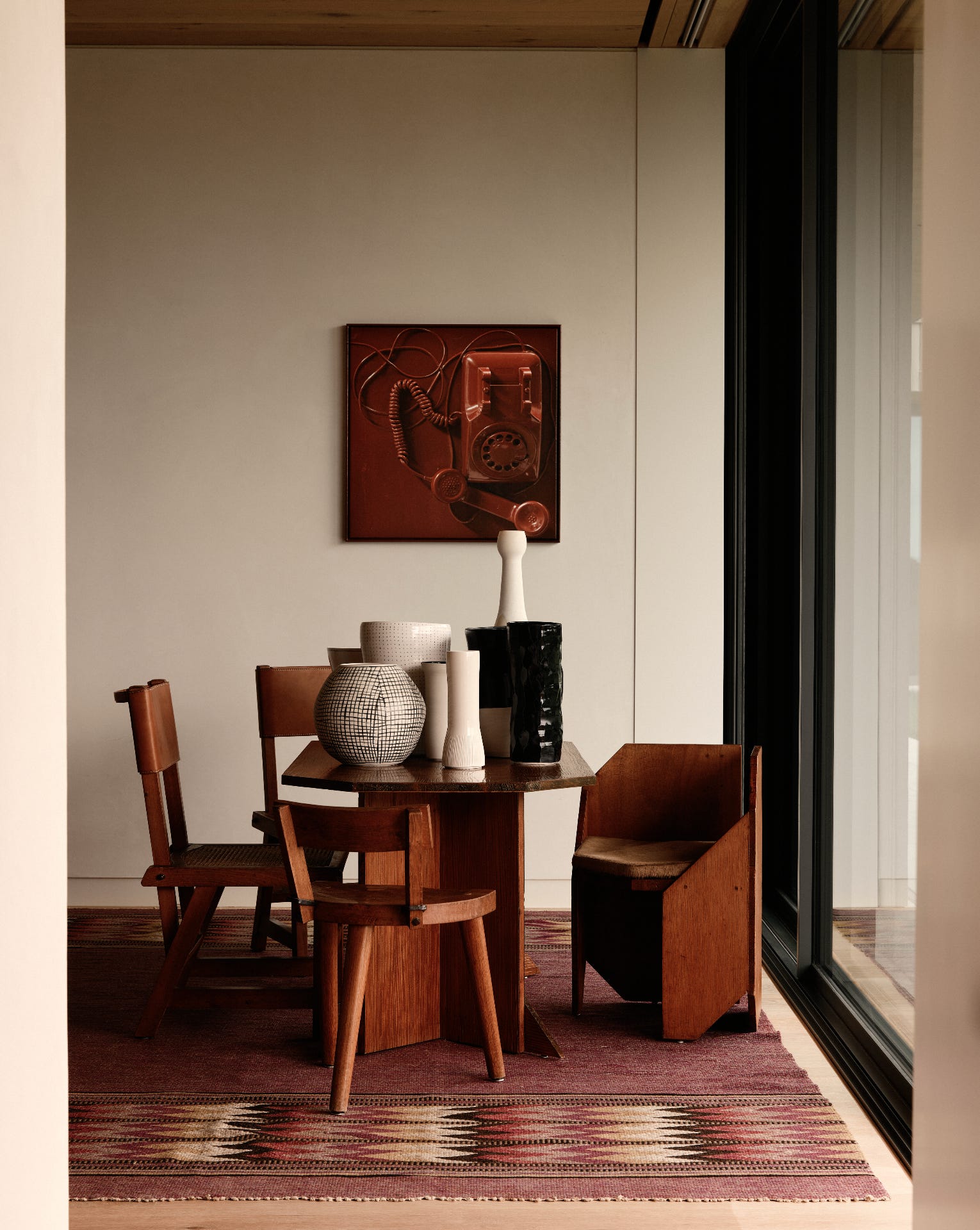
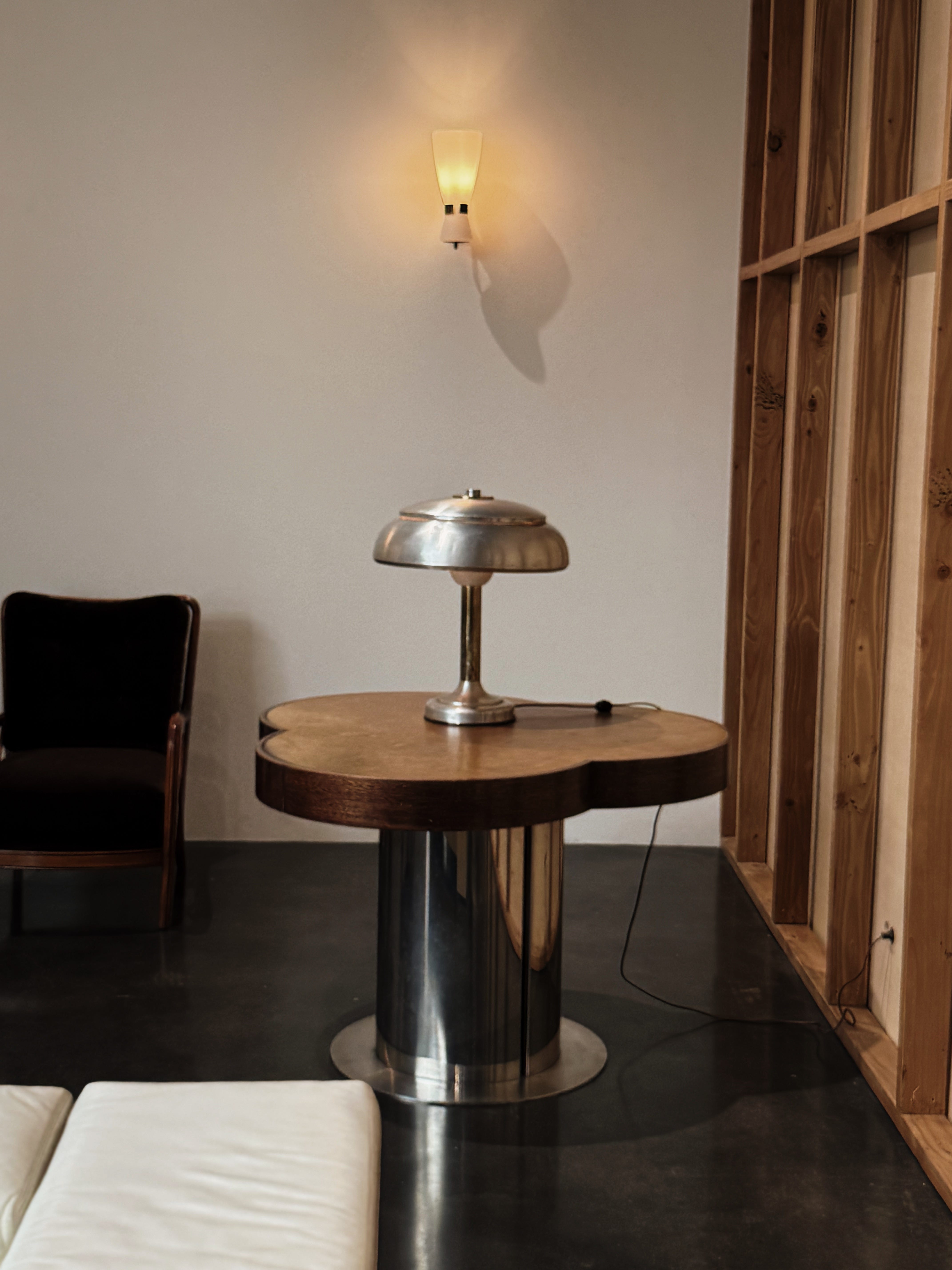
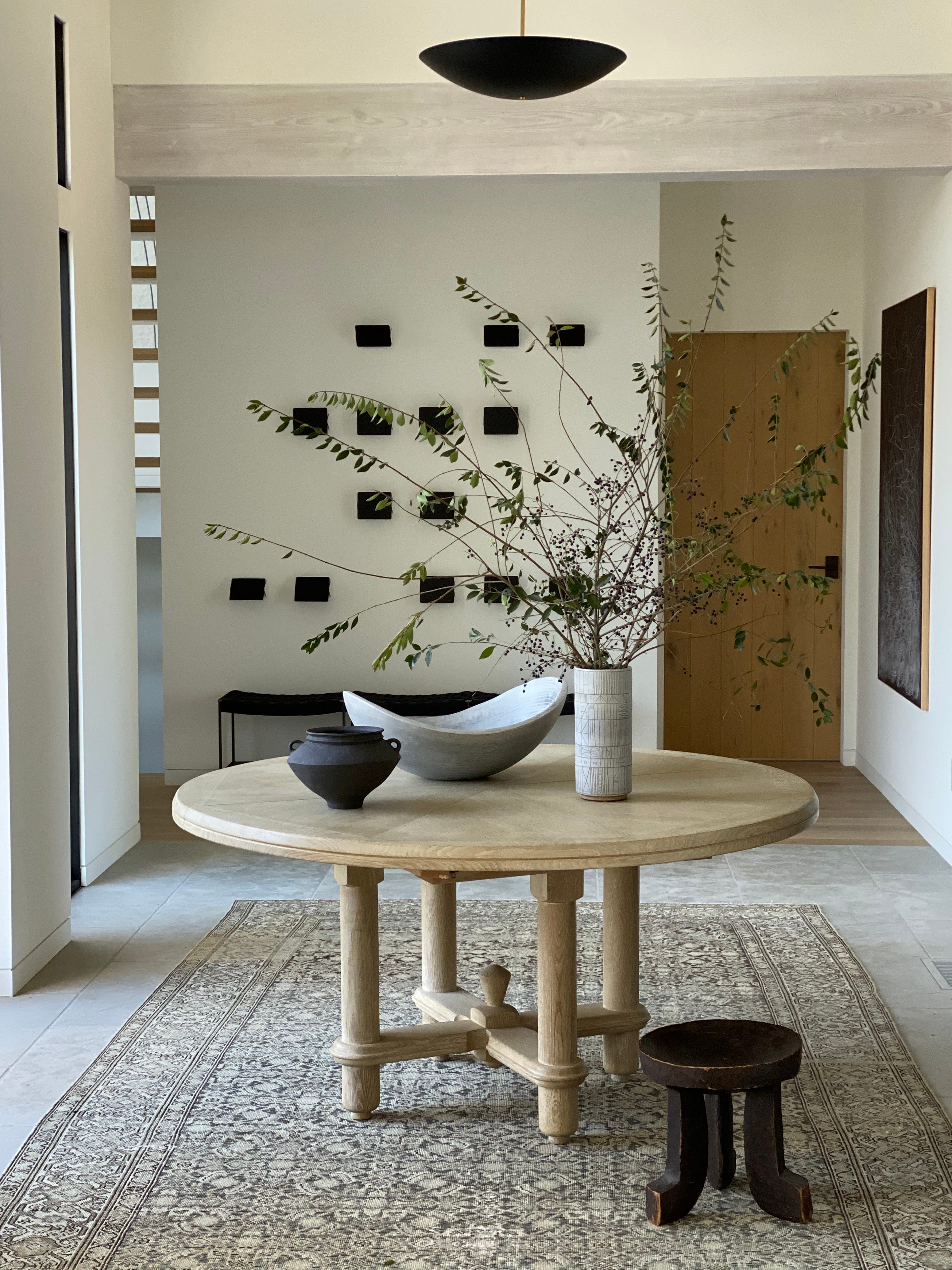
A pedestal table is named for its single central support instead of traditional legs. Historically, the form comes from bases made to elevate statues and important objects. The logic is simple and surprisingly modern: fewer legs mean less visual noise, more openness, and more flexibility in how the table can live in a space. Some versions have two pedestals or branched feet for stability, but the idea is the same. The weight is centered. The footprint is calm.
That calm is what makes them so versatile.