

The Painted Floor Is Almost Always the Best Part
On shakers, Soho lofts, and the freedom of lowering the stakes

I recently found myself at Hancock Shaker Village in Pittsfield, Massachusetts.
I love visiting places like this because they tend to make modern life feel unnecessarily complicated. The rooms are simple. The materials are simple. The thinking is simple. Not simplistic. Simple. There’s a difference.
What always strikes me about Shaker interiors is how little they’re trying to impress you. The rooms are practical. Direct. Useful. Nothing is performing. Nothing is auditioning. The rooms seem entirely unconcerned with whether anyone likes them.
And yet every detail feels deeply considered. The proportions are right. The colors are right. The placement of things feels inevitable. Nothing is overworked. Nothing is ornamental for ornament’s sake. The simplicity isn’t casual; it’s disciplined. Even the milk-painted floors, with their soft, chalky colors, felt surprisingly modern.
In fact, they’re often more beautiful because they’re useful.
The Shakers famously said:
Don’t make something unless it is both necessary and useful; but if it is both necessary and useful, don’t hesitate to make it beautiful.
Which, if we’re being honest, is a fairly devastating piece of advice.
Because most of us spend an extraordinary amount of time separating those two things. Useful over here. Beautiful over there. The Shakers saw no reason they couldn’t be the same thing.
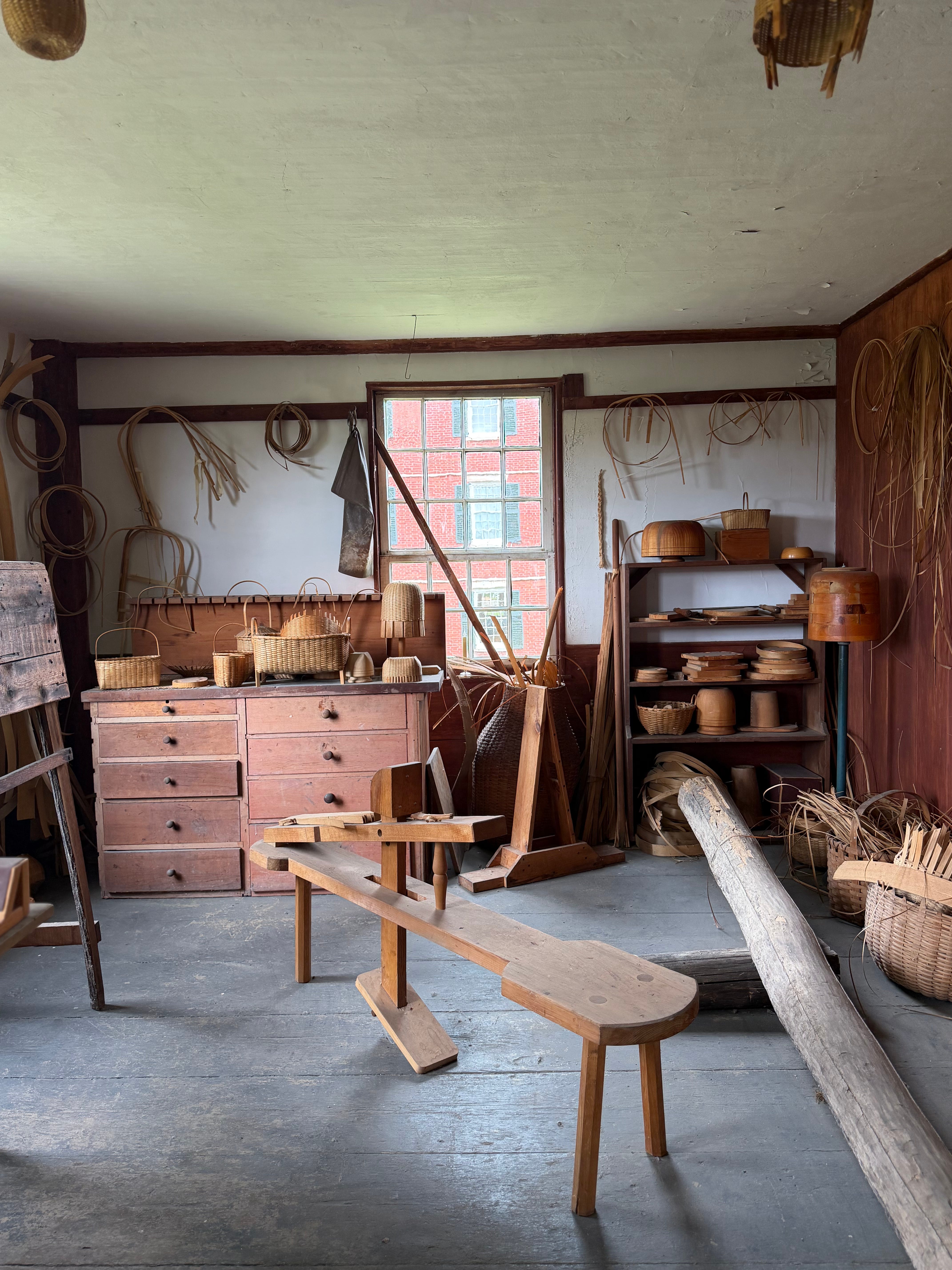
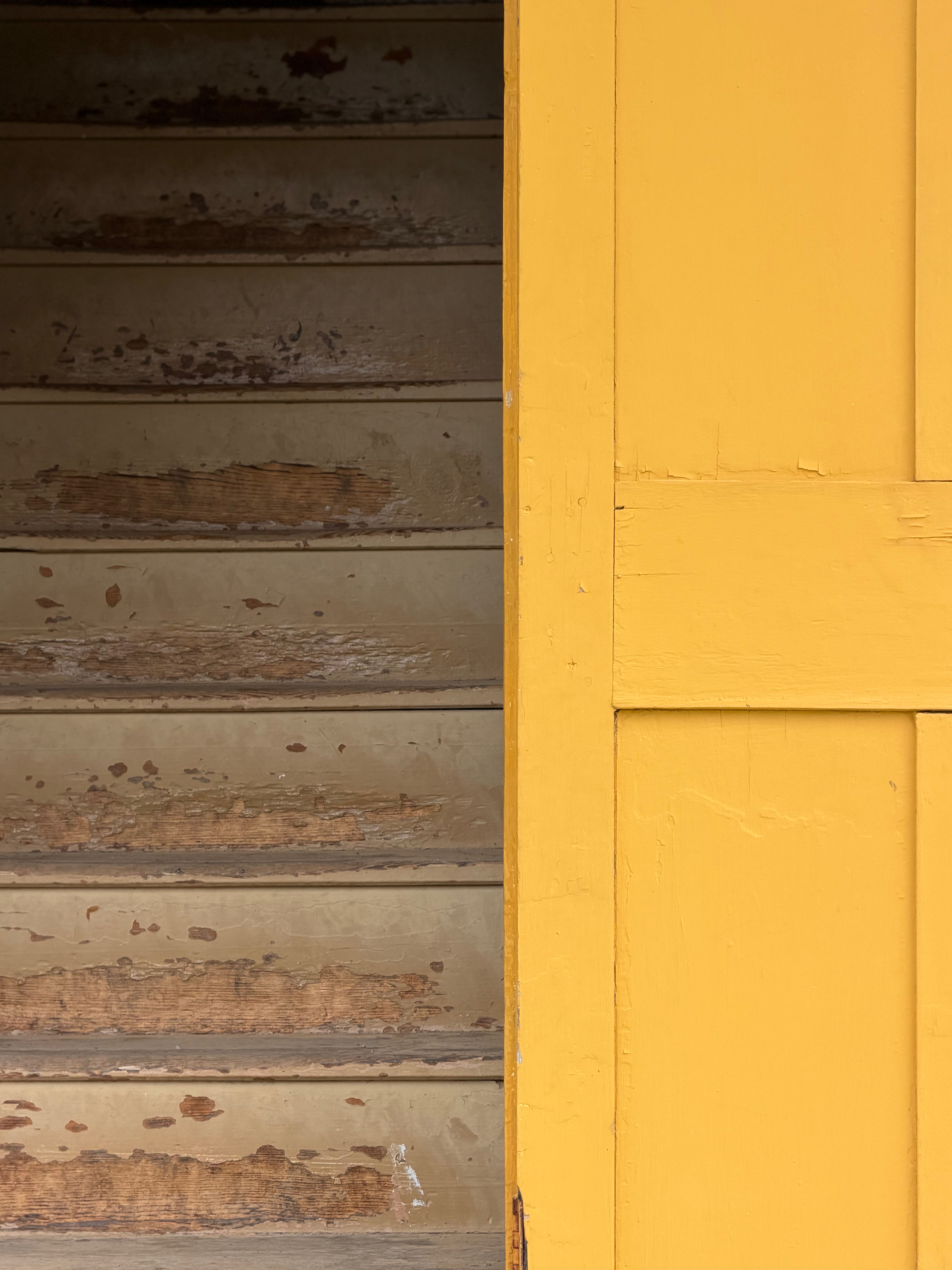
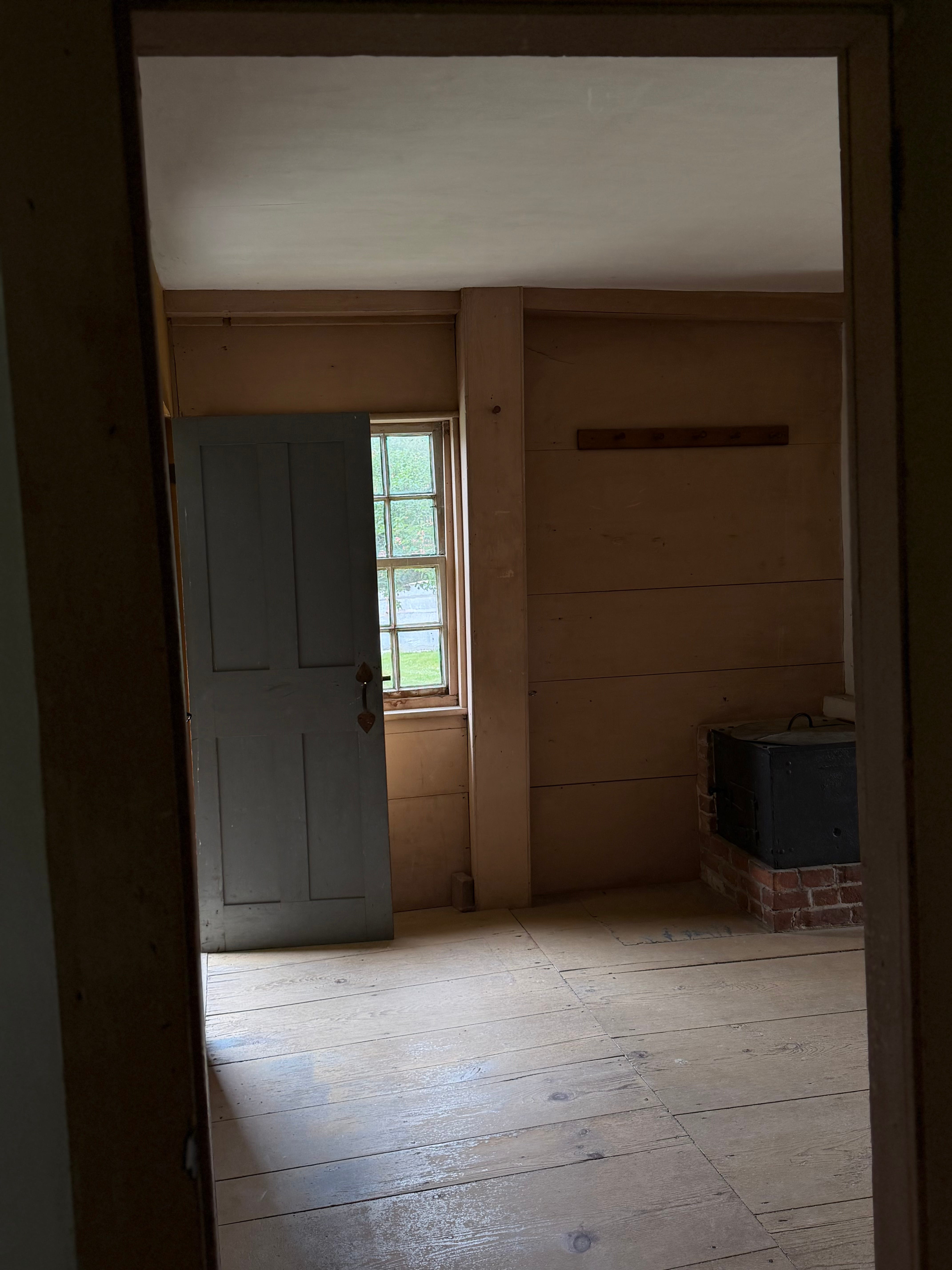
Walking through the village, one of the things I kept noticing was the painted floors.
Not rare floors. Not expensive floors. Not floors selected after six months of requesting samples and comparing undertones. Painted floors.
And they were beautiful.
The more I thought about it, the more I realized painted floors have one of the worst reputations in design. People hear “painted floor” and immediately picture something rustic. Nautical. A beach house. A farmhouse. The sort of place where someone owns multiple striped sweaters and knows how to sail.
Which is unfortunate because painted floors have a much stranger and more interesting history than that.
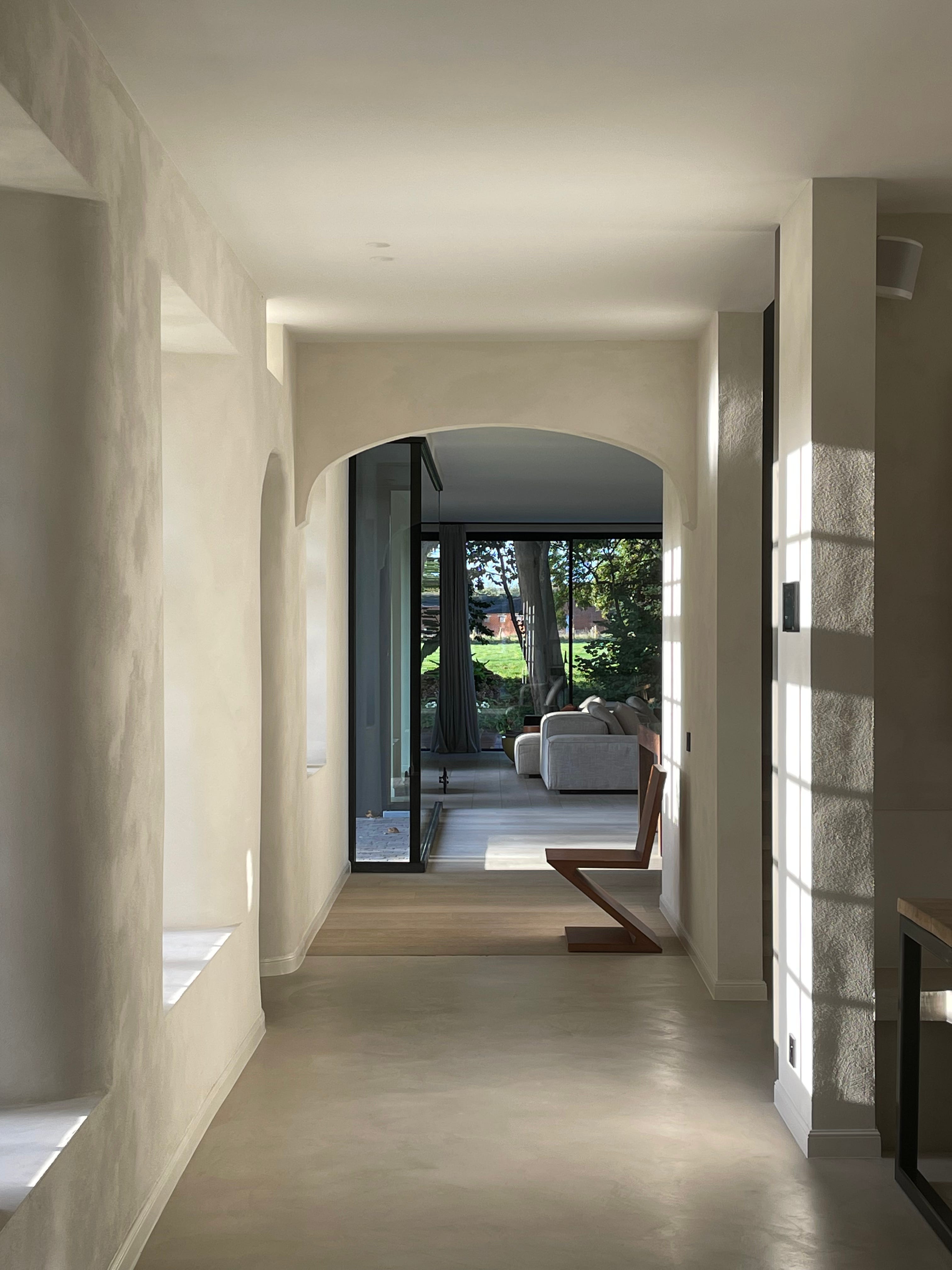
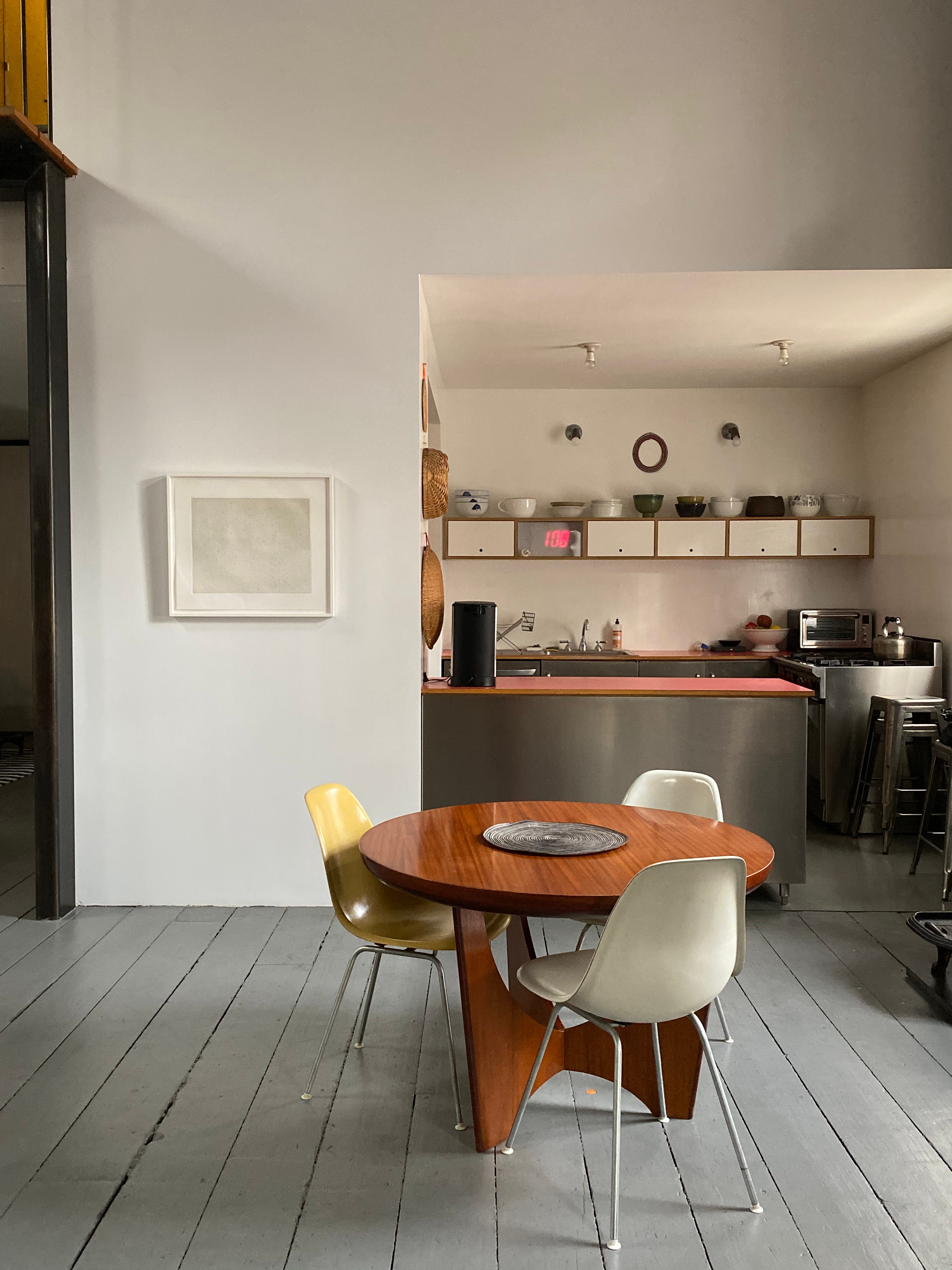
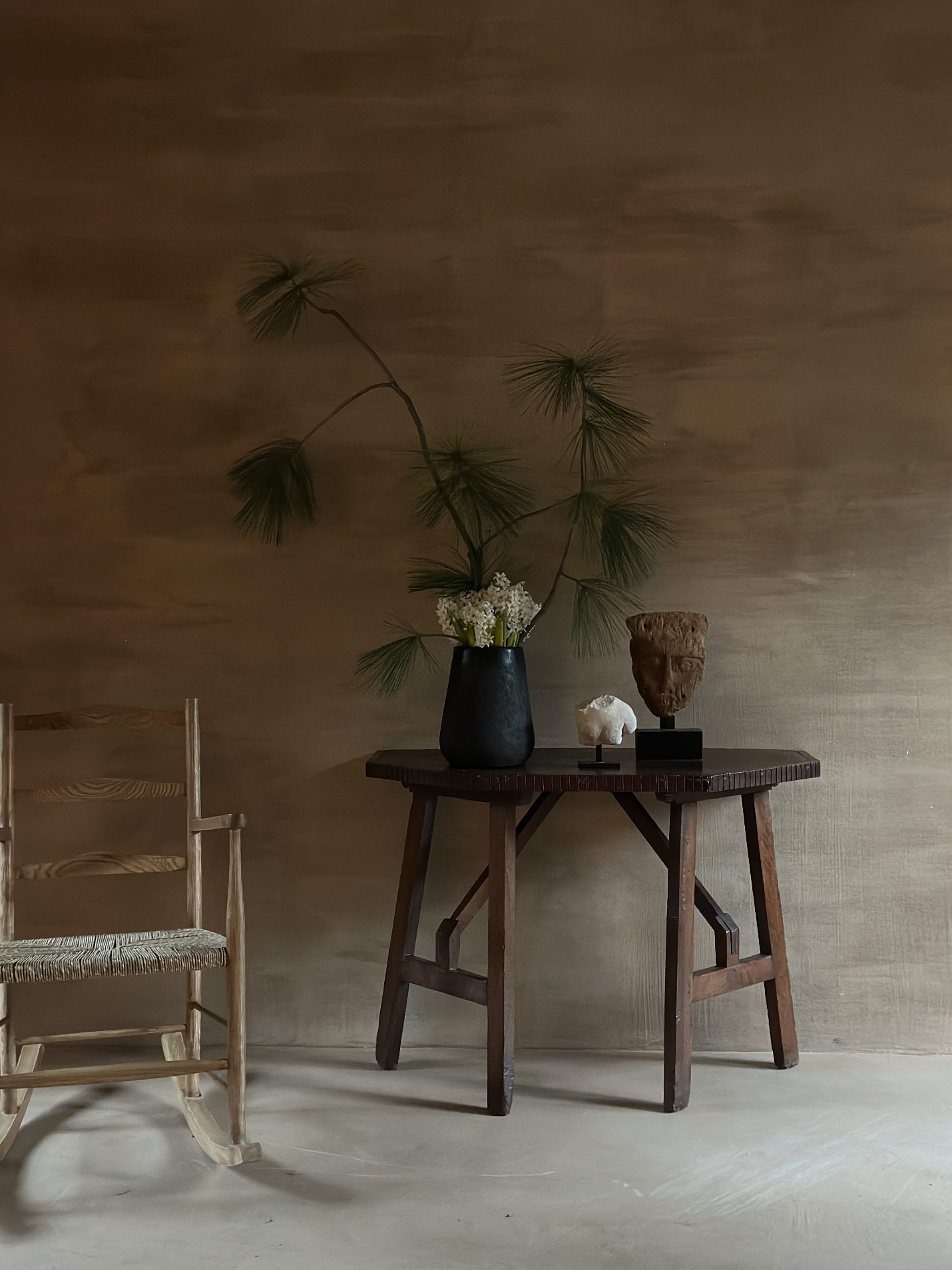
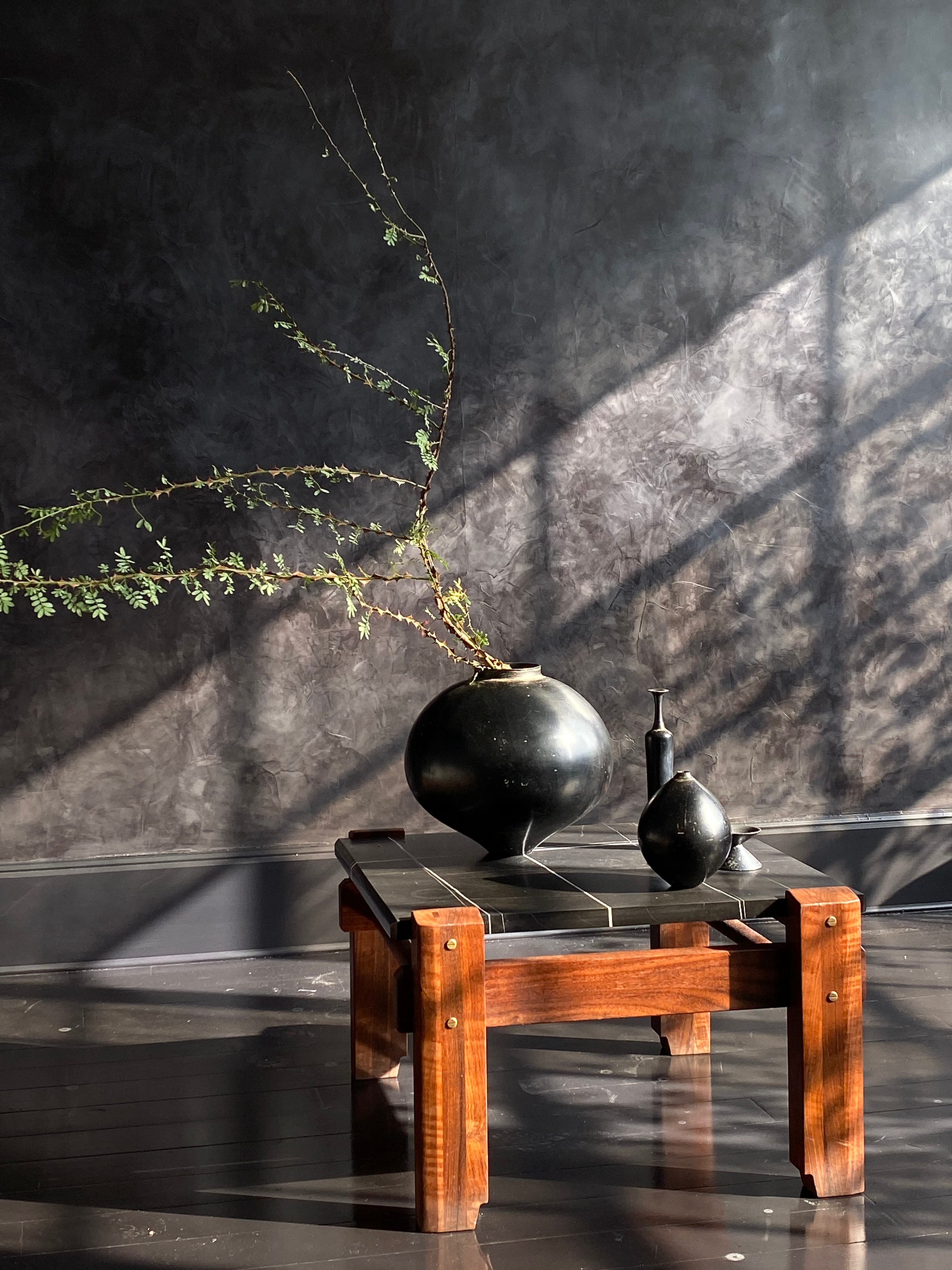
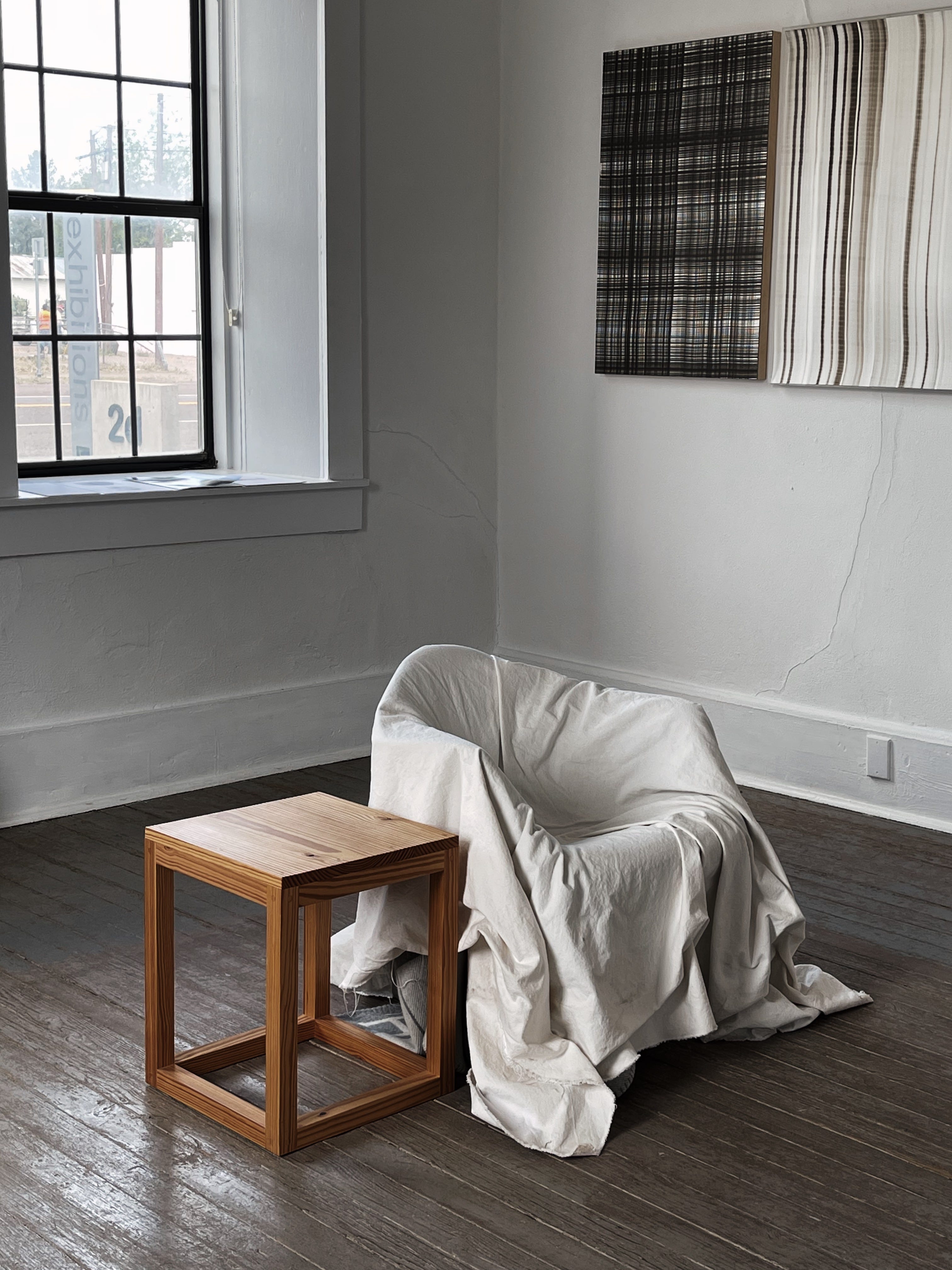
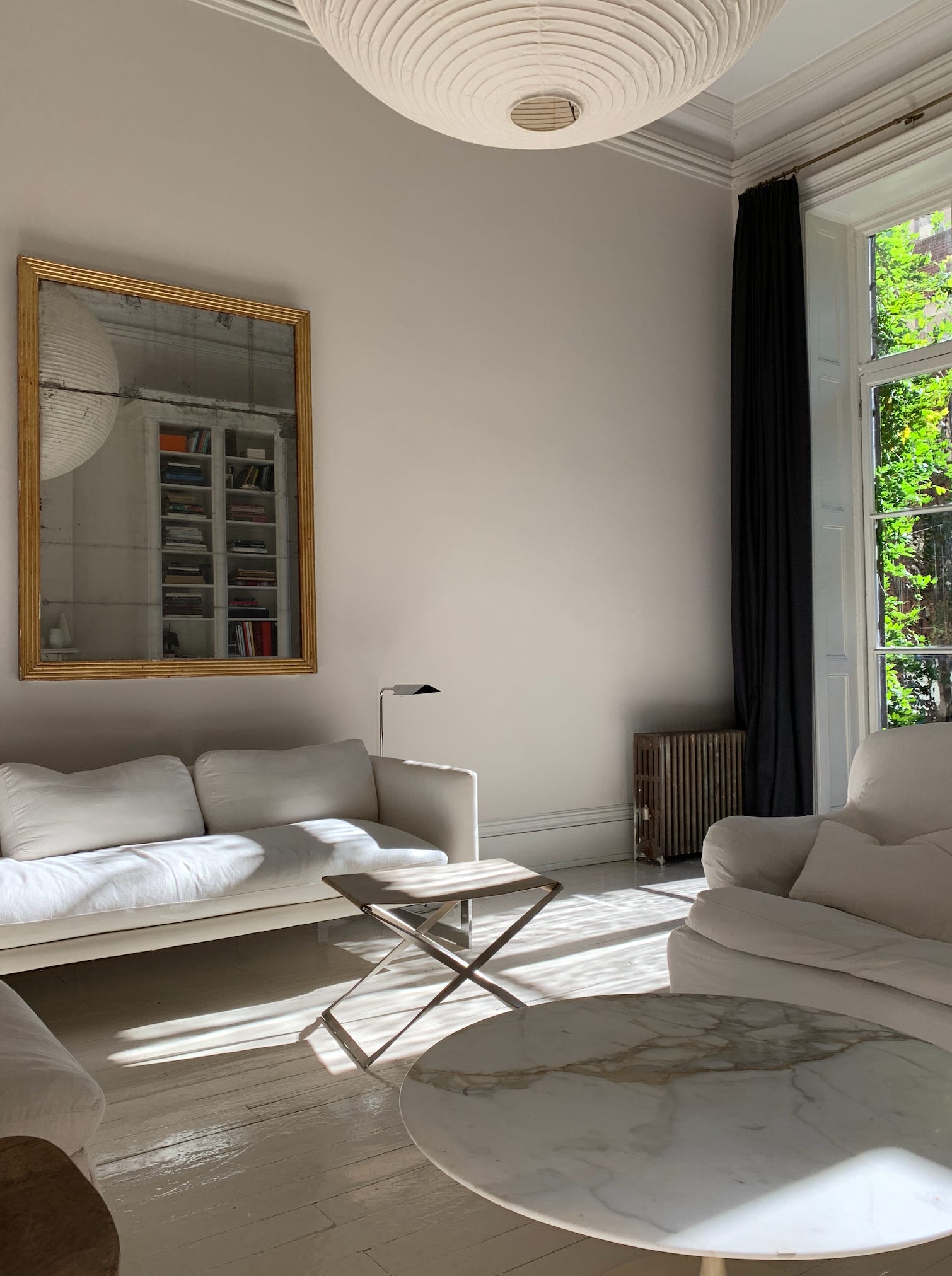
The thing I find fascinating is that painted floors keep appearing throughout history, usually in the homes and studios of people who had more important things to think about. The Shakers painted floors because they were practical. Artists in 1970s Soho painted floors for reasons that were equally pragmatic. White and pale gray floors reflected light deeper into cavernous industrial spaces. They sealed damaged wood. They hid mismatched repairs. They made paint spills and studio messes easier to live with.
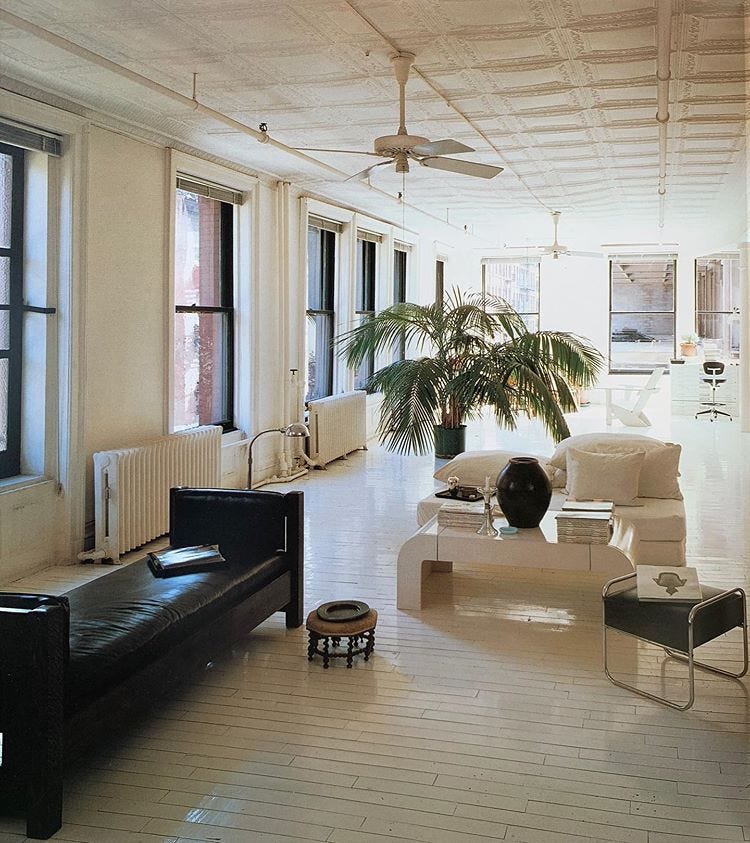
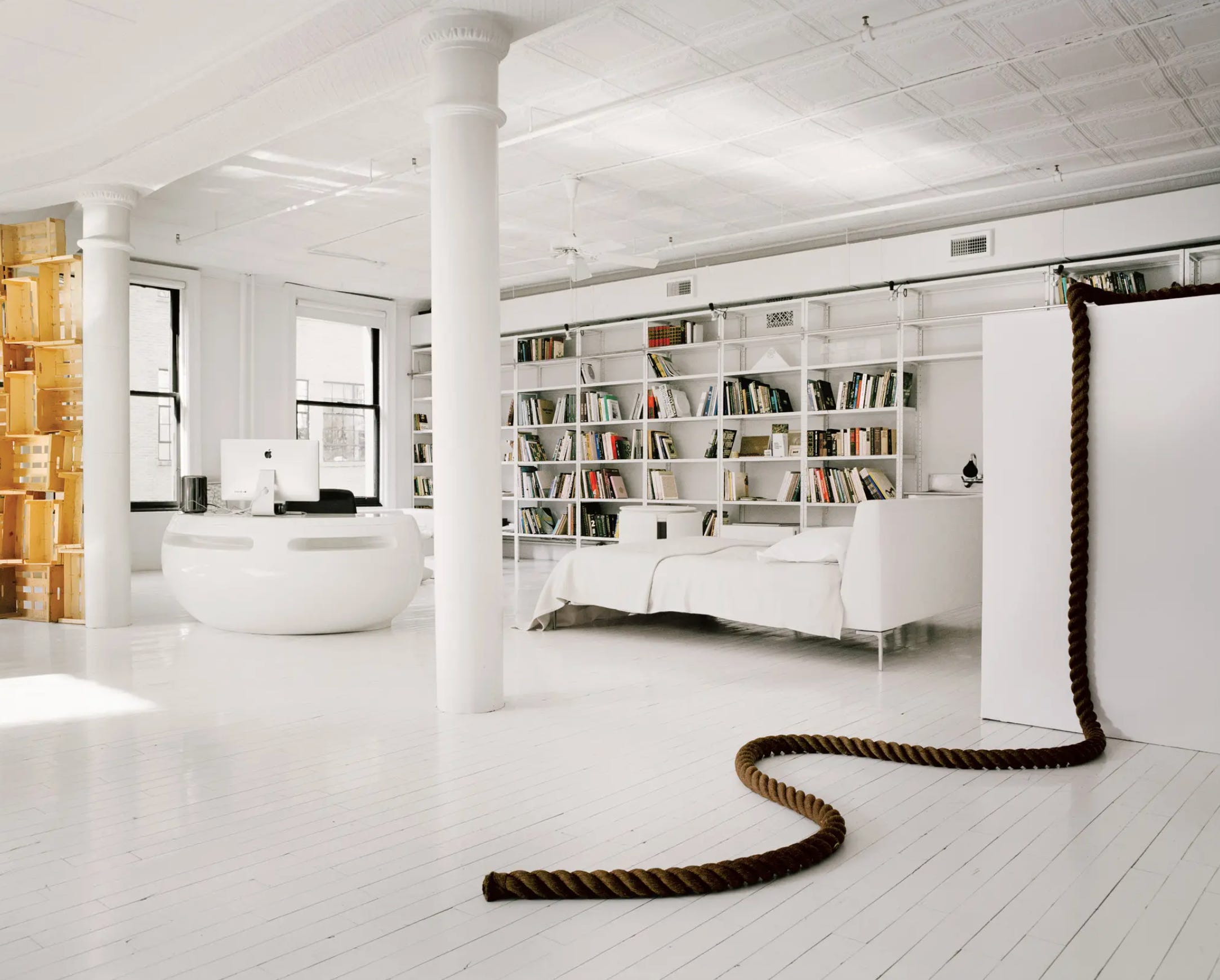
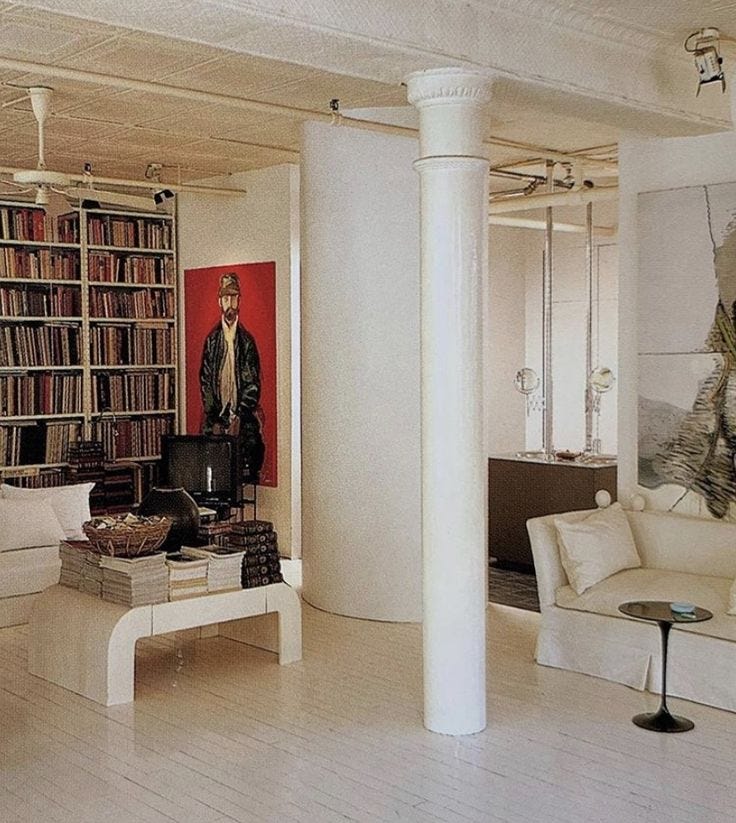
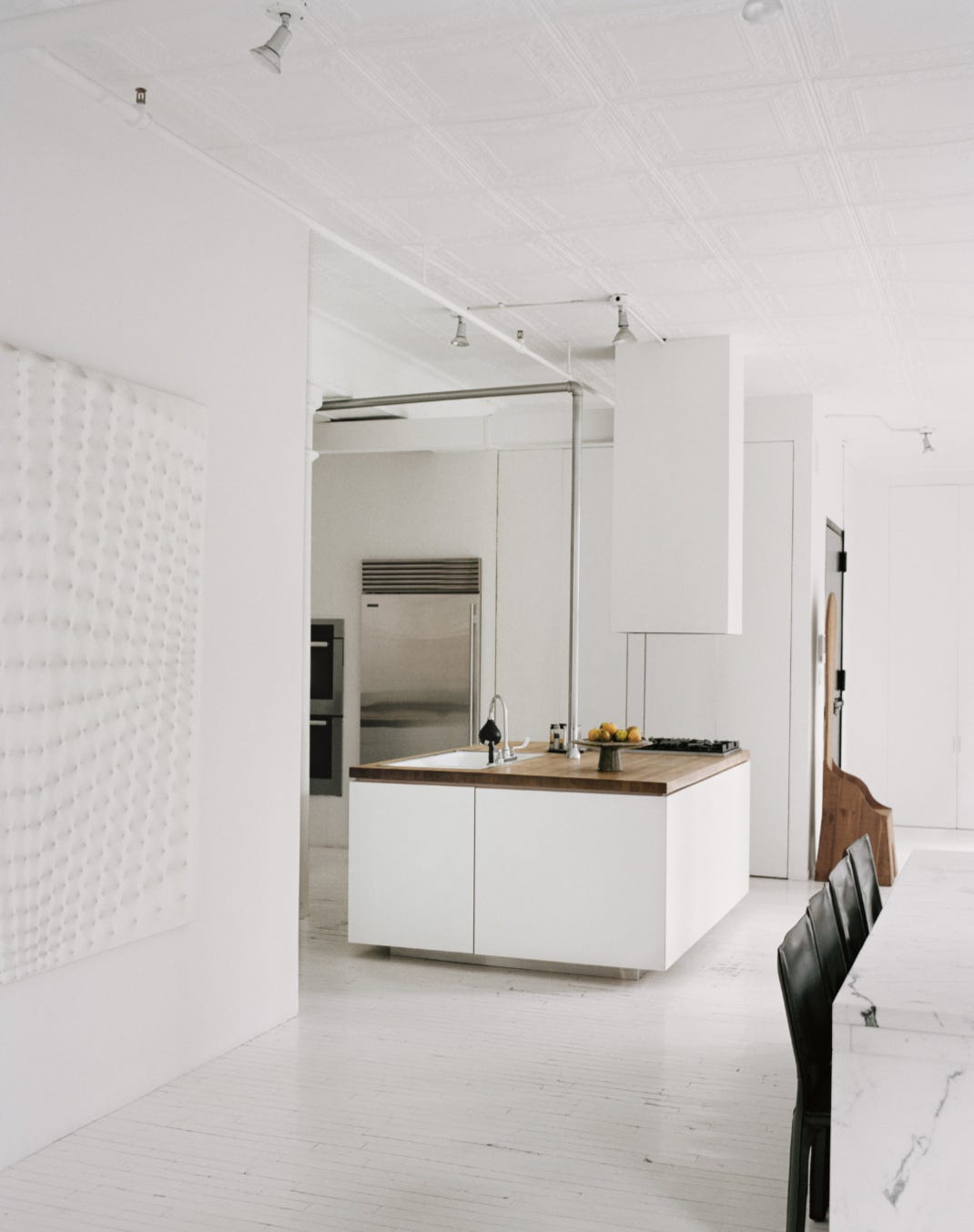
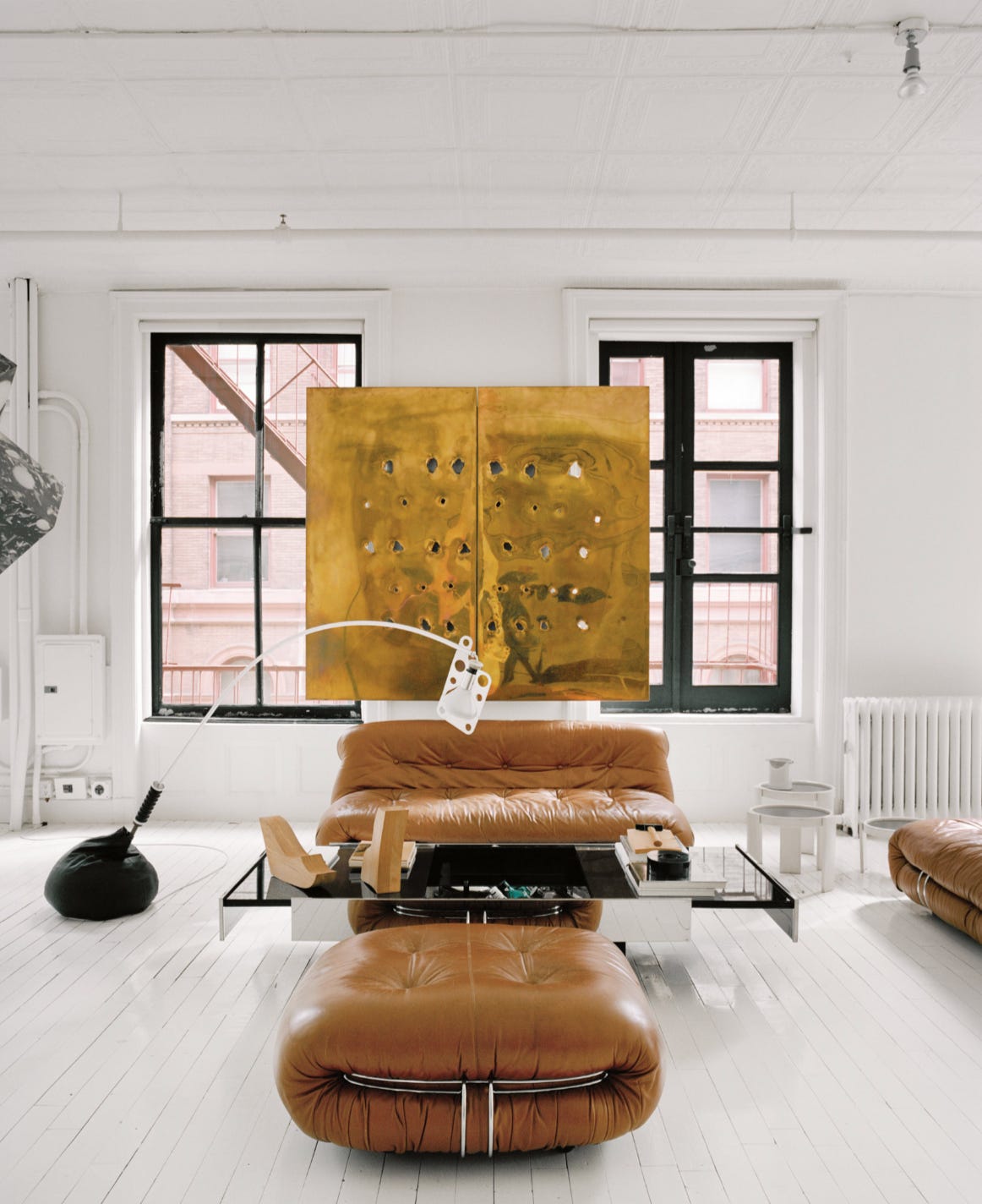
Neither group was trying to create a design statement.
The design statement arrived later.
Which is often how the best ideas work.
Some of the most influential interiors in history were created by people trying to solve a problem, not create a style.
What struck me most about the Shaker rooms was how little energy was spent pretending. Pine looked like pine. Paint looked like paint. Utility wasn’t disguised as luxury. Nothing was trying to be something else. The honesty of the materials is part of what makes the rooms feel so calm.
A few days later I found myself walking through a newly built apartment in Manhattan and thinking about exactly the opposite.
It was one of those developer apartments assembled entirely from expensive materials and excellent intentions. Everything was beautiful. Beautiful stone. Beautiful wood. Beautiful fixtures. Beautiful in the way airport lounges are beautiful. Competent. Expensive. Completely forgettable.
The closer I looked, the more I realized that many of the materials weren’t actually that beautiful at all. They were simply trying very hard to look expensive. Expensive has become its own design language. One that often mistakes complexity for quality.
So much contemporary construction relies on materials performing aspiration. Engineered surfaces pretending to be stone. Veneers pretending to be something older, rarer, or more expensive. The irony is that the more a material tries to convince you of its value, the less convincing it often becomes.
My first thought was: paint the floors.
Not because the floors were bad.
Because they were asking for too much attention.
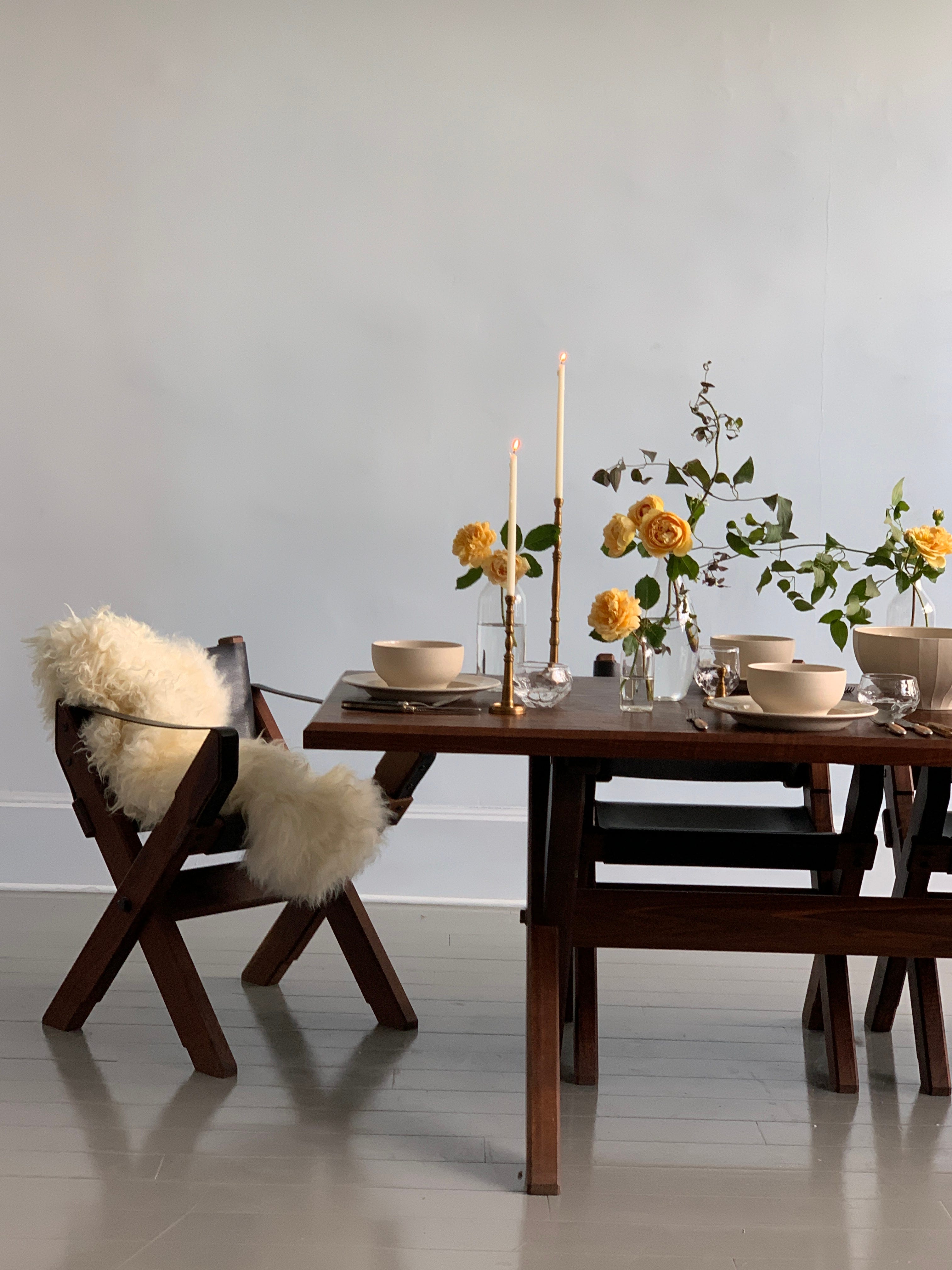
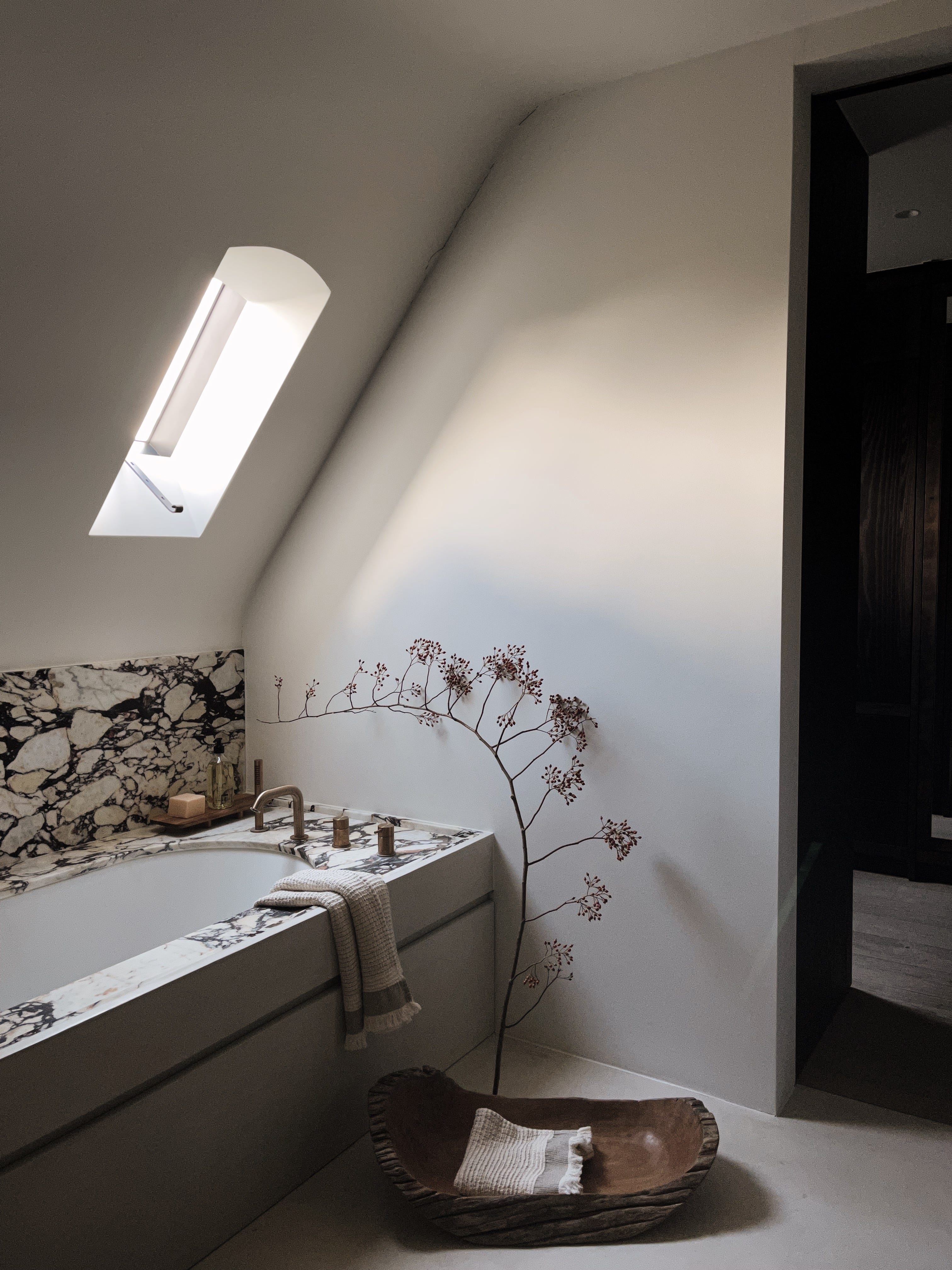
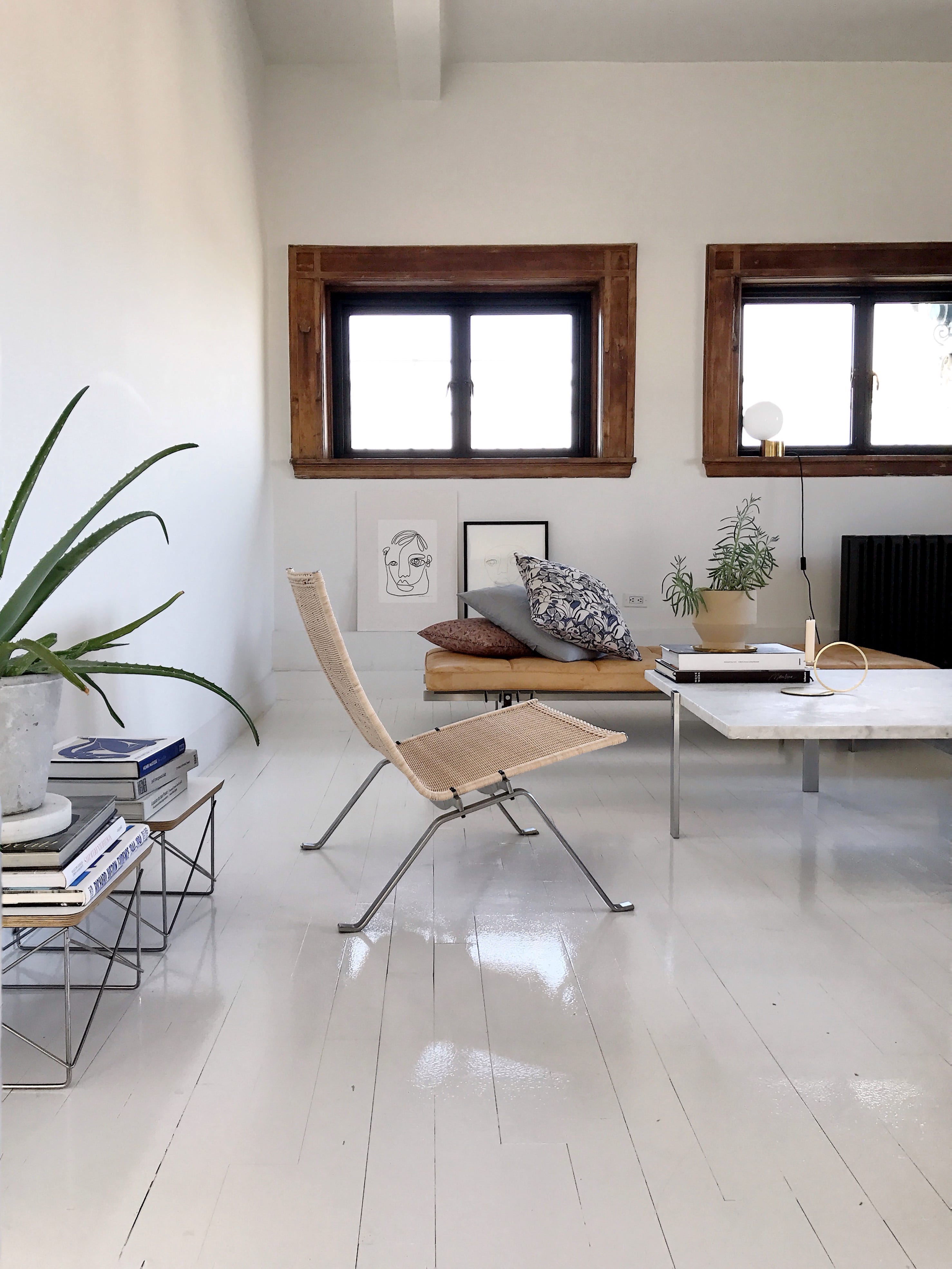
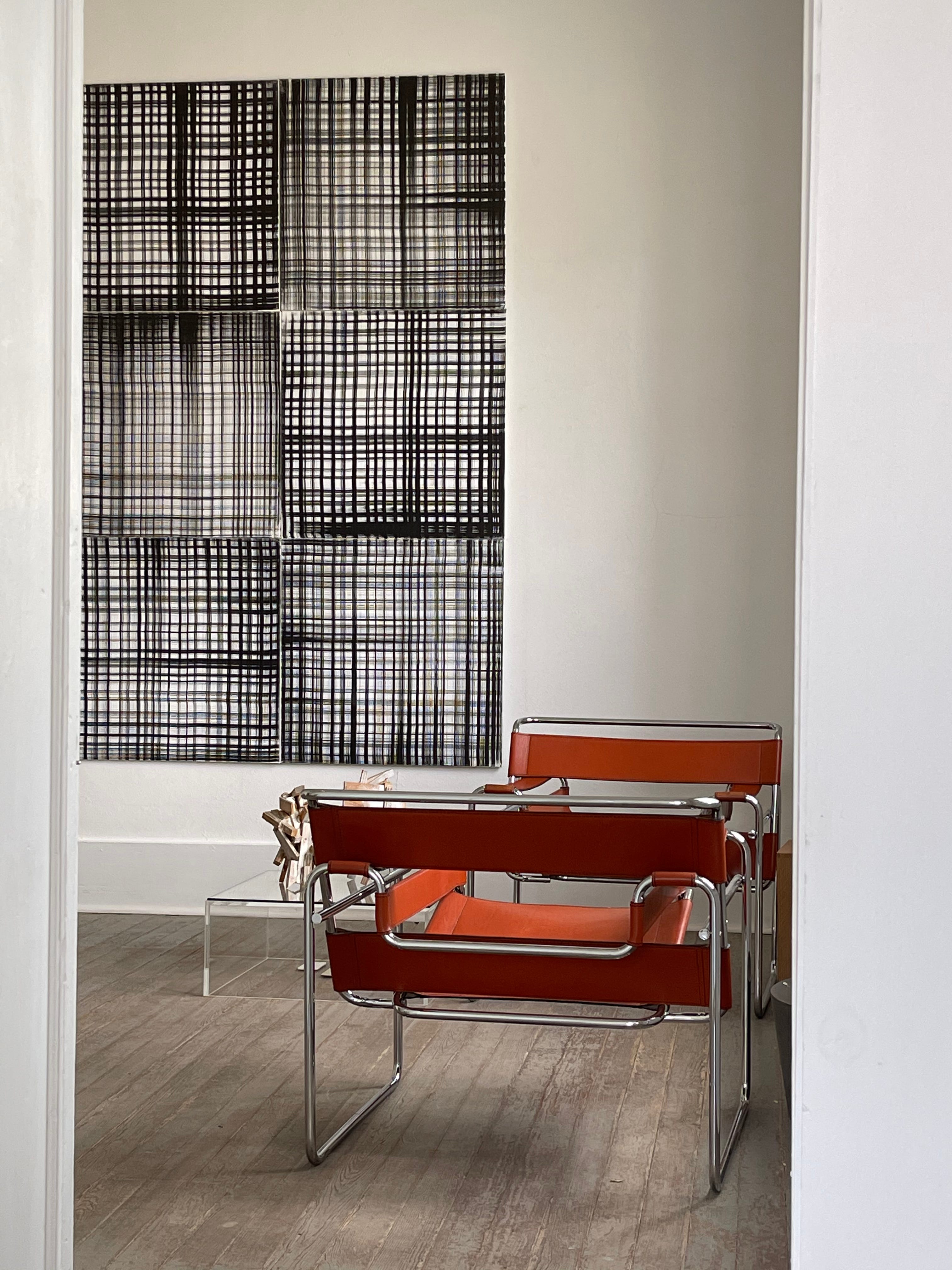
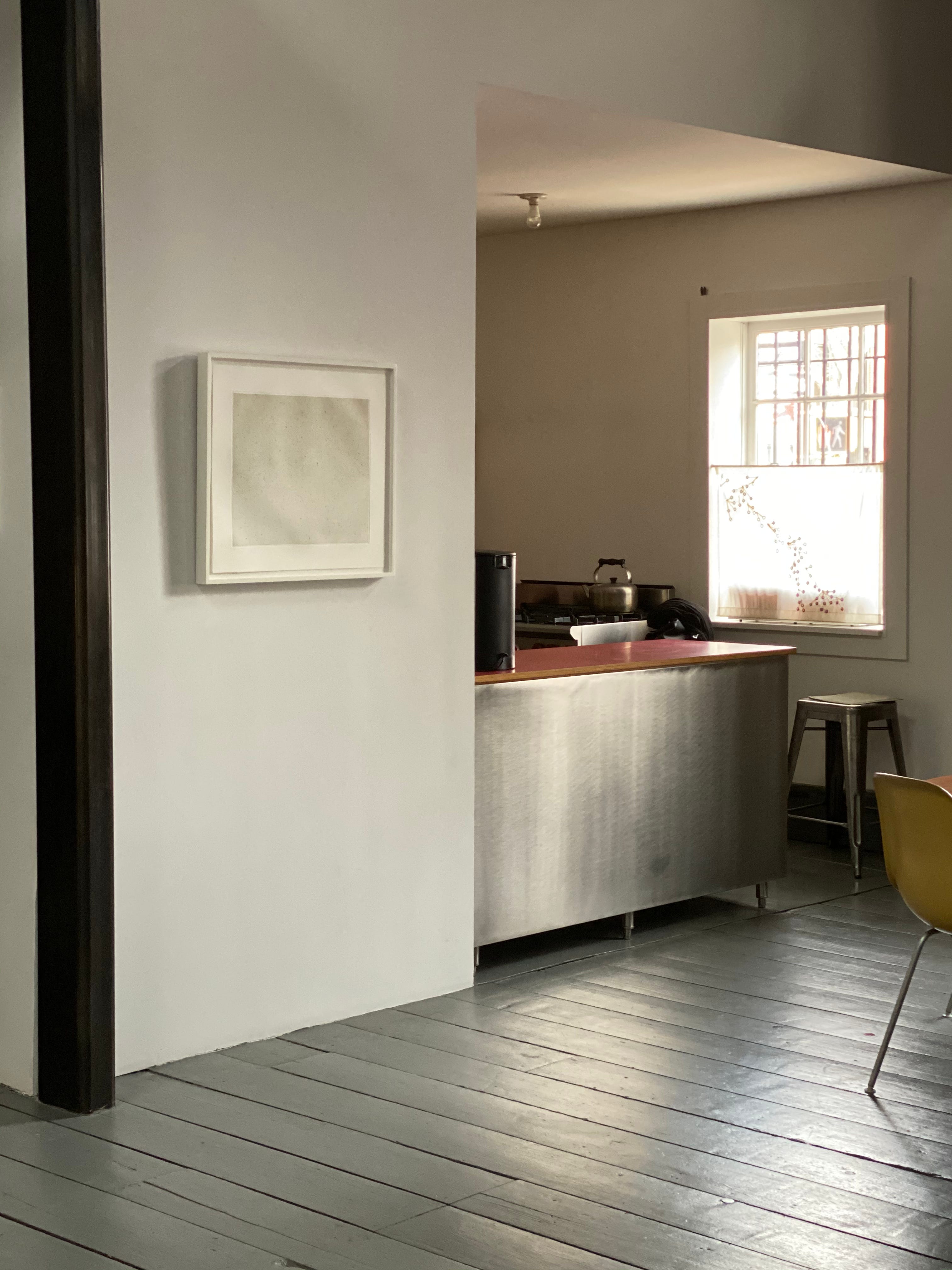
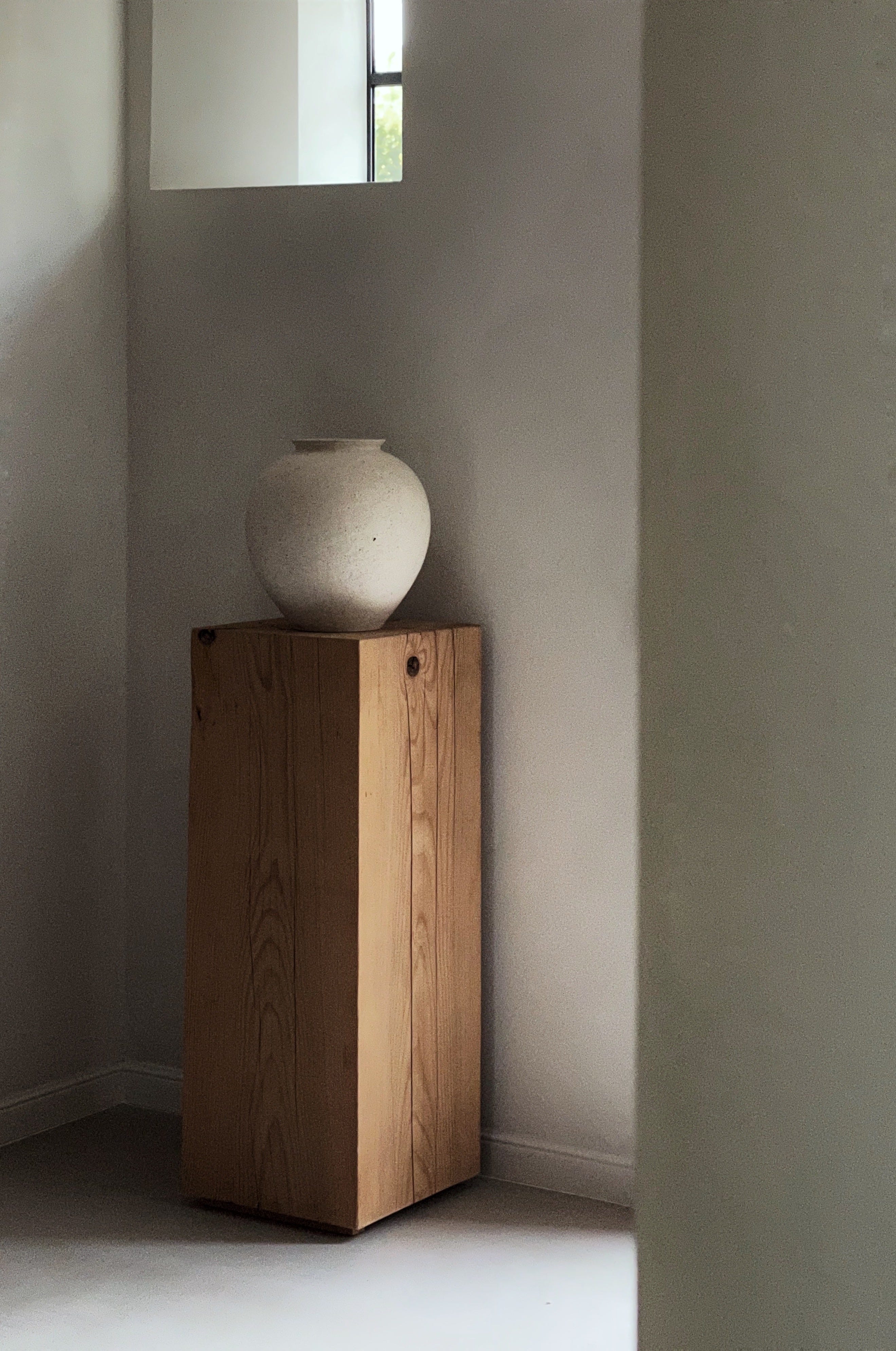
One of the reasons I love painted floors is that they’re often mistaken for a style when they’re really a strategy. A painted floor doesn’t necessarily make a room feel rustic. Sometimes it does the opposite. It simplifies. It removes information. It turns the floor into a backdrop instead of a performance.
I’ve seen painted floors make old houses feel modern and modern houses feel calm.
One of the reasons painted floors work is that floors have far more power than we give them credit for.
A few months ago we were installing rugs at the BENI apartment and I was reminded of this in real time. The apartment has knotty pine floors full of movement, character, and visual texture. We were laying pieces from our new Oak Lane collection by Michael Bargo, which has a softer, more refined sensibility despite the plaid patterns. On paper, it should have worked immediately.
It didn’t.
For a while the room felt trapped in a conversation we weren’t trying to have. The pine pushed everything toward rusticity. The rugs started reading more country than sophisticated. More cabin than city. More beach house than apartment.
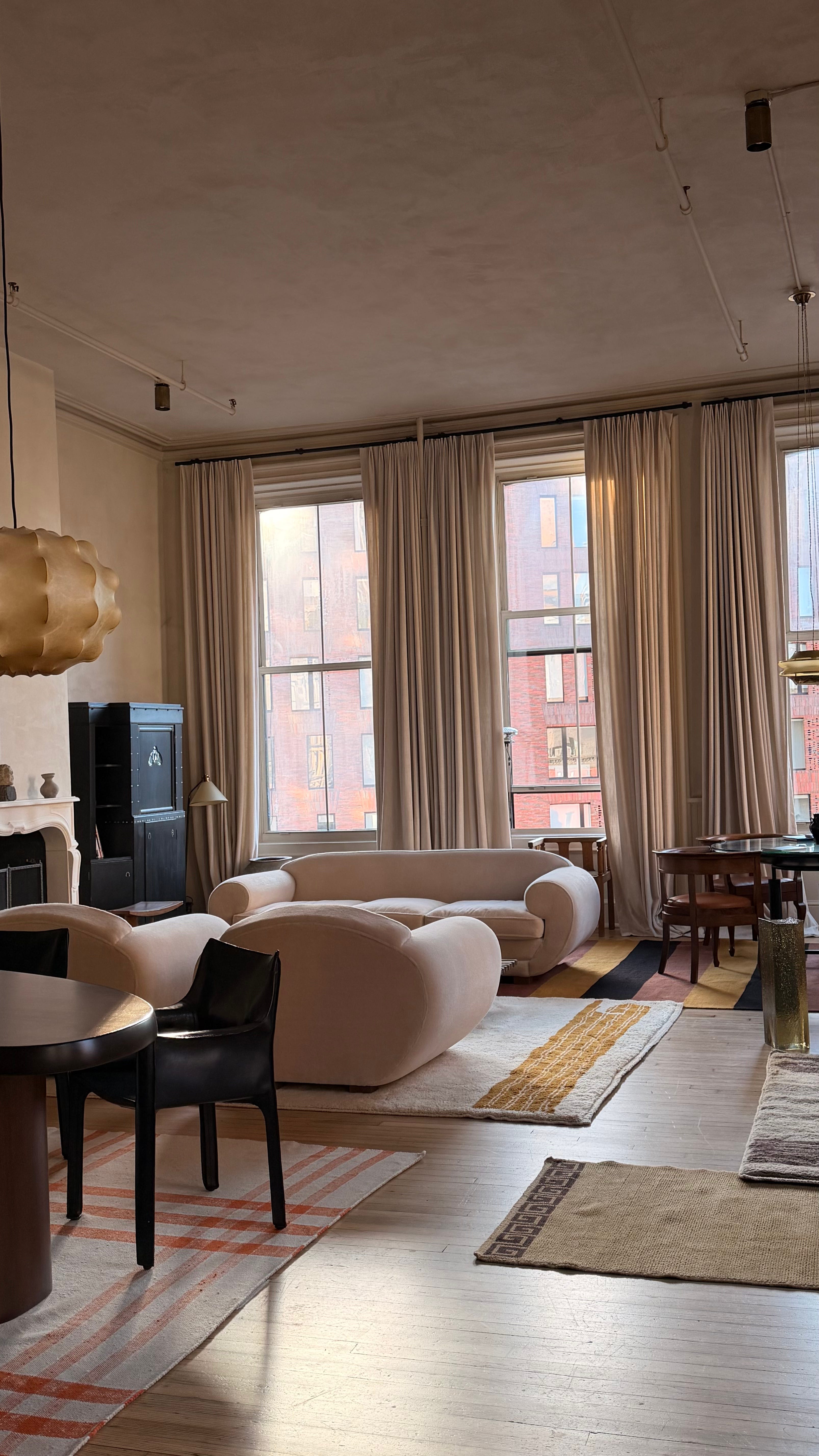
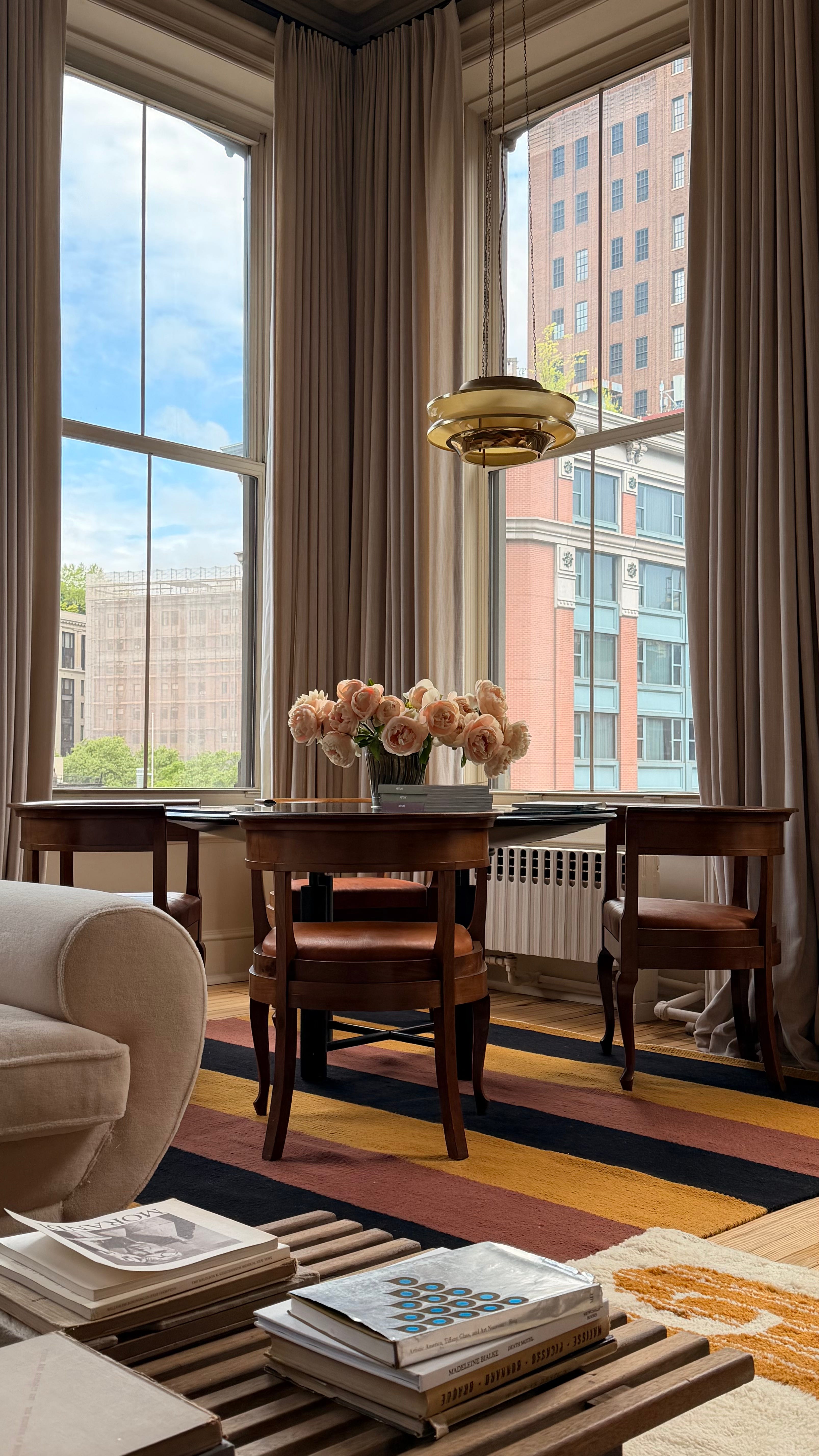
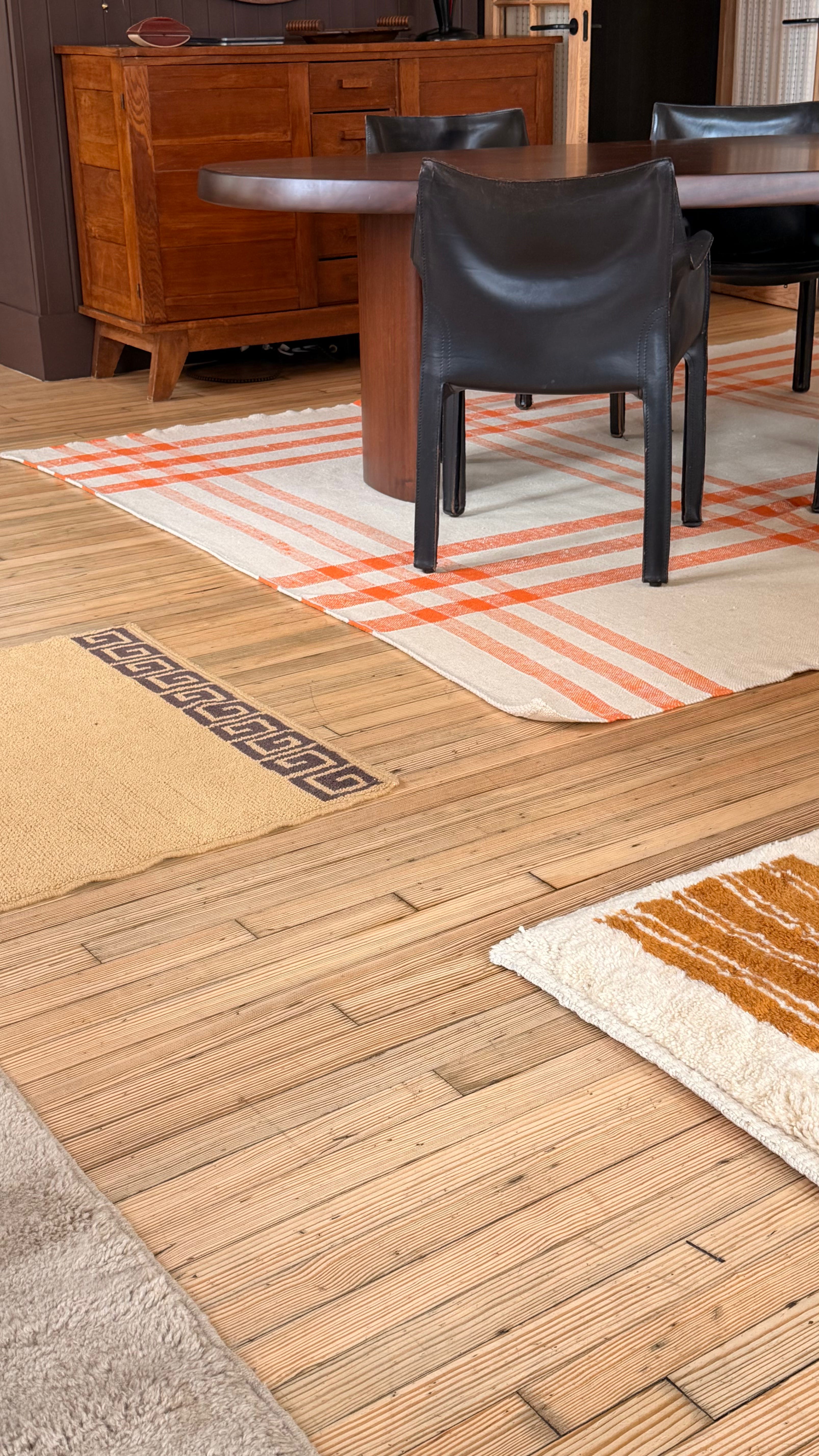
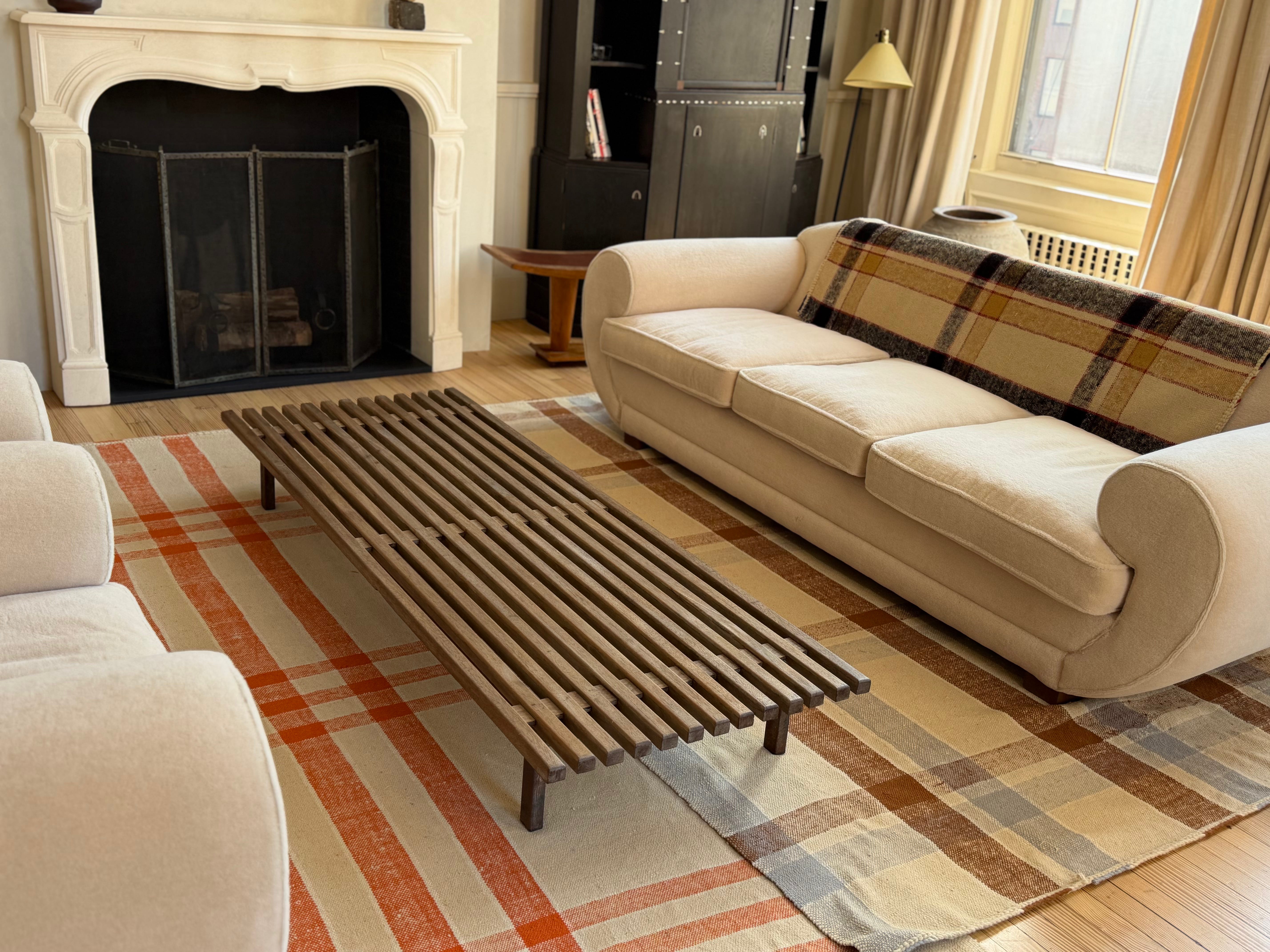
We eventually got there through layering, furniture placement, color, and a fair amount of trial and error. But the experience stayed with me because it reminded me how powerful a floor can be. People often think floors are background. They’re not. They’re weather. Everything else has to live inside the atmosphere they create.
Which is one reason painted floors, large area rugs, wall-to-wall carpet, and even tonal microtopping can be so transformative. They create a calmer visual field. A sea of one thing. Not because uniformity is inherently better, but because it gives the rest of the room more freedom.
A room doesn’t always need more personality. Sometimes it needs less competition.
My first design job was working for Tom Delavan. His Greenwich Village townhouse had painted floors throughout the stair hall and parlor level, and I remember being struck by how contemporary they felt. Not rustic. Not country. Not quaint. Just confident.
At the time I couldn’t fully articulate why I liked them so much. Looking back, I think it was because the floors understood their role. They weren’t trying to be the most interesting thing in the room. They were creating the conditions for everything else to be interesting.
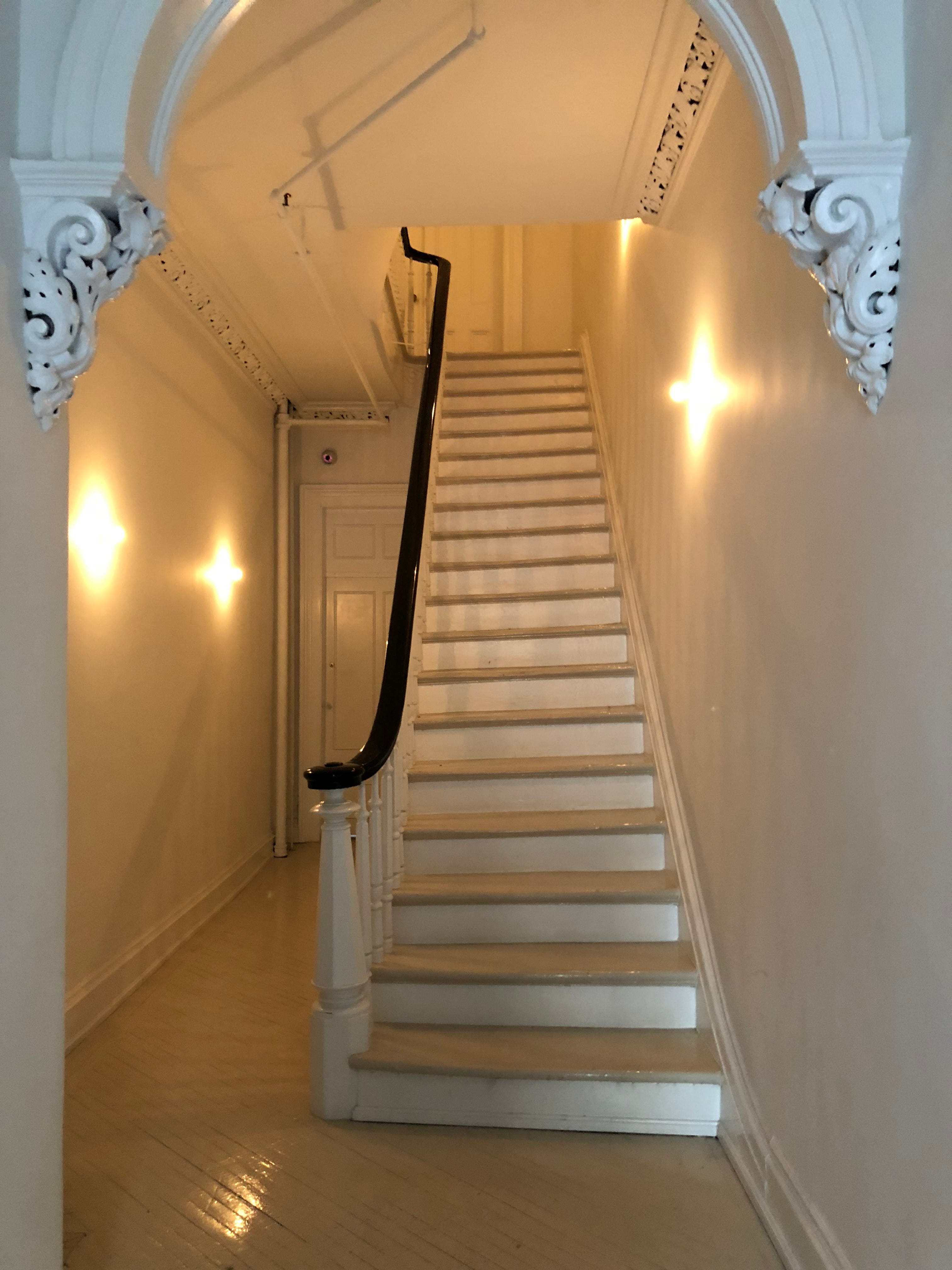
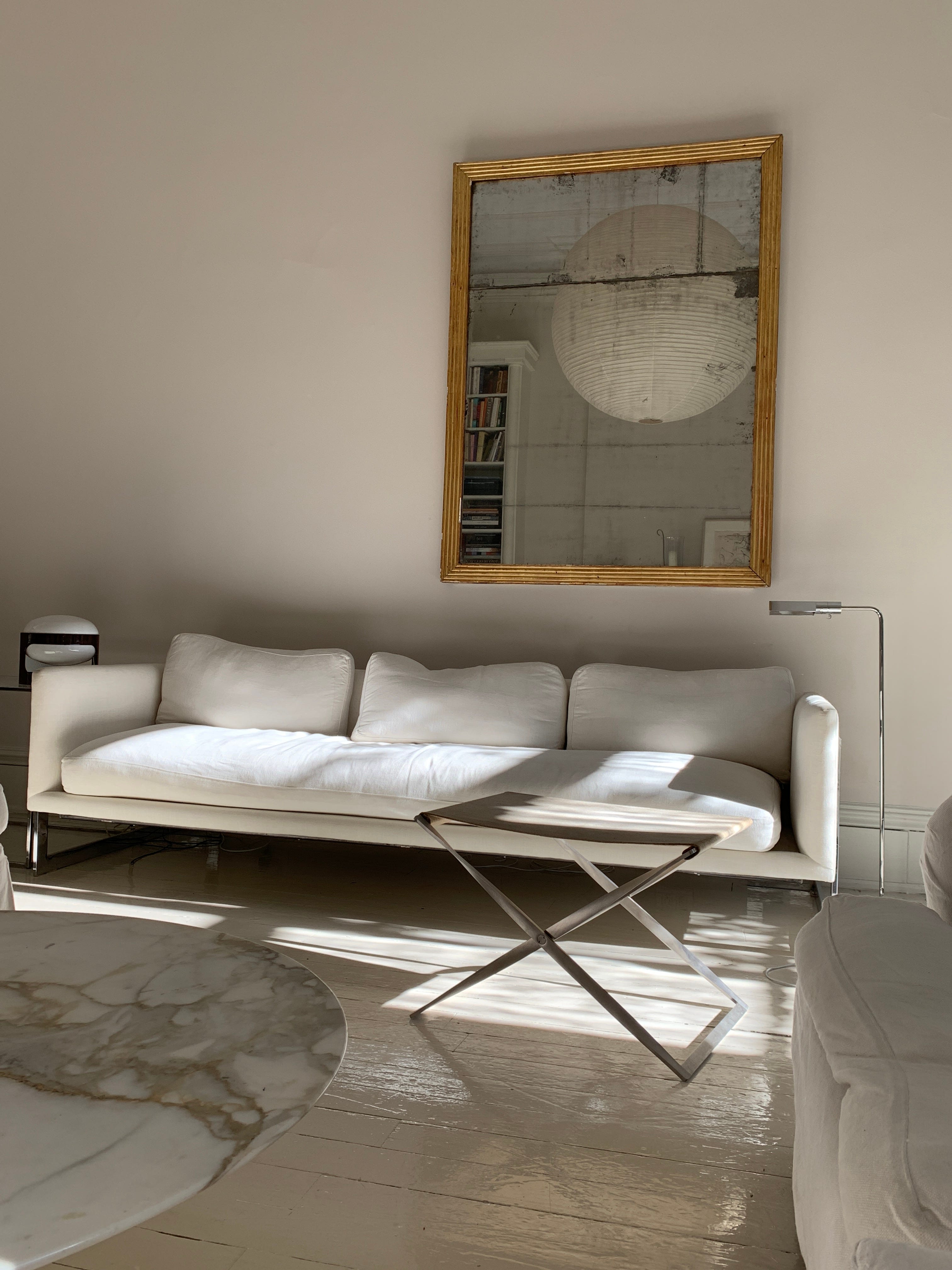
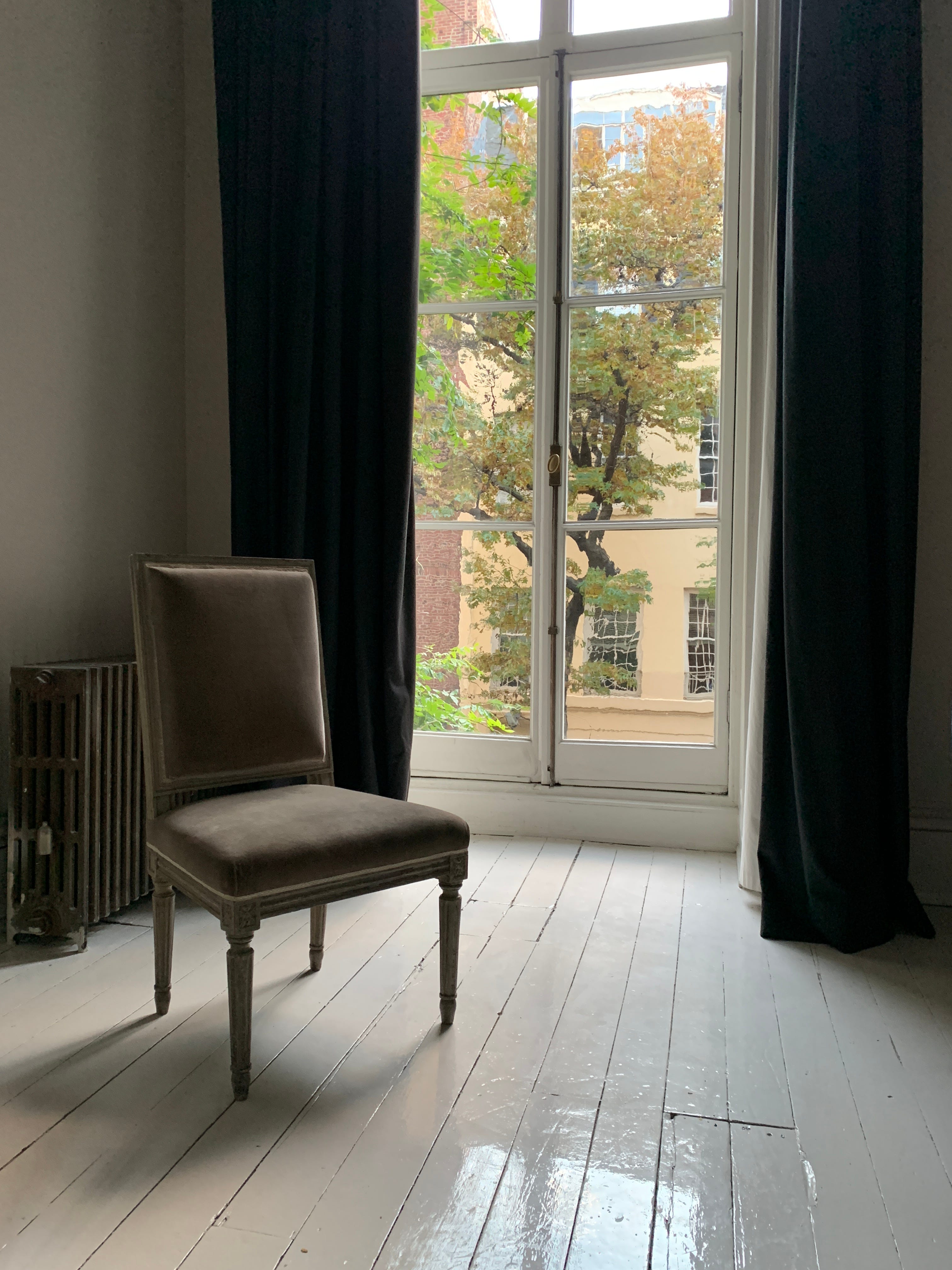
That’s the word I keep coming back to: confidence. Not confidence in the paint color, but confidence in the decision itself. Confident enough to paint over something. Confident enough not to preserve every material simply because it’s there. Confident enough to decide what matters.
Because that’s really what a painted floor does. It decides that the floor isn’t the most important thing in the room. The art matters more. The furniture matters more. The architecture matters more. The people matter more.
A painted floor doesn’t create character. It reveals it.
And that’s where I think painted floors become surprisingly relevant to life outside design.
Everyone assumes the paint is the risky part. It’s not. The risky part is realizing that most decisions aren’t nearly as permanent as we pretend they are. Paint can be repainted. Rooms can change. Furniture can move. Most decisions turn out to be far less permanent than we imagine.
Which may be why I trust painted floors. They’re practical. They’re beautiful. They’re affordable. They’re forgiving. More importantly, they remind us that confidence rarely arrives before the decision. Usually it arrives afterward.
The older I get, the more I suspect that the best rooms are built by people who know what deserves attention and what doesn’t.
The artists in Soho painted floors because they needed better light, cleaner studios, and practical solutions to imperfect spaces. The Shakers painted floors because practicality mattered. Different motivations, similar result. Neither group was particularly interested in worshipping the floor.
And that’s probably what I admire most.
Not the painted floors themselves, but the clarity. A floor was a floor. A room was a room. The point was the life happening on top of it.
Which feels obvious until you realize how much time we spend doing the opposite.
Meanwhile, some of the most beautiful rooms ever made were created by people who simply got on with it.
Love,
Colin

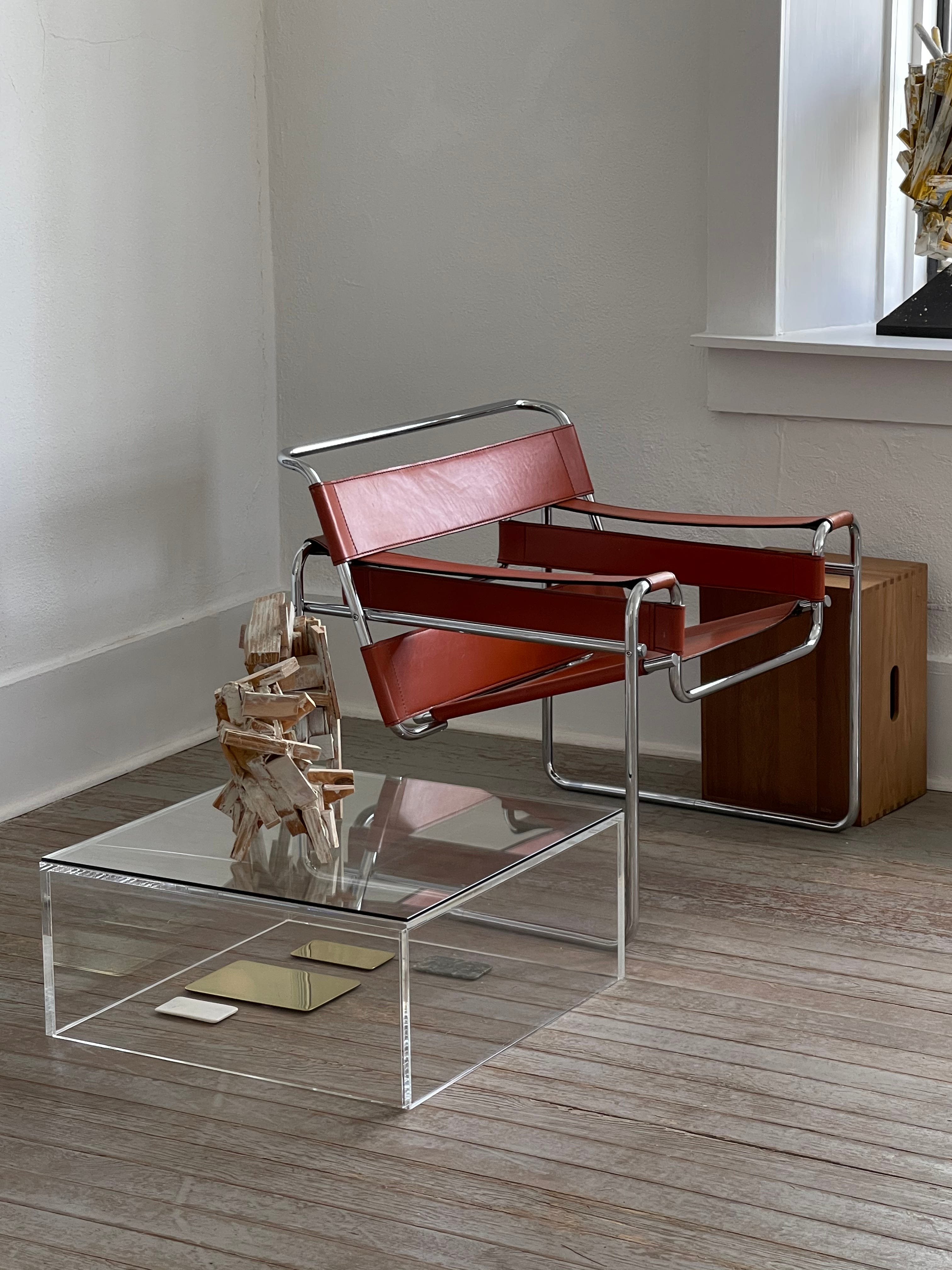
I once stayed in an Airbnb in Connecticut when I was 19 with painted floors. I was struck by them, as well as the color, and asked the older owner if it made her nervous to paint over the floor. She looked confused and said, “It’s just a can of paint?” It has stuck to me to this day, and this post perfectly mirrored that experience.
Love it!