

The Same Apartment, A Different Story
On White Street, Beni, and what changes when the voice does

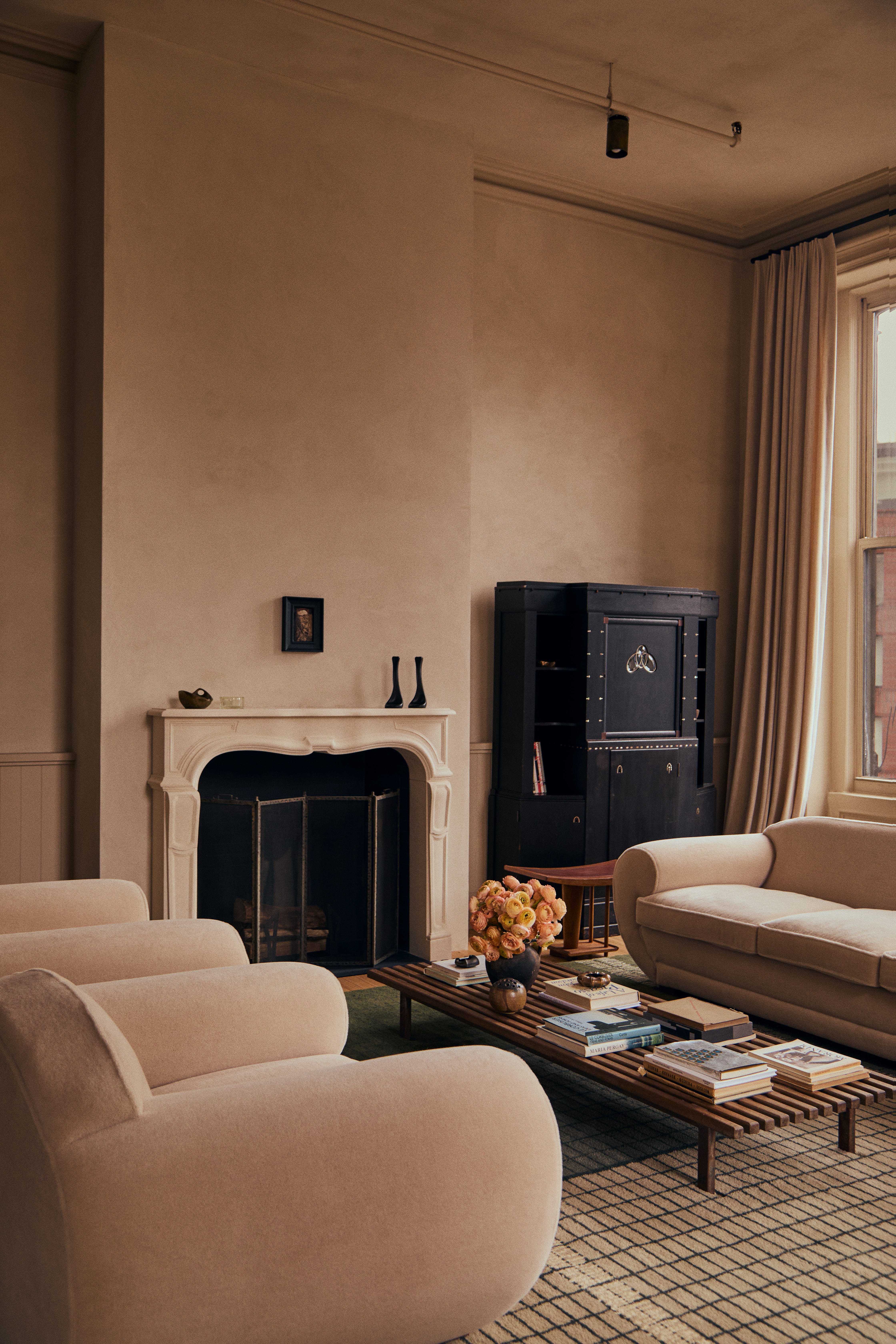
White Street was my home before it was Beni’s.
That’s the factual version.
The truer version is that I lived there long enough for the light to recognize me. Long enough to write a book at the kitchen table. Long enough to launch a design studio from the corner desk and quietly wonder if it would survive. It held real life. Not styled life. Not camera life. Real life. Dinners that ran late. Quiet mornings in sweatpants. Heartbreak I did not see coming. Ambition that felt mildly terrifying. The slow, unglamorous work of becoming.
So when it was time to let it change hands, I told myself I was evolved about it.
I was not entirely evolved about it.
My relationship with Beni began in a very normal way. A DM about styling one of their first campaign shoots. A meeting at Ludlow House. Two adults sitting across from each other pretending not to assess the chemistry of the room.
It was professional. Direct. And almost immediately, aligned.
Beni was founded by Robert Wright and Tiberio Lobo-Navia, two Americans who built something deeply rooted in Morocco. The rugs are woven, washed, and shipped from a vertically integrated atelier in Tameslouht. The weavers are all women, paid well above the national average, with childcare and transportation built into the system. It’s a structure grounded in dignity instead of speed.
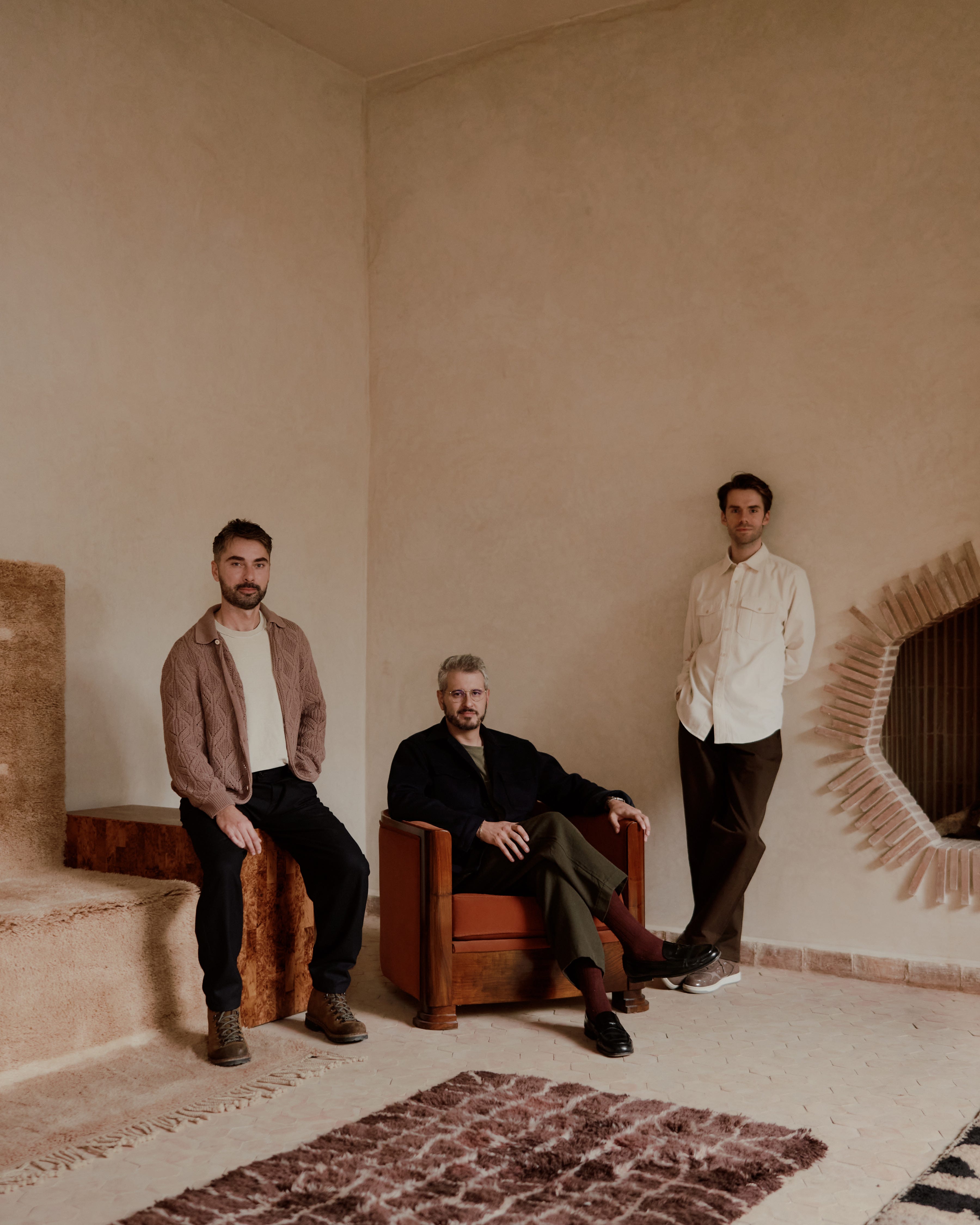
At the time, I didn’t know any of that in detail. What I knew was what happened when the first rug hit the floor.
I wasn’t looking at the pattern. I was watching the room change.
The weight of it. The density. The way the air seemed to reorganize itself. They were contemporary designs rooted in heritage craft, but what struck me wasn’t trend or reference. It was presence.
They didn’t feel decorative.
They felt architectural.
Here’s the part that makes me laugh now. Robert later told me he assumed I had styled dozens of rug shoots before. Tens and tens of them. As if I’d been quietly building a rug résumé somewhere.
I hadn’t. I’d never worked with a rug brand. I hadn’t even thought about rugs particularly seriously.
Which, in hindsight, might have been the whole point.
It turns out ignorance can be clarifying.
Our mutual lack of experience became its own kind of superpower. We weren’t trying to replicate what a rug campaign should look like. We weren’t referencing category conventions. We were reacting to the object in front of us.
You don’t accessorize around something like that. You build around it.
They could see I had opinions. We talked about scale. About proportion. About how much air something with that kind of presence needs to breathe.
Months later, they asked what it would look like if I designed a collection.
That invitation changed everything.
Over time, the collaboration deepened. I designed collections. I helped shape the brand’s showroom in Morocco and their previous showroom in New York. What started as styling became authorship. What began as collaboration became responsibility. As Artistic Director, I help shape Beni’s visual language across collections and spaces, protecting its heritage while pushing it forward.
That role isn’t ornamental to me. It’s philosophical.
It means guiding the work away from being seen as décor and toward being understood as art. Toward presence. Toward desire.
We’re not trying to create background pieces. At least, I’m not interested in that. I’m interested in objects that can hold a room on their own. But even more than that, I’m interested in pieces that allow the person who chooses them to take a position.
I don’t think a rug has to disappear politely under a coffee table. It can. Sometimes that’s exactly right. But I’m drawn to rugs that say something back. That reveal a point of view. That feel like a creative decision instead of a safe one.
For me, the work isn’t about decorating a space. It’s about giving someone a way to express themselves without having to explain it out loud. A room can carry conviction quietly.
That shift changed how I saw White Street. It stopped being about filling a space well and started being about letting it speak.
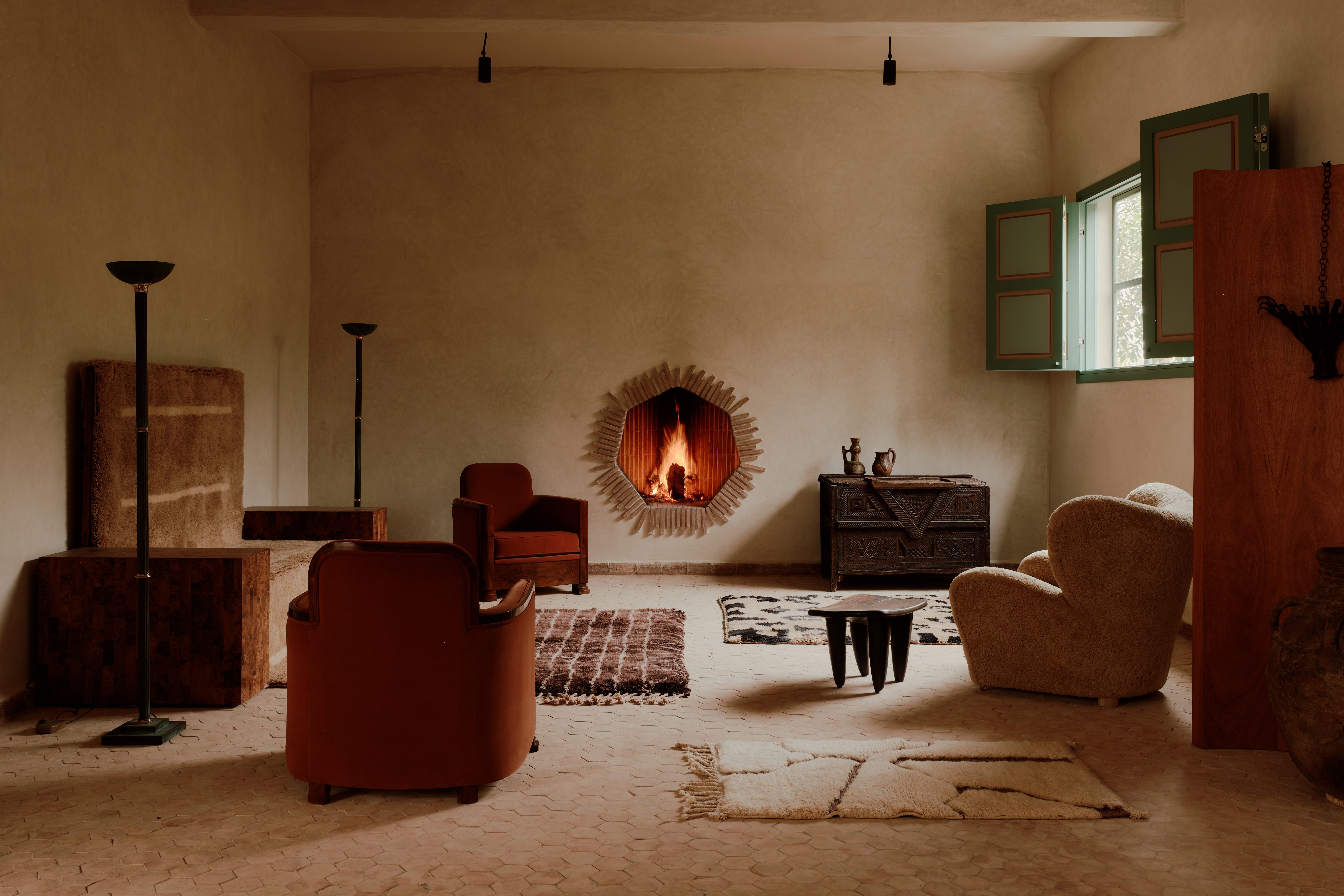
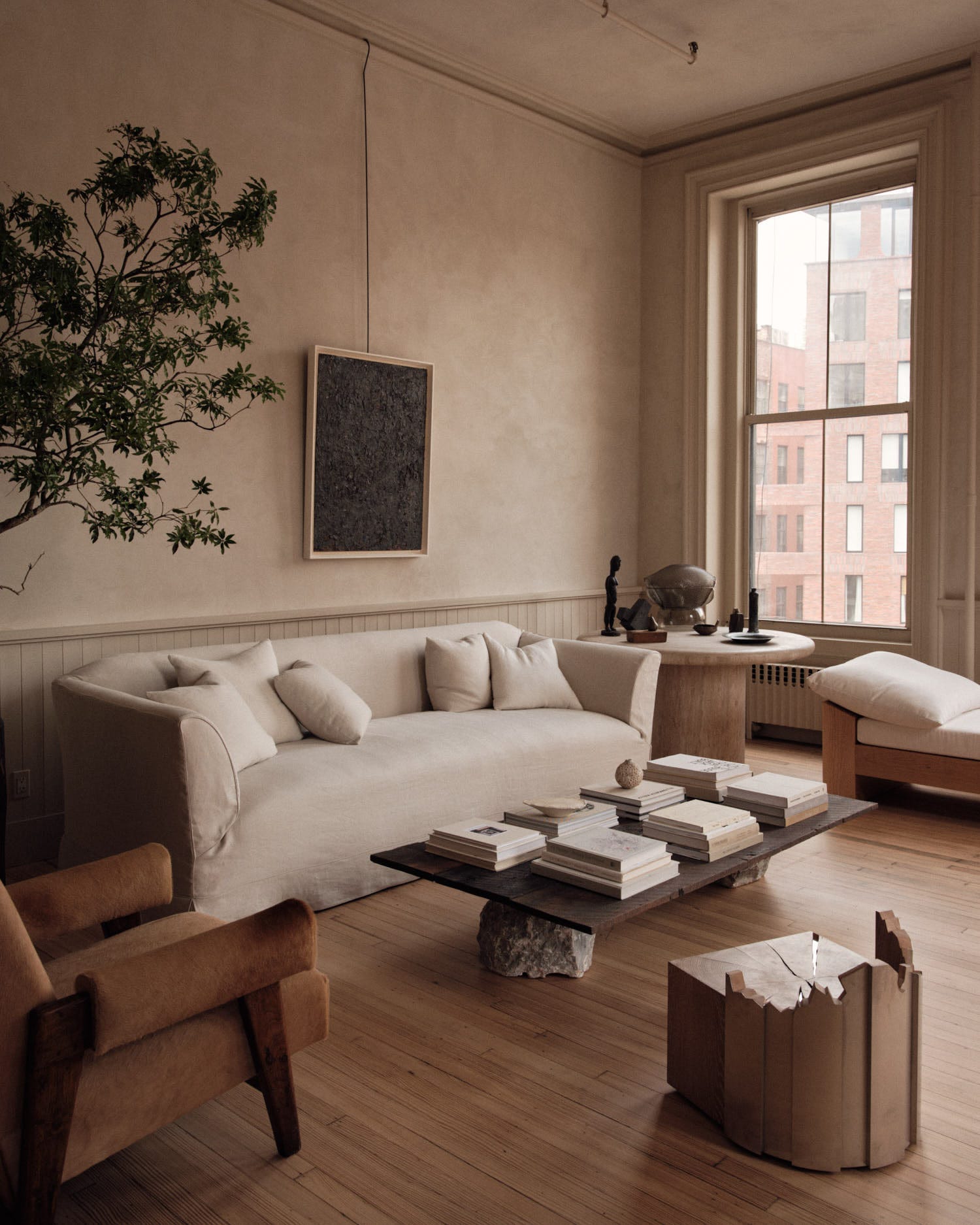
When the loft became the Beni Apartment, it wasn’t about redecorating. It was about recalibrating its voice. My version of the space leaned inward. Moody. Spare. A little wabi sabi. Beni’s spirit is different. Vibrant. Confident. Rooted in color and craft.
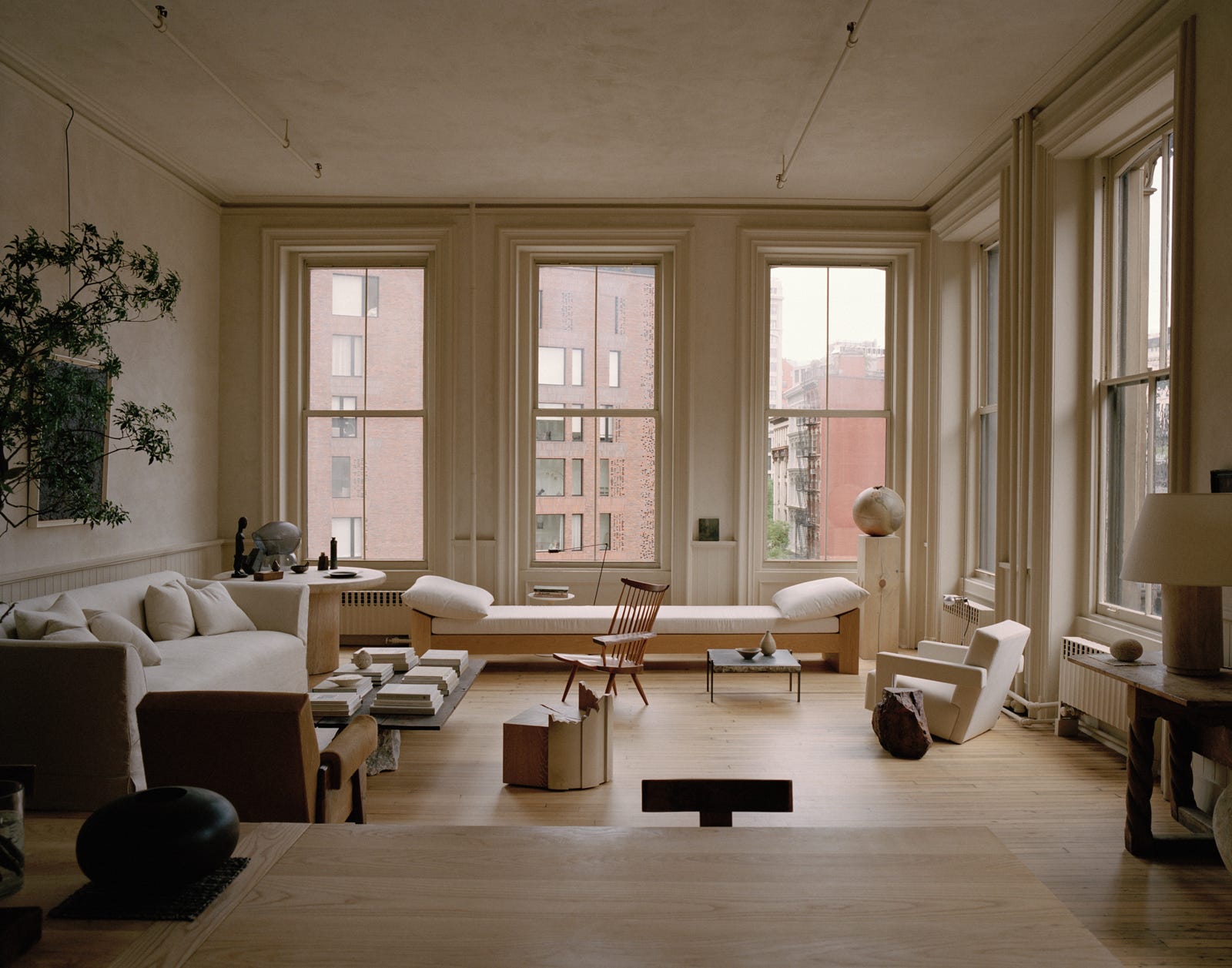
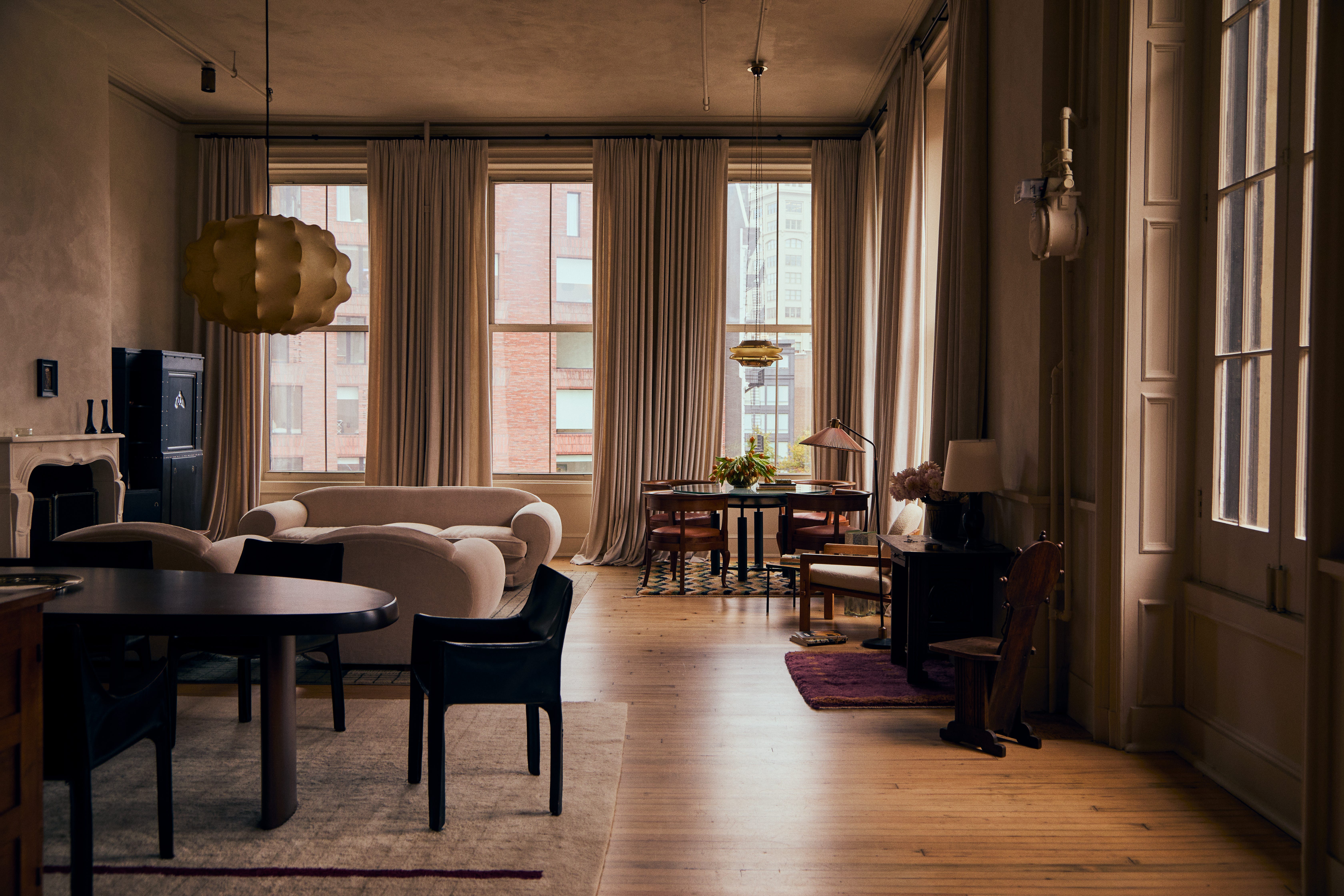
The bones stayed the same. The personality shifted.
I lived in the apartment, so I knew it. I knew how the light moved across the north wall in the afternoon. I knew where conversations naturally stalled. I knew that the long uninterrupted stretch along that wall felt elegant in theory and slightly exhausting in practice.
When Beni asked me to reimagine it, I wasn’t starting from scratch. I was starting from memory.
We listened before we acted. I’ve learned that if you sit still long enough, a space will eventually tell you what it wants to be. In this case, it had been telling me for years. I just hadn’t answered.
The north wall needed to be broken up. Not decorated. Structured.
So the fireplace went in.
It doesn’t function, which somehow makes it better. It exists as an anchor, not an appliance. The moment it was installed, the room recalibrated. Seating shifted toward it. Circulation softened. The loft stopped feeling like a corridor and started feeling like a place to gather. It wasn’t magic. It was proportion.
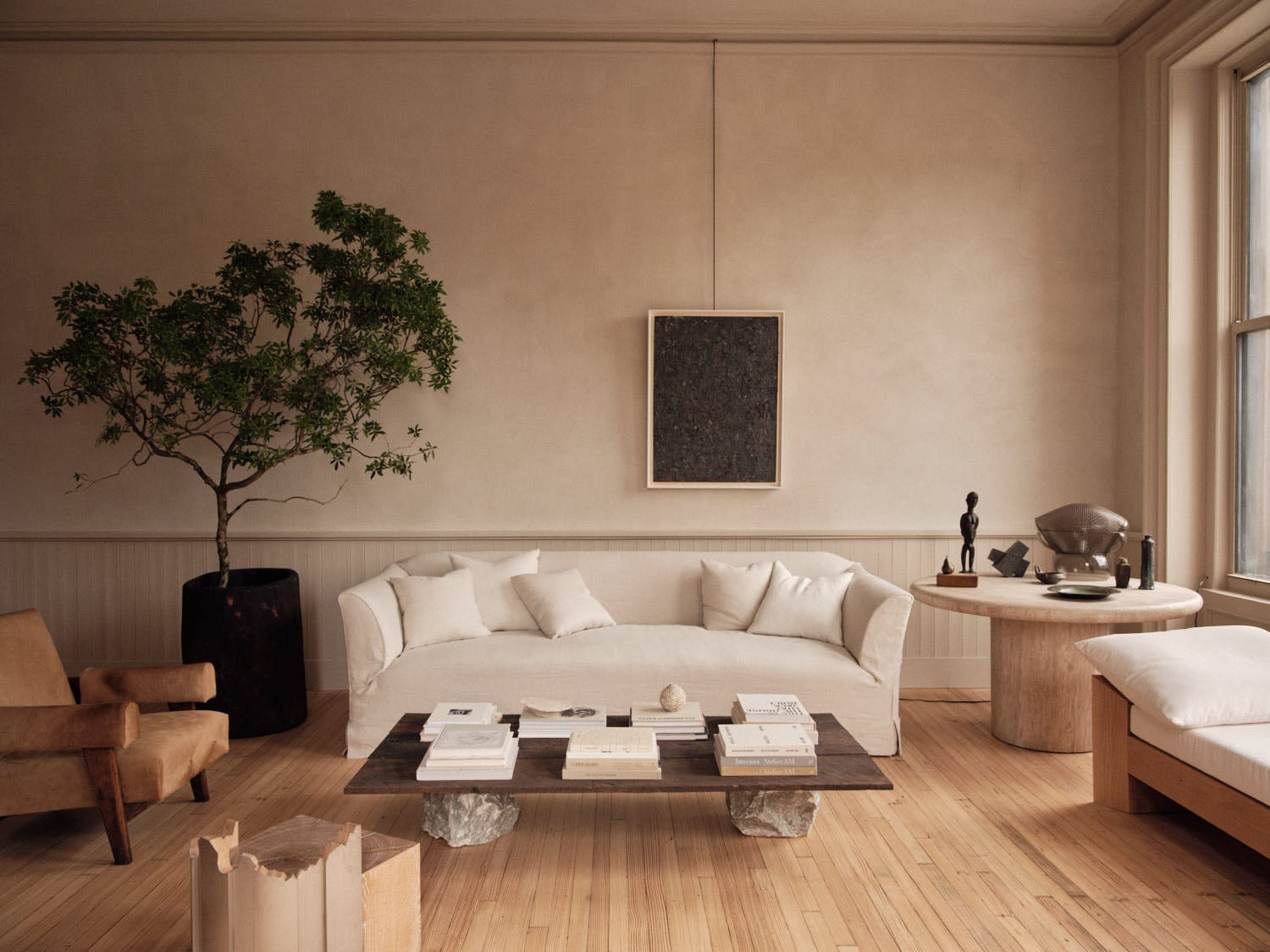
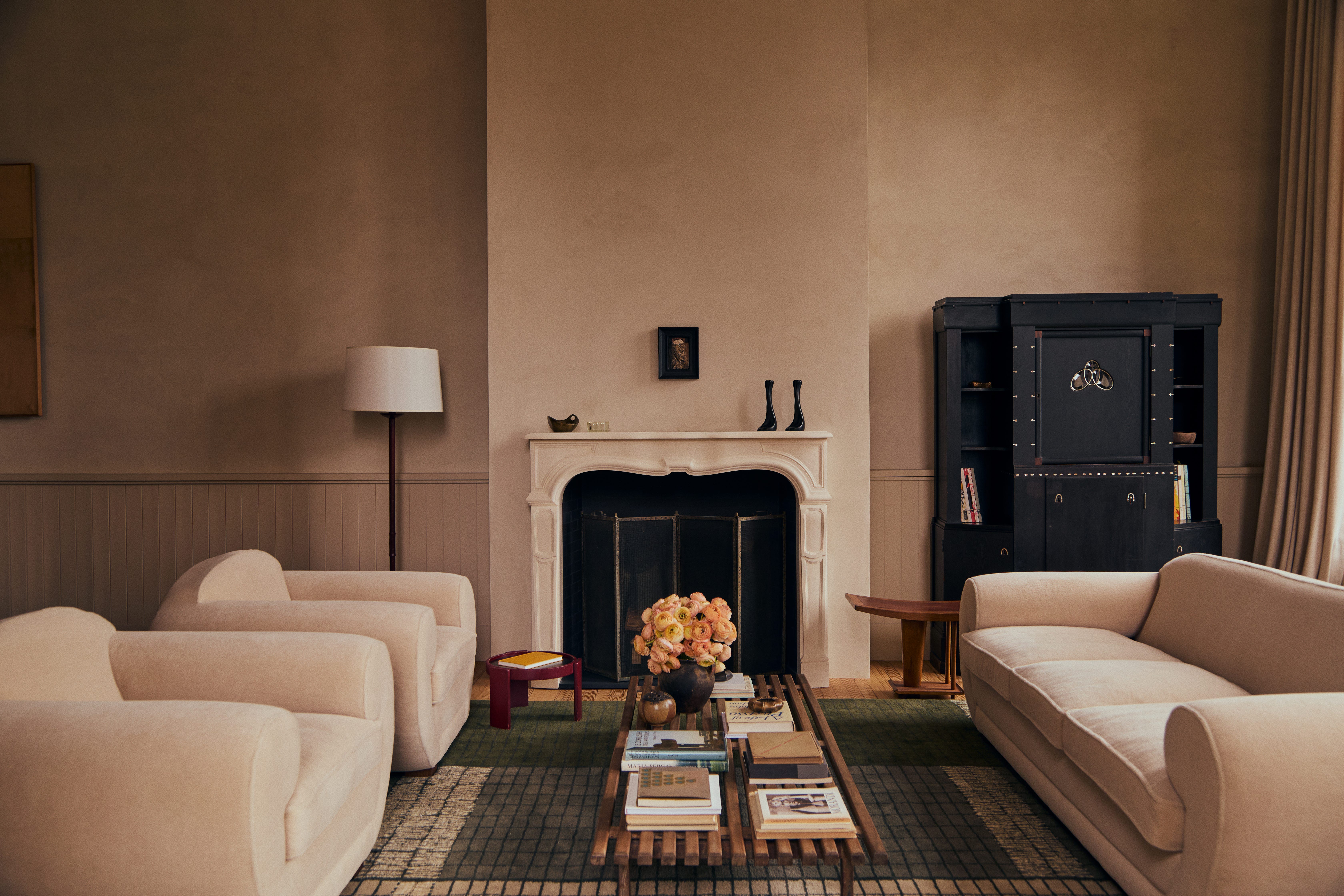
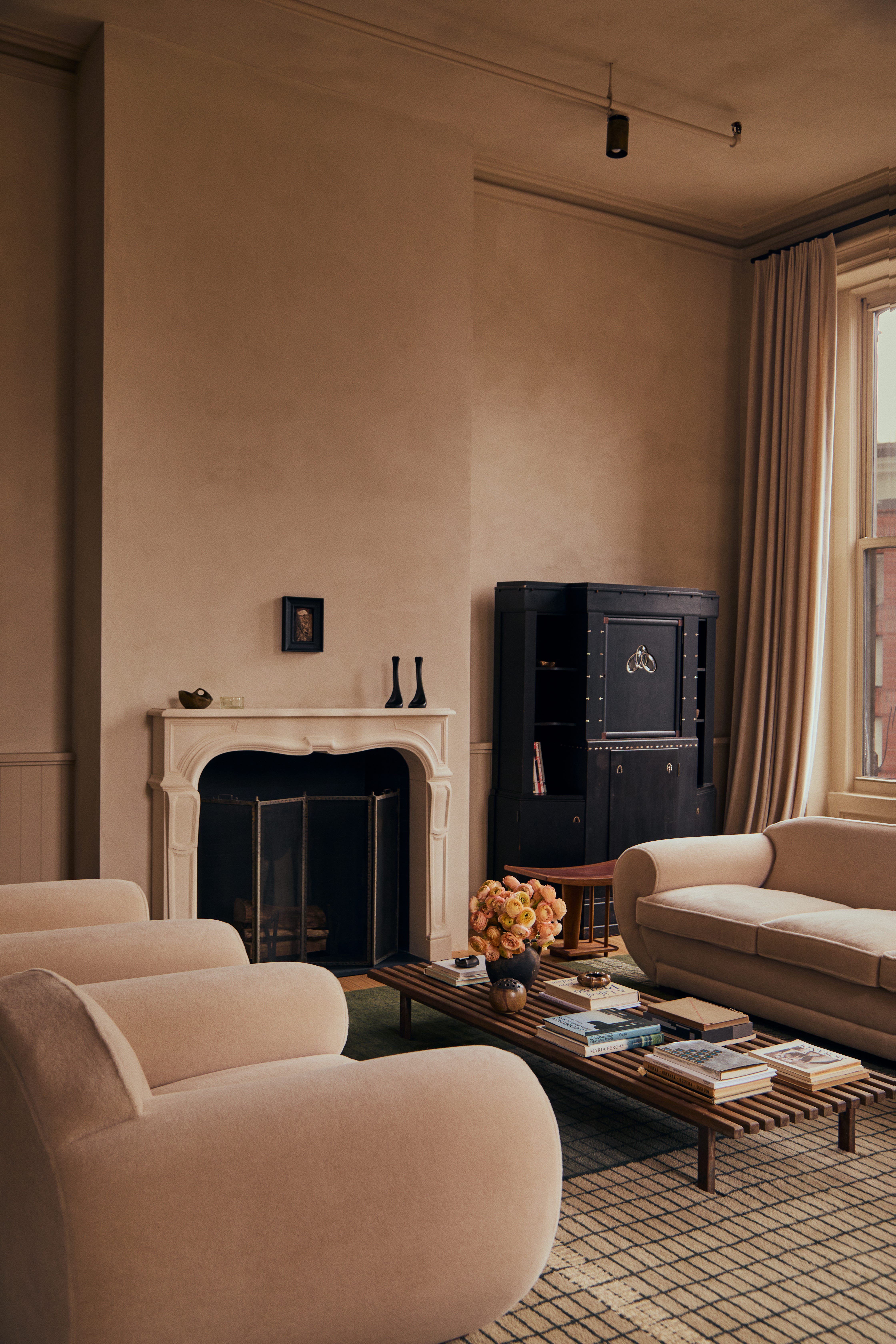
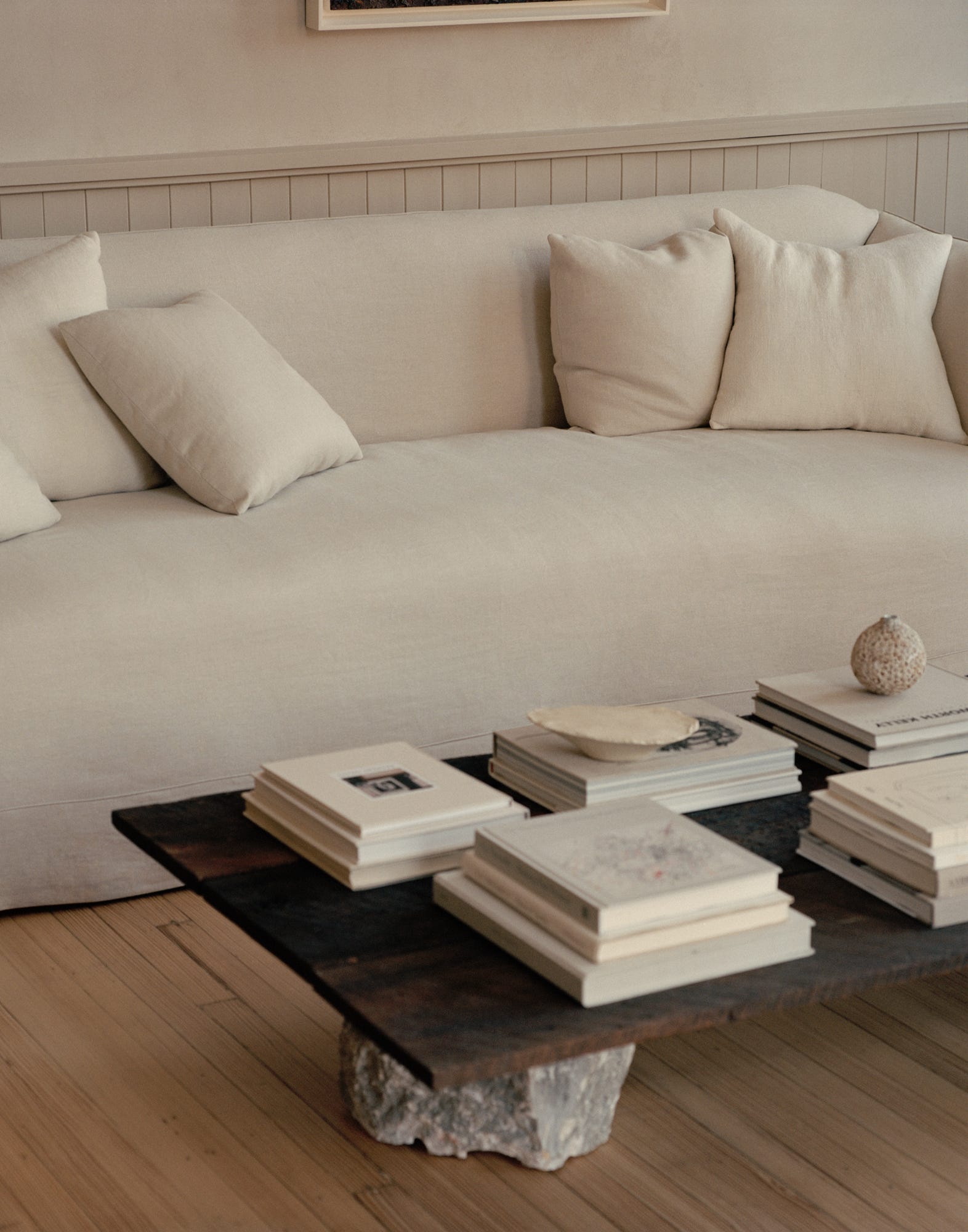
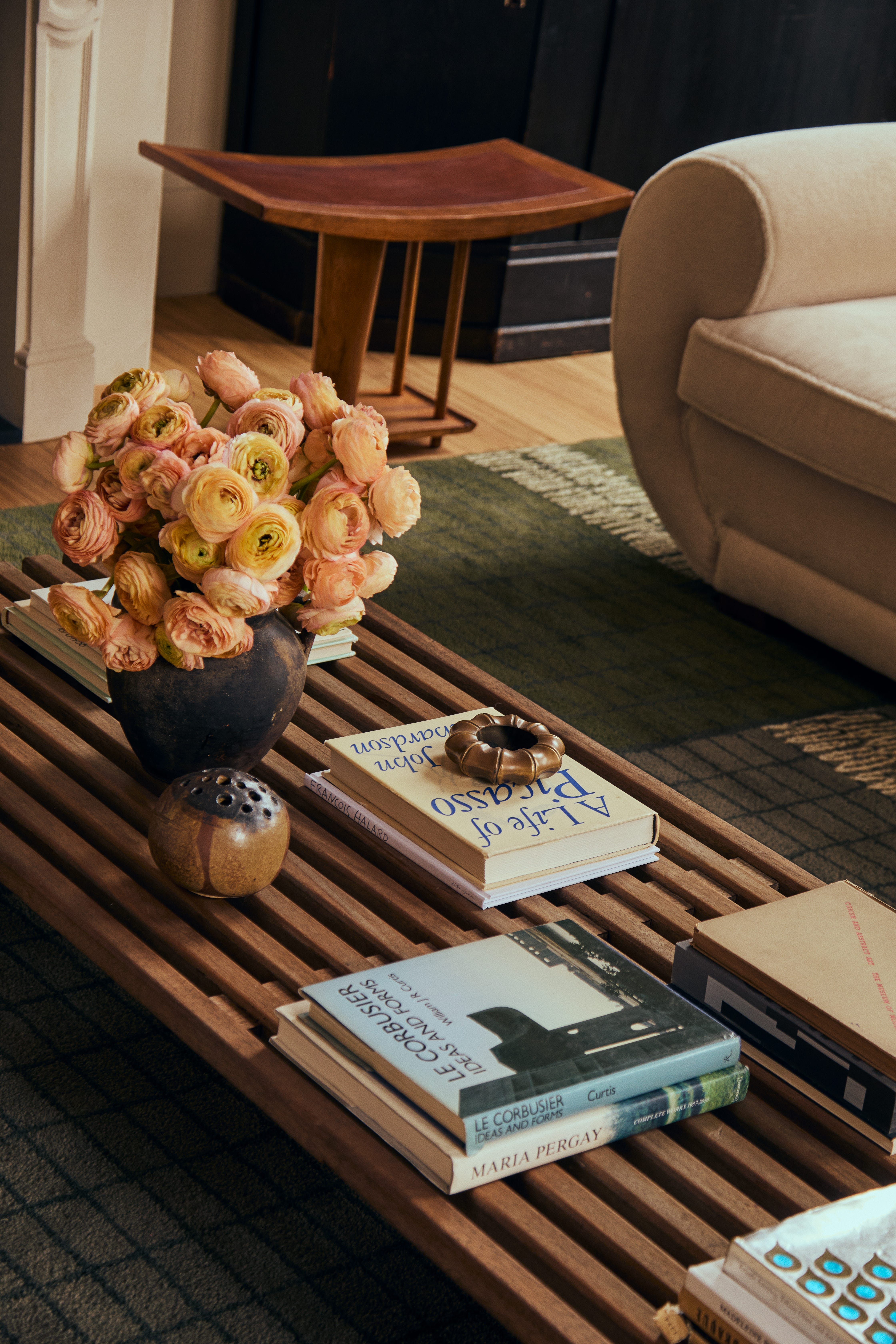
From there, everything clarified.
And yes, if you look at photos from when I lived there before, you’ll notice something. There were no rugs. Not one. Apparently I believed in hardwood floors and emotional resilience.
The rugs were an afterthought then.
For the reimagining, they became the beginning.
I chose neutral mohair upholstery because the rugs were always meant to be the focus. They would rotate with each new collection. The furniture had to stay steady while the art evolved. Mohair gave us depth without distraction, weight without noise.
I created multiple seating areas because the apartment had always been more than a home. It needed space for work, for client meetings, for conversation that lingered. I wanted it to feel rich with soul but never chaotic. Structured, but never stiff.
We organized it through material and mood. Warmer woods and wool anchoring one space. Darker tones grounding another. The cola-painted interior structure pulled the loft inward, gave it body. What once felt expansive began to feel embodied.
The rugs weren’t styled into corners. They were given room. They became anchors. Focal points. Objects that reorganized the hierarchy of the room without asking permission.
A decorative object waits to be noticed. An art object changes the conversation.
That shift is what transformed White Street. The bones didn’t change. My understanding of them did.
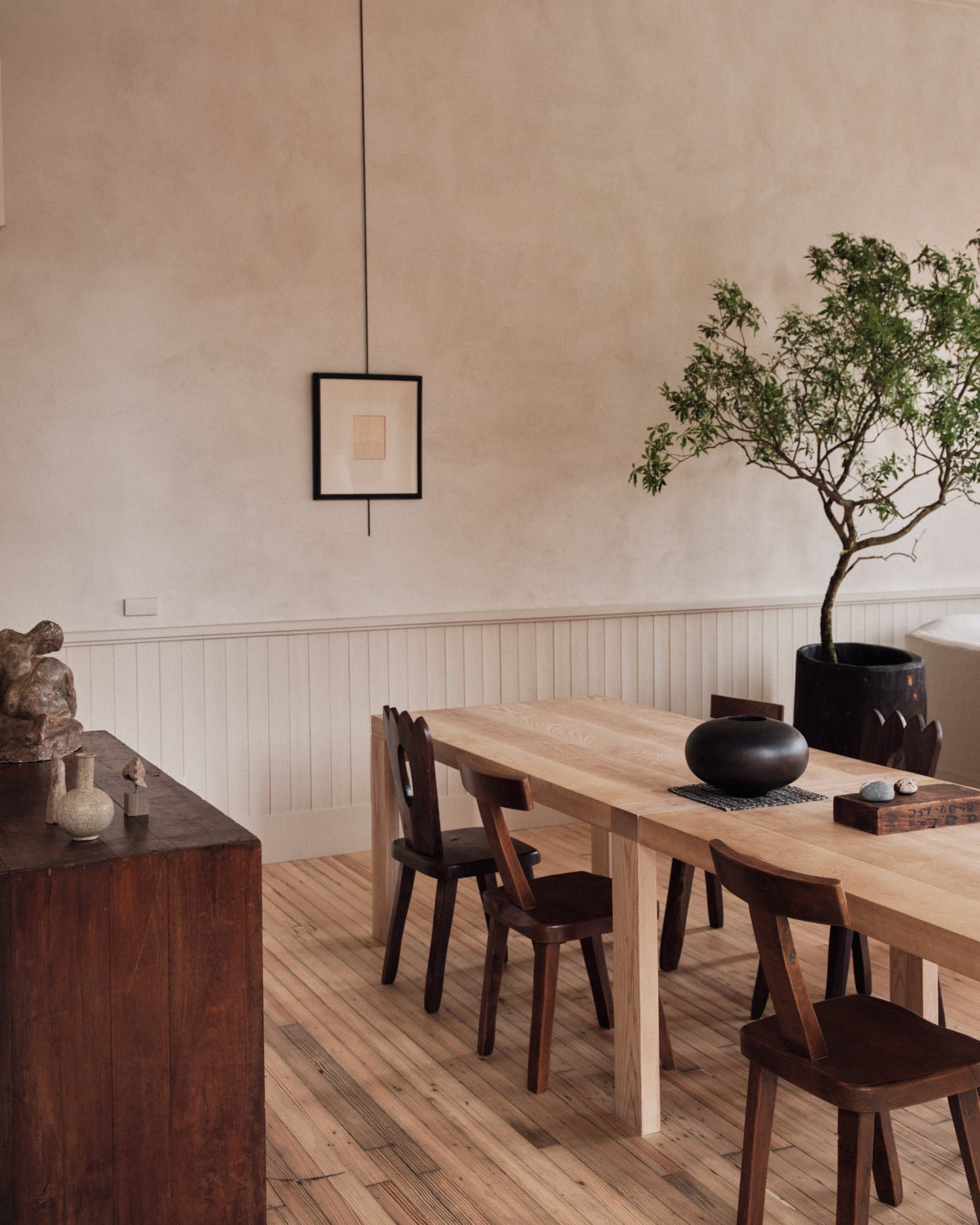
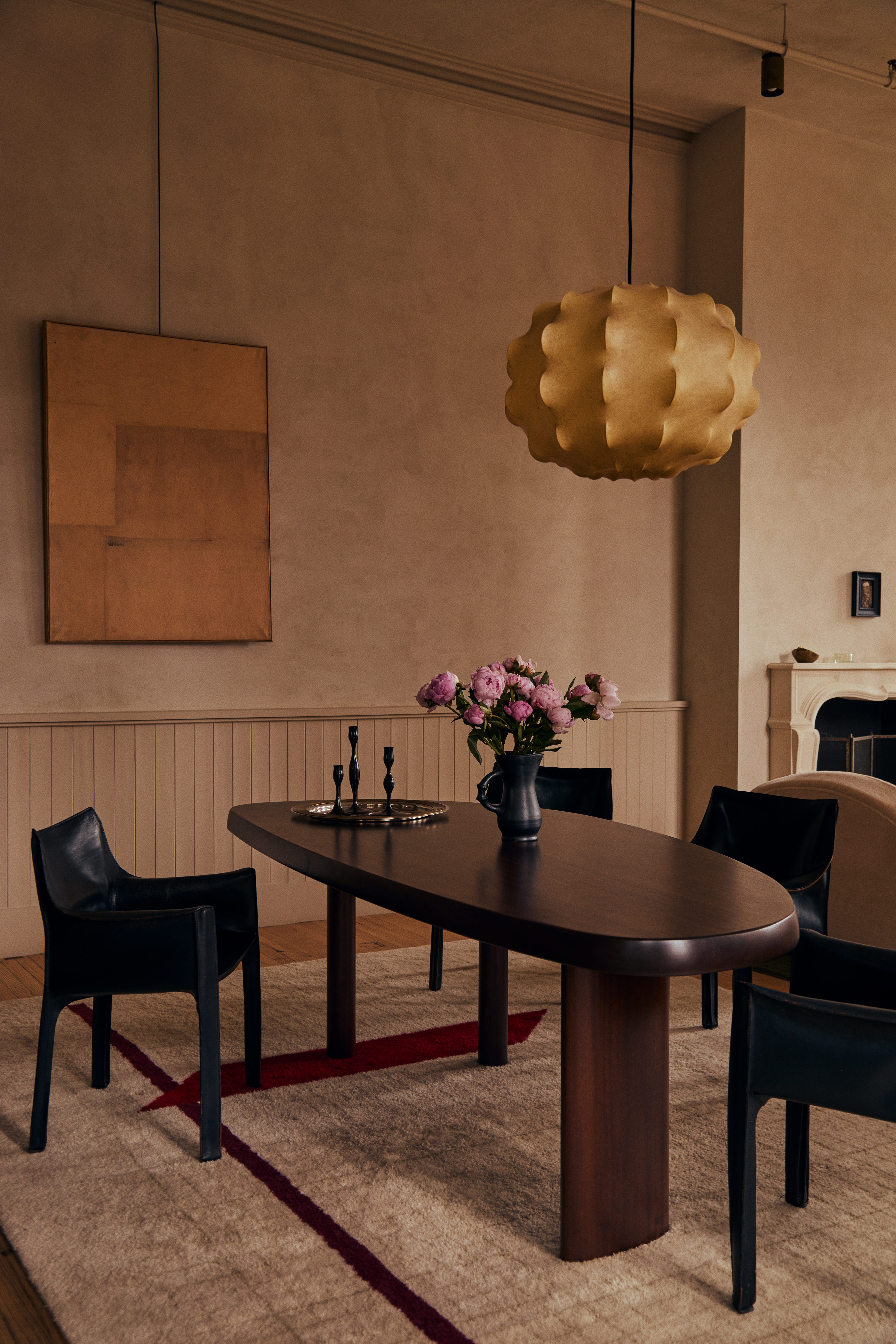
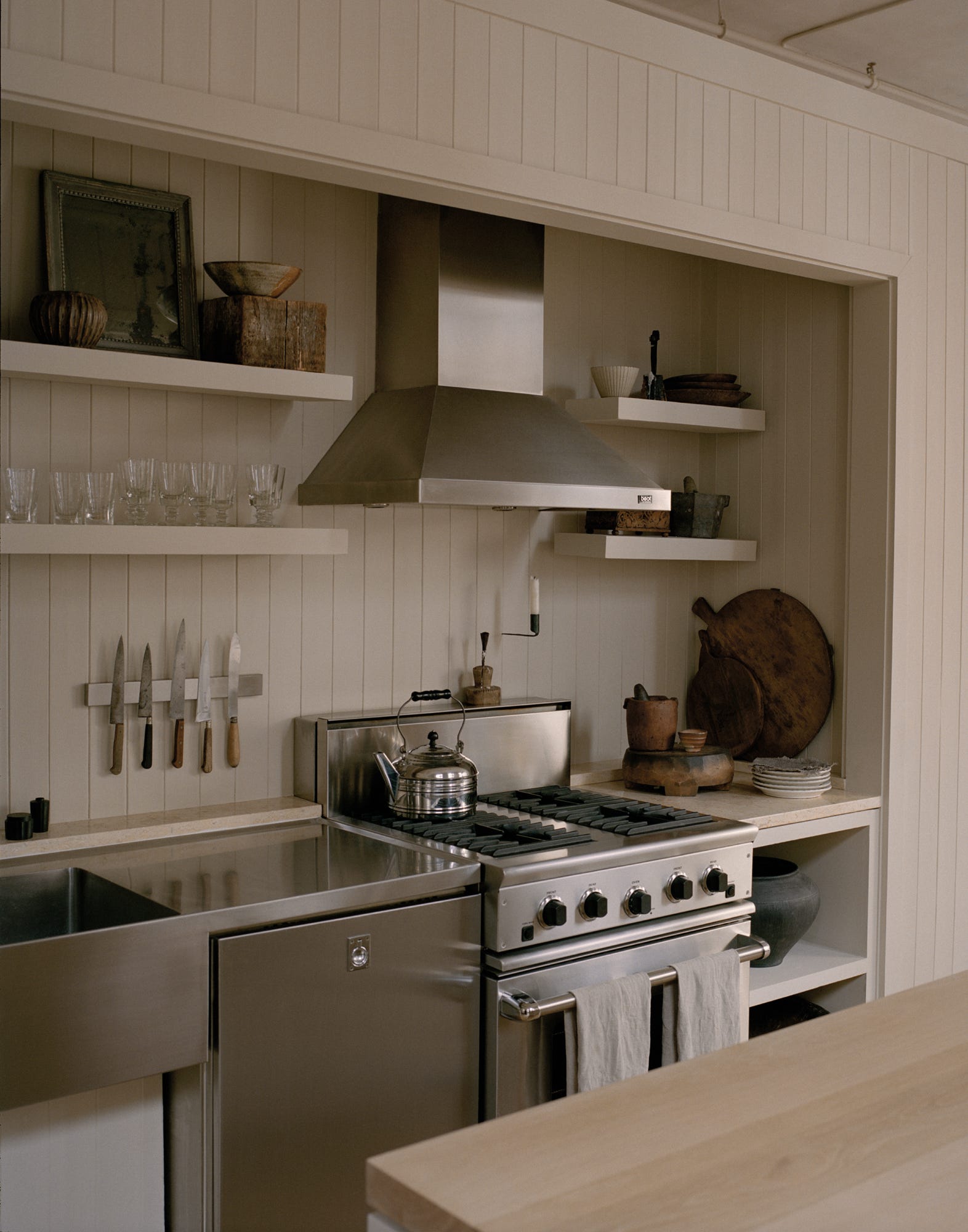
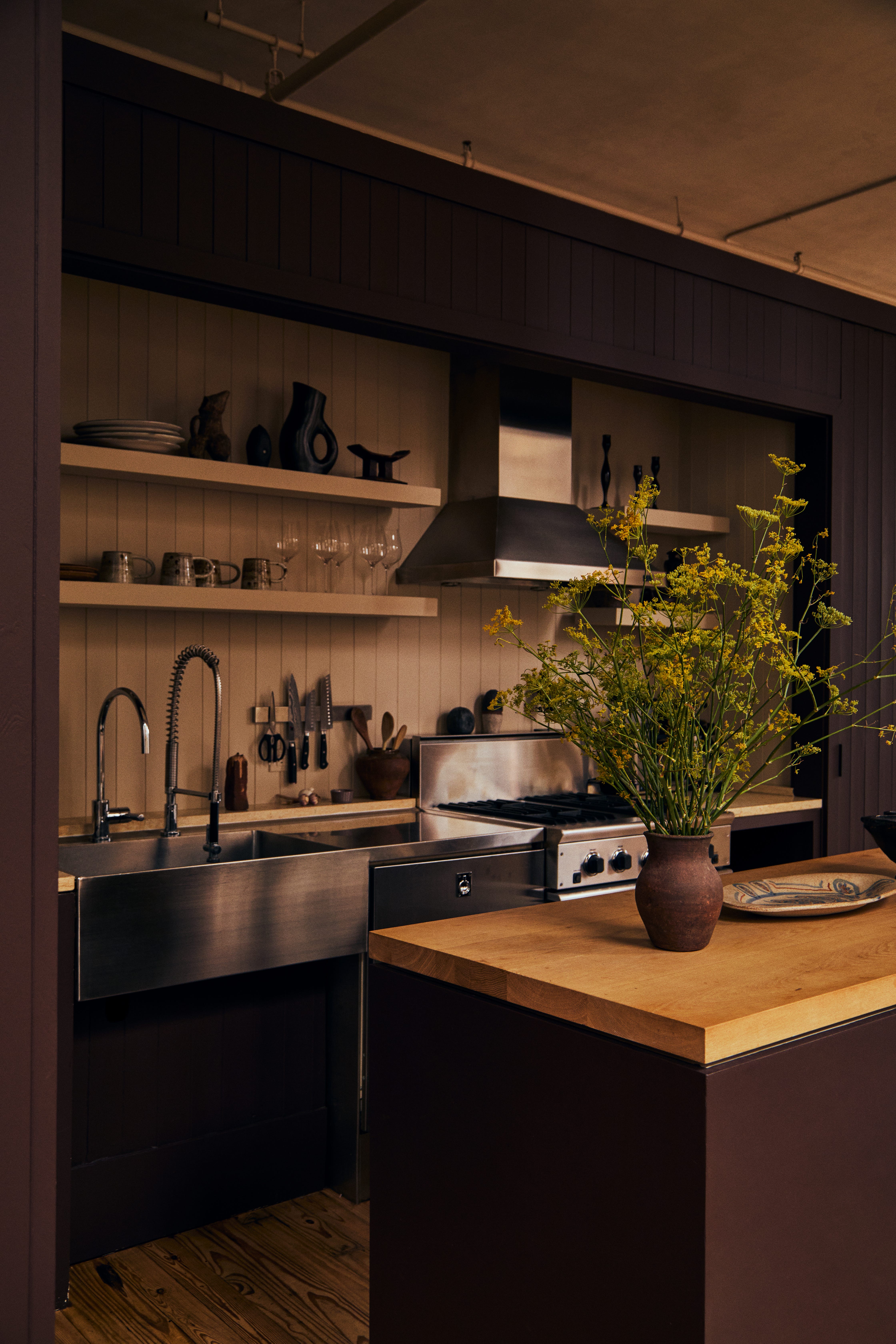
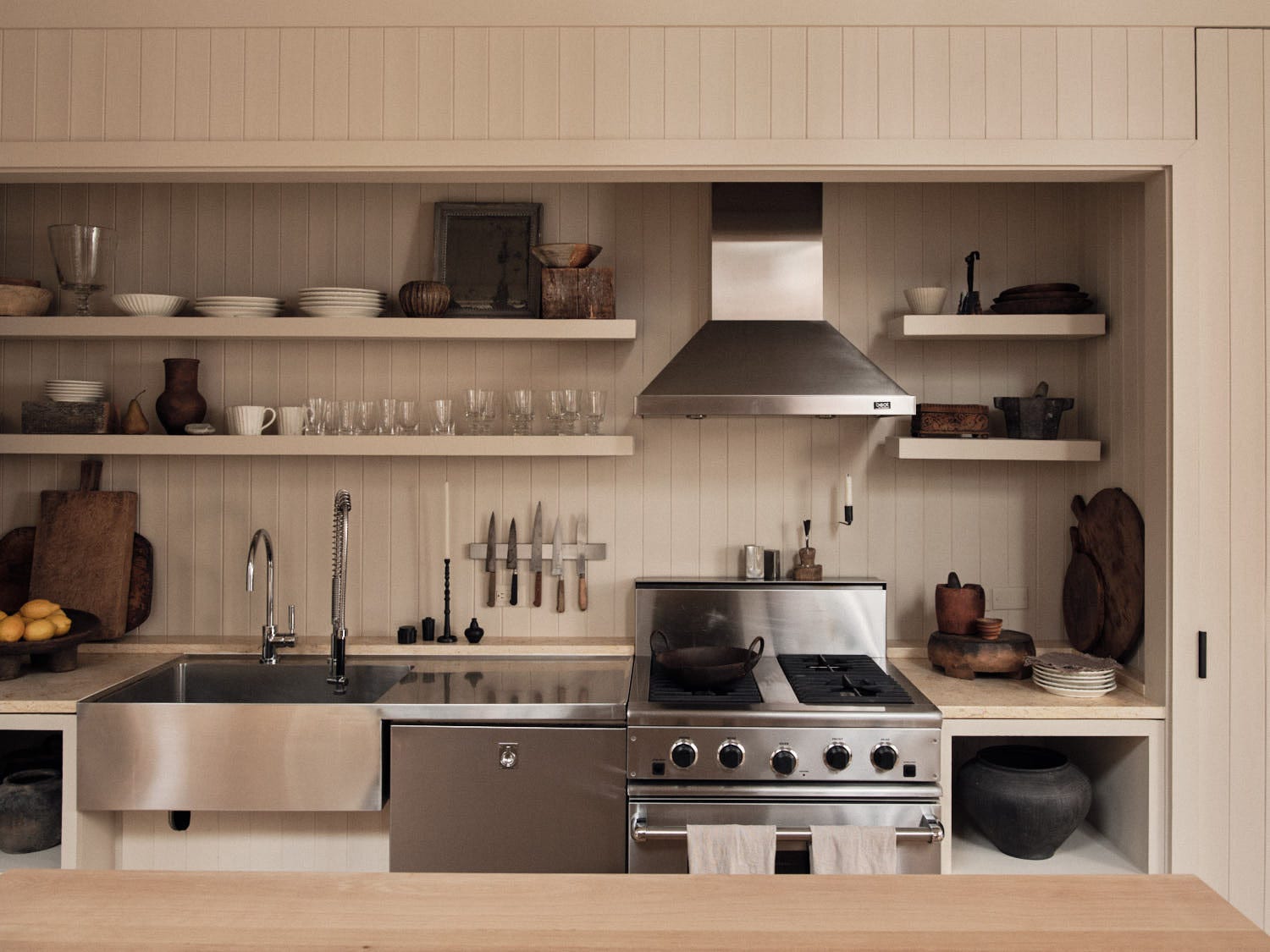
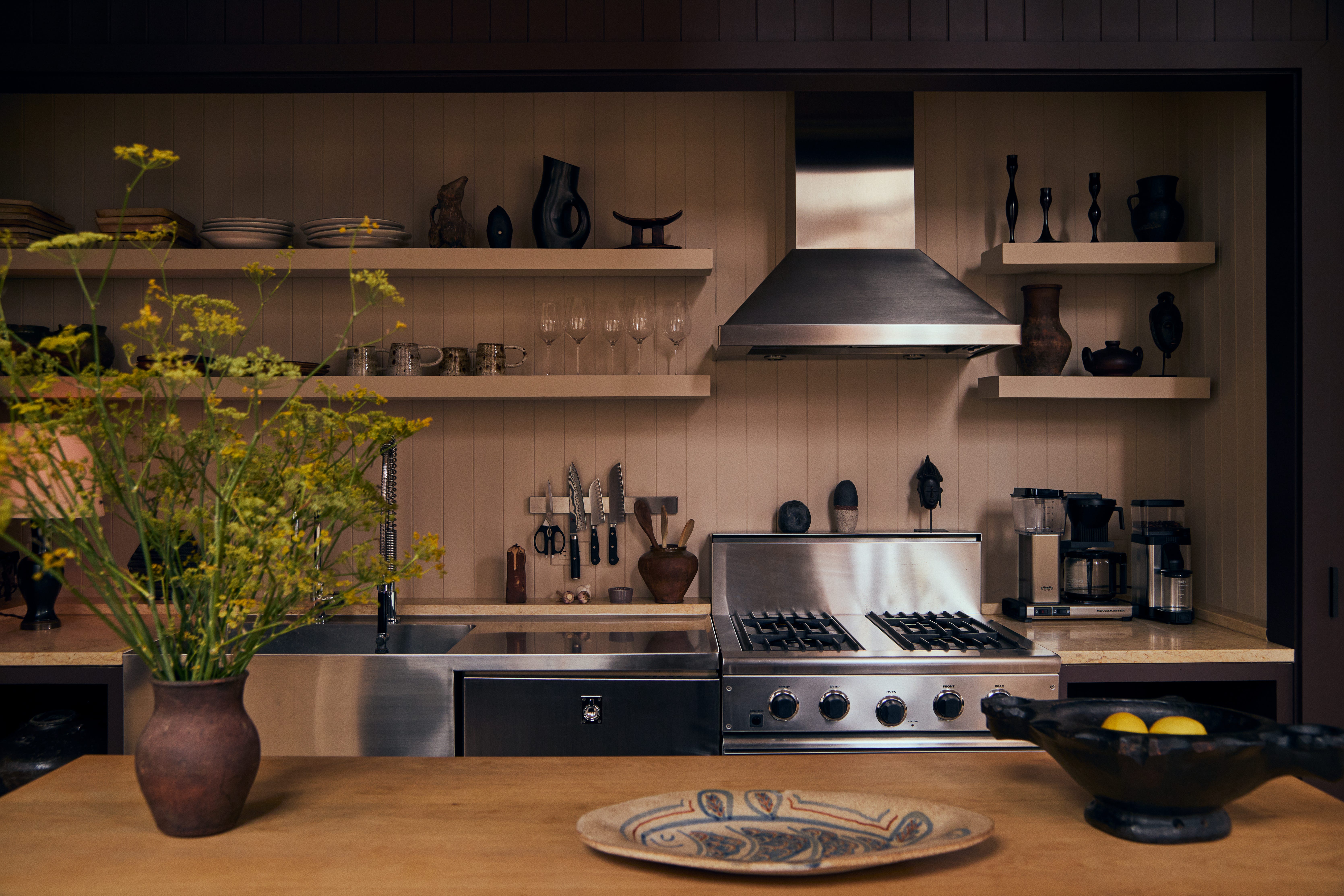
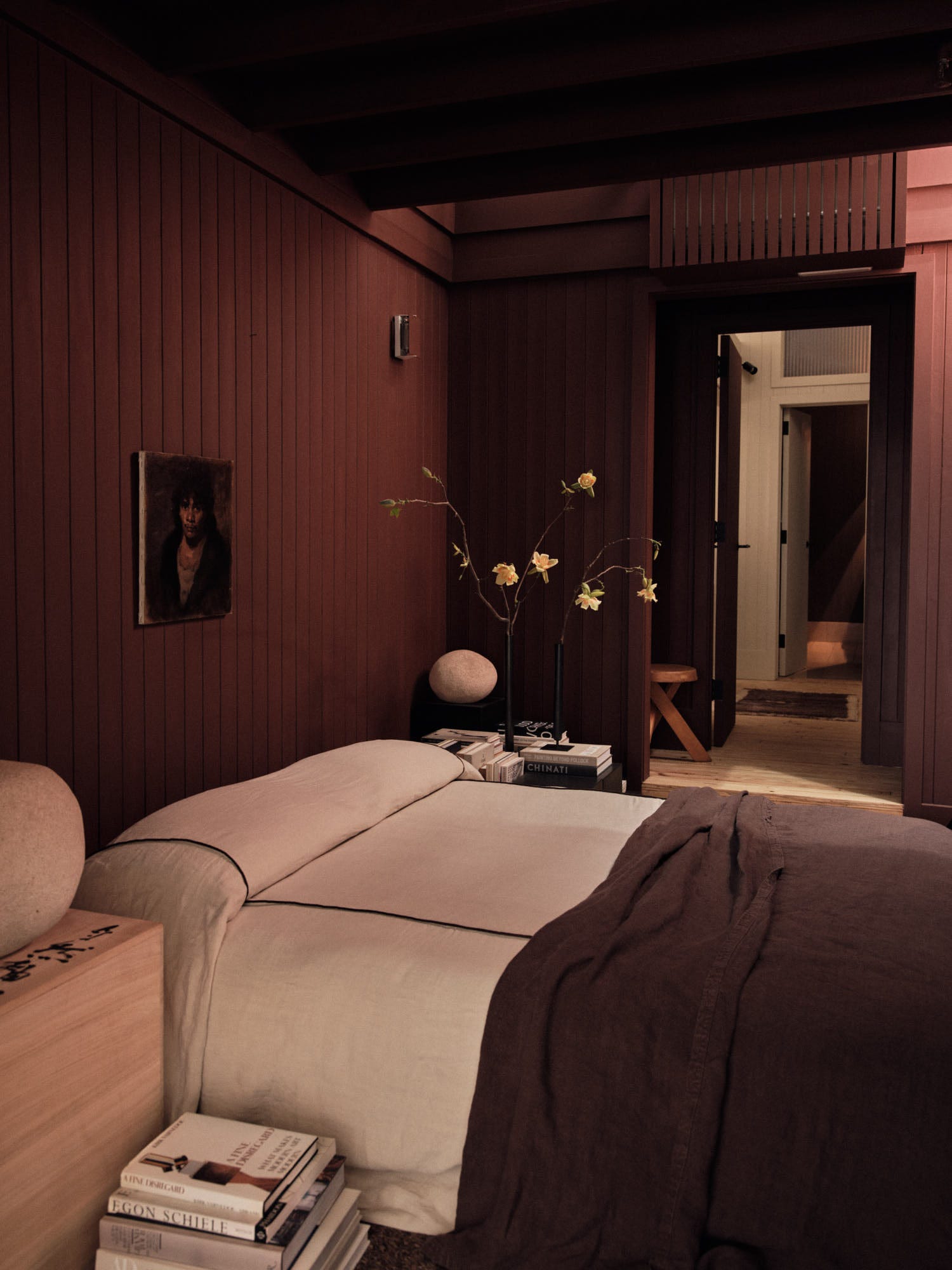

The apartment had to hold multiple identities at once. Home. Presentation. Temple to craft. None of them allowed to overpower the others. I wanted someone to walk in and feel the gravity of the work and still imagine it in their own life. To see not just the rug, but themselves in it.
Side by side, the images tell the story. The same windows. The same pine floors. The same architectural bones. But a different current moving through them.
My version held manuscript drafts and heartbreak, but it also held ambition, doubt, reinvention, and the long stretch of learning how to trust my own voice. It held furniture rearranged at midnight. Sketches taped to the wall. The quiet terror of sending work into the world and hoping it would land somewhere gently.
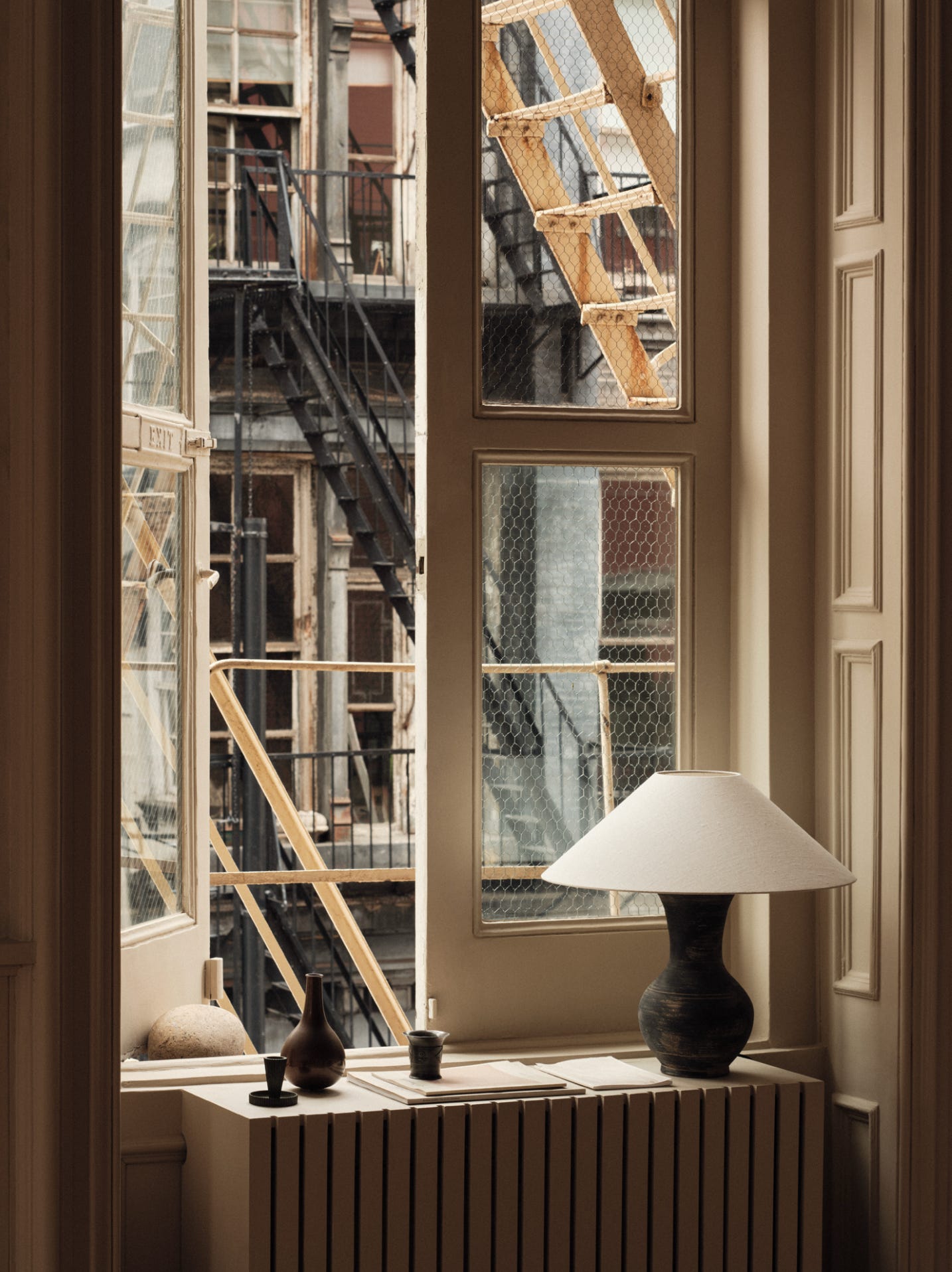
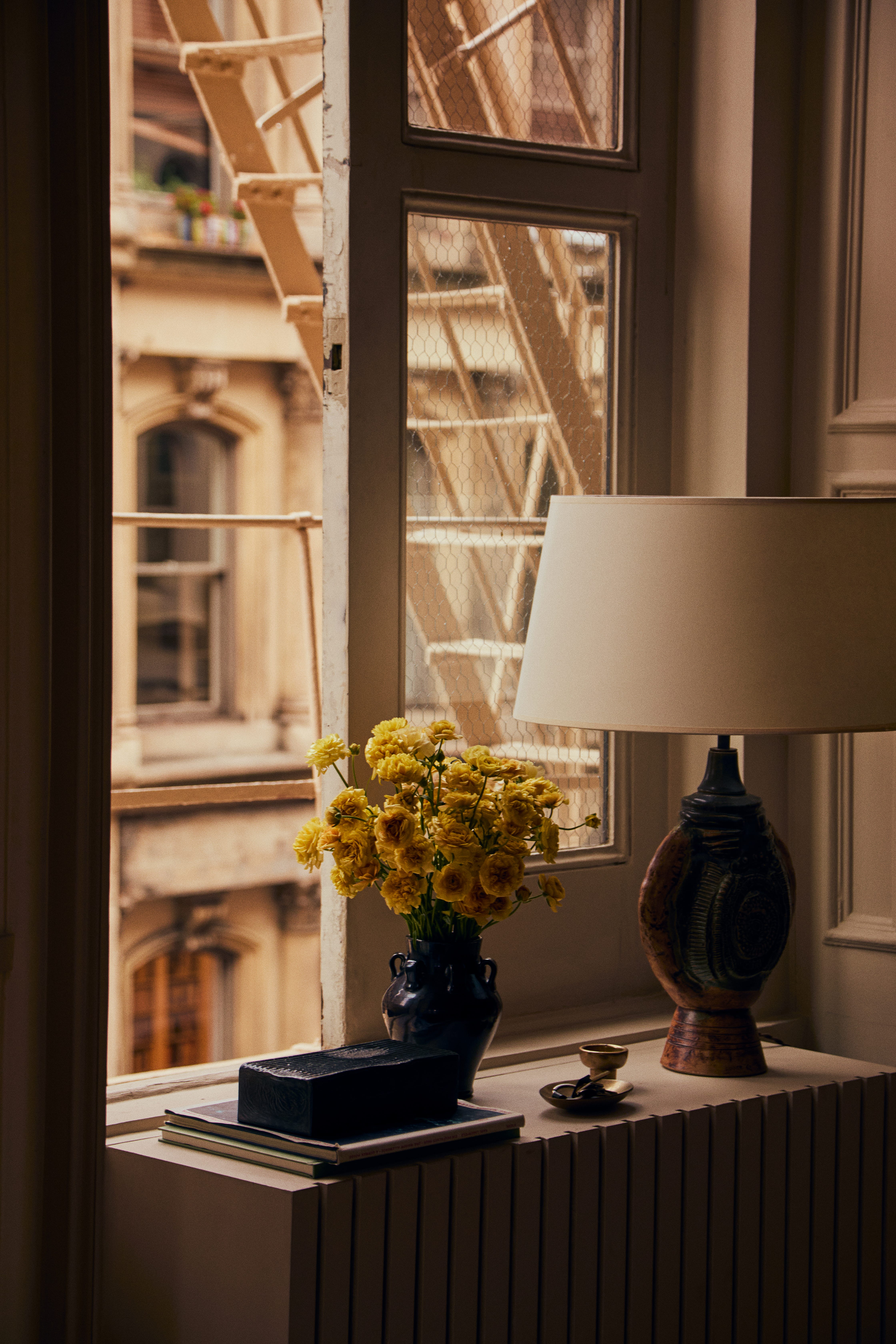
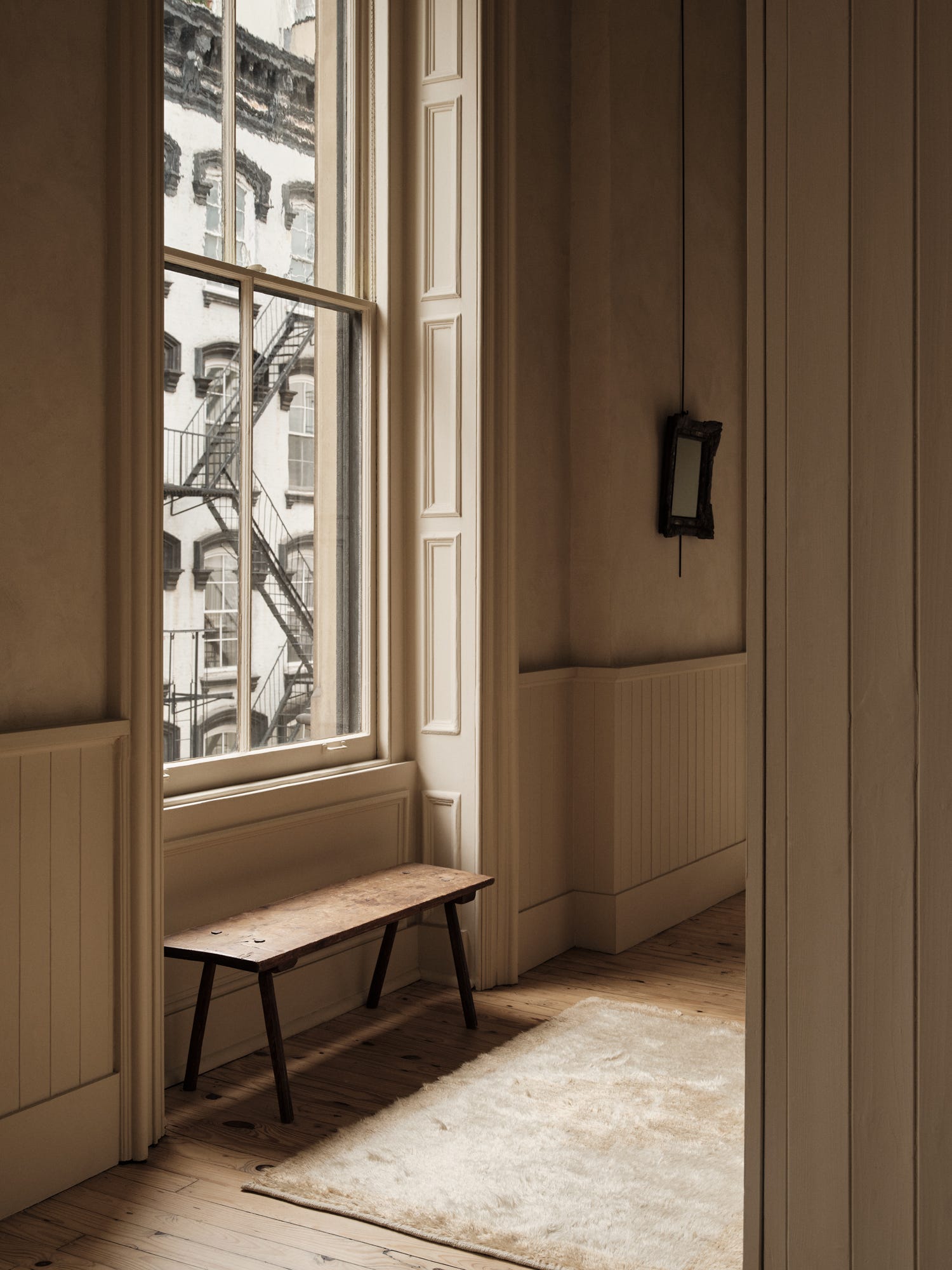
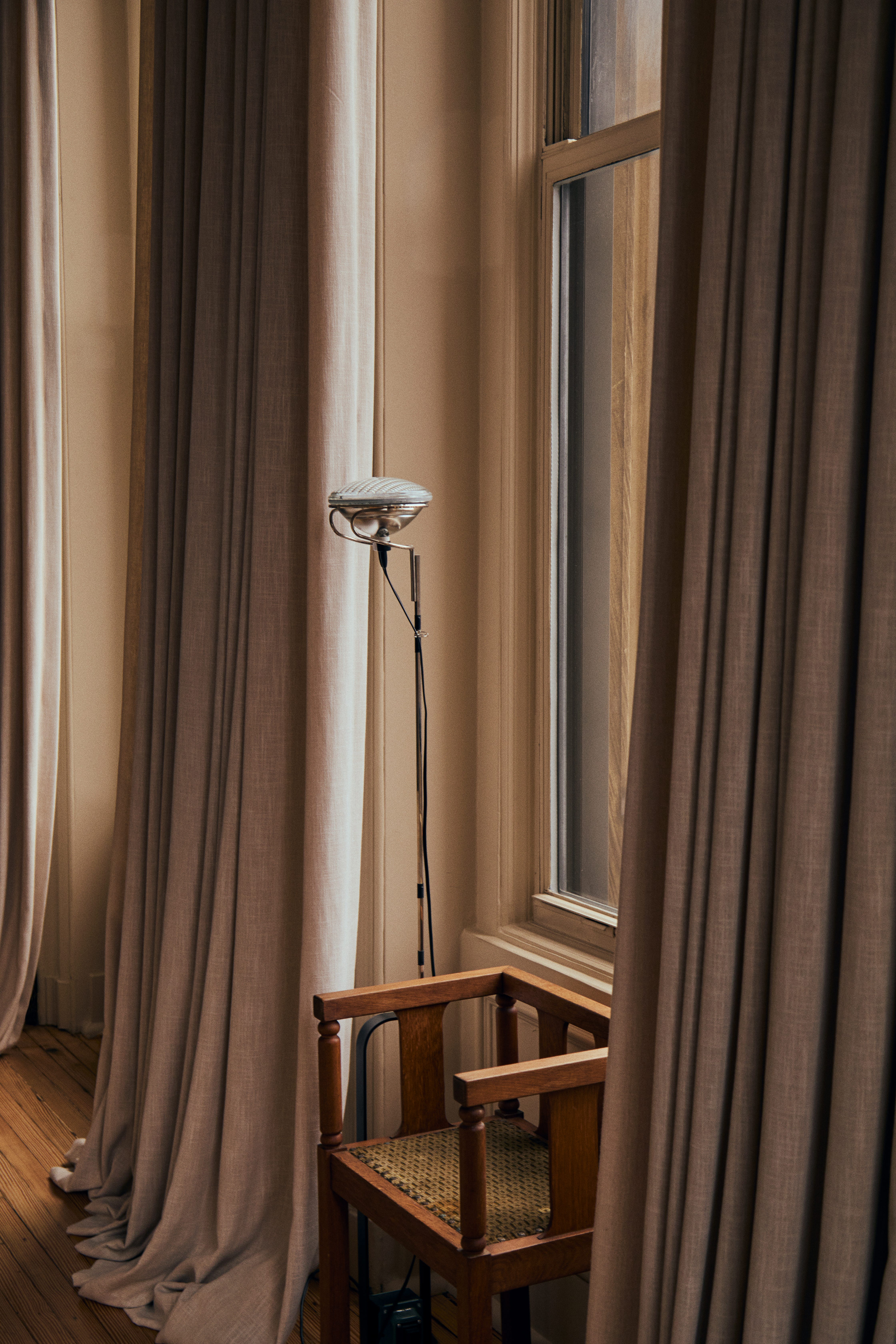
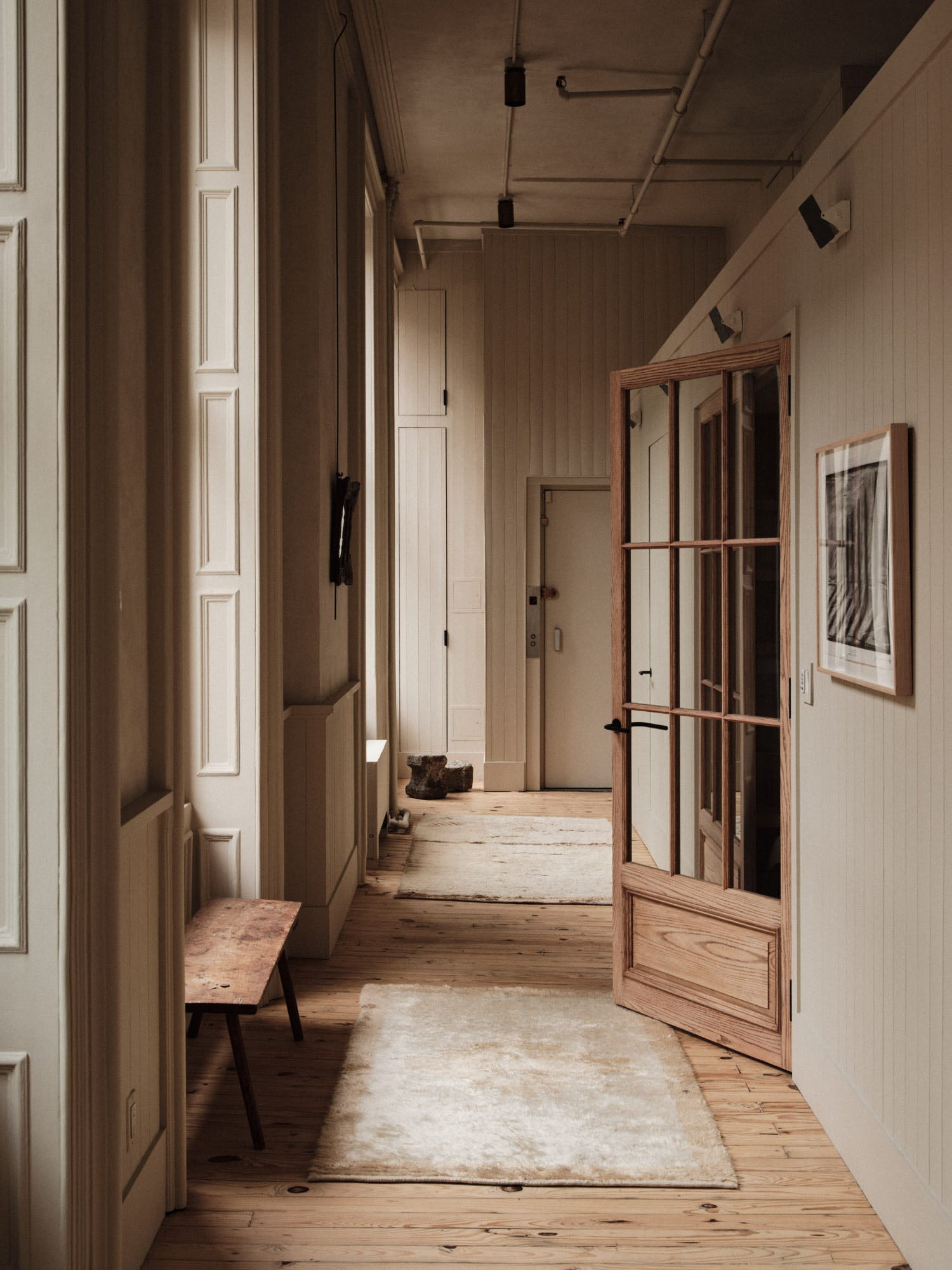
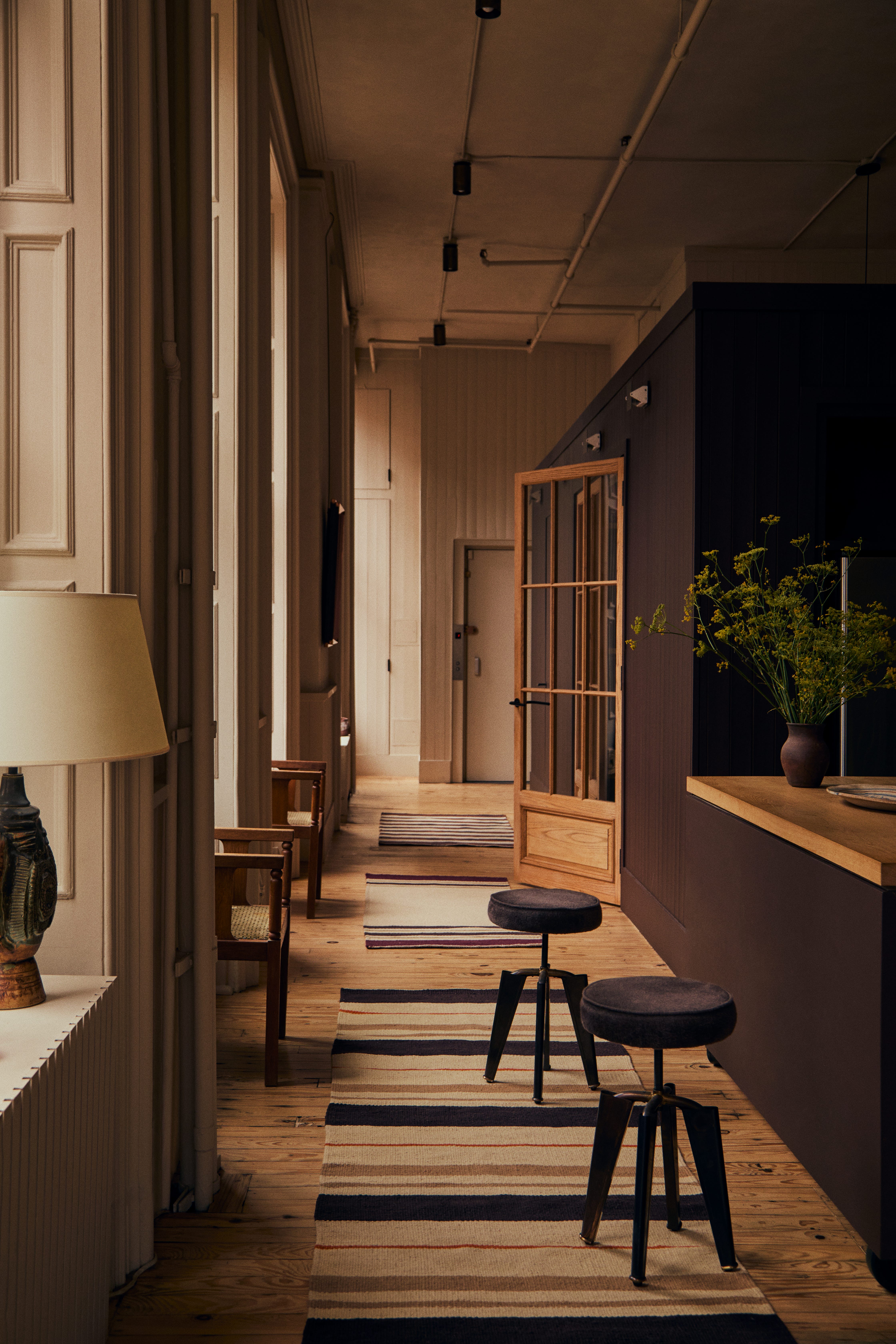
This version holds something else.
It holds samples and conversations. It holds the hum of Morocco carried across an ocean. It holds a lineage of women weaving in Tameslouht and the confidence of a brand that knows what it stands for. It holds color differently. It speaks a little louder.
The first time I walked back in once it was fully theirs, I expected the familiar ache of displacement.
Instead, I felt something steadier.
Pride, yes. But also relief.
The loft hadn’t erased me. It had metabolized me. It had taken what it needed and kept moving.
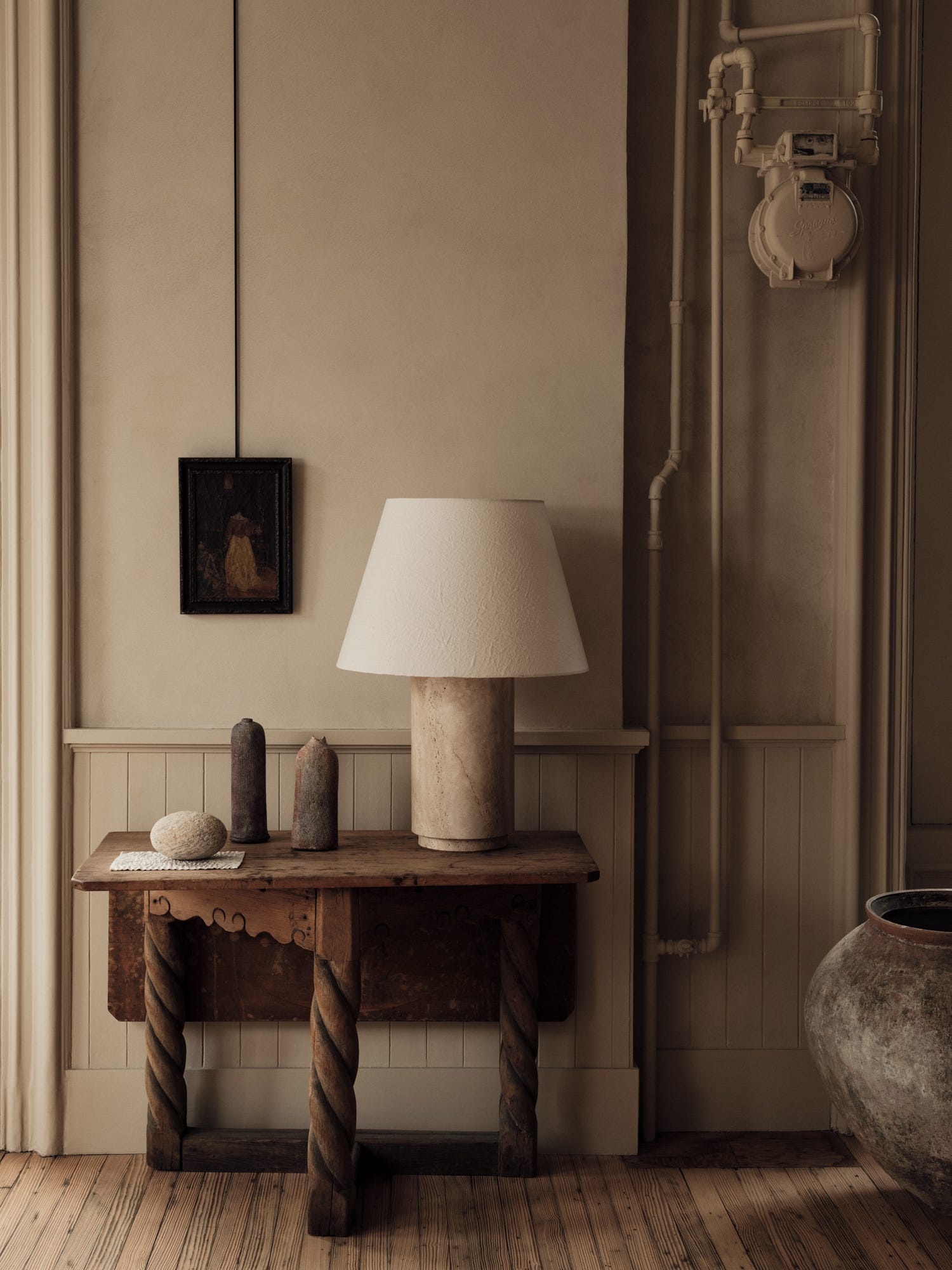
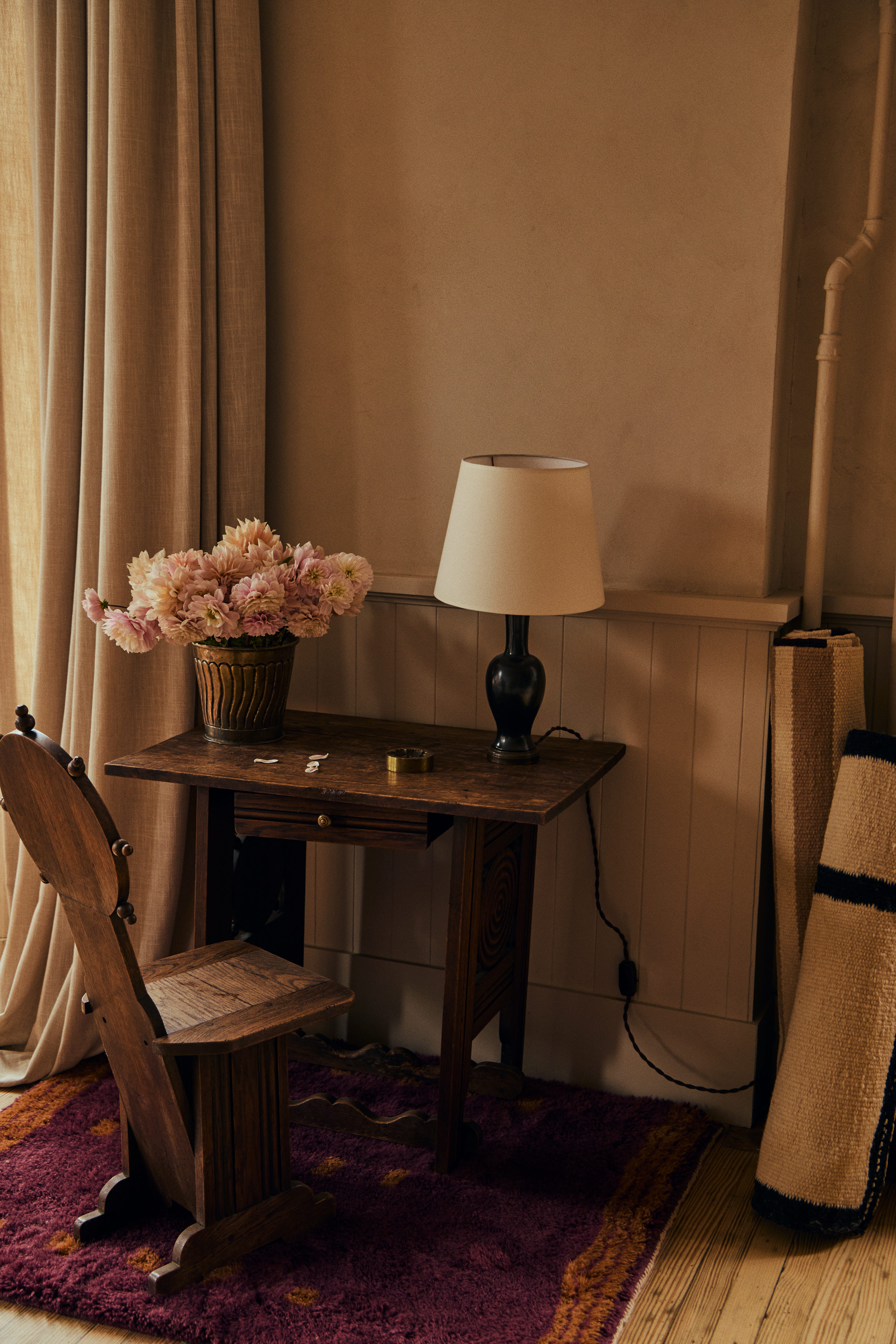
Interiors should age the way people do. Gathering memory. Shifting tone. Letting earlier versions exist without apology. A space that never transforms feels like someone pretending nothing has happened to them, and that’s rarely true and almost always uninteresting.
White Street taught me how to be still inside my own becoming.
Beni taught the space how to speak outward.
And seeing the two versions side by side has reminded me that transformation doesn’t mean loss. It means continuation. The same structure carrying a different creative expression.
Which, if I’m honest, is what I hope my own life keeps doing.
Love,
Colin

Colin is King - of colour, shape, transformation. I adore the use of colour, the power for change through it is masterful. The rugs are sublime, but out of my price range. Paint, however, is not and I may be cola coding my spaces sometime soon. Thank you so much for sharing your thoughts, your sensitive design and natural sense of balance. ❤️
Love the writing, and love the side by side visuals. Always a treat to have a glimpse into your brilliant mind and soul, Colin. And Beni is precisely the kind of brand I would get behind.