

Screens Are the Most Emotionally Intelligent Thing You Can Put in a Room
On hiding things, moveable architecture, and the object that quietly fixes almost everything

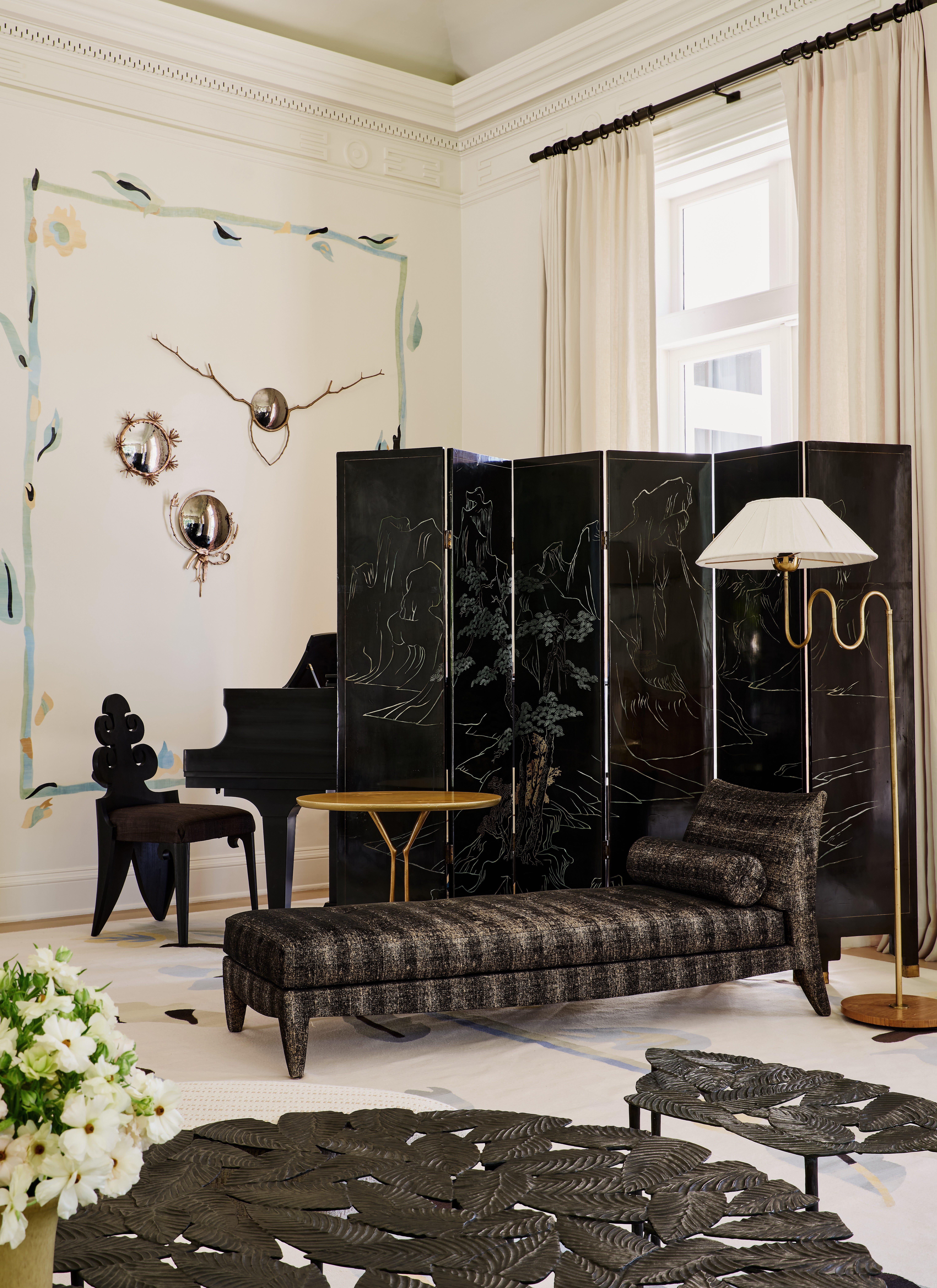
I’ve become deeply suspicious of rooms that reveal themselves immediately.
You know the kind. You walk in and within seven seconds you understand the entire thesis. The kitchen says hello before you’ve even taken your shoes off. Every surface is visible. Every chair is participating. Nothing is withheld. It’s all very clear and very impressive and somehow slightly exhausting, like meeting someone who tells you their childhood trauma before the appetizers arrive.
A screen would help.
This is what I’ve started thinking recently, perhaps too often, because once you notice screens, you realize they’re quietly solving problems everywhere while asking for almost no credit.
And historically, they’ve always done this.
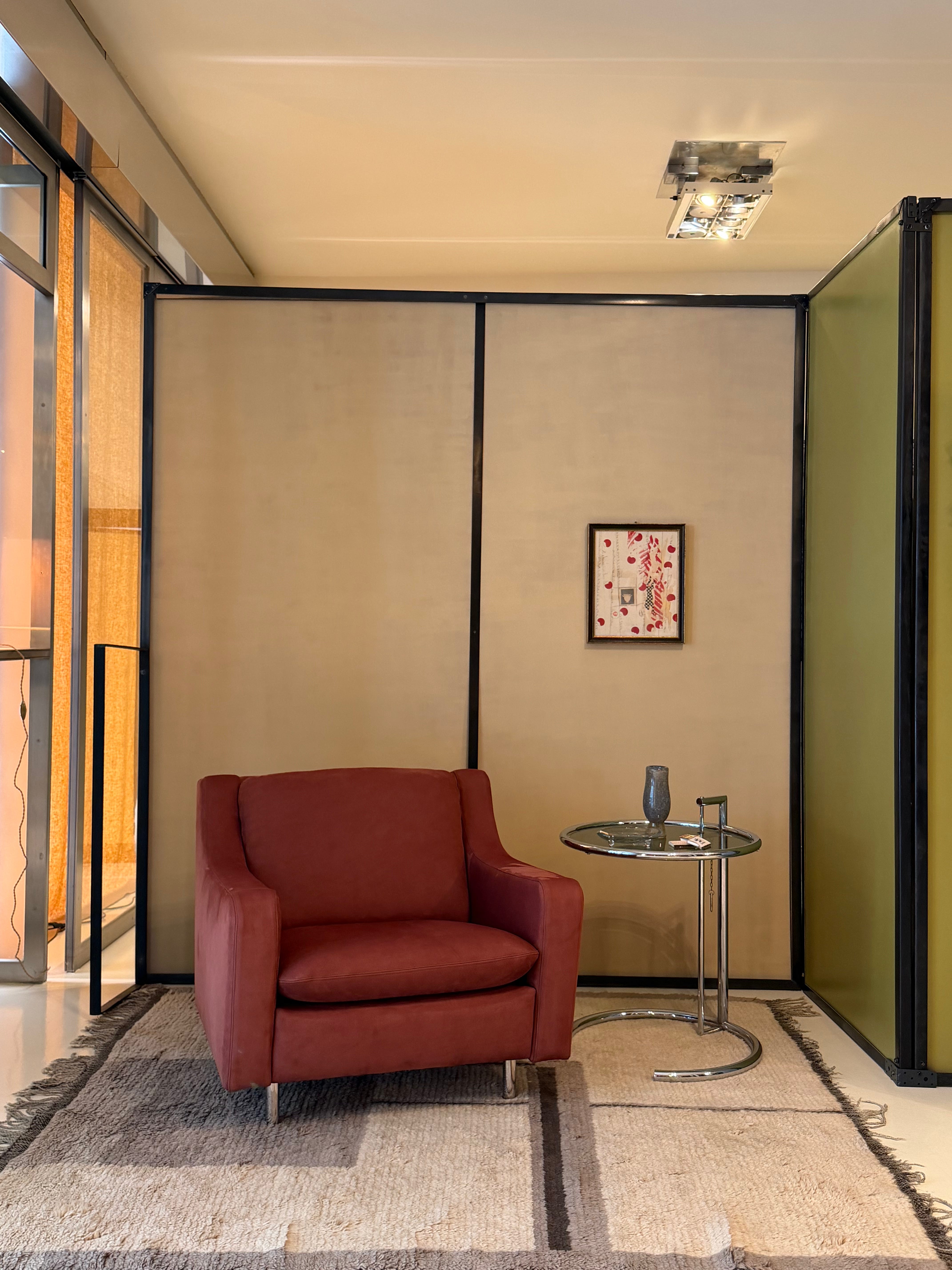
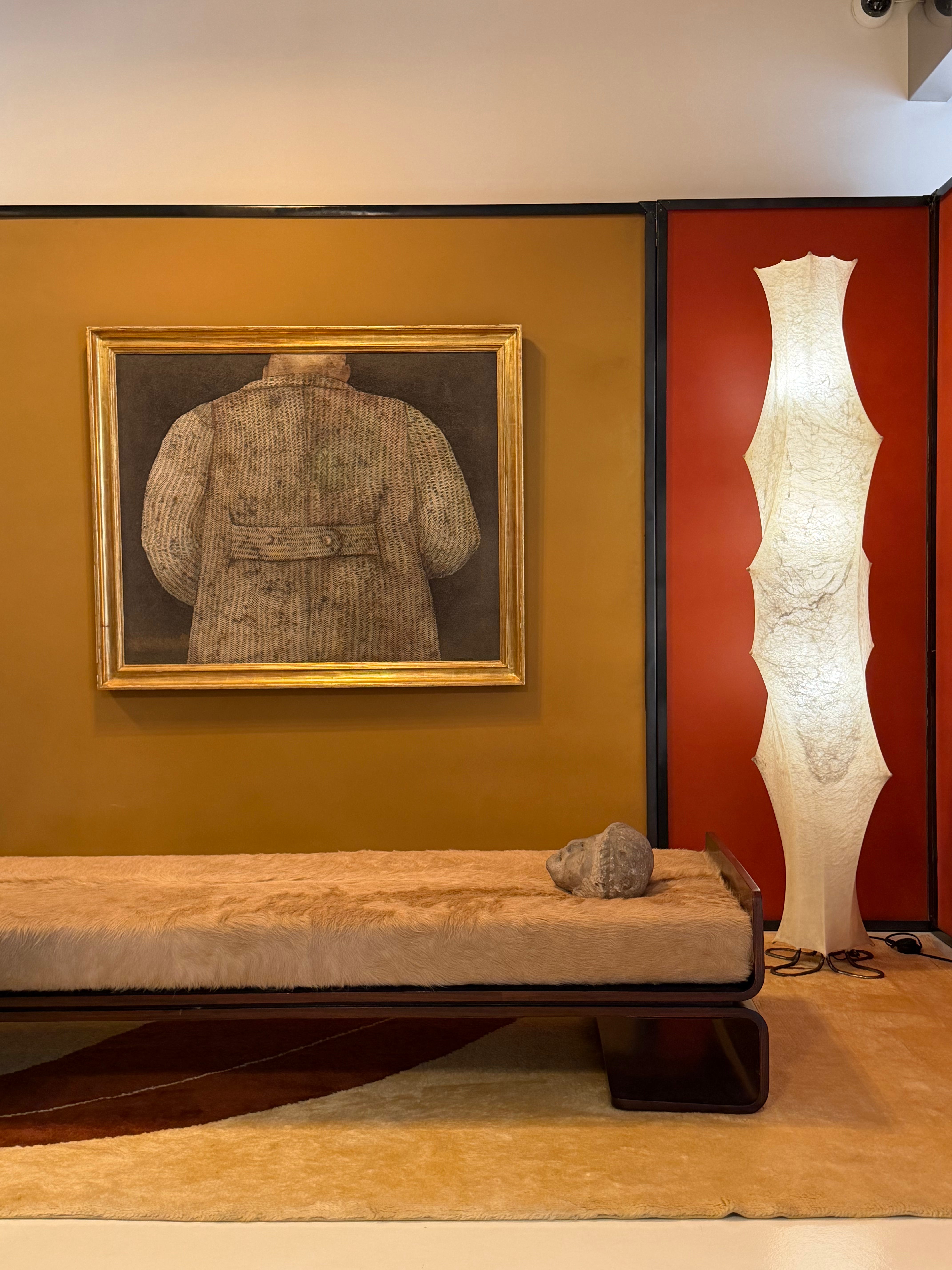
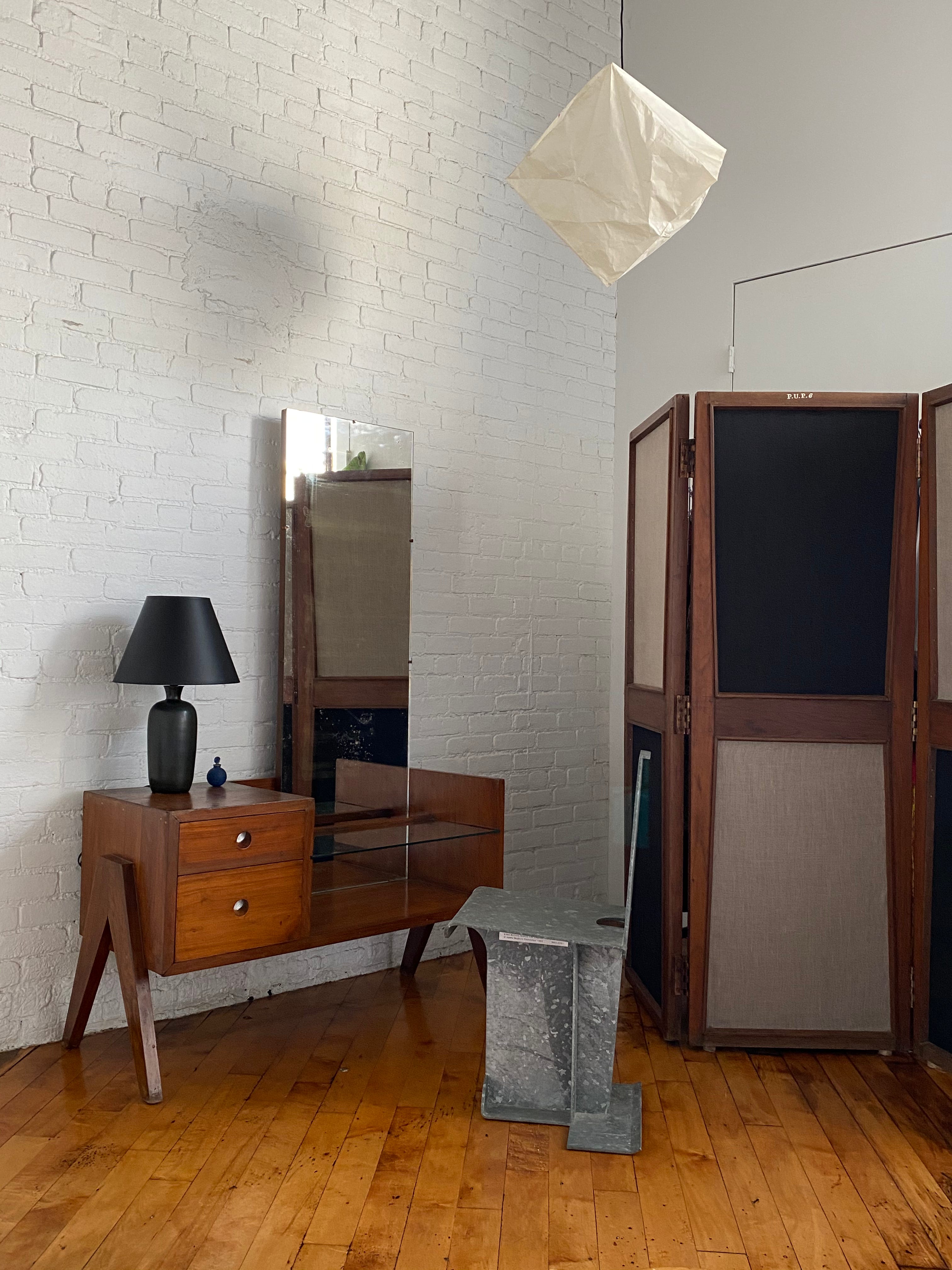
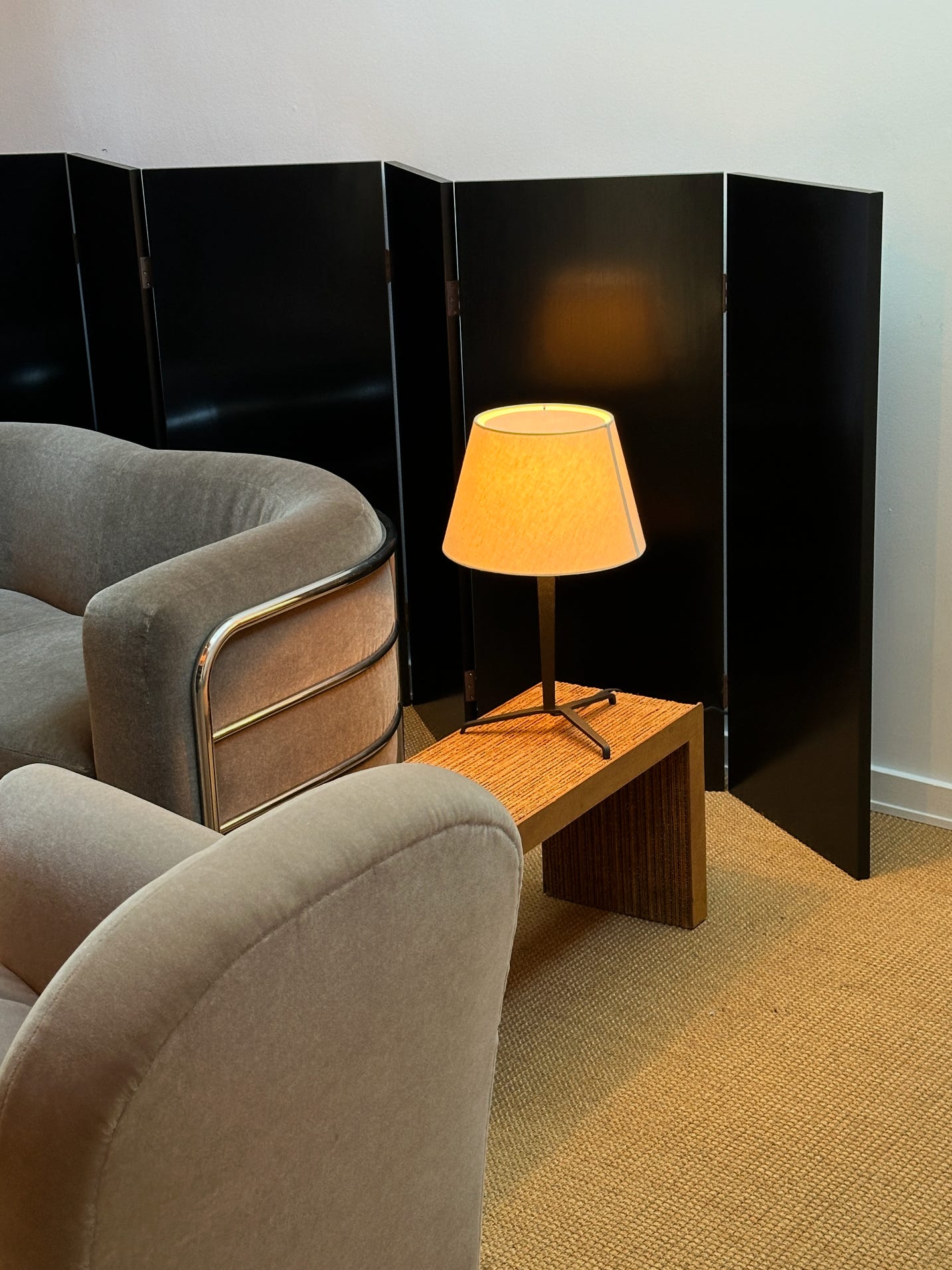
We tend to think of folding screens as slightly eccentric decorative extras. Something belonging either to a glamorous aunt with too many caftans or a mildly theatrical hotel lobby. But screens were originally incredibly functional. In China and Japan they were used to direct movement, block drafts, create privacy, tell stories, soften architecture, divide rooms, and establish ceremony. European decorators later adopted them because wealthy people, much like the rest of us, also wanted elegant ways to hide things they didn’t want anyone looking at.
Humanity, at its core, has always wanted somewhere to put the ugly lamp.
And honestly, I think we lost something when rooms stopped having mystery. Open concept living really did a number on all of us. We were promised freedom and flow and togetherness, and instead many of us now eat dinner while staring directly at an air fryer and twelve charging cables.
A screen restores editing.
It lets a room unfold slowly instead of announcing itself all at once. Which is what all the best rooms do, and honestly, all the best people too.
The thing I love most about screens is that they’re almost impossible to use incorrectly. The moment you stop treating them like formal “room dividers” and start treating them like movable architecture, they become wildly interesting.
Artists have understood this for centuries. Francis Bacon made screens. So did Man Ray. Claude Lalanne too. Not because they needed somewhere to change clothes dramatically behind, but because screens occupy this strange and beautiful territory between painting, sculpture, furniture, and architecture. They hold imagery, shape space, manipulate movement, and alter atmosphere all at once.
A screen is functional, yes, but it’s also theatrical. Spatial. Emotional.
Which is why some of the most compelling screens aren’t dividing anything at all. They’re mounted flat like paintings. Wrapped around corners like improvised architecture. Used behind beds, beside dining tables, at the ends of hallways where they create shadow, rhythm, and a slight feeling that something more interesting might be happening just out of view.
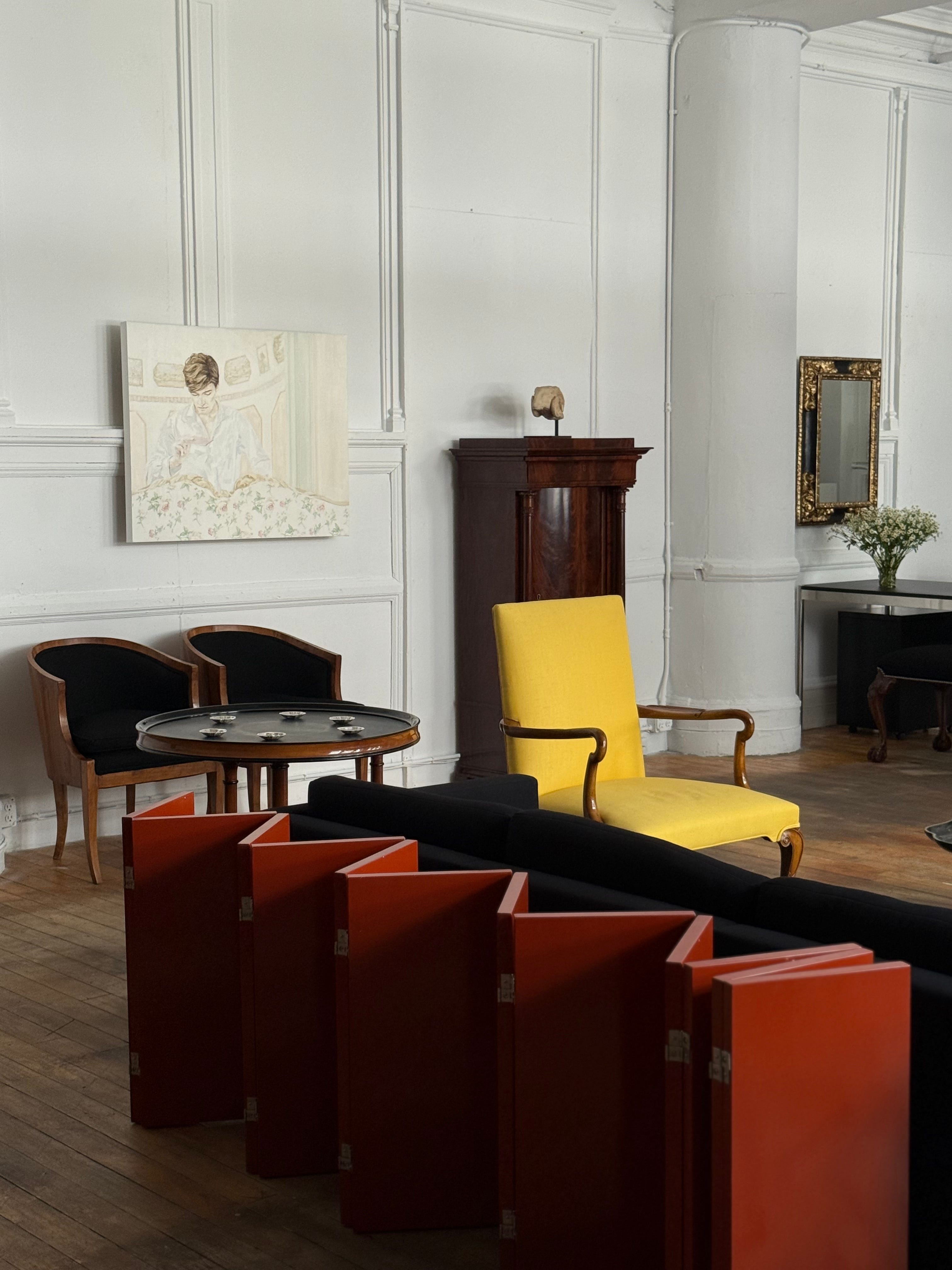
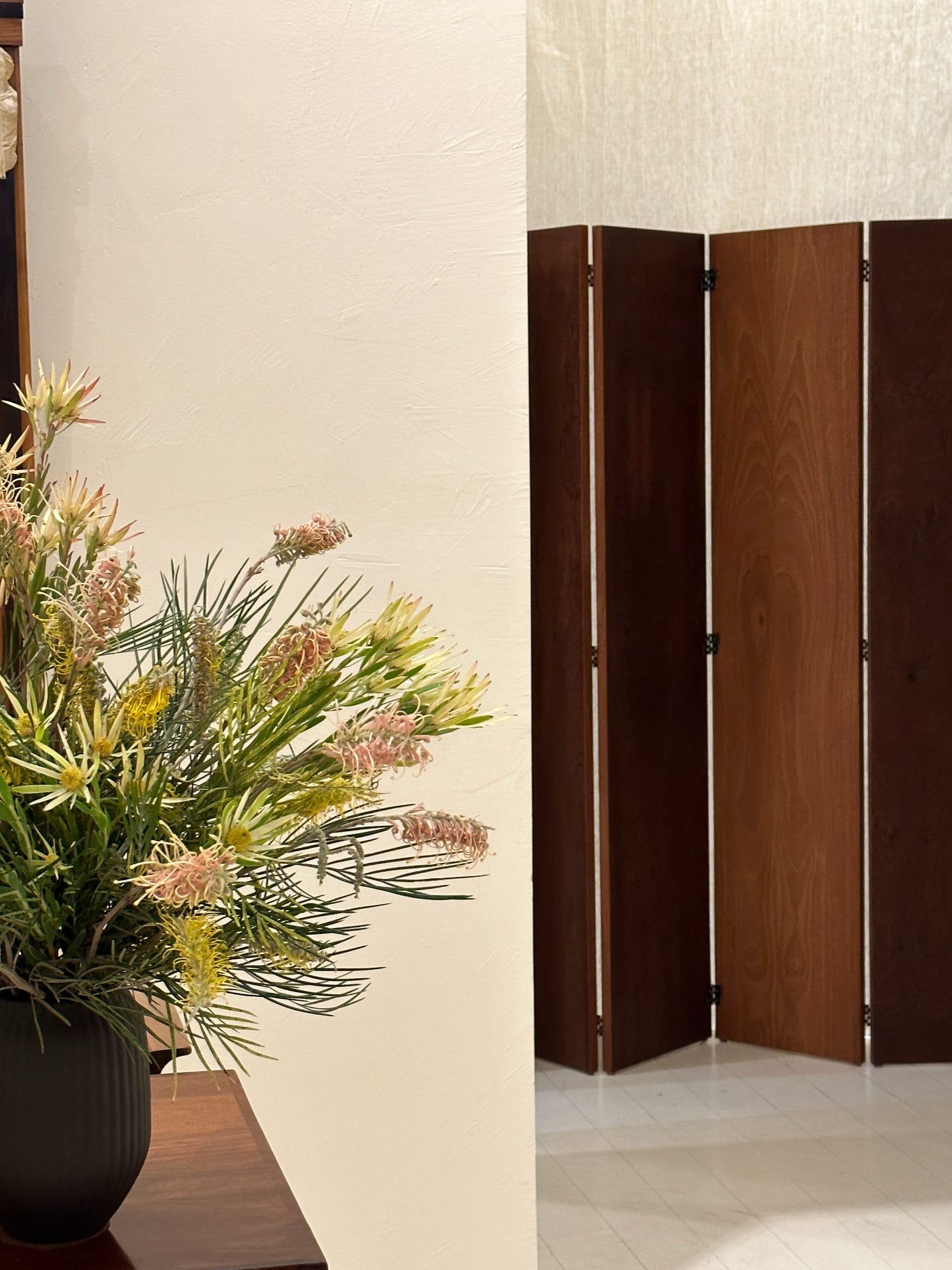
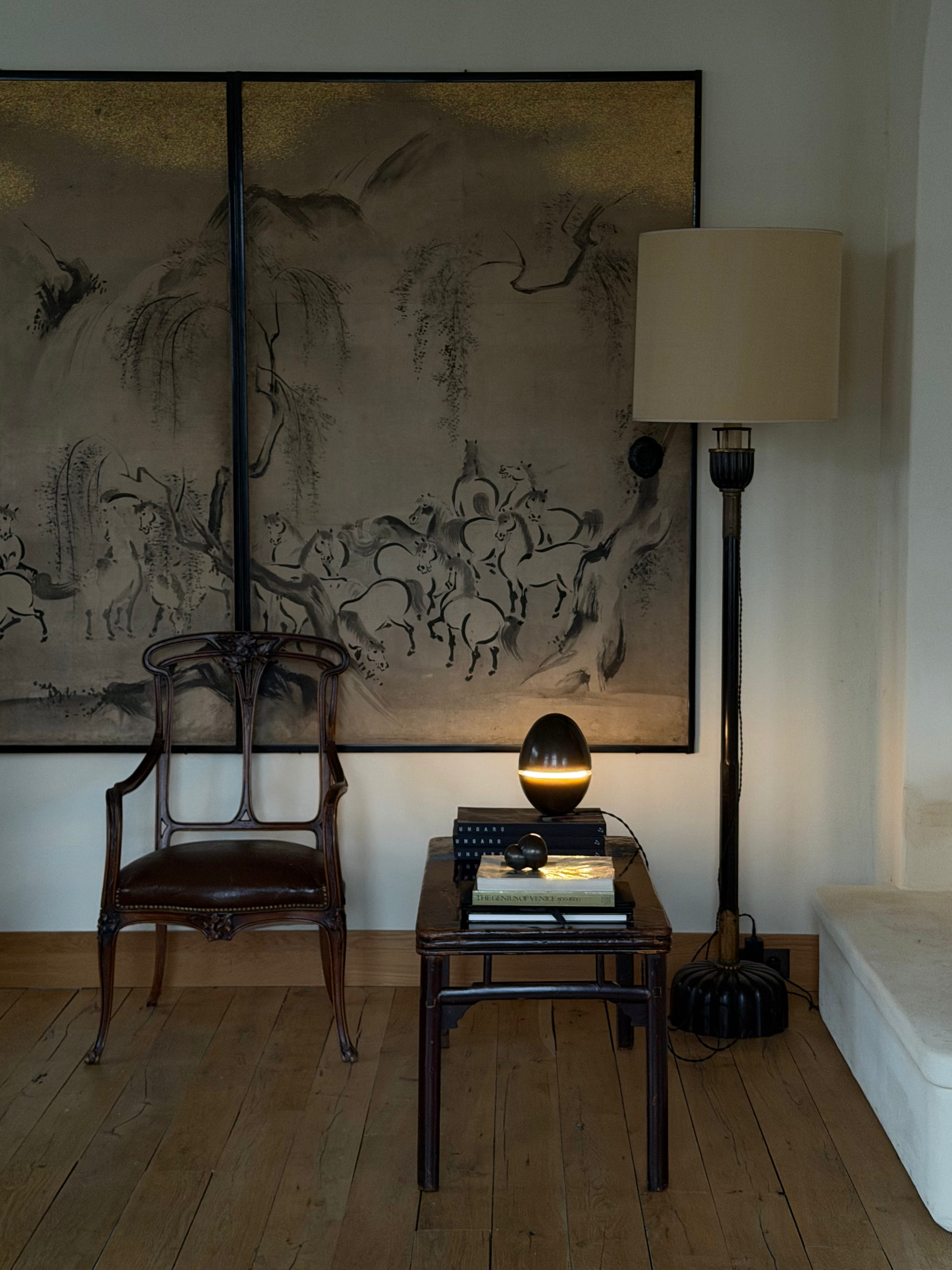
A screen changes not only what you see, but how you move through a room. It slows the eye down. Interrupts the immediate read of a space. And increasingly, I think that’s what people are actually craving now. Not more perfection. More intrigue.
A screen behind a bed suddenly makes the room feel collected instead of purchased. A screen used as art feels more alive than most actual art because it carries shape and shadow and movement. A screen tucked awkwardly into a corner somehow makes the awkwardness feel intentional. Which frankly is a skill I aspire to personally.
I especially love screens as headboards because traditional headboards can start to feel a little emotionally available to me. Just large upholstered rectangles trying very hard to reassure everyone. A screen has tension. Presence. It creates height without heaviness. It gives the bed a backdrop without locking the room into one permanent idea.
And there’s something psychologically important about that slight impermanence.
Rooms should never feel too finished. The fully finished room is usually where creativity goes to die quietly under a decorative bowl.
Some of the most interesting uses of screens are barely functional at all. A massive Coromandel screen behind a tiny drinks table. A wicker screen hiding absolutely nothing. A painted screen mounted flat on a wall and never folded again for the rest of its life. I once saw a screen positioned beside a bathtub for no practical reason whatsoever except that it made the whole room feel vaguely cinematic and emotionally reparative.
Perfect.
Because screens don’t just divide space. They create atmosphere. The folds catch light differently throughout the day. They create rhythm and shadow and softness without needing clutter. They break up hard edges. And God knows we need help with that right now.
Everything lately is rectangles. Rectangular islands, rectangular sofas, giant black televisions, square coffee tables, hard architectural lines everywhere. Half the rooms I see now look like they’re waiting for a software update.
Then someone places a slightly crooked screen in the corner and suddenly the room exhales.
That’s the thing no one tells you about decorating. Sometimes one object changes not just the look of the room, but its emotional posture.
And screens are very good at this because they operate somewhere between furniture and fantasy. They imply another space beyond them. Another layer. Another possibility. Even when there’s absolutely nothing back there except a vacuum cleaner and mild personal disappointment.
Especially then, honestly.
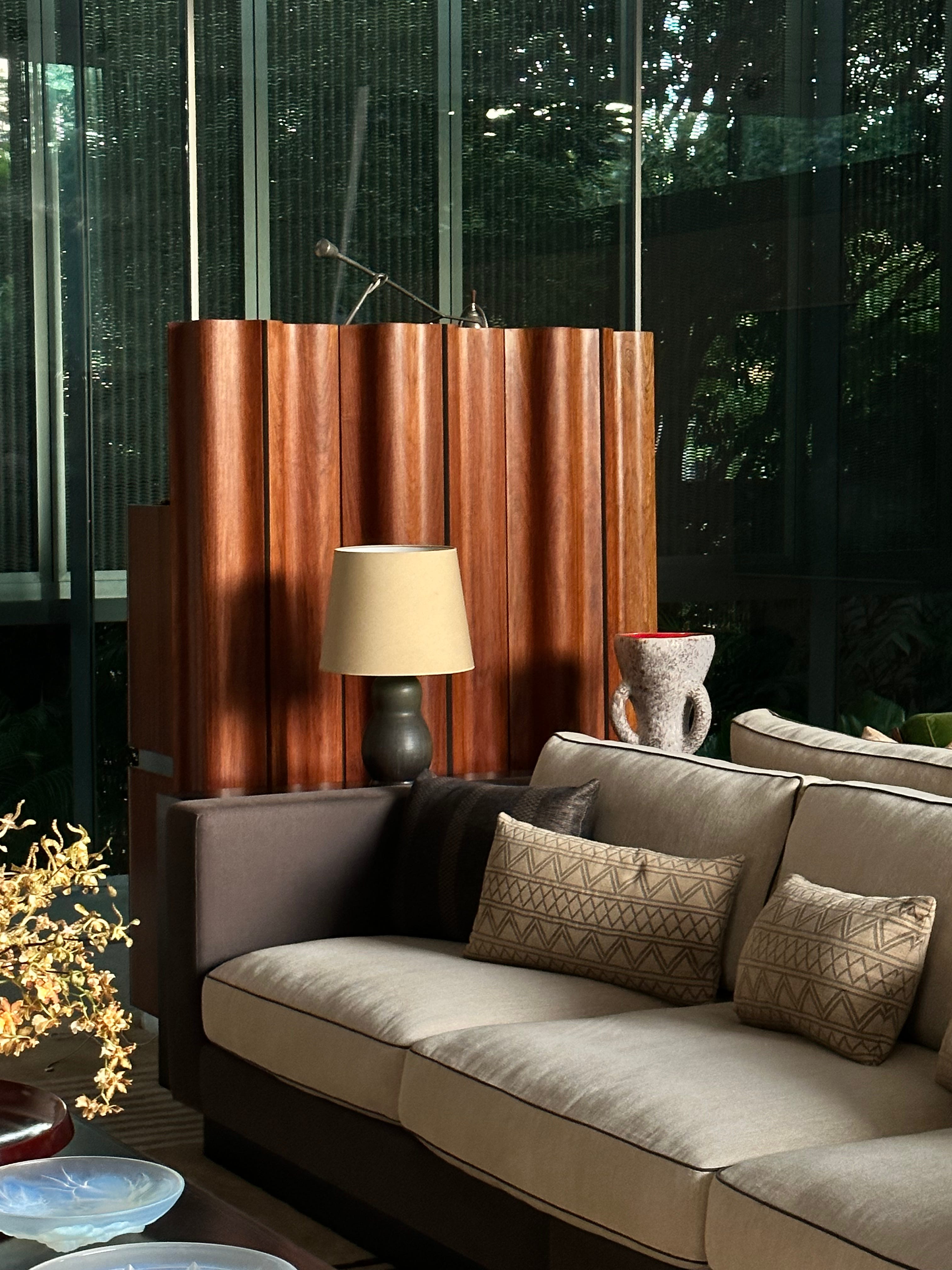
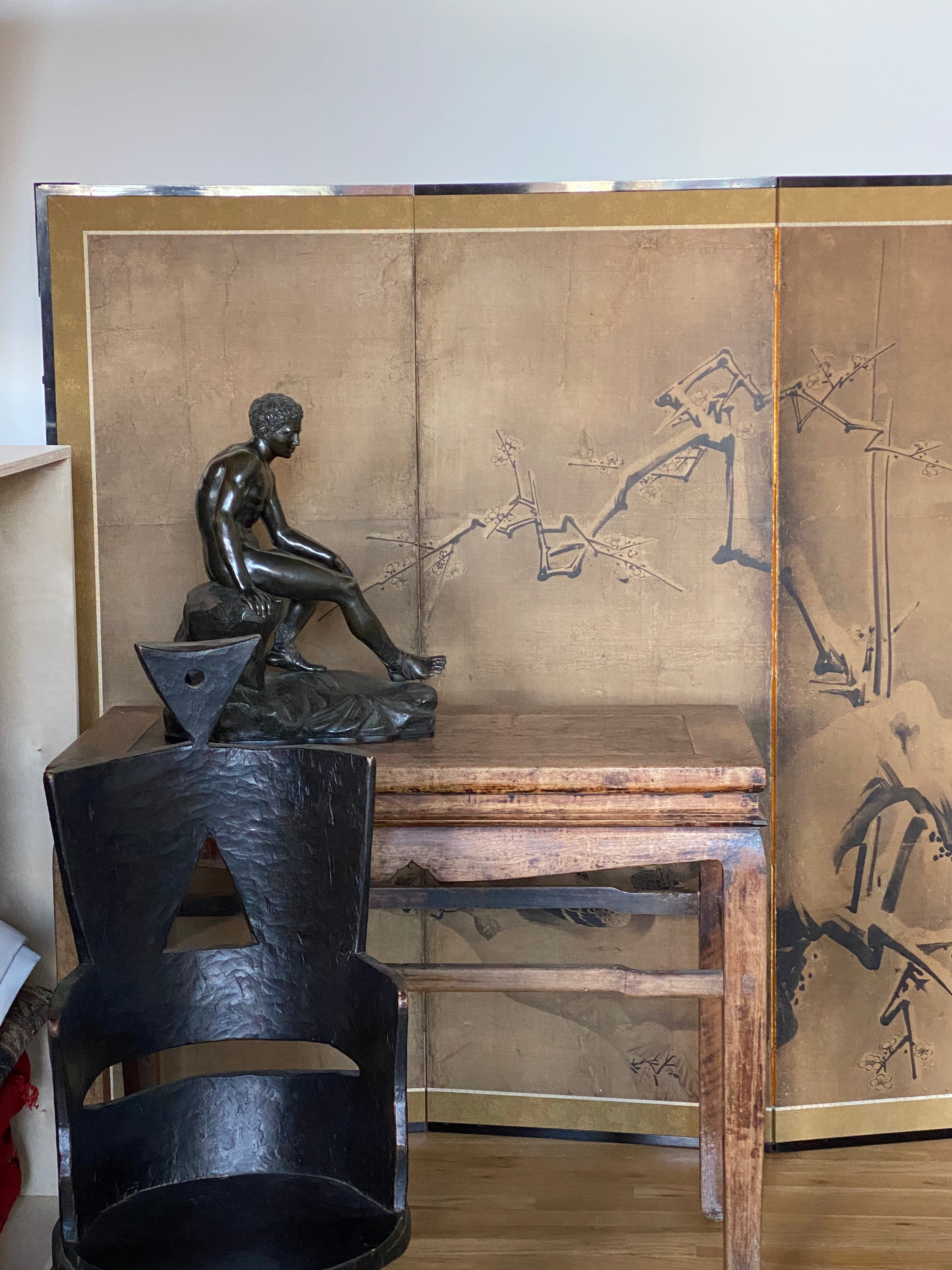
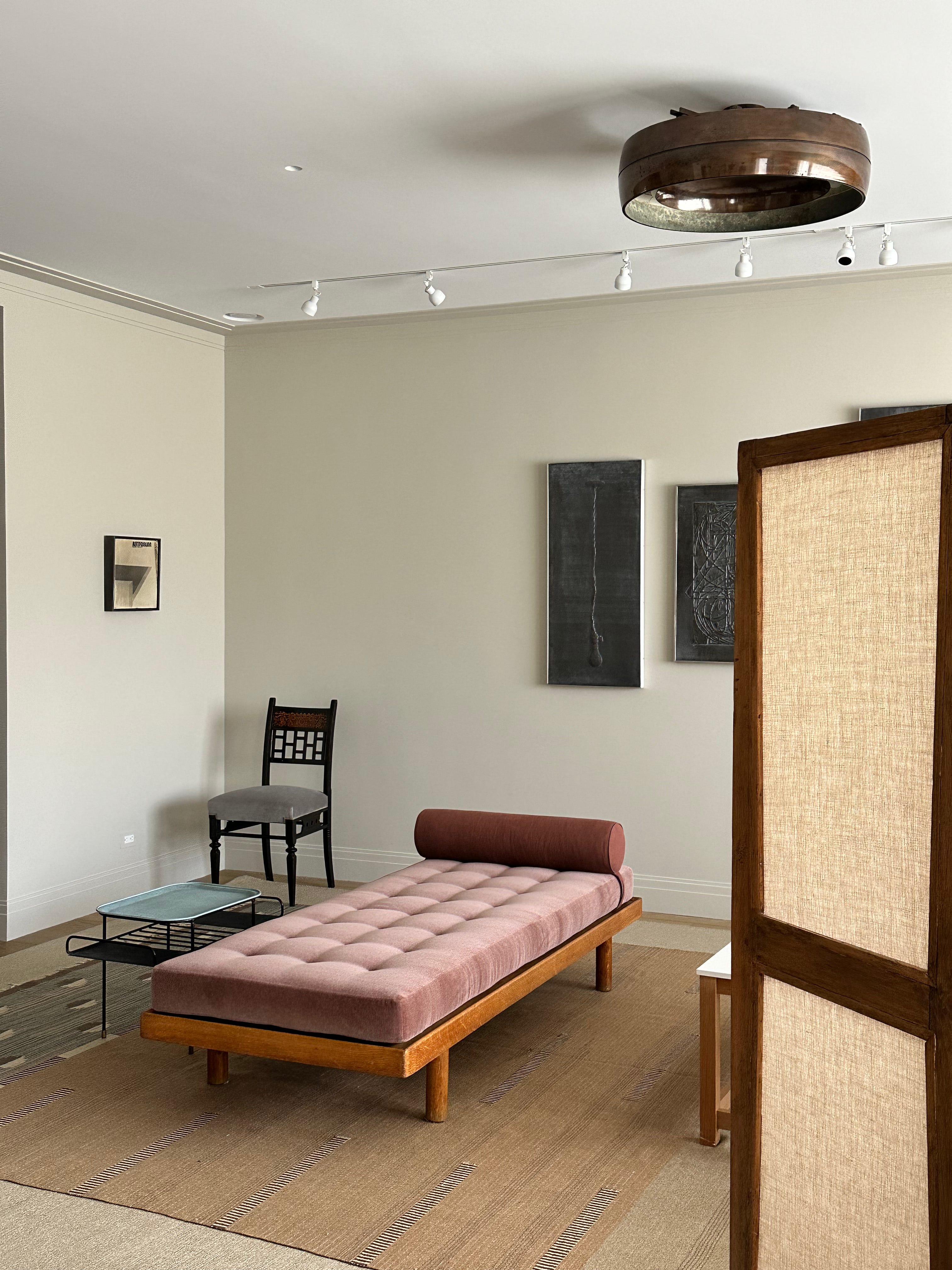
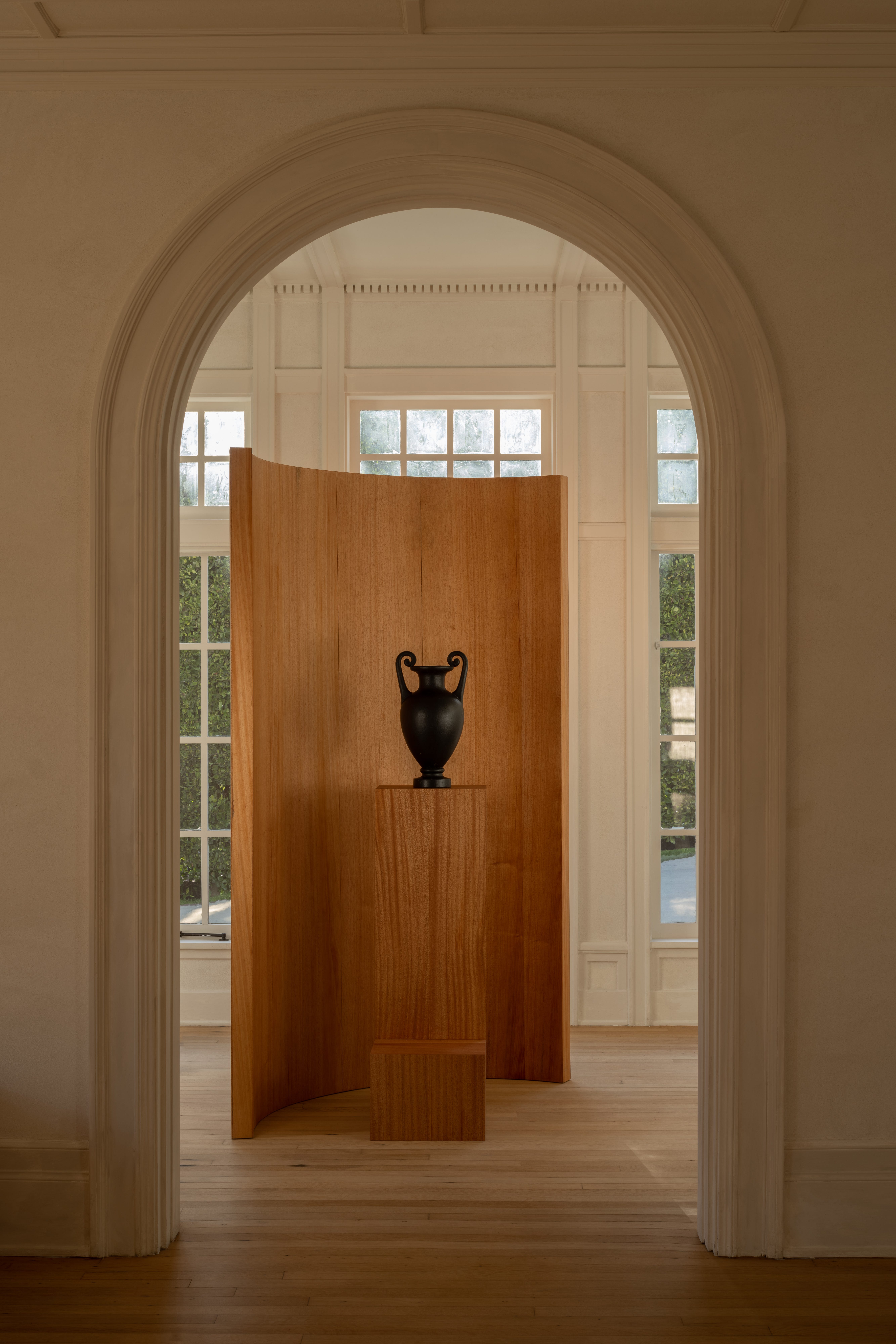
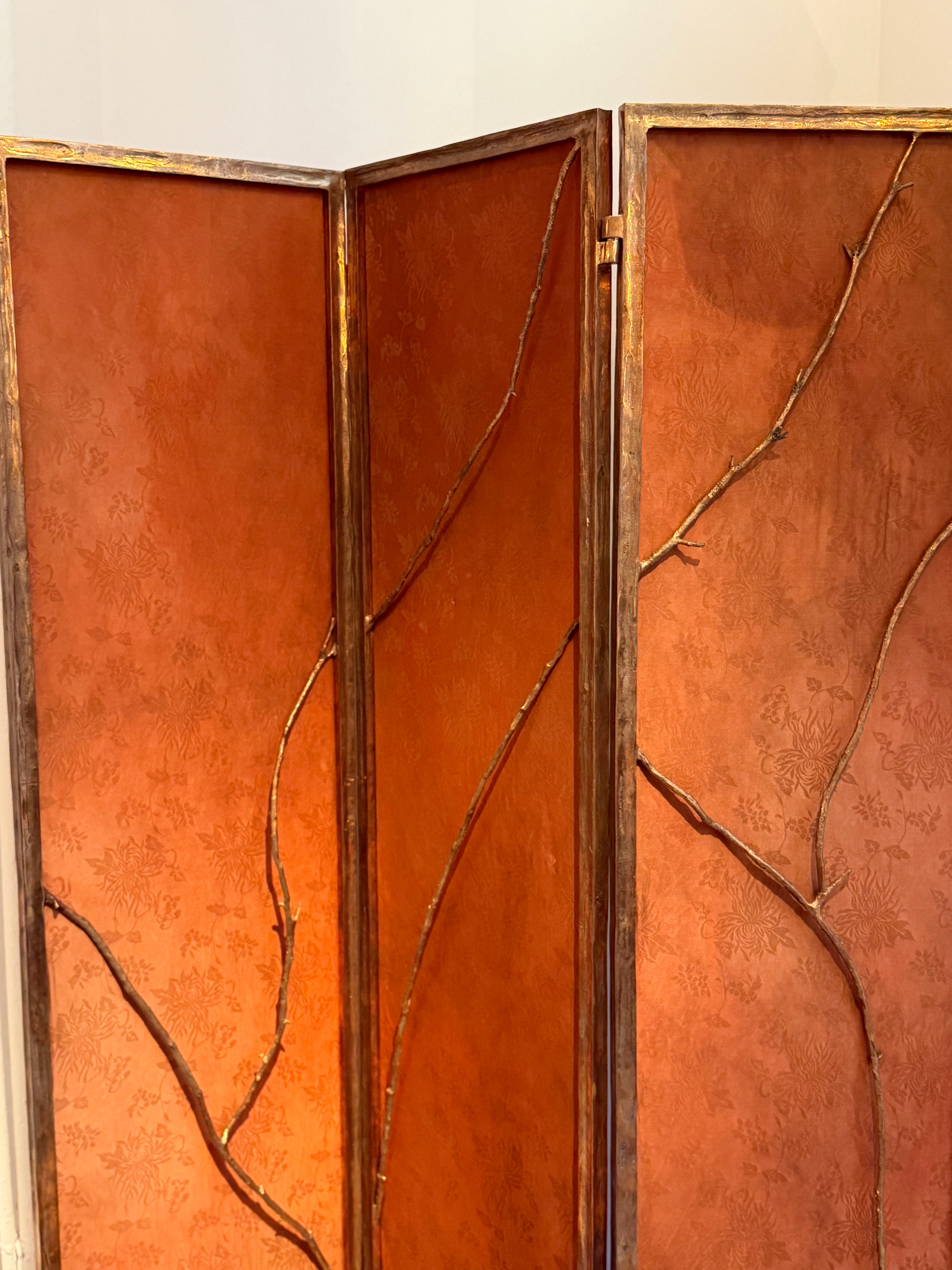
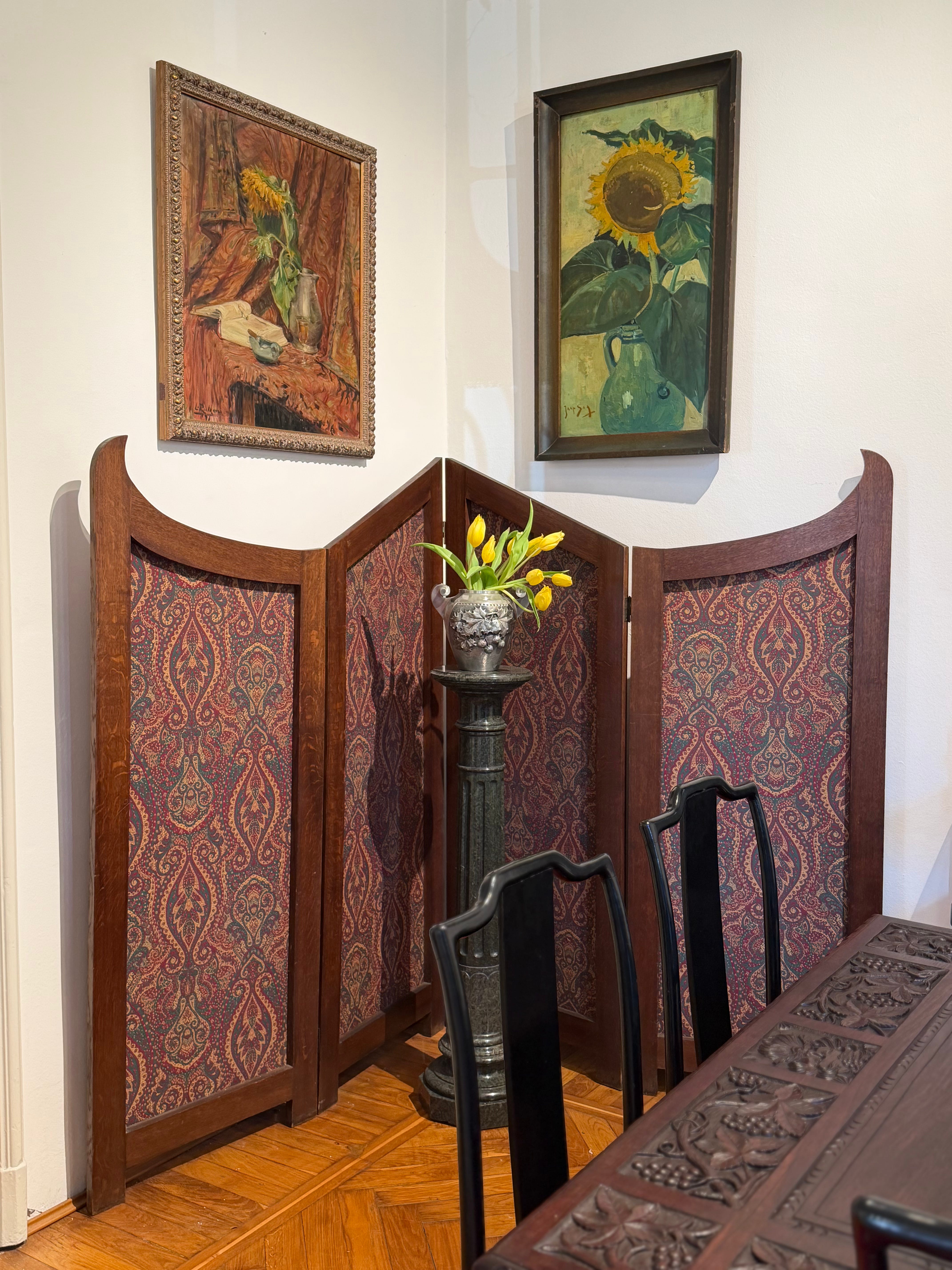
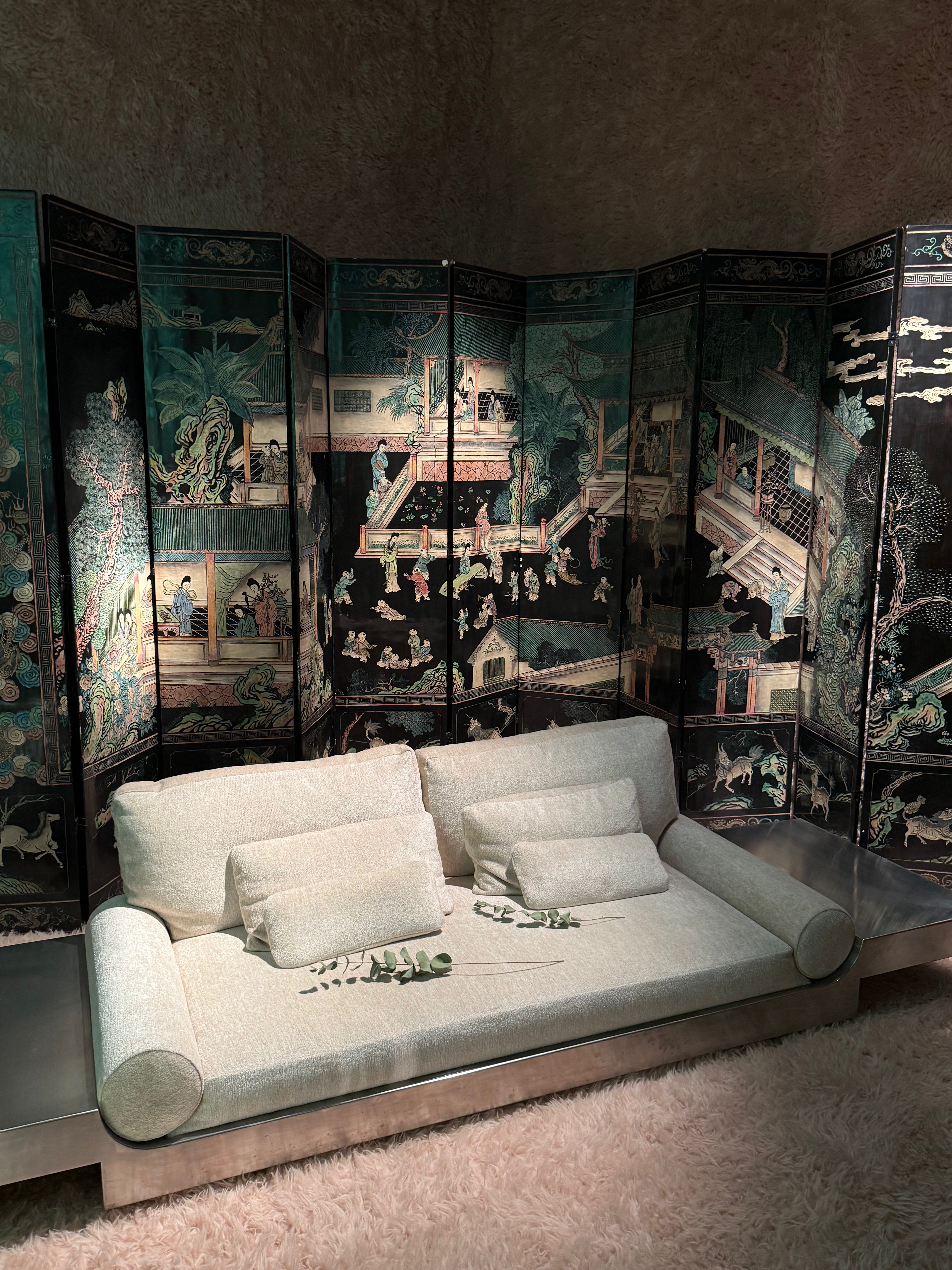
I also think screens solve a very modern problem, which is that we’ve become addicted to visibility. Everything now has to be optimized, exposed, fully seen. Open shelving. Open floor plans. Open kitchens. Entire apartments arranged like they’re permanently waiting for a photographer to arrive.
Screens gently reject that.
They remind us that not everything needs to be visible all the time to still belong in the room.
And maybe that’s why I love them so much. They create discretion without rigidity. They soften without disappearing. They allow a space to hold a little mystery, which feels increasingly rare and increasingly necessary.
A good room should not explain itself immediately.
It should flirt a little first.
And because I’ve clearly reached the stage of adulthood where I now have strong opinions about screens, here are a few that have permanently rearranged my brain chemistry.
Not necessarily the most famous. Not necessarily the most expensive. Just the ones I return to over and over because they understand that a screen is never just a screen.
It’s architecture pretending to be decoration.
‘L ‘Envol des Canards Sauvages’ Wood Panel by Bernard Dunand | Galerie Marcilhac

‘Two Figures’ Folding Screen by Jean Dunand | Galerie Marcilhac

Set of Two Folding Screens by Jean Dunand | Christie’s
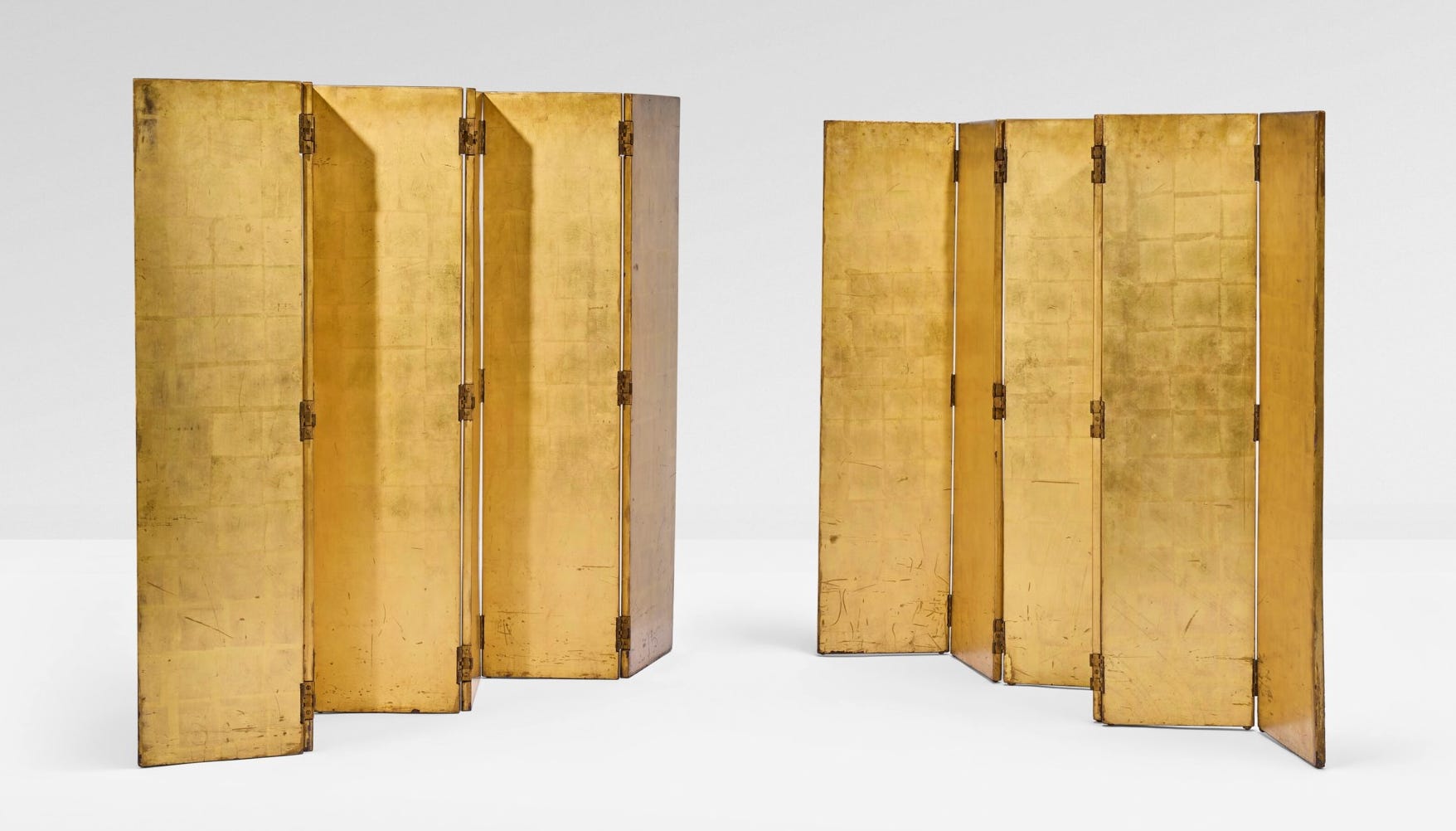
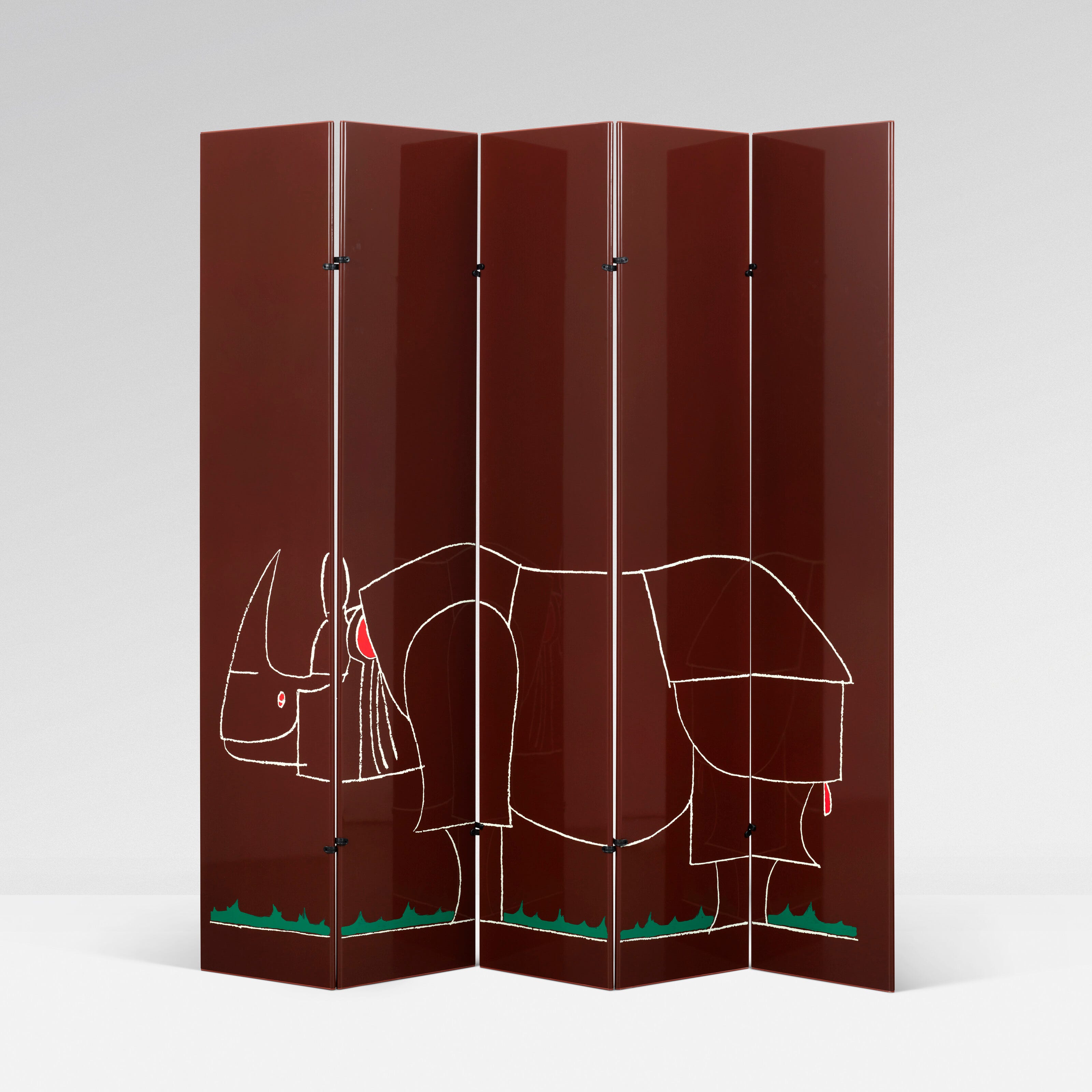
‘Rhinoceros’ Five-Panel Screen by François-Xavier Lalanne & Kazuhide Takahama | Christie’s
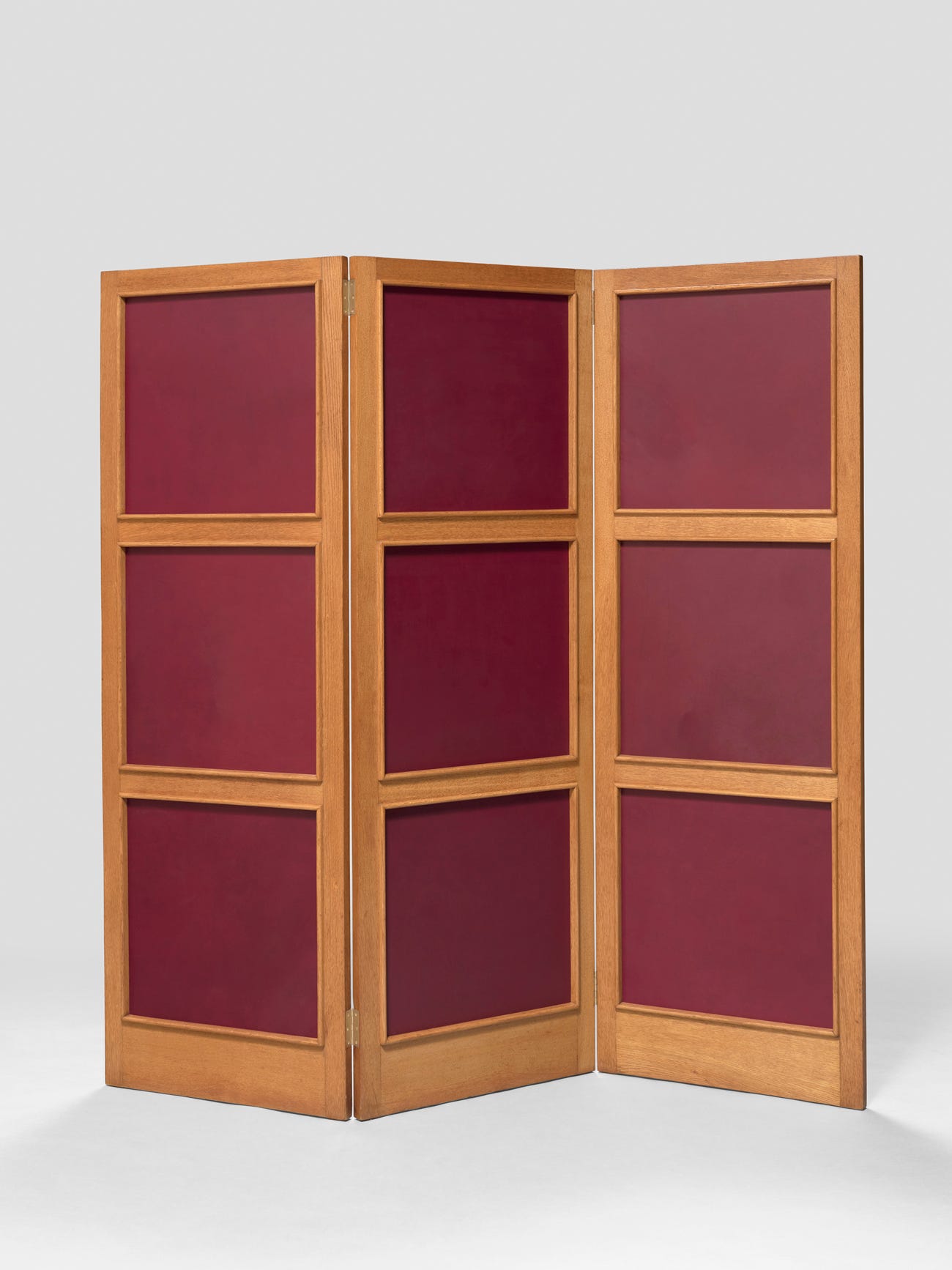
Three-Leaves Folding Screen by Jean Royère | Galerie Jacques Lacoste
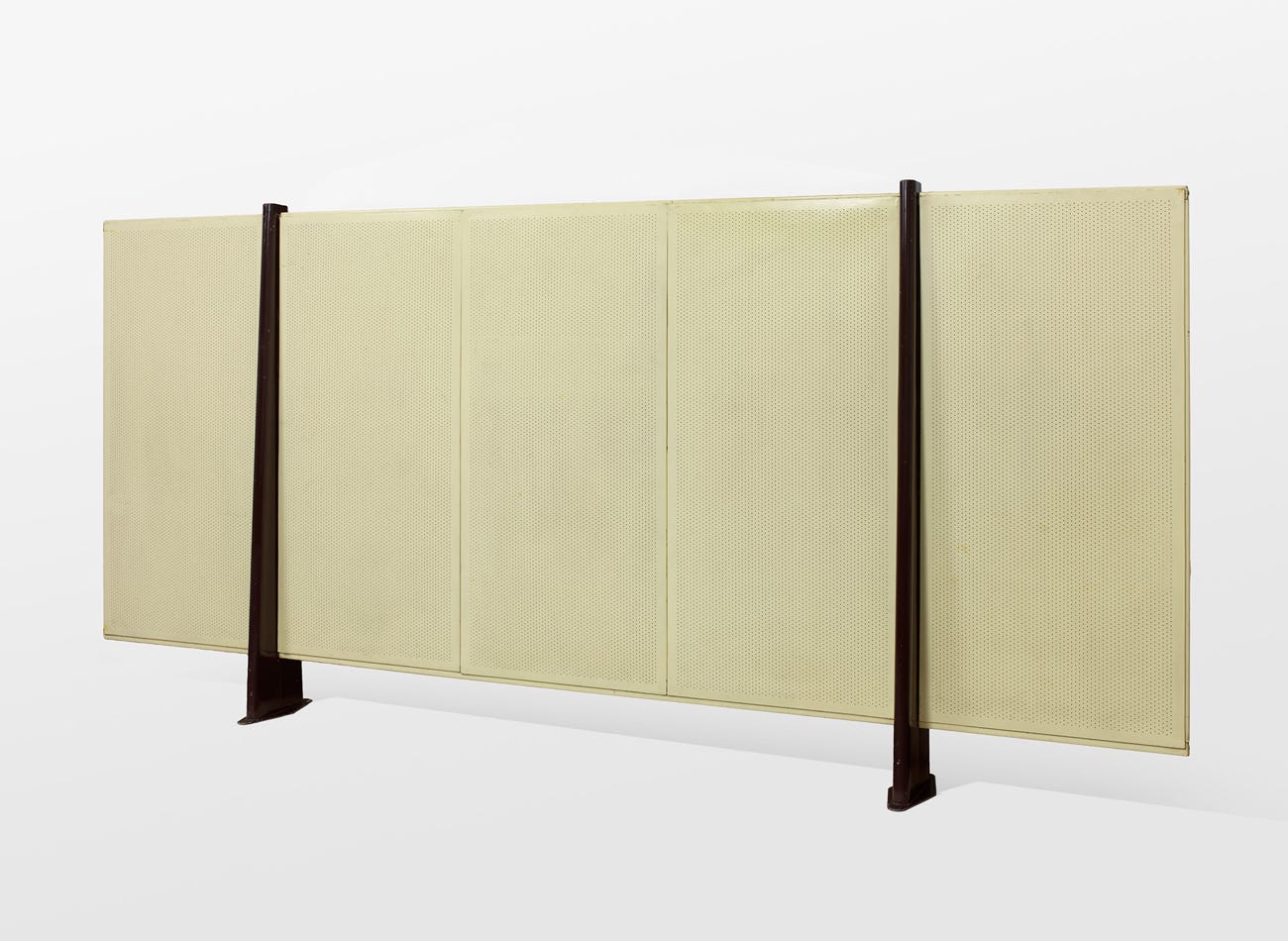
Five-Panel Screen, ‘Cachan’ Model by Jean Prouvé | Galerie Jacques Lacoste
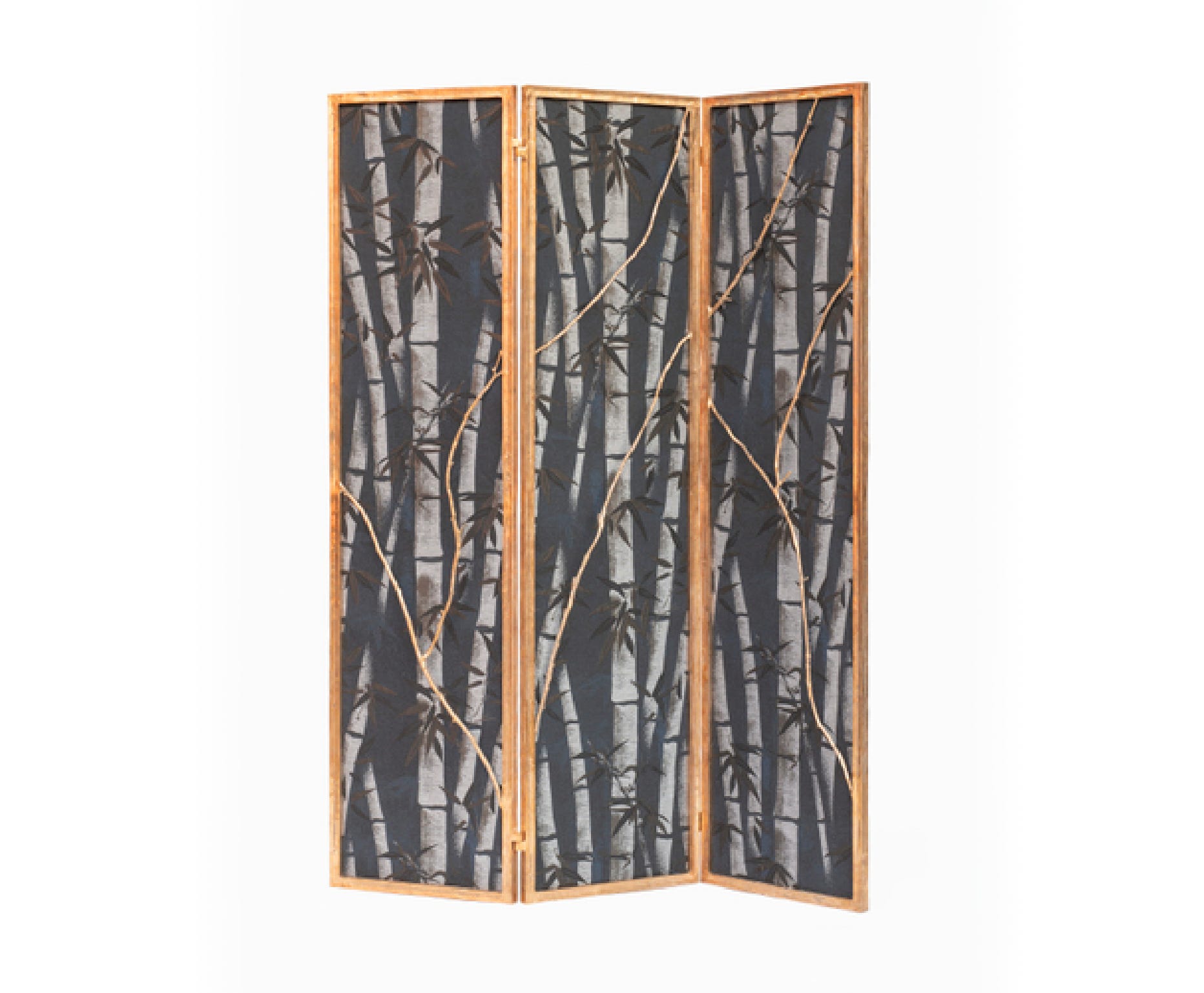
Screen with Hosoo Fabric by Osanna Visconti | Maison Gerard
Four-Panel Screen by André Sornay | Galerie Jacques Lacoste

Screen Bambù by Osanna Visconti | Nilufar
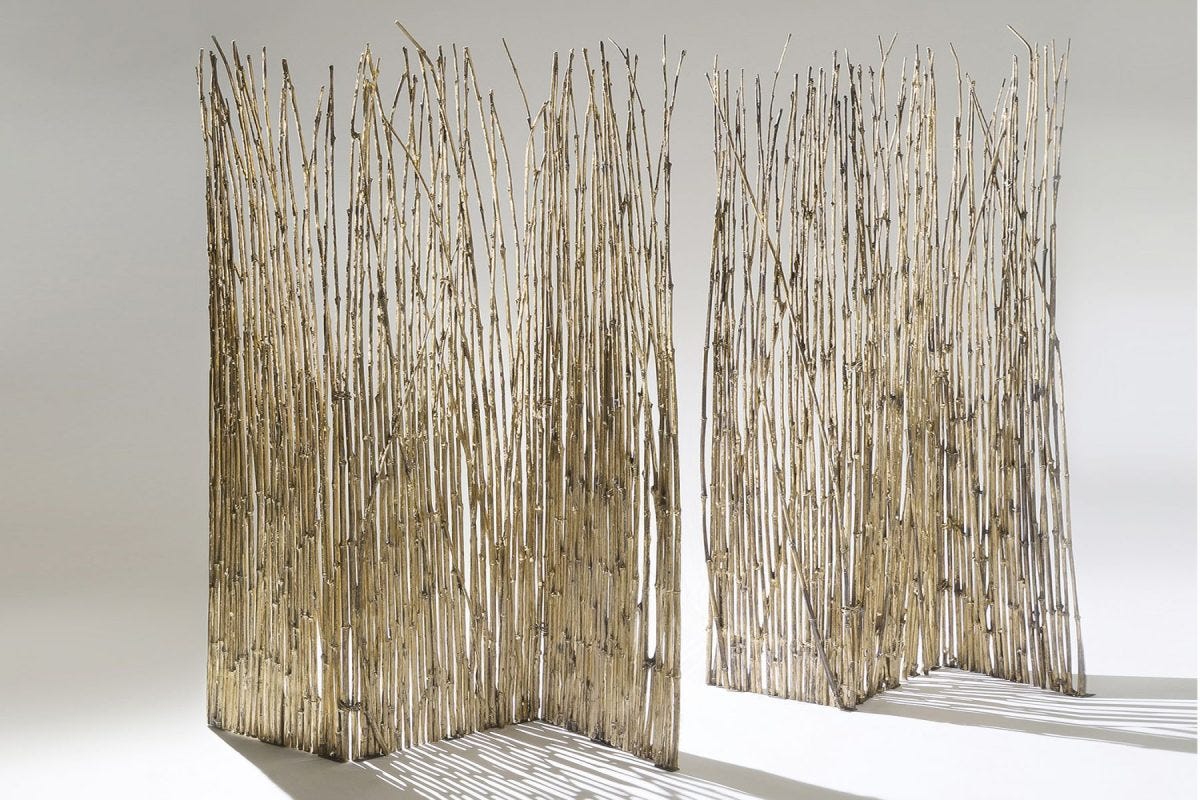
Développé Screen by Colin King | The Future Perfect
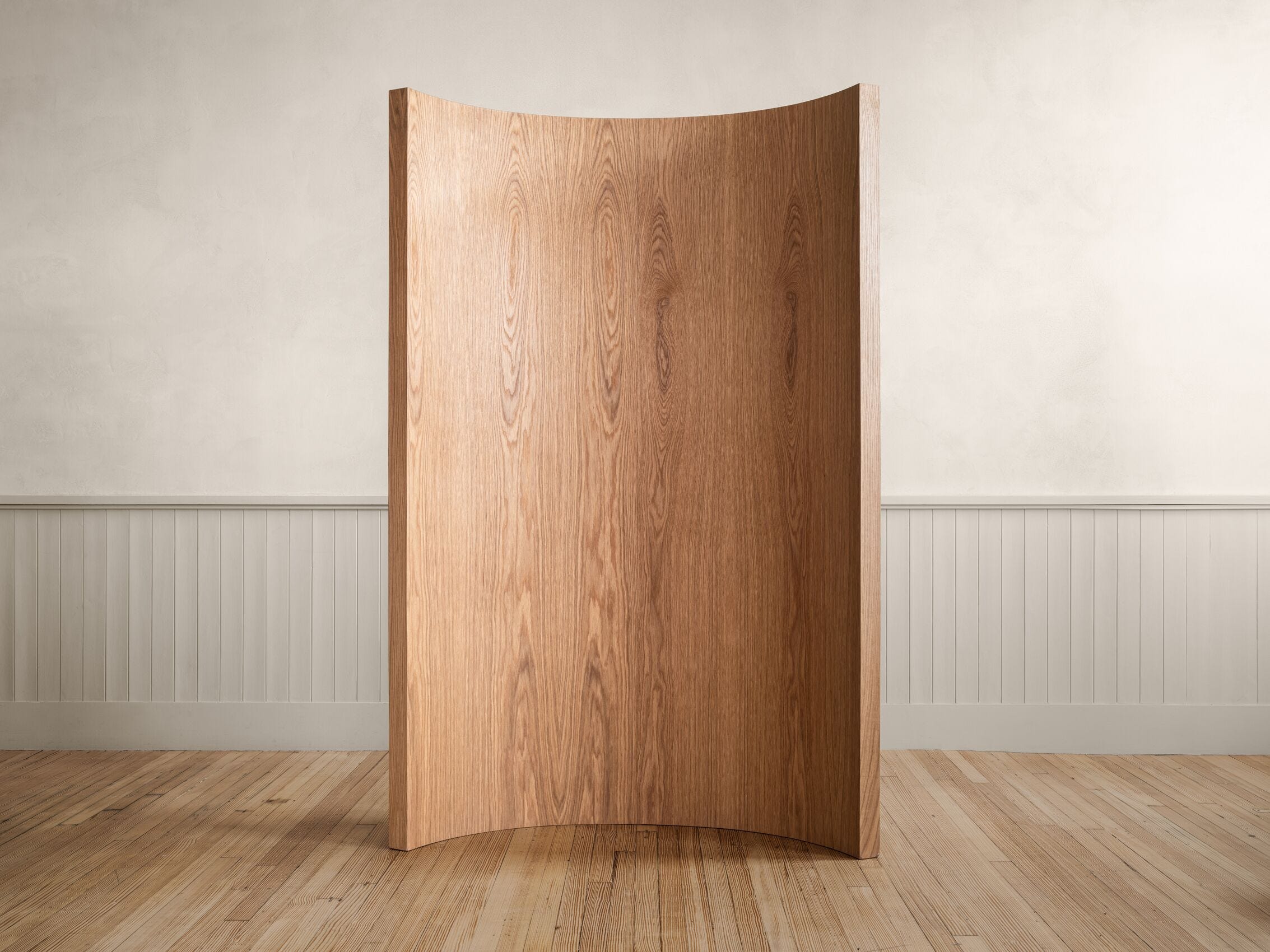
Screen Palindromo by Nilufar Edition | Nilufar
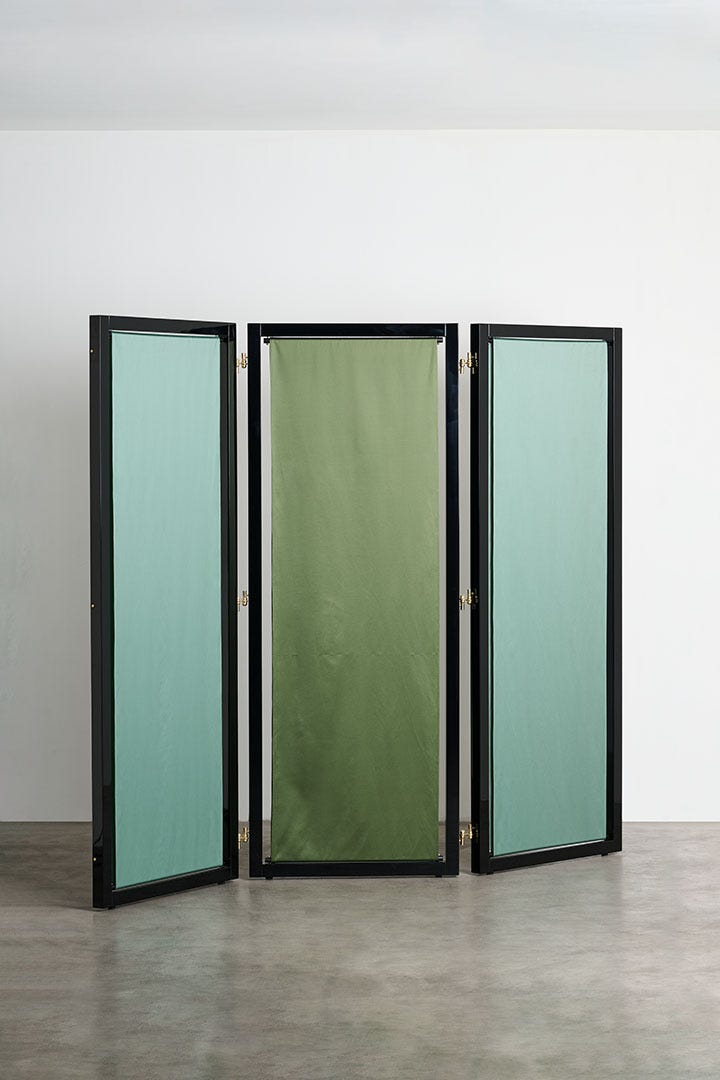
Twelve-Panel Chinese Coromandel Lacquer Floor Screen | Andrew Jones Auctions
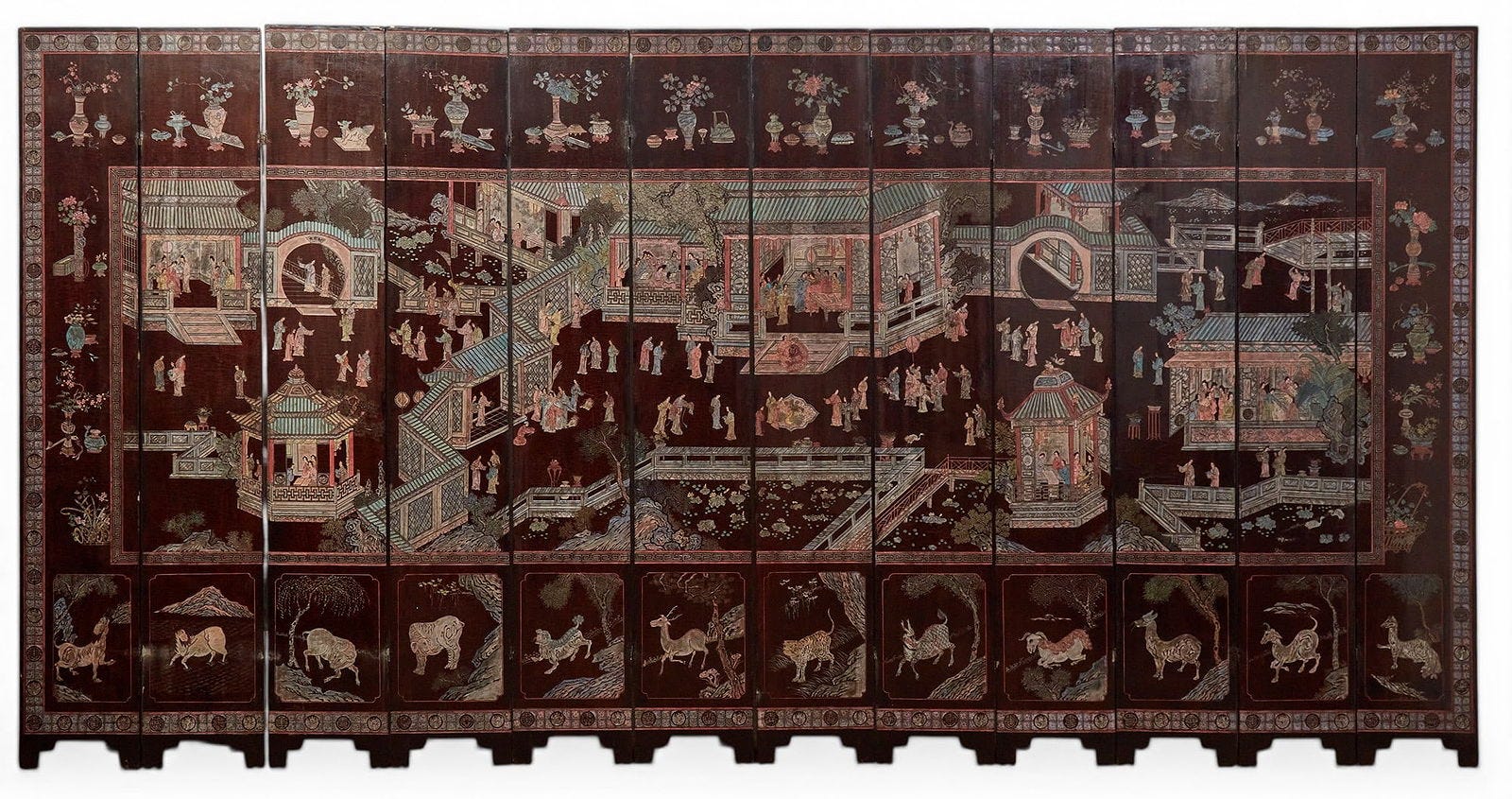
Oakwood, Woven Rattan, & Mirror Six-Panel Folding Screen | Artcurial
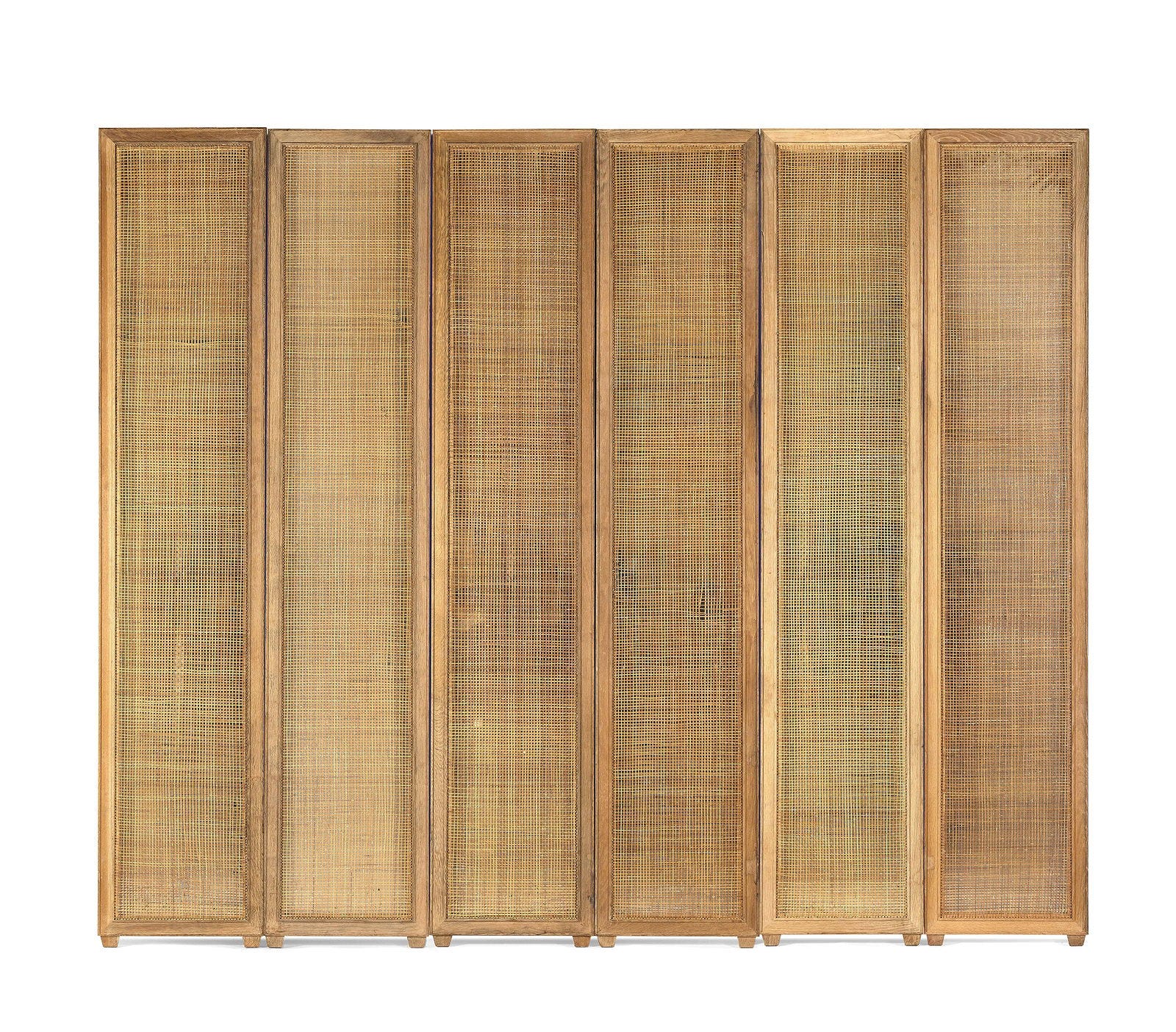
Twelve-Panel Chinese Brown Coromandel Lacquer Floor Screen | Andrew Jones Auctions

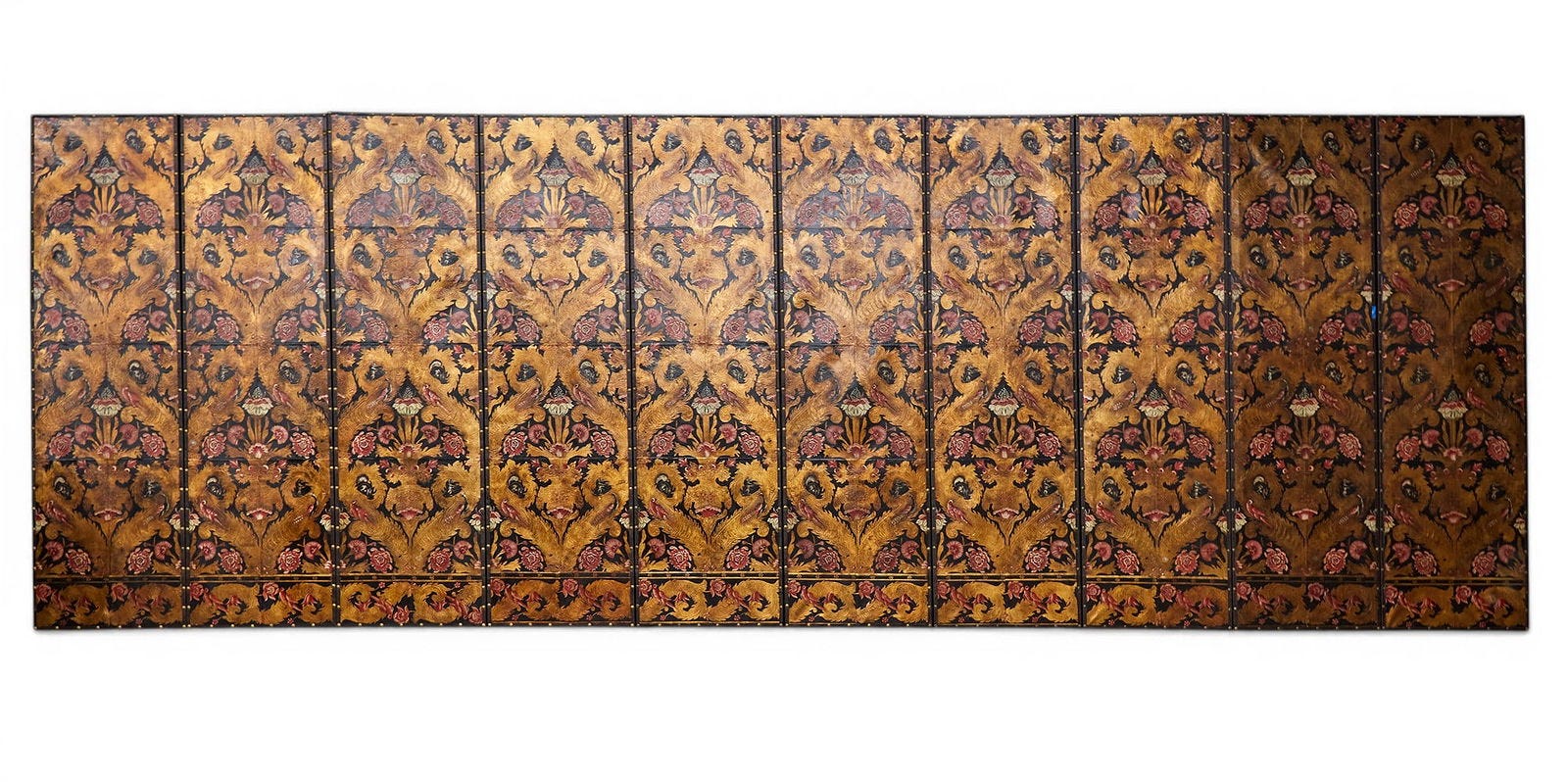
Set of Ten Continental Painted Leather Panels | Andrew Jones Auctions
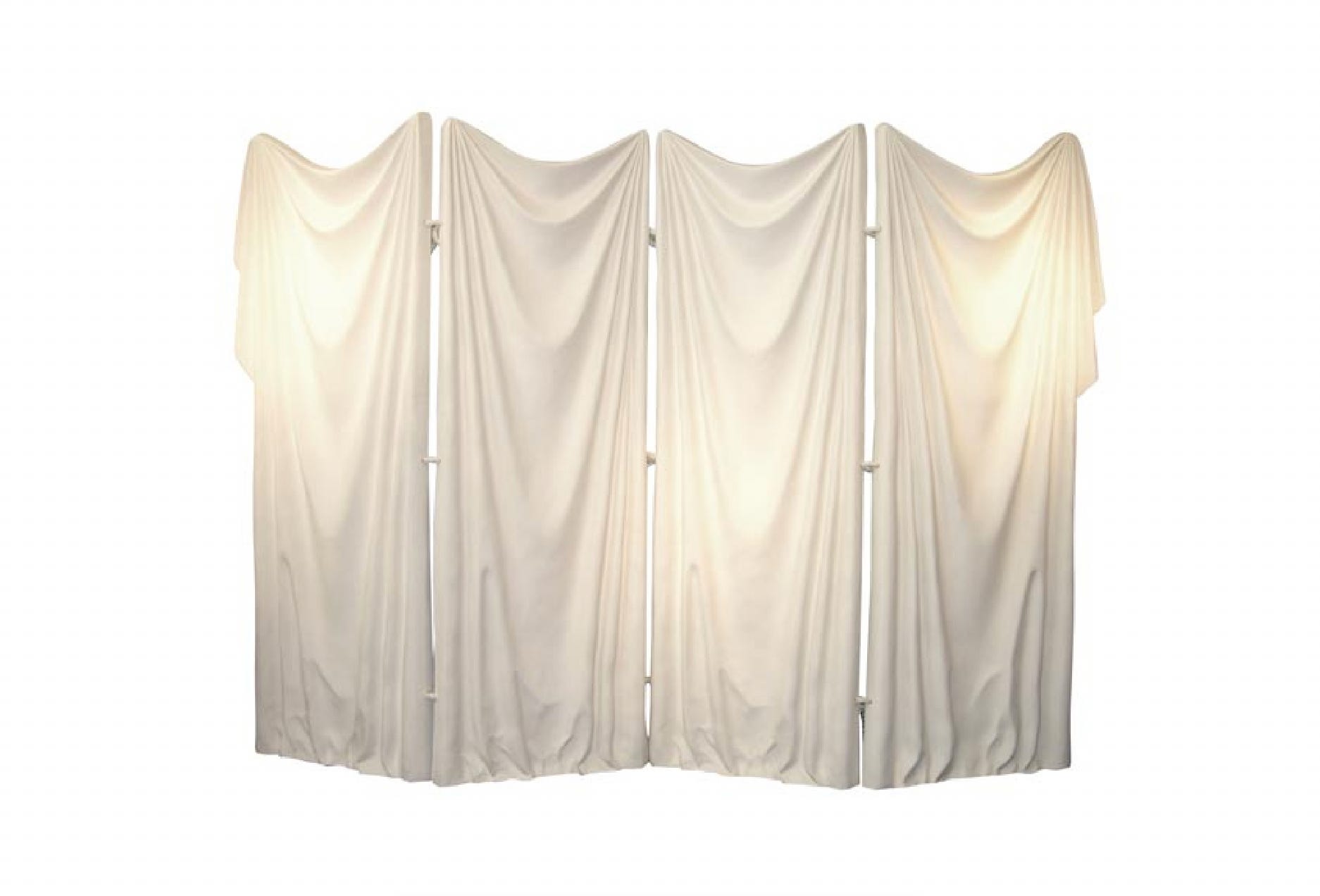
Gstaad Eight-Panel Eglomisé Glass Screen by Miriam Ellner | Maison Gerard

Contemporary Four-Panel Screen by Marc Bankowsky | Maison Gerard
I think the reason I keep returning to screens is because they resist certainty. They divide space without fully closing it off. They create privacy without isolation. They soften architecture without disappearing into it.
They let a room keep a little secret.
And increasingly, I think that’s what people are craving. Not bigger spaces. Not emptier spaces. Just spaces with a little more intrigue. A little more atmosphere. A little less immediate self-disclosure.
A room doesn’t need to tell you everything all at once.
It just needs to give you a reason to stay curious.
Love,
Colin


One of my favorite topics
Screens are my favourite part of the room. Beautiful how you always manage to go a layer deeper in both: wording and interior photography