

Oops, It Doesn't Reach (Perfect)
On imperfect hems, quiet confidence, and letting the edges show.

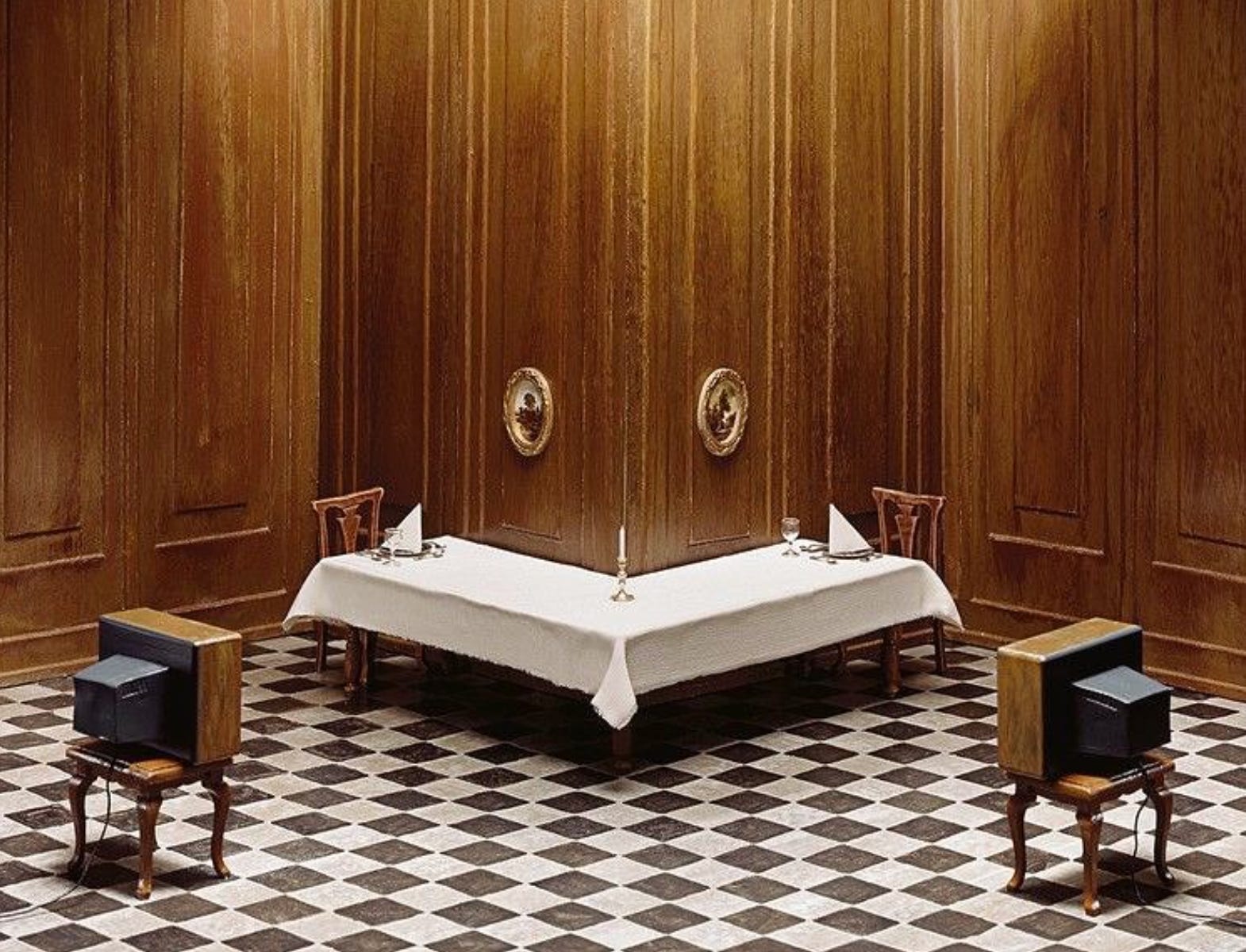
Lately I’ve found myself drawn to tablecloths that don’t quite reach. The ones that hover just above the seat line, that expose the legs of the table and leave a little air around the gesture. The ones that look, in a way, like they meant to be that way.
A short tablecloth isn’t trying to cover anything. It’s not worried about hiding the frame or sweeping the floor. It’s a confident gesture, a line drawn a few inches above expectation. A choice to show the bones of the table rather than drape them in fabric.
Sometimes I see long, heavy cloths and wonder what’s being concealed. They remind me of cars parked in driveways beneath weatherproof covers, quiet and mysterious, but also slightly theatrical. I have the impulse to lift the corner, just to check what’s underneath. A short cloth doesn’t invite that kind of suspicion. It says, Here I am. Here’s the table. Nothing hidden.
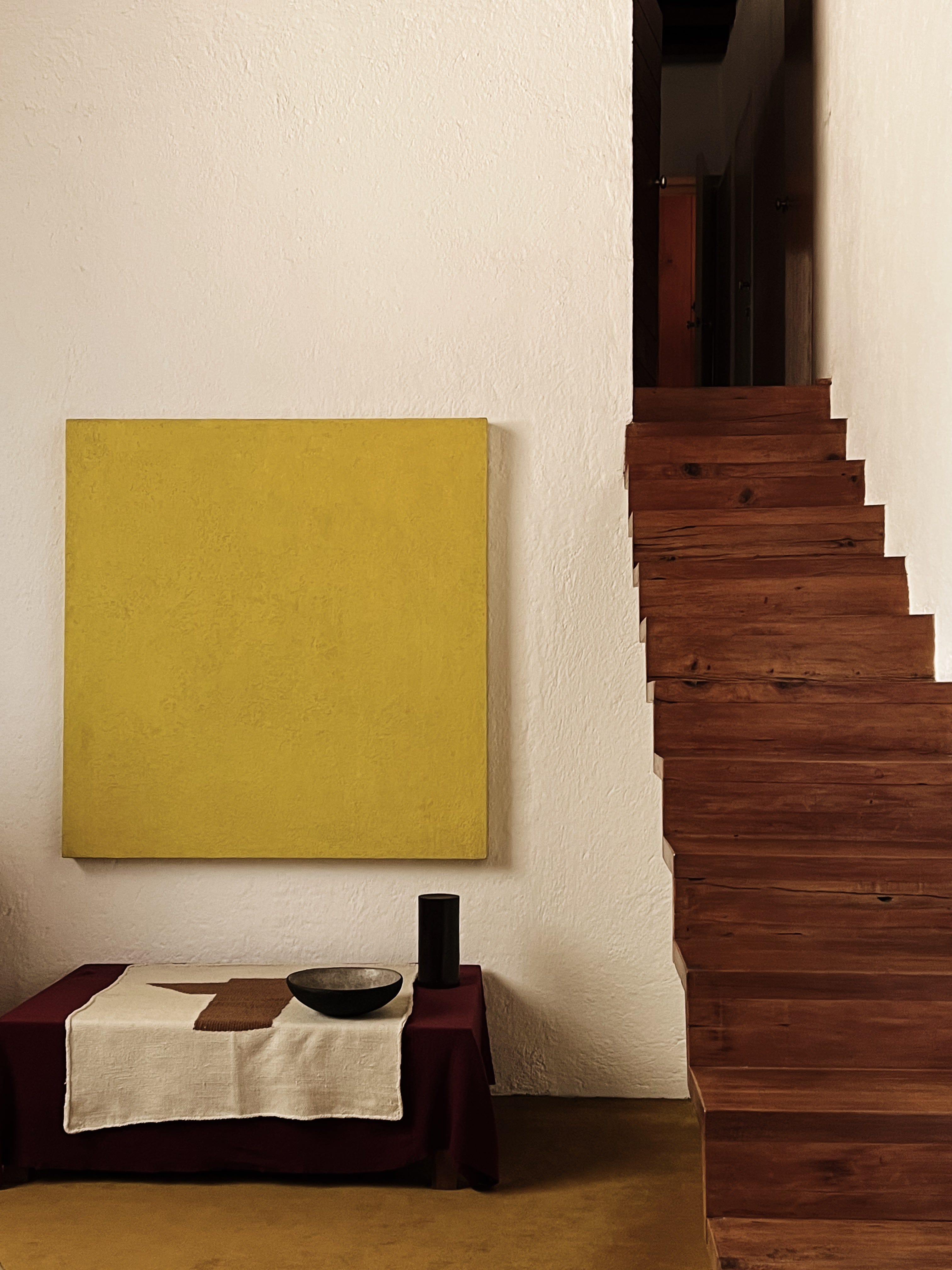
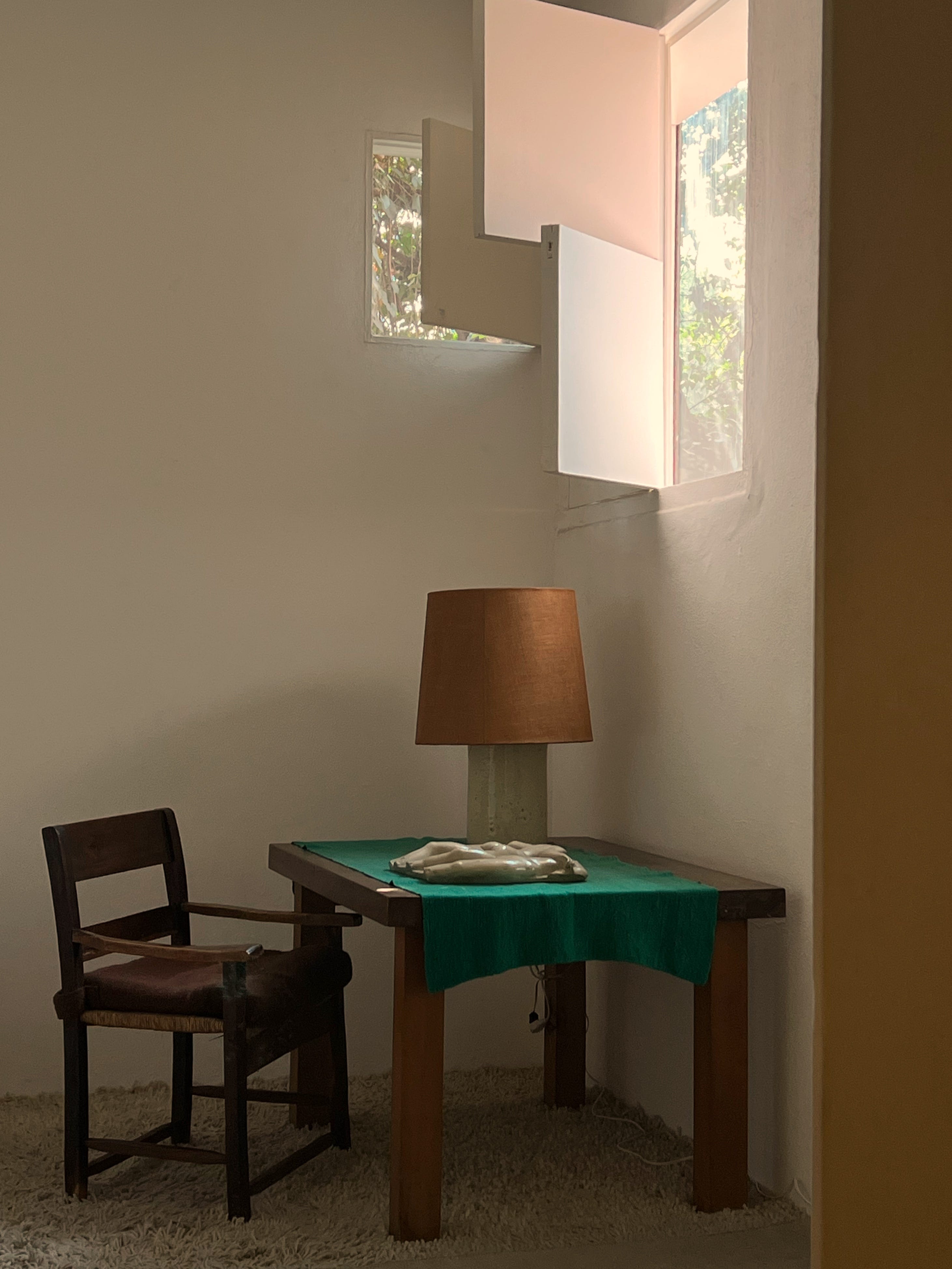
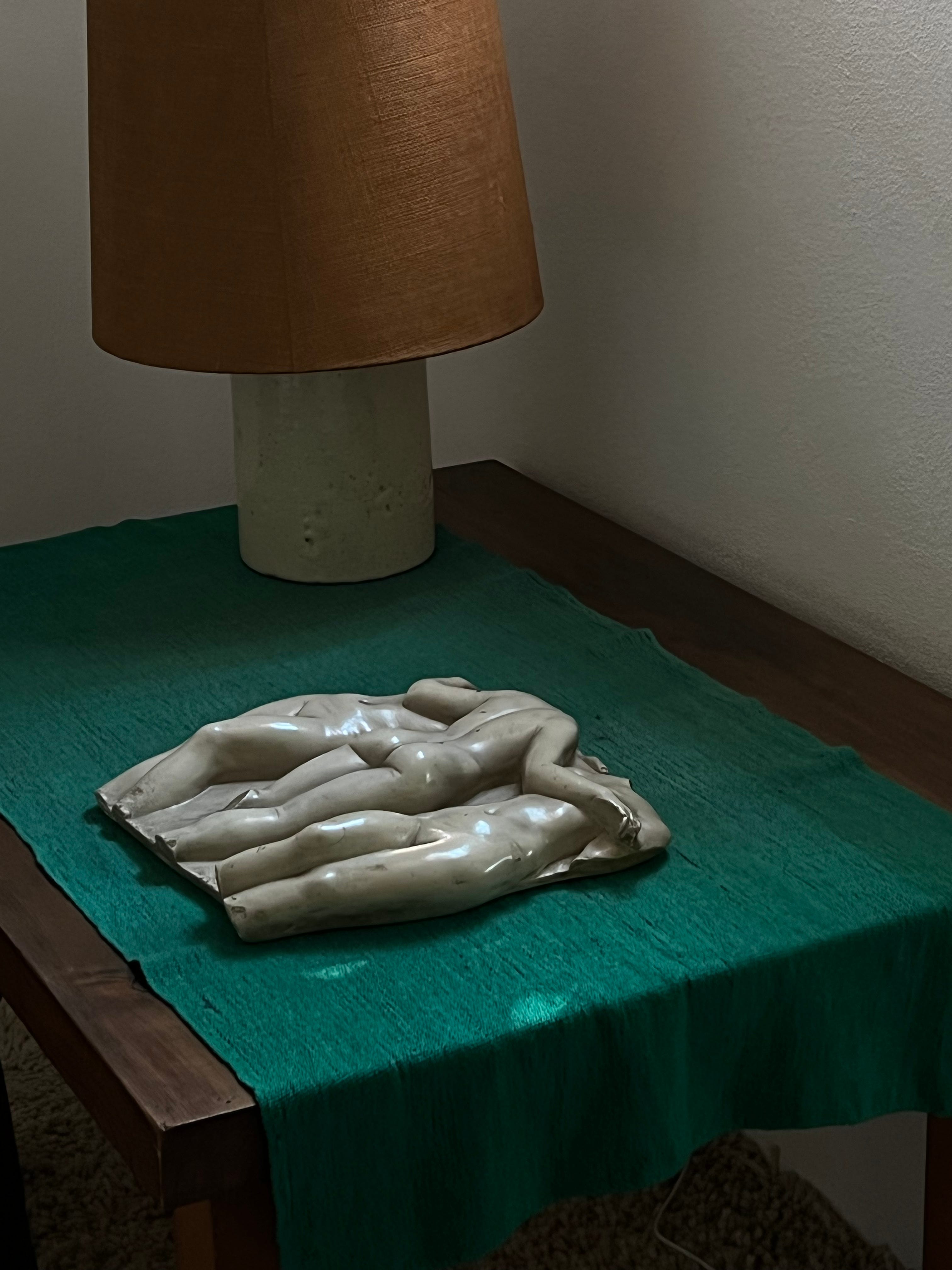
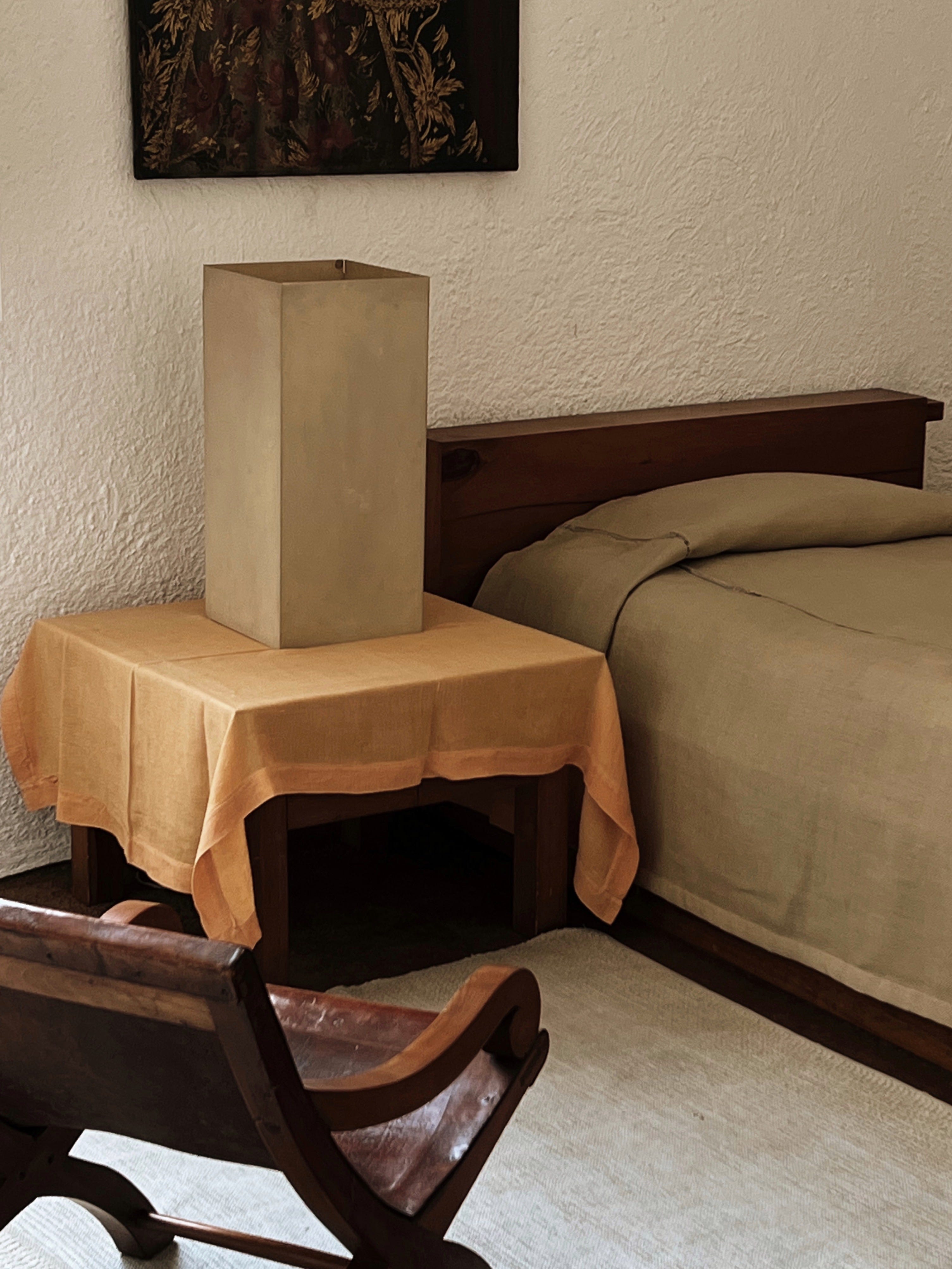
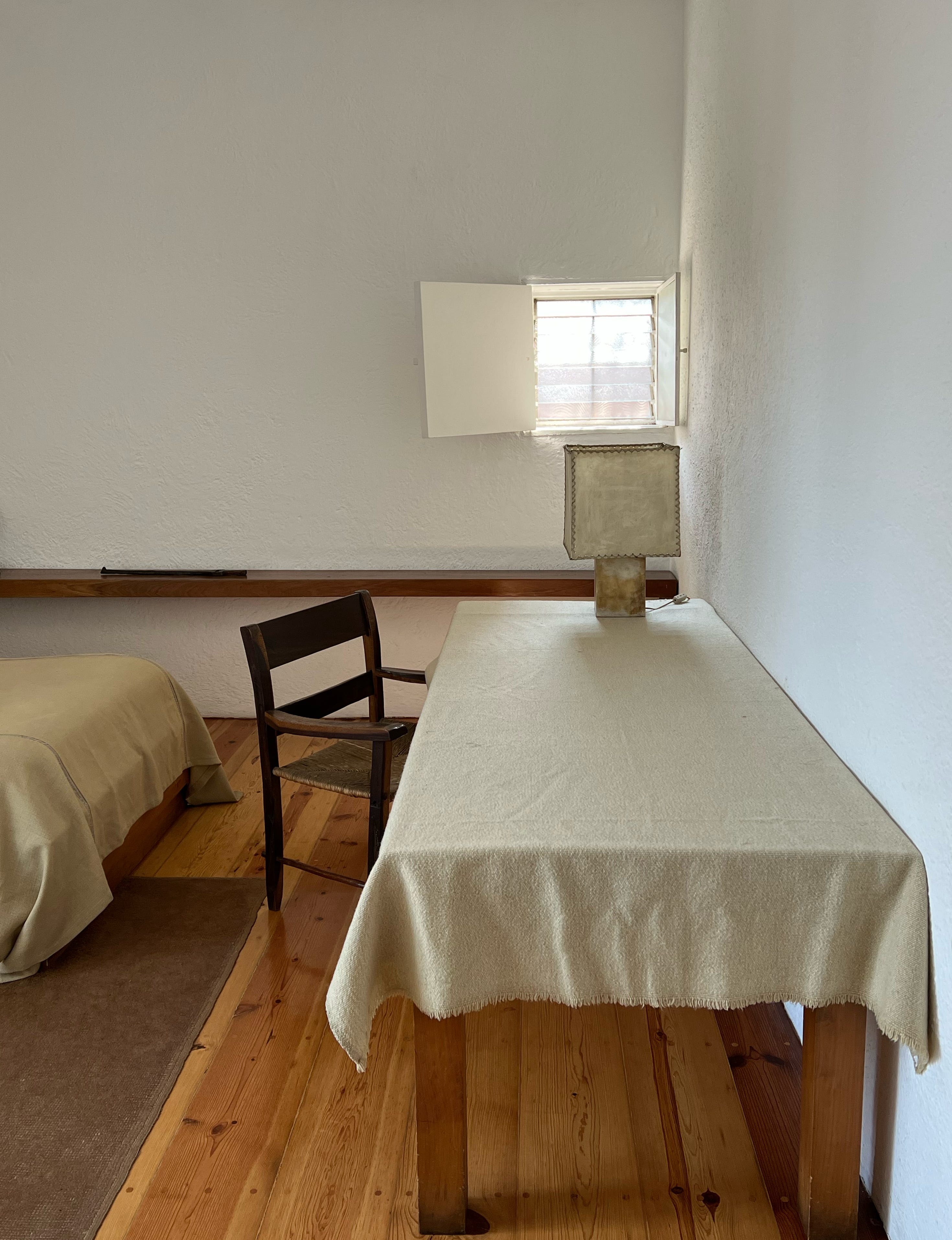
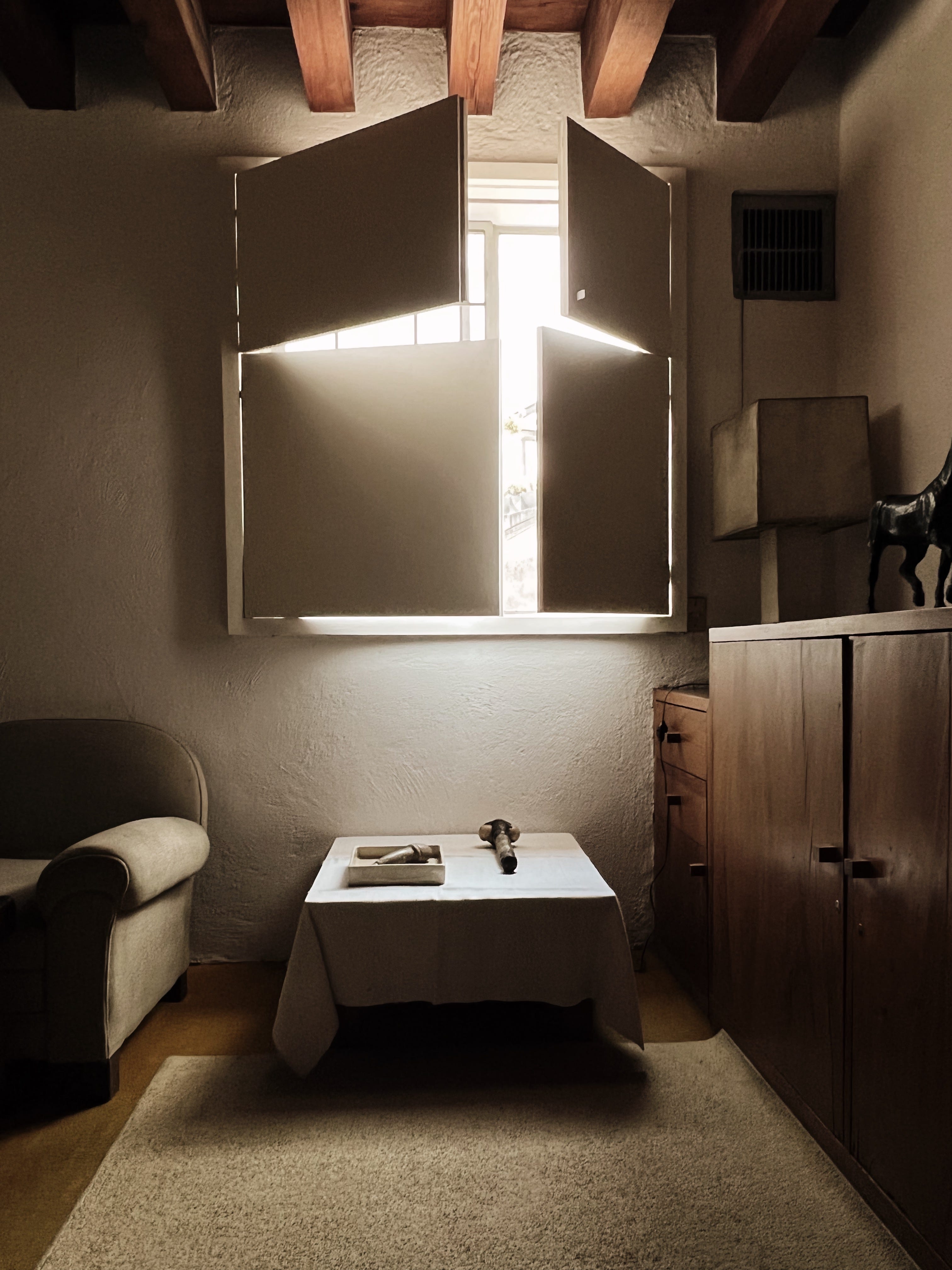
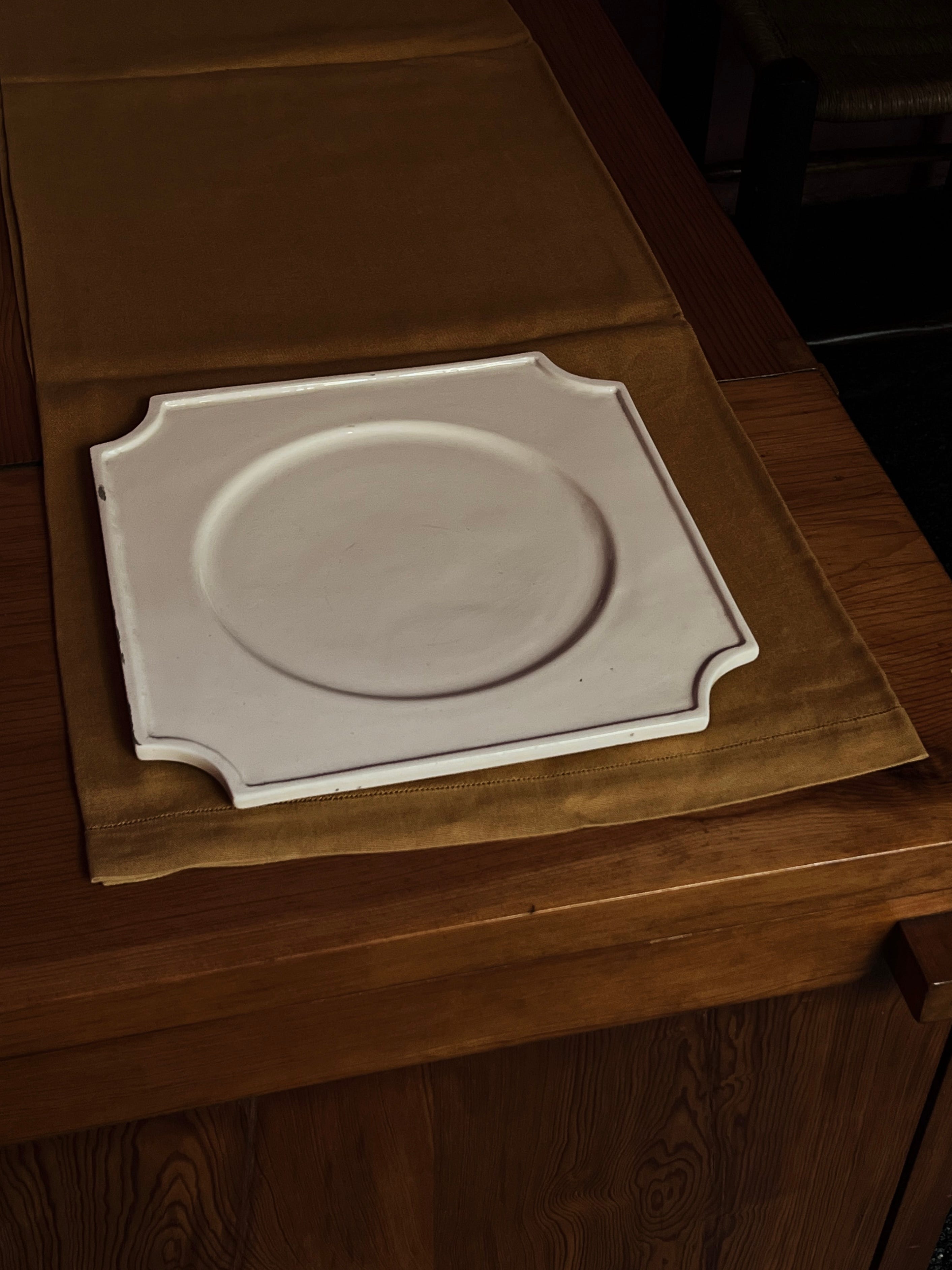
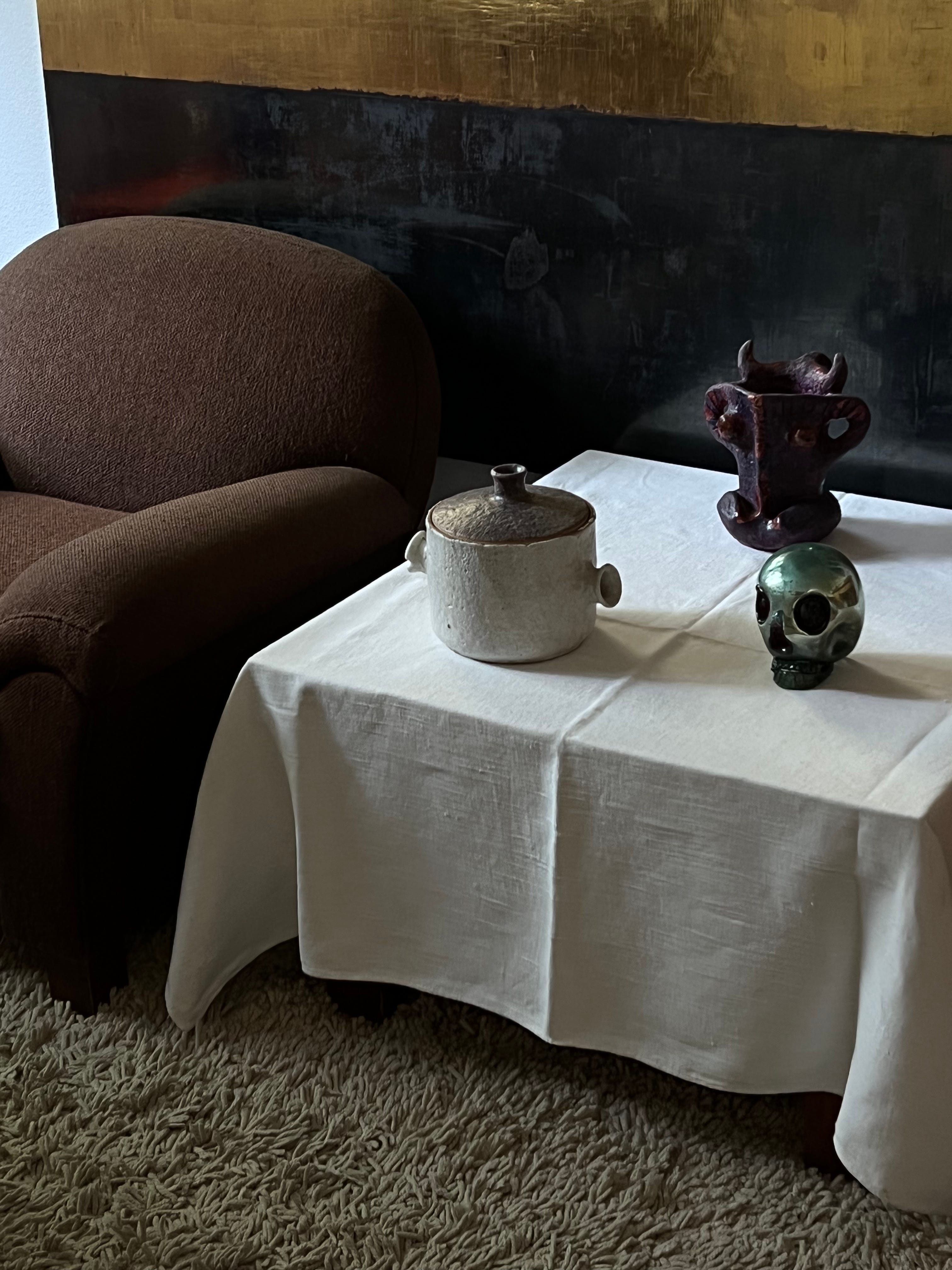
There’s a kind of reverence in leaving space around something. Luis Barragán understood this in the way he used textiles, not as cover, but as frame. A woven runner down the center of a bench. A single cloth laid like an offering across stone. His altars were spare, never over-dressed. The cloth was part of the language, not the whole story.
In a world that tends to favor more—more layers, more polish, more fullness—there’s something quietly powerful about stopping short. Letting the table be visible. Letting the cloth do just enough.
I think we’re taught to believe that the goal is fullness. That coverage equals completion. But I’ve always been more interested in what happens when you let the structure show. A tablecloth that doesn’t quite reach feels intentional, not improvised. It says: I know where to stop.
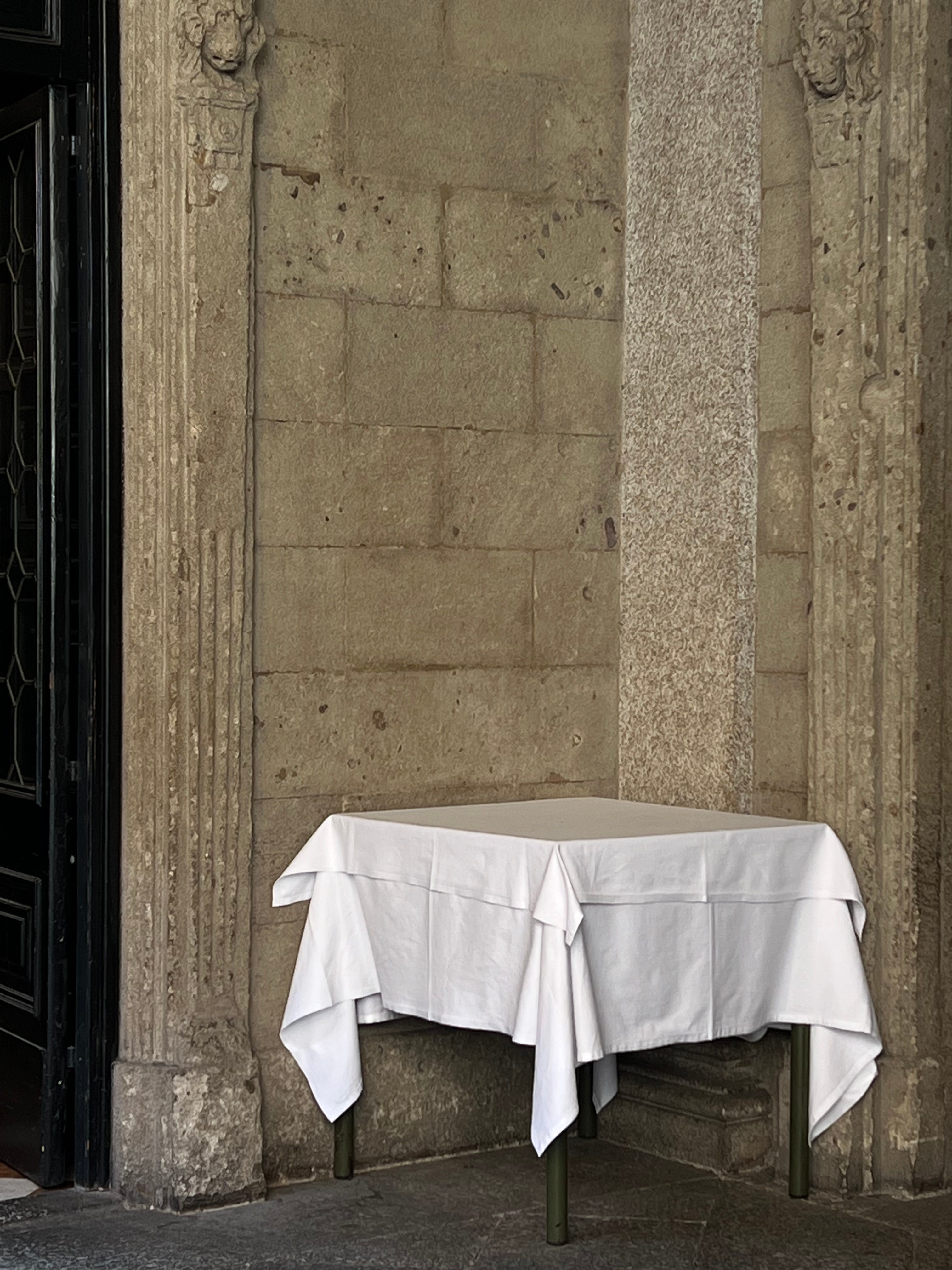
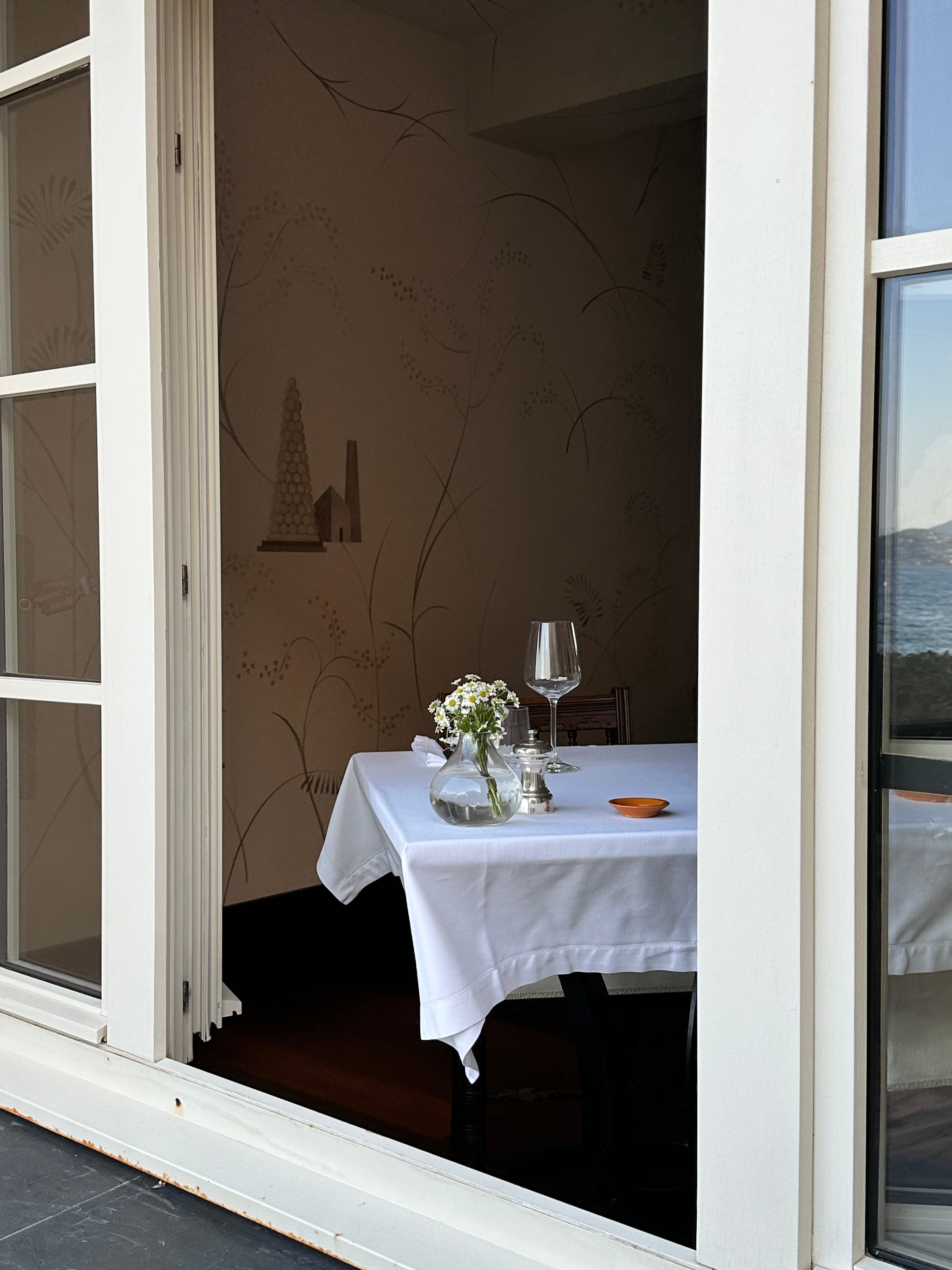
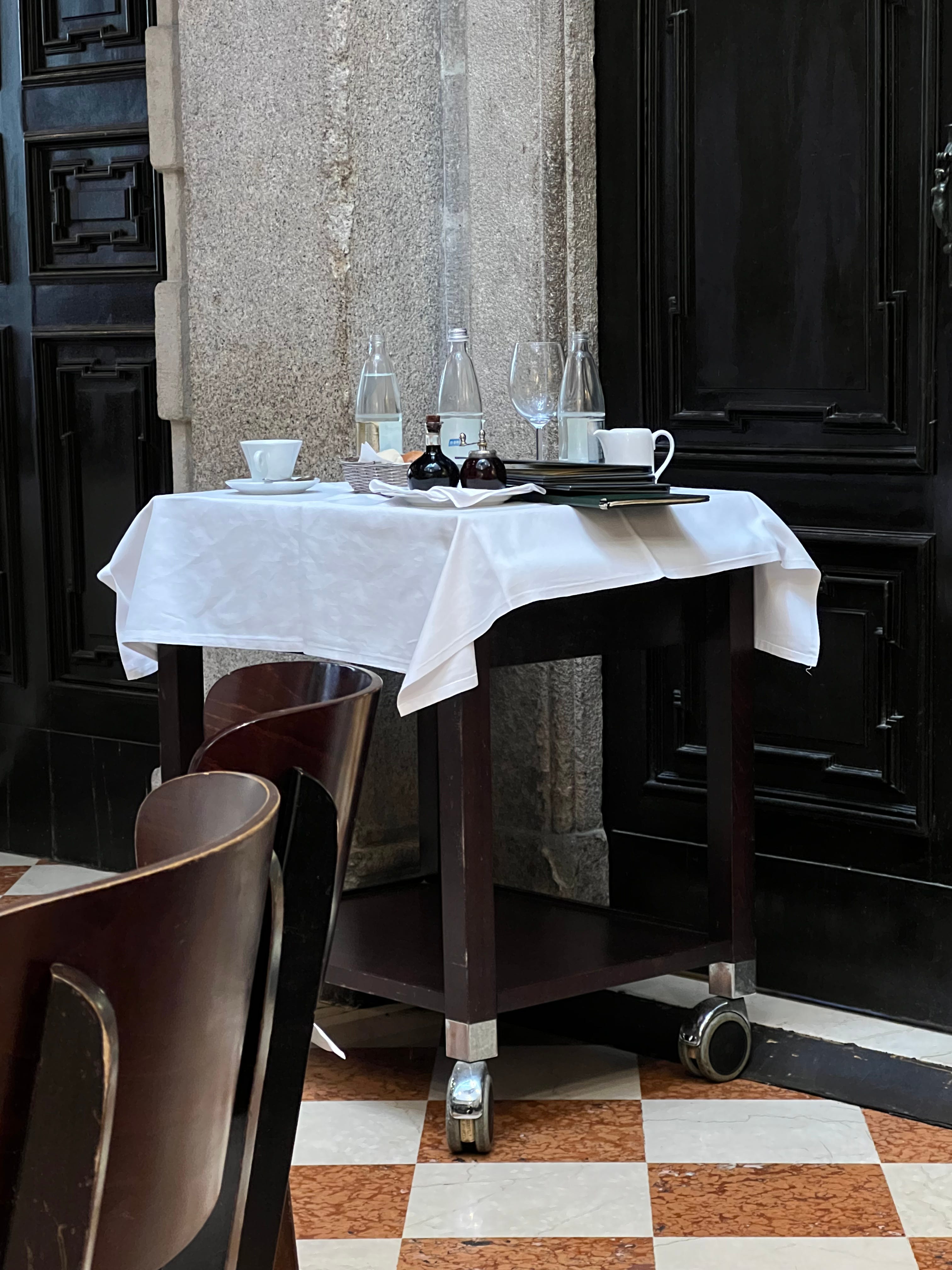
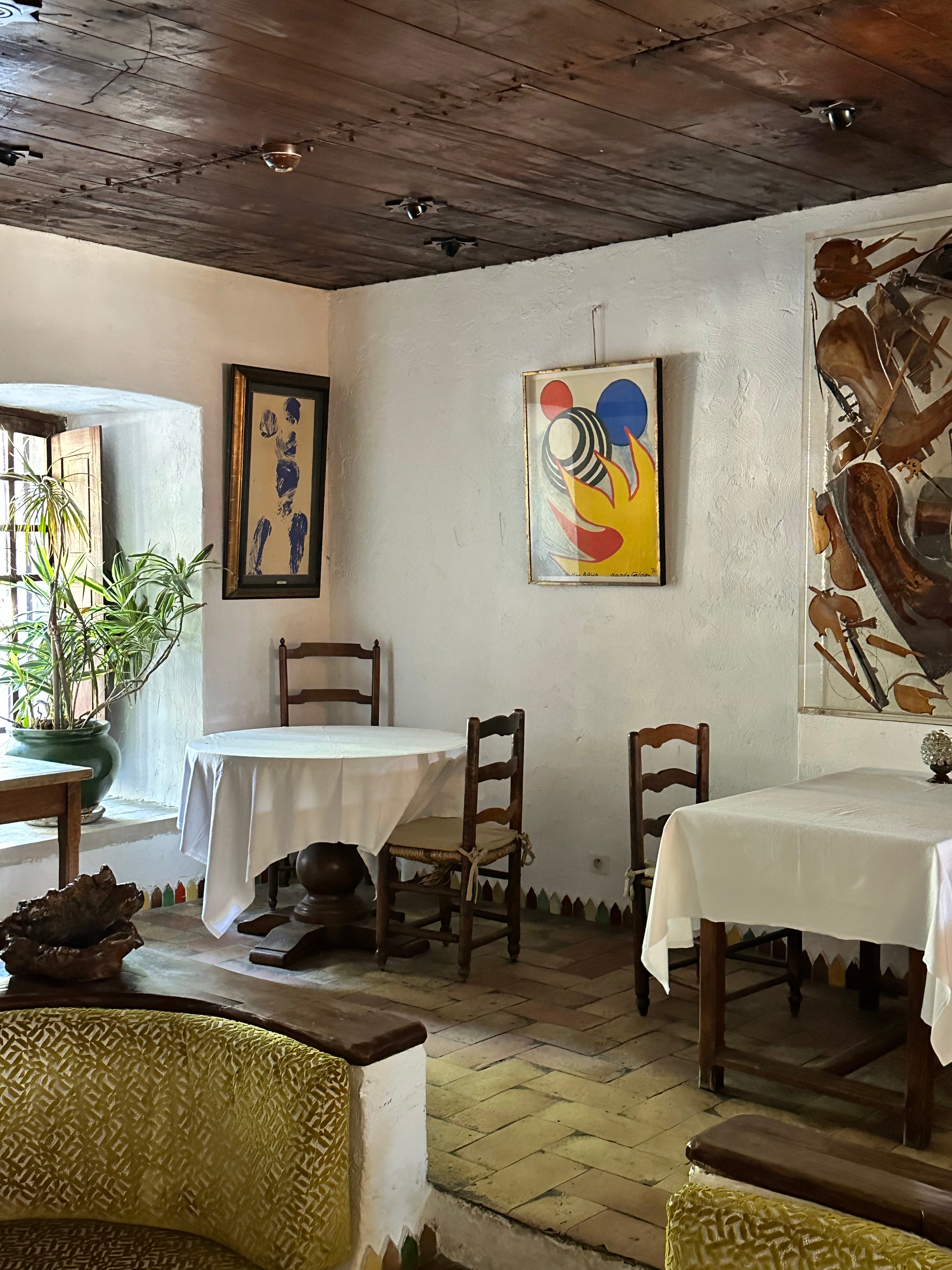
It also changes the way we gather. A short cloth invites a different rhythm. It’s less theatrical, more grounded. The corners don’t pool at your feet. The chairs tuck in without interruption. There’s room for movement, for knees and elbows and the real ways we sit.
I used to worry a tablecloth had to fit a certain way. That it needed symmetry, drape, the right drop on all four sides. But I’ve come to prefer the asymmetry, the moments when one edge lifts slightly or reveals a stretch of wood underneath. Those small gaps feel alive to me. Like the room is in conversation with itself.
It’s also a way of respecting the table. I love when the grain peeks through, when the material underneath becomes part of the arrangement. When you let the structure participate rather than hiding it away.
To me, the short tablecloth feels like clarity. Like the outfit that’s perfectly edited. The haircut with just enough length. It doesn’t need to fill the space to hold its place. It knows what it’s doing.
And when the rest of the table is layered with glass, with linen, with candlelight and conversation, the shorter cloth holds its own. Not because it’s loud, but because it’s sure.
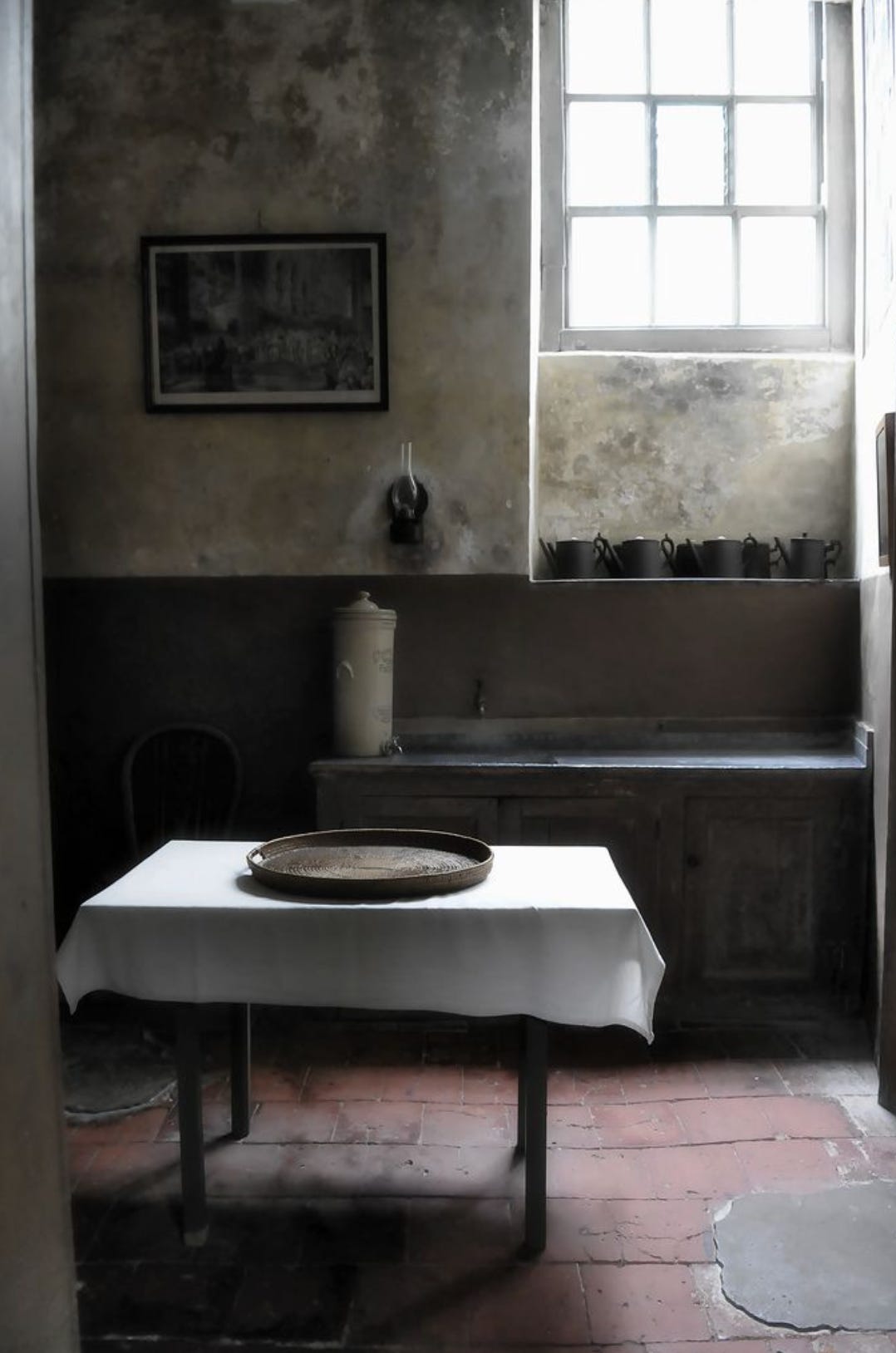
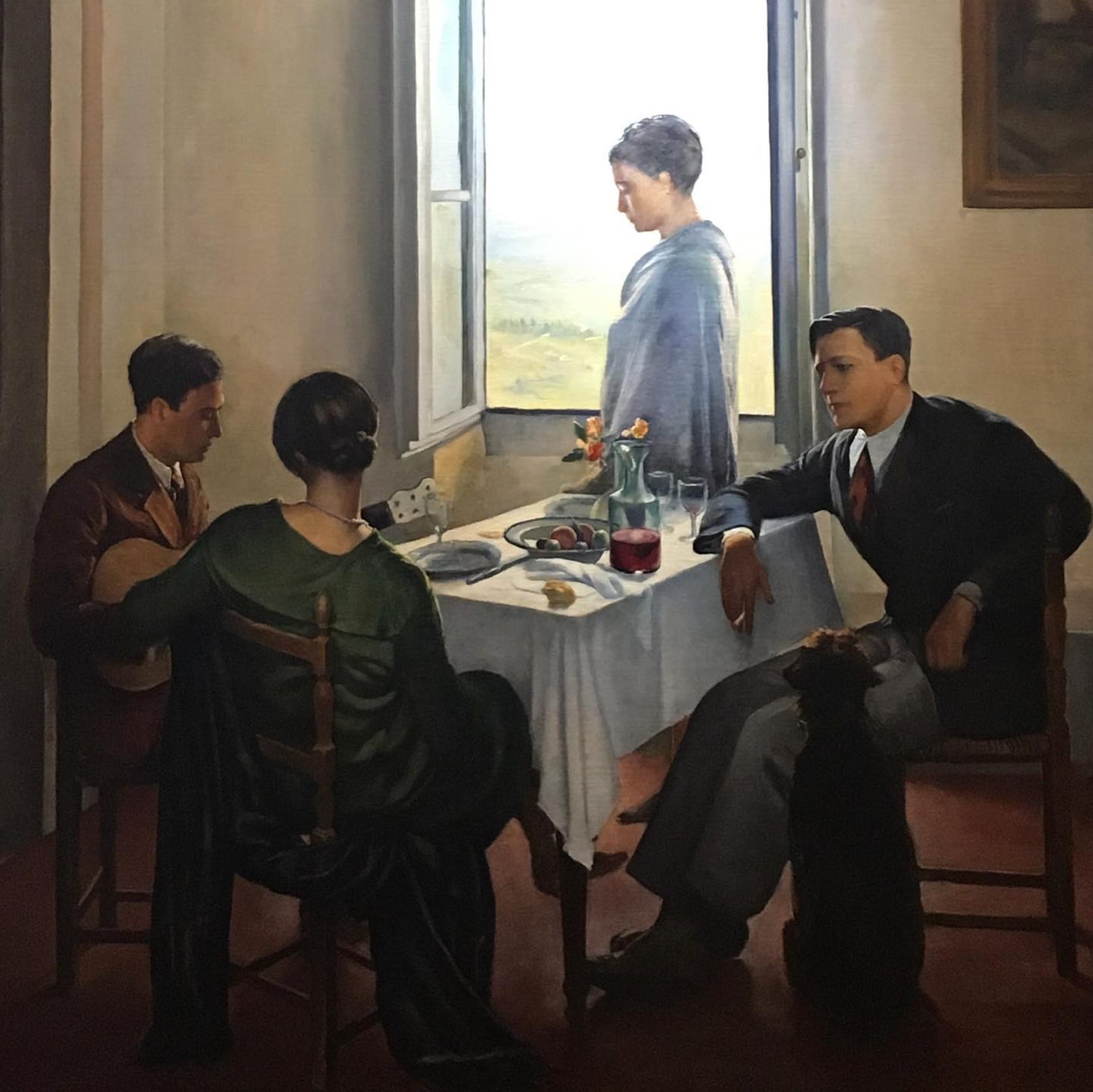
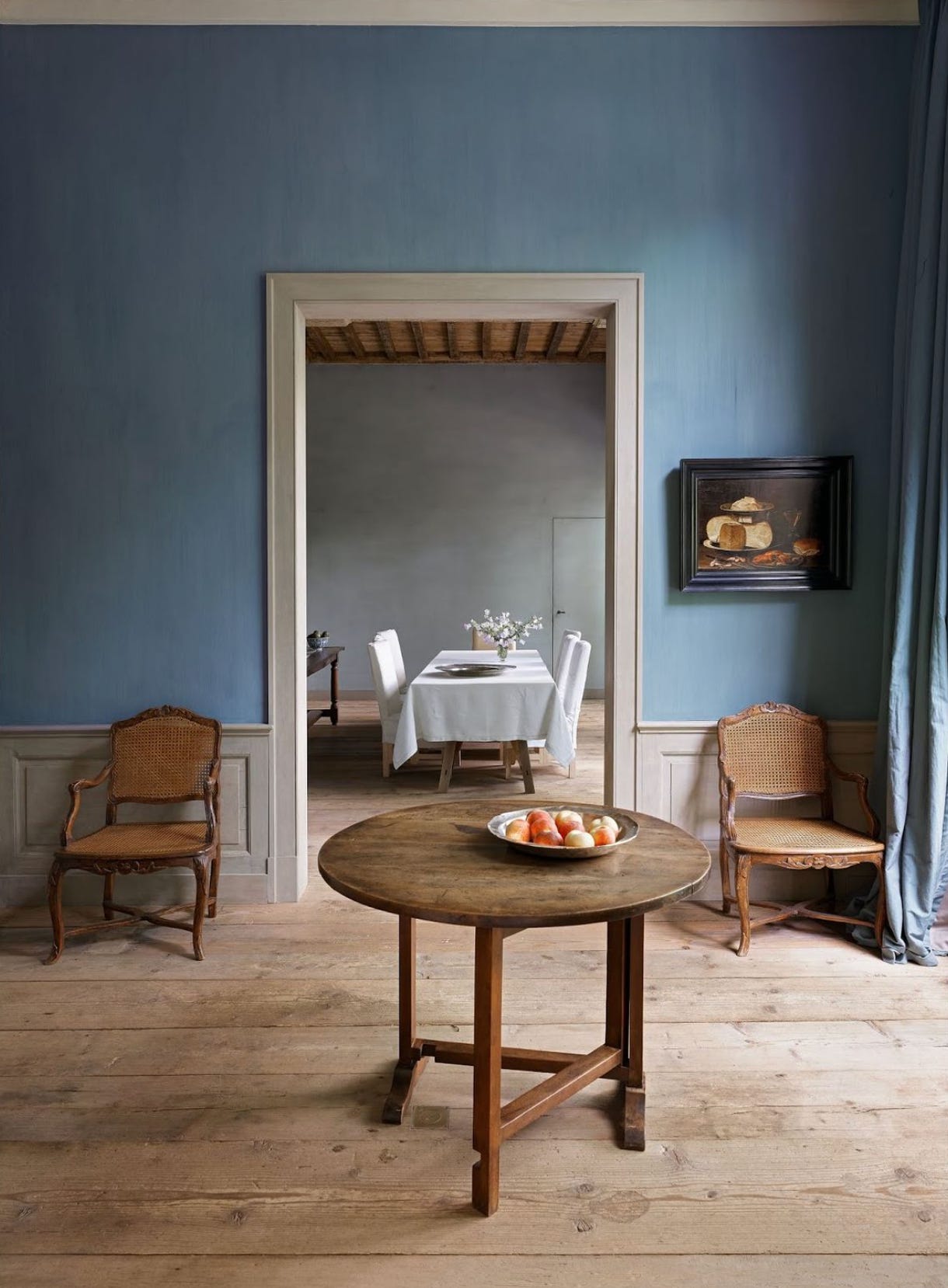
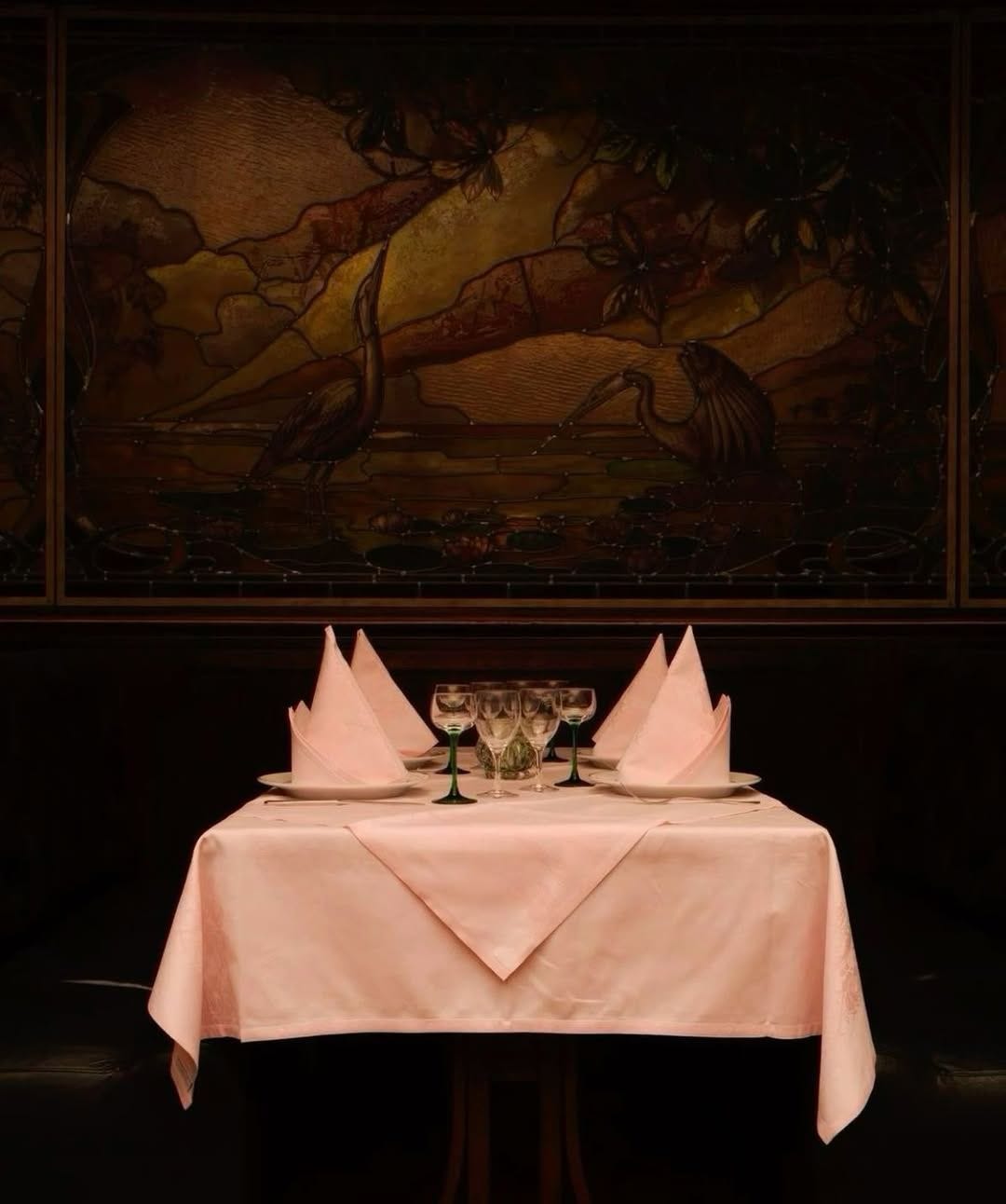
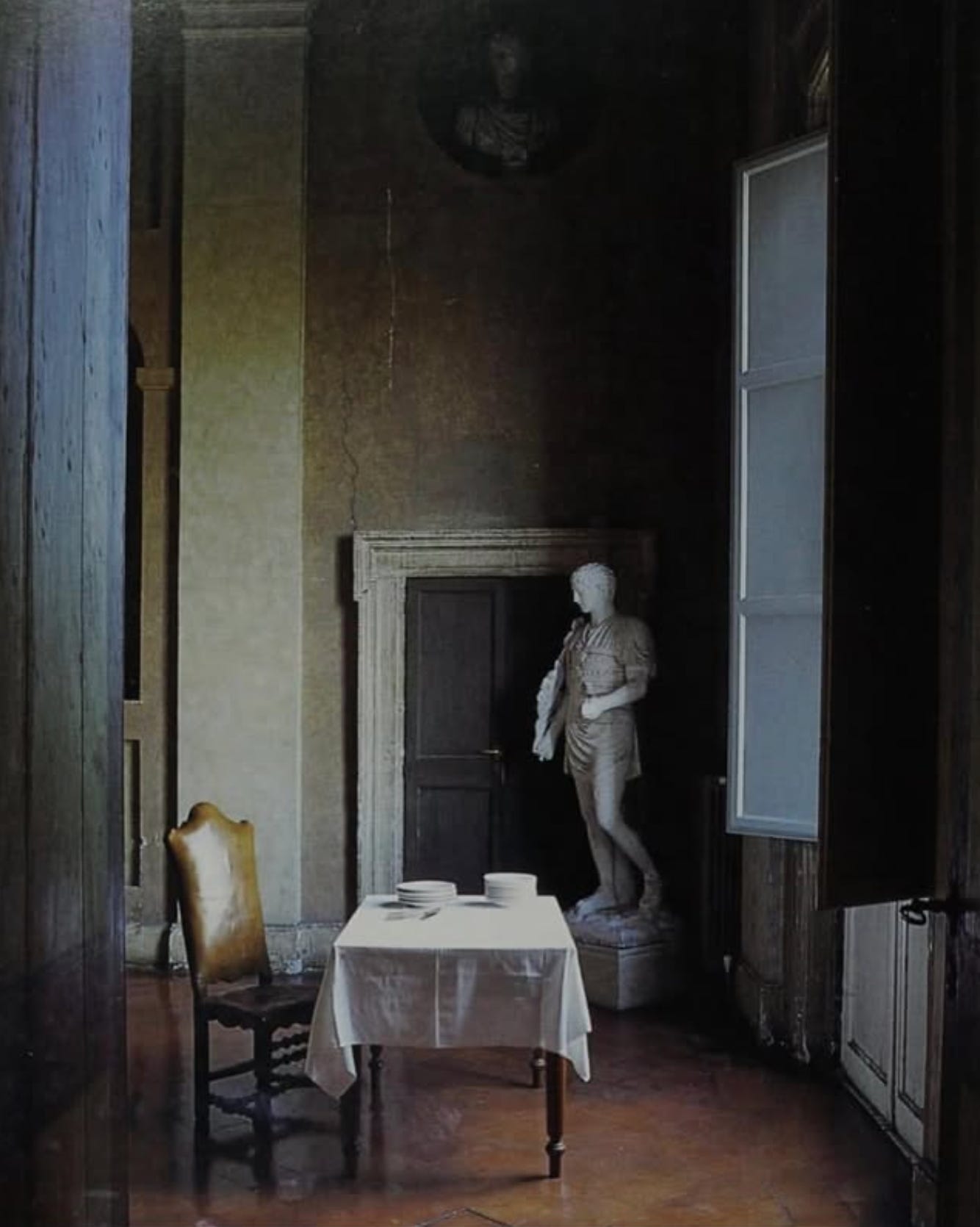
So here’s to the hem that lands a little higher. The table that shows its ankles. The cloth that frames instead of conceals.
Not everything has to reach. Some things are more beautiful when they stop just short.
Love,
Colin

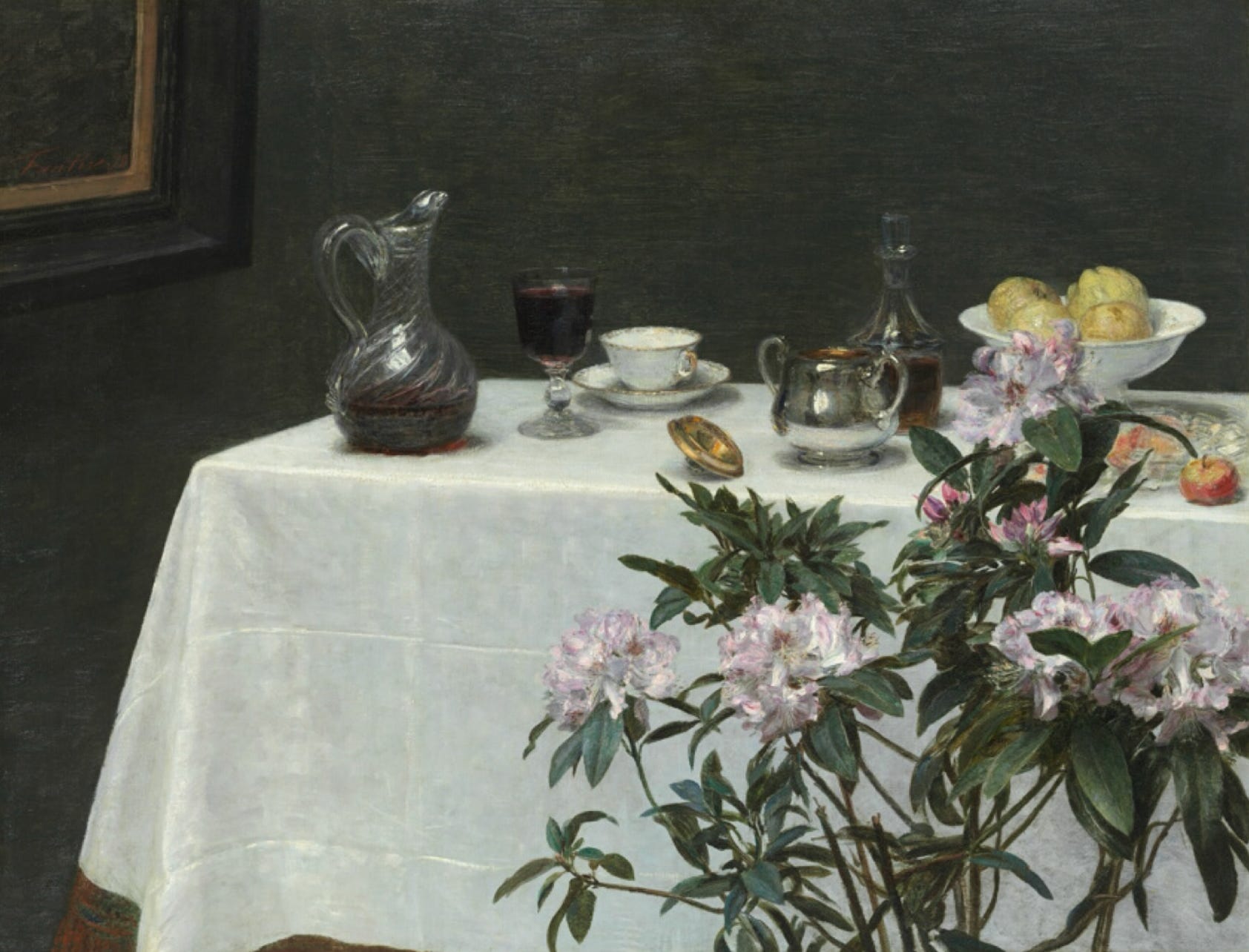
I fell into each mesmerizing (perfect) photo.
I constantly learn so much from your newsletters for my own home, so thank you!