

Most Things Don't Want to Be Centered
On why alignment can feel strangely lonely.

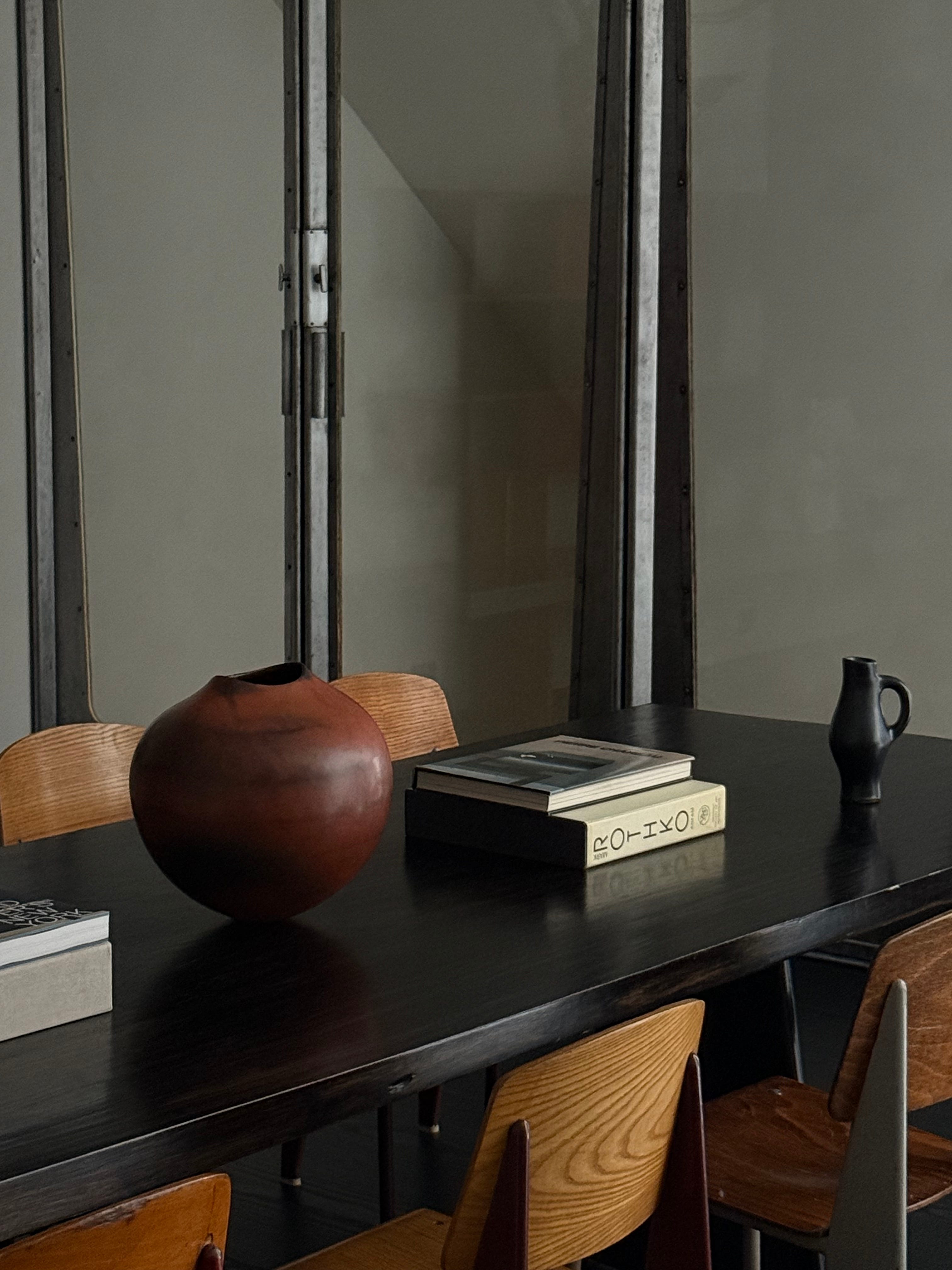
We’re taught to center things.
The table. The art. The rug. The moment. Centering is the polite thing to do. It signals care. Resolution. A kind of visual good manners. It says, I have made a decision and you can relax now.
And I do love something centered. I really do.
Just almost never perfectly.
What I respond to most is the thing that’s centered and then quietly wrong. A little too low. Slightly too high. Off by just enough that you feel it before you see it. That small misalignment is often where the life sneaks in.
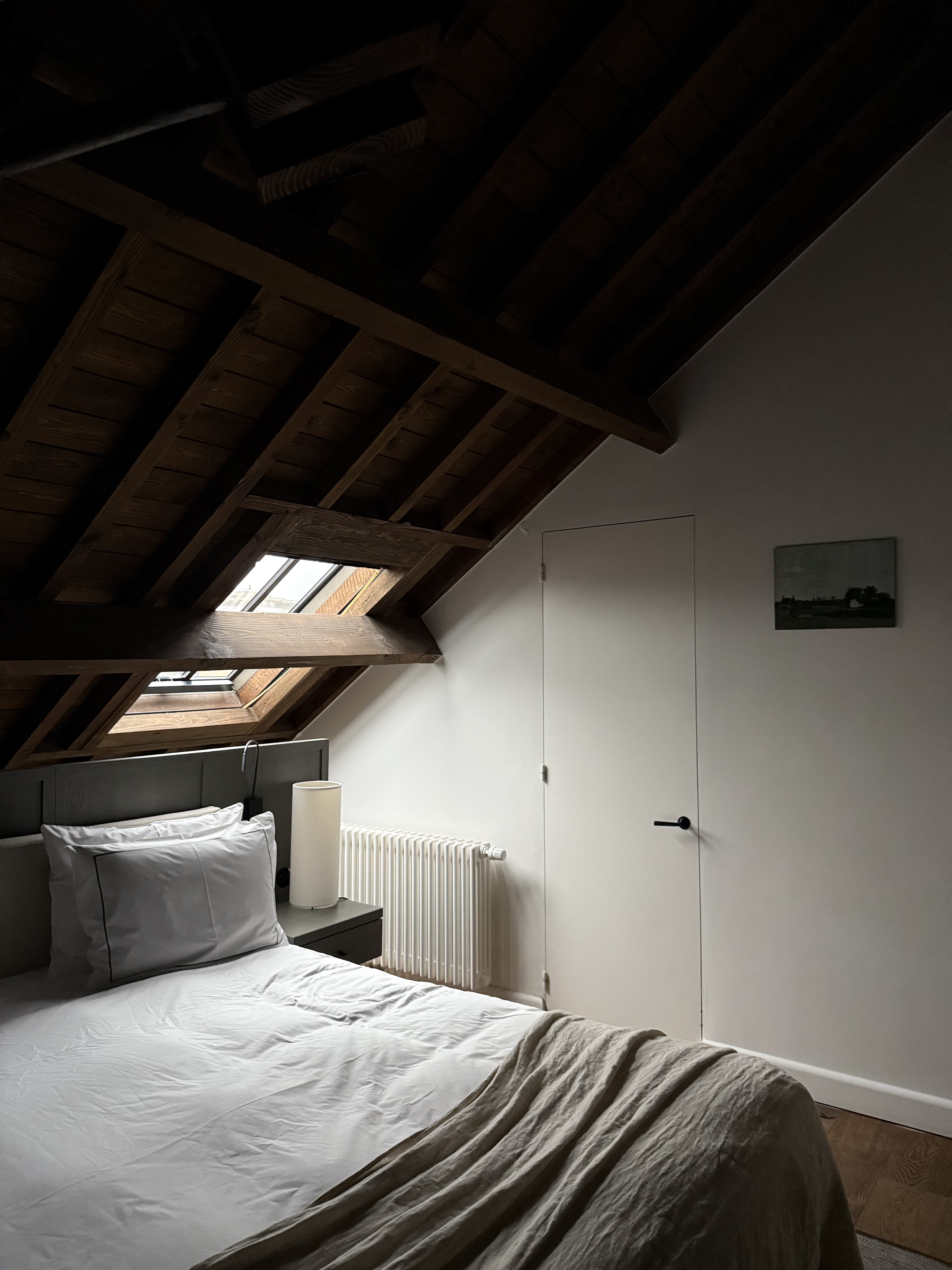
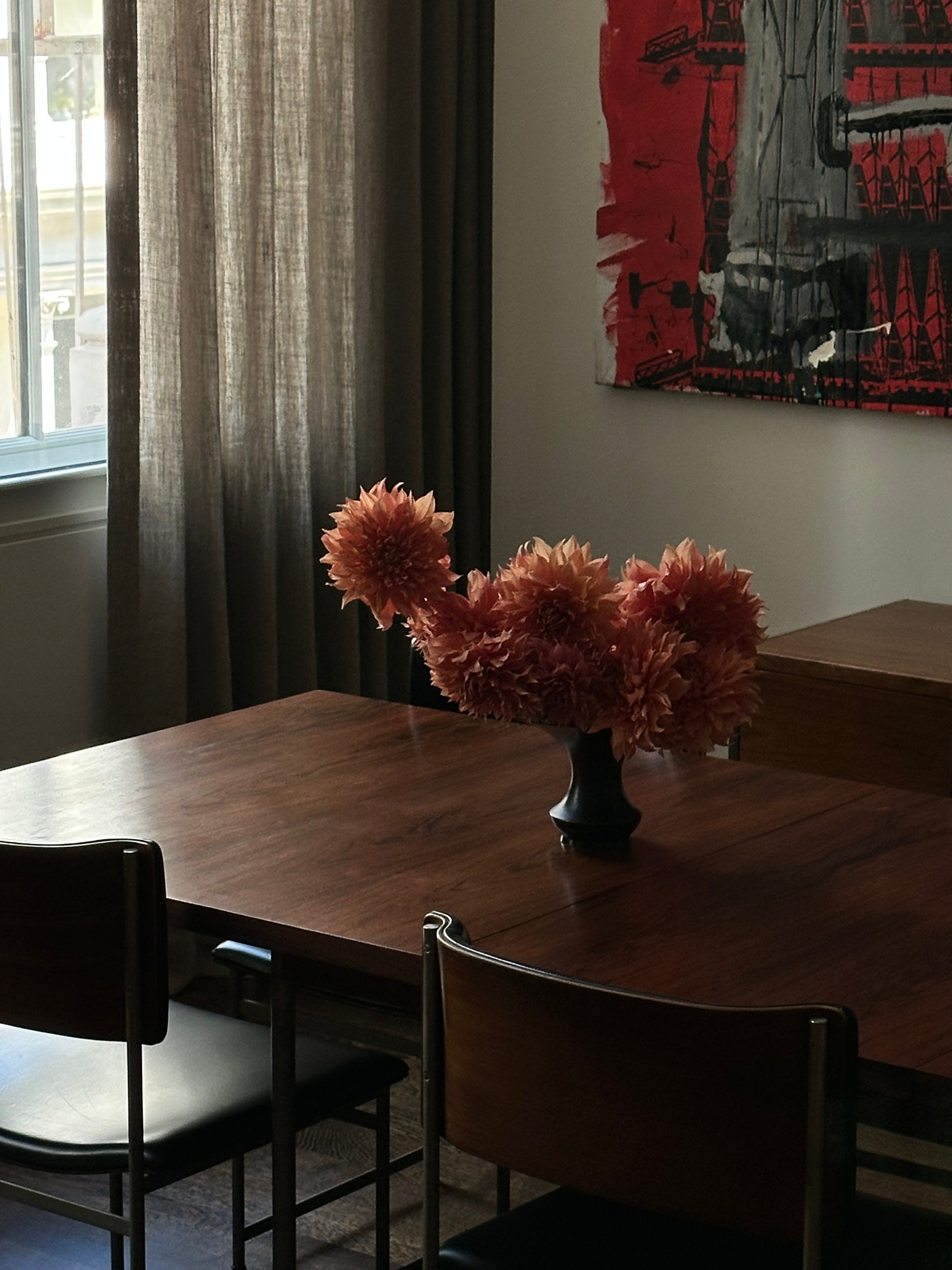
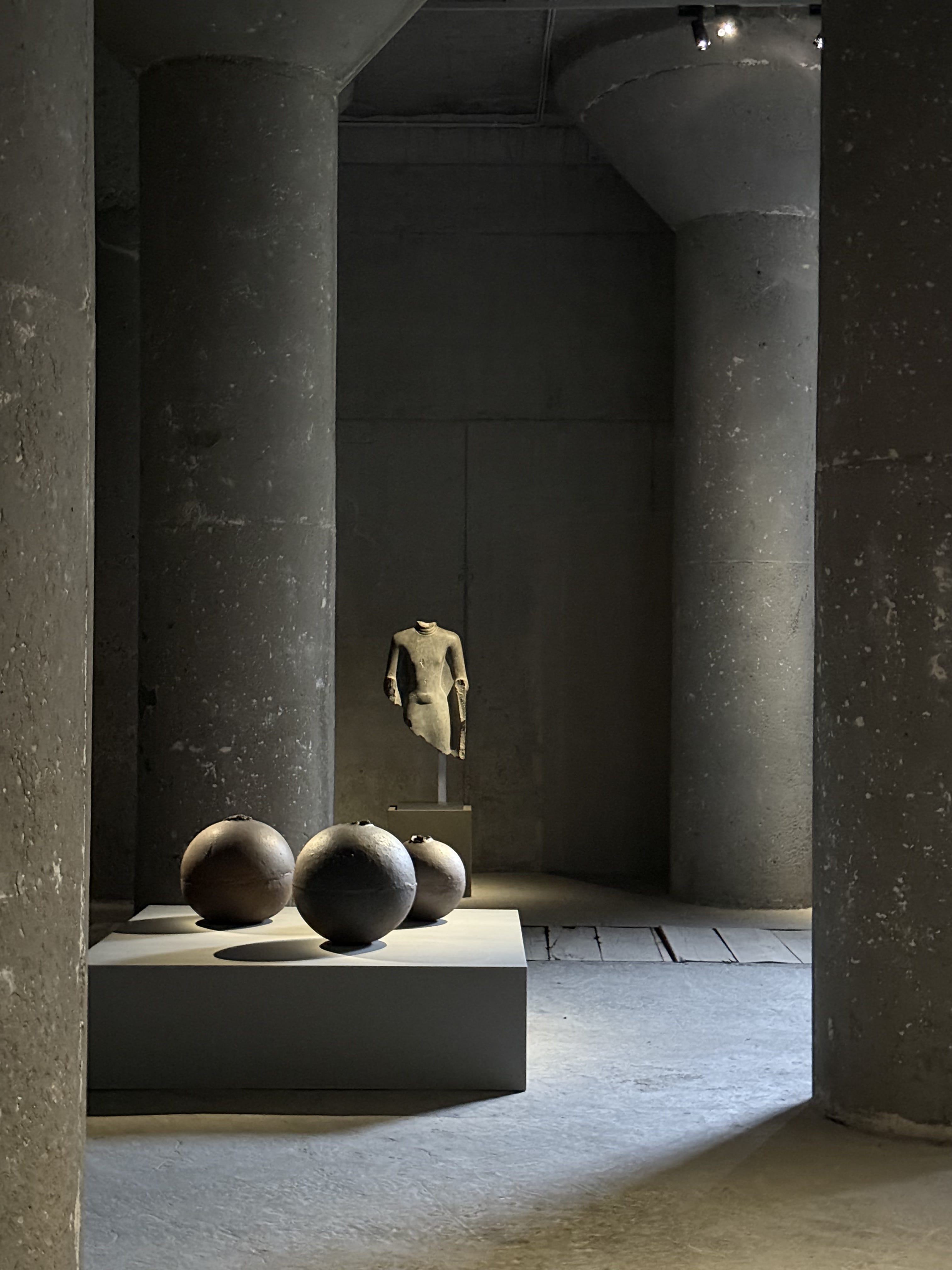
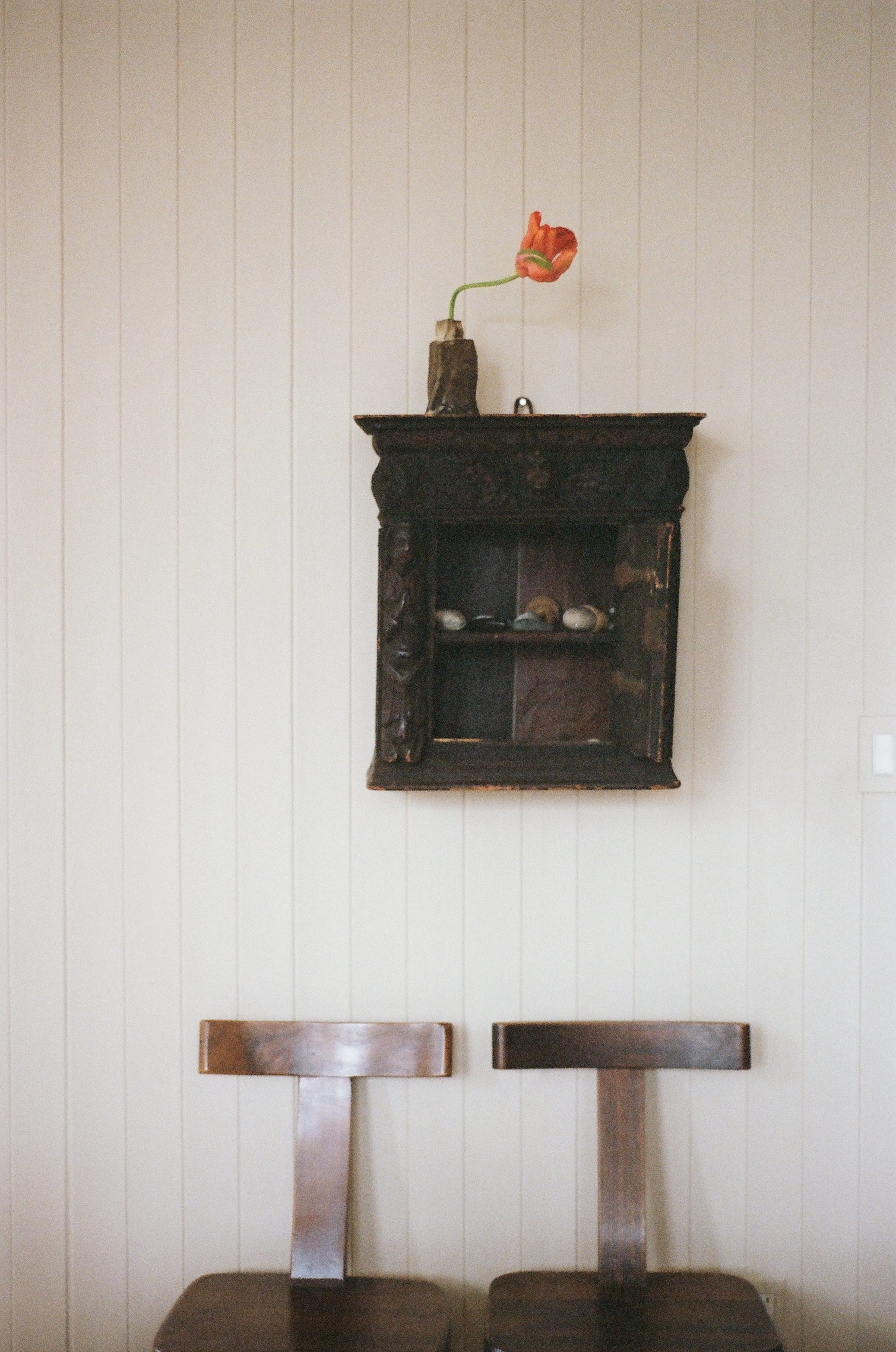
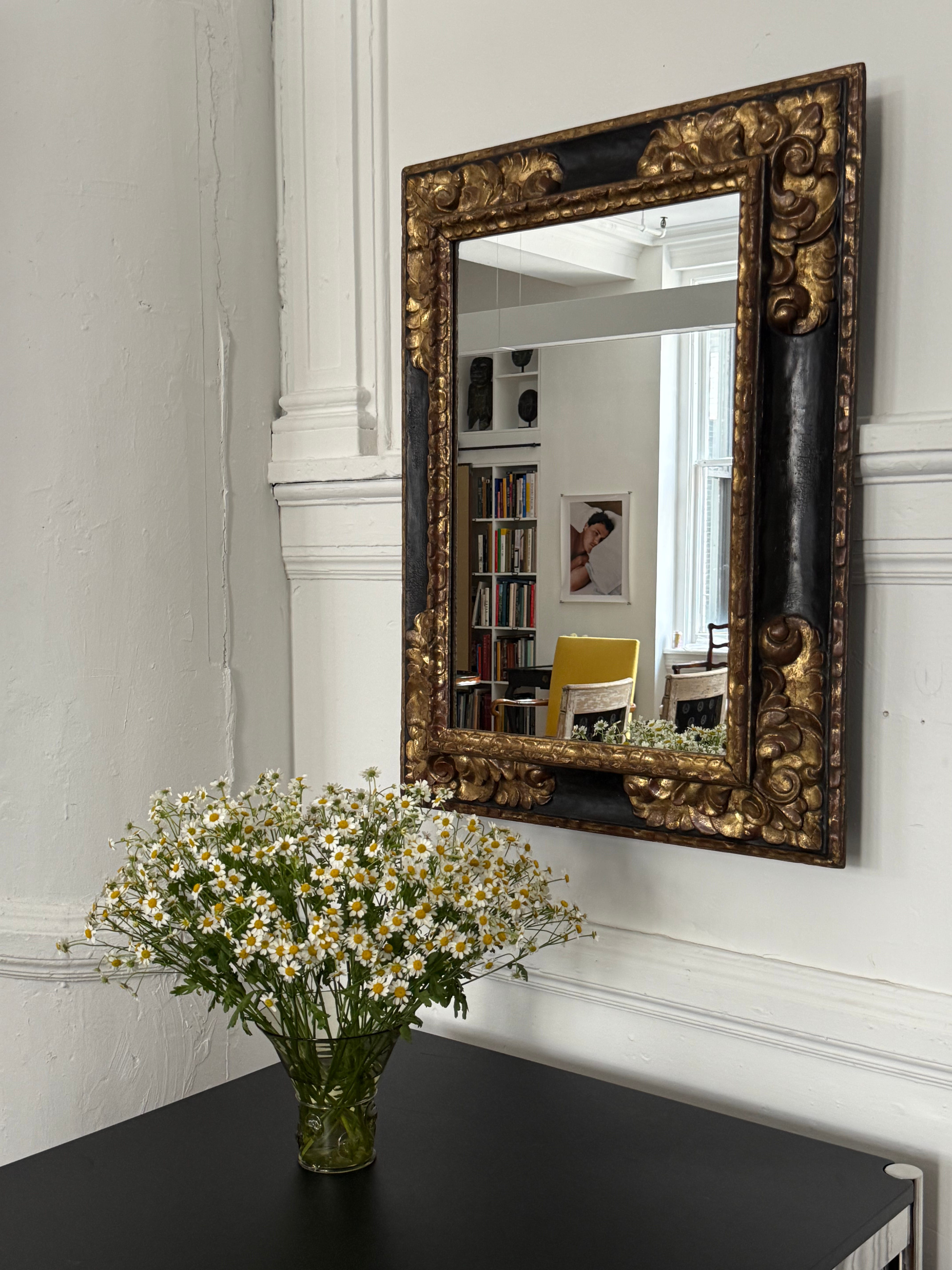
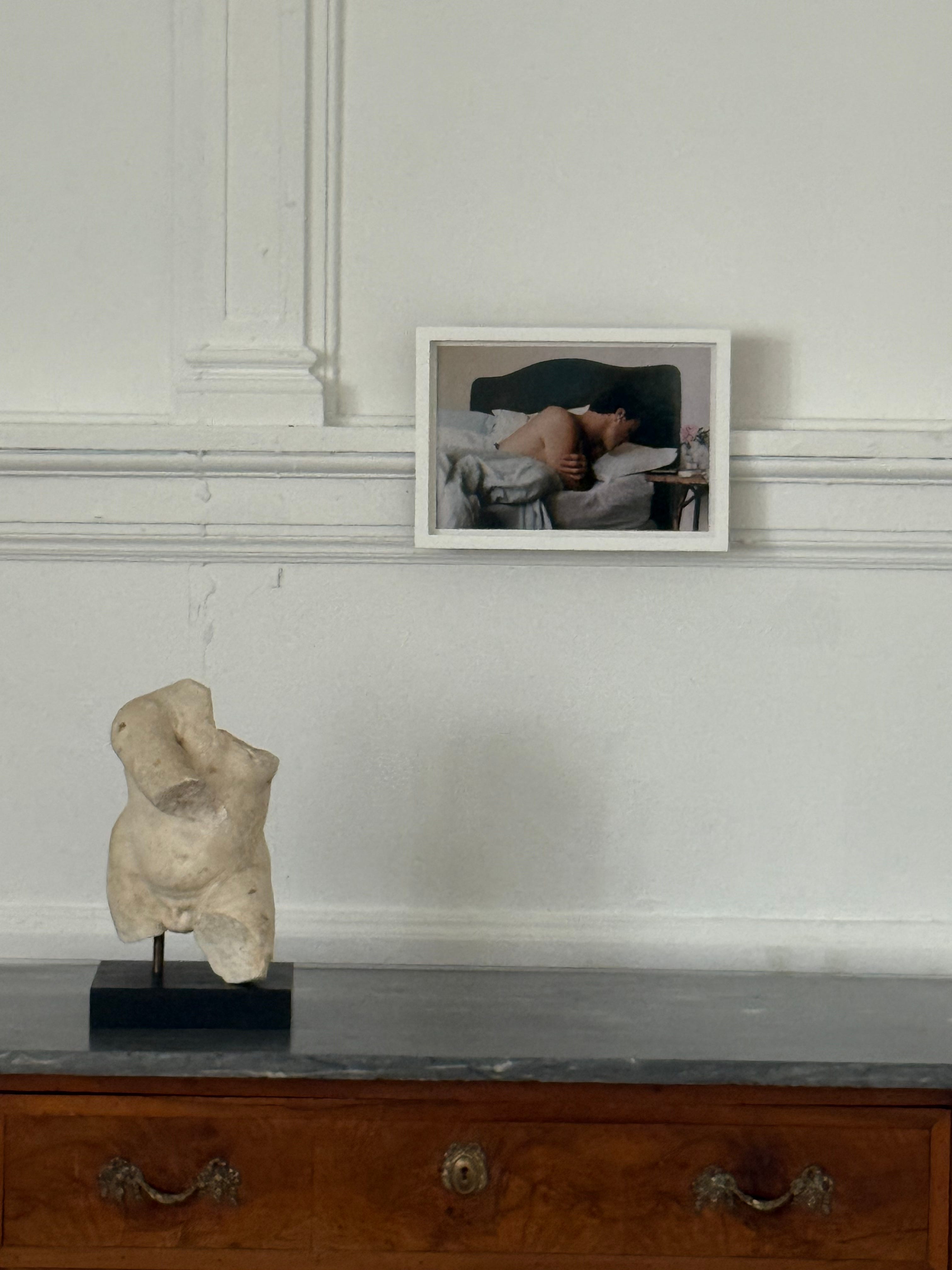
Perfect centering can feel stiff. Like the object knows it’s being looked at.
A slightly miscentered thing relaxes. It settles into the room instead of presenting itself to it.
I used to center everything precisely, as if alignment were a form of correctness. If something felt off, my instinct was always to pull it back to the middle and hope that solved it. Sometimes it did. Often it didn’t. The room would look right, but feel oddly tense, like it was holding its breath.
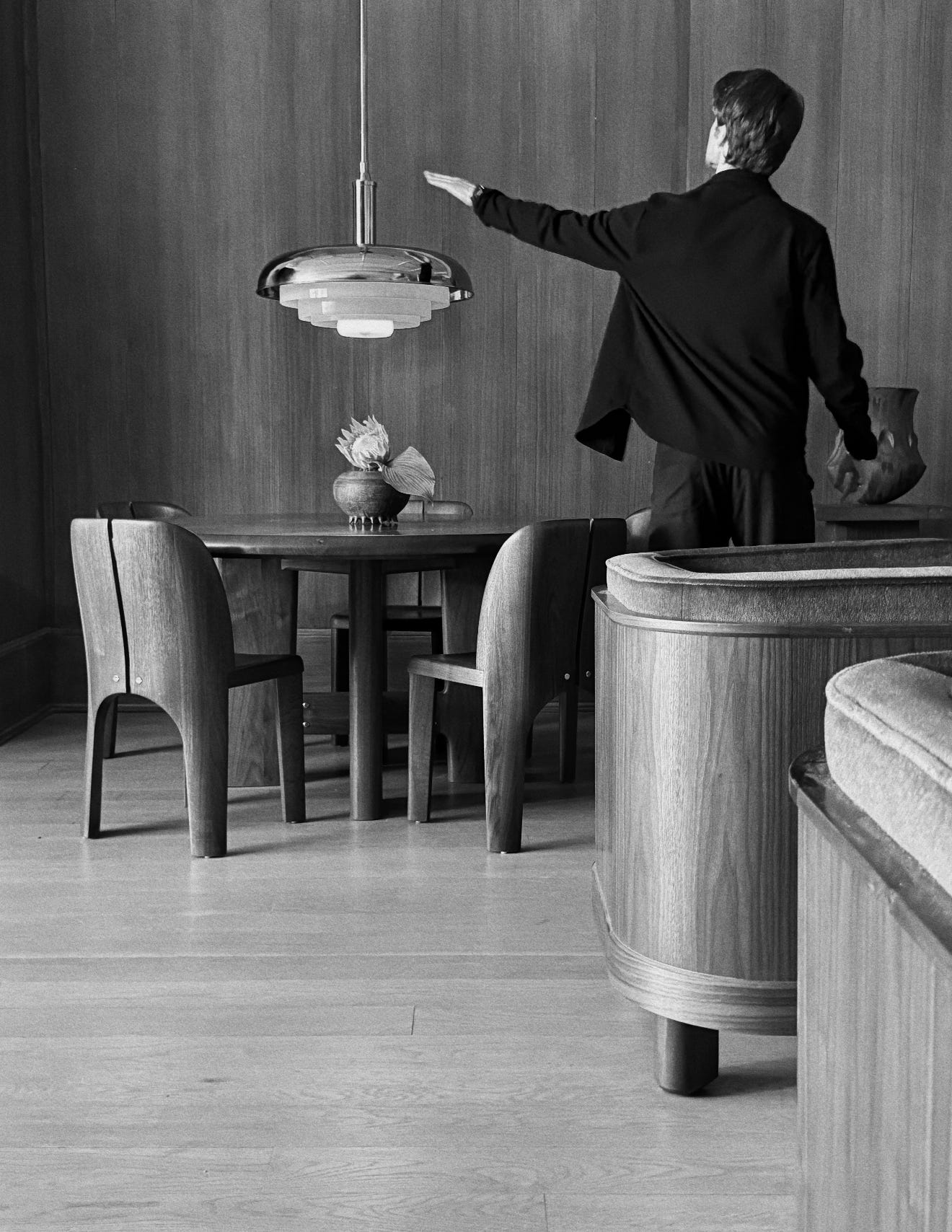
Over time, I started noticing that the rooms I loved most weren’t symmetrical. They were balanced, but not obedient. Things leaned. Objects hovered just outside expectation. A painting was centered, but a touch too low. A table sat exactly where it should, but the chair next to it drifted.
Some objects want the center.
They just don’t want the spotlight.
A bowl that listens to the room instead of commanding it.
A chair that waits.
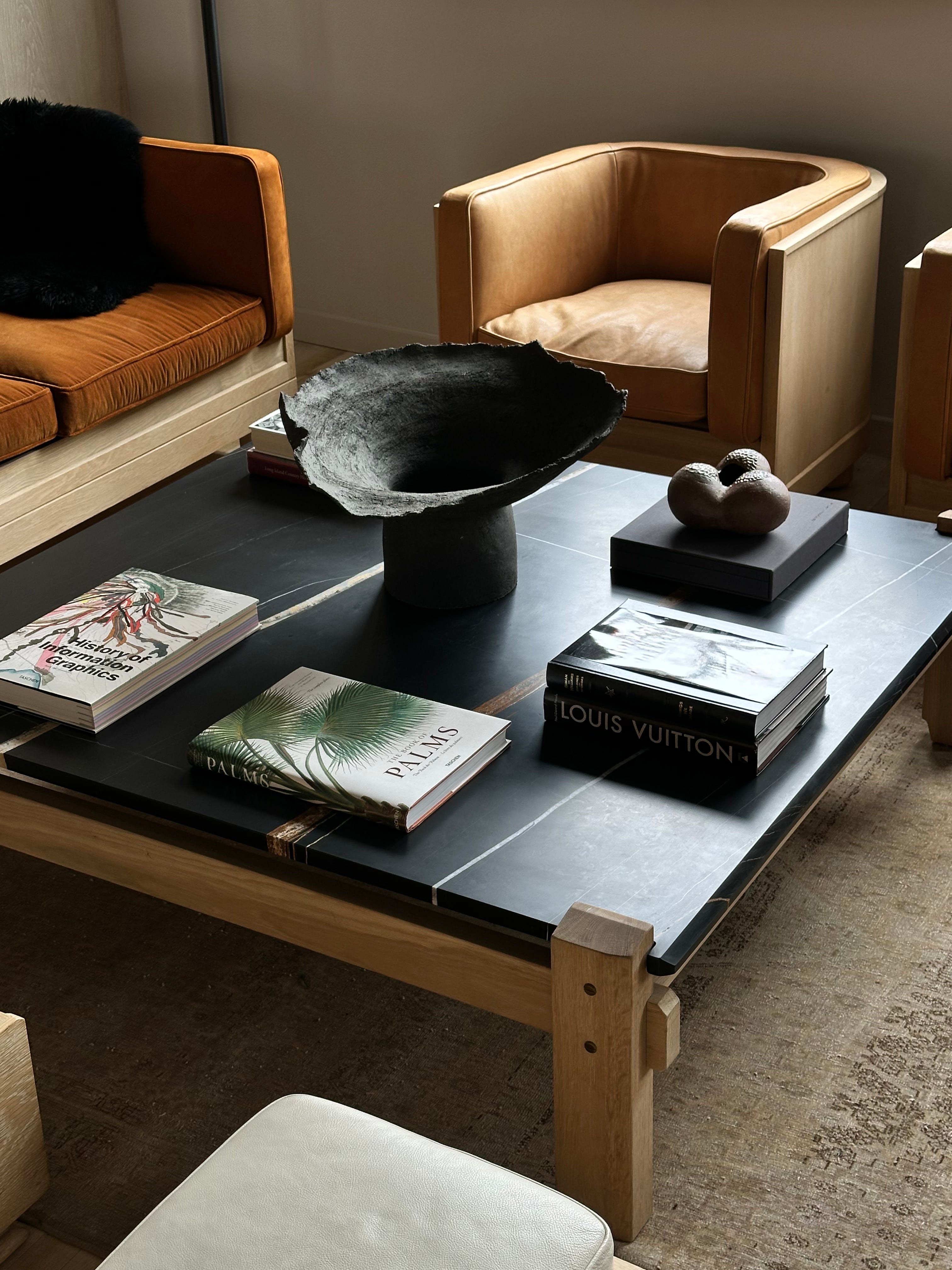
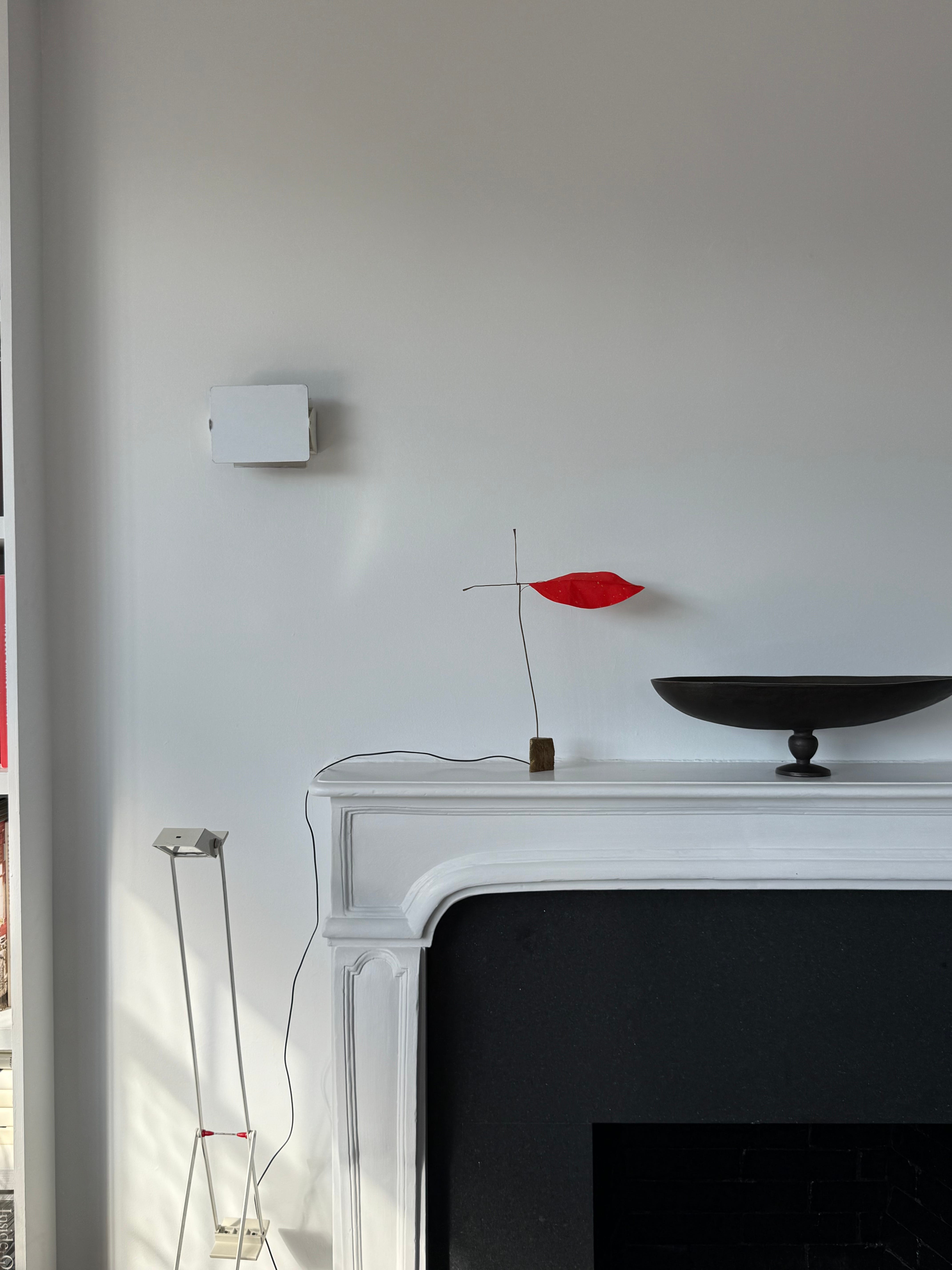
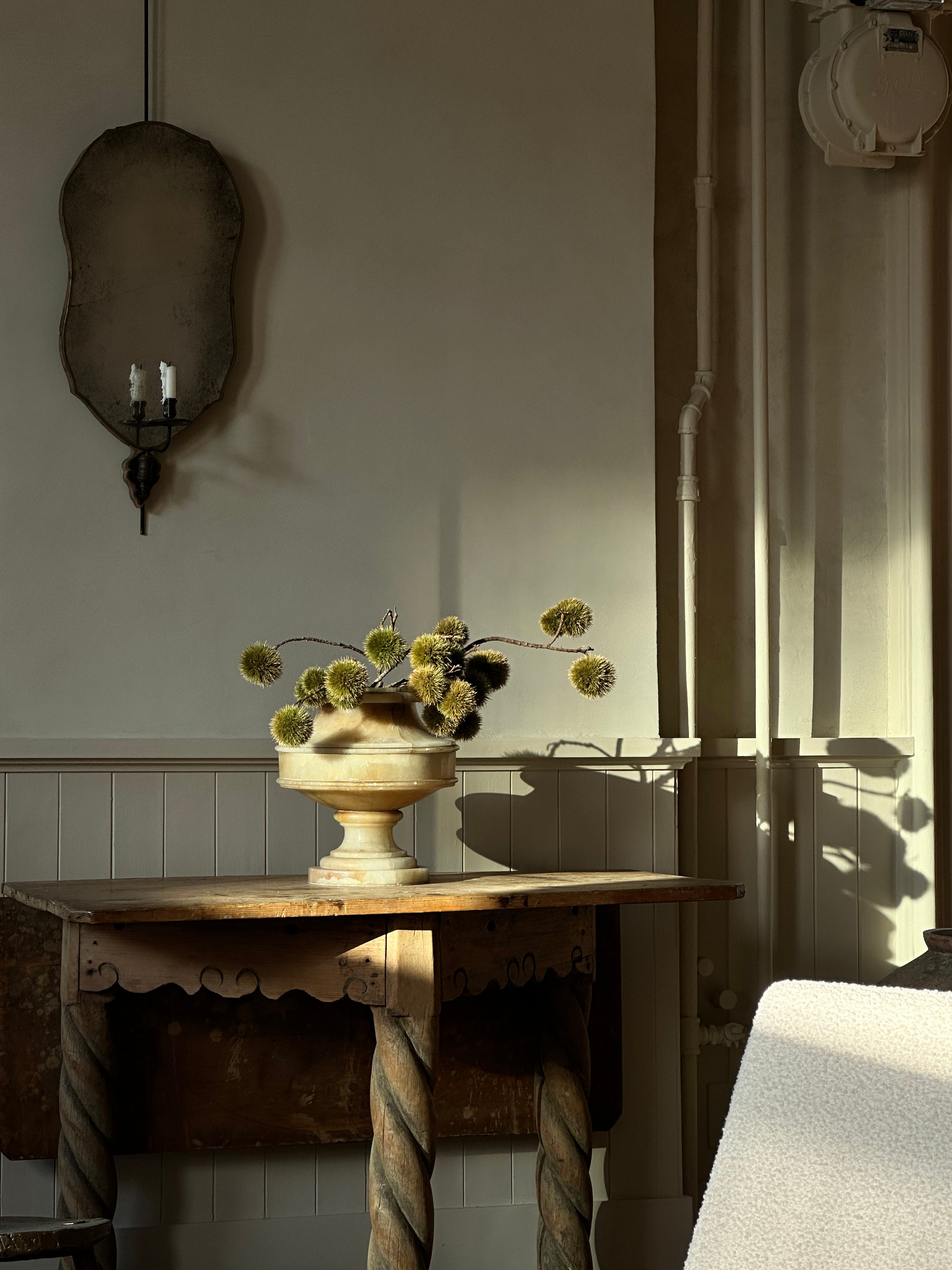
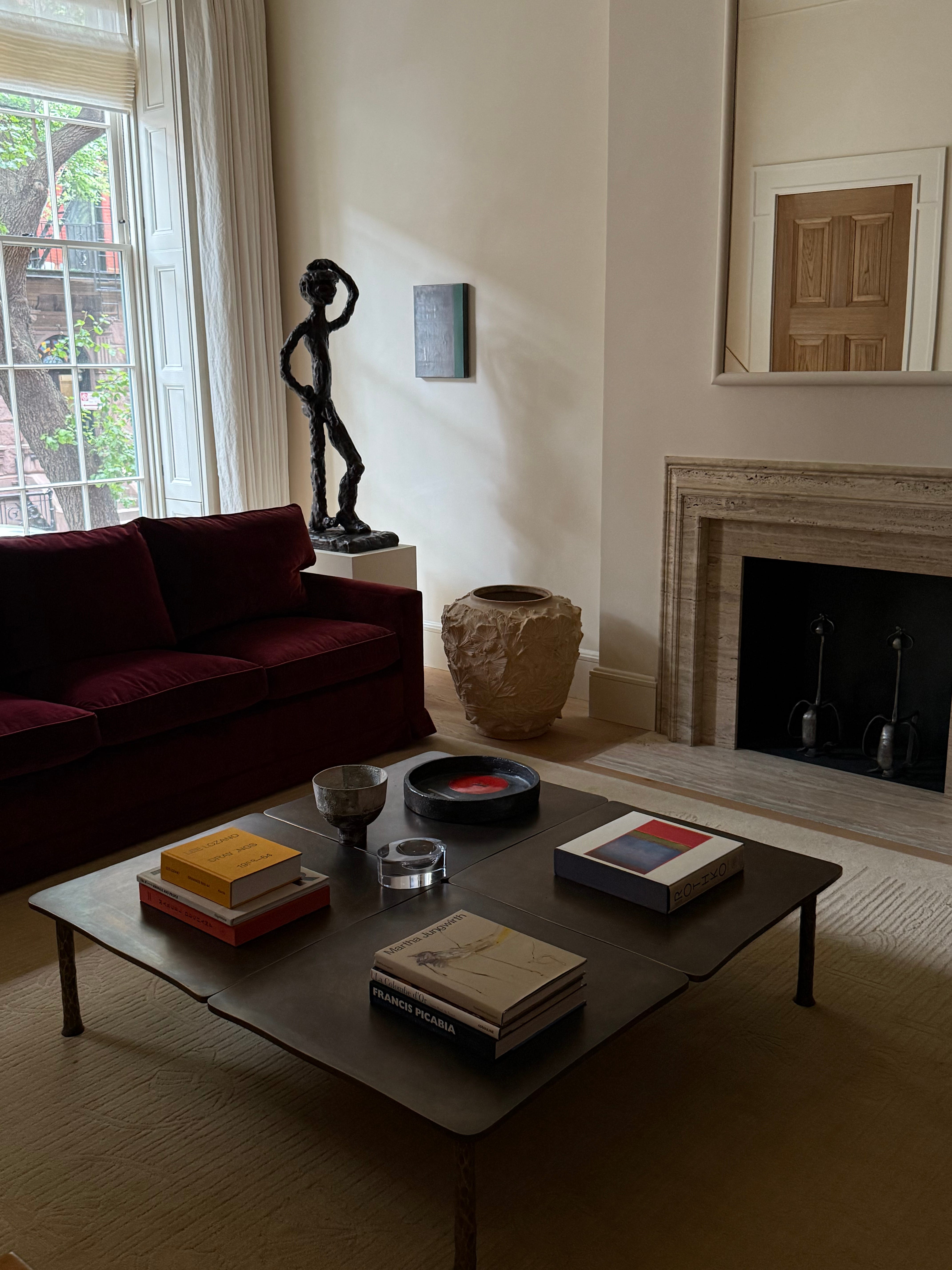
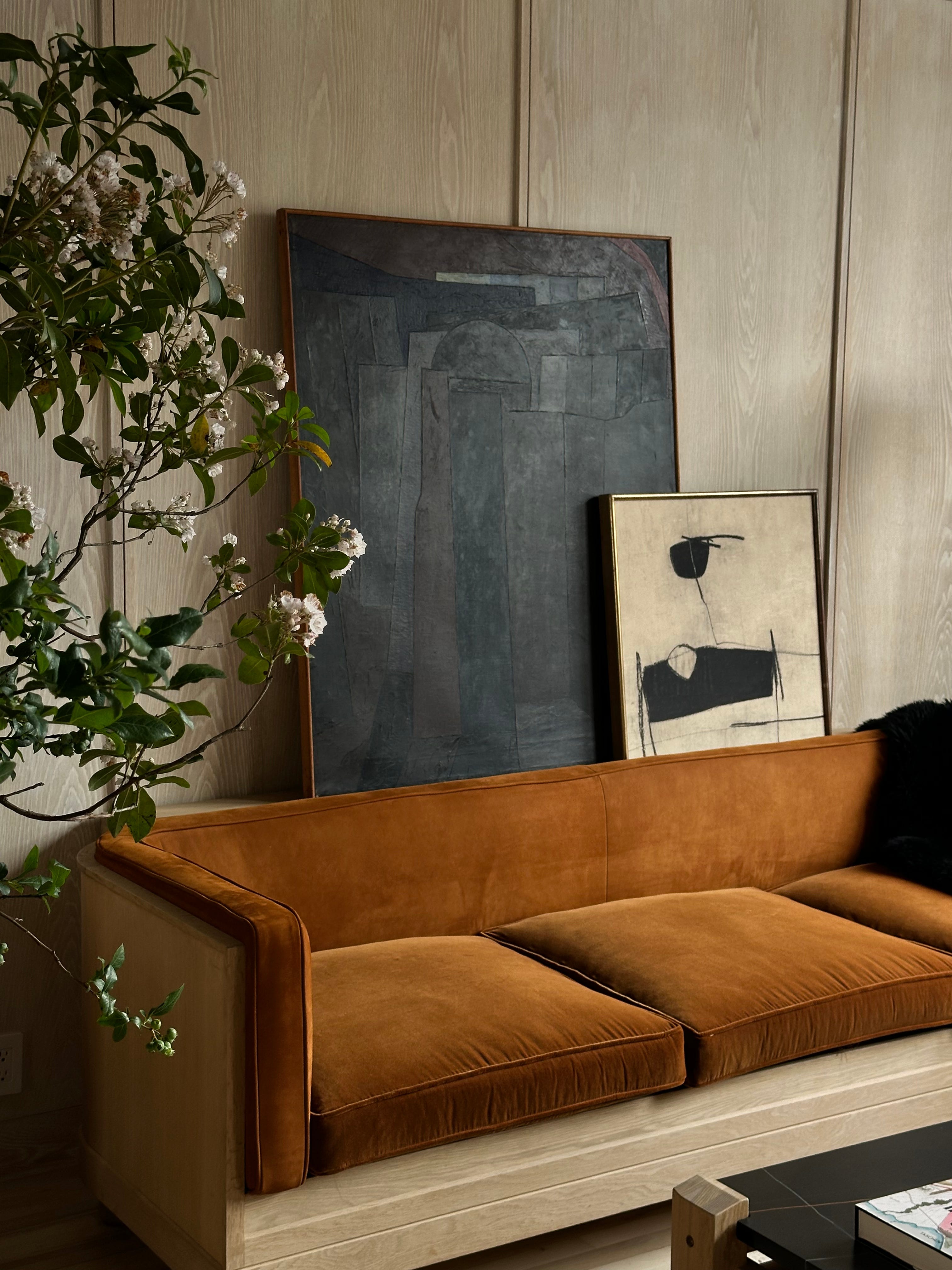
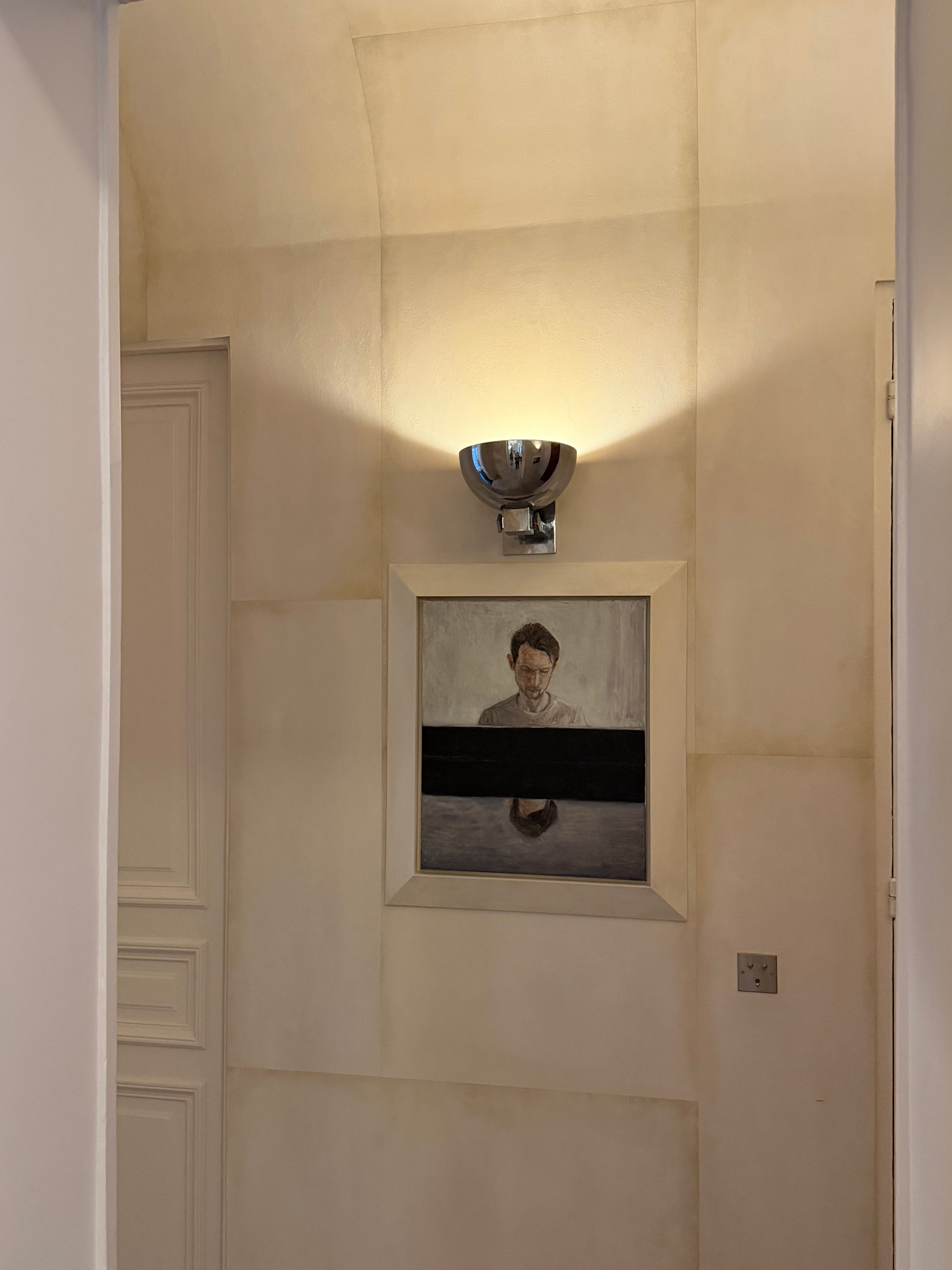
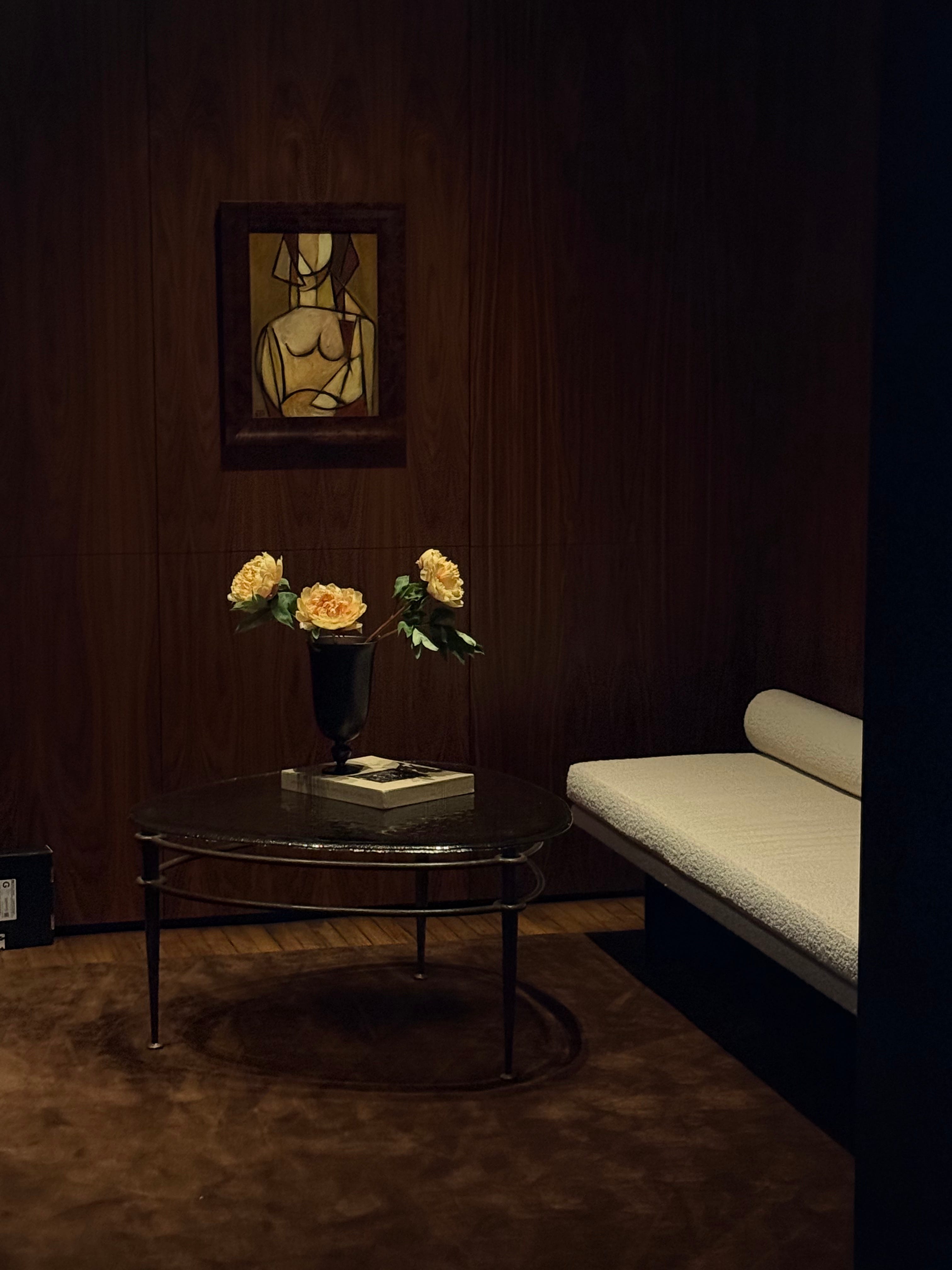
Balance is not the same as symmetry.
Symmetry closes the conversation. Balance keeps it open. It allows for adjustment, for the possibility that something might still change. Comfort, I’ve learned, rarely announces itself from the exact middle.
It shows up in the near-miss. The almost. The place where intention meets instinct and instinct wins by a hair.
This isn’t just about rooms. It’s about how we arrange ourselves.
We’re encouraged to center the most legible version of who we are. The composed part. The part that photographs well. And when everything is perfectly aligned, we sometimes wonder why it feels a little lonely. A little exposed.
Being perfectly centered all the time is a lot of pressure.
I still center things. Of course I do. But now I almost always nudge them afterward. Just enough to let them breathe.
I’ll step back, look again, and then move the thing a fraction. Lower the art. Raise it. Slide it an inch to the left. Not because it was wrong, but because it was trying too hard.
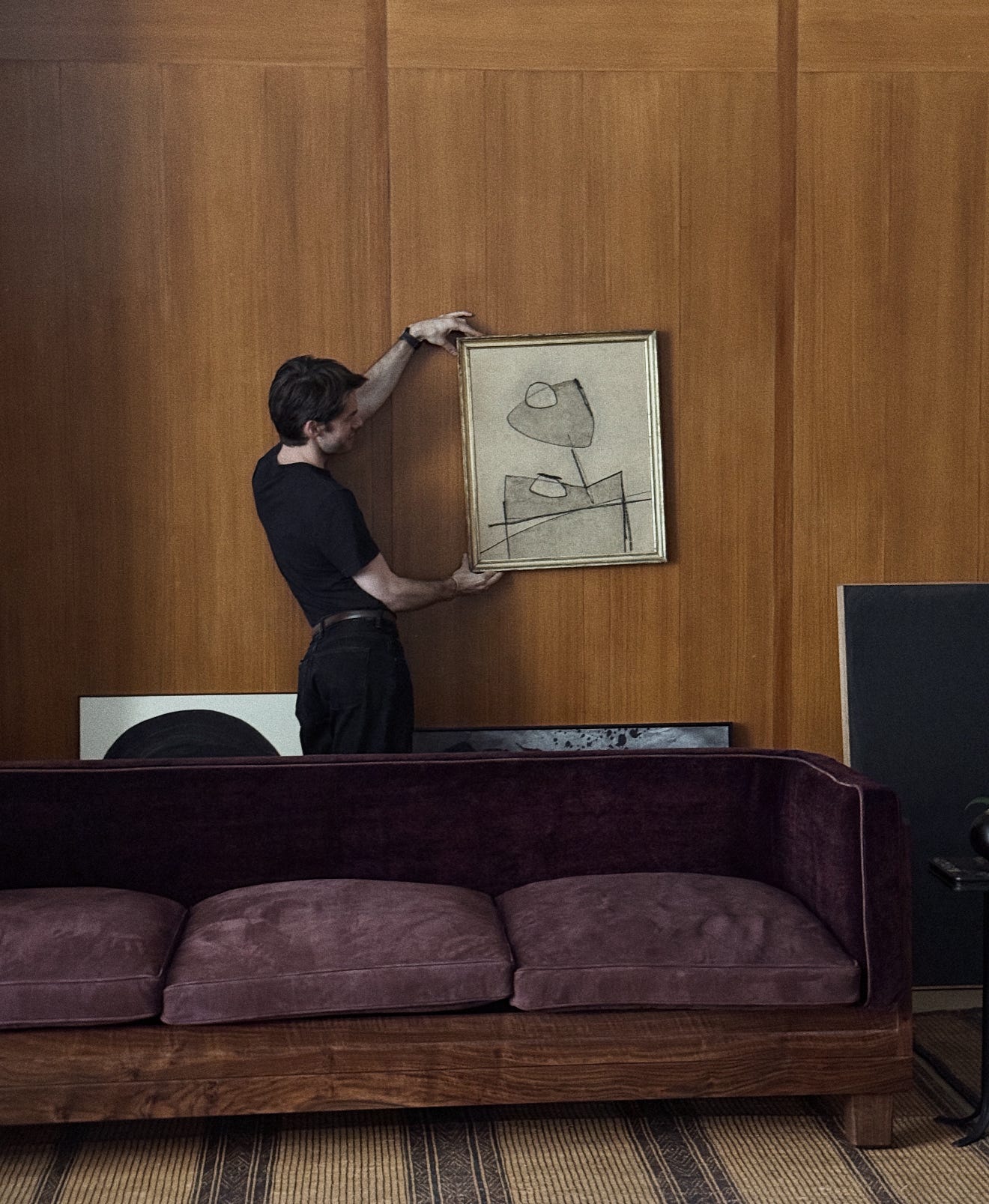
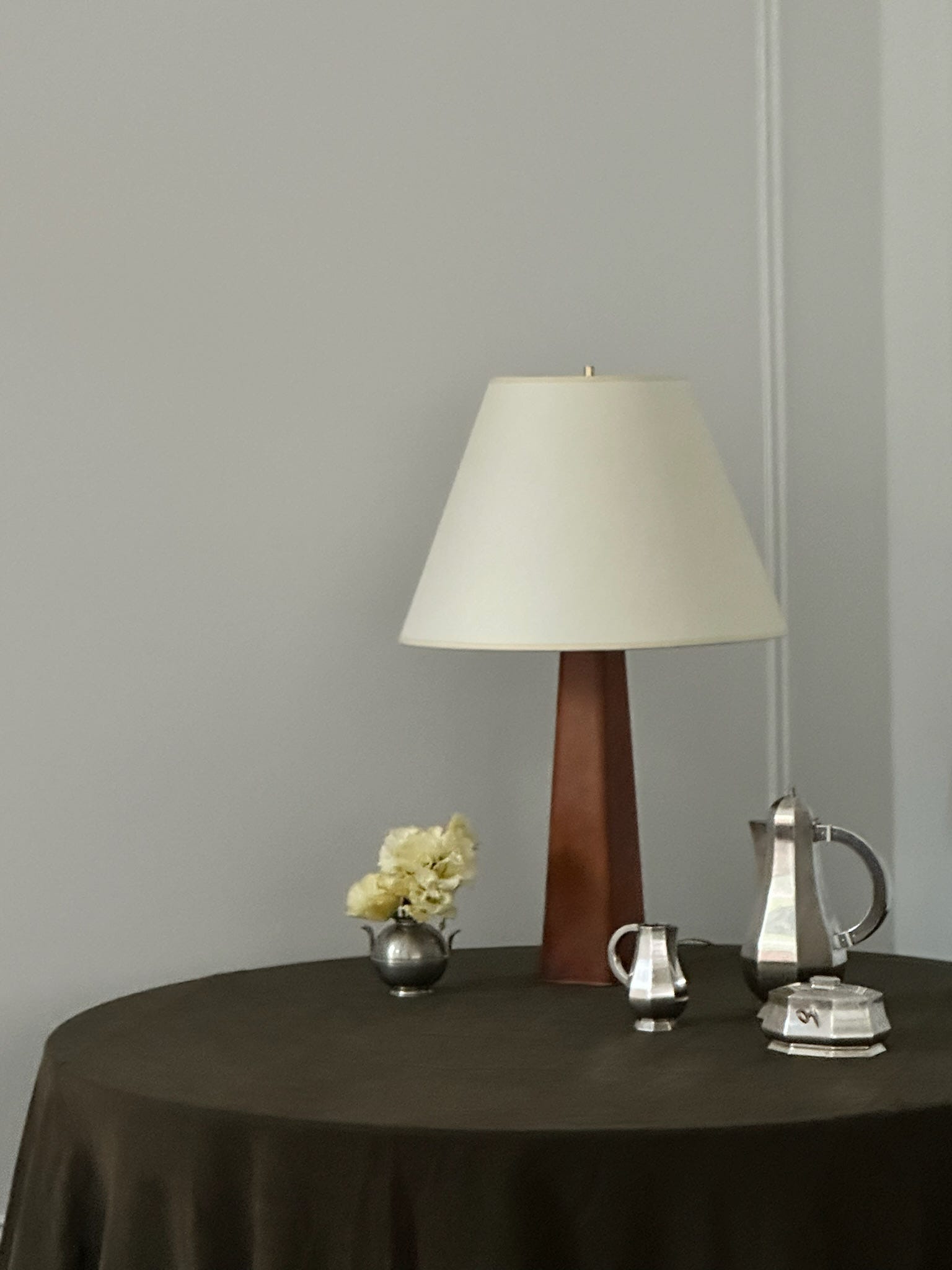
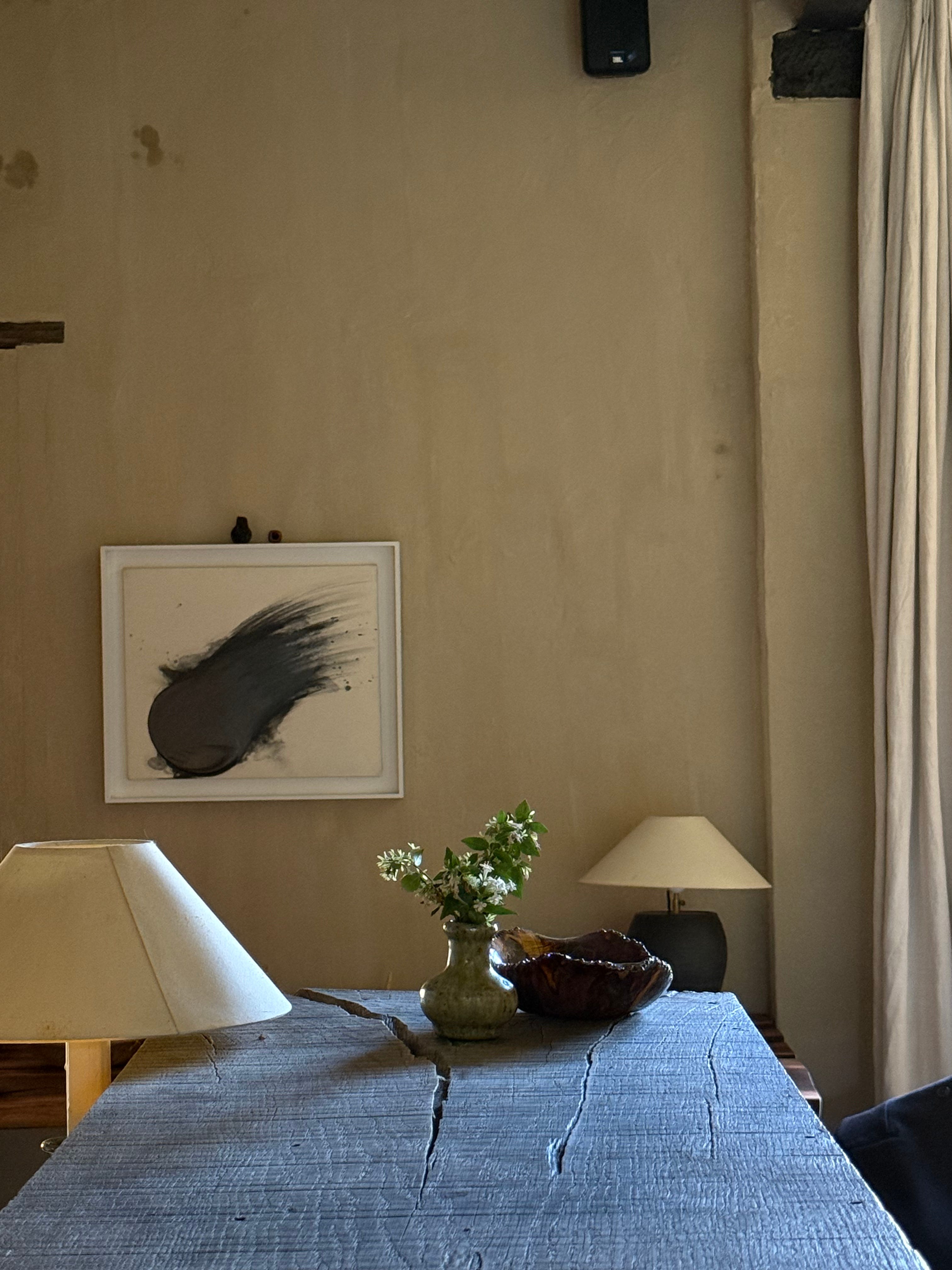
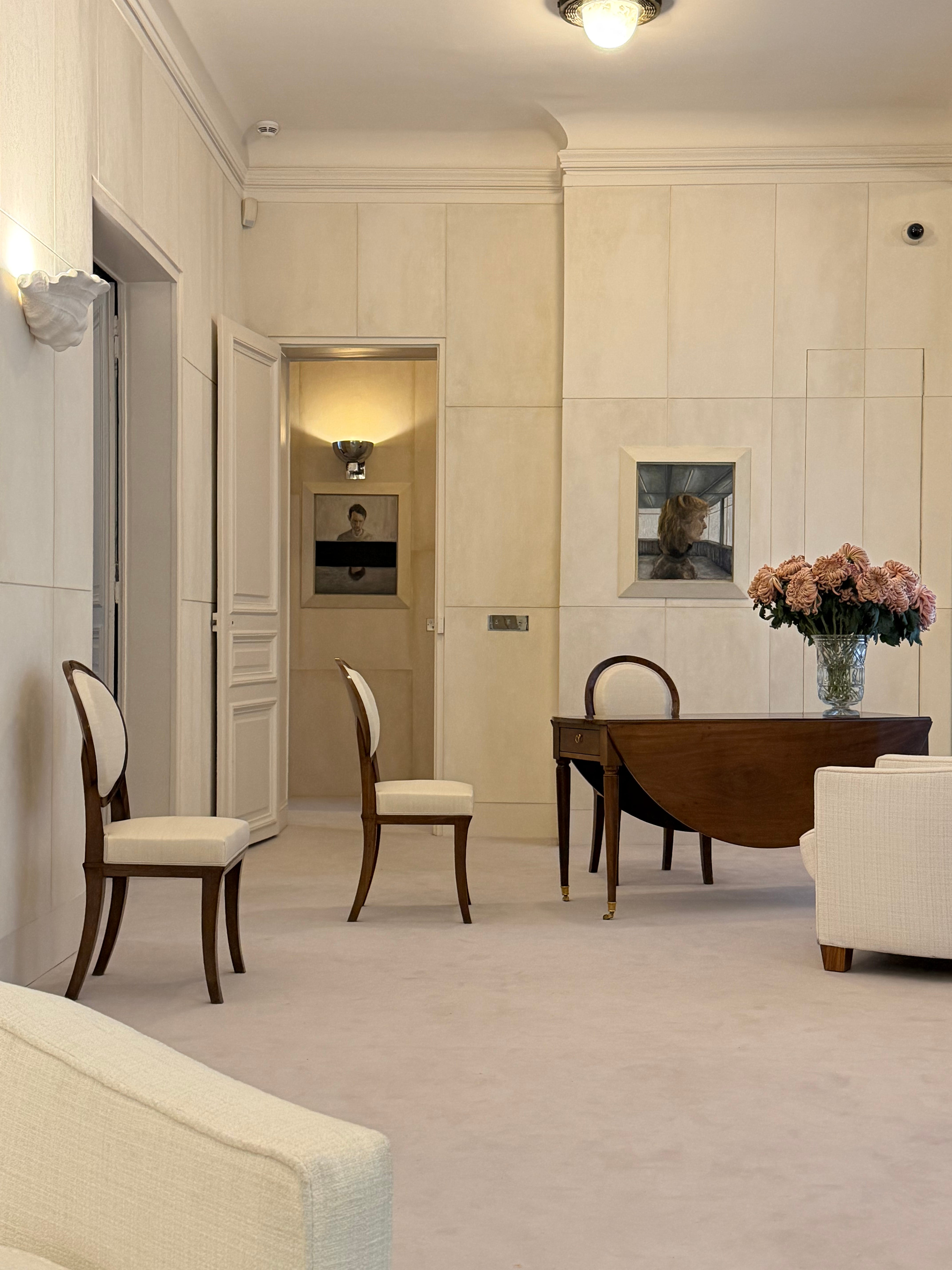
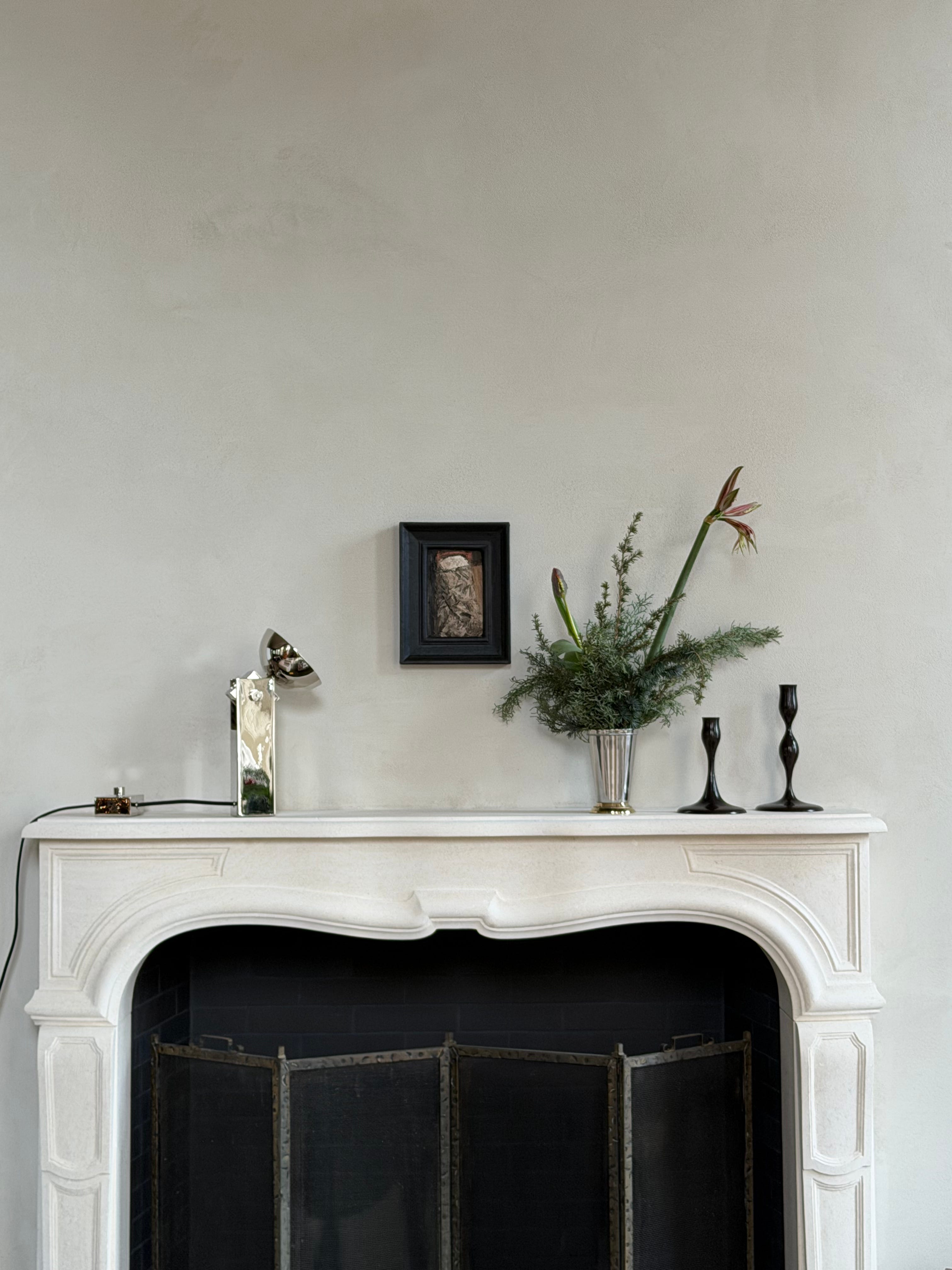
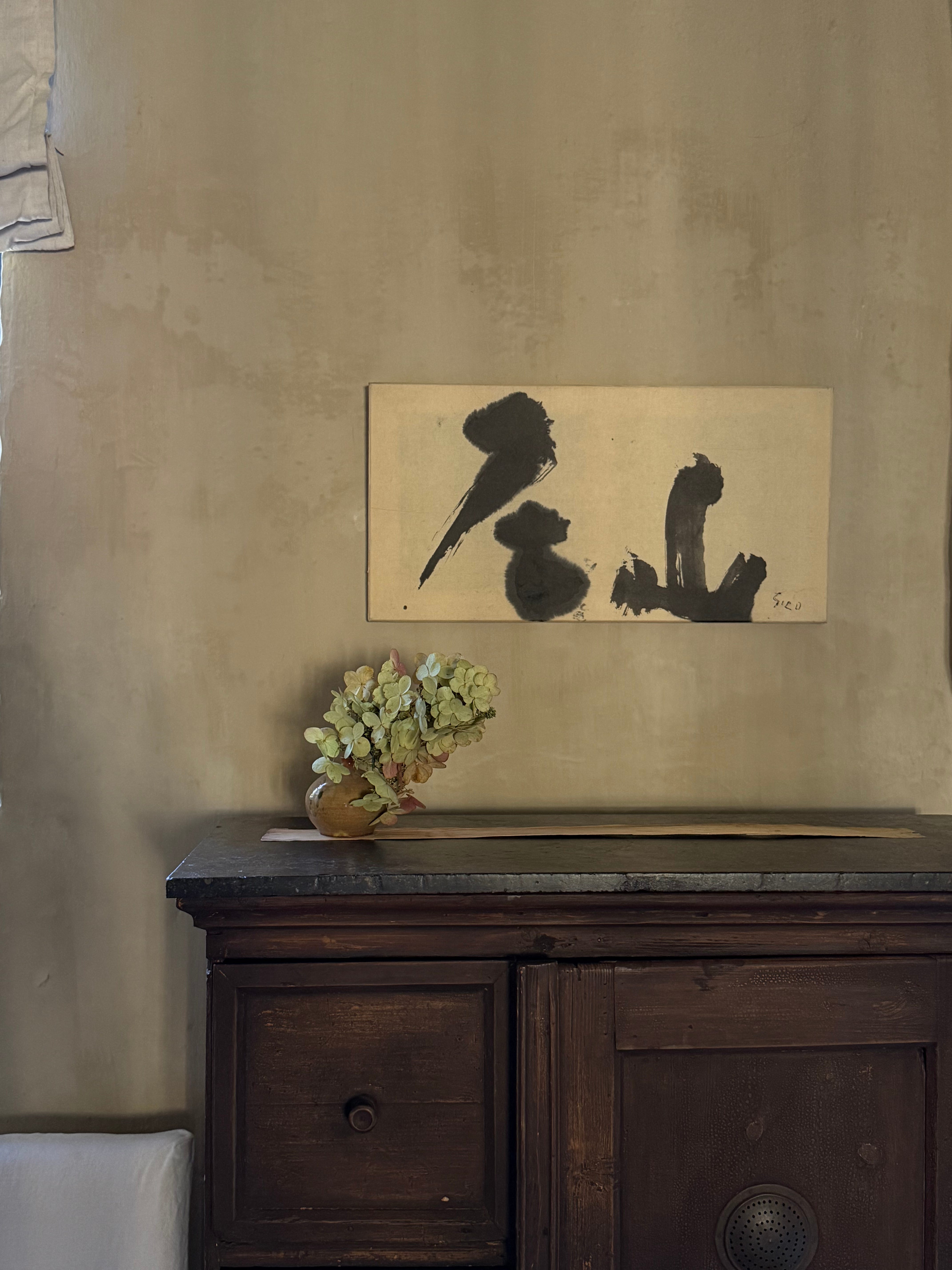
I was once standing on set doing exactly this, moving a piece back and forth in increments so small they felt almost imaginary, when my friend and photographer Rich Stapleton looked at me and said, very calmly, “It feels looser.”
That was it. That was the note.
Then he added, “My idea.”
This is our thing. A friendly on-set gaslighting love language. Best idea wins, regardless of where it came from, and whoever says it out loud gets to claim it retroactively.
But he was right. Looser was exactly what the room needed.
Looser doesn’t mean careless. It means the room can exhale. It means the object is no longer performing its role but participating in the space around it. It means there’s room for life to move through without knocking everything out of place.
Most of the time, that’s what we’re actually after.
Most things don’t want to be centered perfectly.
They want to belong.
And belonging, like balance, lives in those small, human adjustments you feel more than you see.
Love,
Colin

This read was like a breath of fresh air ! When you said that “some objects want the center, they just don’t want the spotlight,” brought a new perspective i’ve never thought about. Also really liked how you used comfort as not a negative but a positive in a way of opening the balance of decorating.
What a wonderful read