

More Than One
On repetition, Pappione, and why doubling down does not dilute the magic

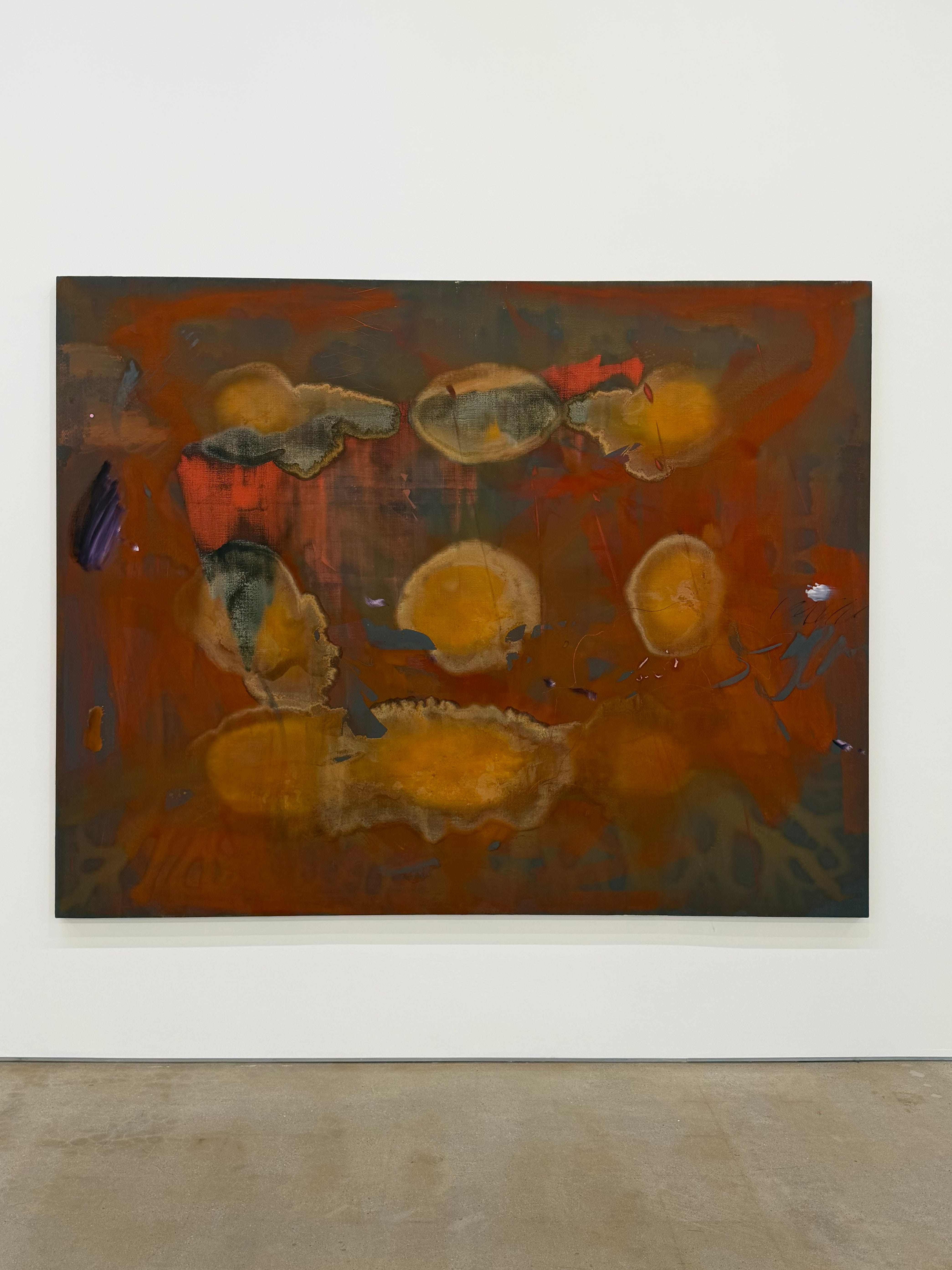
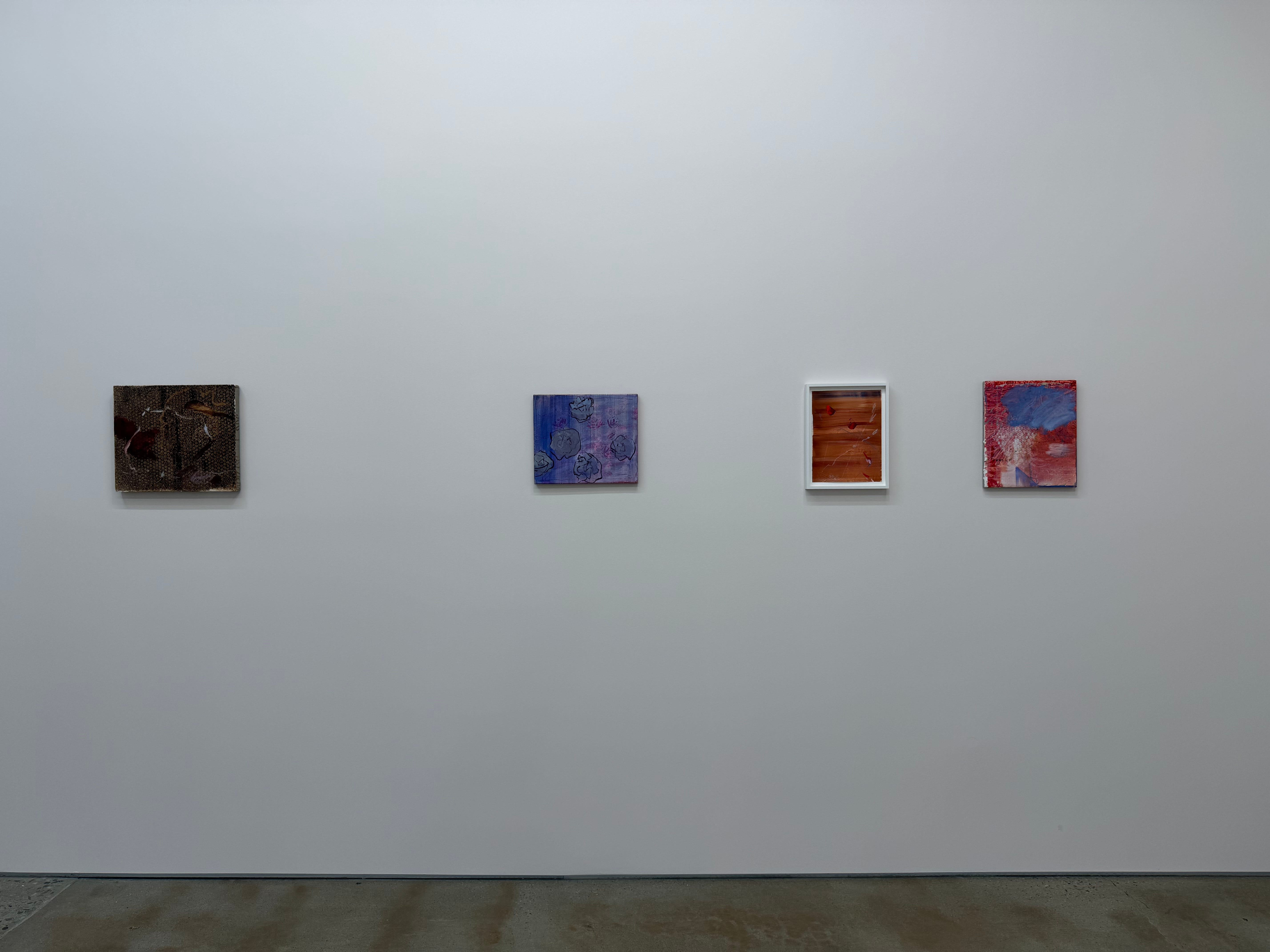
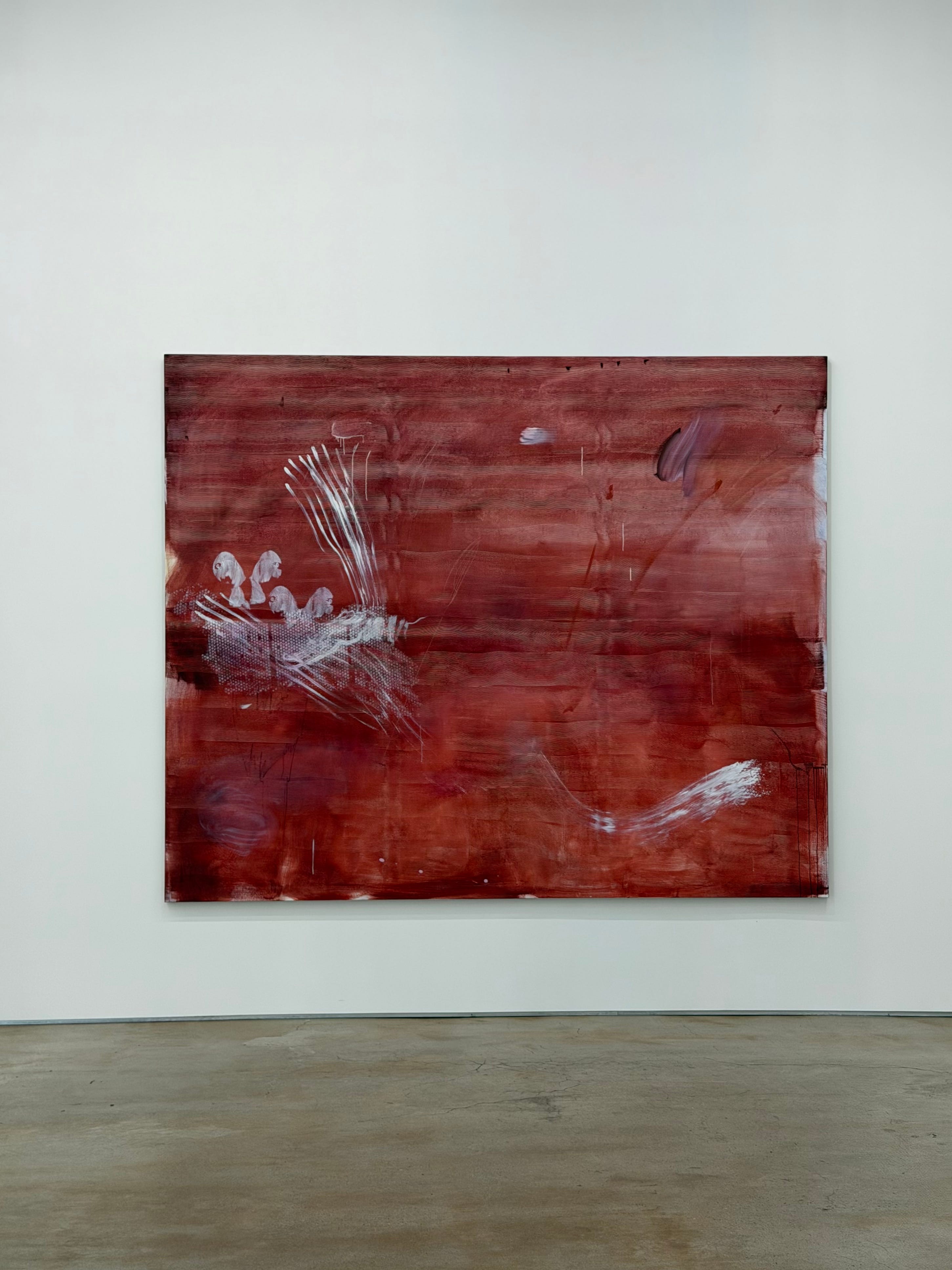
I just got back from Frieze in Los Angeles, and something small but persistent stayed with me. I had a conversation with Liv Barrett of Château Shatto about the word Pappione while we were standing in front of Emma McIntyre’s work. In Rococo painting, it refers to the idea of keeping the eye from fixing in one place for too long. Do not let it stare. Do not let it harden. Keep it moving. Let it wander. The composition, she said, has to protect the viewer from getting stuck.
I have been thinking about that. About not getting stuck.
Because I used to think that buying the same thing twice meant I had run out of ideas. Once felt considered. Once felt tasteful. Once felt like I had exercised restraint and good judgment and could go home feeling morally intact. Twice felt excessive. Like I had crossed some invisible line between discernment and indulgence.
And yet, the older I get, the more I find myself doing exactly that. I will fall for a chair and then quietly start looking for its sibling. I will place one lamp in a room and realize it feels oddly alone. I will buy a ceramic I love and then, against my better judgment, introduce it to another one that looks suspiciously similar.
It is not because I lack imagination. It is because repetition changes the way you see something.
When there is only one of an object, it carries all the weight. It becomes the statement. The personality. The proof that you have taste. Your eye lingers there, evaluating it. Is it too much. Is it trying too hard. Did I miscalculate. When something stands alone, it can feel exposed. The eye fixes on it, and fixation has a way of turning appreciation into scrutiny.
Add a second one and something shifts. The object stops performing. It stops needing applause. The eye begins to move between them. Back and forth. There is circulation instead of interrogation. What once felt decorative begins to feel structural.
That is where Pappione quietly enters the room.
Repetition keeps the gaze from hardening. It refuses to let a single piece carry all the pressure of meaning. It protects the viewer, and maybe the owner, from getting stuck on one precious thing.
And here is the part I did not expect. More than one does not diminish the novelty of the original piece. It stabilizes it.
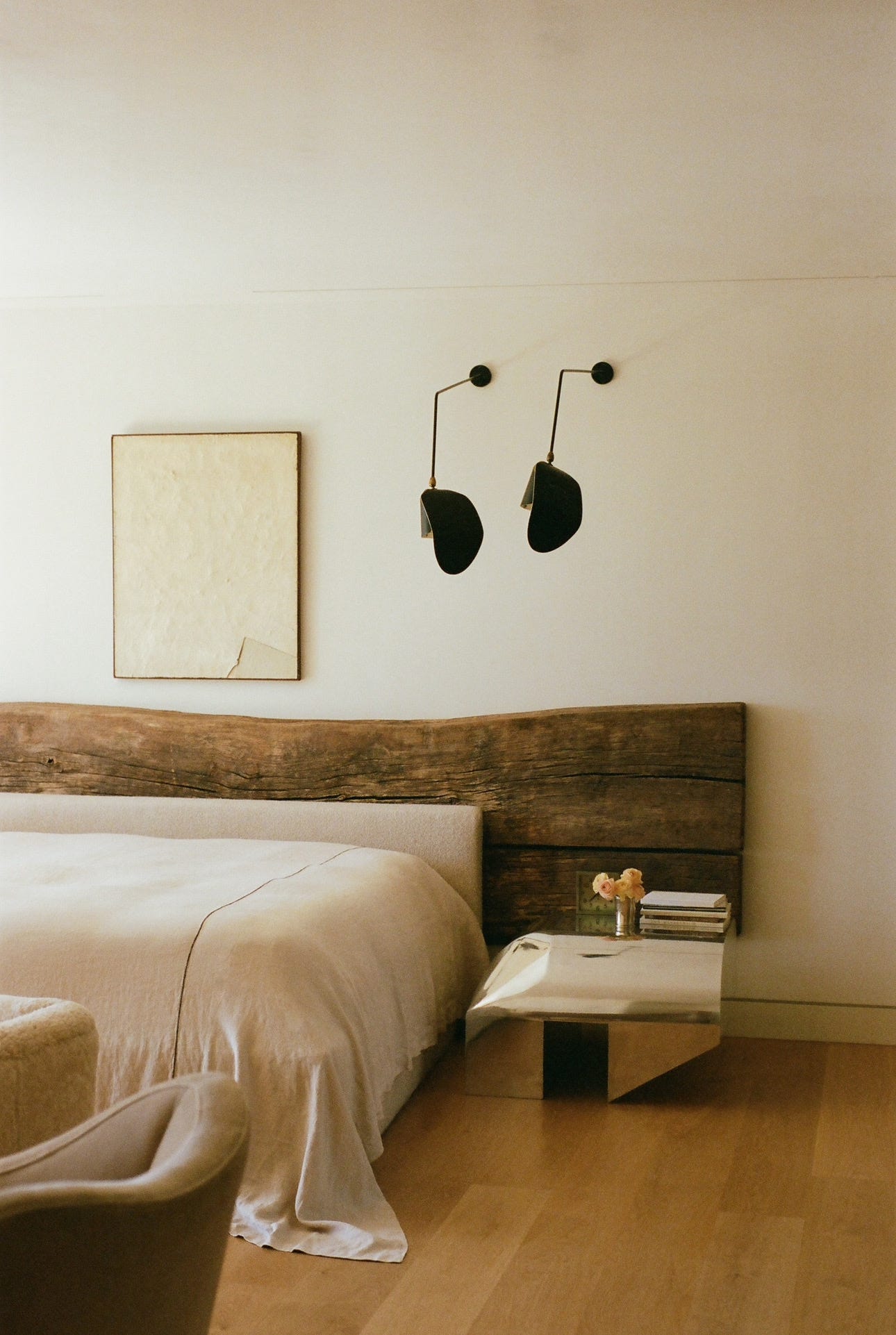

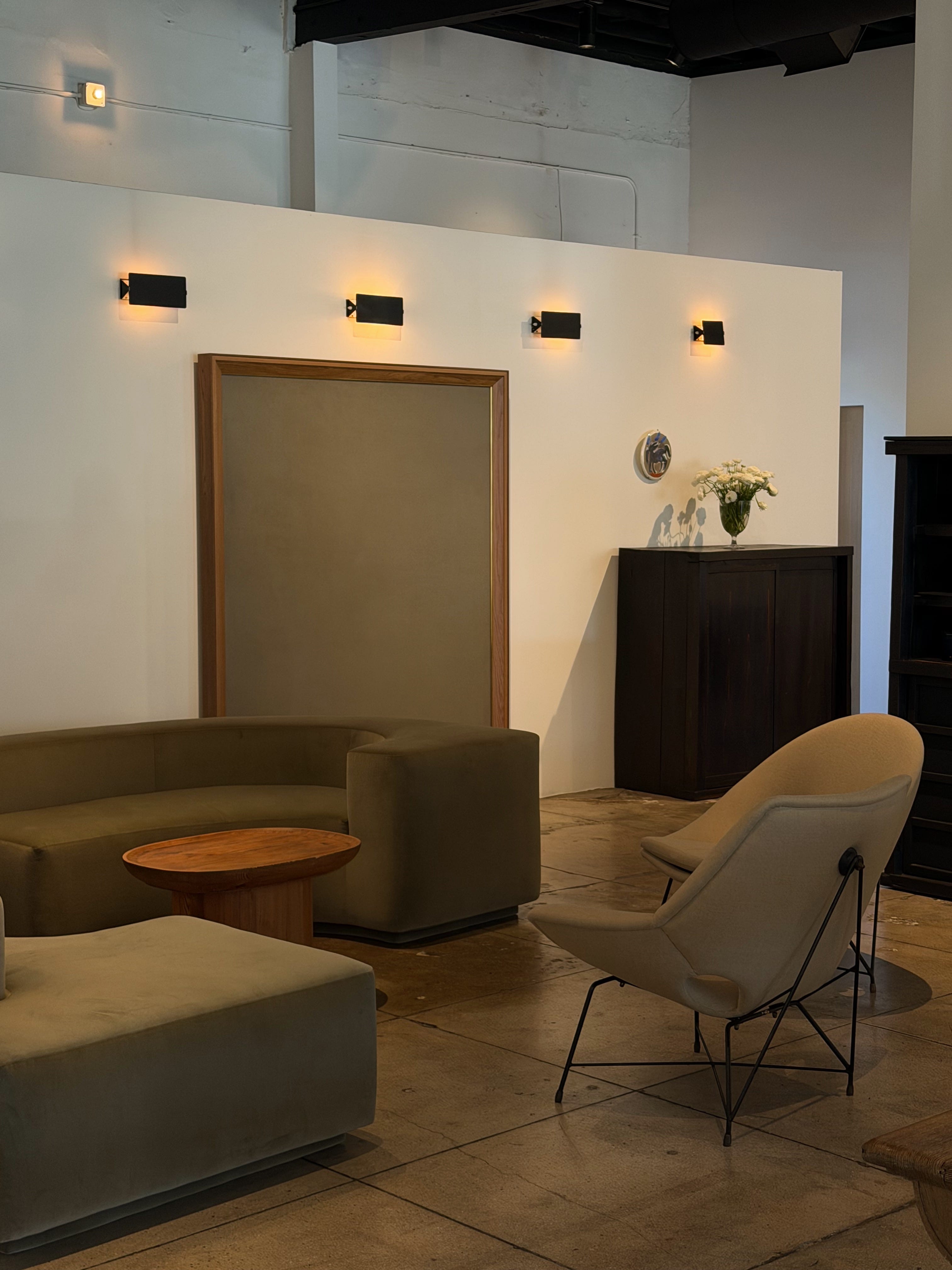
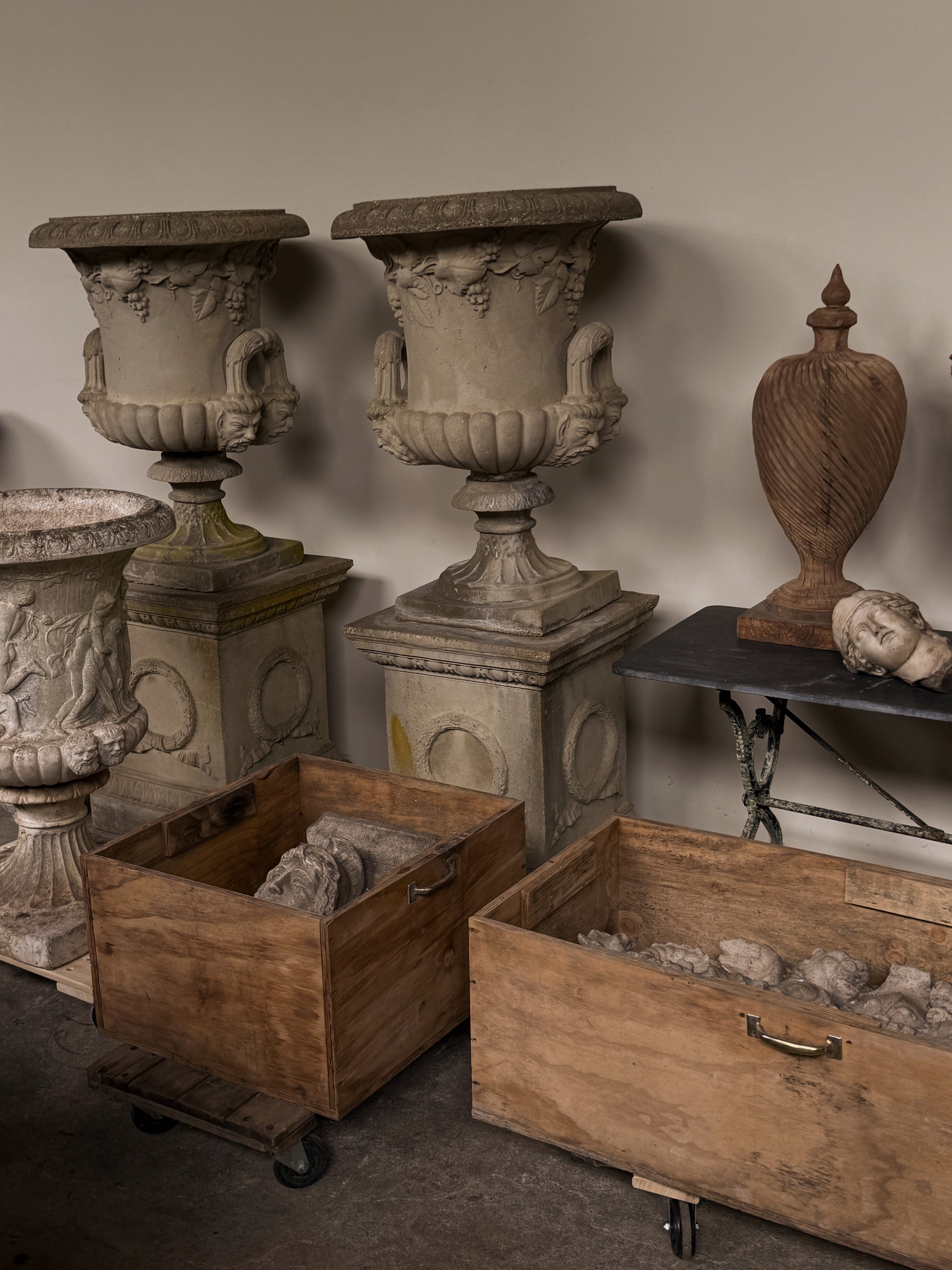
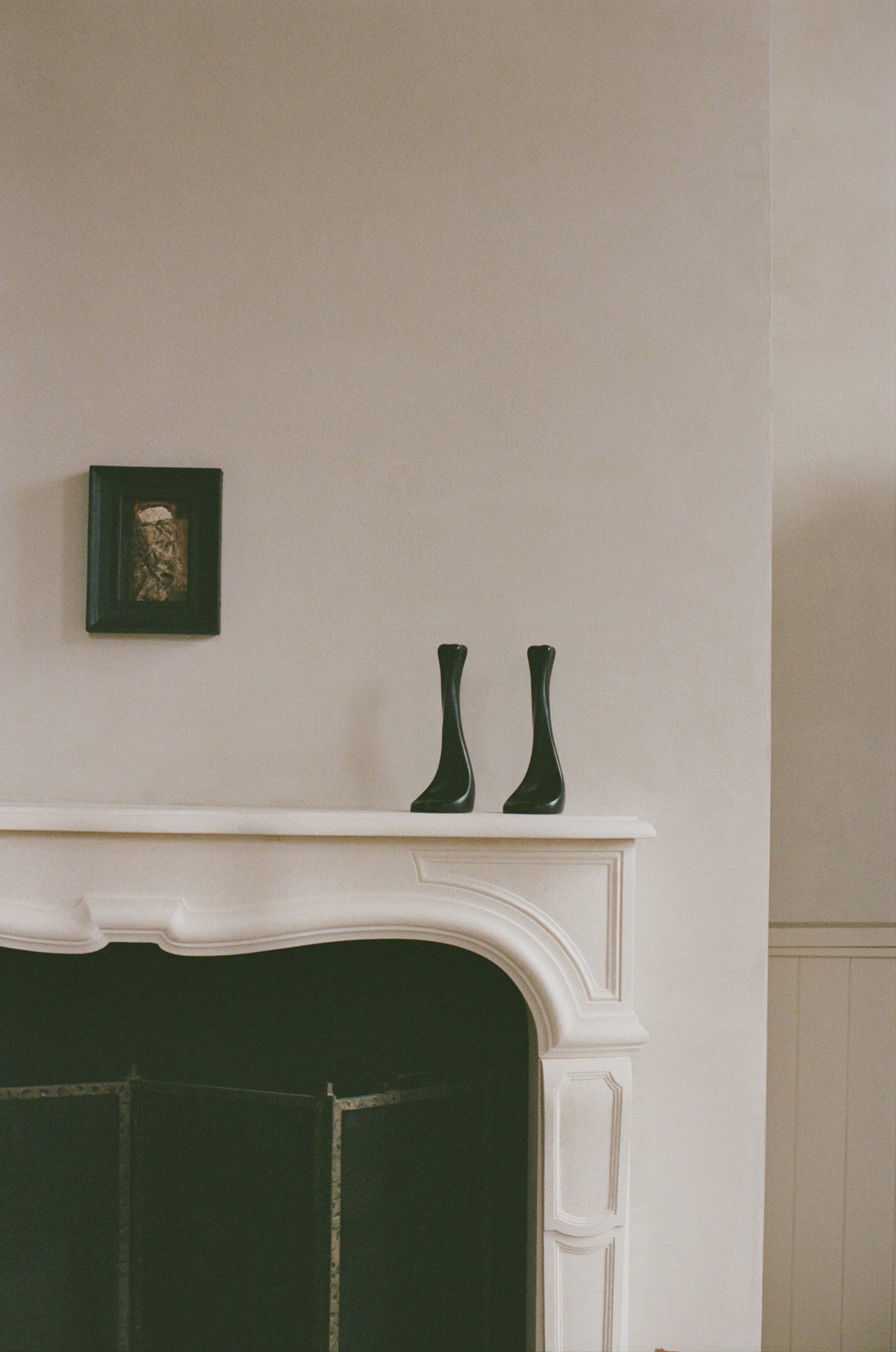
When you see something twice, it stops looking accidental. It starts looking intentional. The singular object does not lose its magic. It gains reinforcement. It moves from curiosity to conviction. From something you are trying out to something you believe in.
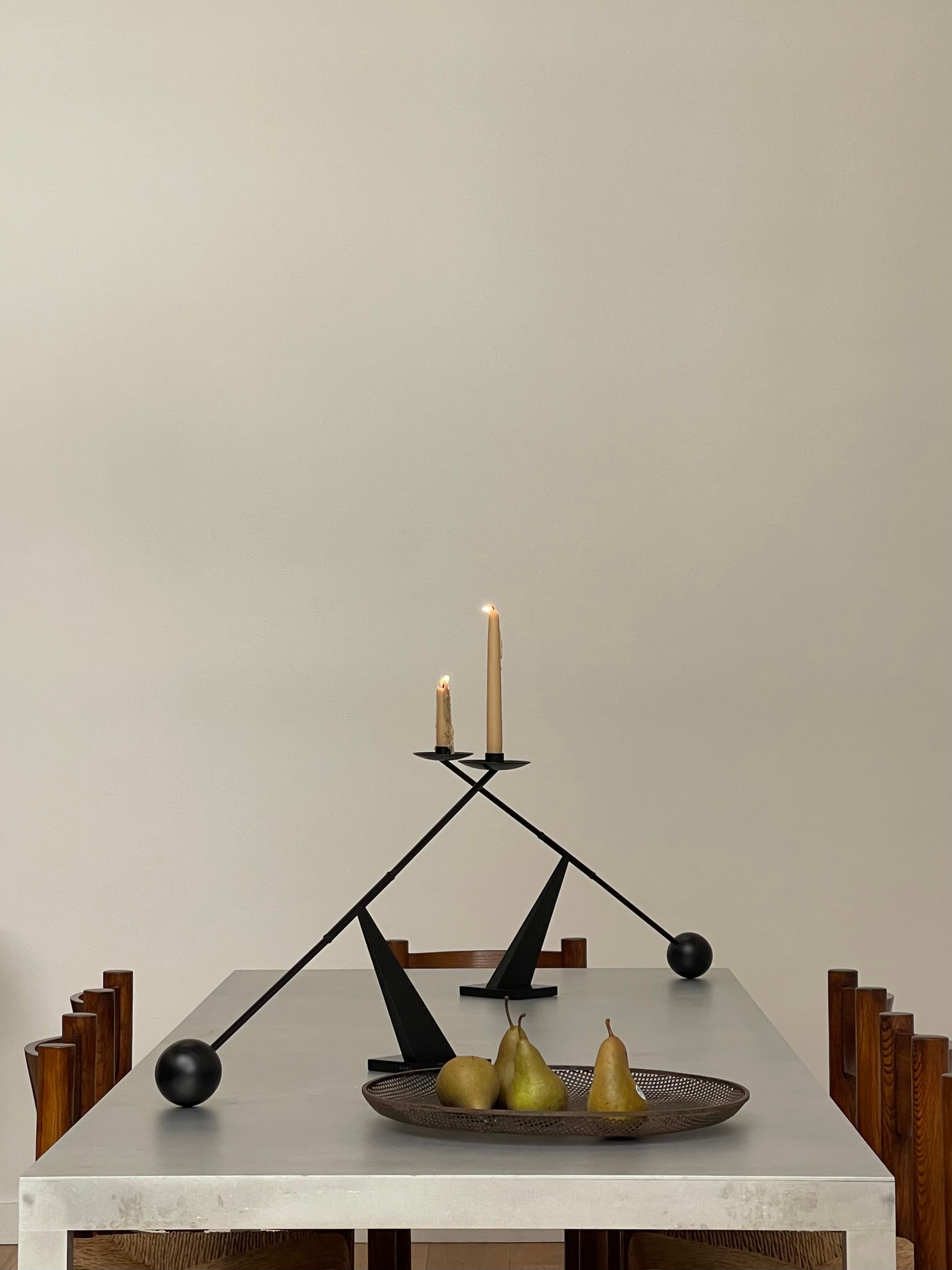
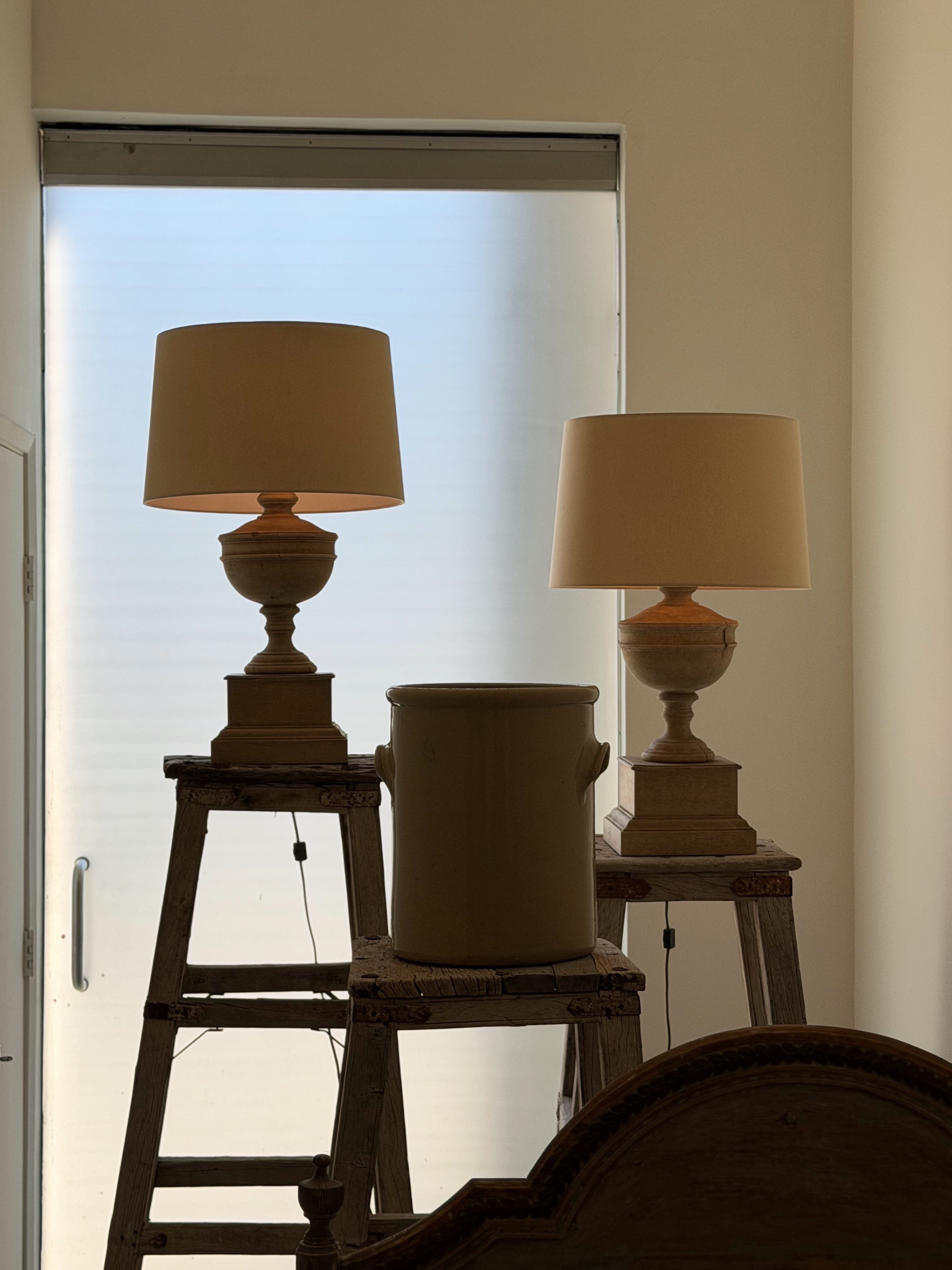
I remember styling a pair of lamps once that, individually, felt borderline theatrical. One alone read as decorative. Slightly dramatic. Two, placed deliberately, felt architectural. Grounded. The repetition did not dilute their personality. It clarified it.
One unusual chair reads as eccentric. Two reads as confident. Three reads as doctrine. That escalation happens quickly, and what changes is not the object itself but the way the room receives it.
Repetition also exposes you. Buying one beautiful object is attraction. Buying two is commitment. It says this is not a flirtation. It is a preference.
We are trained to value variety, to show range, to prove we can like many things. But repetition requires you to double down. It asks you to admit that your taste is not fleeting. That you are willing to see the same shape twice and still mean it.
When you repeat an object, it stops being a detail and starts becoming language. The eye moves differently. It travels. It circulates. The room begins to feel rhythmic instead of static.
Maybe that is the design version of Pappione. Not letting the gaze freeze on one singular work. Not allowing novelty to become a burden. Repetition keeps the composition alive.
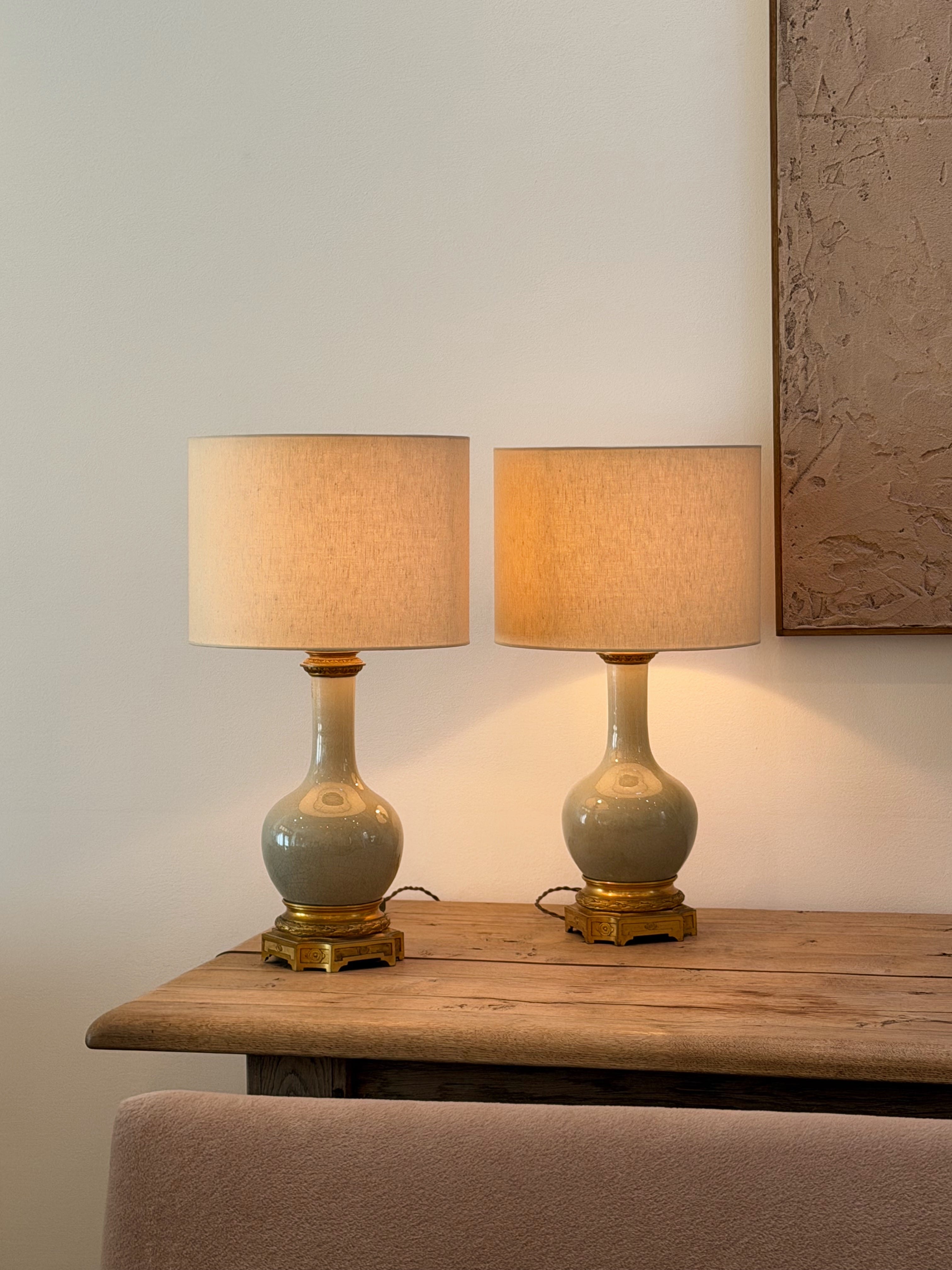
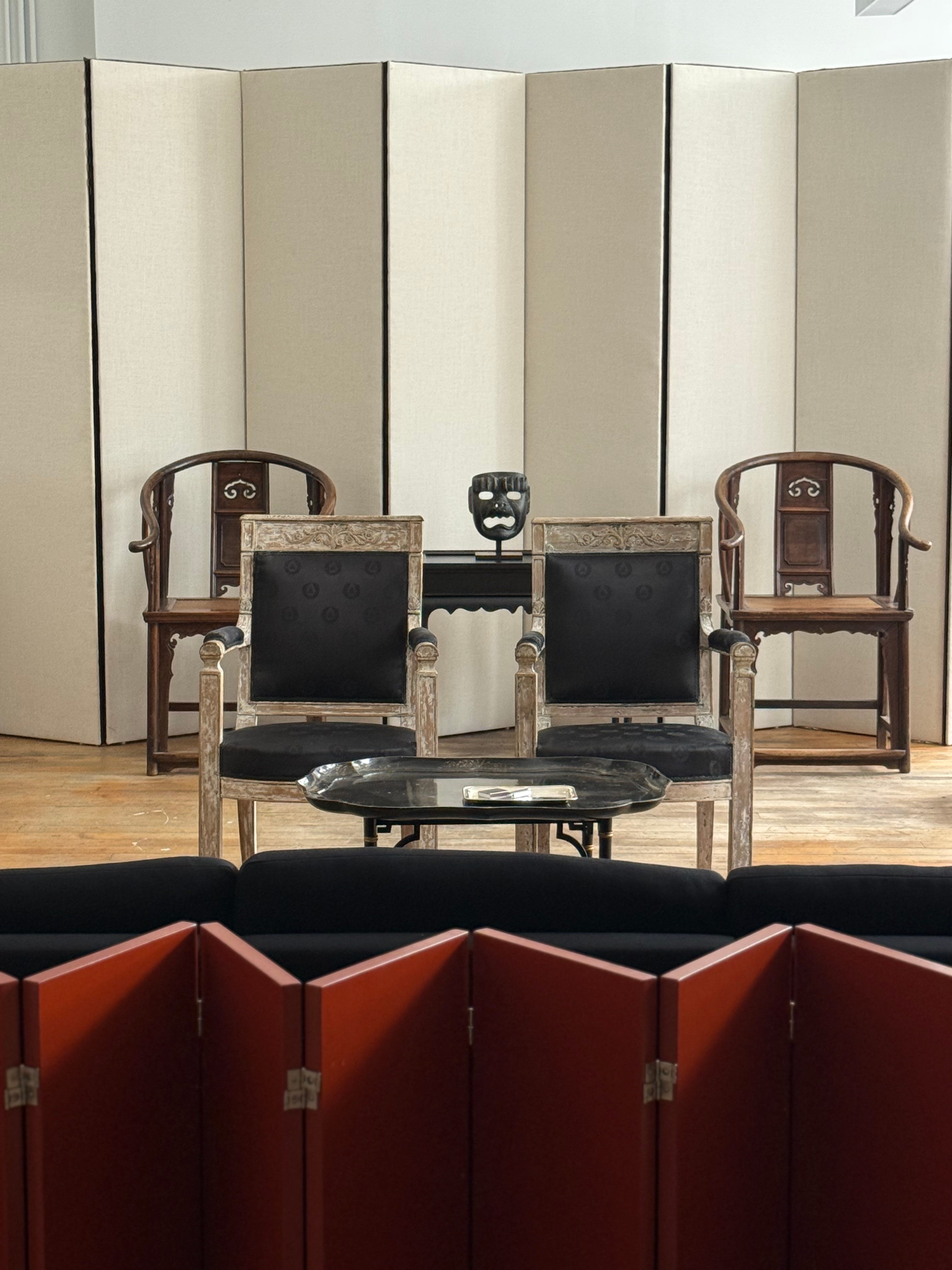
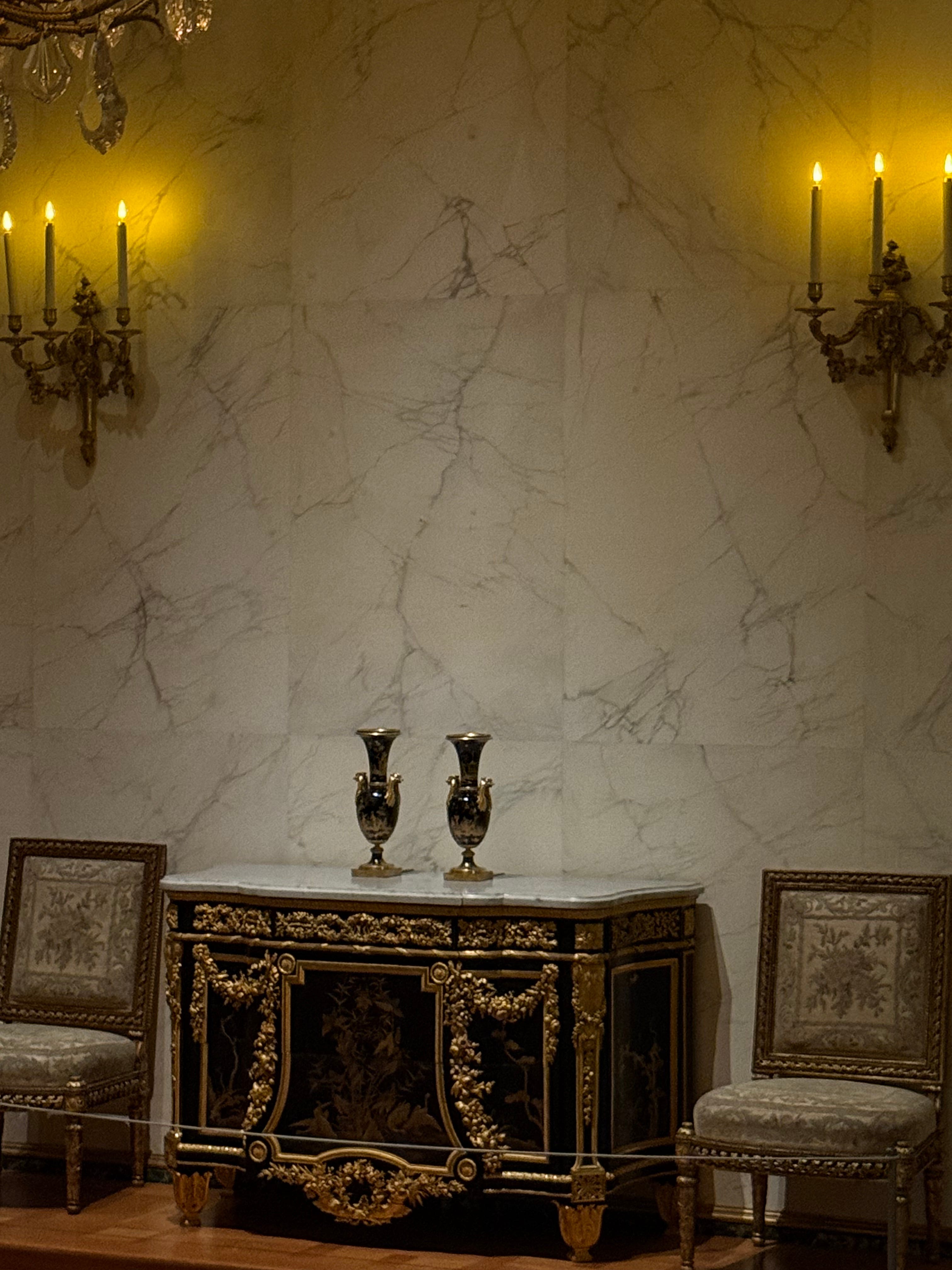
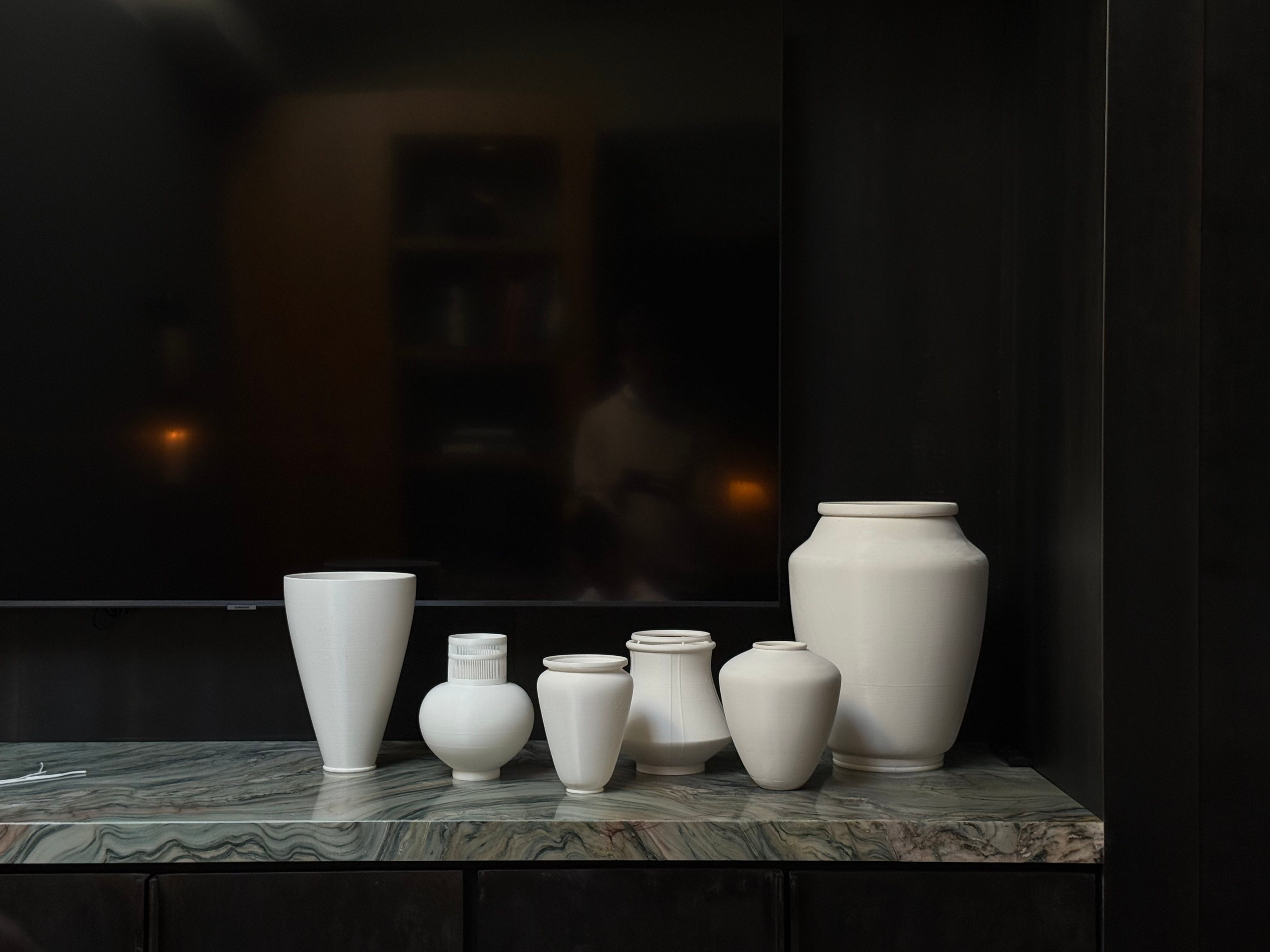
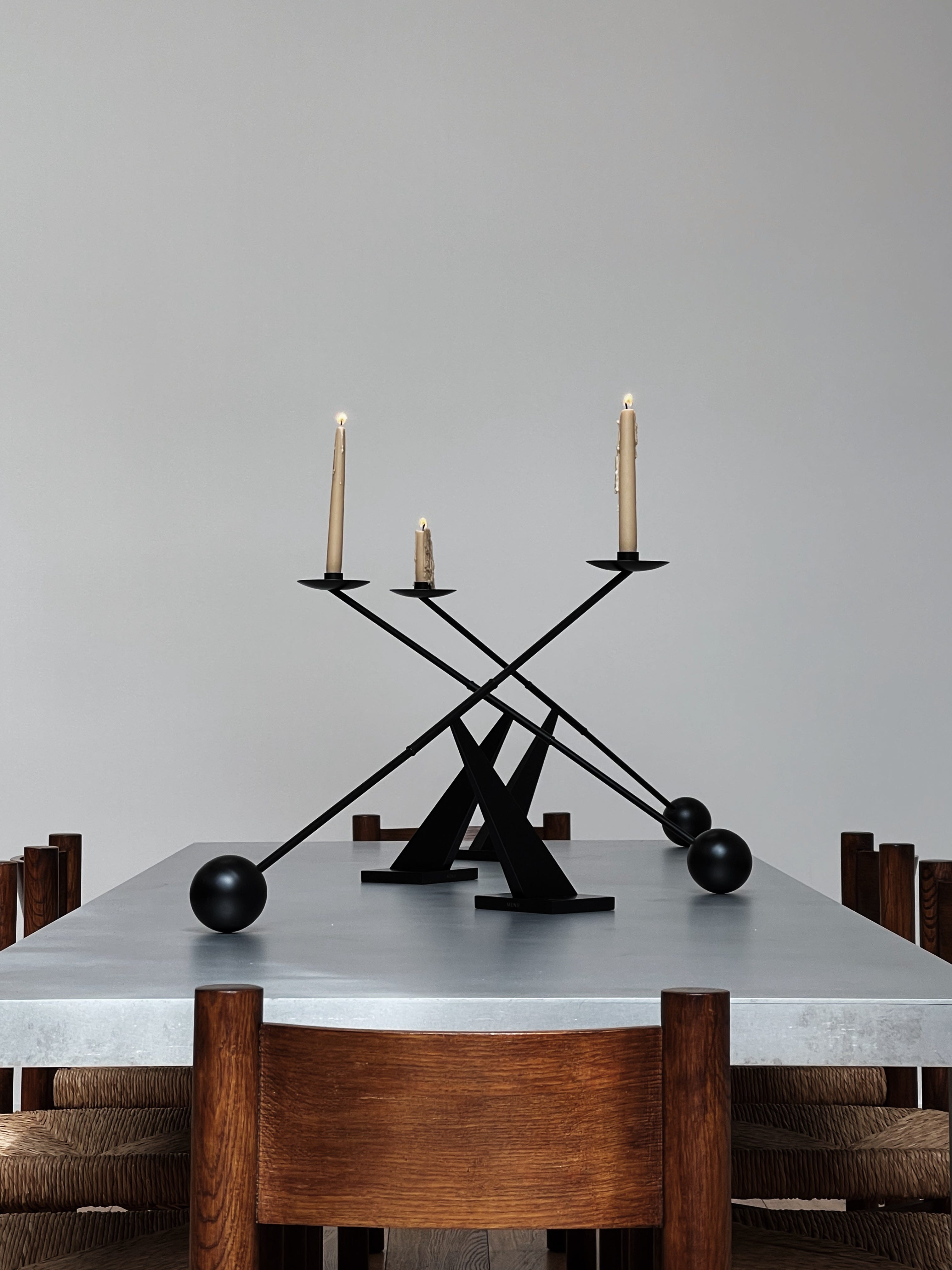
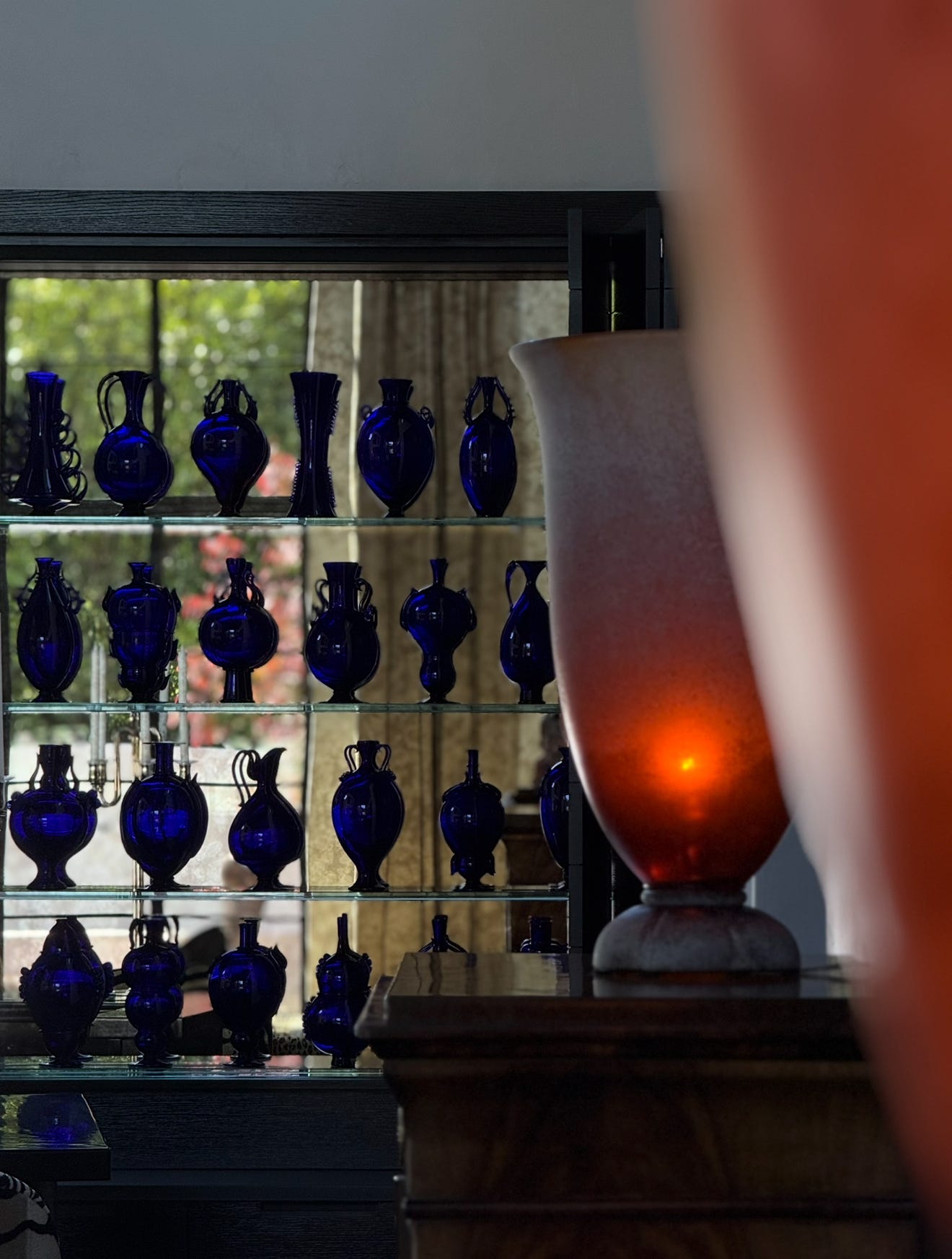
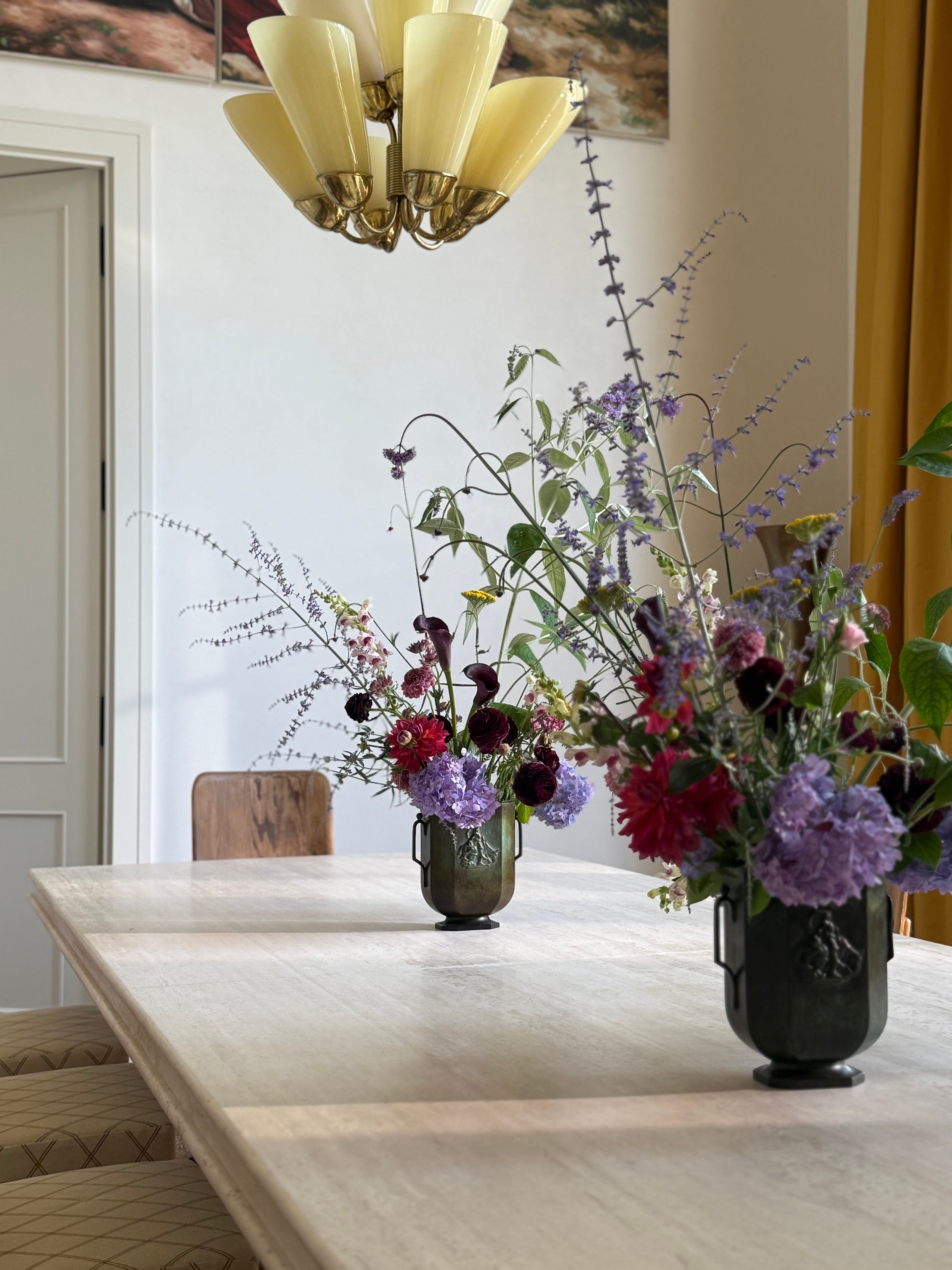
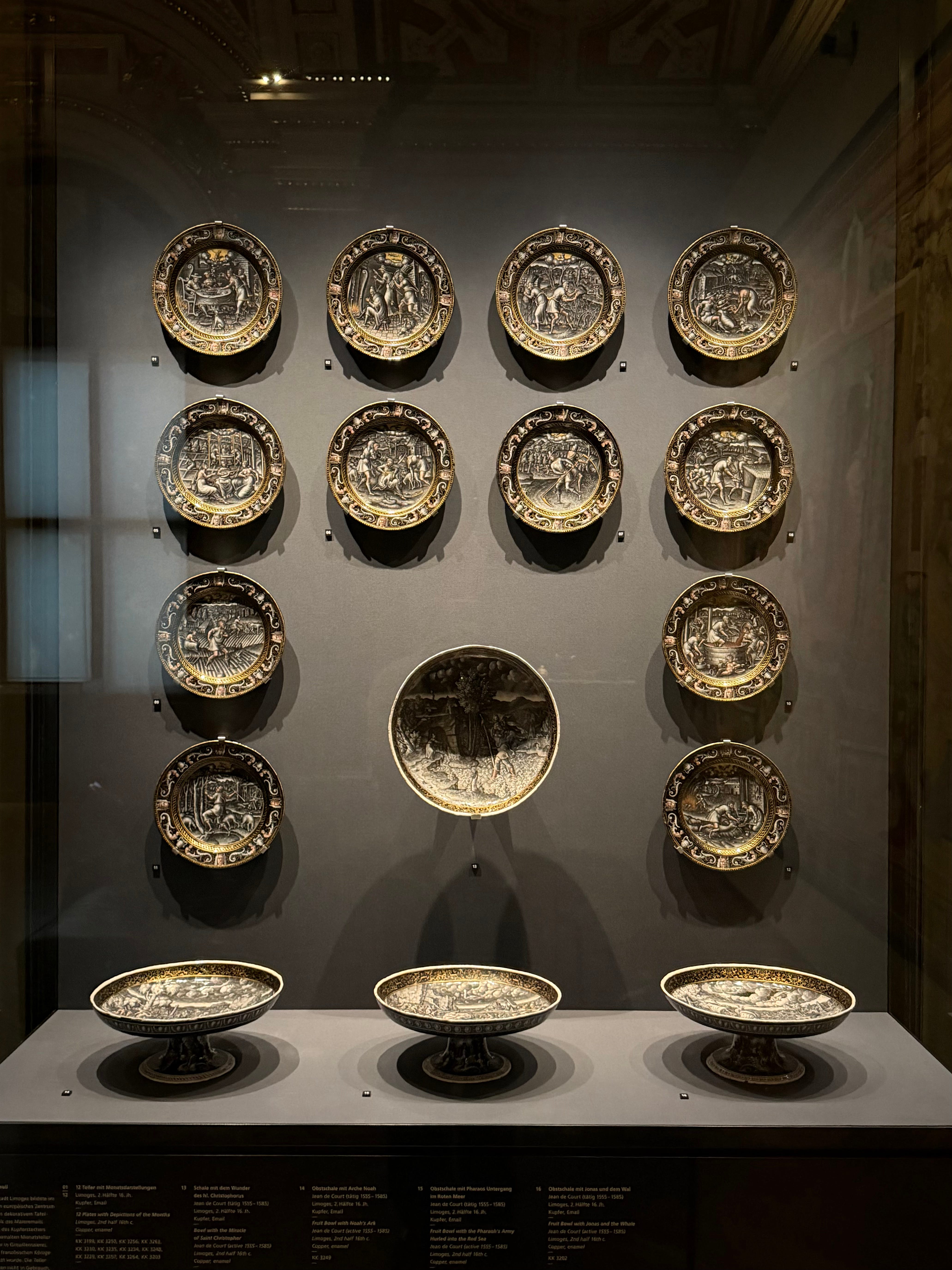
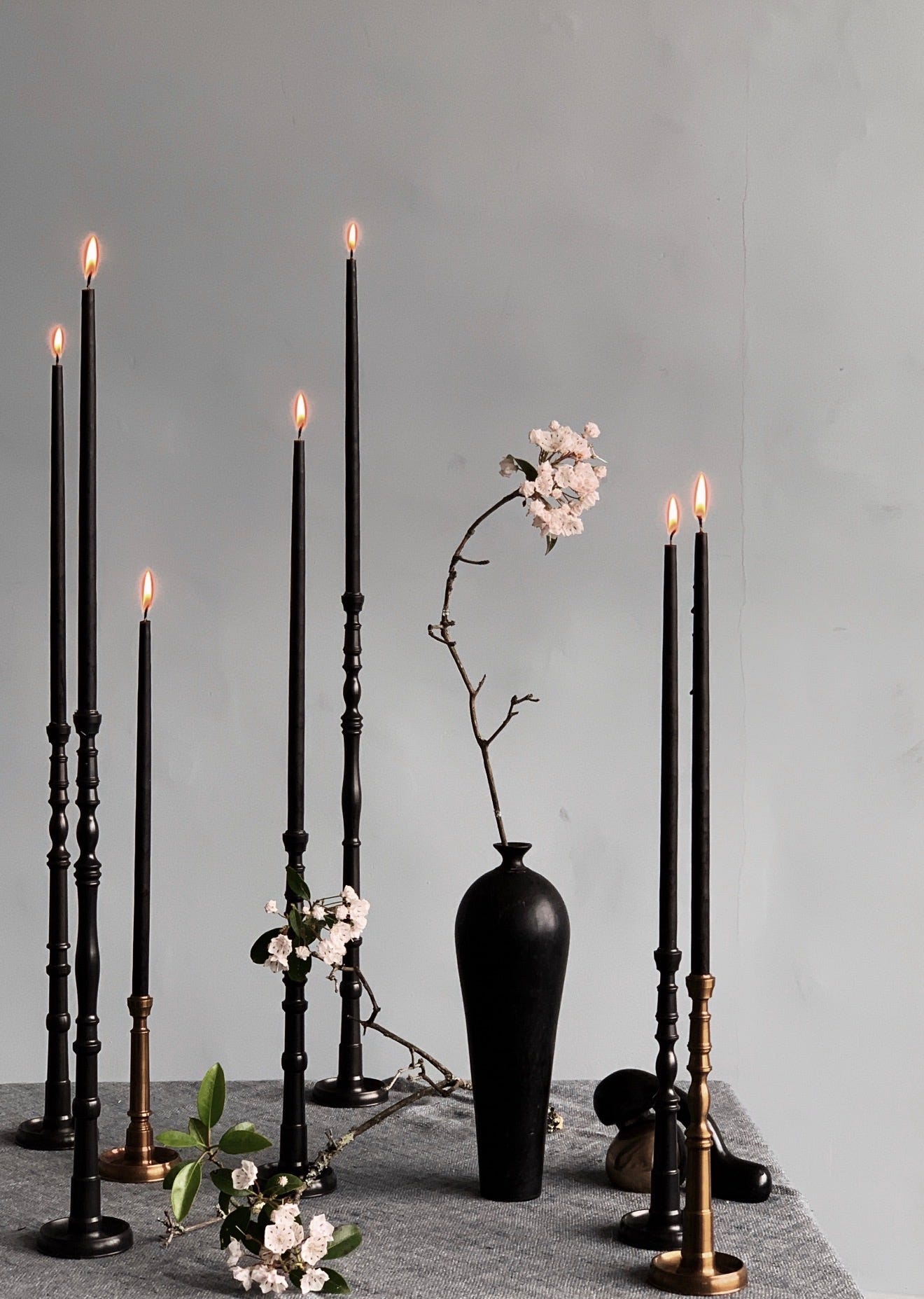
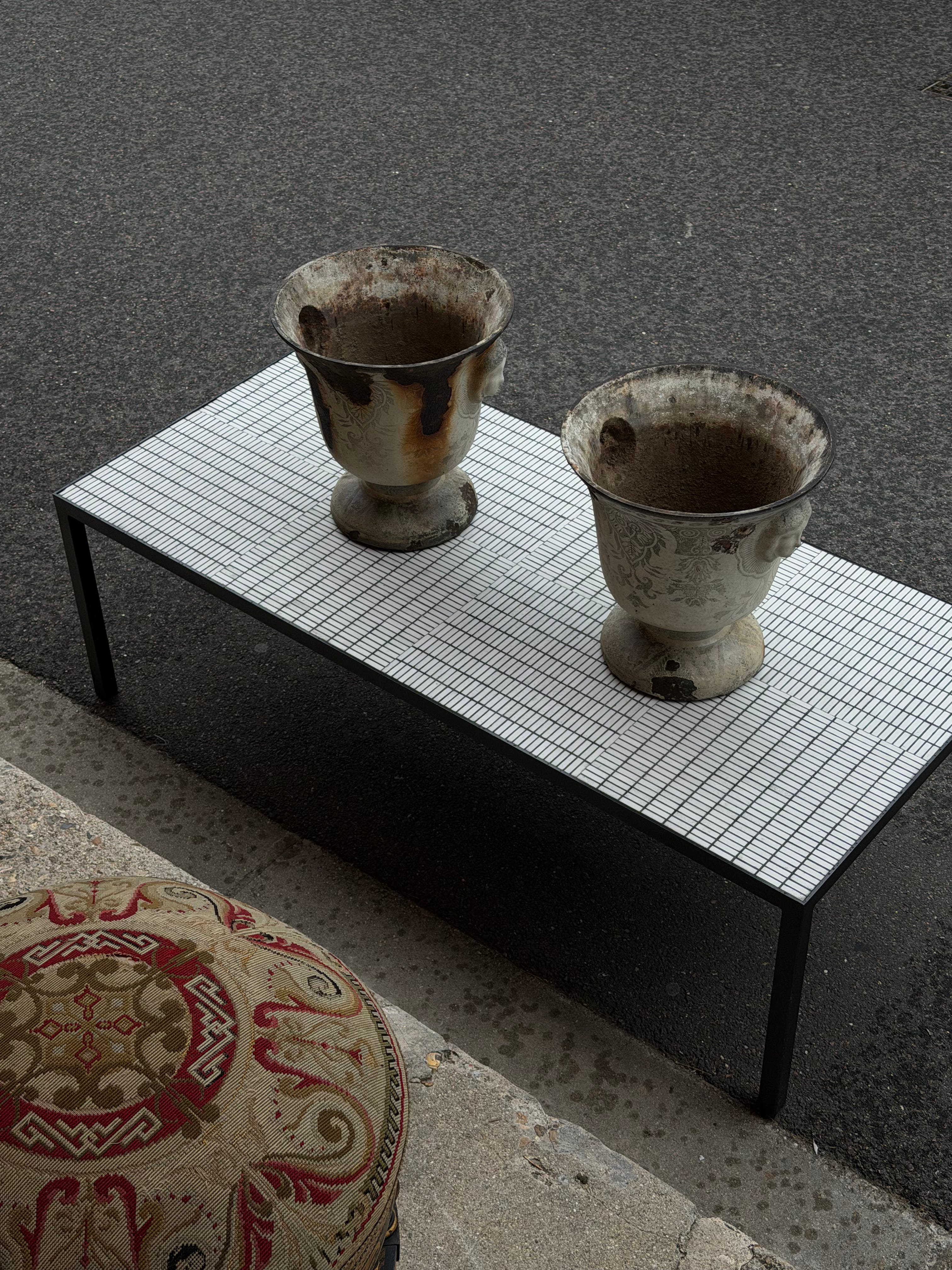
Of course there is a line. Repeat something without intention and the room feels anxious. Repeat something with clarity and the effect is calm. Assured. Almost inevitable.
I have learned that if I am unsure about an object, the answer is not always to remove it. Sometimes it is to reinforce it. To see what happens when it is not alone anymore. Sometimes that second piece reveals I never truly loved the first. And sometimes it does the opposite. It transforms something decorative into something foundational.
Objects do not always want to be soloists. Sometimes they want to be part of a chorus. And a chorus, when it is right, does not feel busy. It feels steady.
Love,
Colin

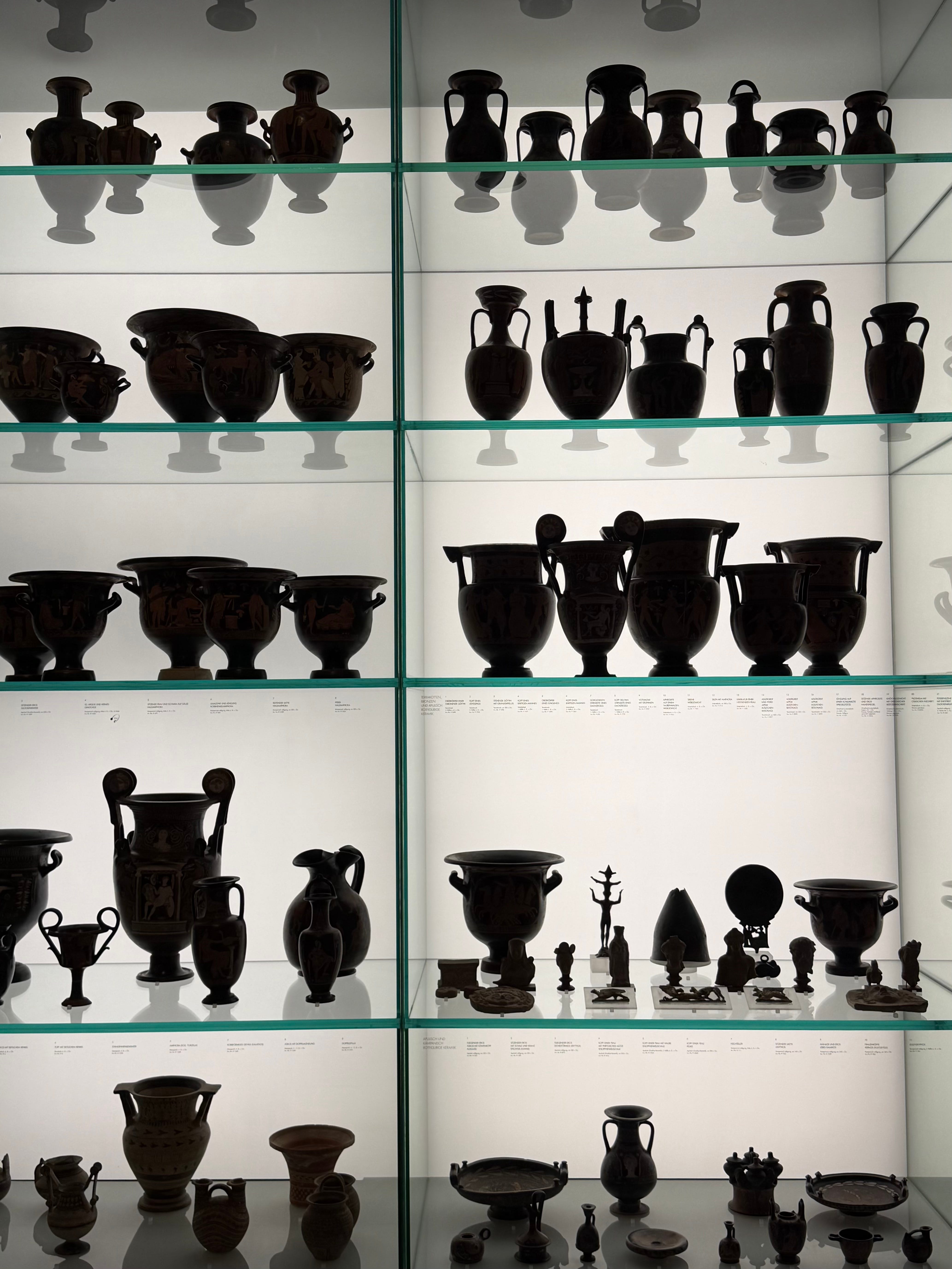
Particularly into the pair of lamps on the artist stools.