

Looking at the Wrong Thing
Why the frame is often the most powerful part of the painting

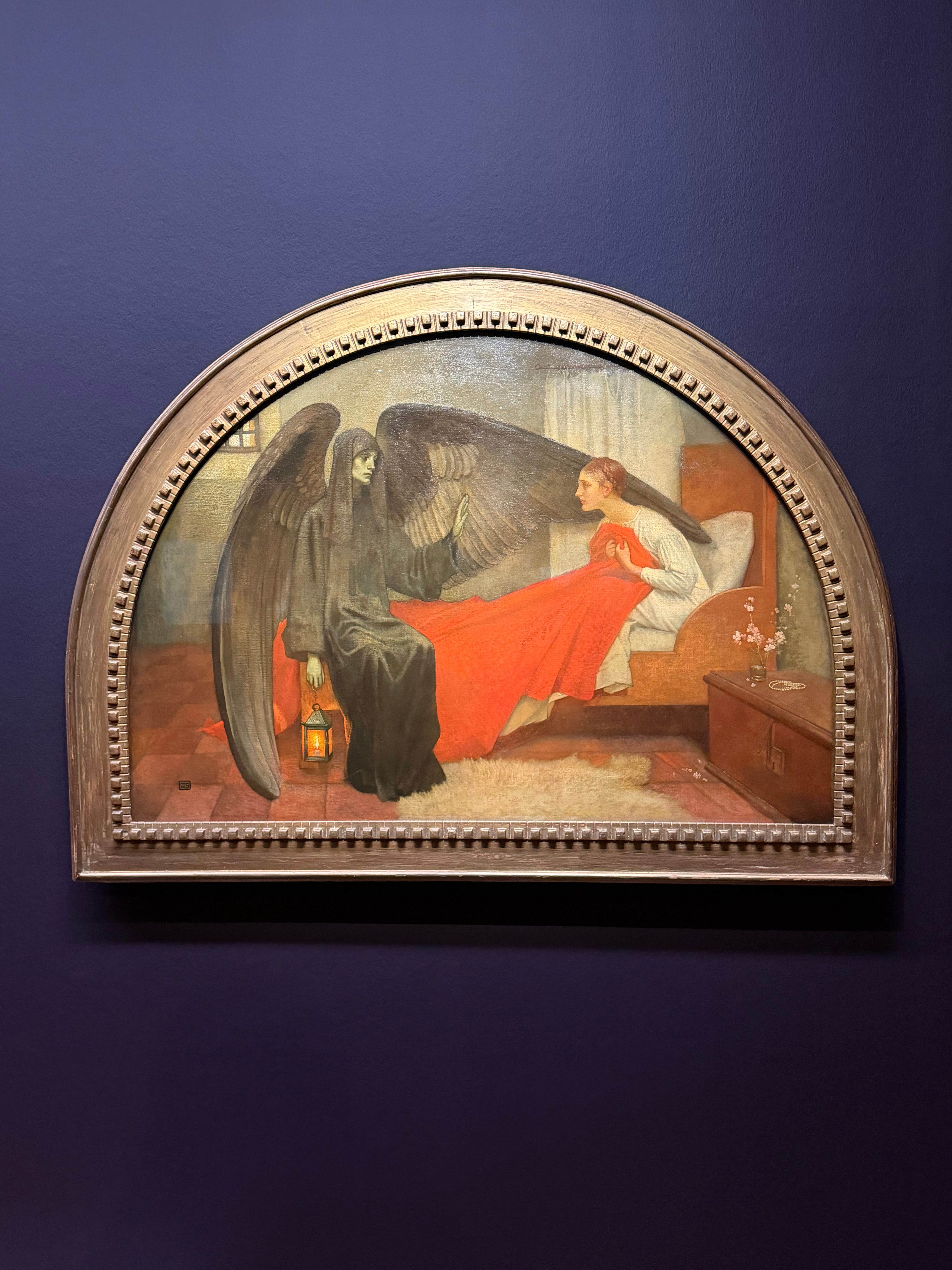
I go to museums to get lost in the art.
And I do. I can stand in front of a painting for a very long time if it’s doing its job properly. Color rearranging something inside me. A small emotional weather system forming where there wasn’t one a moment ago.
But over the past year something has changed.
As I’ve started collecting art for my own home, I’ve found myself noticing the frames more and more. Not because they’re louder than the painting, but because they quietly change everything about how the painting lives in the world.
When you only encounter art in museums, the frame feels like part of the architecture. It’s just there, doing its job quietly. The painting is the star. The frame is the supporting cast.

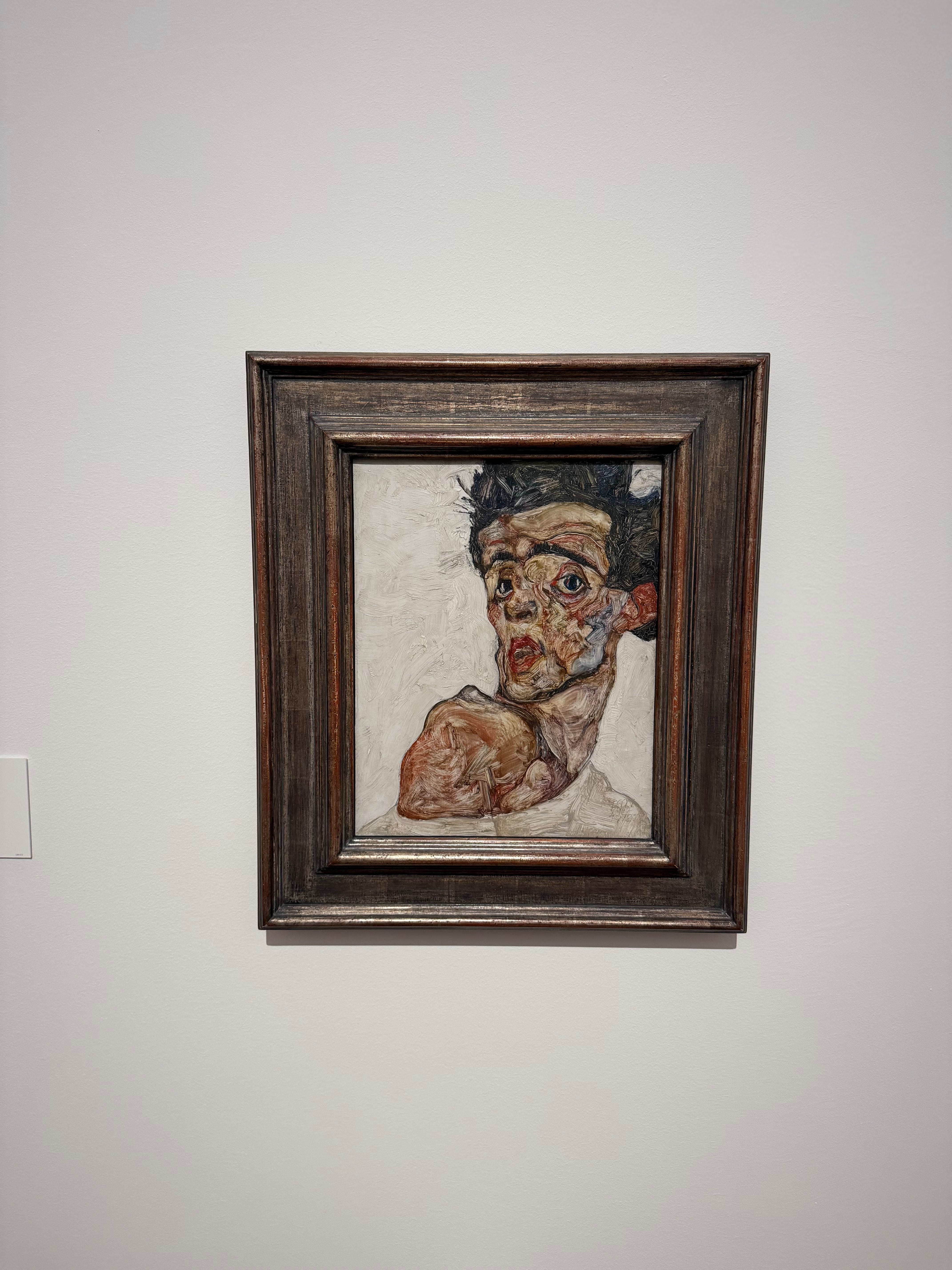

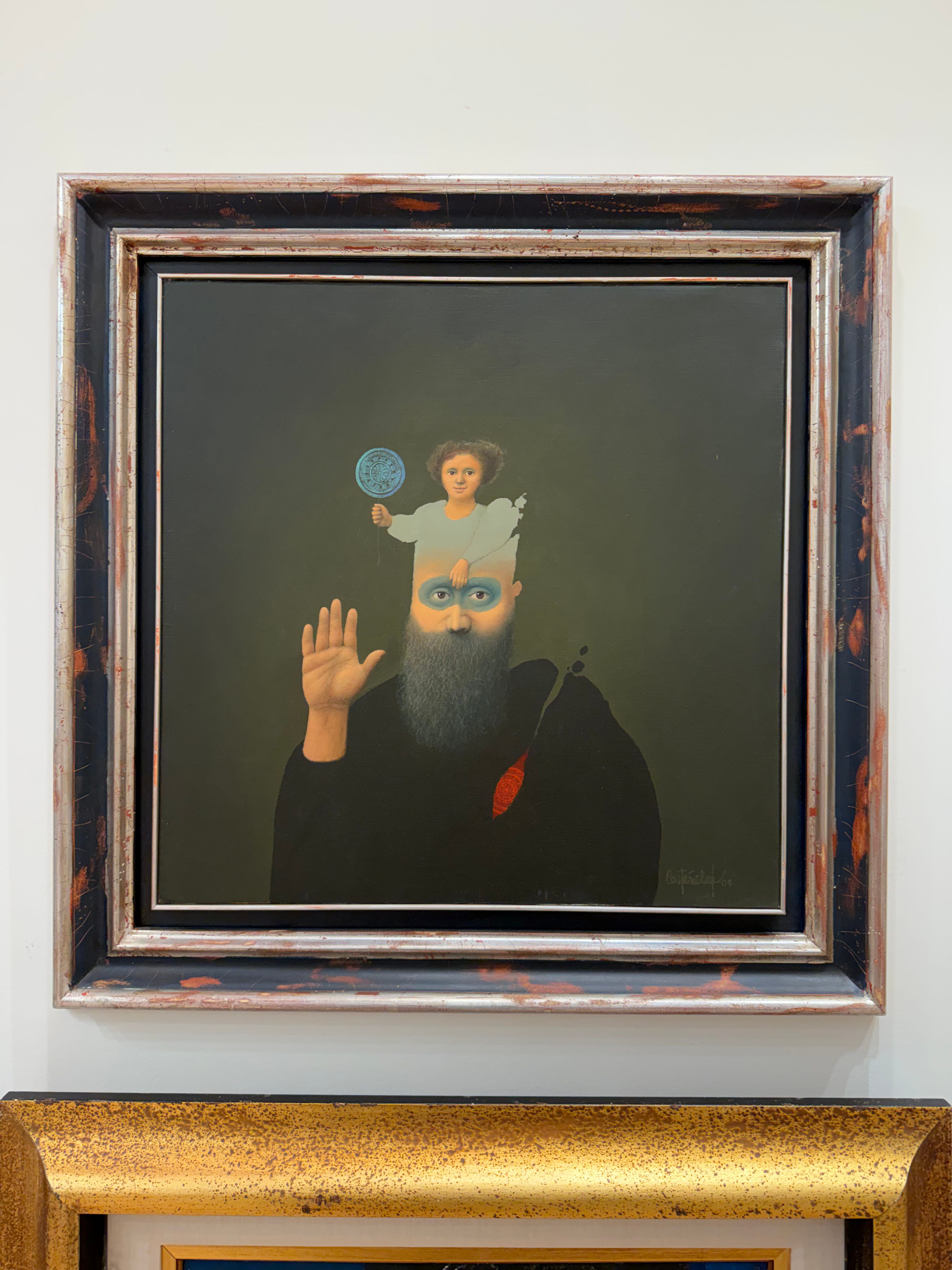
But when a piece of art arrives in your own home, suddenly the frame becomes a real decision.
The painting might be the thing you fell in love with, but the frame decides how that love shows up in the room.
I realized this very clearly with a small painting that used to hang above my bed in my old apartment.
It’s a portrait of a man with a slightly mysterious face. The kind that suggests there’s a story attached, though no one seems particularly interested in explaining it.
When I bought it, the painting came in a very traditional frame. Heavy. Ornate. Slightly theatrical. It was beautiful in its own way, but it made the painting feel formal, almost distant, like it belonged in someone else’s house rather than mine.
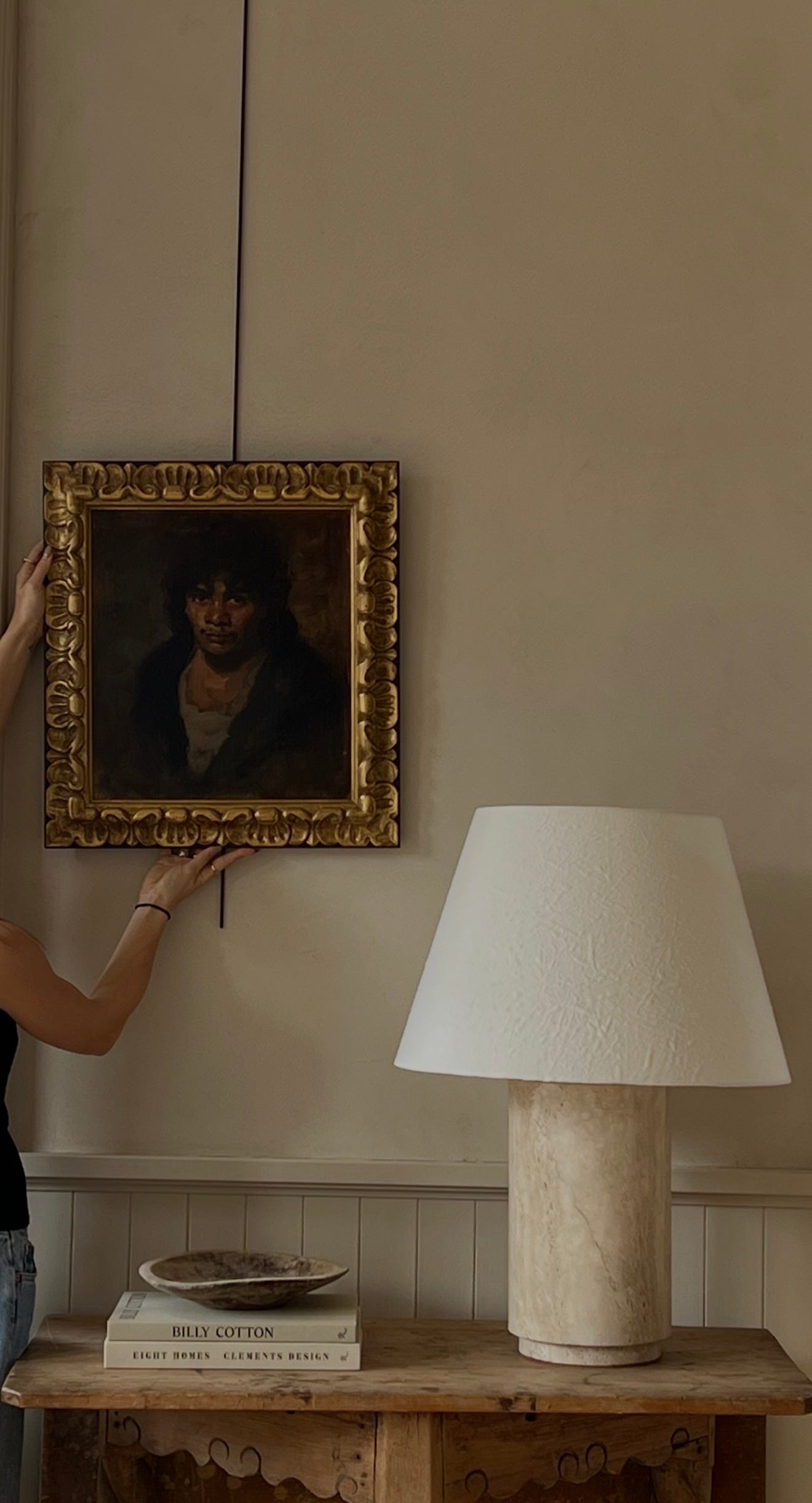
One afternoon I decided to see what would happen if I took it out.
So I popped the painting out of the frame and hung it back up on the wall just as it was.
And suddenly the whole thing changed.
Without the frame the painting felt immediate. Raw. Contemporary in a way that surprised me. It stopped feeling like a precious object and started feeling like something alive in the room. The space shifted with it. The portrait gained a little tension, a little attitude. It gave the room some teeth.
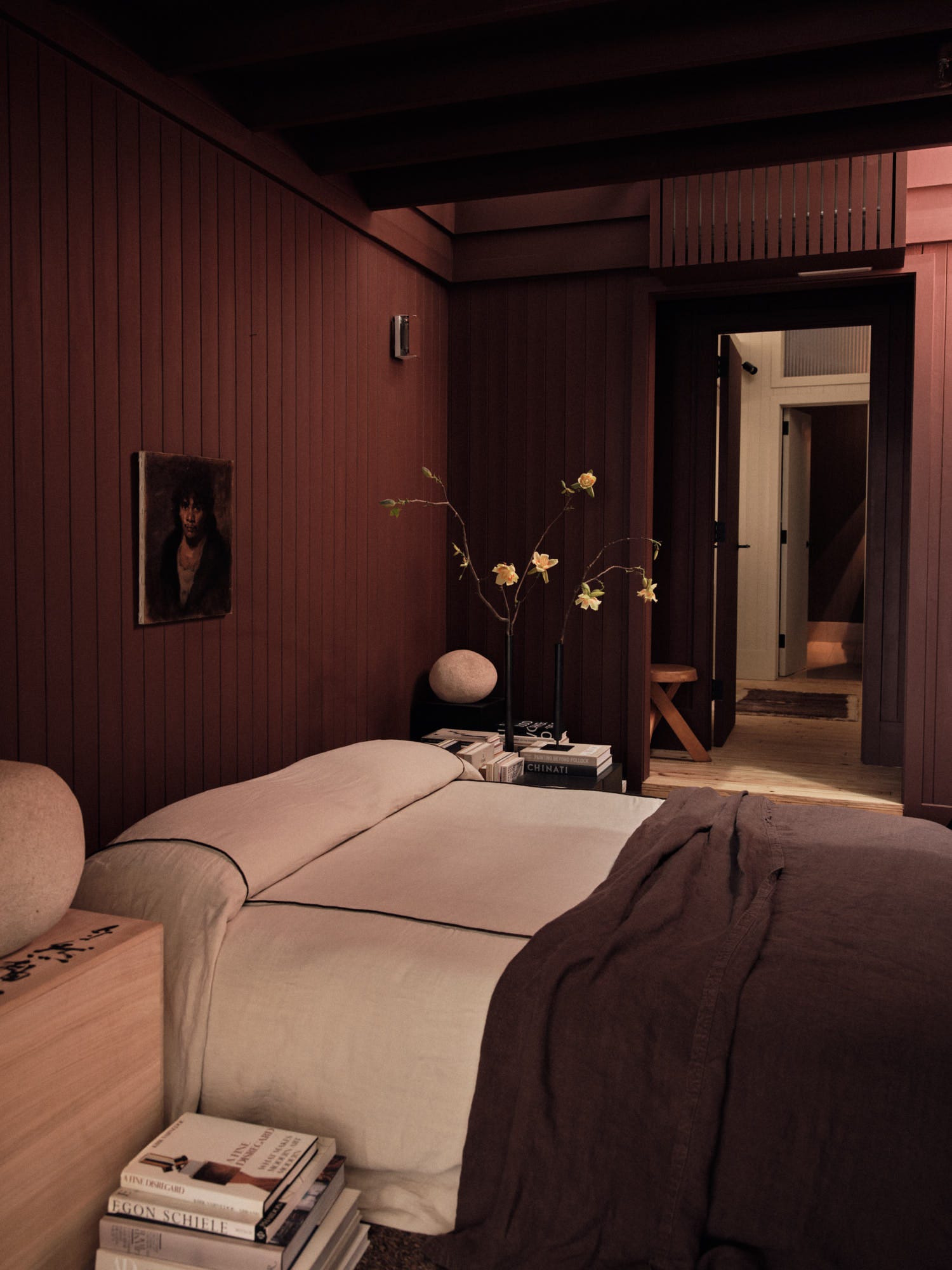
Which is how, in my old apartment, I ended up sleeping under the watch of a slightly mysterious stranger with no frame to keep him properly behaved.
That small moment taught me something I hadn’t fully understood before.
A frame doesn’t just hold the painting.
It changes how you see it.
The same painting in a thin maple frame feels contemporary. Almost casual. Put that same painting in something gilded and suddenly it feels inherited. Important. Slightly intimidating in the best possible way.
Nothing about the painting has changed.
But the entire tone of the work shifts.
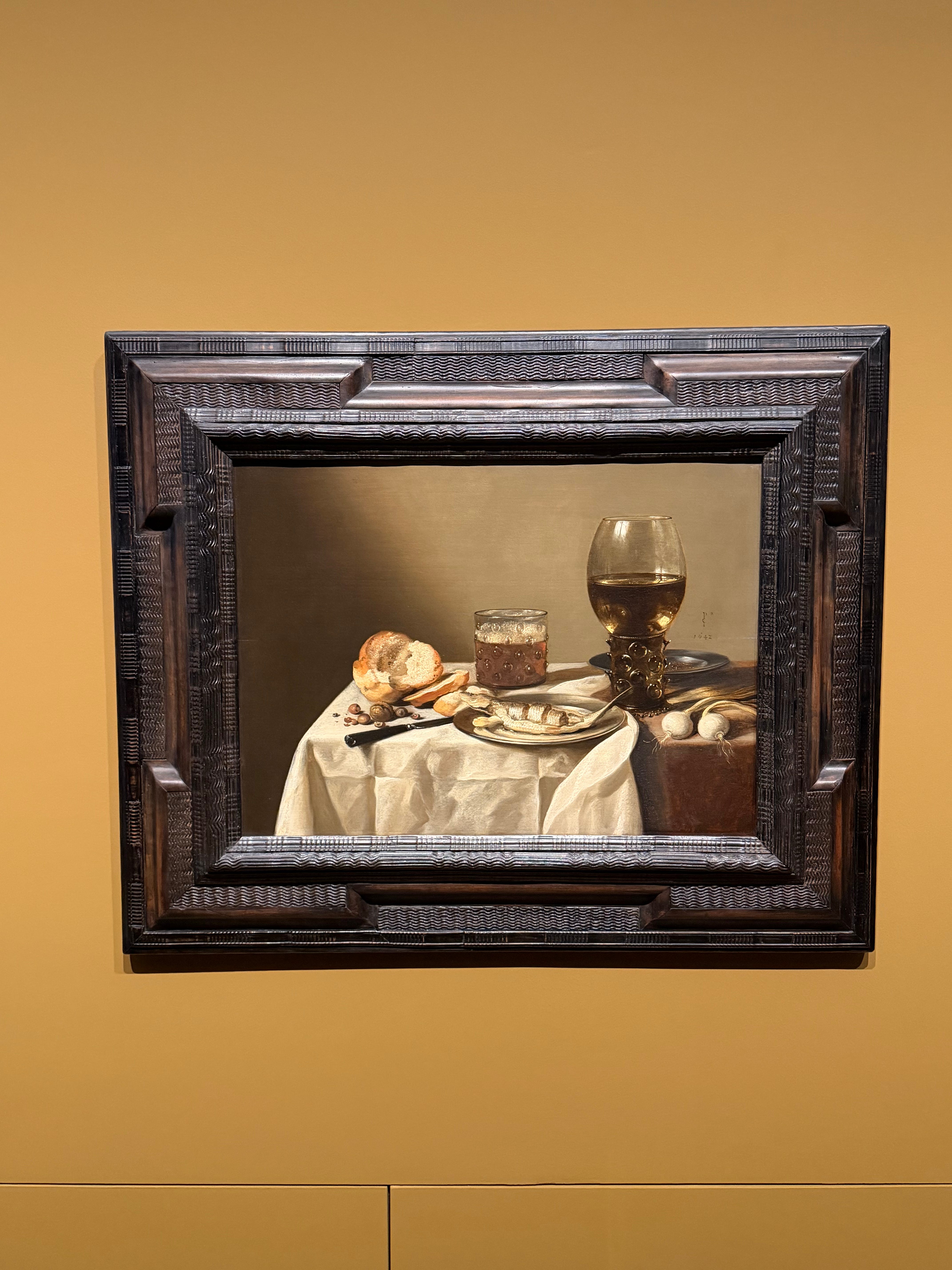
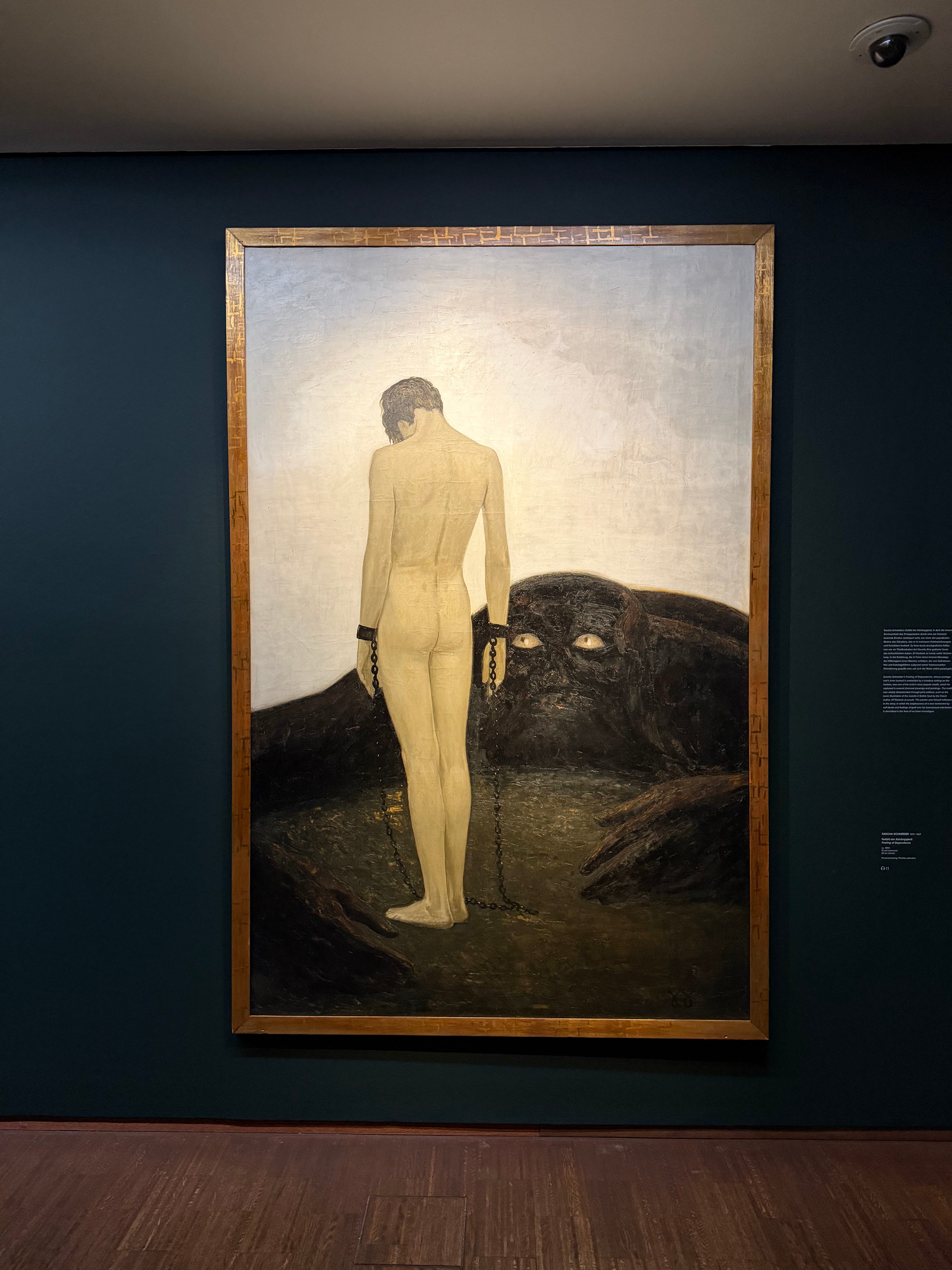

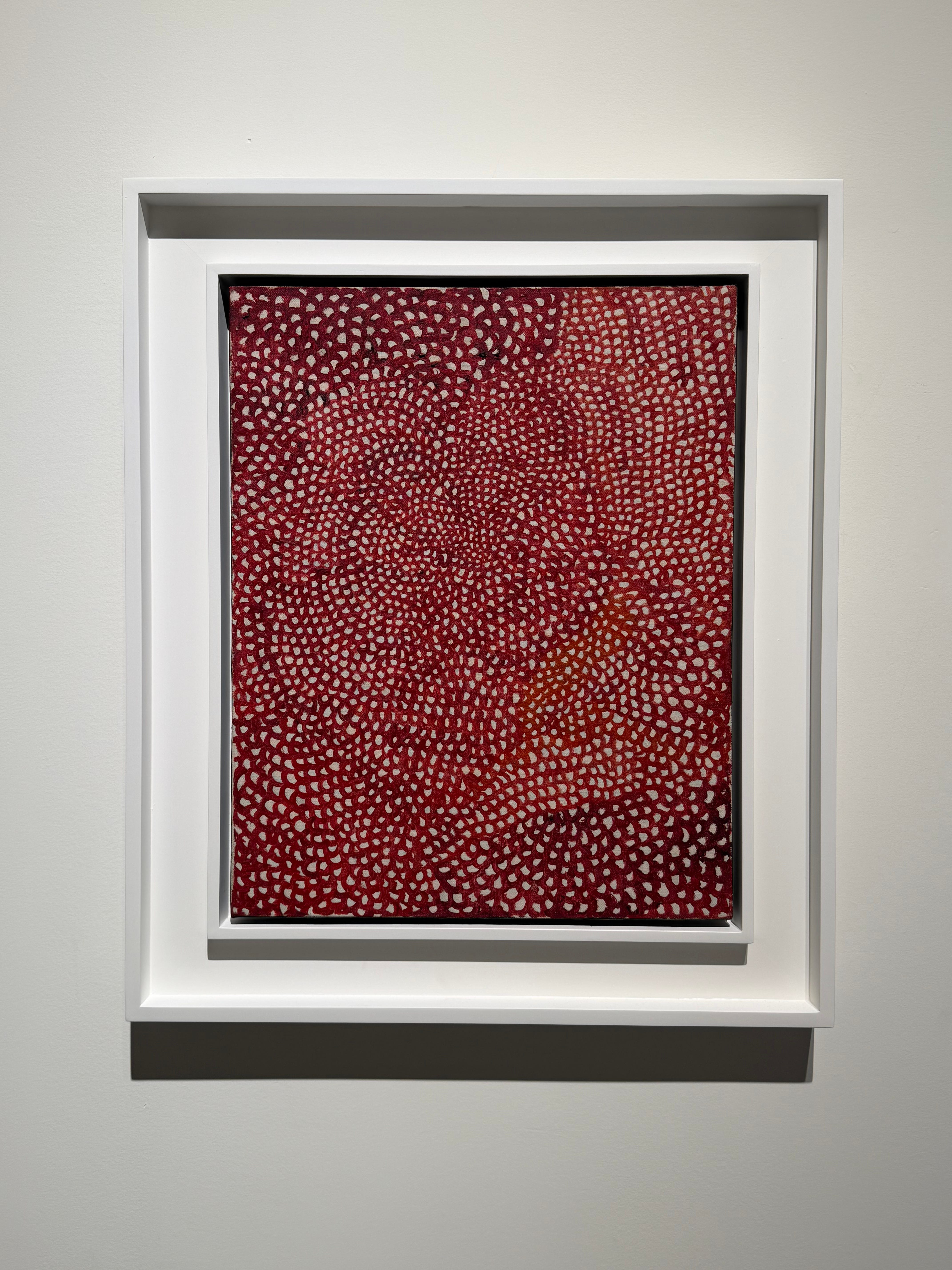
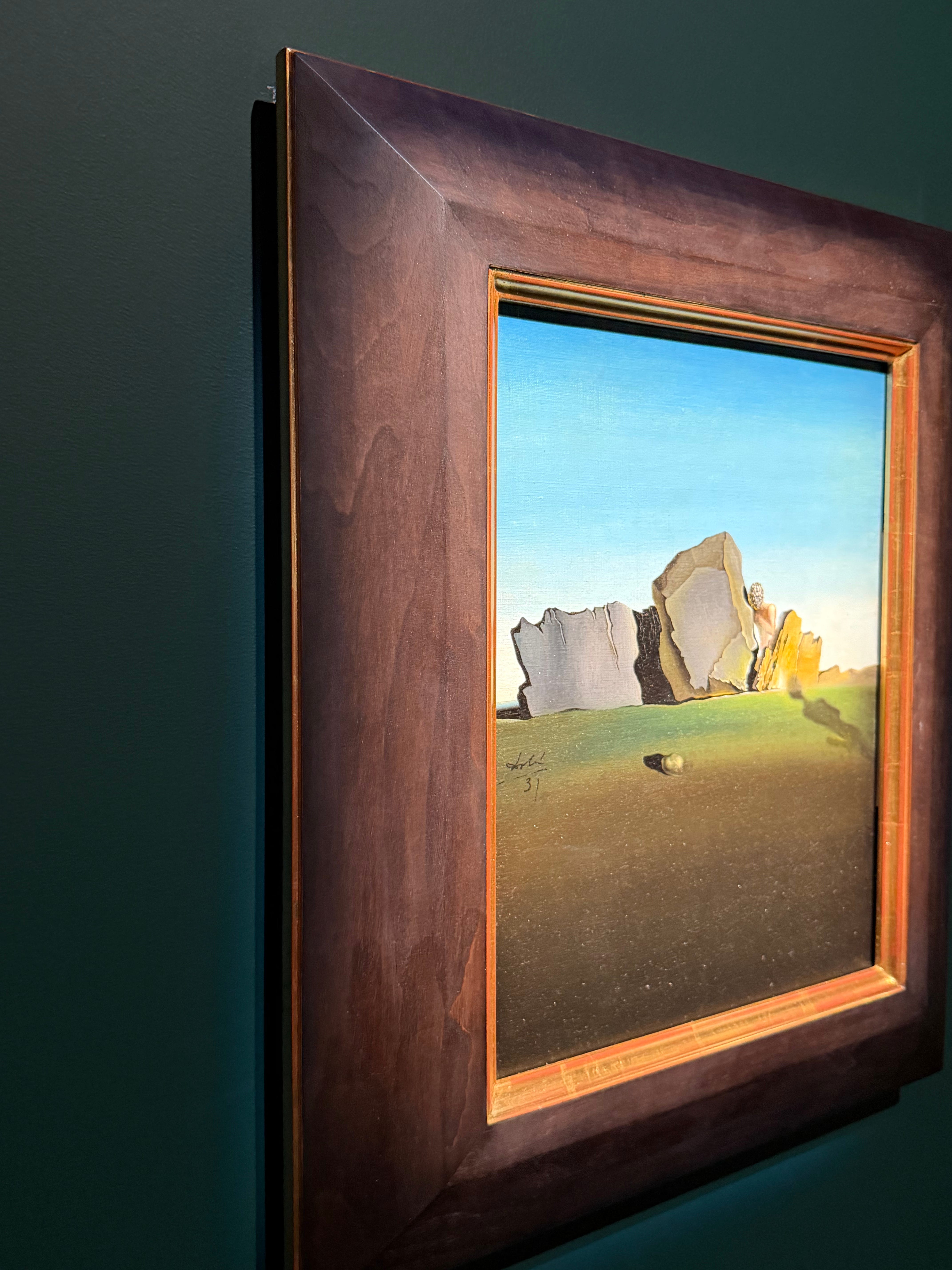
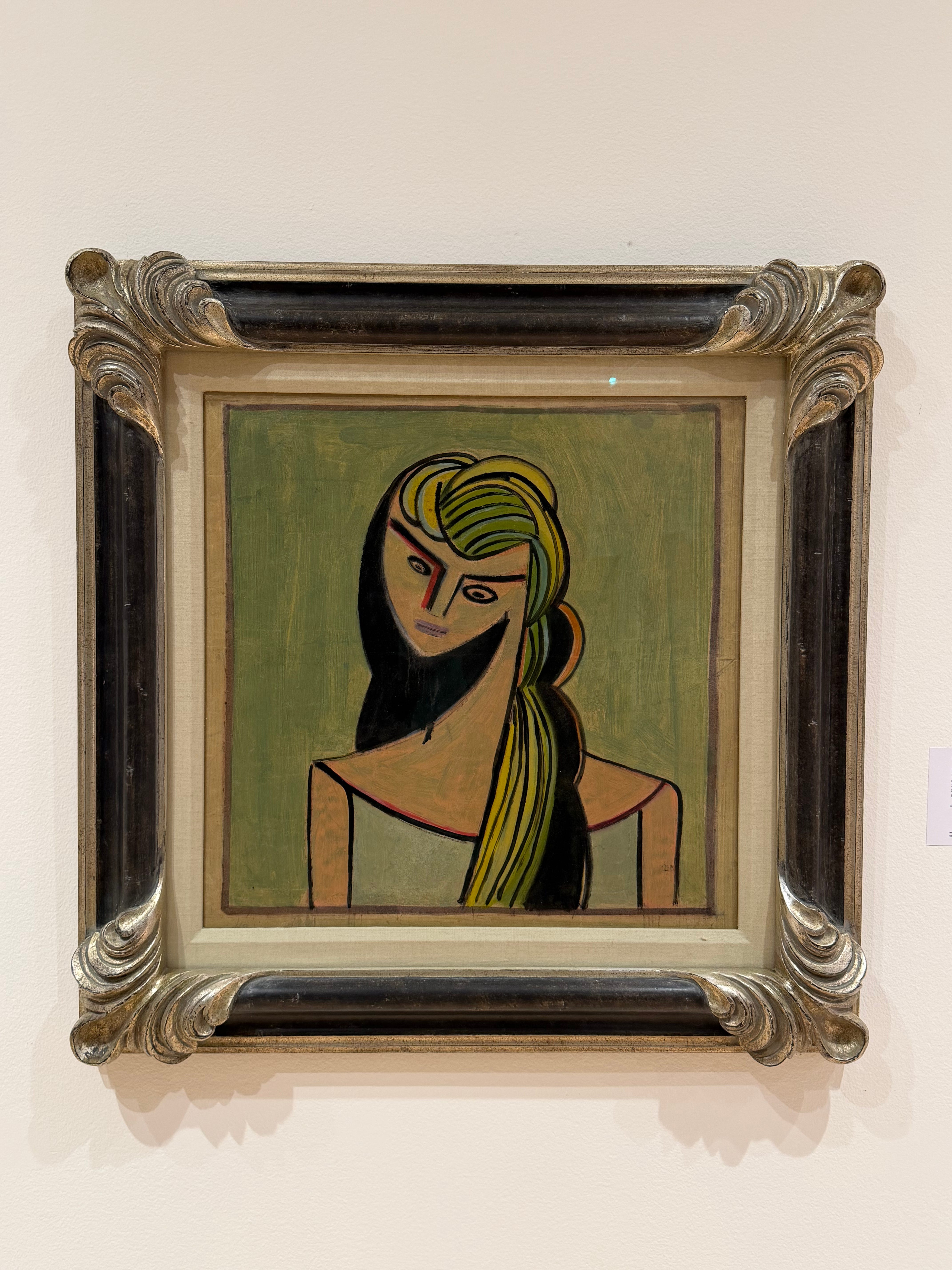
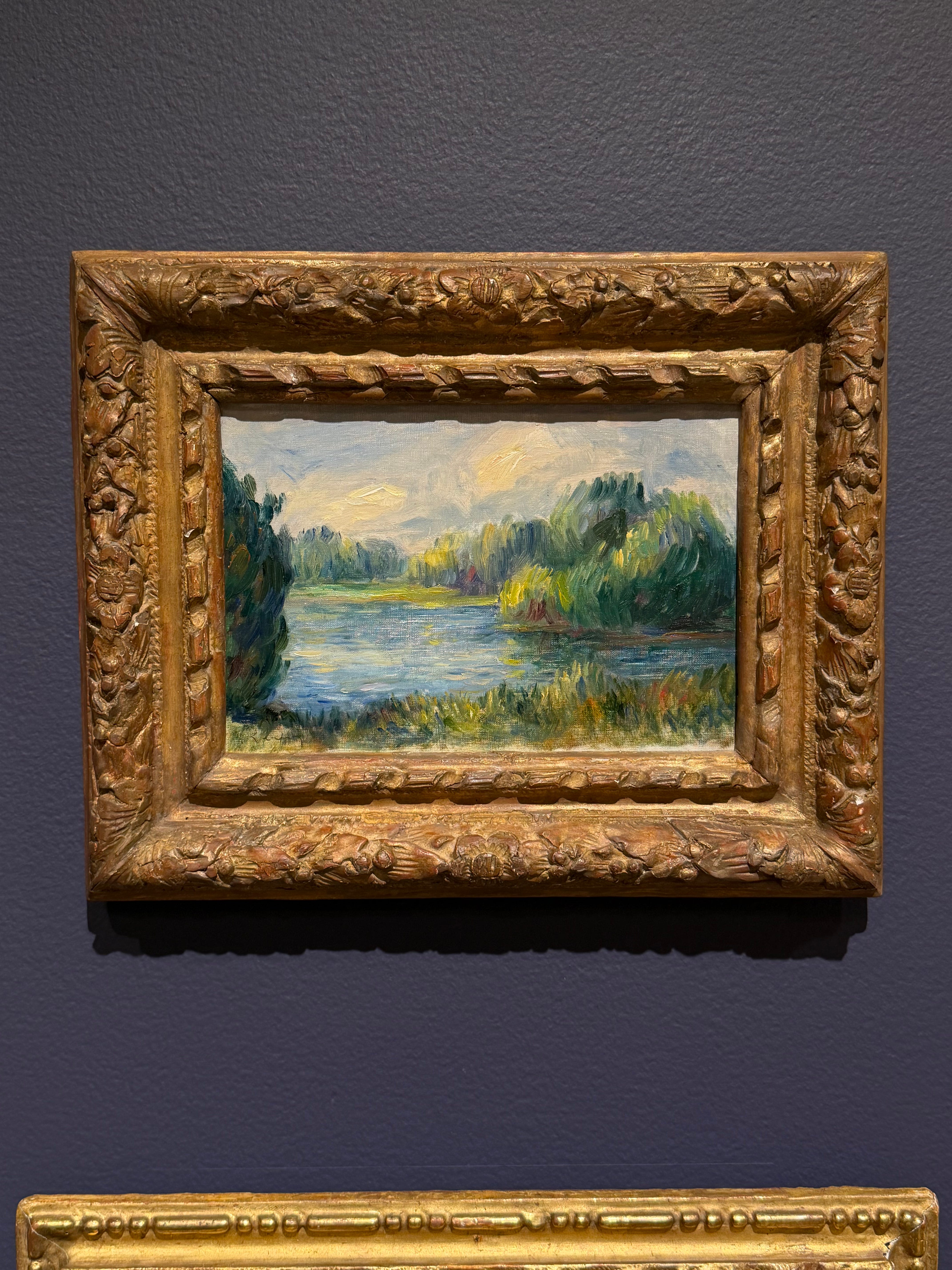
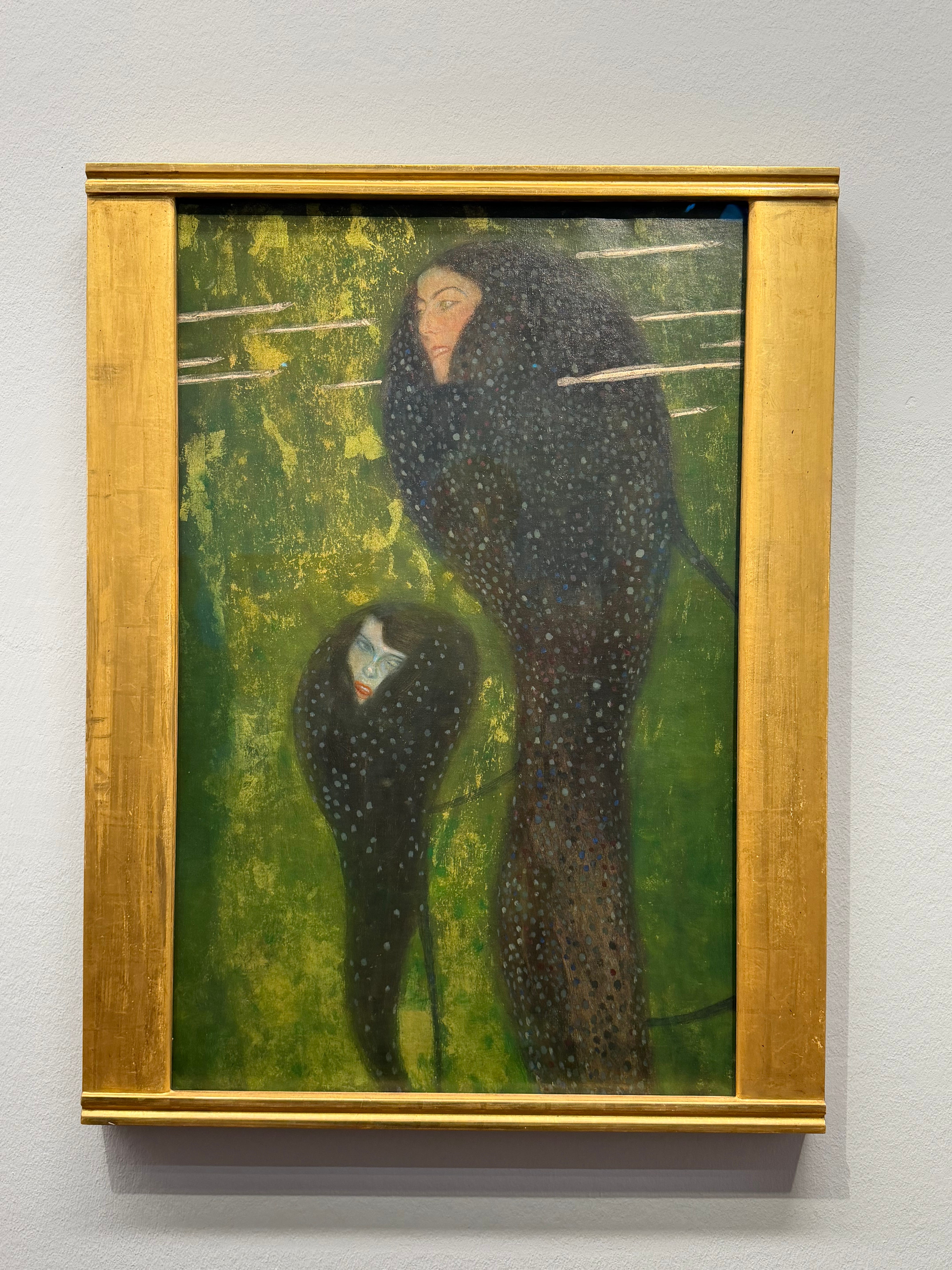
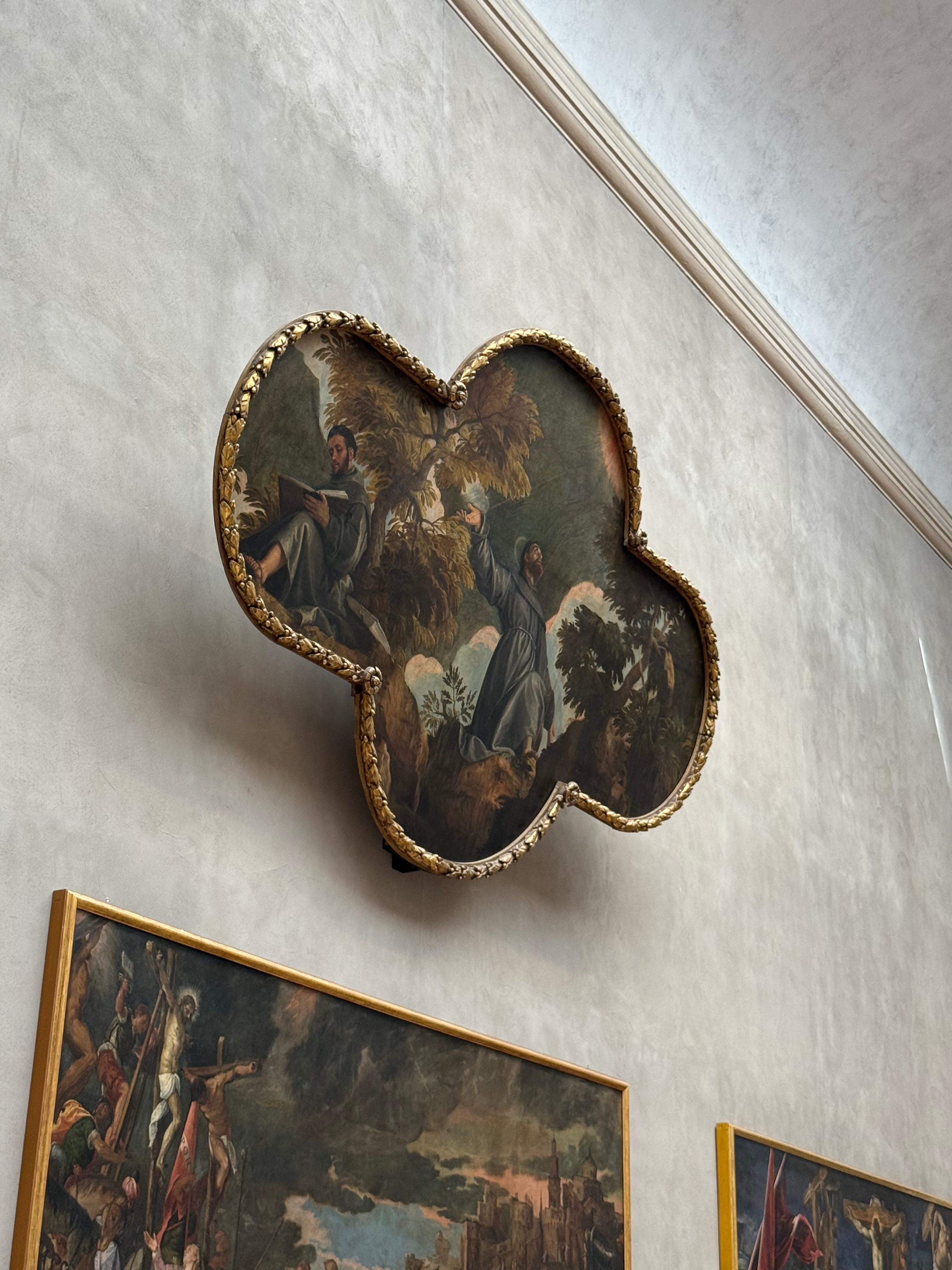
Frames quietly decide how serious something feels. A modest painting in the right frame suddenly carries itself differently. The room pays attention.
Living with art has made me realize how much authority lives in the edges of things. The painting may carry the emotion, but the frame quietly instructs your eye how to receive it.
And once you start noticing frames, you begin to see them everywhere.
A rug frames a seating area. A console frames the objects placed on top of it. A doorway frames a view. Even empty space is a kind of frame, deciding what deserves attention and what quietly fades into the background.
Styling, when I really think about it, is mostly framing.
It’s deciding what deserves space around it. What should feel contained and what should feel loose. The object might be beautiful on its own, but the way you frame it determines how powerful it becomes.
Collecting art has changed the way I see this completely.
Buying the painting is the romantic part. Choosing the frame is where the relationship begins.
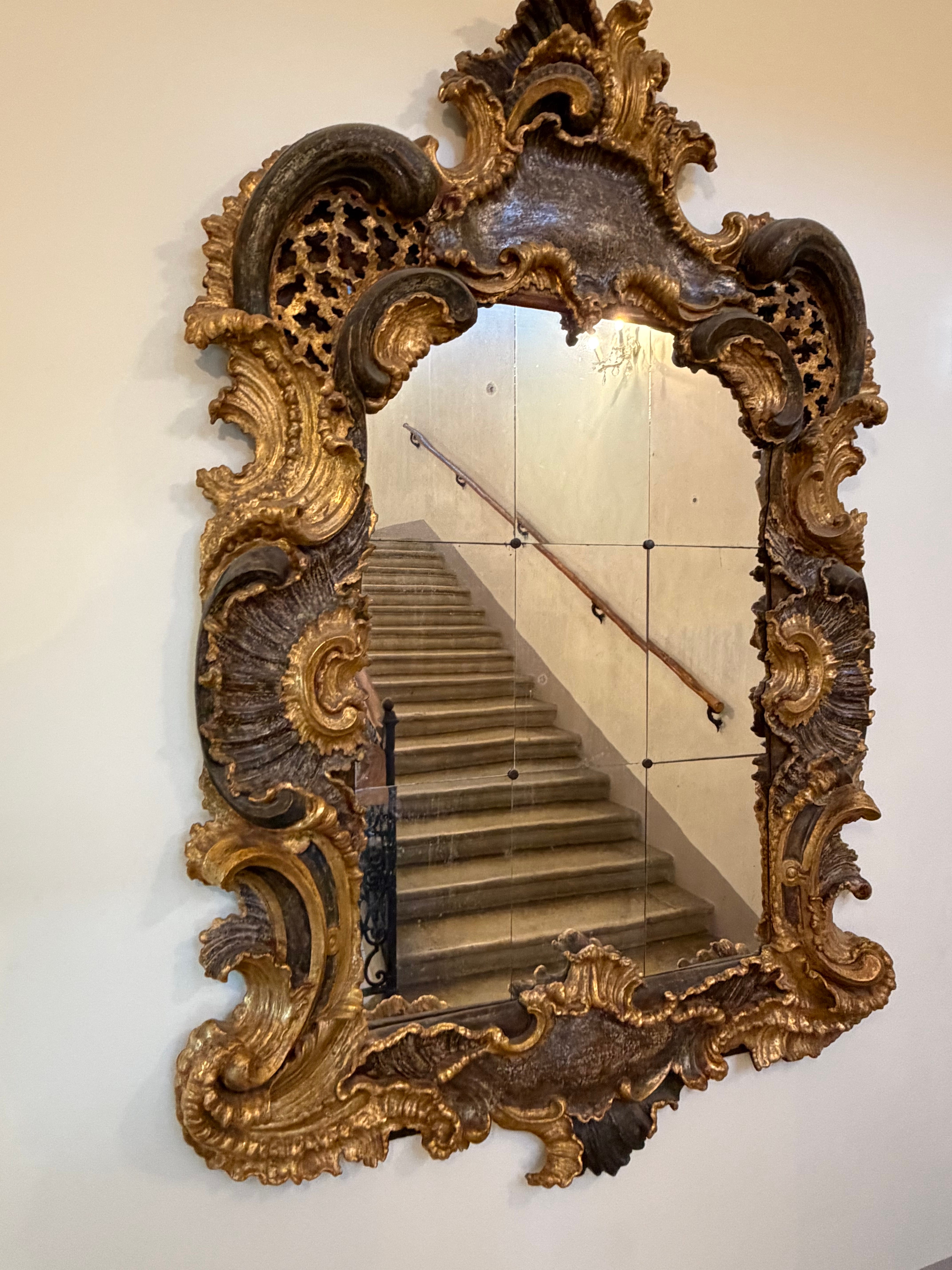
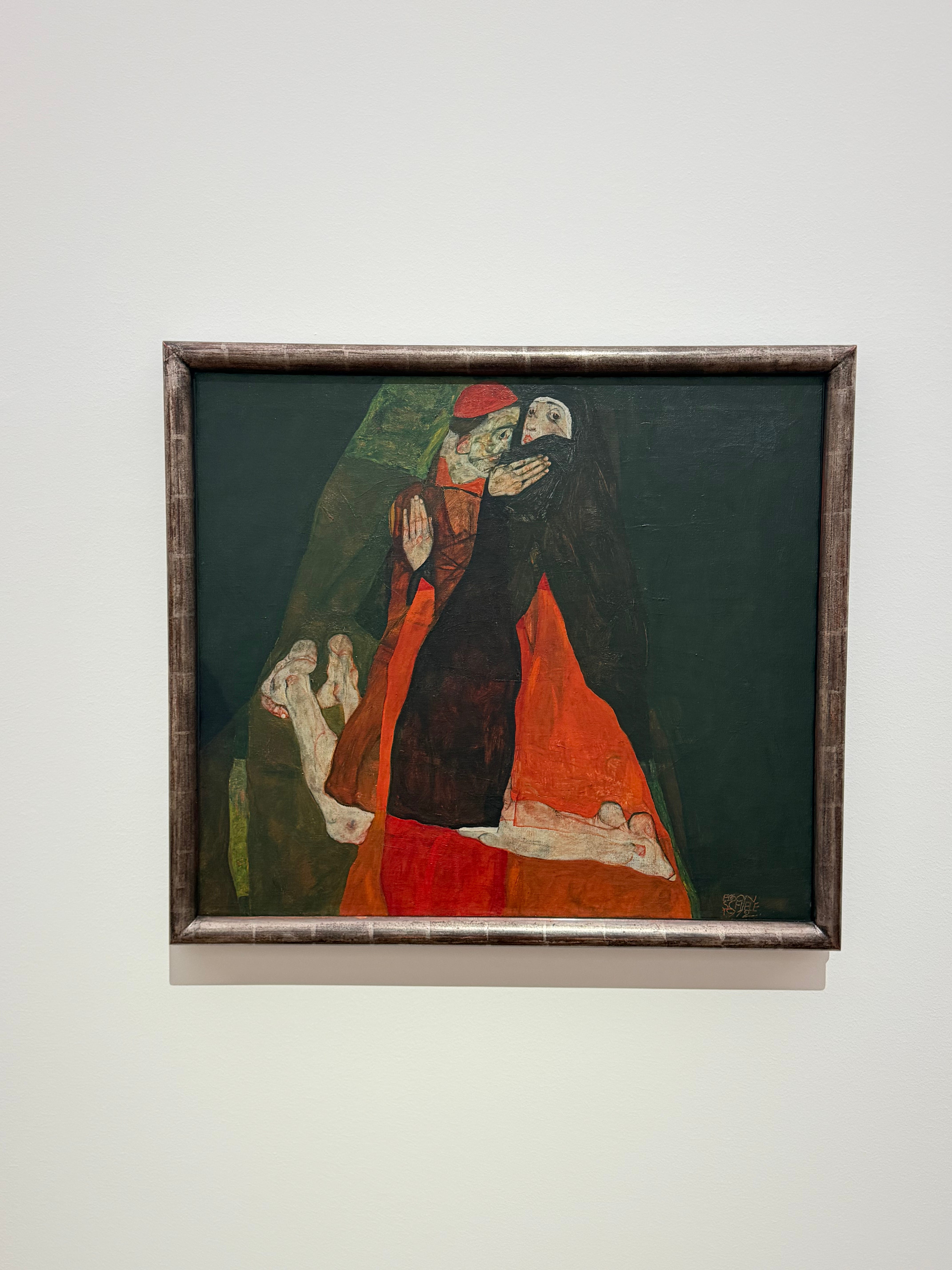
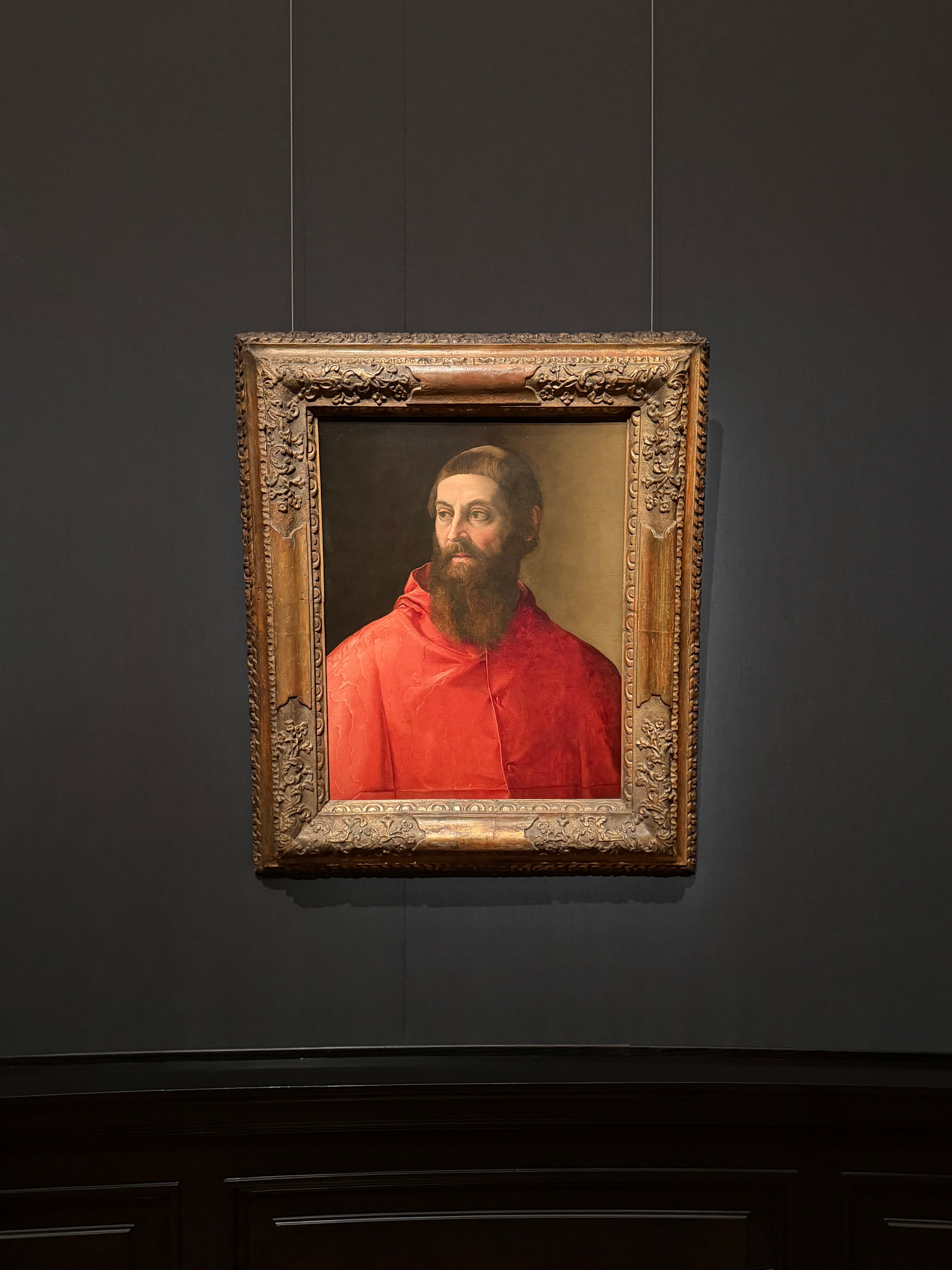
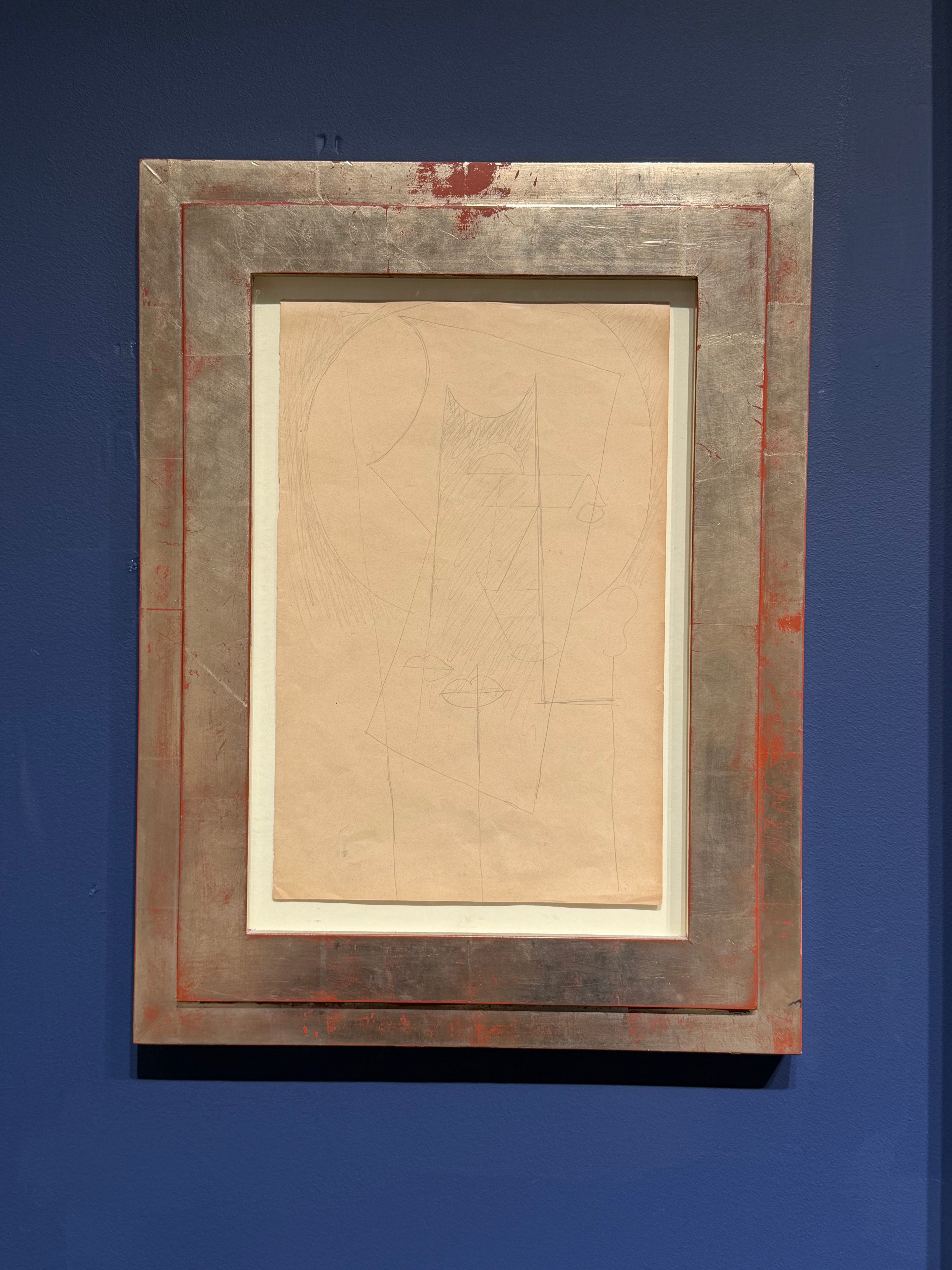
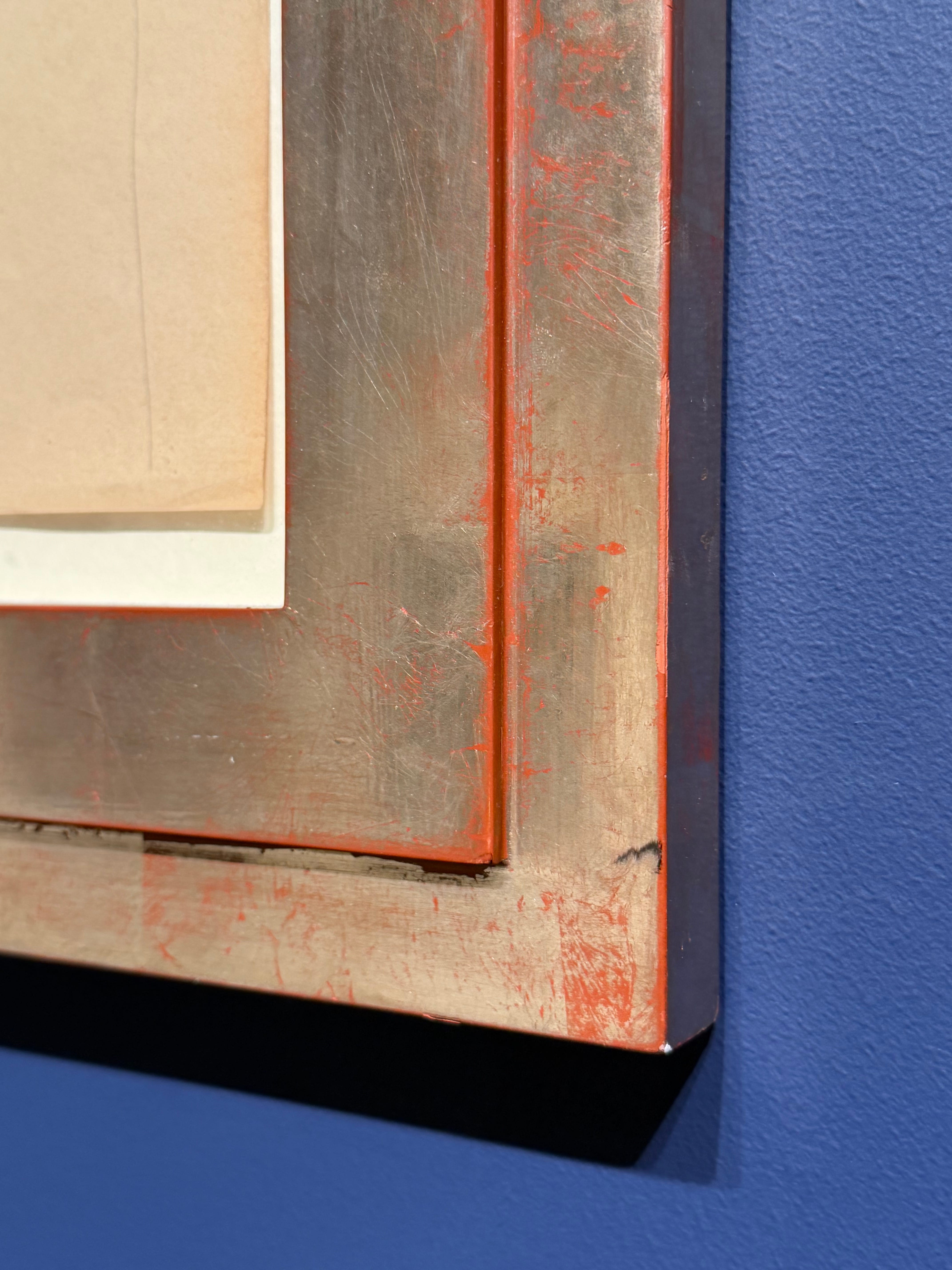
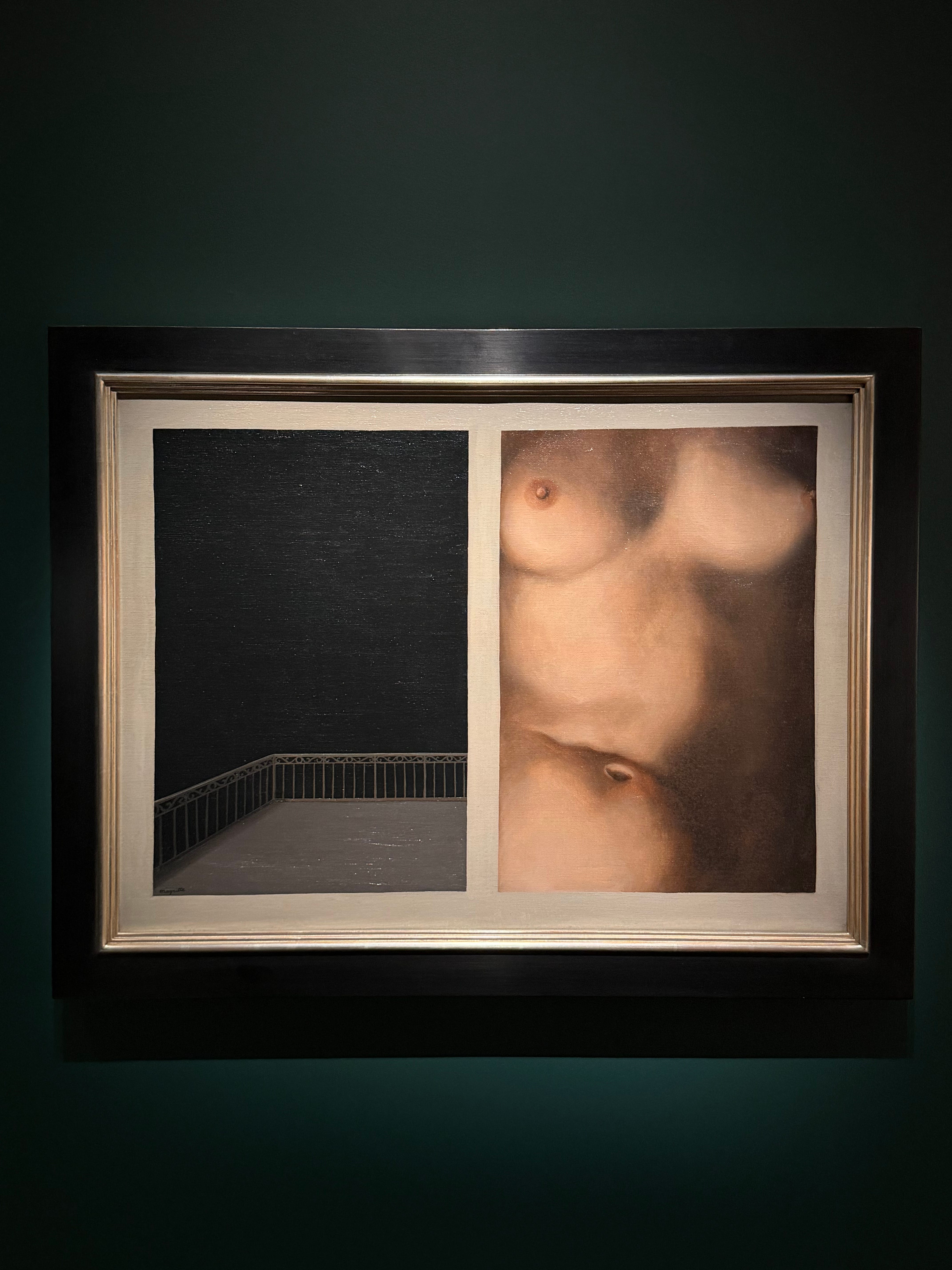
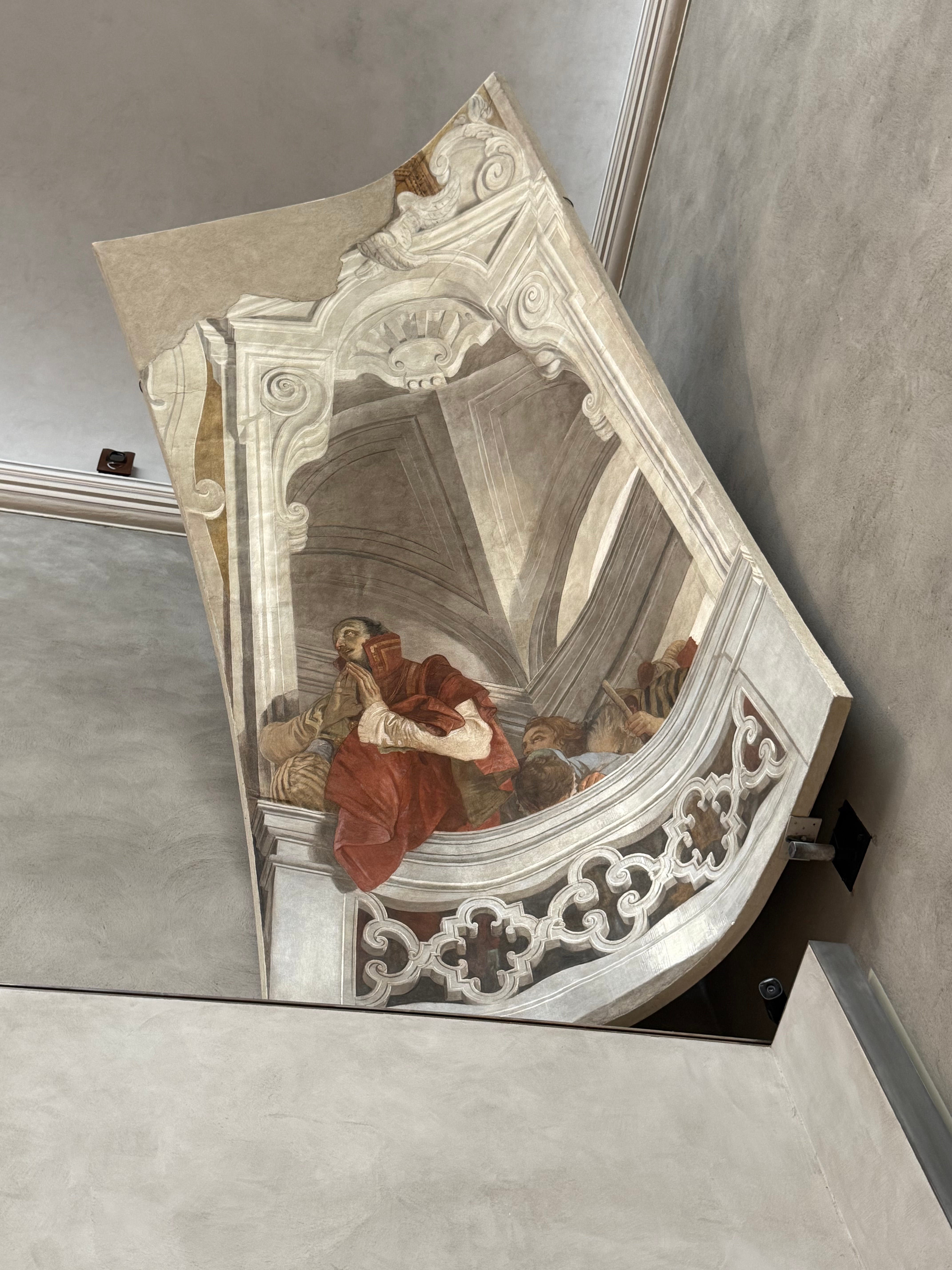
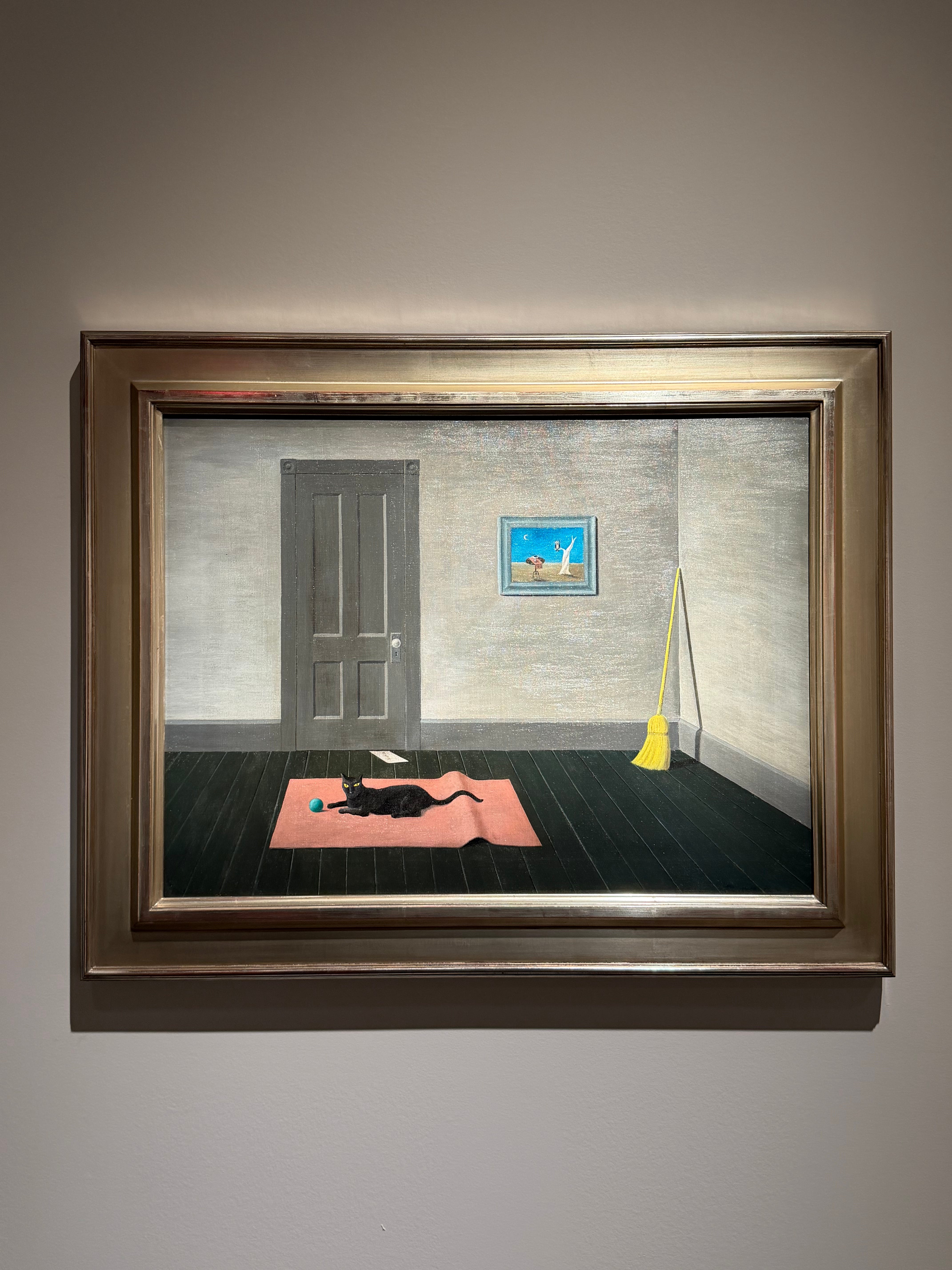
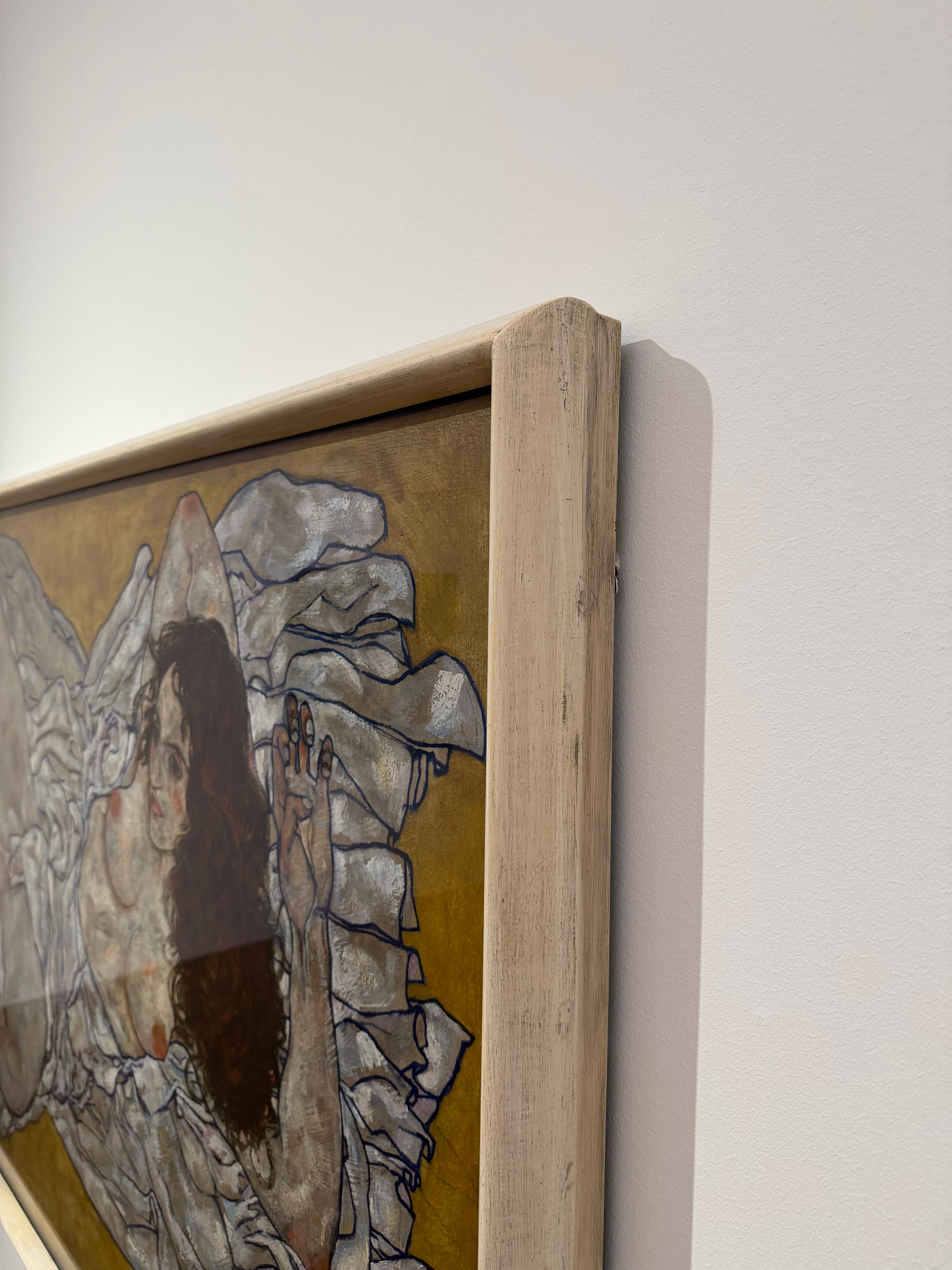
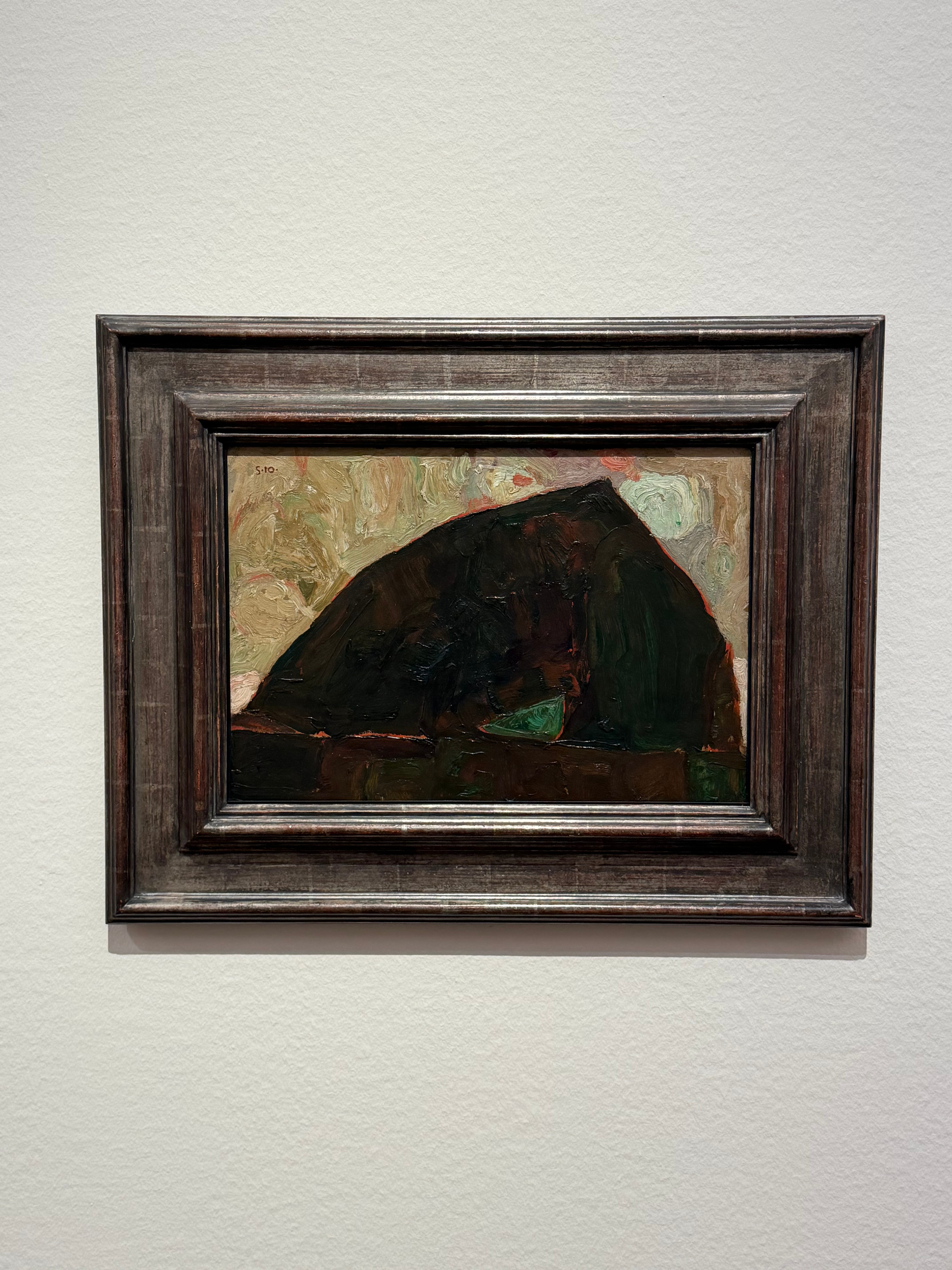
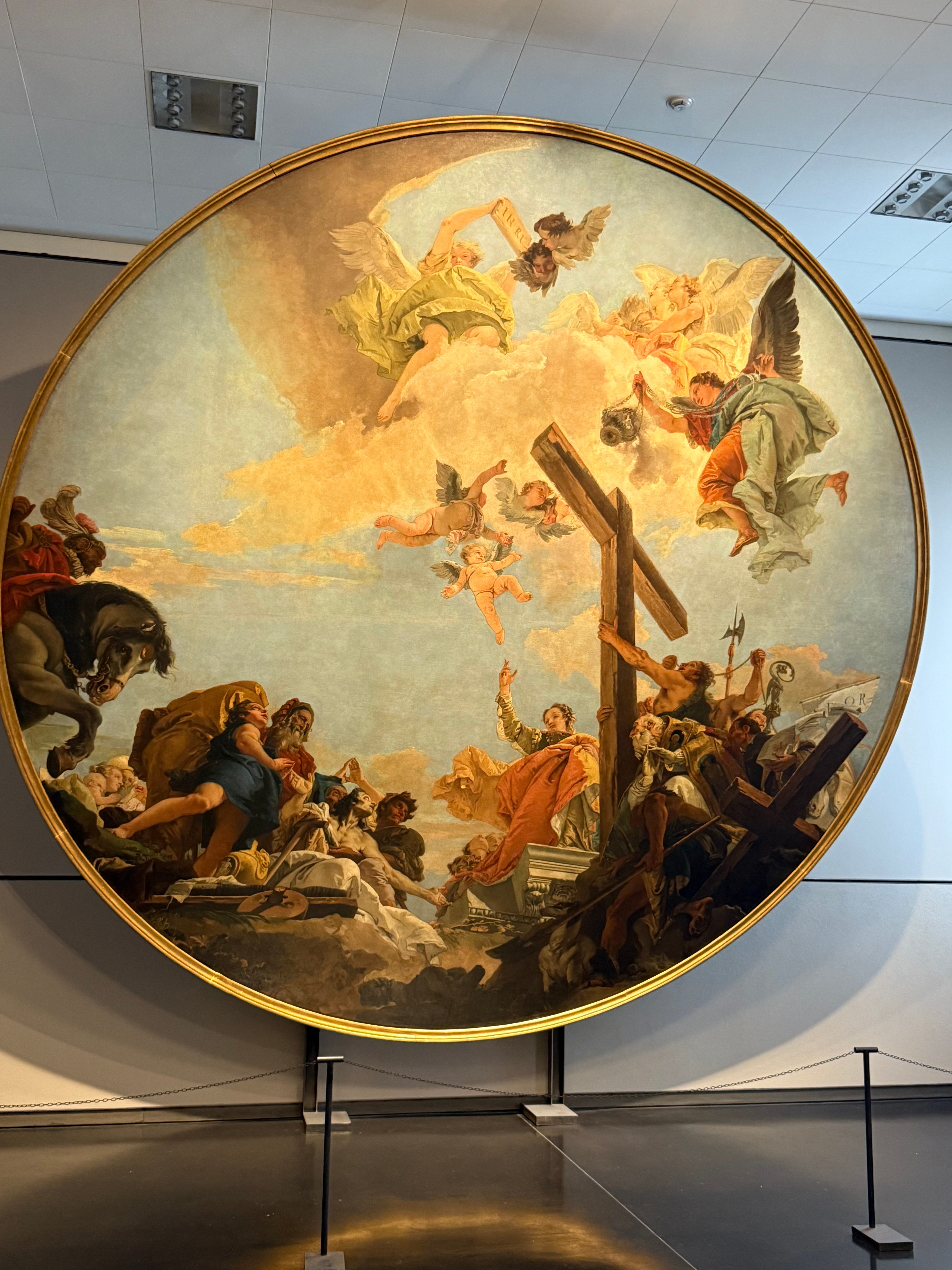
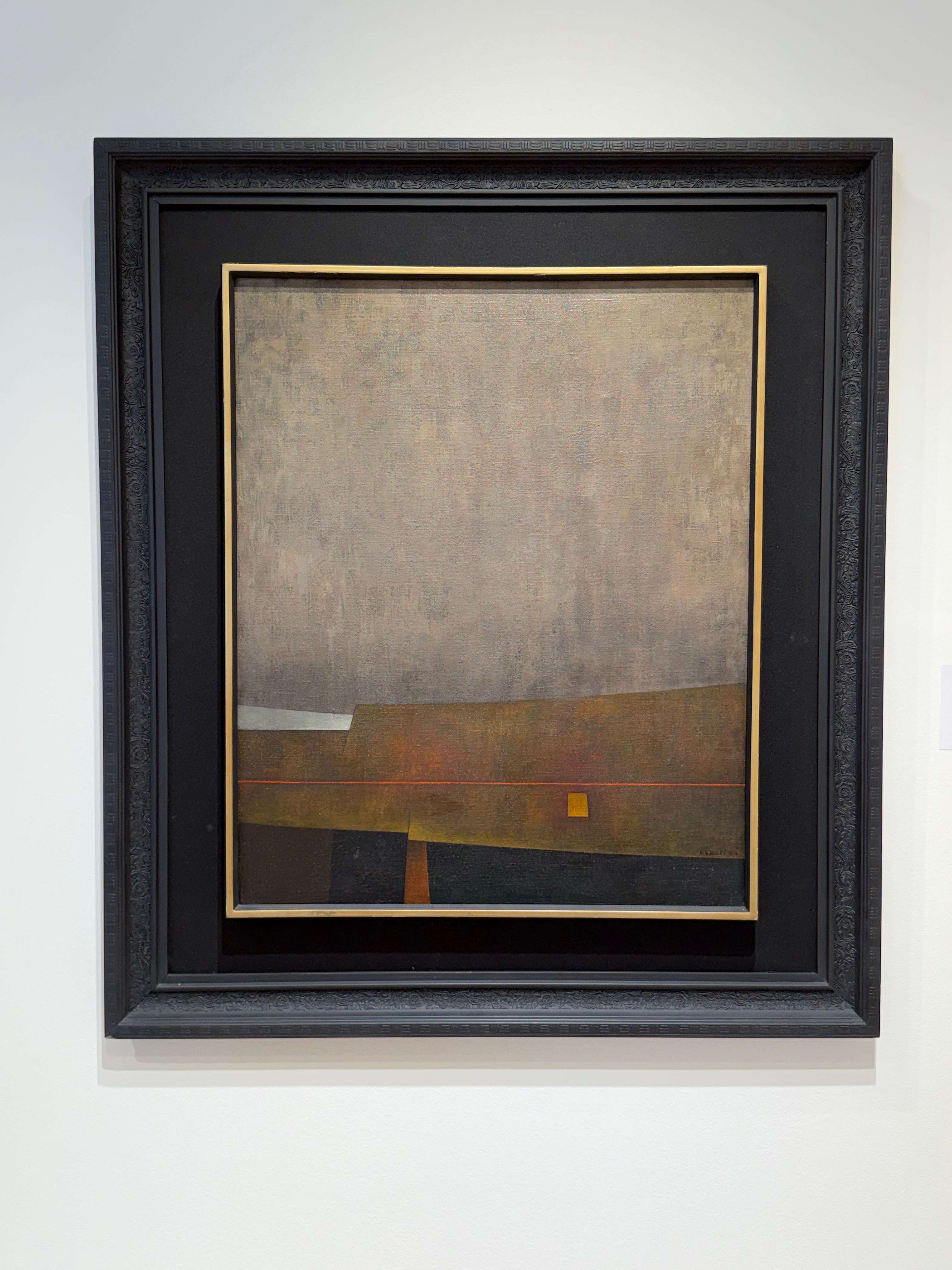

When you frame a work, you’re making a quiet commitment. You’re saying this matters enough to live with. This deserves a place in the room and a place in your daily life.
The painting may be the reason you fell in love.
But the frame decides how that love lives in the world.
Love,
Colin

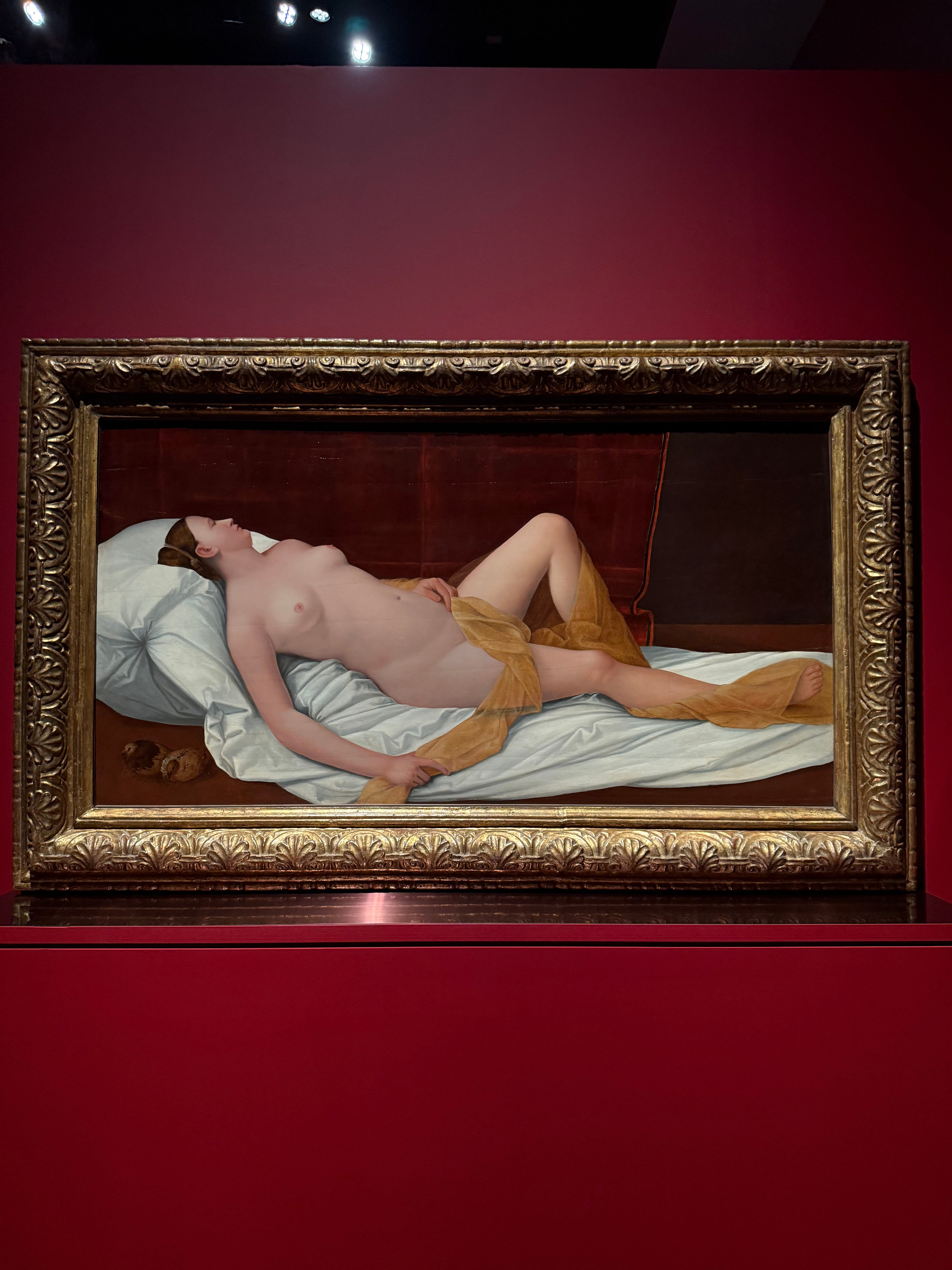
The Gertrude Abercrombie from Sotheby’s was an exquisite painting with an eye-popping metallic frame..and result to match.
Loved this. Completely agree, Colin. We see art and the frame as one. And sometimes I prefer to see the raw edges of a canvas to hiding them in a frame. When framing art that I have created, I often spend more time seeking the correct frame than making the art piece itself. 🤎