

How to Make Objects Talk to Each Other
Or, a master class in spacing without acting like a monk about it

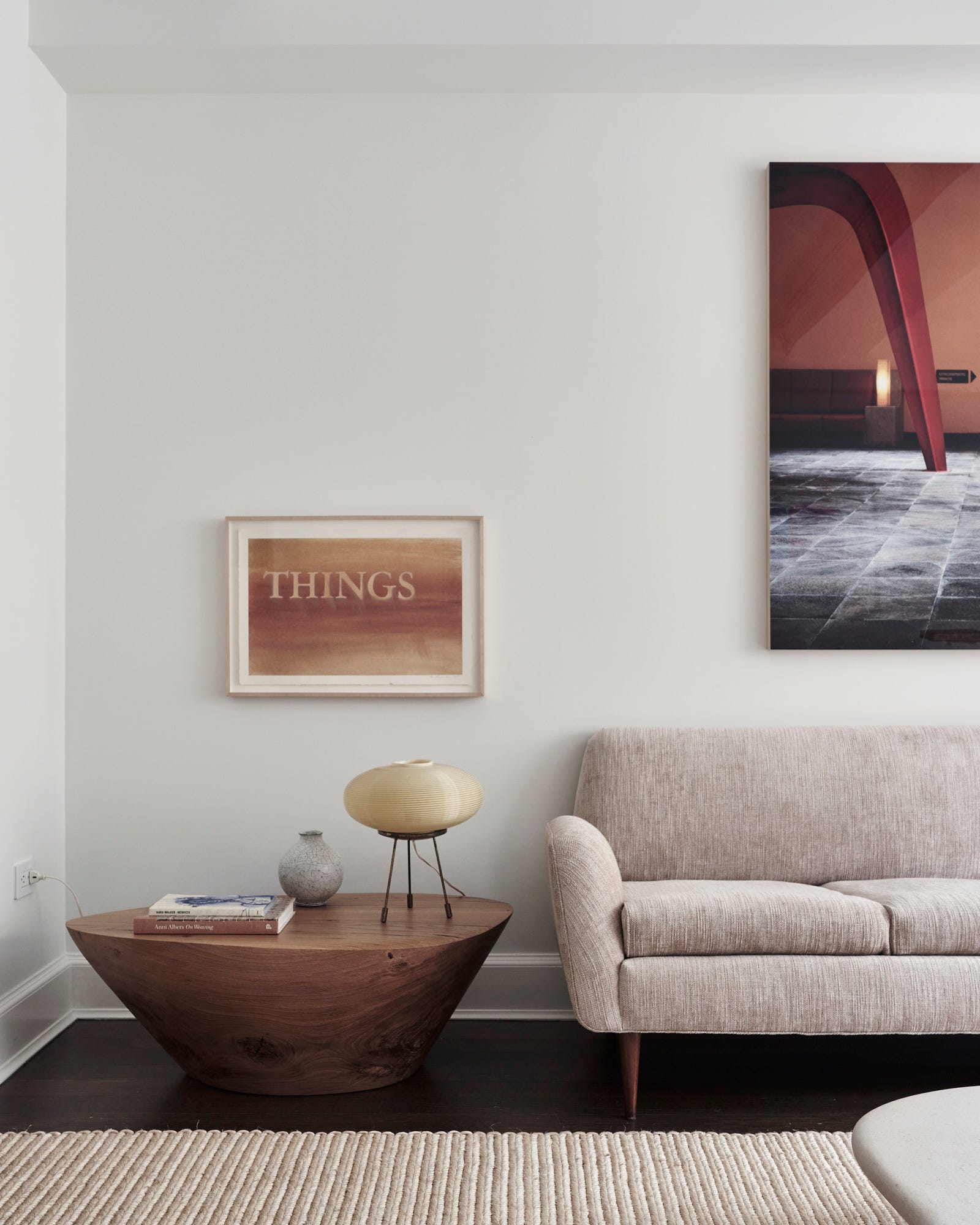
I used to think styling was about having good taste. About choosing the right things. The beautiful things. The worthy things. About knowing what belonged in a room and what absolutely did not.
Then I started styling professionally and realized that at least half my job could be described as making whatever showed up look like it had always belonged there.
And the secret wasn’t better objects. It was better relationships.
The most compelling rooms aren’t collections. They’re negotiations. Every object is either helping the conversation or interrupting it for attention.
When I walk into a space, I don’t start by adding more. I start by looking at who’s standing too close to whom. Who’s shouting. Who’s being ignored. Who’s trying too hard.
Sometimes an object can’t stand on its own. This isn’t a moral failure. It just needs backup. Sometimes it needs something taller beside it so it doesn’t look like it wandered in by accident. Sometimes it needs something quieter so it can stop performing.
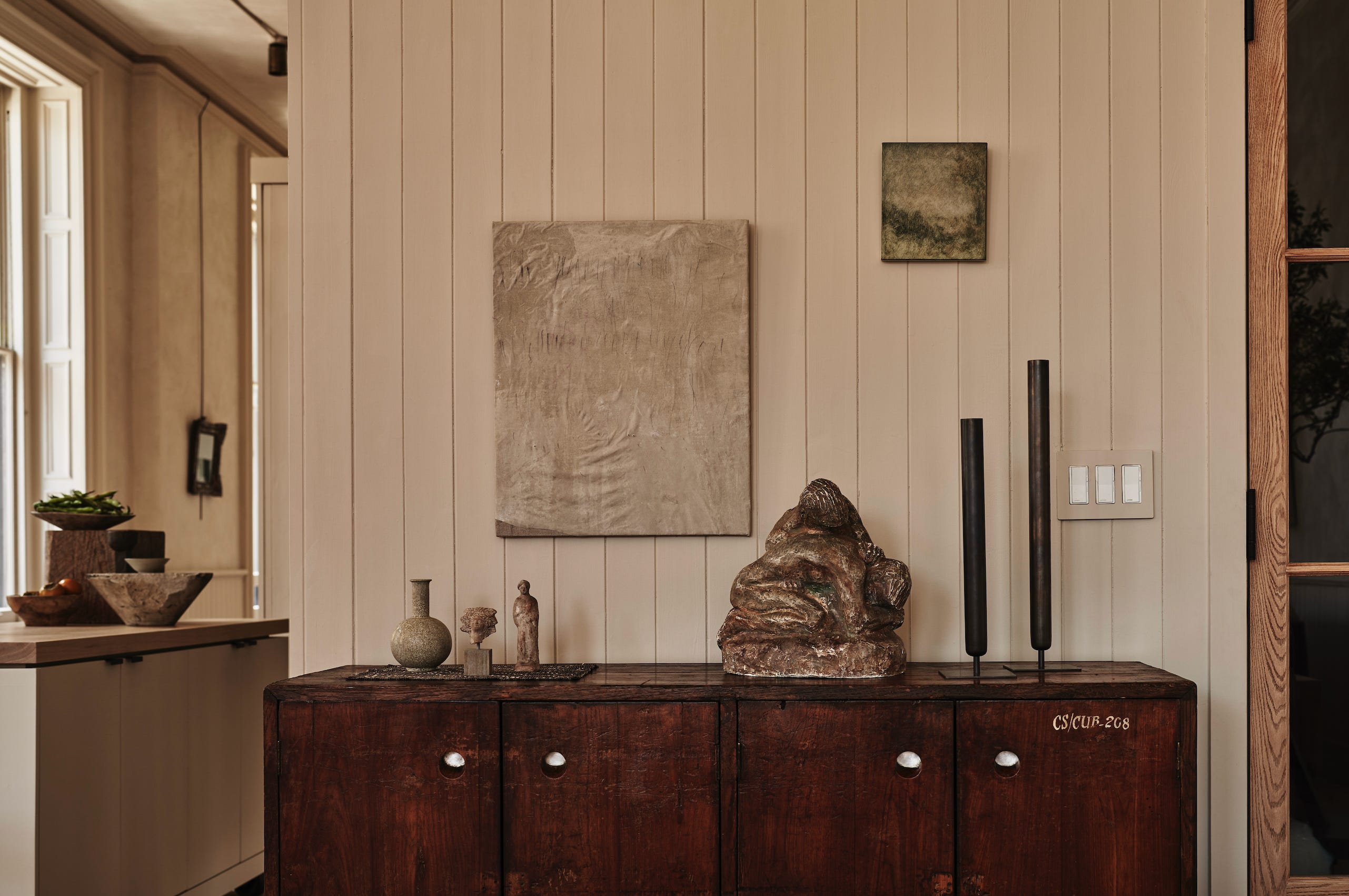
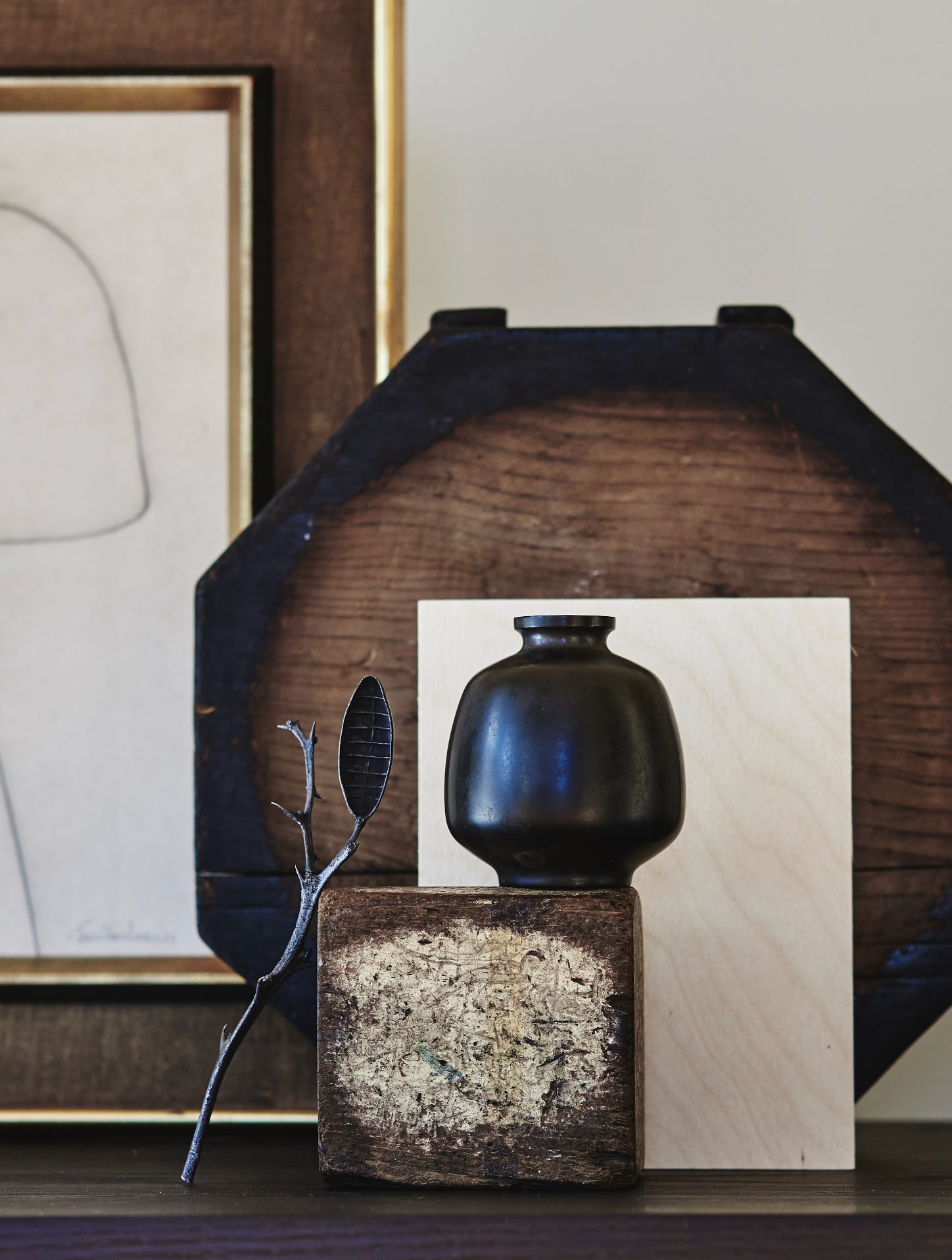
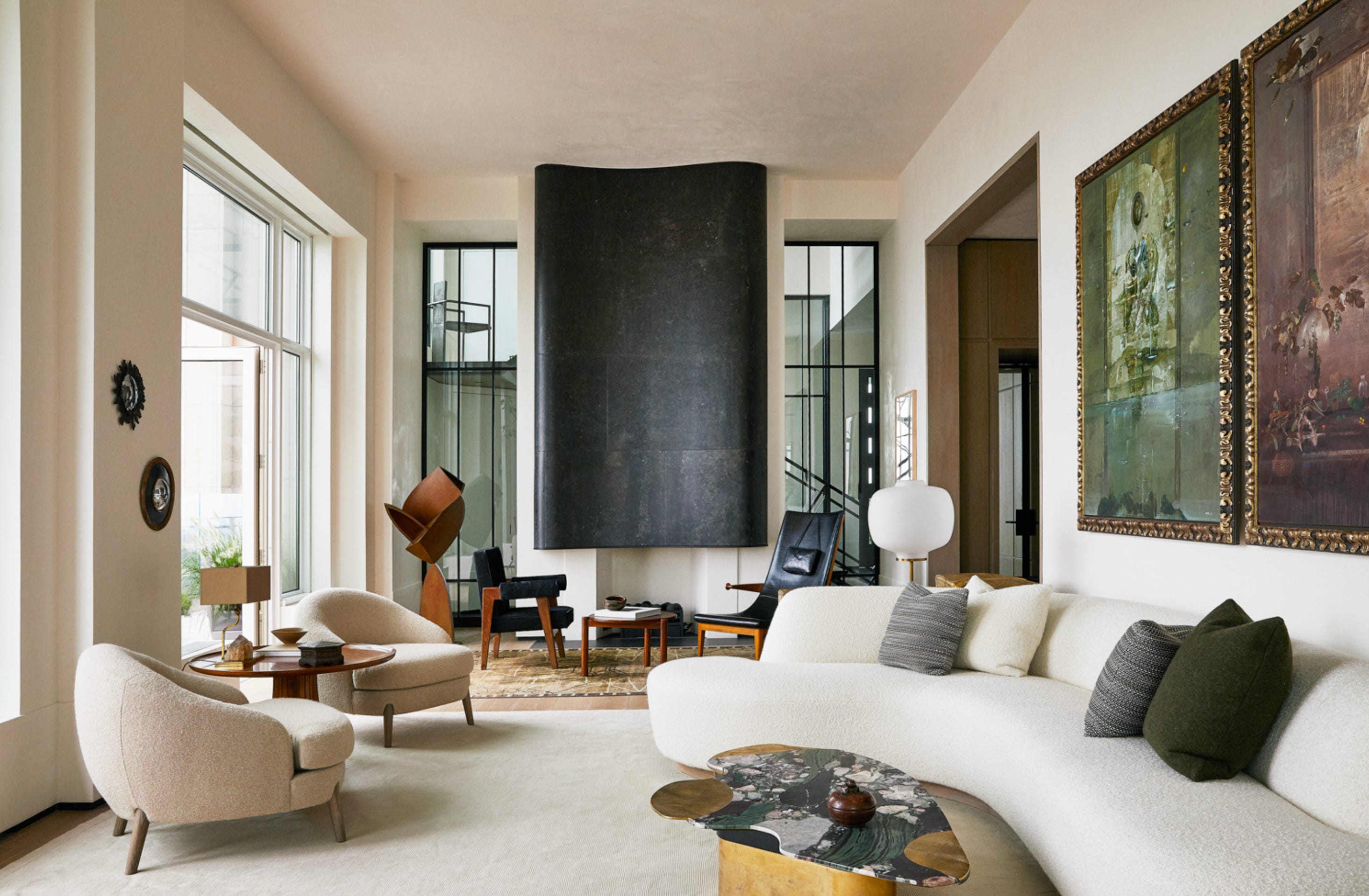
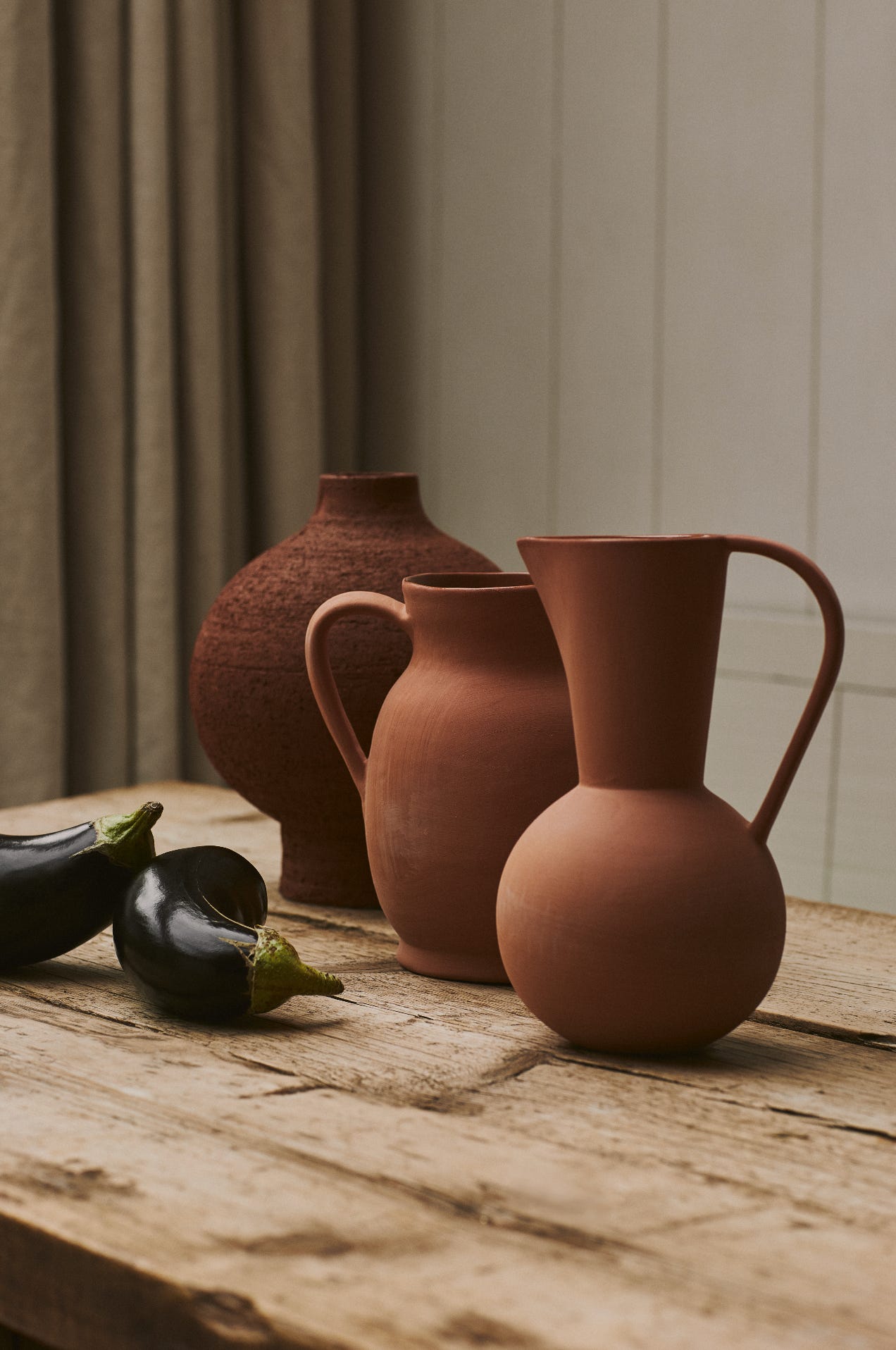
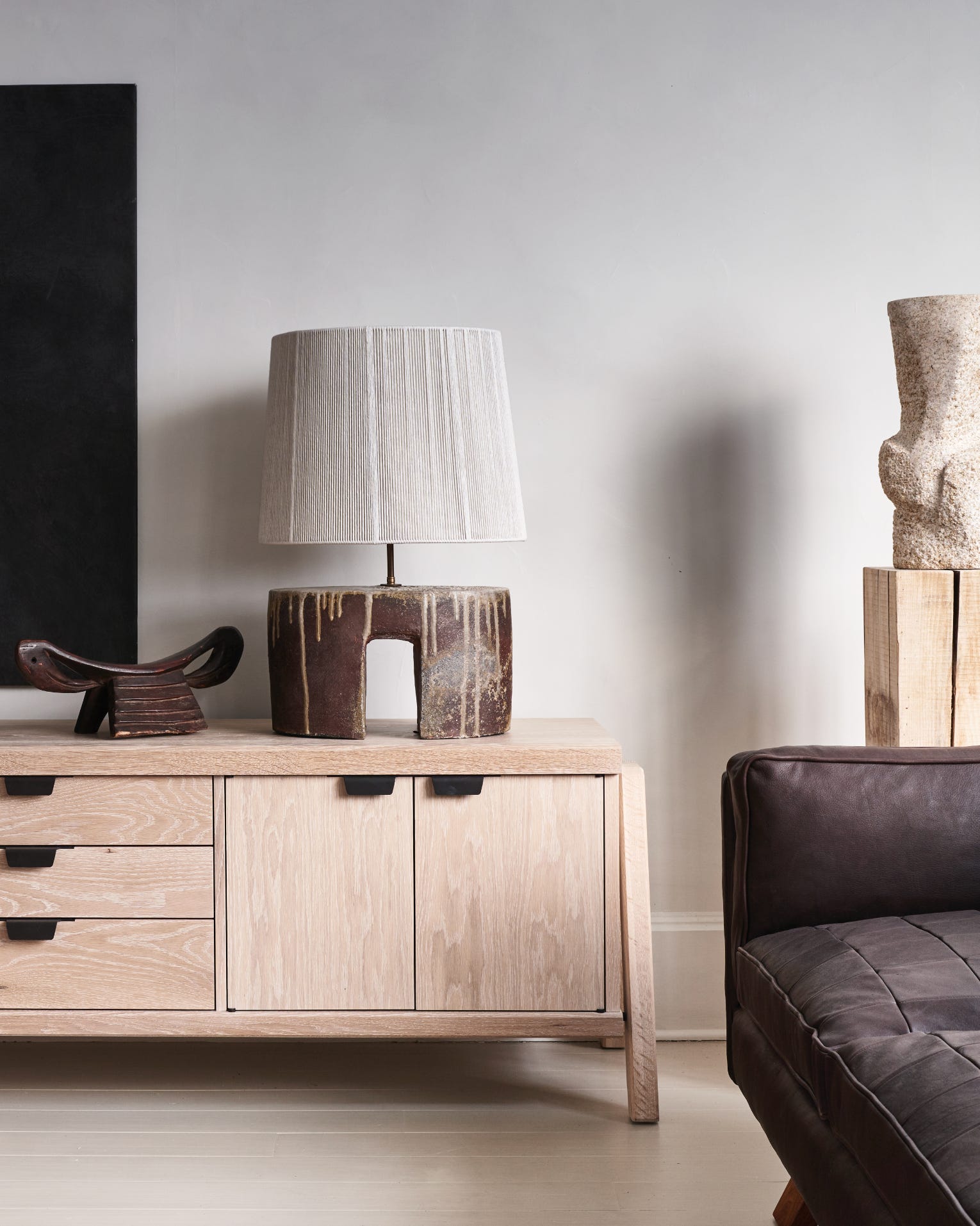
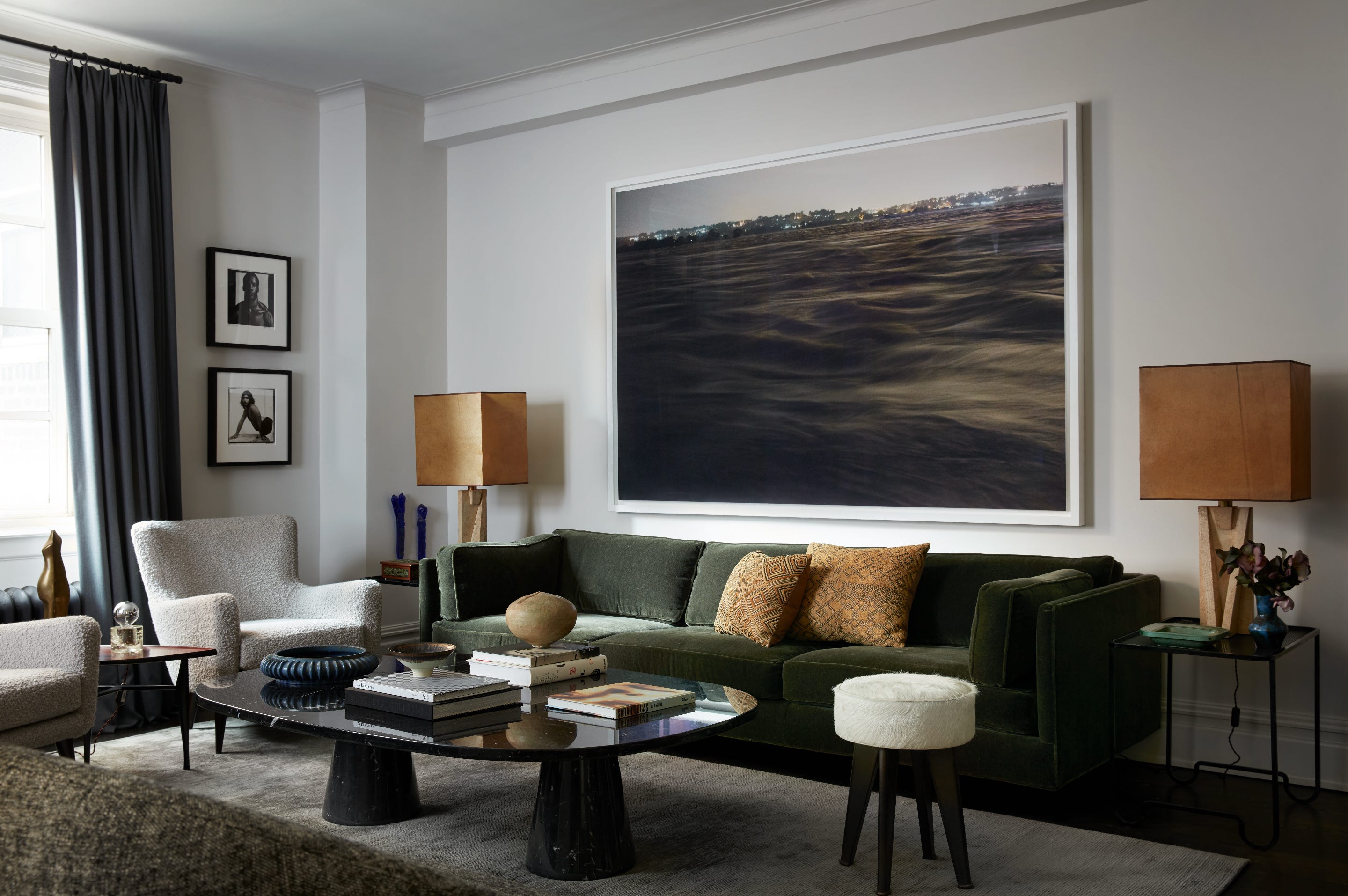
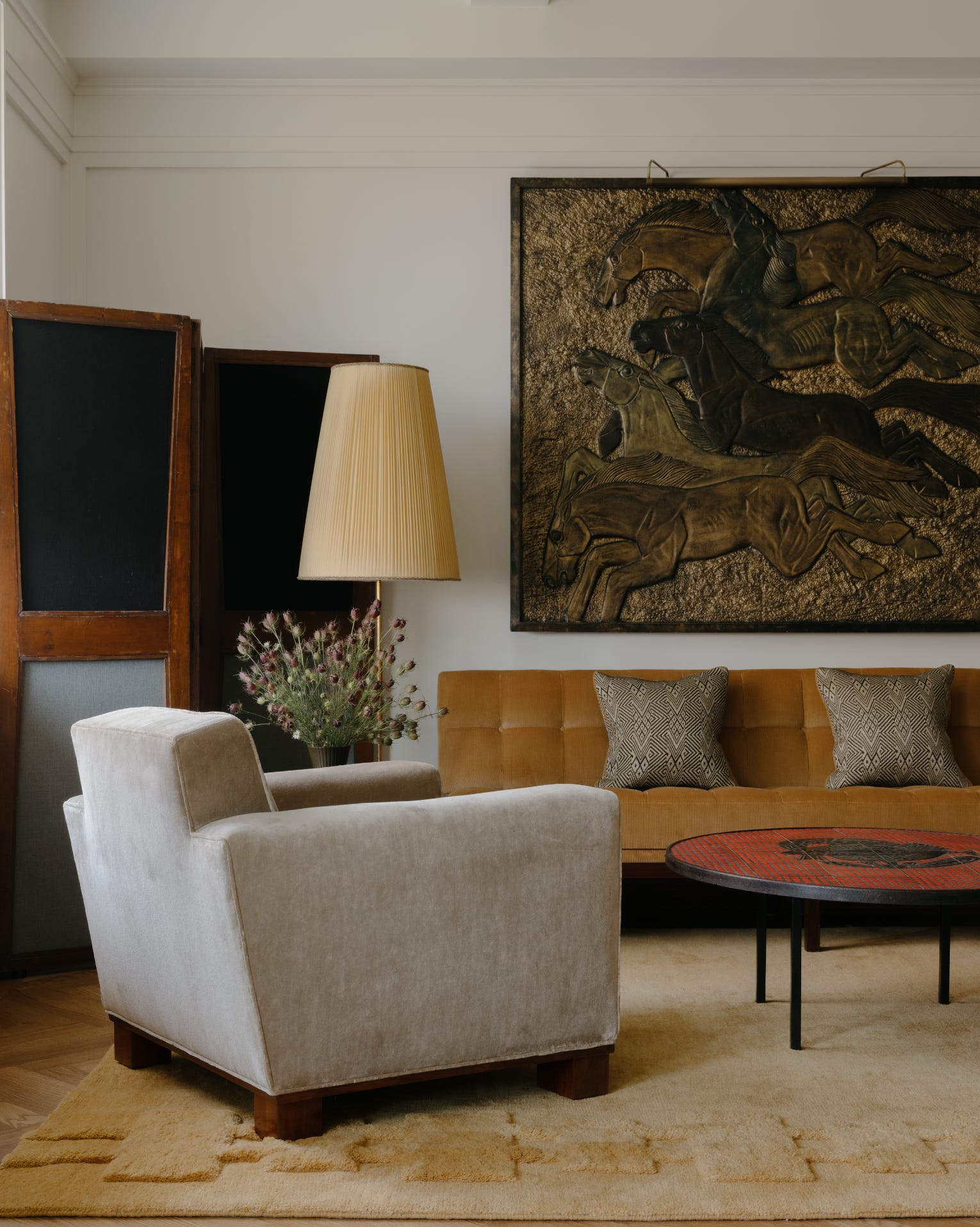
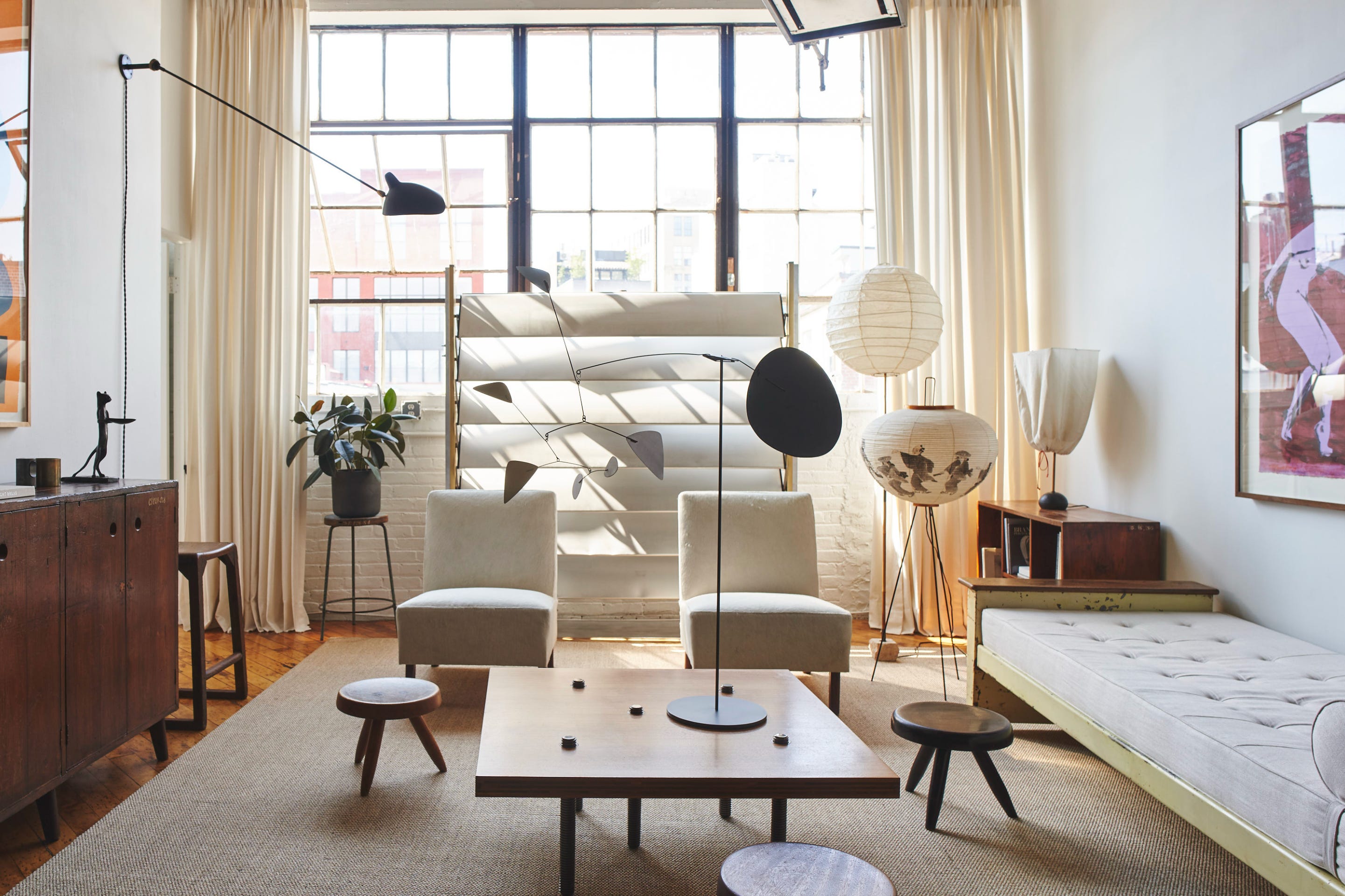
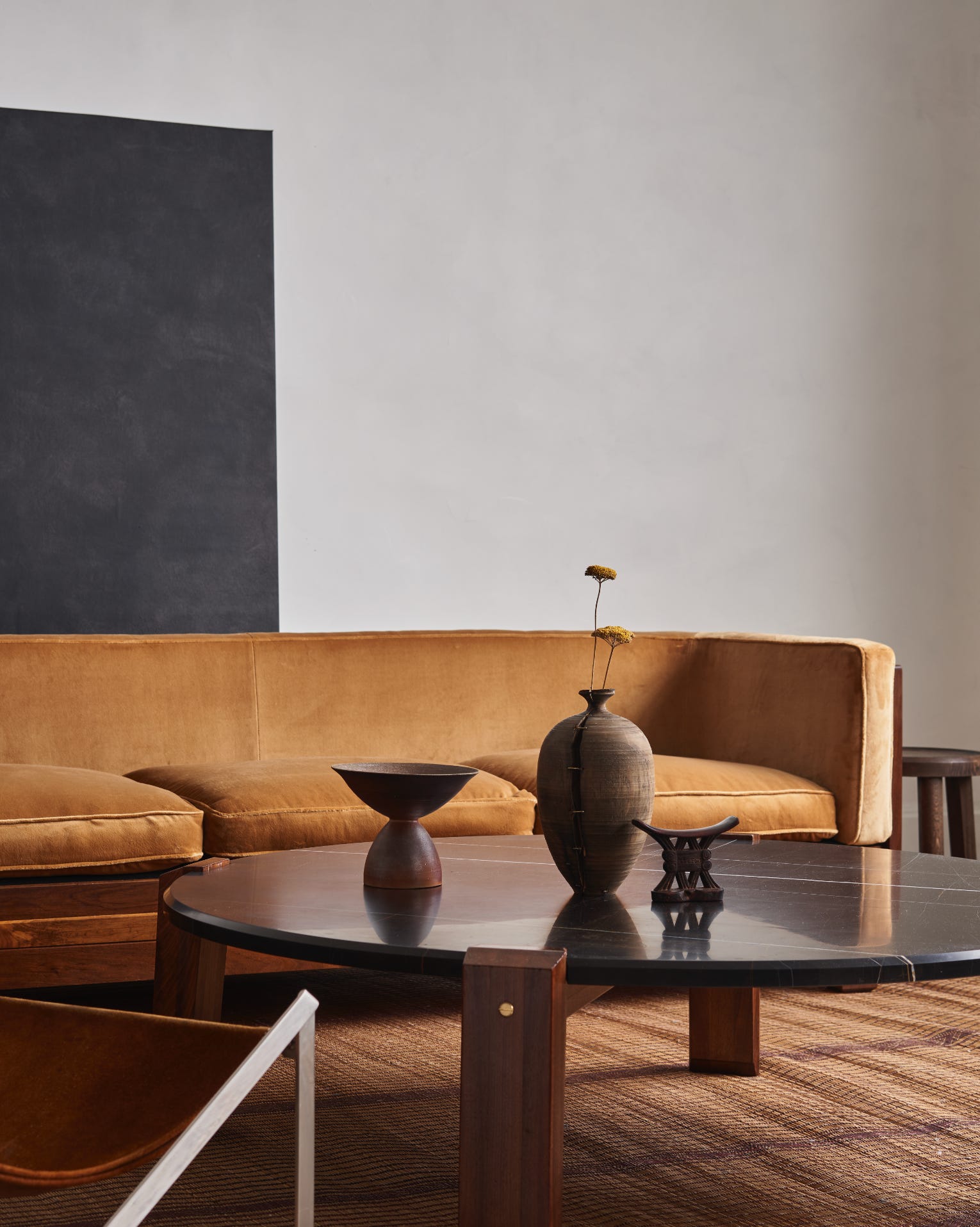
Scale is the first thing I look at. If everything’s the same height, the room feels like a police lineup. No hierarchy. No tension. Just a row of suspects trying not to make eye contact. Vary the heights and suddenly there’s movement. Something reaching up. Something grounding the whole situation. Something interrupting the skyline.
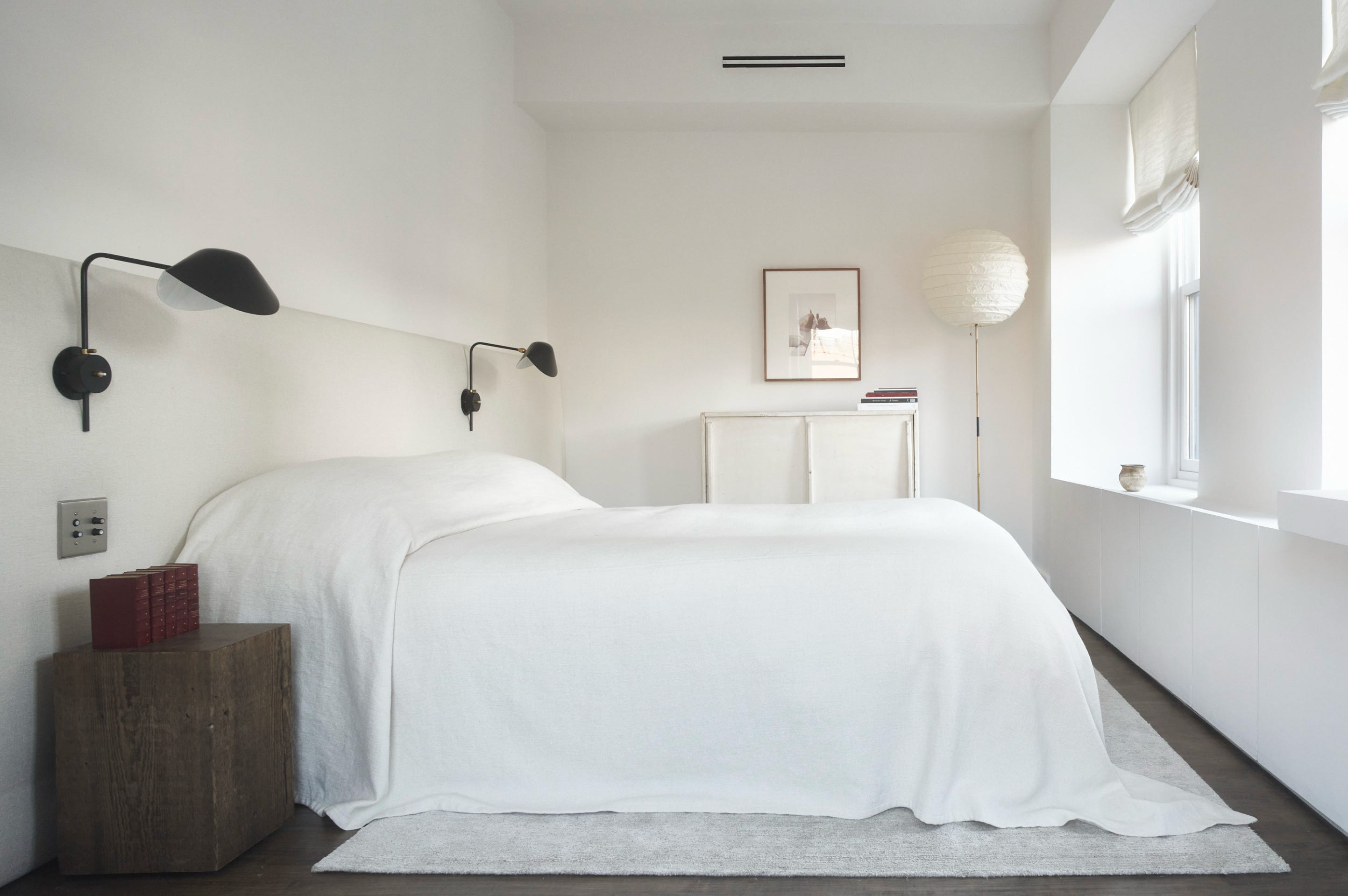
Silhouette is next. A curve next to another curve can feel smug. Put that curve beside something angular and now we’ve got a point of view. Horizontal beside vertical. Solid beside spindly. Each form defines the other. Without contrast, nothing has edges.
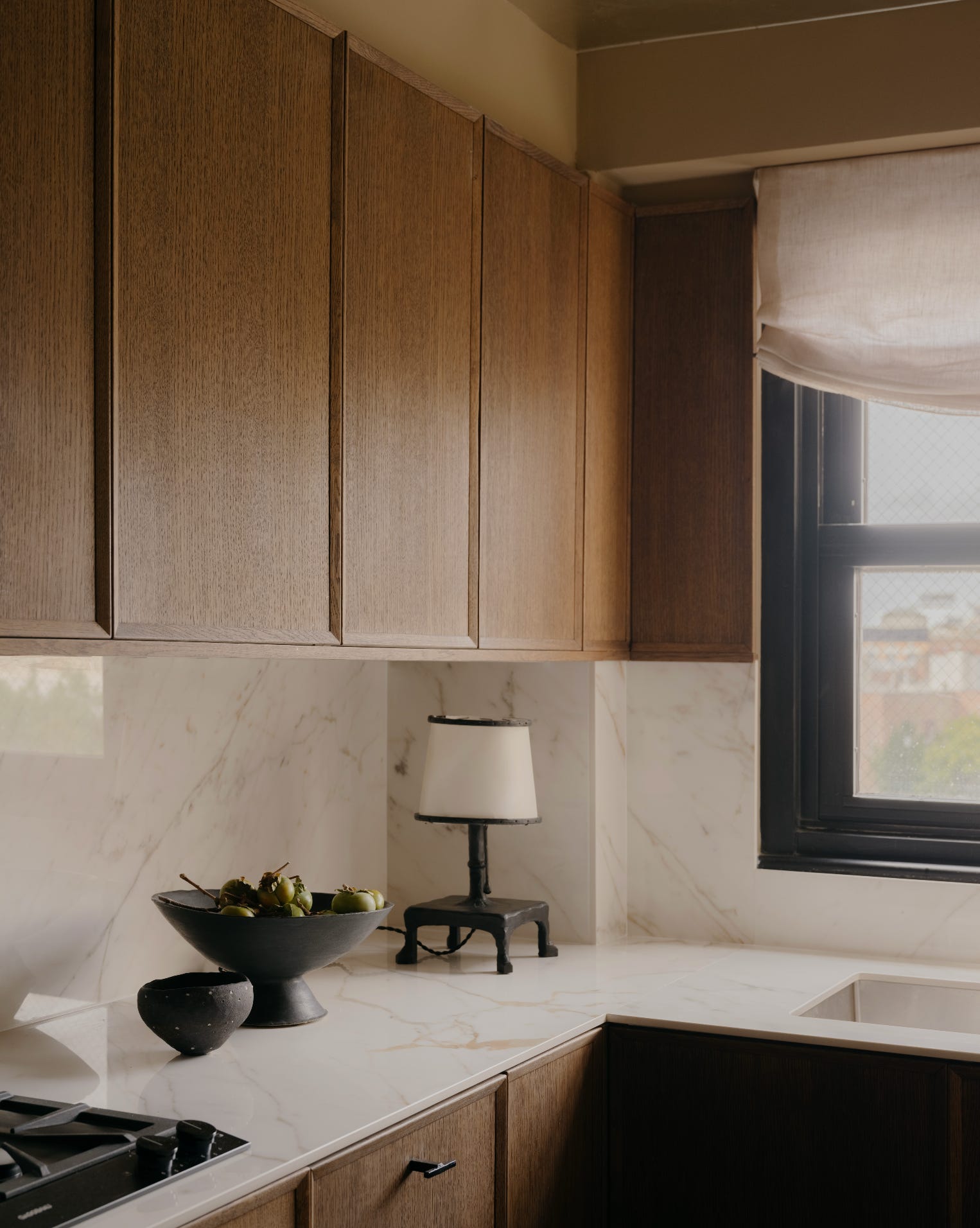
Material is where things get interesting. Gloss beside gloss is just glare. Rough next to polished feels deliberate. Wood next to metal feels awake. A heavy object beside something delicate creates a small, satisfying imbalance that makes you lean in.
And then there’s spacing. The thing people consistently get wrong.
They either shove everything together like it’s sharing a lifeboat, or they spread it so far apart that nothing feels related. The sweet spot is proximity without panic. Close enough to acknowledge each other. Far enough apart to breathe.
Air isn’t emptiness. Air is context.
And then there’s overlap, which is a different kind of intimacy. Sometimes objects shouldn’t just sit near each other. They should interrupt each other. A frame that slightly overlaps the art behind it. A lamp that cuts into the edge of a mirror. A stack of books that dares to cover part of the surface it’s sitting on. Overlap creates friction. It suggests confidence. It says these things trust each other enough to share territory.
Too much space and everything feels cautious. Too much overlap and everything feels crowded. The sweet spot is knowing when to let something breathe and when to let it lean in.
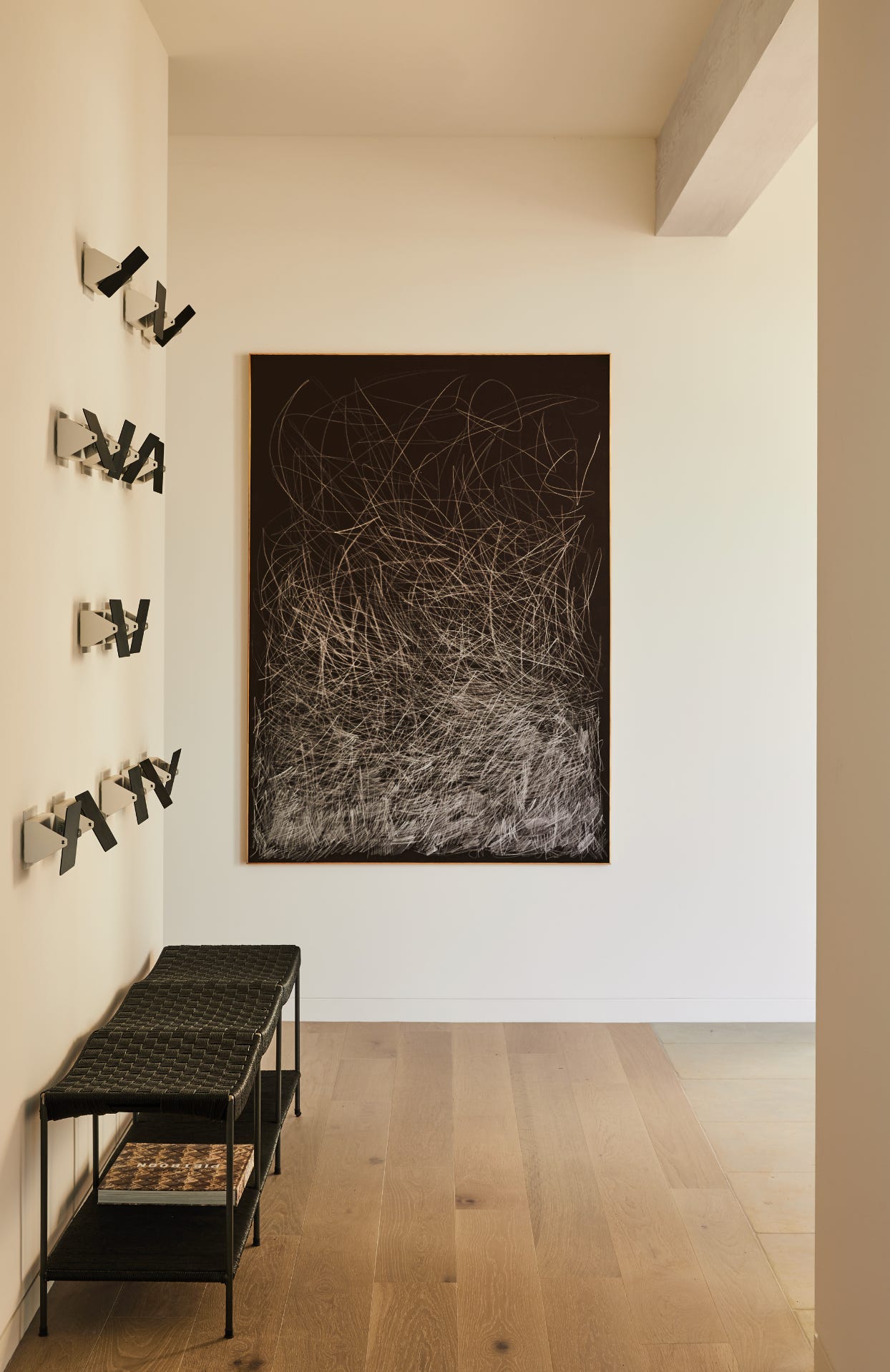
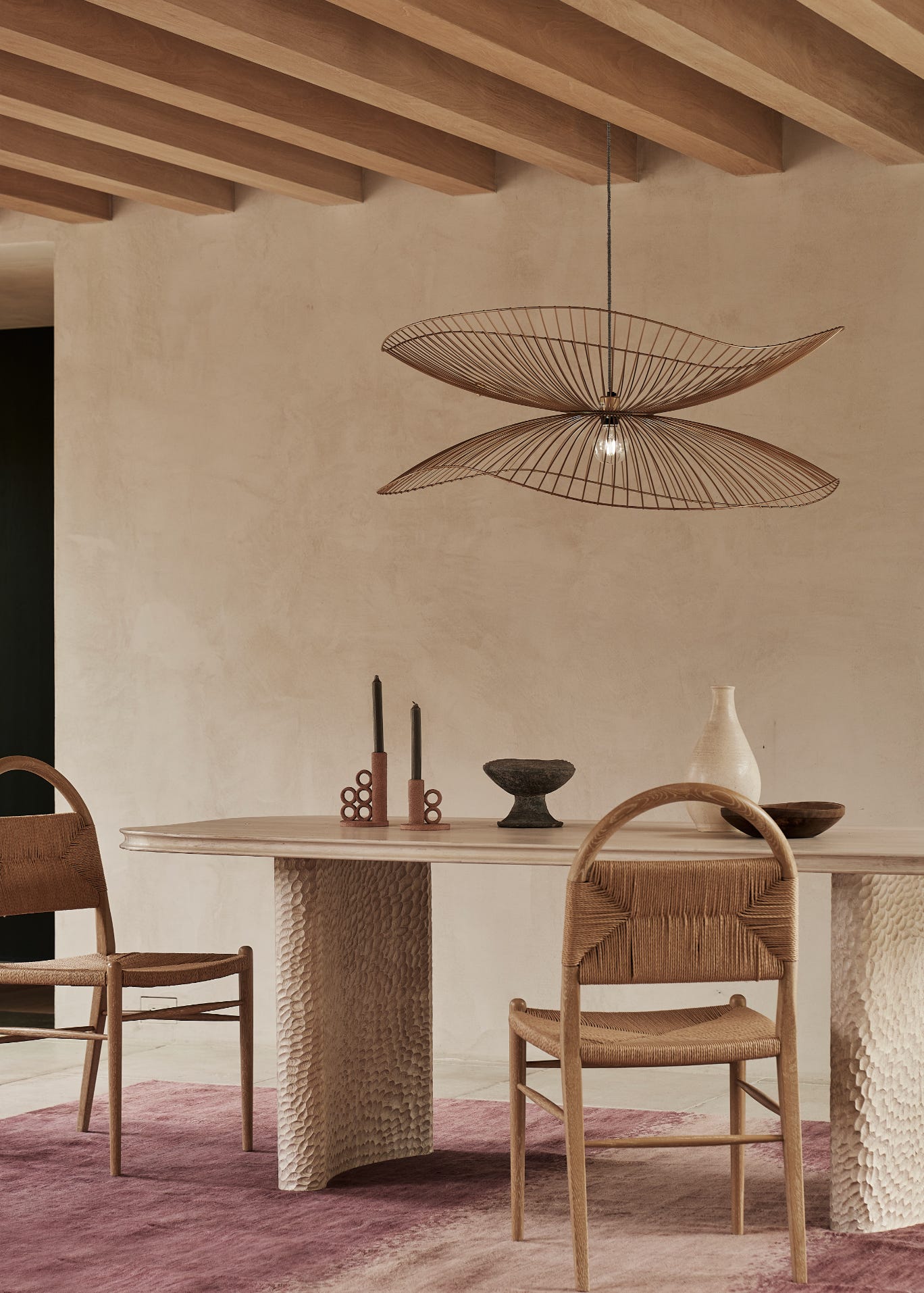
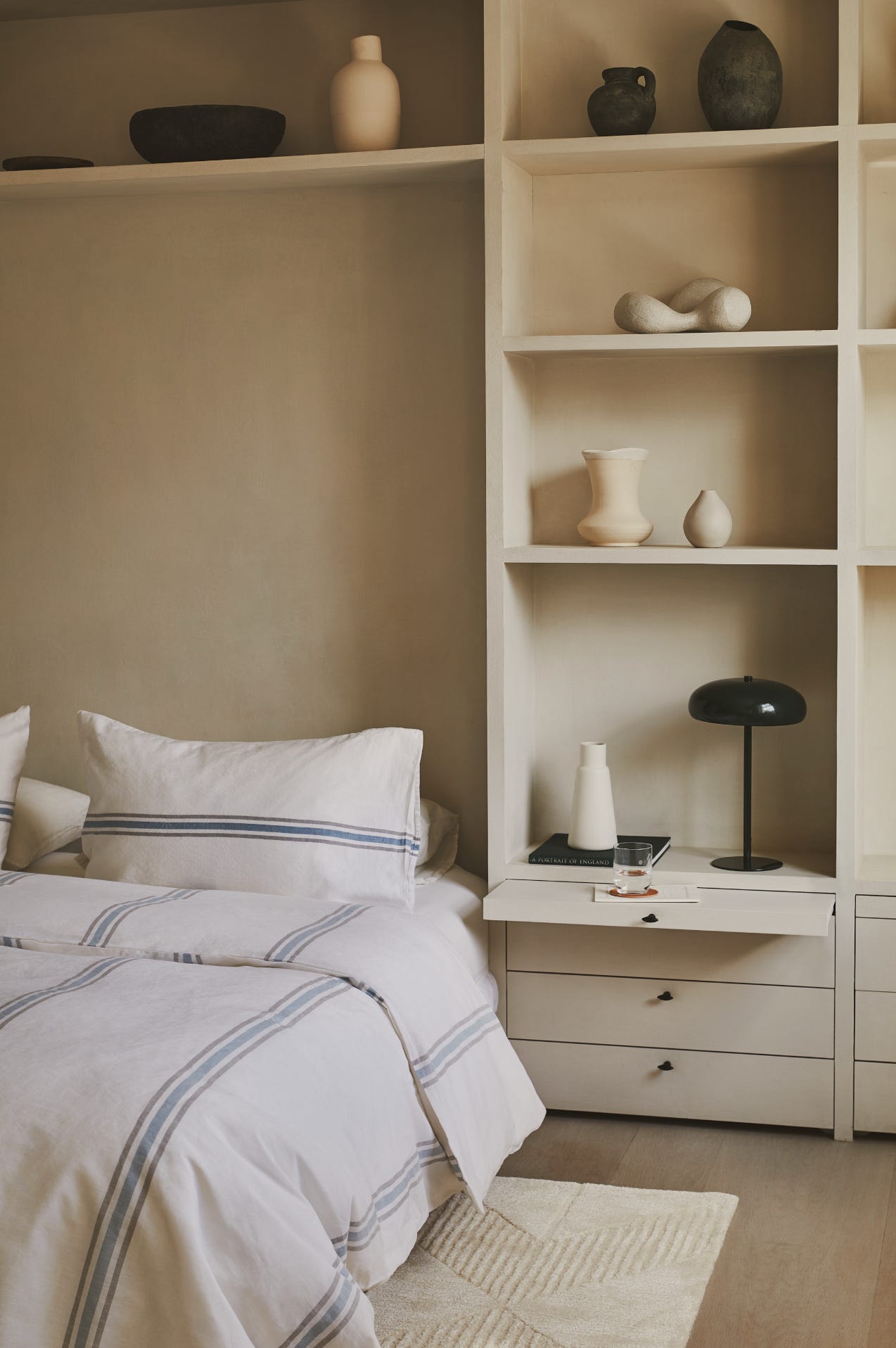
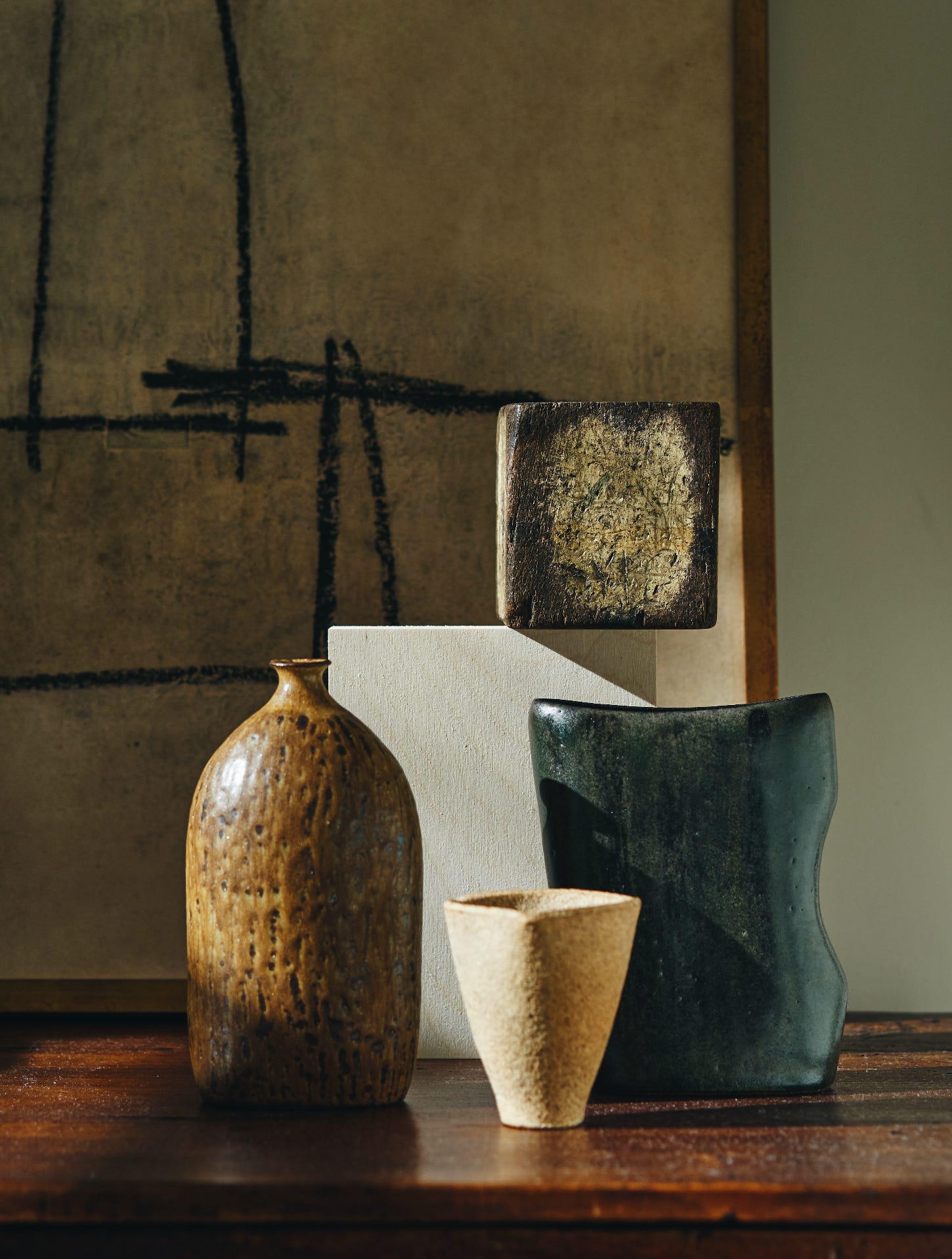
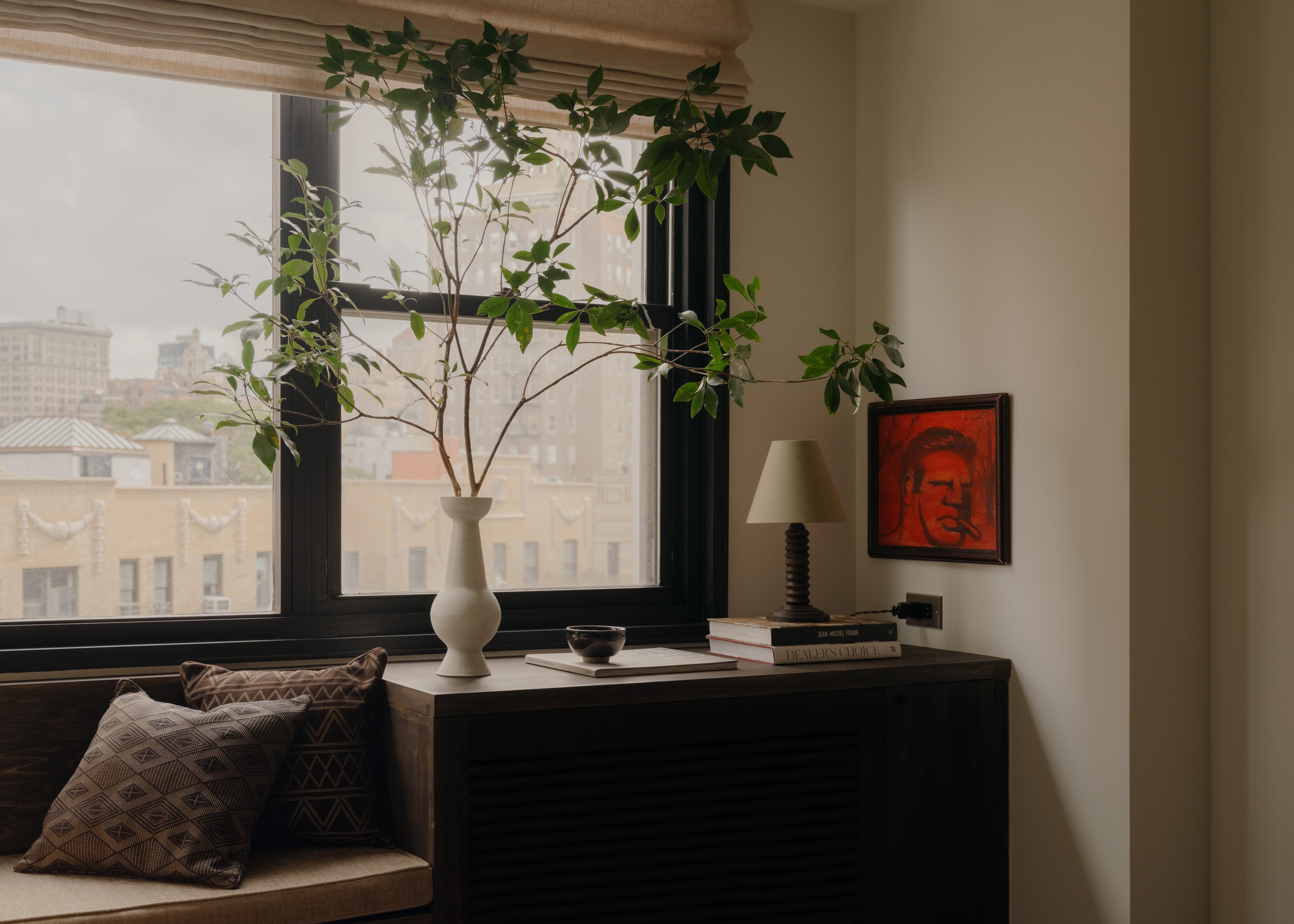
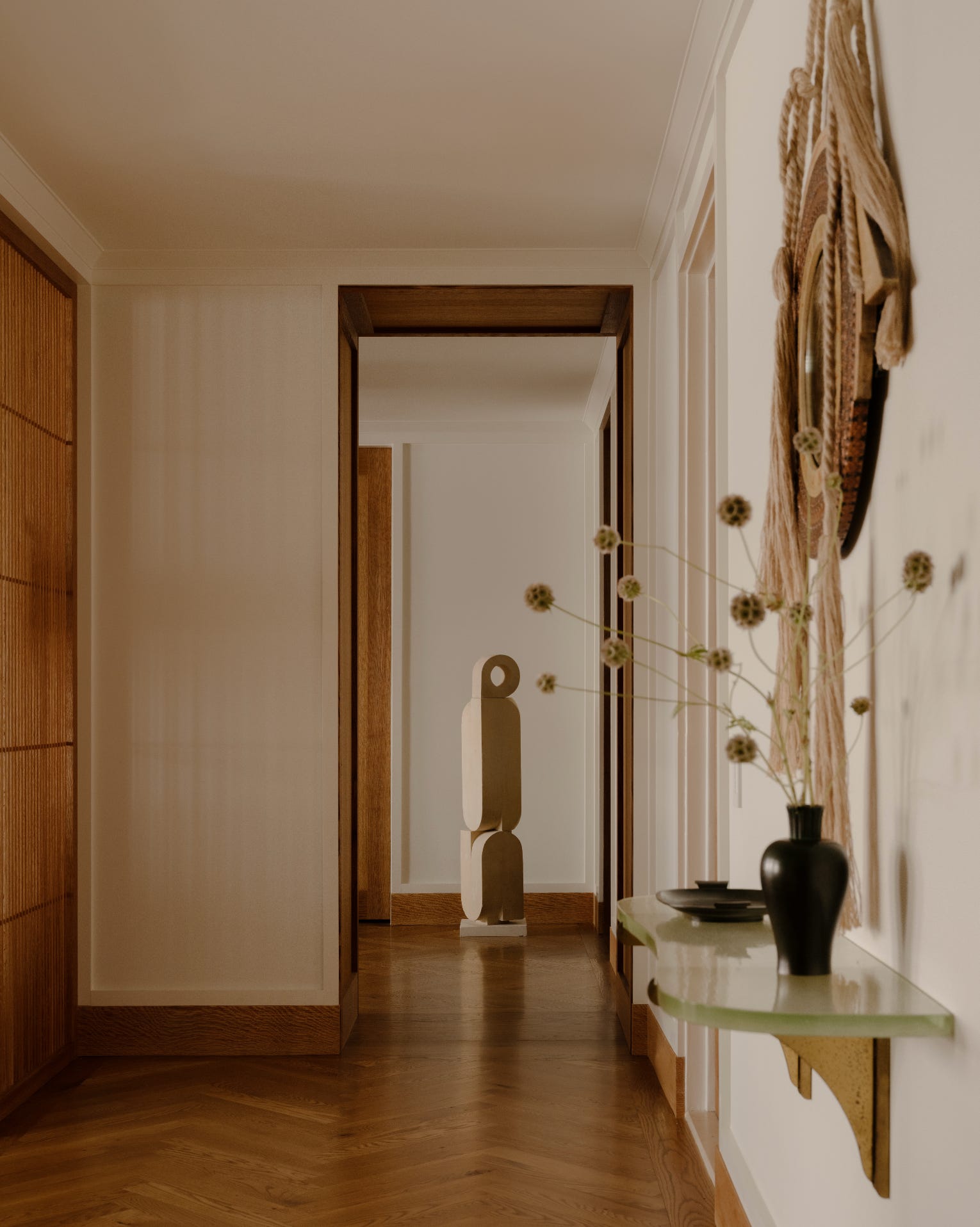
I move things constantly. Not because I’m indecisive. Although sometimes I am. I move them because distance changes meaning. Slide a bowl three inches away from a lamp and suddenly it stops looking like an accessory and starts looking like a choice.
What I’m looking for is the moment when the objects stop competing. When the arrangement stops looking arranged. When it feels like the pieces found each other without my interference.
I do this whether I’m styling a single still life or an entire room. It’s the same problem at a different scale. A bowl next to a book isn’t any different than a chair next to a console. You place it. You think you’re done. You’re not. You move it. You wait. You stop fiddling long enough to see if it can hold its own.
Sometimes it can’t. Sometimes it looks worse. Sometimes you realize the thing you thought was the hero is actually exhausting everyone.
Good. That’s useful information.
One of the most important lessons I learned doing commercial work was this. You don’t need better objects. You need one strong piece and a smart pairing. I’ve styled sofas I would not have chosen for myself. But put the right lamp beside them. Give them the right rug to sit on. Suddenly the whole room shifts. The unremarkable thing becomes interesting. The cheap thing becomes elevated. The wrong thing becomes the reason the room works.
Spacing isn’t about perfection. It’s about friction. It’s about allowing tension to exist long enough to see what it does.
Sometimes the object you hate is the one that wakes everything else up. Sometimes the polite arrangement is the most boring option available to you.
When something feels off in your home, resist the urge to buy something new. Move what you already own. Change the distance. Give it a better neighbor. Or a worse one. Let them argue a little.
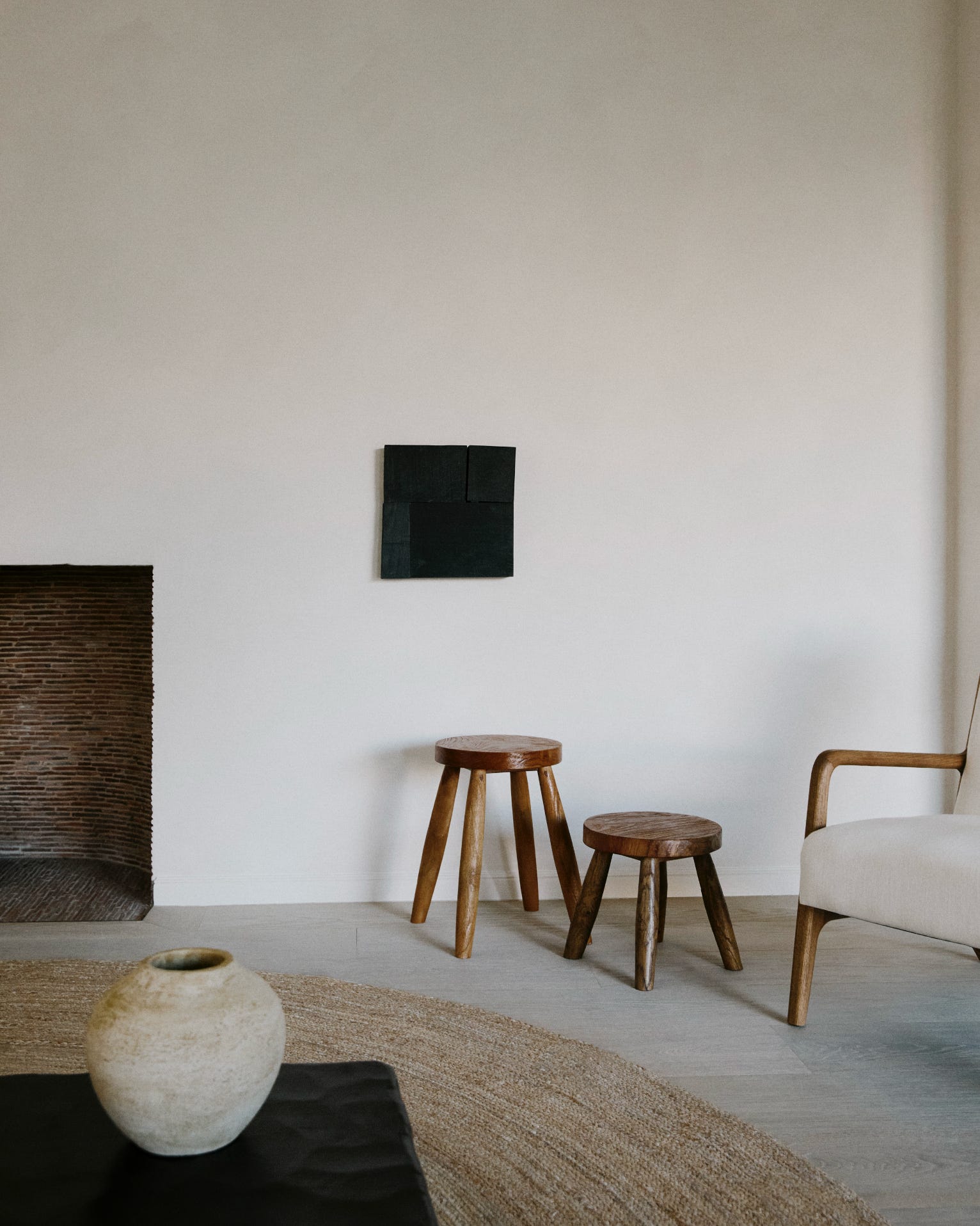
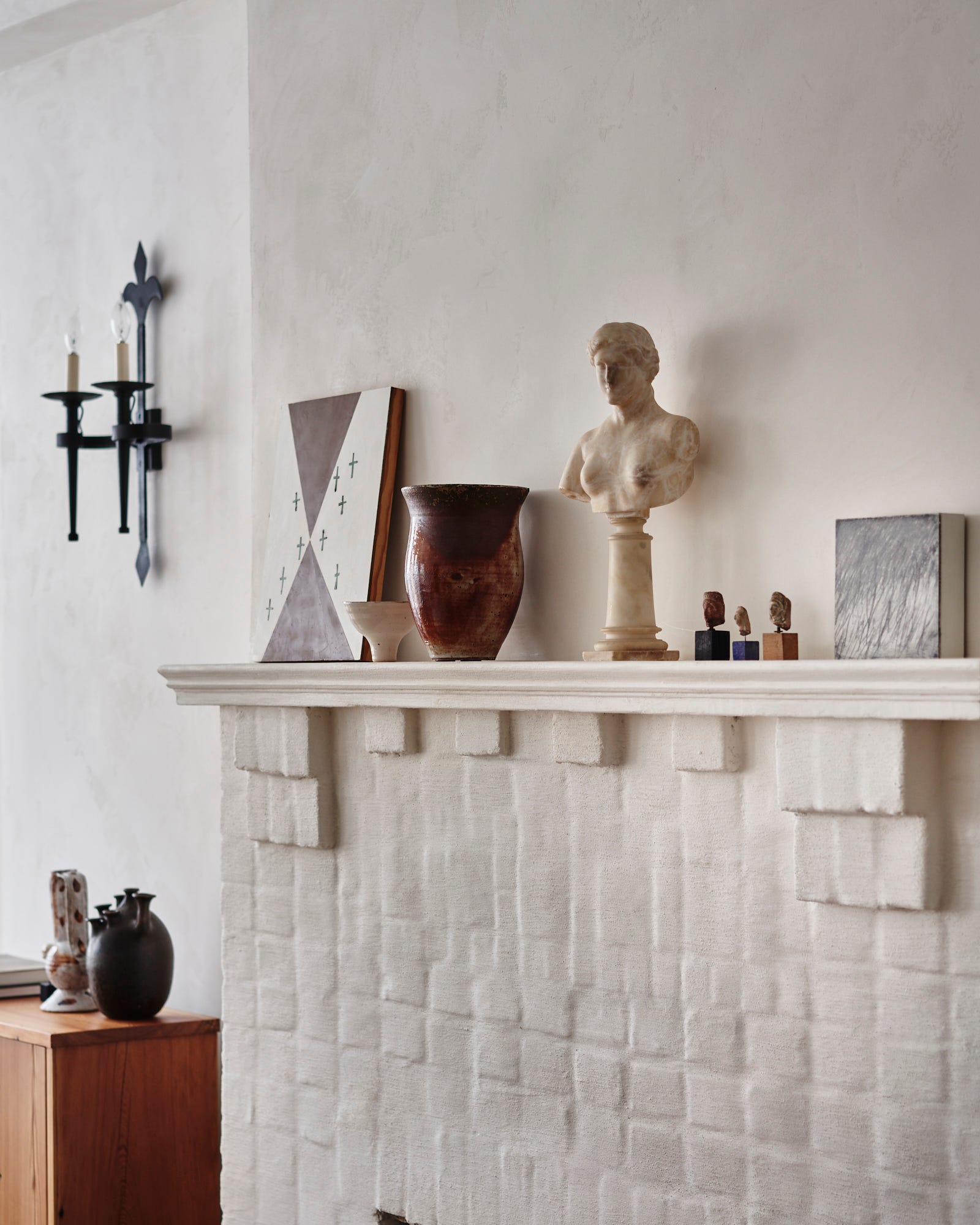
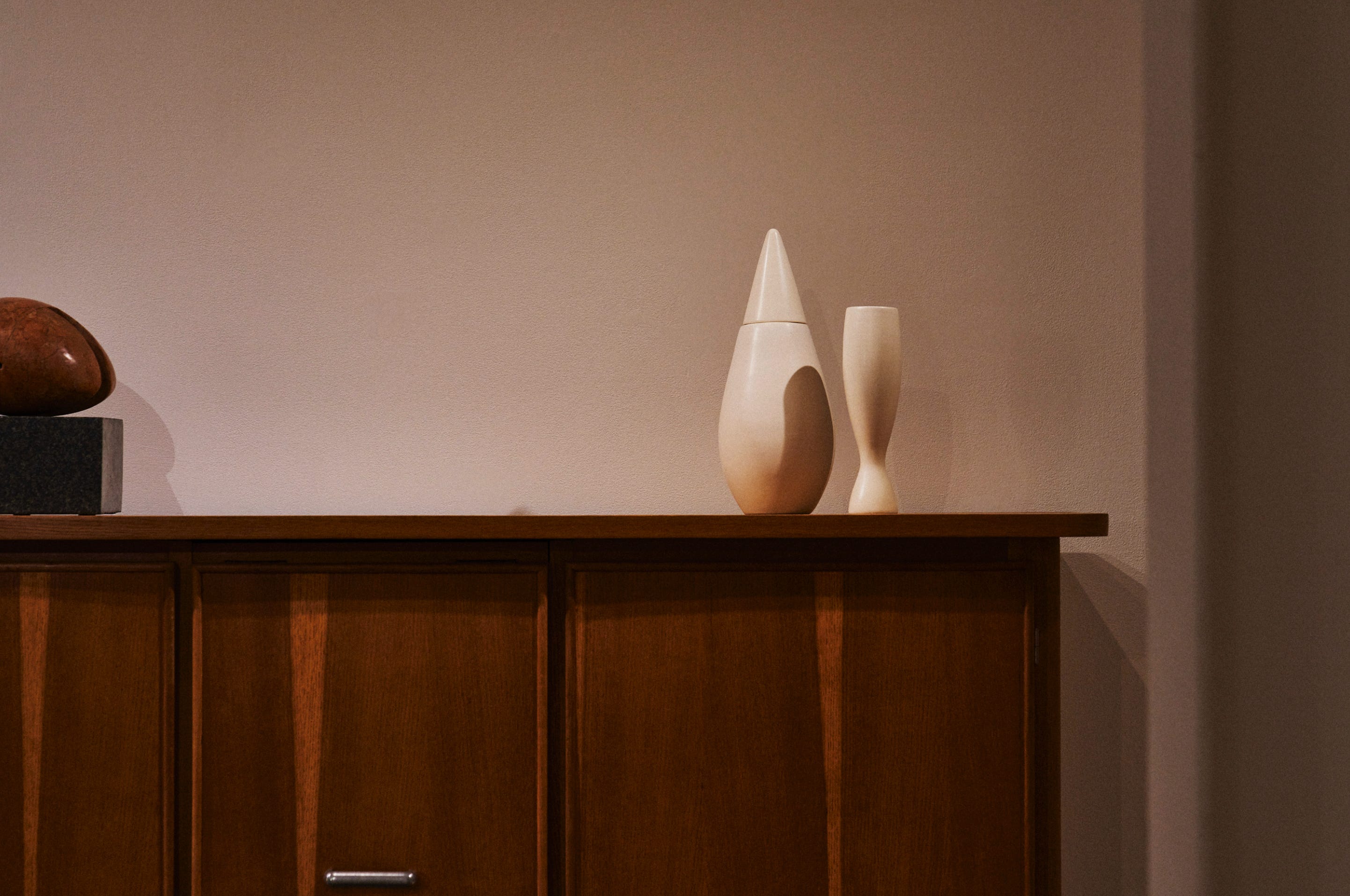
You don’t always need a hero. Sometimes you need a heckler.
And if you find yourself standing in your living room, nudging a vase half an inch while the rest of your life remains unresolved, congratulations. You’re not overthinking it.
You’re editing a conversation.
And when it finally clicks, it won’t feel dramatic. It’ll feel obvious. Like it couldn’t have been any other way.
That’s the only outcome worth waiting for.
Love,
Colin

just listened to Rick Rubin's interview with George Saunders and this sounded very similar to his writing process. making each sentence talk to the ones around it. lessons in life and in art. a requirement for both is presence. love it, thanks for sharing!
As a designer I just love reading your pieces. You convey so clearly in words the process and conversations we are constantly having with ourselves working through the design processes. And Maja is correct, the words you put on paper are as beautifully styled as your work.
Great work Colin