

Faux, and Fully Committed
On scagliola, illusion, and my current tortoise fixation

The first time I really understood decorative painting, I misunderstood it.
There was a marble pedestal on set. Veining dramatic. Presence undeniable. The kind of object that makes you instinctively lower your voice. I remember thinking how generous it was of production to ship something so solid.
It was plaster.
Painted.
Convincingly.
I wasn’t embarrassed. I was impressed. The illusion felt more considered than most actual marble I’ve seen. It wasn’t pretending. It was performing.
Decorative painting requires nerve. Not just technical skill, though there’s plenty of that. You have to understand how pigments layer, how glazes sit, how light moves across a surface. You have to know when to stop. Overwork it and it collapses. Underwork it and it looks timid. It’s closer to painting a portrait than finishing a table.
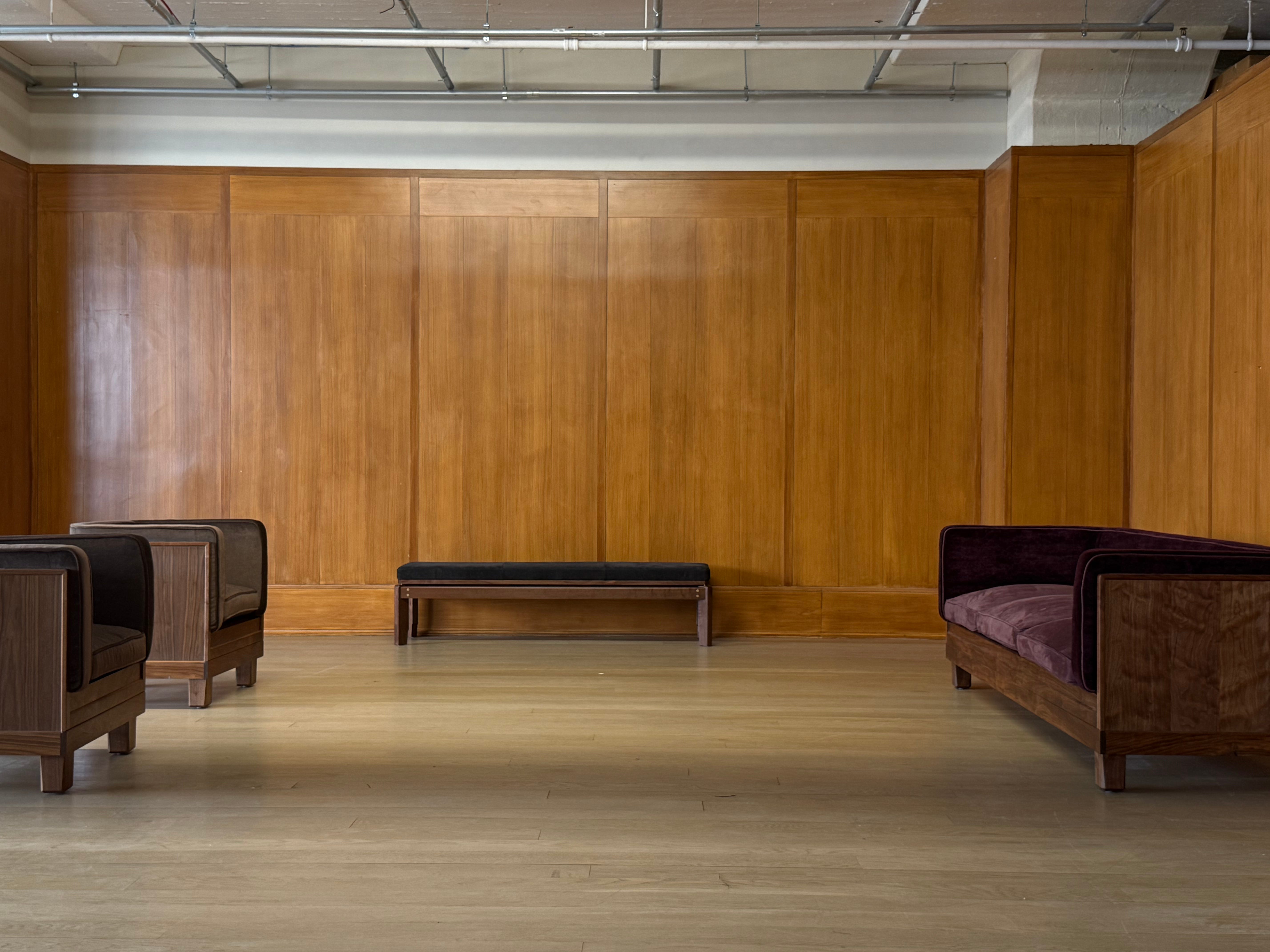
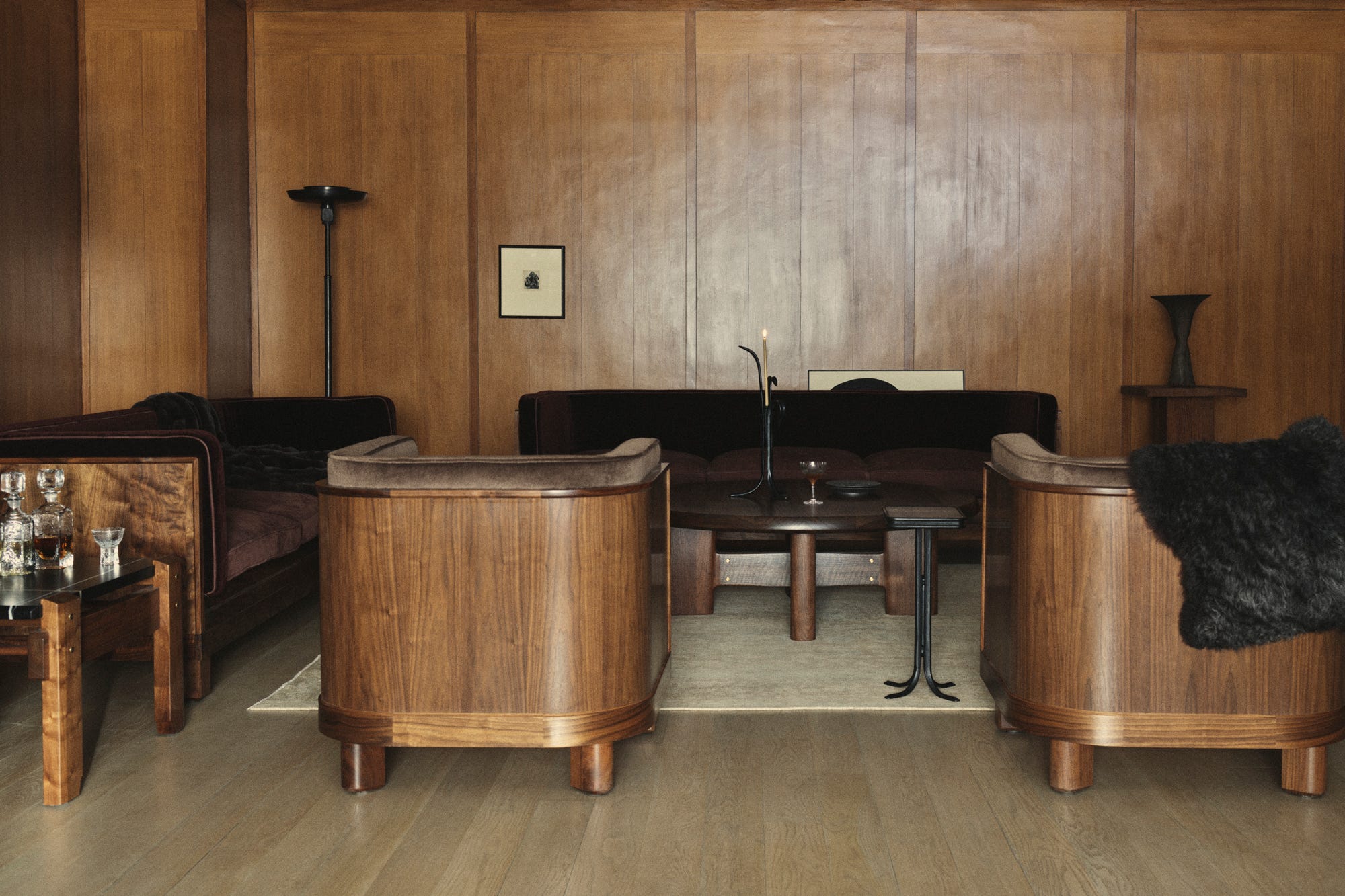
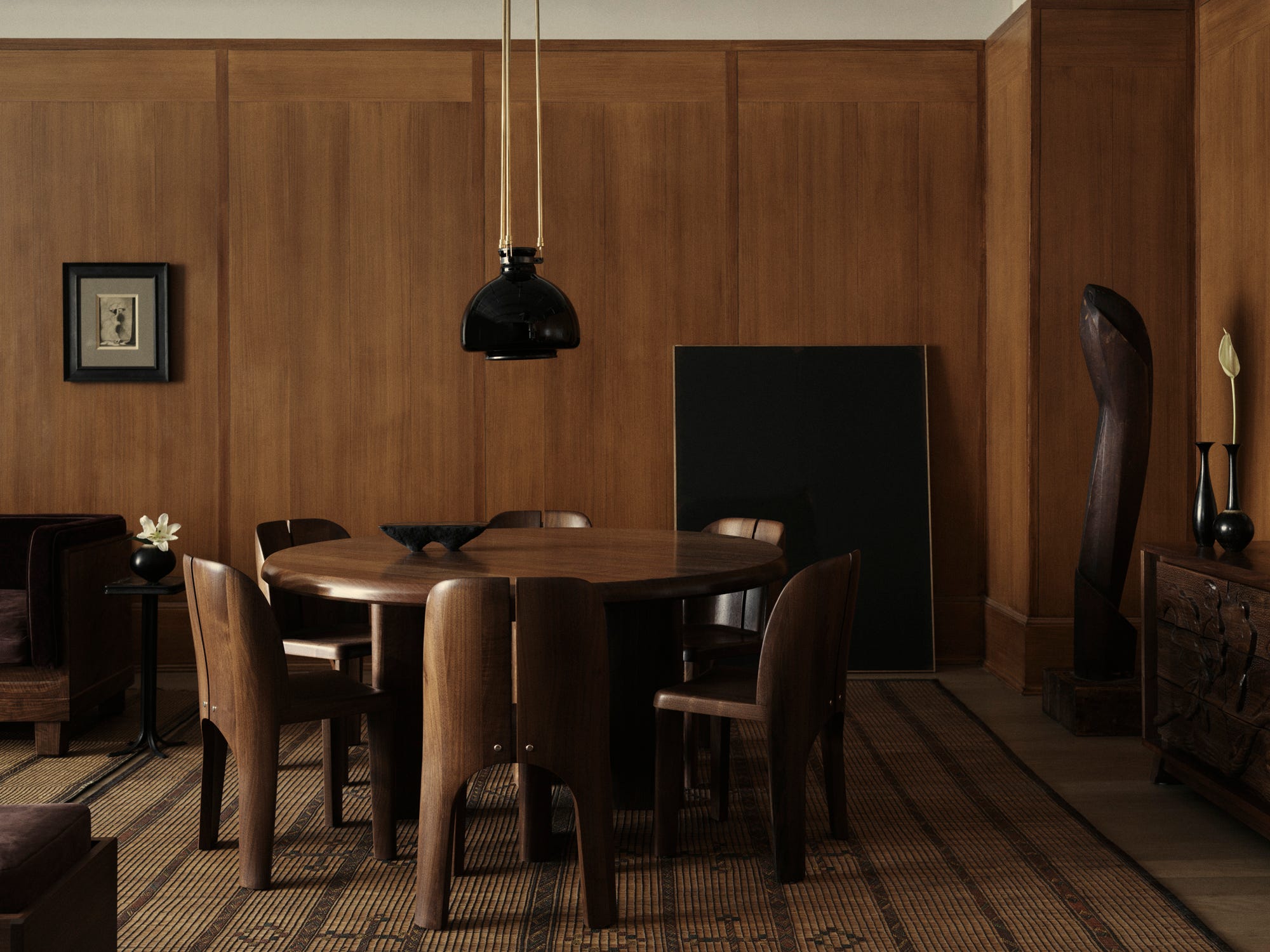
Faux bois can make drywall feel inherited. I once walked onto a Roman and Williams set and assumed the walls were old wood paneling. They weren’t. They were paint. Thoughtful, layered paint. It felt more European than most actual Europe.
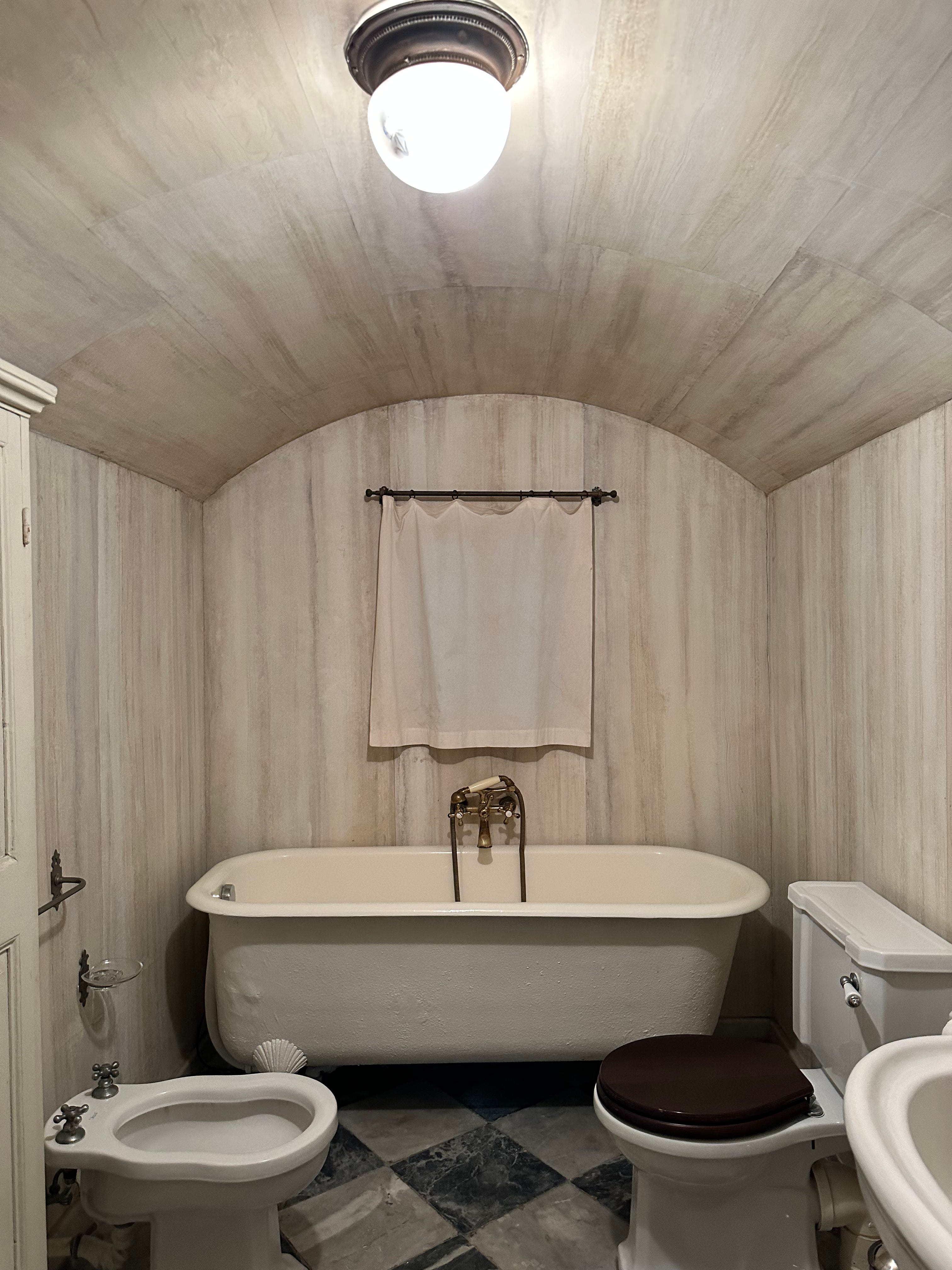
Painted marble can do something similar, though it’s rarely just about veining. I once saw a bathroom in Tangier where the entire seduction was the veining. Long, straight lines running up the walls and across the ceiling. Nothing else. Just geology turned architectural.
But what stopped me was on set at a private home in Paris. There were Italian scagliola tables throughout the space. Not only the marble effect, but the designs. Intricate inlays. Bold geometry. Surfaces that felt almost structural. Scagliola isn’t just imitation stone. It’s composition. Plaster and pigment arranged with ambition.
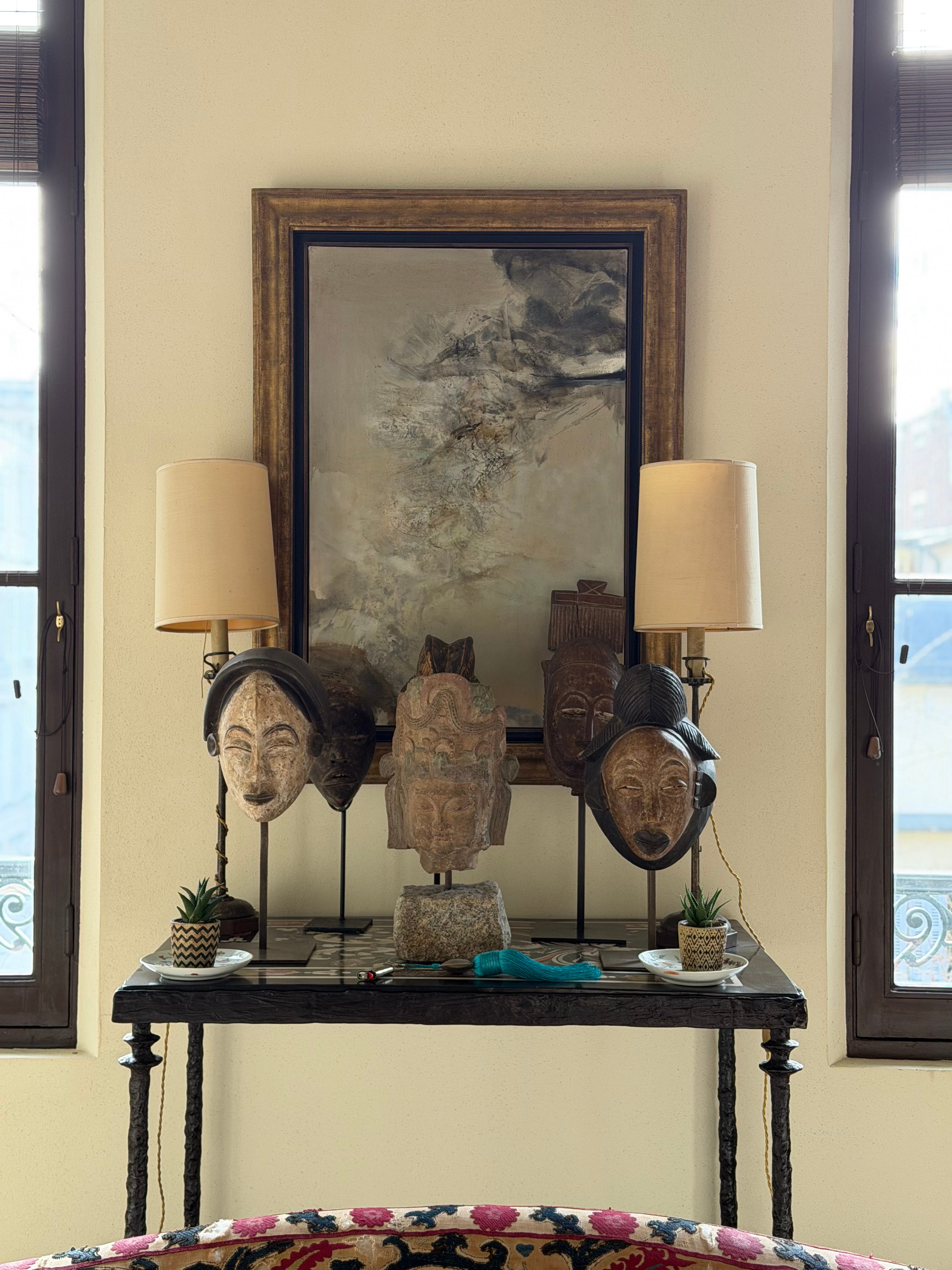
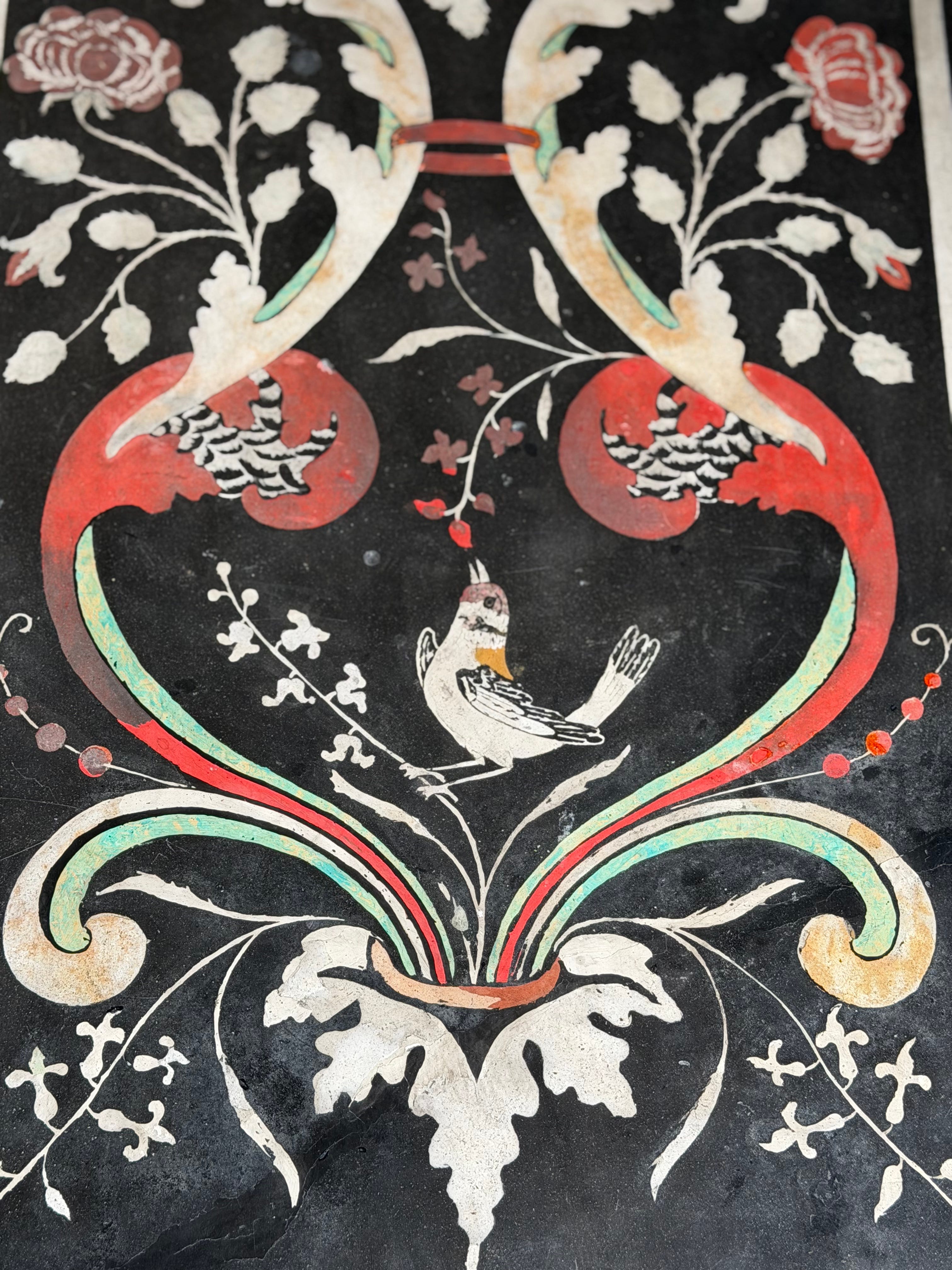
It felt almost philosophical. Why insist on quarrying something from the earth when you can compose it?
Which brings me to my current condition.