

Design Advice Is Often Just Someone Else’s Regret
On rules, warnings, and why no one actually knows what they’re doing.

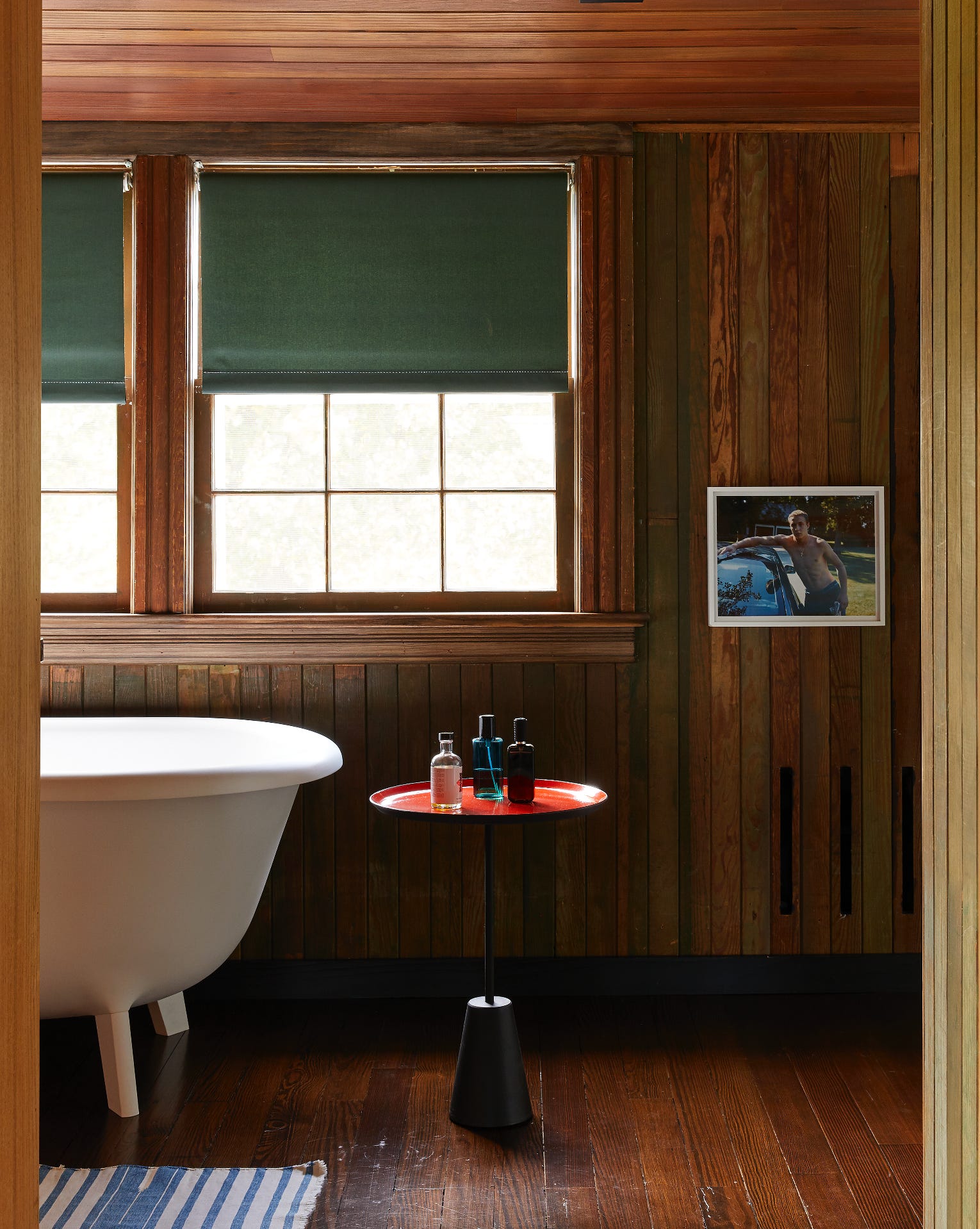
It is not lost on me that I am writing this while giving design advice on the internet.
I have a newsletter. I wrote a book. I have opinions. Some of them are even strong. So let’s just get that out of the way up front. I am fully inside the problem.
I think most advice is offered with good intentions. People aren’t trying to control you. They’re trying to help. Usually they’re trying to save you from a specific pain they remember very clearly. The chair that looked great but destroyed their back. The rug that never quite fit. The decision they defended for years before finally admitting it wasn’t right.
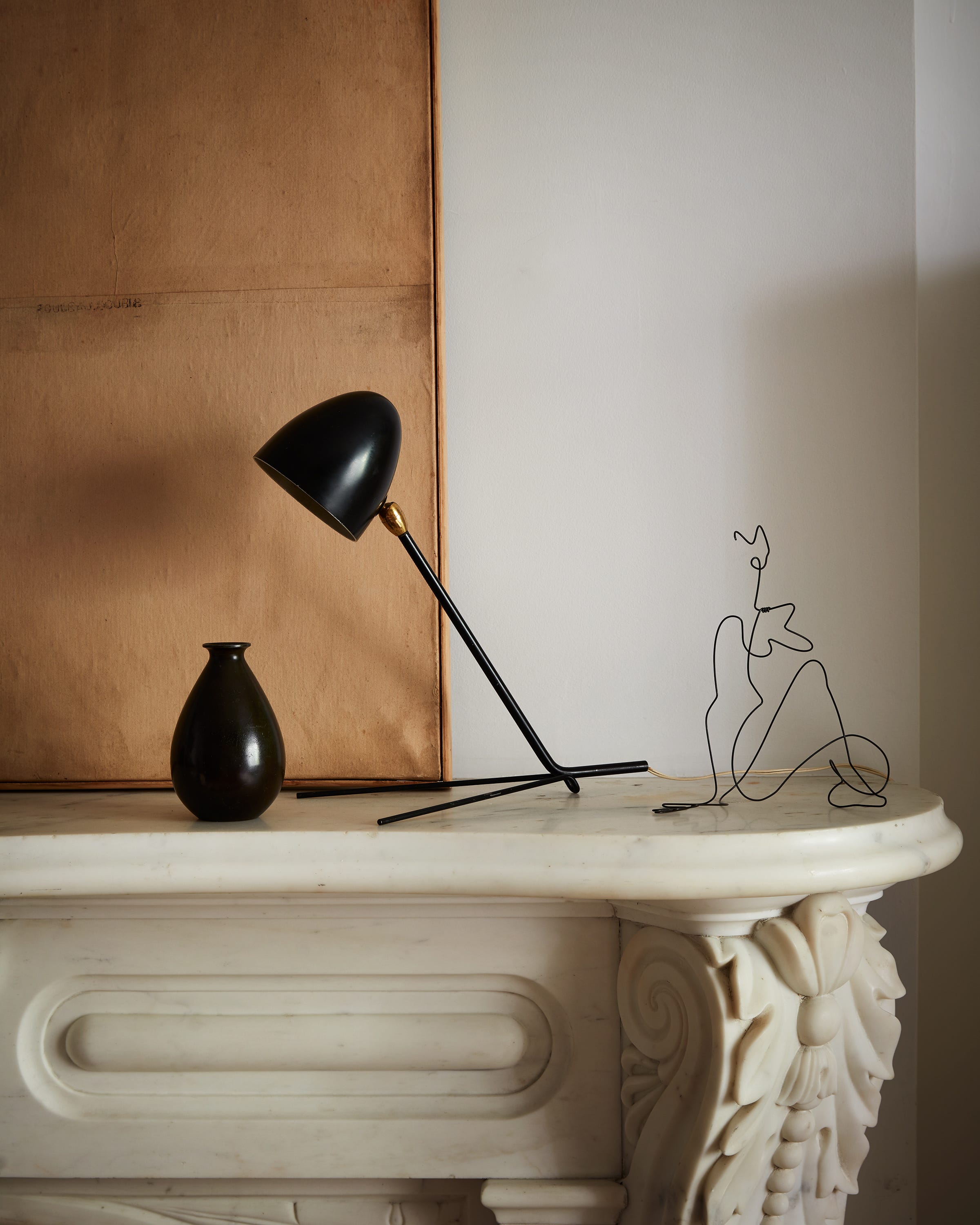
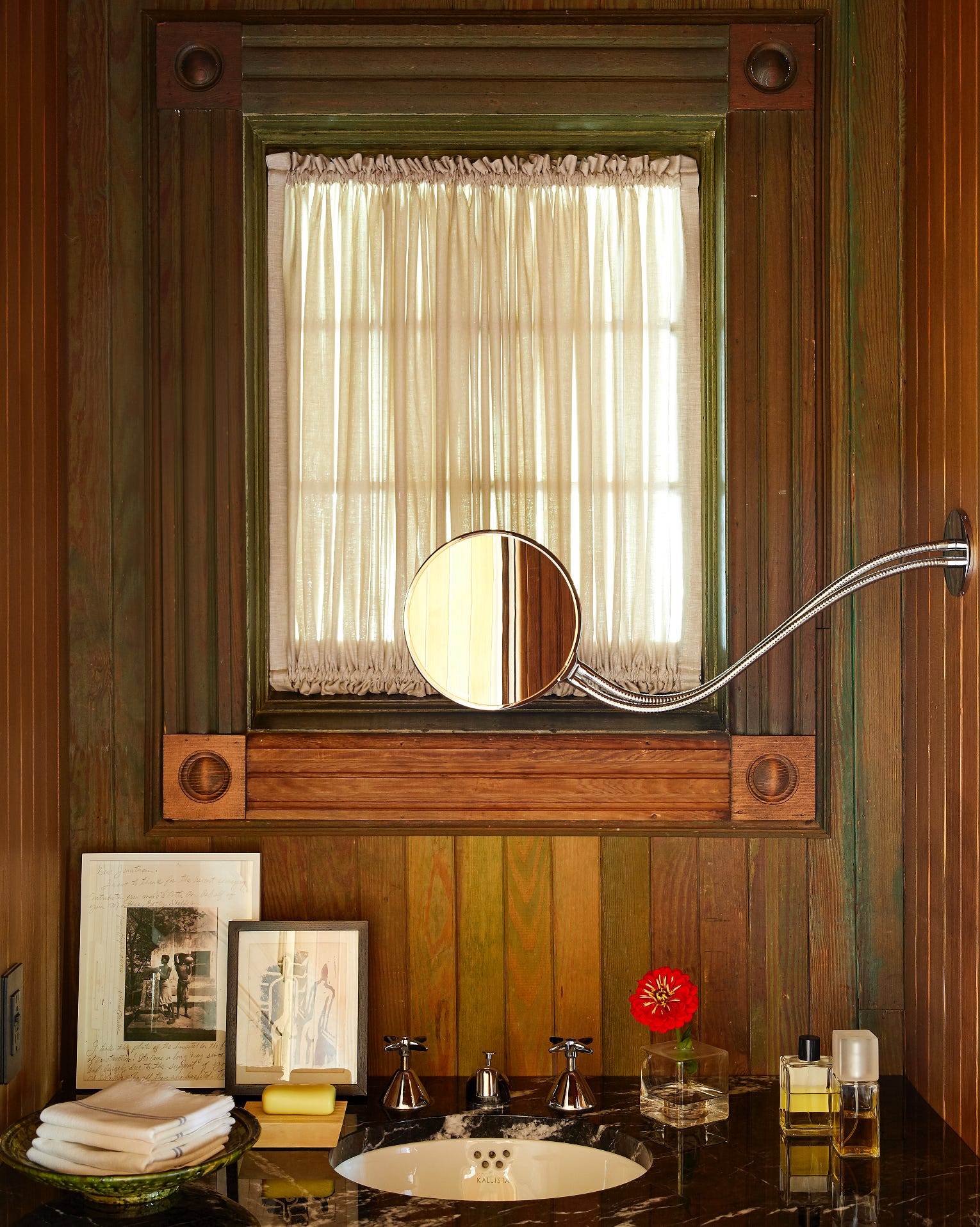
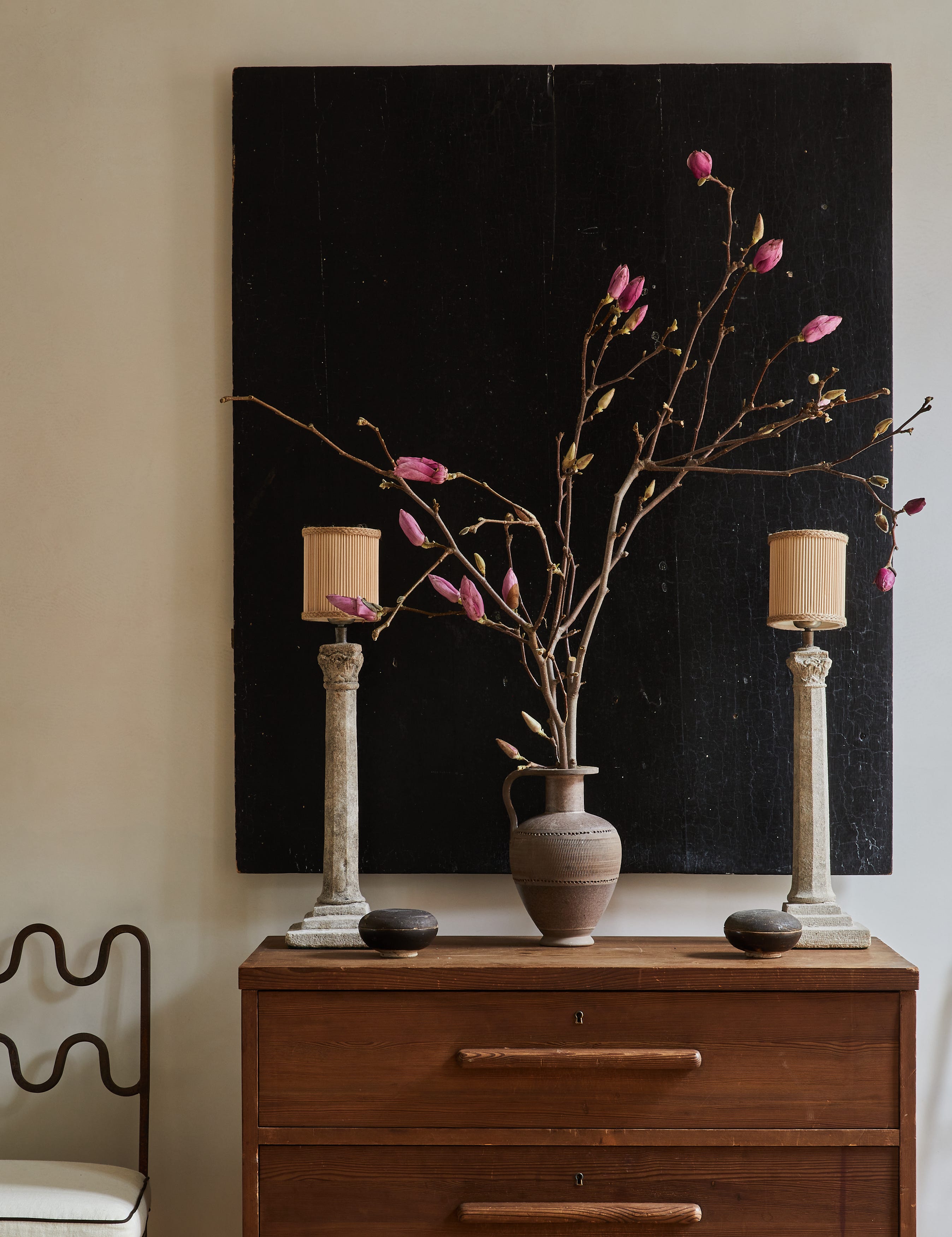
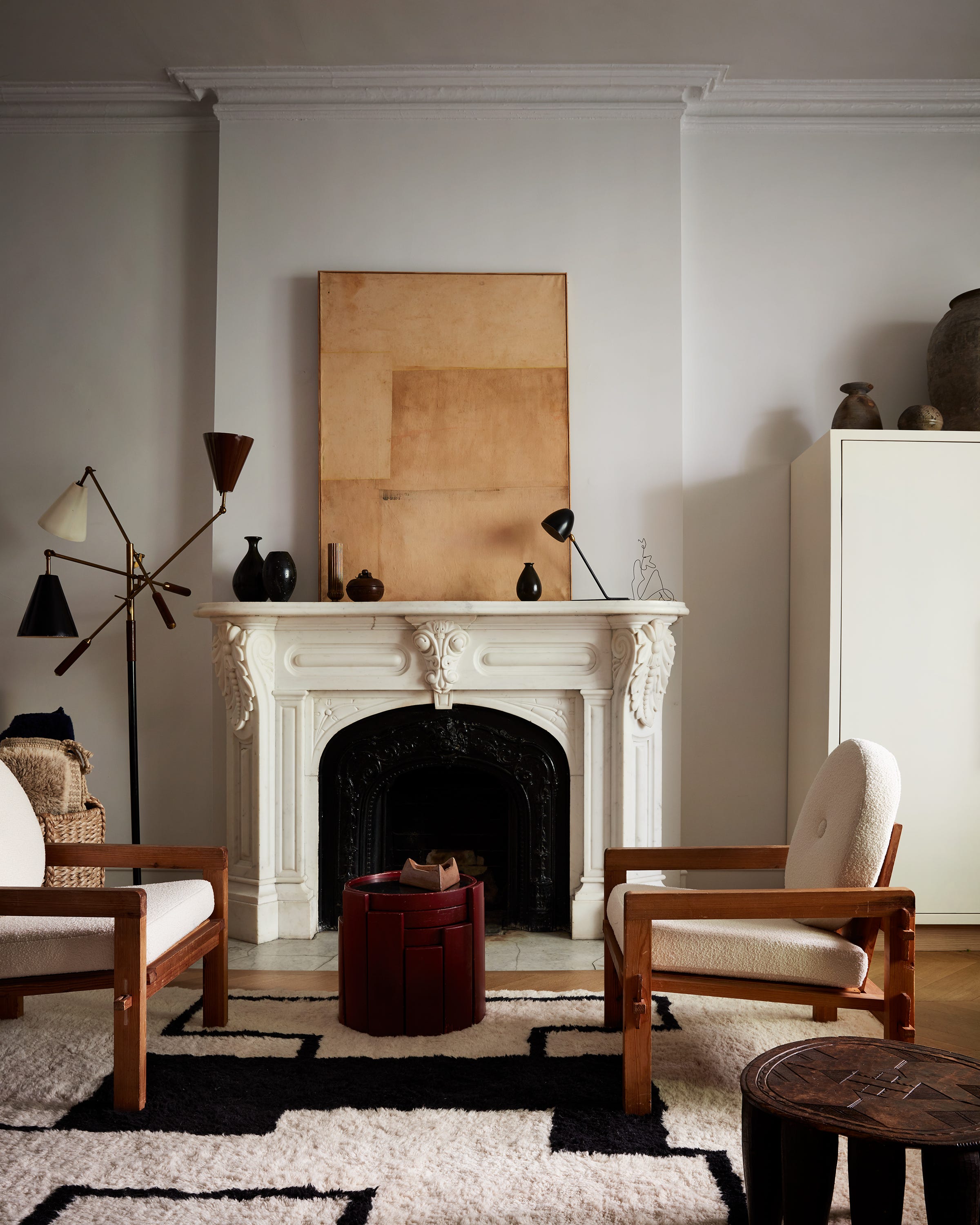
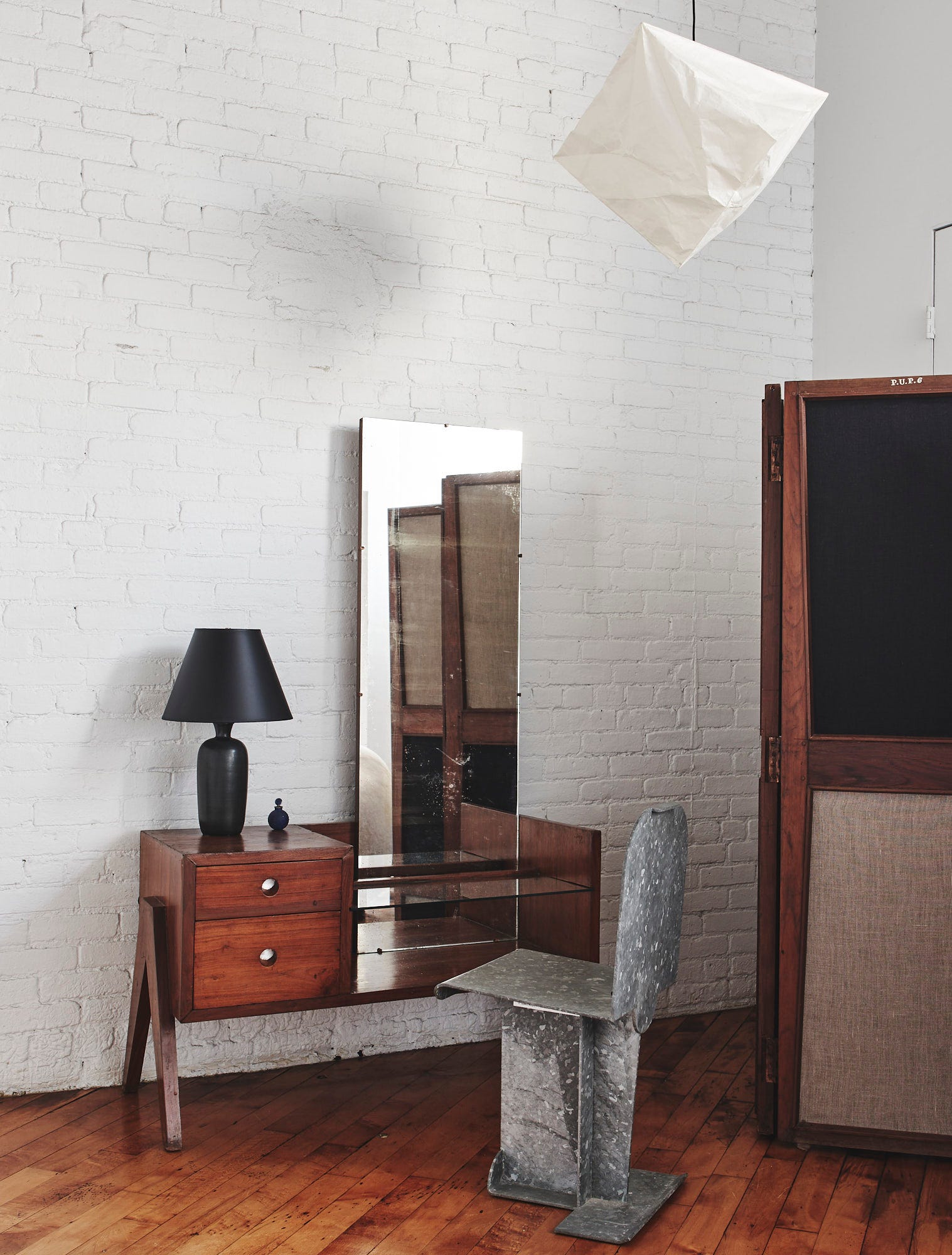
A lot of design rules are simply someone trying to prevent you from making the mistake they were brave enough to make first.
And I get it. I’ve done it too. I’ve watched someone hover near a choice and felt the almost uncontrollable urge to say, “Just trust me.” What I really mean is, trust my past self who suffered so you don’t have to.
The thing is, regret is deeply personal. It’s shaped by context. By the room. By the life that happened inside it. What failed for one person might be exactly what another person needs.
Design advice tends to skip that part. It jumps straight to the conclusion and turns lived experience into a rule. Don’t do this. Always do that. Never, ever try the other thing.
Rules feel comforting. They reduce anxiety. They give us something to hold onto when we’re unsure. But they can also flatten curiosity. They can keep us from discovering what actually works for us.
I think about this a lot when people ask me for formulas. There aren’t any. Design isn’t a math problem. It’s closer to a conversation. You try something. You listen. You adjust. Sometimes you’re wrong in a useful way.
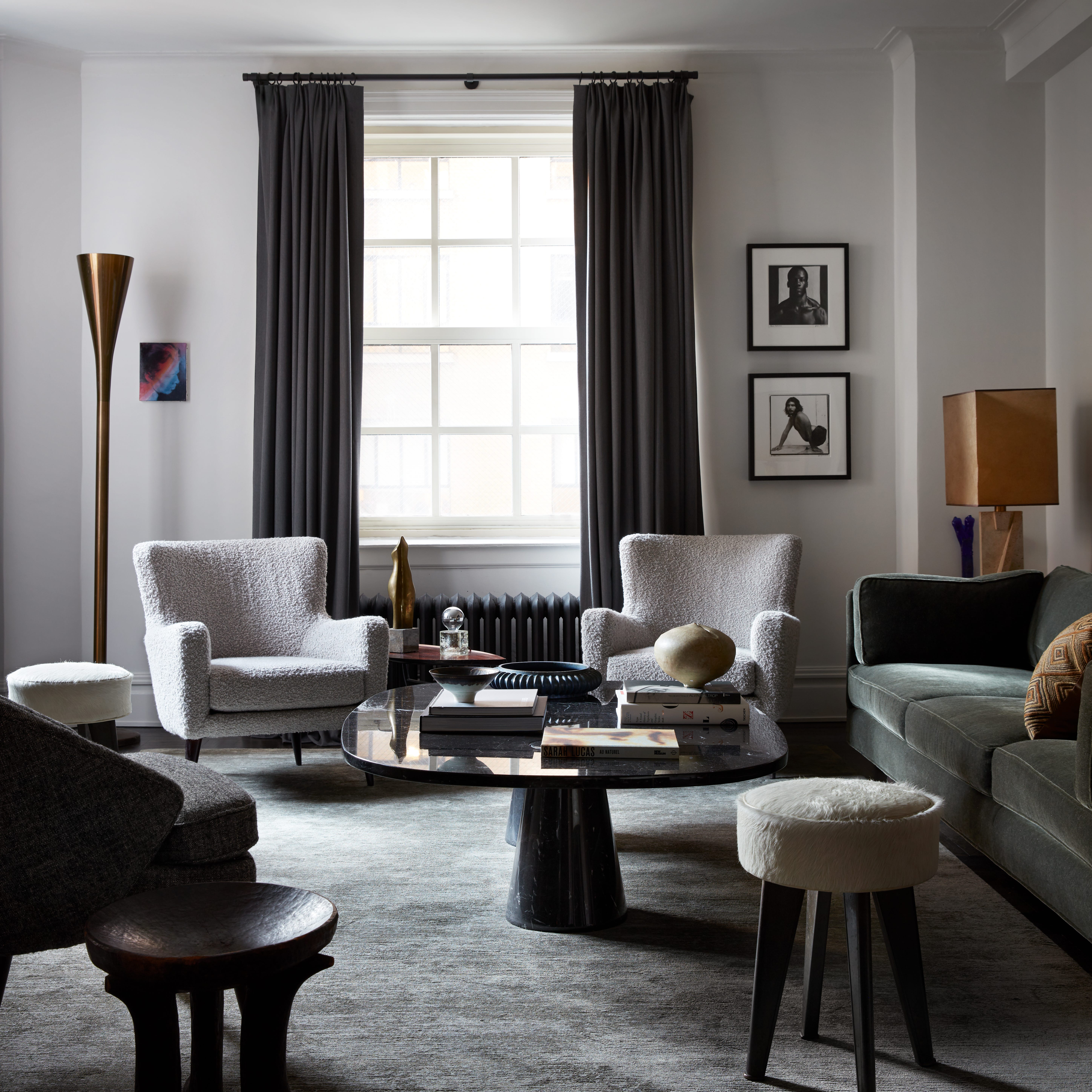
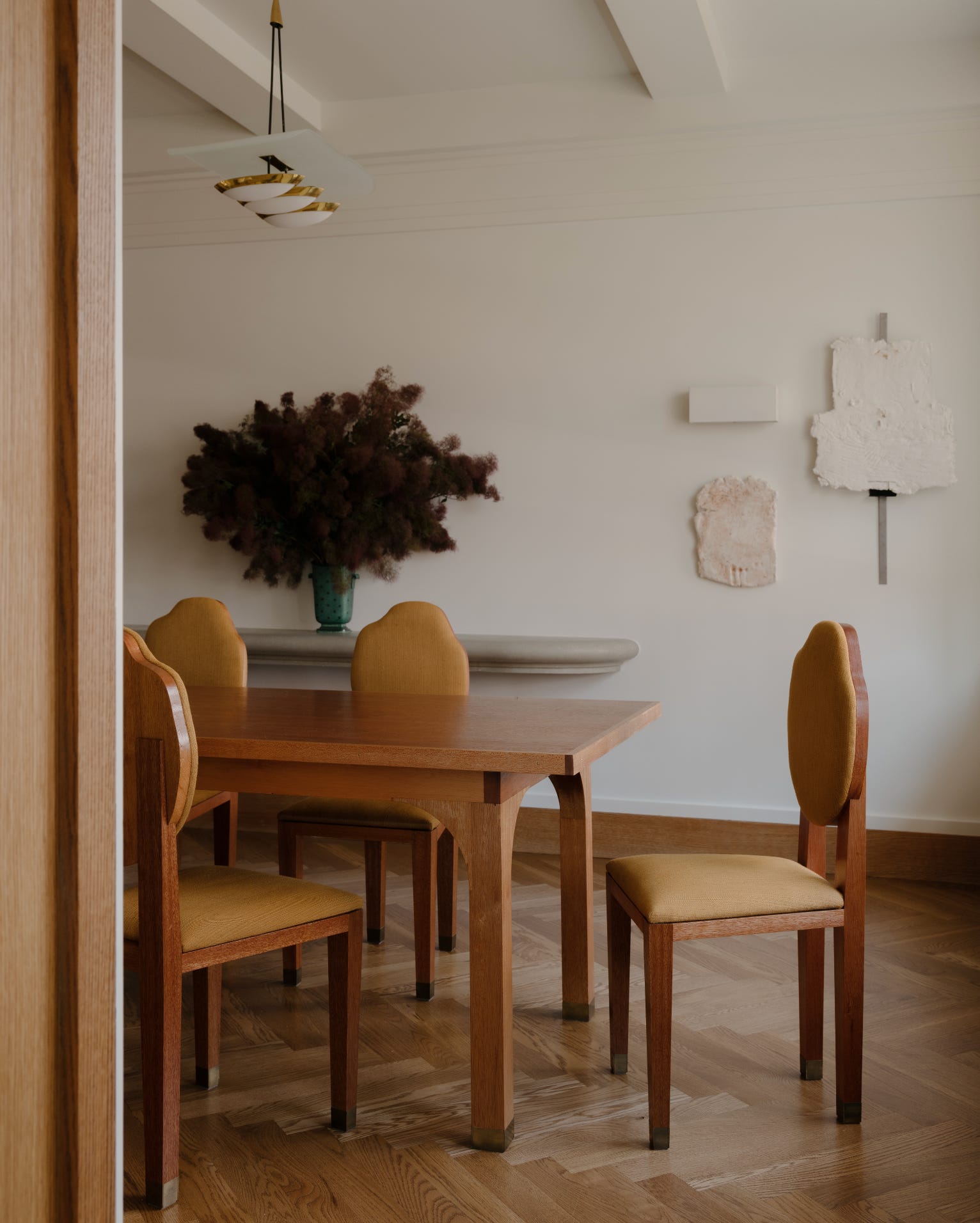
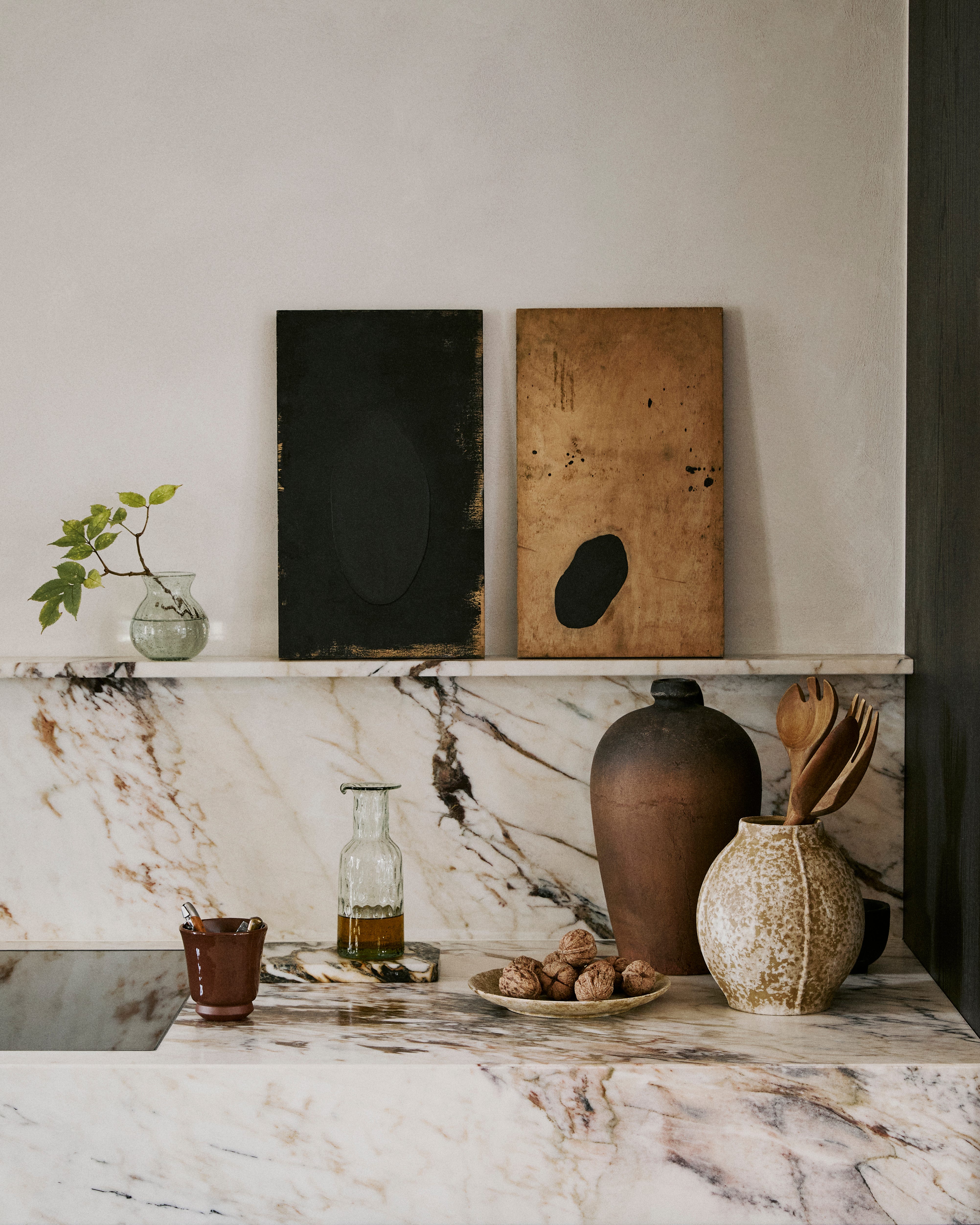
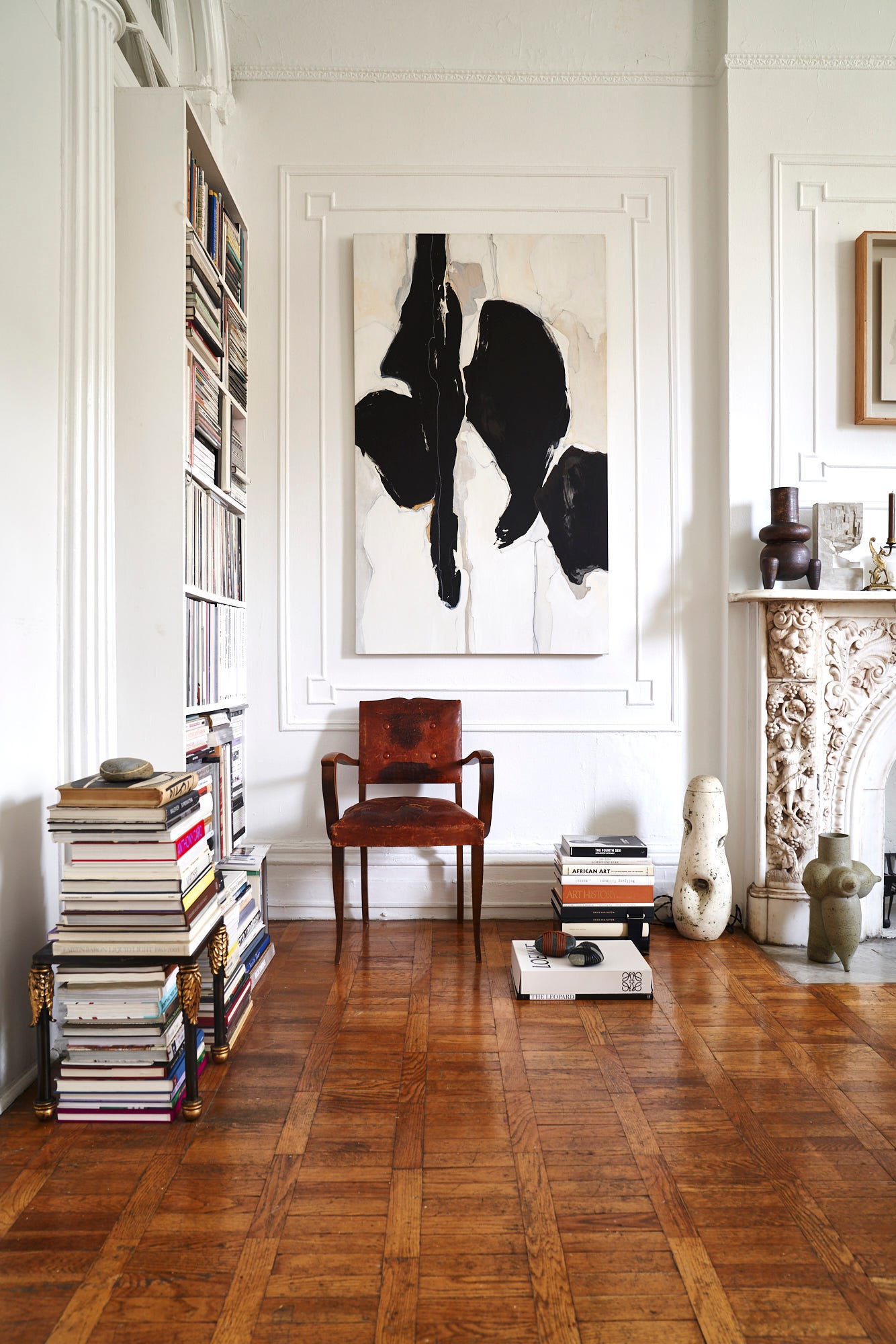
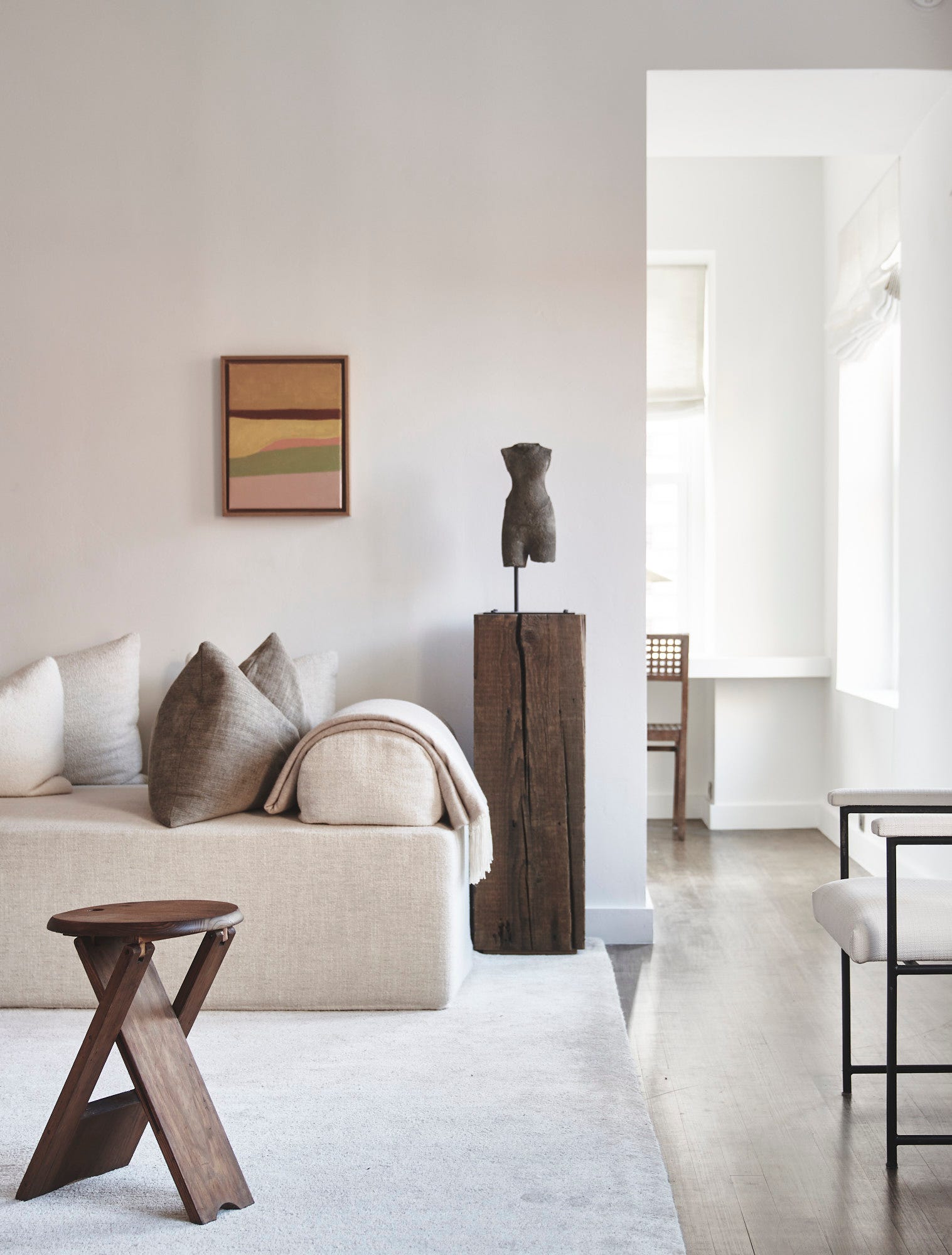
When I wrote Arranging Things, I was very conscious of this. I wanted to offer simple guidelines, not commandments. Structure with room to move. Enough clarity to build confidence, but not so much certainty that it shut curiosity down. The goal wasn’t to tell people what to do. It was to help them trust themselves enough to decide.
Because the best advice doesn’t create imitation. It creates permission.
For me, sharing experience is about offering a foothold, not a destination. It’s saying, Here’s something I learned. See if it helps you see something new. Not, Here’s the answer.
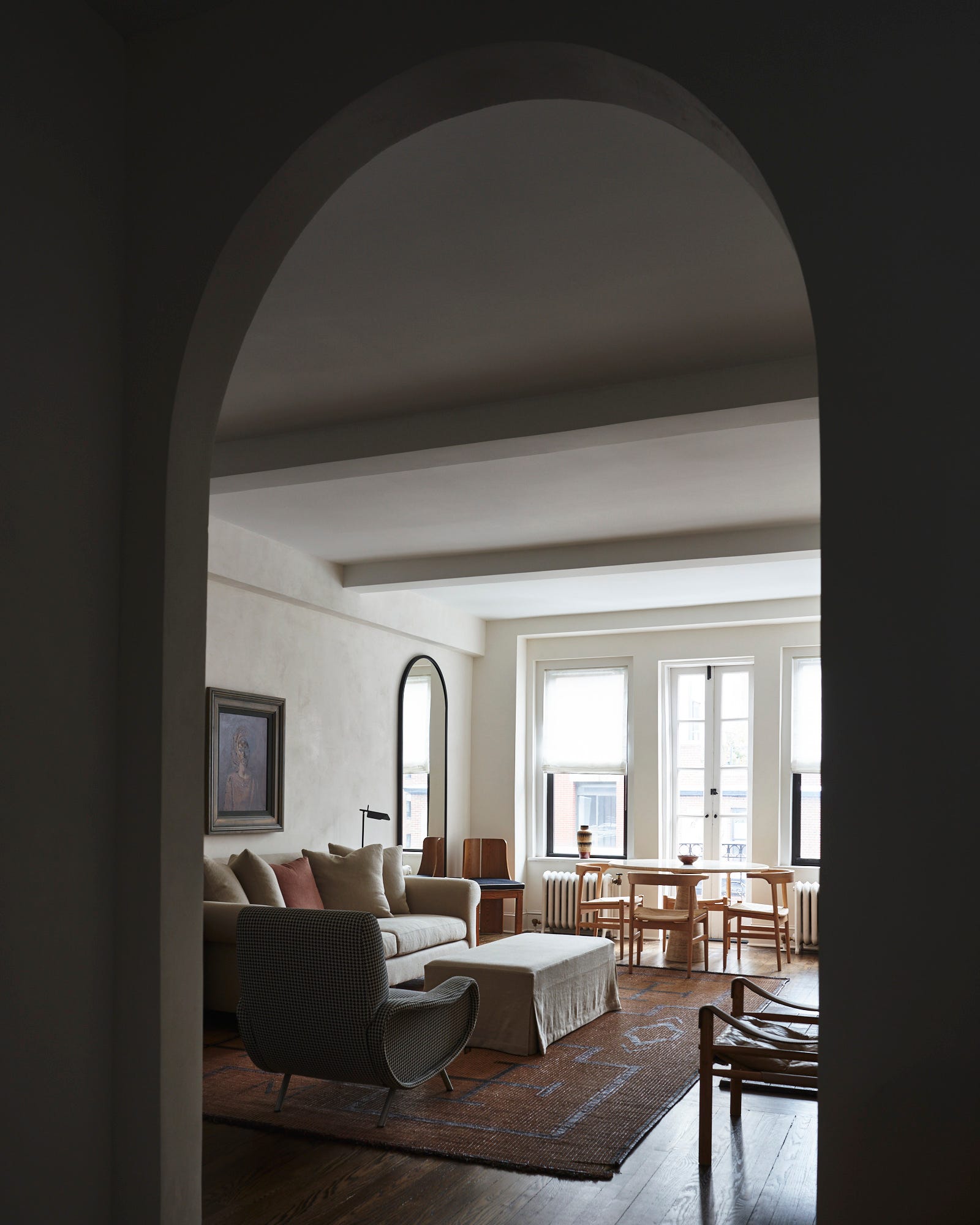
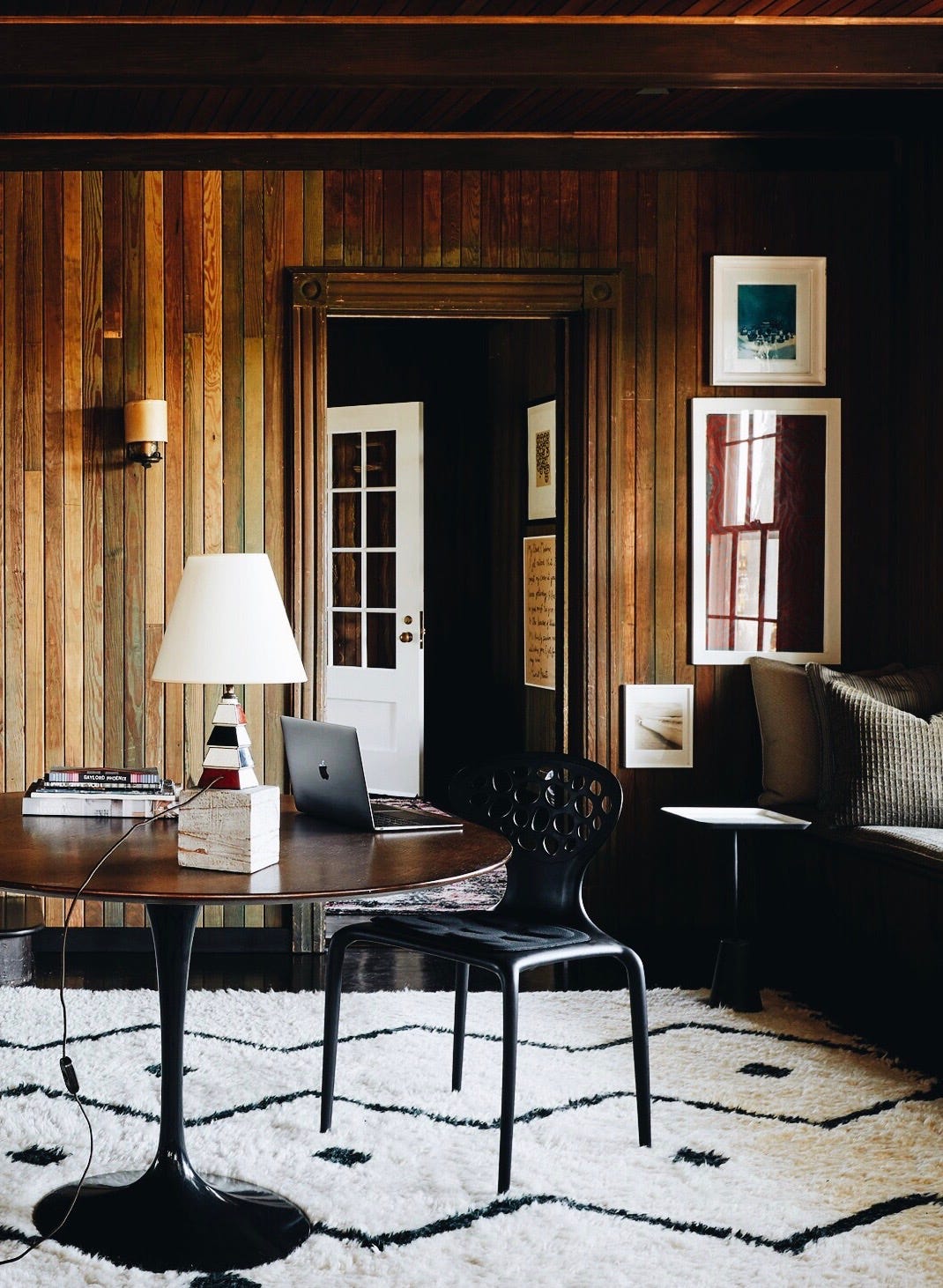
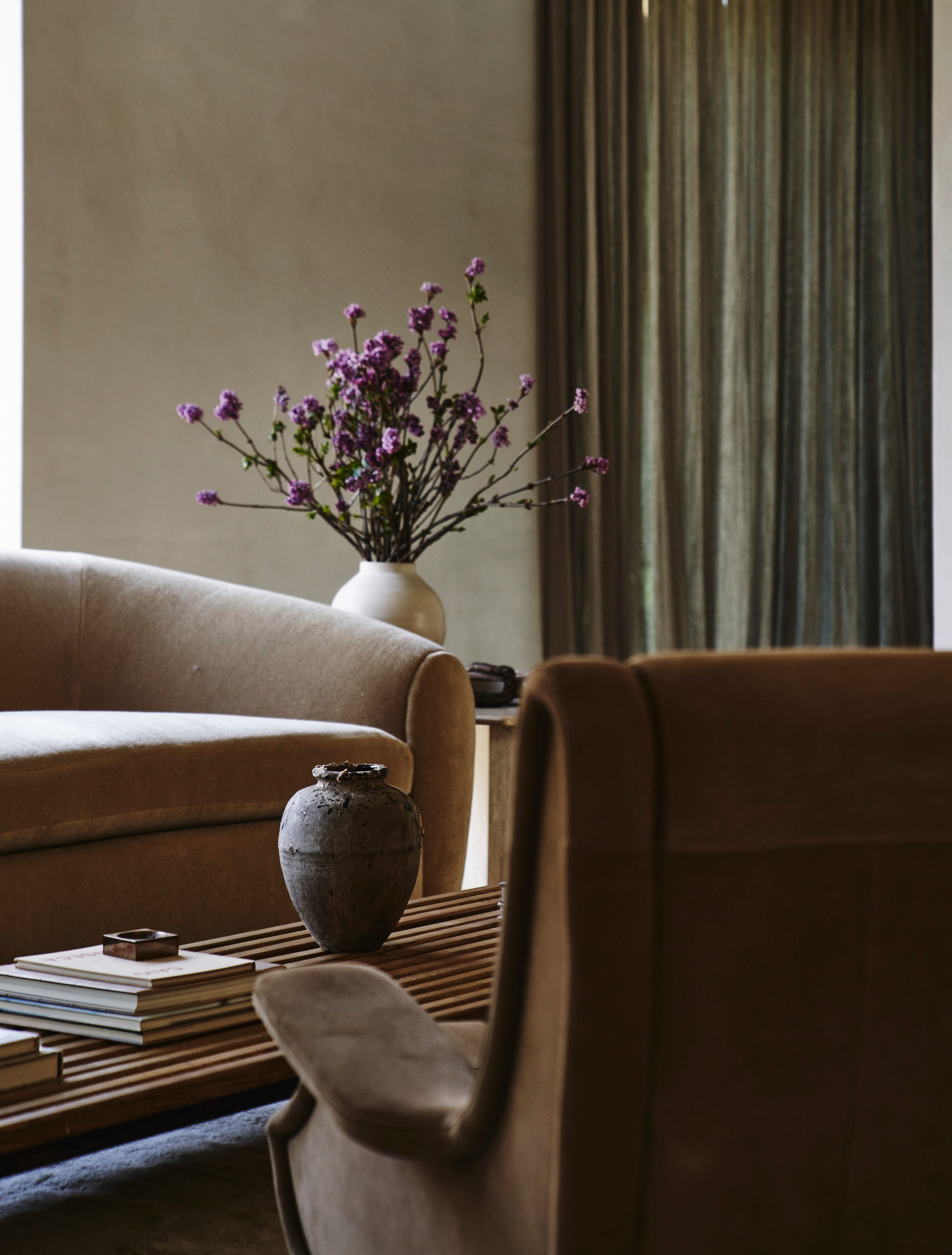
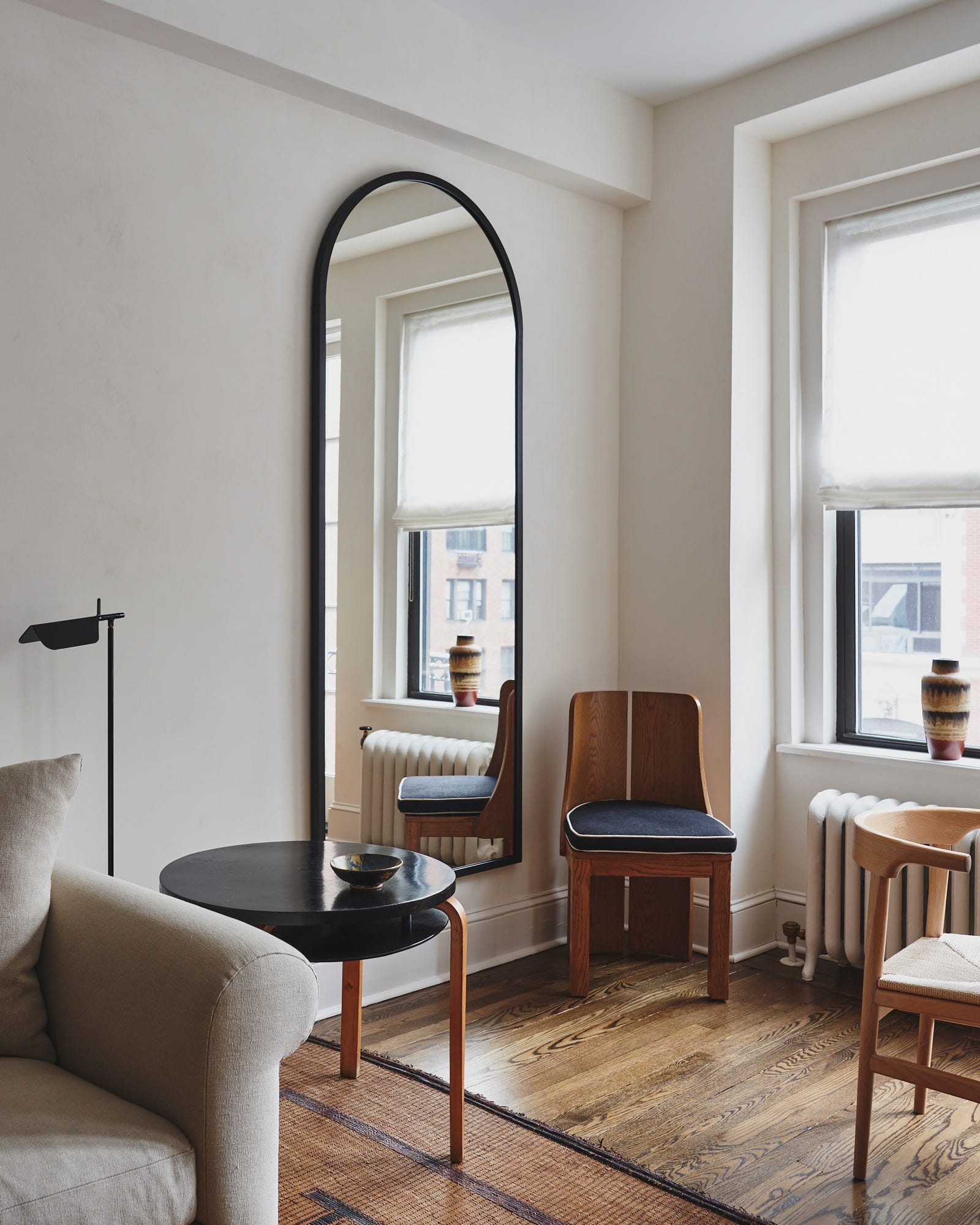
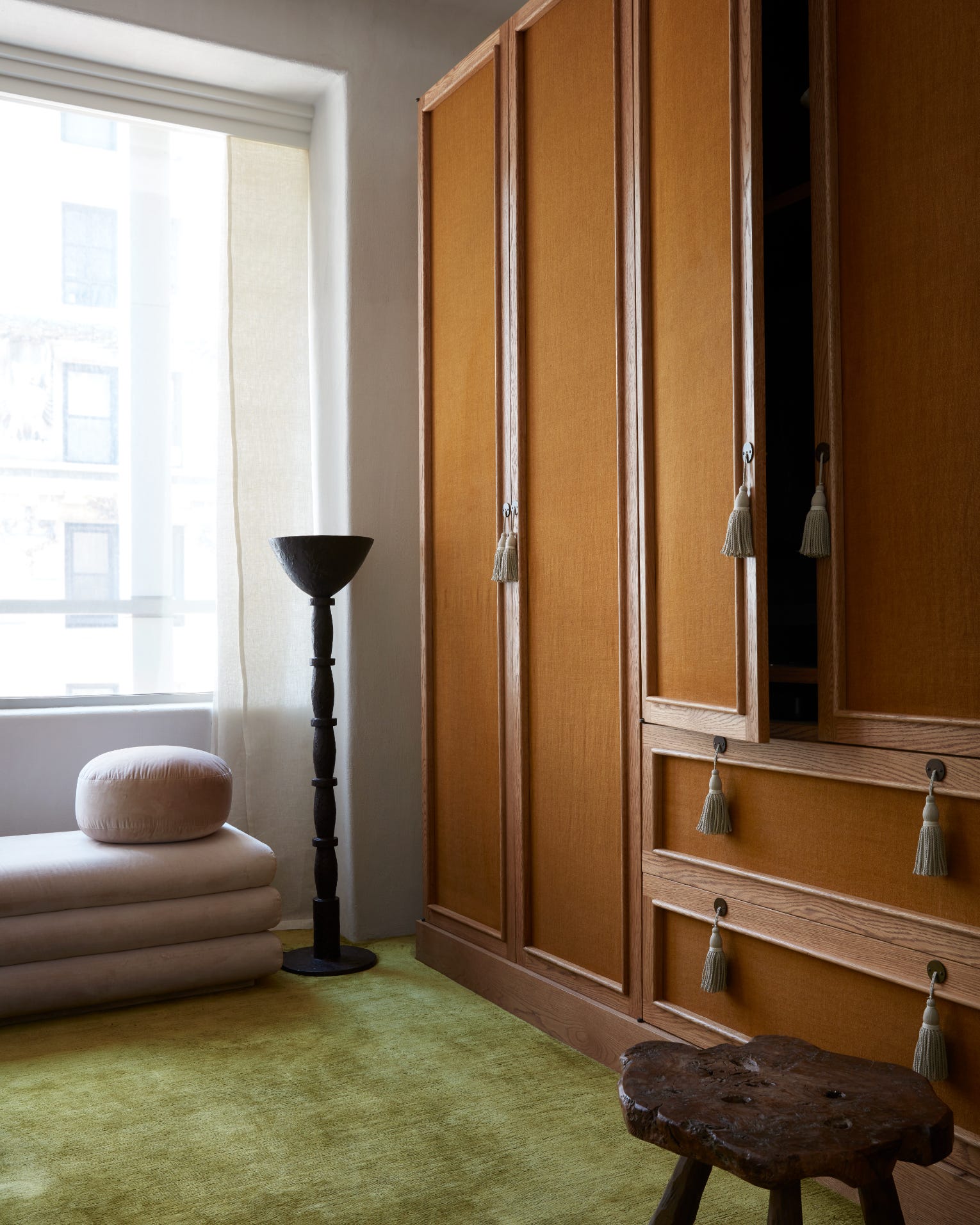
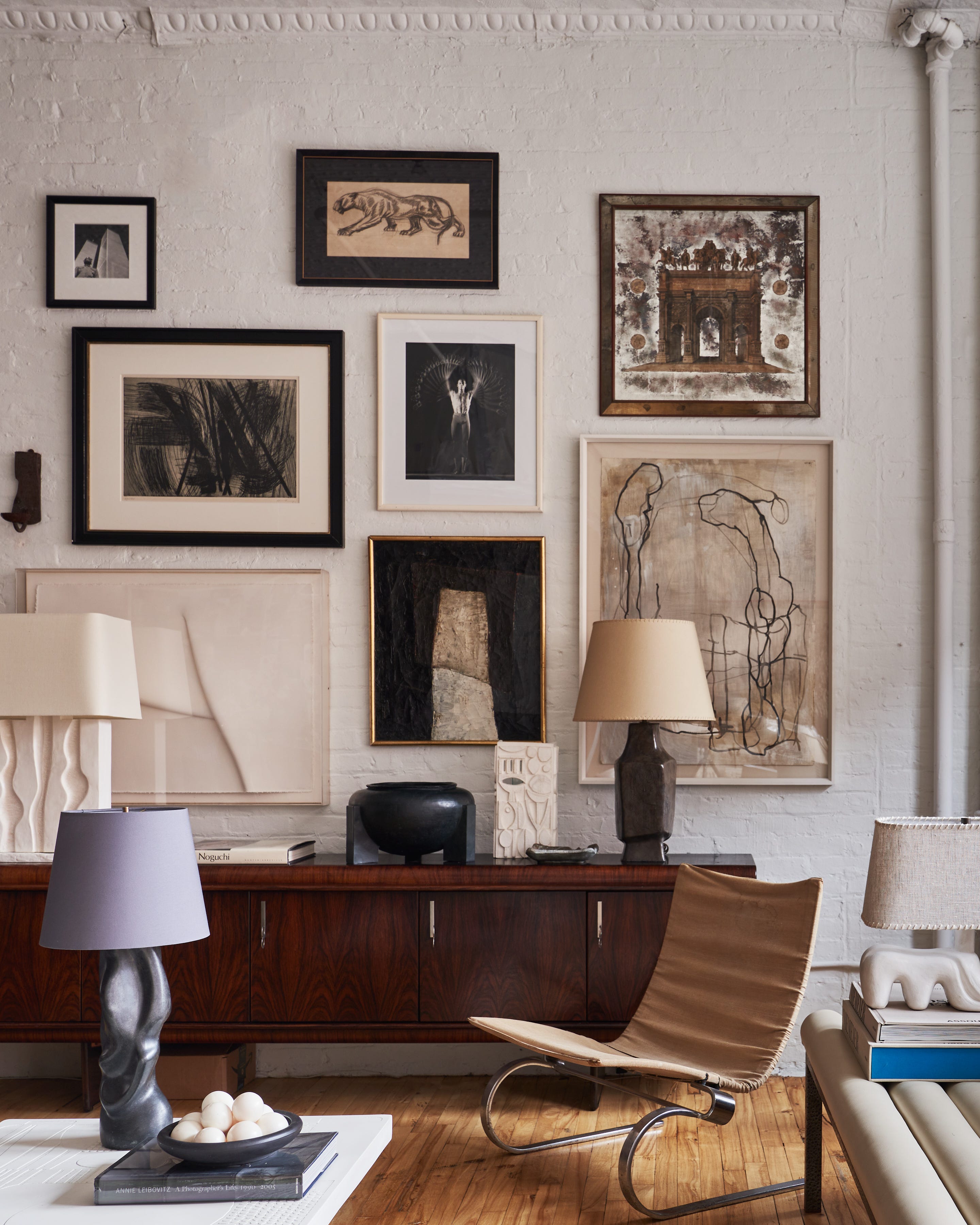
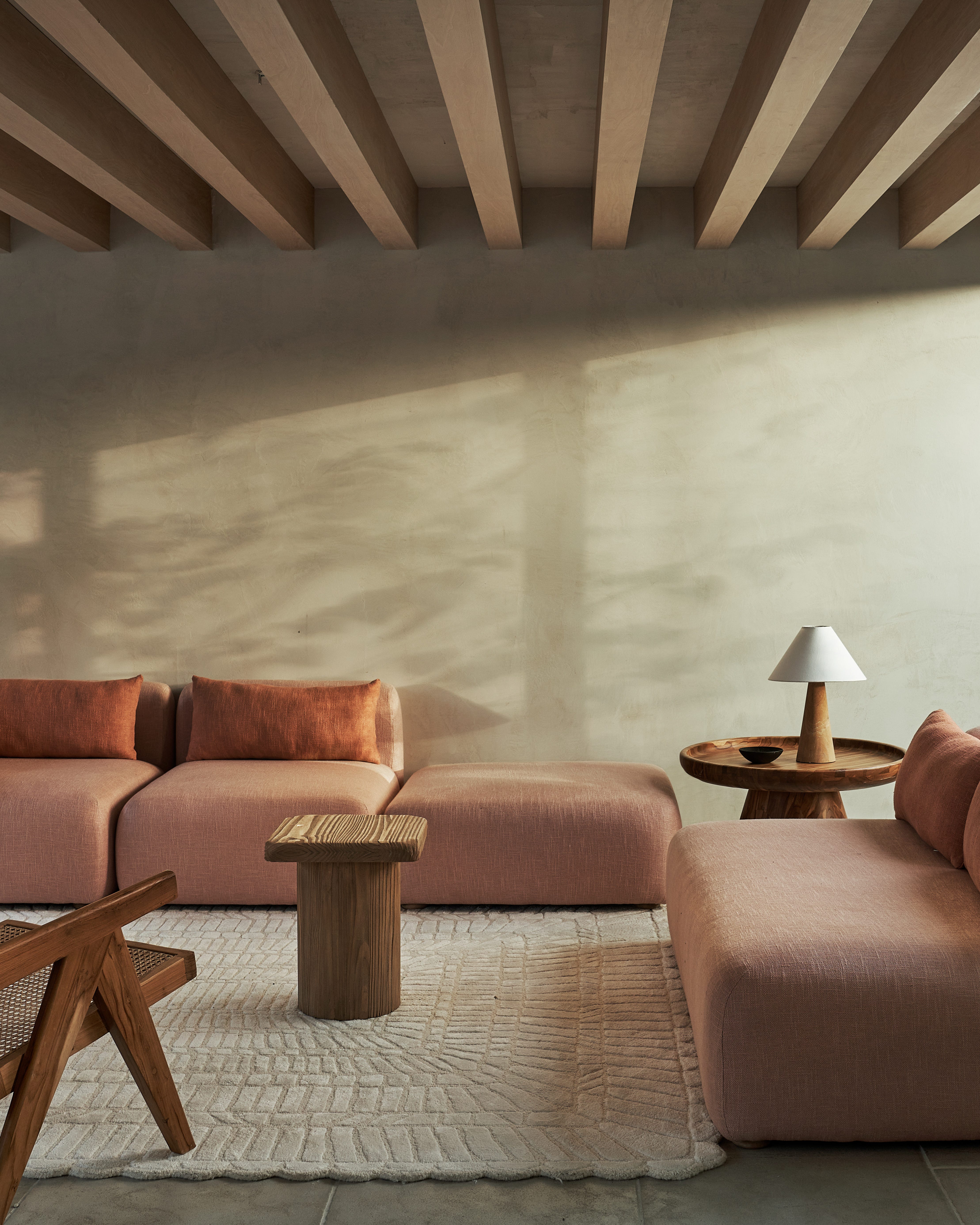
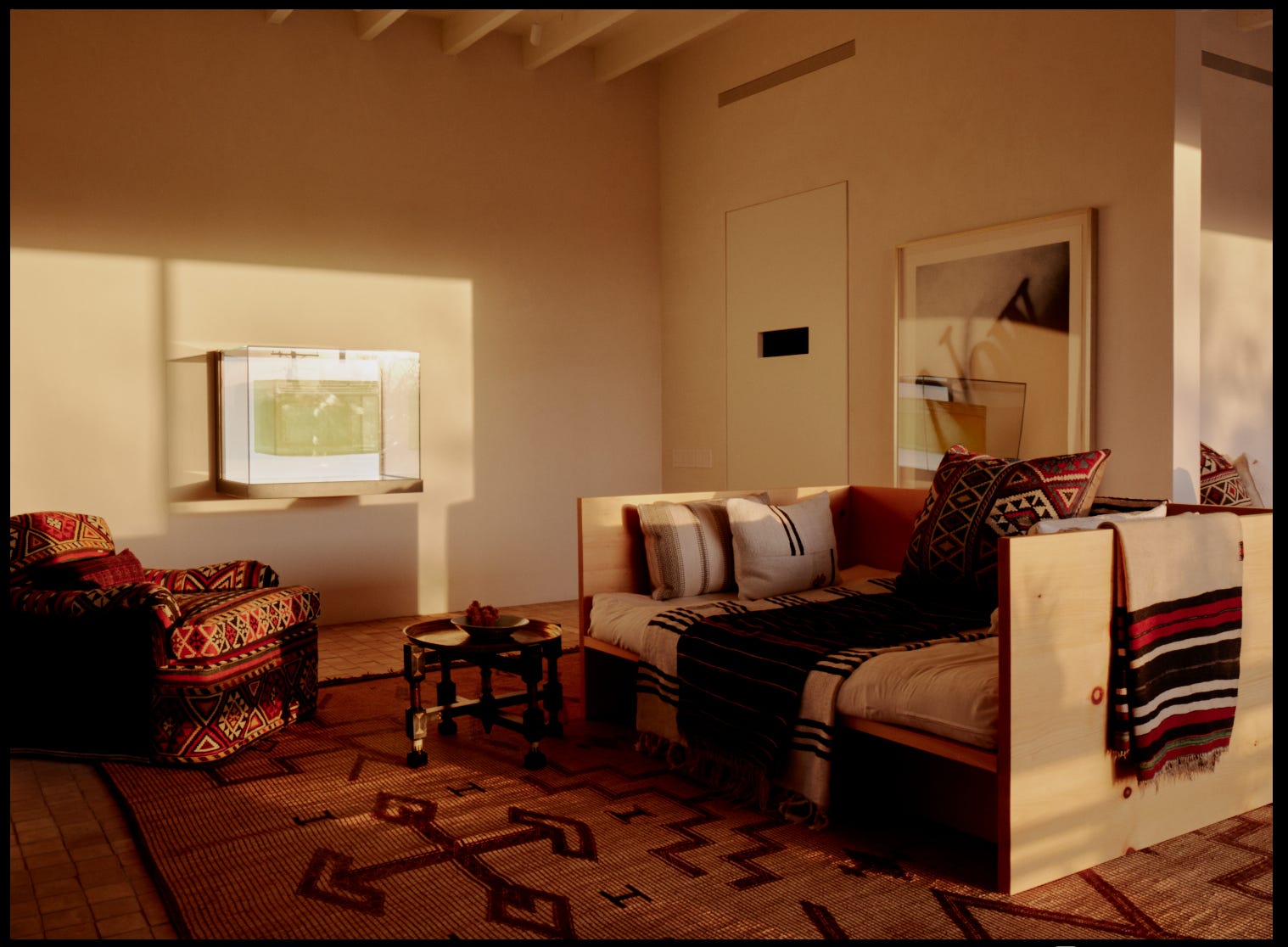
Design isn’t a formula. It’s an accumulation of noticing. Of living with things. Of changing your mind without panicking. Of realizing that the thing everyone warned you against might actually teach you something important.
Sometimes the advice you need is the advice that gives you confidence to take a risk. To try the thing anyway. To discover for yourself whether it works.
And if it doesn’t, congratulations. You’ve just earned some very convincing advice of your own.
Love,
Colin

Loved reading this - as a wardrobe stylist, I wholeheartedly agree. Our work is to give people the tools that empower a decision and facilitate self discovery. That's where the joy is.
Thank you as always Colin. Your thought pieces are good for me to ponder.
I think we often over-complicate this. At the end of the day, what is design advice but just information? It’s a data point you can either consider or discard. Having grown up in a family of designers and being in this industry since a very early age, I’ve realized my job isn't to be a gatekeeper of 'good taste' or 'rules'—it’s to make my clients happy.
Because humans are so nuanced, there is no universal formula. The only 'advice' I could ever truly give is to listen. If you listen deeply enough to a client, the solution becomes intuitive. It’s about honing in on what makes that specific person 'tick' and providing a result they are enthralled with in that specific moment. Everything else is just noise.